
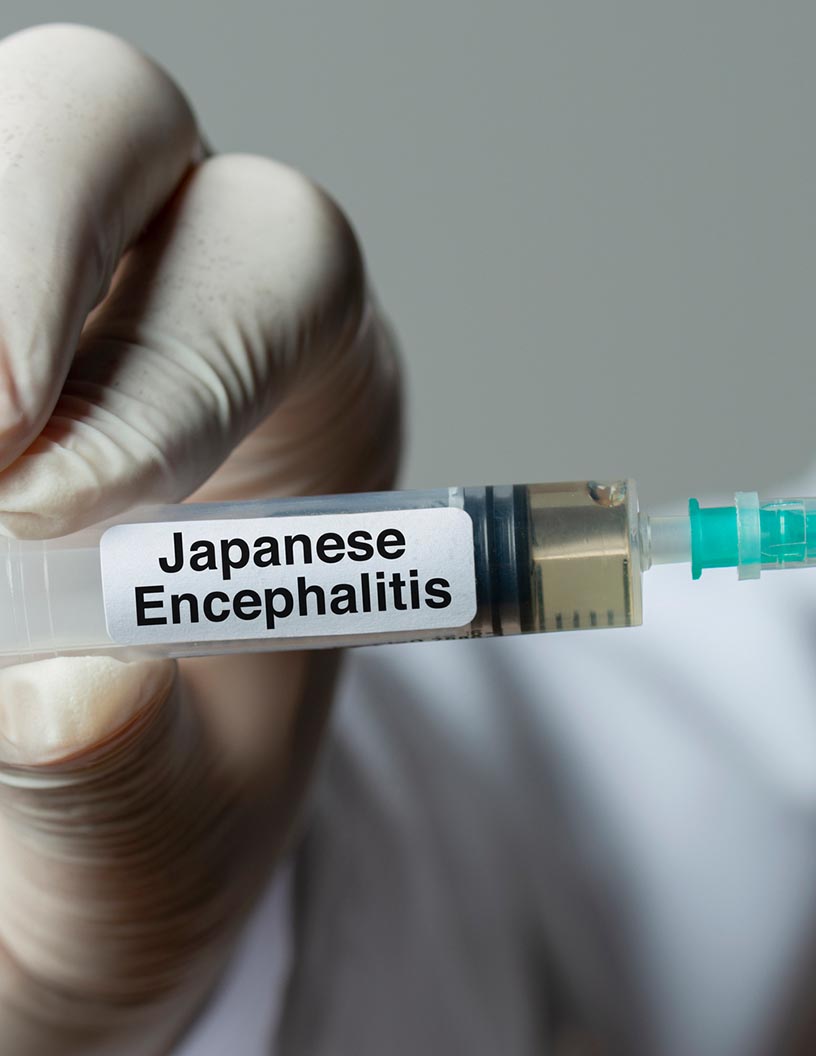


Japanese Encephalitis Vaccines (JEV) Market Forecast 2024-2028
The Japanese Encephalitis Vaccines (JEV) Market size is forecast to increase by USD 75.69 million, at a CAGR of 6.29% between 2023 and 2028.
What will be the Size of the Japanese Encephalitis Vaccines Market During the Forecast Period?

To learn more about this report, Download Report Sample
Segmentation by Type, Distribution Channel, and Geography Analysis
Type Analysis
Inactivated vaccines
The inactivated vaccines segment is estimated to witness significant growth during the forecast period. Inactivated vaccine segments are developed by inactivating the live microorganisms that cause disease through physical or chemical processes. In addition, the pathogens are grown under controlled conditions and are killed to ensure that they do not cause any infection when administered. Furthermore, inactivated vaccines are developed by inactivating or killing a pathogen using heat or chemicals.

Get a glance at the market contribution of various segments Download PDF Sample
The inactivated vaccines segment was the largest segment and was valued at USD 132.44 million in 2018. Moreover, formaldehyde or formalin is the most commonly used chemical to inactivate a pathogen. In addition, when exposed to these chemicals, the pathogen loses its ability to replicate, and hence, it does not cause any harm to the body. Furthermore, the pathogen is kept intact or is left with some of its integrity to ensure that the immune system recognizes it and starts an immune response. In addition, the inactivated vaccines hold the highest share of the global market in 2023, with approximately seven vaccines approved under this segment. Hence, such factors are fuelling the growth of this segment which in turn drives the market growth during the forecast period.
Distribution Channel Analysis
Hospital pharmacy
The hospital pharmacies segment works closely with suppliers and pharmaceutical companies to procure the necessary Japanese encephalitis vaccines. In addition, these vaccines are then stored in the pharmacy inventory. Inventory management systems help monitor stock levels and ensure that an adequate supply of Japanese encephalitis vaccines is available. Moreover, accurate documentation is crucial in healthcare. In addition, hospital pharmacies maintain records of the medications dispensed to each patient. Furthermore, this helps in tracking the patient treatment progress and ensures accountability. Hence, such factors are fuelling the growth of this segment which in turn drives the market growth during the forecast period.
Retail pharmacy
Retail pharmacies, comprising chain pharmacies, independent pharmacies, and online pharmacies, play a significant role in the distribution process of Japanese encephalitis vaccines. In addition, retail pharmacists provide patient education on proper medication usage, potential side effects, and any relevant precautions. Moreover, this education helps patients understand how to effectively manage their Japanese encephalitis condition. In addition, retail pharmacies maintain records of dispensed medications and patient information. Furthermore, this documentation is essential for record-keeping, patient history, and potential future interactions. Hence, such factors are fuelling the growth of this segment which in turn drives the market growth during the forecast period.
Regional Analysis
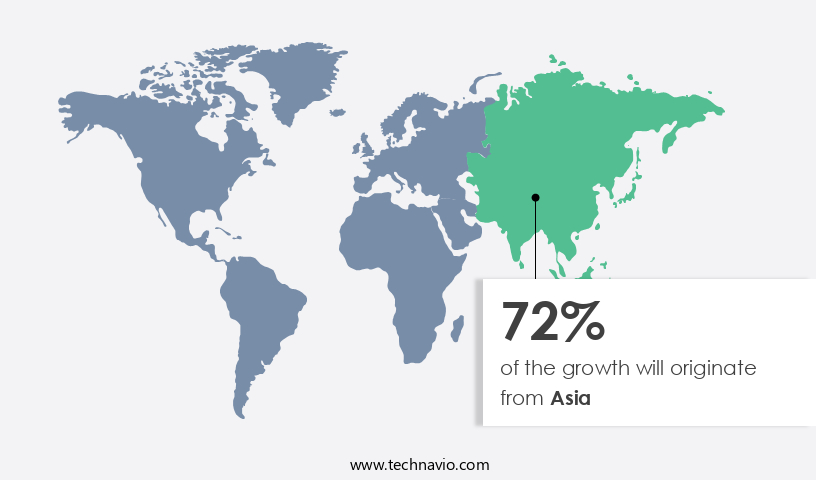
For more insights about the market share of various regions Download PDF Sample now!
Asia is estimated to contribute 72% to the growth of the global market during the forecast period. Technavio’s analysts have elaborately explained the regional trends and drivers will shape the market during the forecast period. The market in Asia is expected to witness significant growth, due to the increased risk of the indication in the region. In addition, Japanese encephalitis is endemic mostly in Asian countries, thus increasing the risk of the indication in over three billion people in the region. Moreover, as there is no cure for the disease, various vendors, such as Sanofi, Valneva, and Bharat Biotech, and organizations, such as UNICEF and WHO, are focusing on preventing the virus by using vaccines. In addition, these organizations are also working on eradicating the virus, and hence, the Japanese encephalitis vaccine has been added to the national immunization plan of various Asian countries, including India and China, which are currently at the highest risk of coming into contact with the Japanese encephalitis virus. Hence, such factors are driving the market growth in Asia during the forecast period.
Buy Full Report Now
Key Market Players
Companies are implementing various strategies, such as strategic alliances, partnerships, mergers and acquisitions, geographical expansion, and product/service launches, to enhance their presence in the market. The report also includes detailed analyses of the competitive landscape of the market and information about 8 market companies, including:
Adimmune Corp: The company offers Japanese encephalitis vaccines such as ADImmune that provide comprehensive protection against influenza virus infections.
- Bharat Biotech Ltd.
- Biological E. Ltd.
- Medigen Inc.
- Meiji Holdings Co. Ltd.
- Panacea Biotec Ltd.
- Sanofi SA
- Shandong Hengye Biotechnology Co. Ltd.
Qualitative and quantitative analysis of companies has been conducted to help clients understand the wider business environment as well as the strengths and weaknesses of key market players. Data is qualitatively analyzed to categorize companies as pure play, category-focused, industry-focused, and diversified; it is quantitatively analyzed to categorize companies as dominant, leading, strong, tentative, and weak.
Key Drivers, Trends, Challenges, and Customer Landscape
There are multiple factors influencing market growth. Our researchers analyzed the data with 2022 as the base year, along with the key drivers, trends, and challenges.
Key Drivers
Strategic alliances for Japanese encephalitis vaccine development drive the market growth. The global healthcare industry is facing strong downward pressure to minimize costs. Therefore, companies are focusing on forming various strategic alliances across the value chain. Furthermore, in the global market, such alliances are found primarily on two notes, namely, the alliance between the vendors and industry-academia collaboration.
Moreover, these alliances are usually formed to overcome the challenges associated with the research, manufacturing, and commercialization of vaccines. In addition, these alliances also include the transfer of technology to vendors in specific regions and overcoming the challenges with the approval process at a regional level. Hence, such factors are positively impacting the Japanese encephalitis vaccines market. Therefore, it is expected to drive the market growth during the forecast period.
Significant Trends
The development of novel Japanese encephalitis vaccine technology is an emerging trend in the market. Japanese encephalitis refers to a mosquito-borne flavivirus disease that is endemic in Asian countries and Western Pacific countries. In addition, as a major share of the global population lives in the Japanese encephalitis endemic region, the indication is currently a major threat to the health of the people in the region.
Moreover, even though different types of vaccines are available for the prevention of the indication, the market still witnesses an unmet need for highly effective vaccines for the prevention of the indication. Therefore, researchers are conducting studies on microribonucleic acid (microRNA) as a potential therapeutic candidate for Japanese encephalitis. In addition, MicroRNAs are small non-coding ribonucleic acids (RNAs) that contain about 22 nucleotides that are involved in gene expression and regulation across various biological entities. Hence, such factors are positively impacting the Japanese encephalitis vaccines market. Therefore, it is expected to drive the market growth during the forecast period.
Major Challenges
Demand-supply imbalance of Japanese encephalitis vaccines hindering the market growth. As the majority of cases of Japanese encephalitis are seasonal, different manufacturers tend to manufacture the vaccines in large quantities and store them. However, this is often done only by large market players in the market, which can leverage economies of scale, although with increased inventory carrying cost, whereas regional players do not have the scope of doing this.
Moreover, the Japanese encephalitis vaccine, despite being produced in large quantities, faces the risk of low shelf life, as most of these vaccines (on average) have a shelf life of less than two years. In addition, the market faces issues with storage, as these vaccines are required to be stored in cold chain storage. Furthermore, this poses a huge limitation in delivering vaccines to underdeveloped parts of the endemic countries, where the demand is high for these vaccines. Hence, such factors are negatively impacting the Japanese encephalitis vaccines market. Therefore, it is expected to hinder the market growth during the forecast period.
Key Market Customer Landscape
The market report includes the adoption lifecycle of the market, covering from the innovator’s stage to the laggard’s stage. It focuses on adoption rates in different regions based on penetration. Furthermore, the report also includes key purchase criteria and drivers of price sensitivity to help companies evaluate and develop their growth strategies.
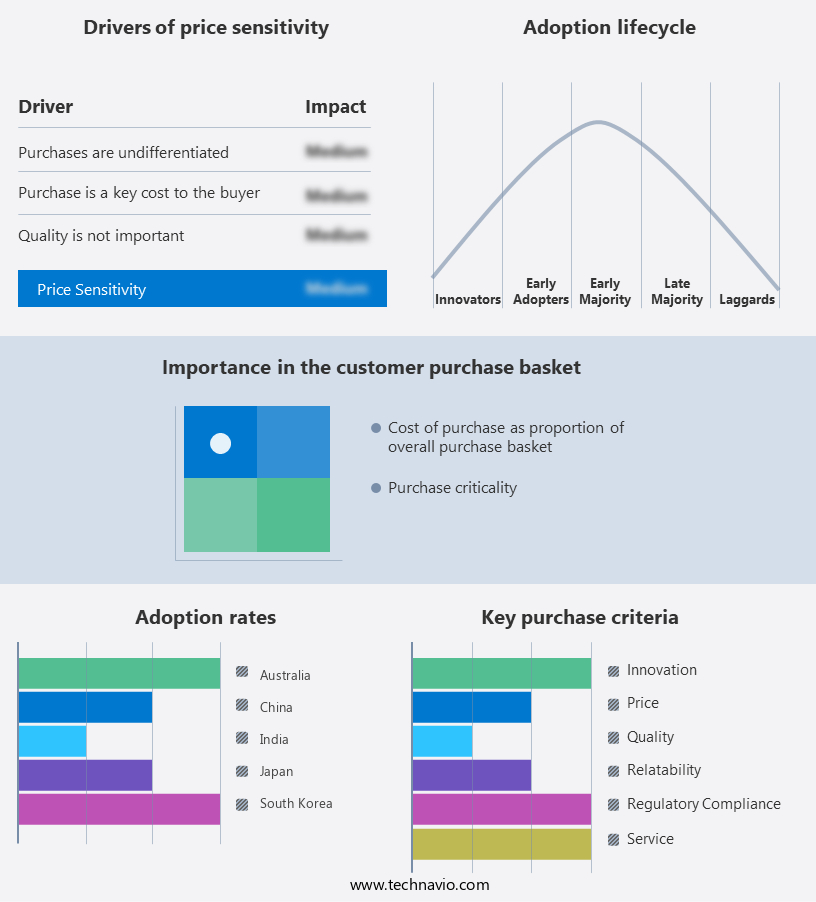
Customer Landscape
Segment Overview
The market report forecasts market growth by revenue at global, regional & country levels and provides an analysis of the latest trends and growth opportunities from 2018 to 2028.
- Type Outlook
- Inactivated vaccines
- Recombinant vaccines
- Live attenuated vaccines
- Distribution Channel Outlook
- Hospital pharmacy
- Retail pharmacy
- Online pharmacy
- Region Outlook
- North America
- The U.S.
- Canada
- Europe
- The U.K.
- Germany
- France
- Rest of Europe
- Asia
- China
- India
- Rest of the World (ROW)
- Australia
- Argentina
- Brazil
- North America
Market Analyst Overview
The market addresses the threat of mosquitoborne flavivirus diseases such as yellow fever, dengue, and West Nile viruses, including viral encephalitis. Culex species contribute to the spread, and understanding the symptoms of Japanese encephalitis is crucial. With the rising demand for oral drugs, clinical research and development initiatives play a pivotal role. Ongoing RD (Research and Development) efforts, recent developments, and trade regulations shape the market landscape.
Import/export analysis, production analysis, and value chain optimization contribute to the strategic growth analysis. The market adapts to changes in regulations, emphasizing domestic and localized market players' impact. Identifying emerging revenue pockets and understanding category market growths and application niches are essential aspects of navigating the market.
|
Japanese Encephalitis Vaccines Market Scope |
|
|
Report Coverage |
Details |
|
Page number |
150 |
|
Base year |
2023 |
|
Historic period |
2018-2022 |
|
Forecast period |
2024-2028 |
|
Growth momentum & CAGR |
Accelerate at a CAGR of 6.29% |
|
Market Growth 2024-2028 |
USD 75.69 million |
|
Market structure |
Concentrated |
|
YoY growth 2023-2024(%) |
5.55 |
|
Regional analysis |
Asia, Rest of World (ROW), Europe, and North America |
|
Performing market contribution |
Asia at 72% |
|
Key countries |
South Korea, Australia, China, India, and Japan |
|
Competitive landscape |
Leading Vendors, Market Positioning of Vendors, Competitive Strategies, and Industry Risks |
|
Key companies profiled |
Adimmune Corp., Bharat Biotech Ltd., Biological E. Ltd., Medigen Inc., Meiji Holdings Co. Ltd., Panacea Biotec Ltd., Sanofi SA, and Shandong Hengye Biotechnology Co. Ltd. |
|
Market dynamics |
Parent market analysis, Market forecasting, Market growth inducers and obstacles, Fast-growing and slow-growing segment analysis, COVID-19 impact and recovery analysis and future consumer dynamics, Market condition analysis for the forecast period. |
|
Customization purview |
If our report has not included the data that you are looking for, you can reach out to our analysts and get segments customized. |
Download Sample PDF at your Fingertips
What are the Key Data Covered in this Japanese Encephalitis Vaccines Market Research Report?
- CAGR of the market during the forecast period
- Detailed information on factors that will drive the growth of the between 2023 and 2028
- Precise estimation of the size and its contribution to the market in focus on the parent market
- Detailed market growth analysis of customer landscape covering Diver of price sensitivity, Adoption of the lifecycle, and key purchase criteria
- Companies landscape comparing criticality of inputs and factors of differentiation
- Exclusive Matrix on companies position and classification
- Accurate predictions about upcoming market trends and changes in consumer behavior
- Growth of the market industry across Asia, Rest of World (ROW), Europe, and North America
- Thorough market growth and forecasting analysis of the market’s competitive landscape and detailed information about companies
- Comprehensive market research and growth analysis of factors that will challenge the growth of companies
We can help! Our analysts can customize this market research report to meet your requirements. Get in touch
 RIA -
RIA - 
