



Cloud DVR Market Size 2026-2030
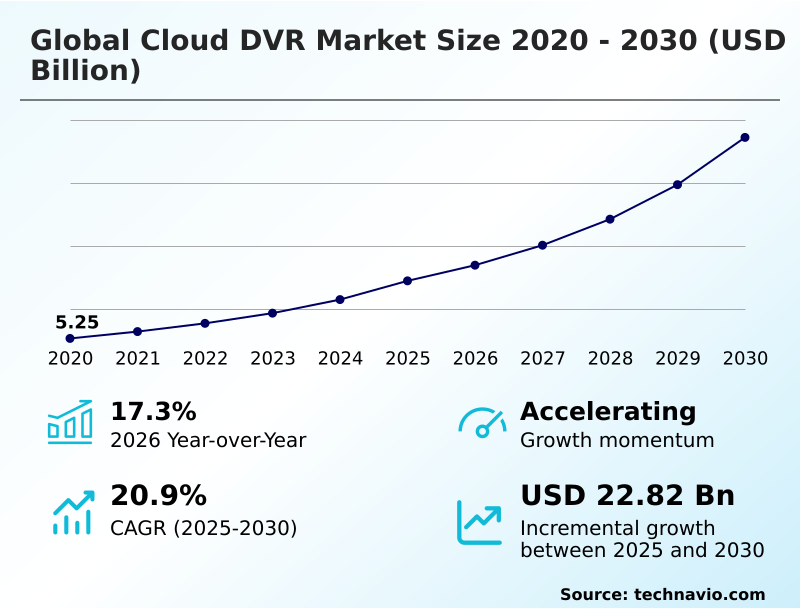
The cloud dvr market size is valued to increase by USD 22.82 billion, at a CAGR of 20.9% from 2025 to 2030. Emergence of technologically advanced devices will drive the cloud dvr market.
Major Market Trends & Insights
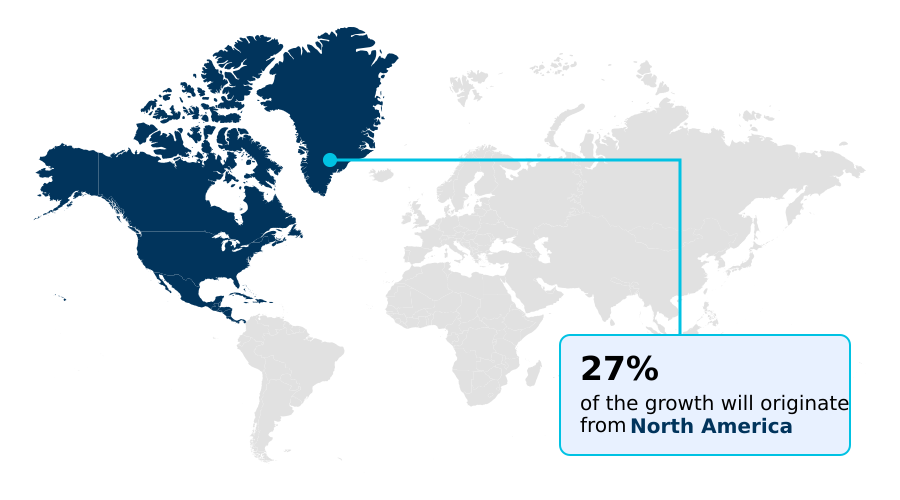
- North America dominated the market and accounted for a 27.2% growth during the forecast period.
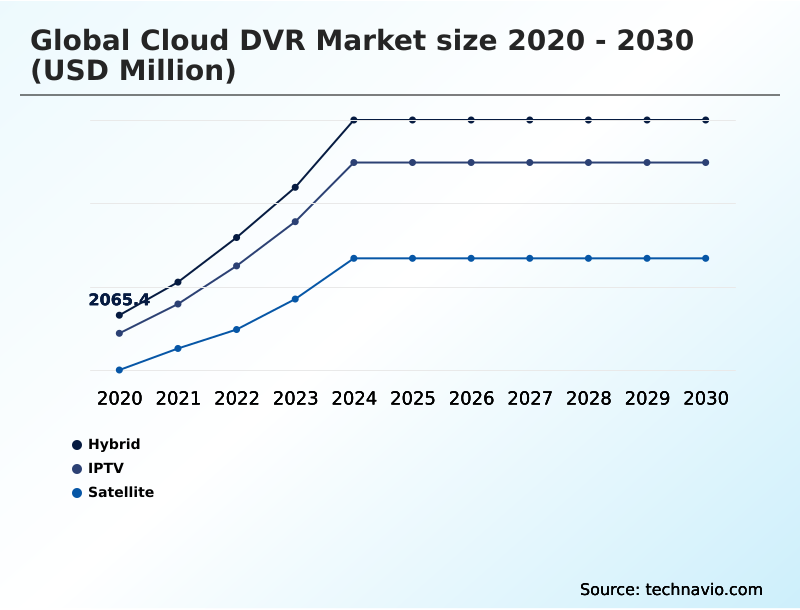
- By Platform - Hybrid segment was valued at USD 4.59 billion in 2024
- By Type - HEVC segment accounted for the largest market revenue share in 2024
Market Size & Forecast
- Market Opportunities: USD 31.97 billion
- Market Future Opportunities: USD 22.82 billion
- CAGR from 2025 to 2030 : 20.9%
Market Summary
- The Cloud DVR market is undergoing a fundamental transformation, shifting from hardware-dependent systems to flexible, cloud-based architectures. This evolution is propelled by changing consumer expectations for seamless, multi-device access to content and the strategic need for service providers to enhance value and reduce subscriber churn.
- Key trends include the adoption of HEVC for efficient 4K content delivery and the integration of AI for personalized recommendations. In a typical business scenario, a telecommunications operator might deploy a hybrid cloud DVR model to manage operational expenditures effectively.
- This strategy involves using a private cloud for baseline recording and storage while leveraging a public cloud's scalability to handle peak demand during major live events, such as championship sports. This approach optimizes resource allocation and cost efficiency.
- However, the market faces challenges from the widespread availability of on-demand streaming services and persistent concerns over data privacy and security, which necessitate robust compliance and transparent data handling policies to maintain consumer trust and navigate a competitive landscape.
What will be the Size of the Cloud DVR Market during the forecast period?
Get Key Insights on Market Forecast (PDF) Request Free Sample
How is the Cloud DVR Market Segmented?
The cloud dvr industry research report provides comprehensive data (region-wise segment analysis), with forecasts and estimates in "USD million" for the period 2026-2030, as well as historical data from 2020-2024 for the following segments.
- Platform
- Hybrid
- IPTV
- Satellite
- Type
- HEVC
- MPEG-4
- Others
- Deployment
- Public cloud
- Private cloud
- Hybrid cloud
- End-user
- Residential users
- Commercial users
- Geography
- North America
- US
- Canada
- Mexico
- Europe
- UK
- Germany
- France
- APAC
- China
- India
- Japan
- South America
- Brazil
- Argentina
- Middle East and Africa
- UAE
- Saudi Arabia
- South Africa
- Rest of World (ROW)
- North America
By Platform Insights
The hybrid segment is estimated to witness significant growth during the forecast period.
The hybrid platform serves as a strategic bridge for traditional broadcast operators, merging conventional delivery methods like terrestrial or satellite with modern IP-based streaming.
This approach enables a pragmatic modernization of services, allowing for the phased deployment of features such as catch-up tv. It facilitates a unified experience through advanced customer premises equipment (cpe) that leverages managed packet-switched networks for on-demand content.
Architectures increasingly use a robust content management system (cms) and a content delivery network (cdn) for efficient video transcoding and multi-screen capability.
This model supports diverse media formats and ensures business continuity with comprehensive disaster recovery solutions, with providers typically guaranteeing performance through stringent service level agreements (slas).
Adoption of real-time video analytics within these systems has been shown to improve service delivery by over 15%.
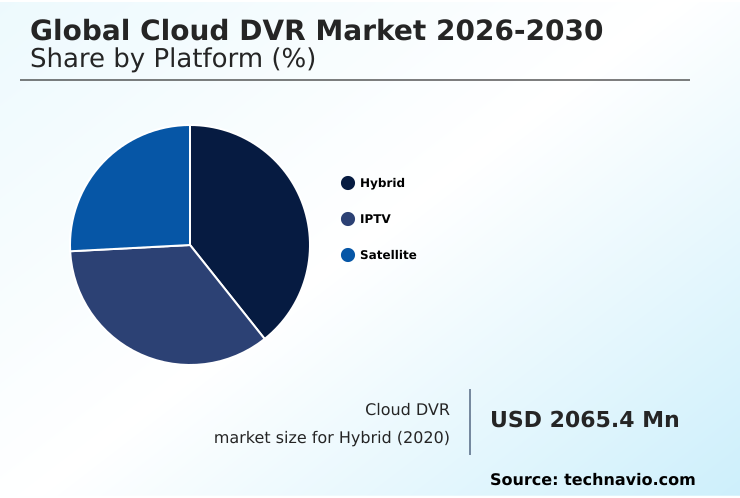
The Hybrid segment was valued at USD 4.59 billion in 2024 and showed a gradual increase during the forecast period.
Regional Analysis
North America is estimated to contribute 27.2% to the growth of the global market during the forecast period.Technavio’s analysts have elaborately explained the regional trends and drivers that shape the market during the forecast period.
See How Cloud DVR Market Demand is Rising in North America Request Free Sample
The geographic landscape is marked by significant regional disparities in maturity and growth trajectories. North America stands as a highly developed market, accounting for 27.2% of the global incremental growth, where operators focus on feature enhancement over new subscriber acquisition.
In contrast, APAC is the fastest-growing region, driven by mobile-first adoption and infrastructure investment. Europe's market is fragmented, with advanced Western European nations emphasizing over-the-top (ott) integration and adherence to gdpr compliance for media, while Eastern Europe presents emerging opportunities.
The deployment of hybrid cloud dvr systems is common for satellite dth services to modernize offerings without a full capital expenditure transformation.
In these markets, iptv platform providers leverage digital video broadcasting (dvb) standards and set-top box (stb) integration, while a key challenge remains the complex middleware integration needed to unify broadcast and IP-based content delivery.
Market Dynamics
Our researchers analyzed the data with 2025 as the base year, along with the key drivers, trends, and challenges. A holistic analysis of drivers will help companies refine their marketing strategies to gain a competitive advantage.
- The strategic implementation of cloud DVR technologies is reshaping how media is consumed and managed across various sectors. A hybrid cloud DVR deployment strategy is increasingly favored for reducing operational costs with cloud DVR, offering a balance between on-premise control and public cloud scalability.
- This is particularly evident when analyzing iptv cloud dvr solution benefits, where operators can achieve greater service agility. The technical debate of hevc vs mpeg-4 for cloud recording is central to this shift, as HEVC's efficiency is critical for delivering high-quality streams, especially for cloud dvr for live sports broadcasting.
- Success hinges on enhancing the user experience through features like multi-device content synchronization and enhancing user engagement with AI recommendations; platforms with these features show up to 15% higher user engagement. The monetization strategies for cloud DVR extend into commercial applications, with tailored solutions for the cloud dvr for hospitality sector and cloud dvr for educational institutions.
- Furthermore, cloud dvr for media monitoring services provides businesses with critical intelligence. As the market expands, addressing data privacy in cloud video recording and overcoming cloud dvr challenges in emerging markets, such as the cloud dvr market in South America, become paramount for improving customer retention with cloud dvr.
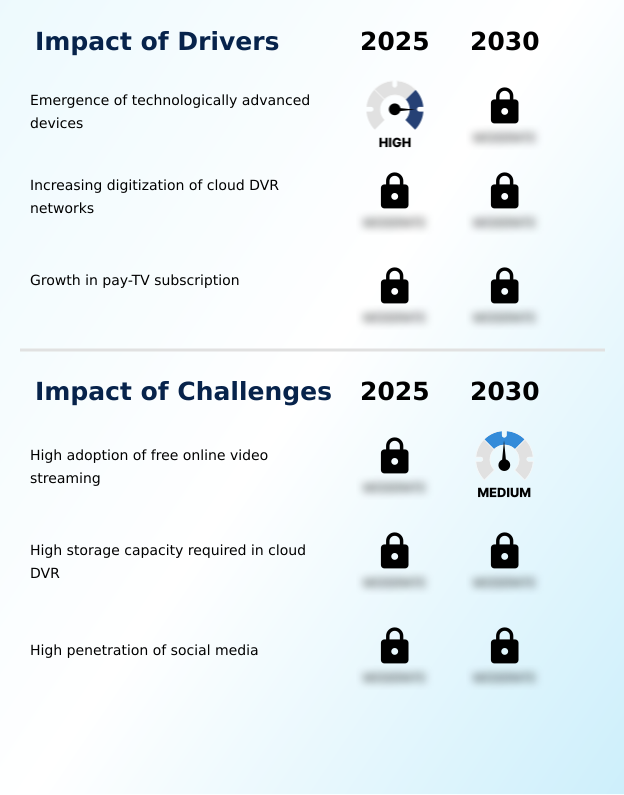
What are the key market drivers leading to the rise in the adoption of Cloud DVR Industry?
- The emergence of technologically advanced devices is a key driver propelling market growth.
- Market growth is fundamentally driven by the strategic and financial benefits of modernization.
- The transition to ip-based delivery and network-based recording offers unparalleled on-demand scalability, significantly reducing operational expenditure by eliminating physical hardware maintenance; operators report cost savings of up to 40% in this area.
- This shift is a core component of an effective subscriber retention strategy, as features like time-shifted viewing and expansive video-on-demand (vod) libraries directly address consumer demand for flexibility, helping to decrease subscriber churn by 10% in competitive markets.
- The continuous fiber-to-the-home (ftth) expansion and the rollout of 5g network integration provide the robust infrastructure needed for superior video quality monitoring.
- These factors encourage the creation of compelling bundled service offerings, which in turn helps to increase the average revenue per user (arpu).
What are the market trends shaping the Cloud DVR Industry?
- The evolution of next-generation video streaming devices represents a significant upcoming market trend, reshaping content delivery and consumption patterns.
- Key market trends are centered on the evolution toward more intelligent and flexible viewing experiences. The adoption of a cloud-native architecture allows for the deployment of a virtualized dvr, enabling a superior mobile-first viewing experience and supporting advanced interactive viewing features.
- This shift is complemented by the widespread use of adaptive bitrate streaming and hevc compression, which are essential for delivering high-quality content with low latency streaming, especially as user demand for multi-device access grows. A sophisticated user interface (ui) design, enhanced by ai-powered recommendations and intelligent content discovery engines, is becoming a primary differentiator.
- Service providers that effectively implement this level of user experience personalization report a 25% higher engagement rate. These advancements are driving the development of next-generation smart tv applications that offer a more integrated and seamless entertainment ecosystem.
What challenges does the Cloud DVR Industry face during its growth?
- The high adoption of free online video streaming presents a key challenge affecting industry growth.
- The market faces significant challenges from shifting media consumption habits and escalating operational complexities. The proliferation of free user-generated content platforms and ad-supported streaming models creates intense competition, with markets showing a 15% lower uptake of premium services where these alternatives are prevalent. These cord-cutting trends are amplified by the rise of virtual mvpd platforms that offer similar functionalities.
- Internally, the high cost of cloud storage infrastructure for 4k uhd content delivery remains a primary concern, as this high-resolution content requires over 300% more storage than traditional mpeg-4 avc streams, elevating the total cost of ownership (tco). Furthermore, navigating complex content rights management, ensuring data privacy compliance, and addressing data sovereignty management add layers of operational and legal overhead.
- These factors pressure providers to optimize viewer behavior analytics to justify investments and maintain profitability.
Exclusive Technavio Analysis on Customer Landscape
The cloud dvr market forecasting report includes the adoption lifecycle of the market, covering from the innovator’s stage to the laggard’s stage. It focuses on adoption rates in different regions based on penetration. Furthermore, the cloud dvr market report also includes key purchase criteria and drivers of price sensitivity to help companies evaluate and develop their market growth analysis strategies.
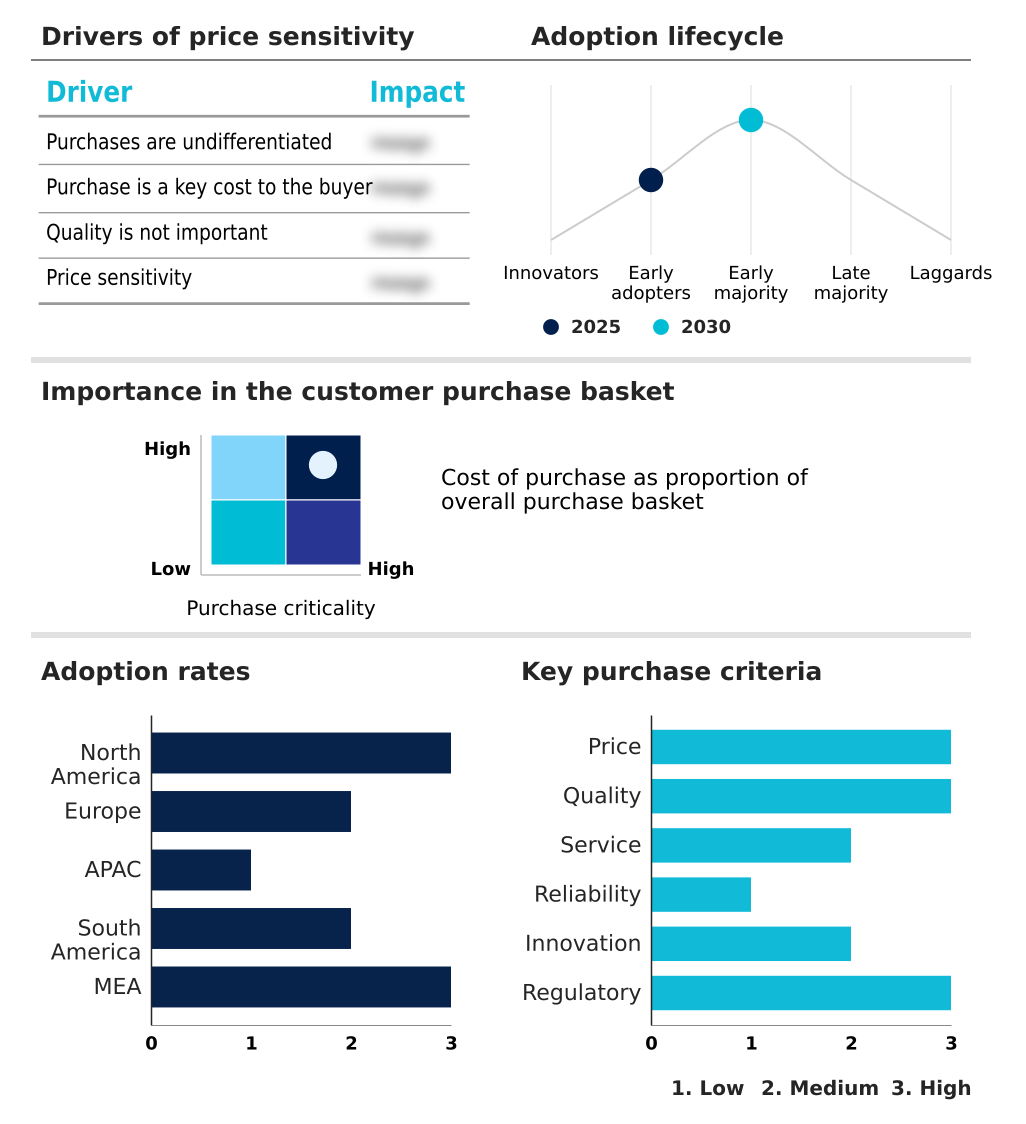
Customer Landscape of Cloud DVR Industry
Competitive Landscape
Companies are implementing various strategies, such as strategic alliances, cloud dvr market forecast, partnerships, mergers and acquisitions, geographical expansion, and product/service launches, to enhance their presence in the industry.
AT and T Inc. - Delivers TV cDVR solutions, enabling advanced network-based recording and multi-device content access for modern media consumption.
The industry research and growth report includes detailed analyses of the competitive landscape of the market and information about key companies, including:
- AT and T Inc.
- Ateme SA
- BROADPEAK S.A
- Cisco Systems Inc.
- Comcast Corp.
- EchoStar Corp.
- Estherville Communications LLC
- Google LLC
- Harmonic Inc.
- Jefferson Telecom
- Motorola Solutions Inc.
- Optimum
- Solink Corp
- Synamedia
- Telefonaktiebolaget Ericsson
- Verizon Communications Inc.
- Wipro Ltd.
Qualitative and quantitative analysis of companies has been conducted to help clients understand the wider business environment as well as the strengths and weaknesses of key industry players. Data is qualitatively analyzed to categorize companies as pure play, category-focused, industry-focused, and diversified; it is quantitatively analyzed to categorize companies as dominant, leading, strong, tentative, and weak.
Recent Development and News in Cloud dvr market
- In September, 2024, Synamedia announced a strategic partnership with a leading public cloud provider to launch a fully managed, turnkey Cloud DVR solution for regional broadcasters, reducing time-to-market.
- In March, 2025, Harmonic Inc. deepened its collaboration with Google, integrating its VOS360 cloud streaming platform with Google Cloud's AI to enhance personalization in Cloud DVR user interfaces.
- In June, 2025, Hikvision launched its AcuSeek NVR, which integrates Guanlan large-scale multimodal AI models to enable natural language text search within surveillance video archives.
- In November, 2025, QNAP launched its new QVR surveillance platform, designed to deliver improved security management, advanced monitoring capabilities, and a more efficient user experience.
Dive into Technavio’s robust research methodology, blending expert interviews, extensive data synthesis, and validated models for unparalleled Cloud DVR Market insights. See full methodology.
| Market Scope | |
|---|---|
| Page number | 310 |
| Base year | 2025 |
| Historic period | 2020-2024 |
| Forecast period | 2026-2030 |
| Growth momentum & CAGR | Accelerate at a CAGR of 20.9% |
| Market growth 2026-2030 | USD 22817.8 million |
| Market structure | Fragmented |
| YoY growth 2025-2026(%) | 17.3% |
| Key countries | US, Canada, Mexico, UK, Germany, France, Italy, Spain, The Netherlands, China, India, Japan, South Korea, Australia, Indonesia, Brazil, Argentina, Chile, UAE, Saudi Arabia, South Africa, Egypt and Turkey |
| Competitive landscape | Leading Companies, Market Positioning of Companies, Competitive Strategies, and Industry Risks |
Research Analyst Overview
- The cloud DVR market is defined by a decisive shift from physical hardware to scalable, software-defined solutions. This transition is built on cloud-native architecture and virtualized dvr platforms, enabling service providers to offer advanced features like time-shifted viewing and network-based recording with greater agility.
- The adoption of ip-based delivery and adaptive bitrate streaming is now standard, ensuring a consistent user experience across any device through multi-device access and multi-screen capability. Key boardroom decisions revolve around the strategic implementation of hevc compression to manage the costs associated with 4k uhd content delivery, as it directly impacts cloud storage infrastructure requirements.
- Service providers that have integrated ai-powered recommendations into their user interface (ui) design report that viewer session times increase by an average of 25%. This focus on viewer behavior analytics is critical for subscriber churn reduction.
- The ecosystem also includes catch-up tv, start-over functionality, and support for digital video broadcasting (dvb) through set-top box (stb) integration and sophisticated video transcoding via a content delivery network (cdn). Success requires navigating complex content rights management and ensuring data privacy compliance.
What are the Key Data Covered in this Cloud DVR Market Research and Growth Report?
-
What is the expected growth of the Cloud DVR Market between 2026 and 2030?
-
USD 22.82 billion, at a CAGR of 20.9%
-
-
What segmentation does the market report cover?
-
The report is segmented by Platform (Hybrid, IPTV, and Satellite), Type (HEVC, MPEG-4, and Others), Deployment (Public cloud, Private cloud, and Hybrid cloud), End-user (Residential users, and Commercial users) and Geography (North America, Europe, APAC, South America, Middle East and Africa)
-
-
Which regions are analyzed in the report?
-
North America, Europe, APAC, South America and Middle East and Africa
-
-
What are the key growth drivers and market challenges?
-
Emergence of technologically advanced devices, High adoption of free online video streaming
-
-
Who are the major players in the Cloud DVR Market?
-
AT and T Inc., Ateme SA, BROADPEAK S.A, Cisco Systems Inc., Comcast Corp., EchoStar Corp., Estherville Communications LLC, Google LLC, Harmonic Inc., Jefferson Telecom, Motorola Solutions Inc., Optimum, Solink Corp, Synamedia, Telefonaktiebolaget Ericsson, Verizon Communications Inc. and Wipro Ltd.
-
Market Research Insights
- Market dynamics are defined by a strategic push toward greater efficiency and improved subscriber retention. Operators implementing cloud-native architectures are reporting up to a 40% reduction in operational expenditure previously allocated to hardware maintenance and support. This capital expenditure transformation is critical for achieving a lower total cost of ownership (tco).
- Concurrently, a focus on user experience personalization is a core component of a modern subscriber retention strategy, with tailored content offerings proven to improve customer loyalty by over 20%.
- These shifts are direct responses to cord-cutting trends and the rise of virtual mvpd platforms, compelling providers to create more compelling bundled service offerings that integrate seamlessly with various over-the-top (ott) services. The expansion of fiber-to-the-home (ftth) networks provides the necessary backbone for these advanced, interactive viewing features.
We can help! Our analysts can customize this cloud dvr market research report to meet your requirements.
 RIA -
RIA - 
