


Outdoor Apparel Market Size 2026-2030
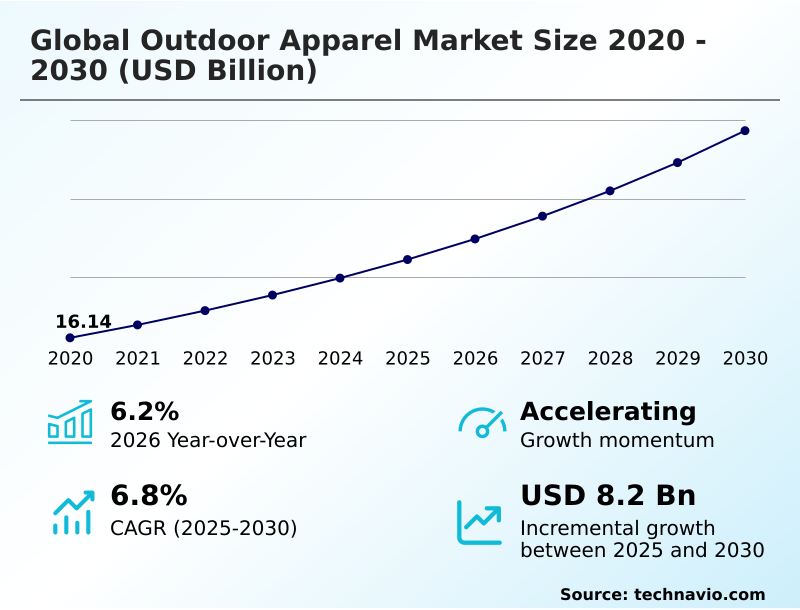
The outdoor apparel market size is valued to increase by USD 8.20 billion, at a CAGR of 6.8% from 2025 to 2030. Institutionalization of heat hacking and climate adaptation technologies will drive the outdoor apparel market.
Major Market Trends & Insights
- Europe dominated the market and accounted for a 32.1% growth during the forecast period.
- By Distribution Channel - Offline segment was valued at USD 12.39 billion in 2024
- By Product Type - Top wear segment accounted for the largest market revenue share in 2024
Market Size & Forecast
- Market Opportunities: USD 13.18 billion
- Market Future Opportunities: USD 8.20 billion
- CAGR from 2025 to 2030 : 6.8%
Market Summary
- The outdoor apparel market is undergoing a significant transformation, evolving from a niche segment for specialized athletes to a mainstream lifestyle category. This shift is driven by a growing consumer focus on health, wellness, and outdoor recreation, alongside the rise of urban technical fashion.
- Key market dynamics include a strong push toward technological innovation in materials, such as waterproof-breathable membranes and high-performance thermal regulation technology, to meet demands for both functionality and versatility. Concurrently, sustainability has become a non-negotiable aspect, challenging firms to rethink their entire value chain.
- For instance, a company transitioning to a circular model must address complex operational logistics, from designing garments for disassembly using mono-material textile design to establishing efficient garment-to-garment recycling programs.
- This strategic pivot impacts everything from sourcing recycled polyester feedstock to managing reverse logistics, representing a fundamental change in business operations that requires significant investment but also offers a powerful competitive advantage in an increasingly eco-conscious market.
What will be the Size of the Outdoor Apparel Market during the forecast period?
Get Key Insights on Market Forecast (PDF) Request Free Sample
How is the Outdoor Apparel Market Segmented?
The outdoor apparel industry research report provides comprehensive data (region-wise segment analysis), with forecasts and estimates in "USD million" for the period 2026-2030, as well as historical data from 2020-2024 for the following segments.
- Distribution channel
- Offline
- Online
- Product type
- Top wear
- Bottom wear
- Coveralls
- Others
- End-user
- Men
- Women
- Kids
- Unisex
- Geography
- North America
- US
- Canada
- Mexico
- Europe
- Germany
- UK
- France
- APAC
- China
- Japan
- India
- South America
- Brazil
- Argentina
- Middle East and Africa
- Saudi Arabia
- UAE
- South Africa
- Rest of World (ROW)
- North America
By Distribution Channel Insights
The offline segment is estimated to witness significant growth during the forecast period.
The offline segment remains integral, offering crucial consumer touchpoints that digital channels cannot replicate. Physical retail enables essential tactile fabric evaluation, allowing customers to assess high-loft synthetic insulation and seam-sealed garment construction firsthand.
This hands-on experience is critical for products featuring phase-change material integration and advanced anti-odor fabric treatment. Despite challenges from volatile supply chains, which can impact inventory, the in-store environment provides a unique opportunity for expert consultation on fit and function.
For instance, brands utilizing innovative four-way stretch material and demonstrating superior down insulation fill power can build significant consumer confidence.
This direct interaction helps justify premium pricing, with informed staff explaining technical metrics like moisture vapor transmission rate and the benefits of pfc-free water repellency, reinforcing brand value beyond the digital shelf.
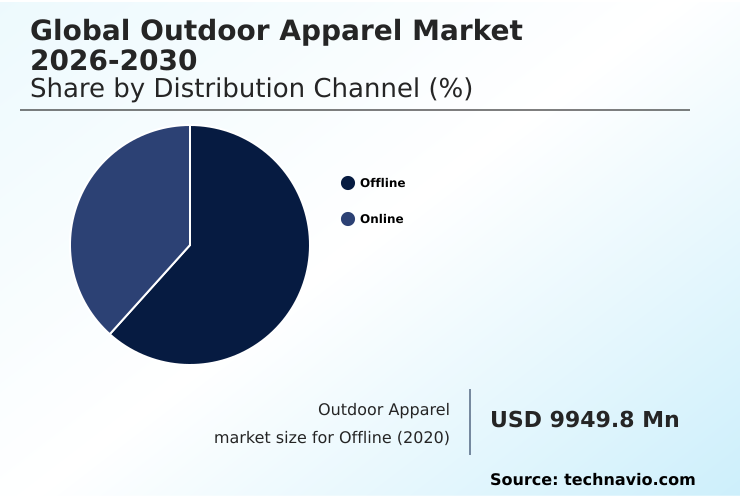
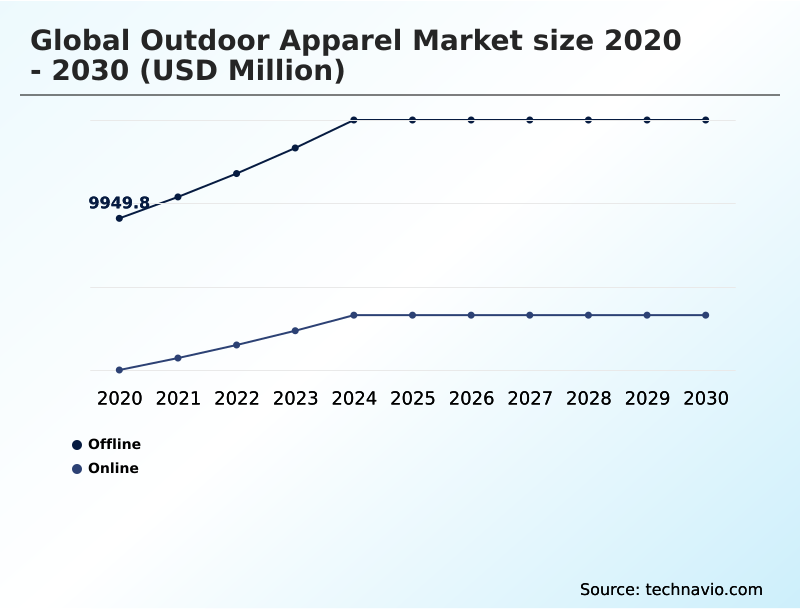
The Offline segment was valued at USD 12.39 billion in 2024 and showed a gradual increase during the forecast period.
Regional Analysis
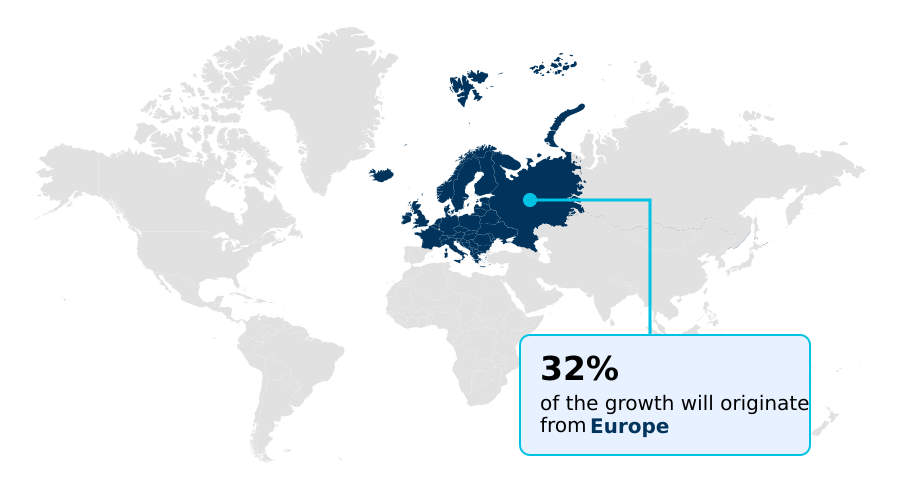
Europe is estimated to contribute 32.1% to the growth of the global market during the forecast period.Technavio’s analysts have elaborately explained the regional trends and drivers that shape the market during the forecast period.
See How Outdoor Apparel Market Demand is Rising in Europe Request Free Sample
Geographic dynamics in the outdoor apparel market are shifting, with mature regions like Europe and North America driving innovation in sustainability while APAC emerges as a powerful growth engine.
Europe, which accounts for 32.1% of the market's incremental growth, is heavily influenced by stringent regulations such as extended producer responsibility, making supply chain transparency essential.
In North America, where consumer demand for technical fabric abrasion resistance and effective moisture-wicking base layers is high, there is a focus on high-performance materials like advanced waterproof-breathable membranes.
Firms are establishing localized manufacturing hubs to better manage technical textile sourcing and serve regional needs.
This strategy improves responsiveness, with some brands achieving a 15% reduction in logistical lead times, and allows for specialized offerings based on regional climates and activities.
Market Dynamics
Our researchers analyzed the data with 2025 as the base year, along with the key drivers, trends, and challenges. A holistic analysis of drivers will help companies refine their marketing strategies to gain a competitive advantage.
- The global outdoor apparel market is increasingly defined by the sophisticated interplay between extreme performance, sustainability, and versatile aesthetics. The demand for high-performance thermoregulating smart textiles for alpine use is pushing the boundaries of material science, with developments in carbon-fiber-infused fabrics for extreme environment protection.
- Consumers now conduct detailed waterproof breathable membrane performance comparison in jackets and analyze the effectiveness of PFC-free durable water repellent (DWR) effectiveness on shells. This technical scrutiny extends to a granular ultra-lightweight backpacking gear weight-to-durability ratio analysis.
- Simultaneously, sustainability is a core driver, compelling a shift toward circular design principles for end-of-life disassembly and a thorough recycled polyester vs virgin material lifecycle analysis. This has elevated the importance of supply chain transparency in raw material sourcing for apparel. Firms face challenges in achieving mono-material textile design at scale while navigating volatile specialized textile supply chains.
- The market also reflects cultural shifts, with urban outdoor fashion trends and gorpcore aesthetics merging technical climbing apparel for high-altitude environments with everyday wear.
- This convergence demands innovation, from advanced moisture-wicking and insulation technologies for baselayers to the integration of modular cooling systems in performance wear, all while adhering to mandates like extended producer responsibility, which can impact operational costs by over 10% if not properly managed.
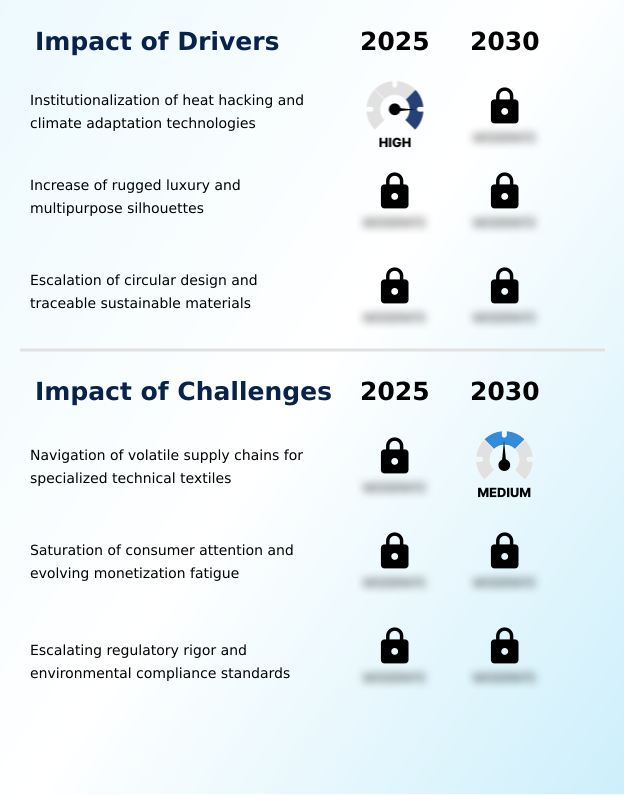
What are the key market drivers leading to the rise in the adoption of Outdoor Apparel Industry?
- The institutionalization of heat hacking and climate adaptation technologies serves as a key driver for the market's growth and innovation.
- Market growth is propelled by a confluence of climate adaptation, ethical consumerism, and lifestyle shifts.
- The institutionalization of heat hacking technologies is creating a new class of climate-adaptive apparel, with demand for items featuring chemical-free UV protection growing by over 25% in sun-belt regions.
- This functional necessity is paired with the rise of rugged luxury and multipurpose silhouettes, which blend high performance with workleisure and sophisticated escapism aesthetics, expanding the consumer base.
- The most significant driver remains the push for traceable sustainable materials, where circular design principles and made-for-disassembly construction are paramount.
- Given that supply disruptions have inflated raw material costs by an average of 18% for some specialized textiles, establishing certified recycled textiles and fair-labor practices verification is now a key strategy for both risk mitigation and brand differentiation.
What are the market trends shaping the Outdoor Apparel Industry?
- The industrialization of circular textile ecosystems represents a significant upcoming market trend. This movement prioritizes closed-loop manufacturing processes over traditional linear production models.
- Key market trends are reshaping production and consumer engagement. The industrialization of circular textile ecosystems is accelerating, compelling a move towards mono-material textile design to facilitate end-of-life disassembly. This is critical, as automated monitoring now flags over 90% of unsubstantiated environmental claims, forcing authentic transparency.
- Simultaneously, the gorpcore fashion movement is driving the adoption of high-performance technologies in everyday wear, increasing the relevance of metrics like a high hydrostatic head rating even for urban-focused products.
- The advancement of thermoregulating smart textiles, incorporating knit-to-shape designs and smart textile sensor integration, is enhancing user experience, with some applications demonstrating a 20% improvement in maintaining thermal comfort during fluctuating activity levels, highlighting a clear performance benefit.
What challenges does the Outdoor Apparel Industry face during its growth?
- Navigating volatile supply chains for specialized technical textiles presents a key challenge affecting the outdoor apparel industry's growth and stability.
- The market faces significant operational and regulatory hurdles. The challenge of navigating volatile supply chains for specialized technical textiles, such as high-tenacity nylon yarns, remains paramount, as reliance on a few certified suppliers can disrupt production schedules tied to as much as 70% of annual revenue.
- Concurrently, escalating regulatory rigor around environmental compliance standards is forcing a rapid transition to non-fluorinated DWR alternatives, a process complicated by consumer attention saturation, which makes it difficult for brands to communicate the value of these costly proprietary material innovations. The proliferation of digital product passports is one response aimed at combating counterfeit goods and validating sustainability claims.
- However, achieving compliance can be costly, with penalties for failing to meet new standards reaching up to 10% of global turnover in certain jurisdictions.
Exclusive Technavio Analysis on Customer Landscape
The outdoor apparel market forecasting report includes the adoption lifecycle of the market, covering from the innovator’s stage to the laggard’s stage. It focuses on adoption rates in different regions based on penetration. Furthermore, the outdoor apparel market report also includes key purchase criteria and drivers of price sensitivity to help companies evaluate and develop their market growth analysis strategies.
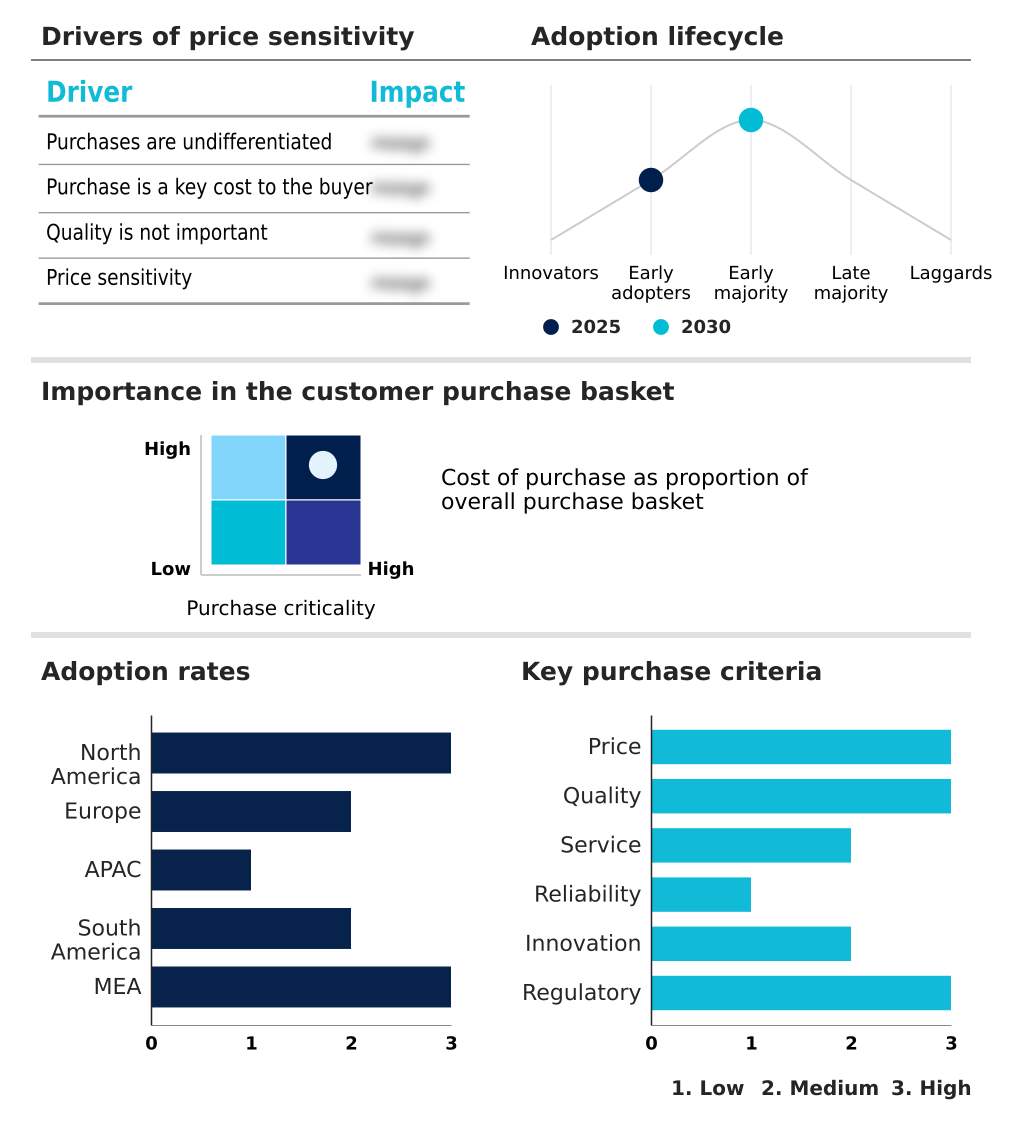
Customer Landscape of Outdoor Apparel Industry
Competitive Landscape
Companies are implementing various strategies, such as strategic alliances, outdoor apparel market forecast, partnerships, mergers and acquisitions, geographical expansion, and product/service launches, to enhance their presence in the industry.
Arcteryx Sports Corp. - Key offerings include technical outdoor apparel like the Alpha SV and Beta AR jackets, part of a broader portfolio of high-performance gear and accessories.
The industry research and growth report includes detailed analyses of the competitive landscape of the market and information about key companies, including:
- Arcteryx Sports Corp.
- Black Diamond Equipment Ltd.
- Columbia Sportswear Co.
- Cotopaxi Inc.
- DIRECT ALPINE s.r.o.
- Fjallraven Retail USA LLC
- Helly Hansen AS
- Jack Wolfskin
- KUHL Inc.
- L.L. Bean Inc.
- Mammut Sports Group AG
- Marmot Mountain LLC.
- Montbell America Inc.
- Mountain Hardwear Inc.
- Norrona Sport AS
- Outdoor Research
- Patagonia Inc.
- Prana Living LLC
- Salomon Group
- Smartwool LLC
Qualitative and quantitative analysis of companies has been conducted to help clients understand the wider business environment as well as the strengths and weaknesses of key industry players. Data is qualitatively analyzed to categorize companies as pure play, category-focused, industry-focused, and diversified; it is quantitatively analyzed to categorize companies as dominant, leading, strong, tentative, and weak.
Recent Development and News in Outdoor apparel market
- In March 2025, Black Diamond Equipment entered into a strategic partnership with Polartec to launch a new line of technical climbing apparel featuring advanced moisture-wicking and insulation technologies.
- In August 2025, Columbia Sportswear launched its new global brand platform, 'Engineered for Whatever,' using a digital-first marketing strategy to highlight the durability of its proprietary technologies.
- In March 2025, Patagonia publicly reinforced its strategic commitment to restructuring its supply chains with the goal of achieving 100% usage of recycled or renewable materials by the end of the decade.
- In May 2025, Patagonia announced the complete transition of its technical shell production to use 100% recycled polyester and bio-based synthetics, a move resonating with conservation-focused sectors.
Dive into Technavio’s robust research methodology, blending expert interviews, extensive data synthesis, and validated models for unparalleled Outdoor Apparel Market insights. See full methodology.
| Market Scope | |
|---|---|
| Page number | 293 |
| Base year | 2025 |
| Historic period | 2020-2024 |
| Forecast period | 2026-2030 |
| Growth momentum & CAGR | Accelerate at a CAGR of 6.8% |
| Market growth 2026-2030 | USD 8196.1 million |
| Market structure | Fragmented |
| YoY growth 2025-2026(%) | 6.2% |
| Key countries | US, Canada, Mexico, Germany, UK, France, Italy, Spain, The Netherlands, China, Japan, India, South Korea, Australia, Indonesia, Brazil, Argentina, Chile, Saudi Arabia, UAE, South Africa, Turkey and Israel |
| Competitive landscape | Leading Companies, Market Positioning of Companies, Competitive Strategies, and Industry Risks |
Research Analyst Overview
- The outdoor apparel market is advancing beyond seasonal collections to a new paradigm of material science and circularity. Boardroom decisions are now centered on long-term investments in sustainable innovation, driven by regulatory pressures and consumer demand for transparency. The strategic implementation of circular textile ecosystems is becoming a critical differentiator, moving beyond concept to operational reality.
- This involves a fundamental re-engineering of the supply chain to incorporate bio-based polymer fibers and facilitate garment-to-garment recycling. The adoption of extended producer responsibility mandates is a pivotal factor, with non-compliance in some regions threatening penalties of up to 10% of global turnover, thereby directly linking environmental strategy to financial performance.
- Companies are leveraging digital product passports to validate claims of supply chain transparency and the use of recycled polyester feedstock. This intricate landscape requires a focus on high-performance features like advanced waterproof-breathable membranes, effective pfc-free durable water repellent finishes, and climate-adaptive apparel, ensuring that technical prowess and ecological accountability are intrinsically linked for future success.
What are the Key Data Covered in this Outdoor Apparel Market Research and Growth Report?
-
What is the expected growth of the Outdoor Apparel Market between 2026 and 2030?
-
USD 8.20 billion, at a CAGR of 6.8%
-
-
What segmentation does the market report cover?
-
The report is segmented by Distribution Channel (Offline, and Online), Product Type (Top wear, Bottom wear, Coveralls, and Others), End-user (Men, Women, Kids, and Unisex) and Geography (North America, Europe, APAC, South America, Middle East and Africa)
-
-
Which regions are analyzed in the report?
-
North America, Europe, APAC, South America and Middle East and Africa
-
-
What are the key growth drivers and market challenges?
-
Institutionalization of heat hacking and climate adaptation technologies, Navigation of volatile supply chains for specialized technical textiles
-
-
Who are the major players in the Outdoor Apparel Market?
-
Arcteryx Sports Corp., Black Diamond Equipment Ltd., Columbia Sportswear Co., Cotopaxi Inc., DIRECT ALPINE s.r.o., Fjallraven Retail USA LLC, Helly Hansen AS, Jack Wolfskin, KUHL Inc., L.L. Bean Inc., Mammut Sports Group AG, Marmot Mountain LLC., Montbell America Inc., Mountain Hardwear Inc., Norrona Sport AS, Outdoor Research, Patagonia Inc., Prana Living LLC, Salomon Group and Smartwool LLC
-
Market Research Insights
- The market's dynamic nature is shaped by intense competition and evolving consumer ethics. Innovations such as advanced insulation mapping and biomimetic fiber engineering are becoming standard, while the adoption of PFC-free water repellency is now a baseline expectation.
- The shift towards circular design principles is not just a trend but a strategic necessity, with branded resale and repair platforms gaining significant traction. Operationally, this pivot to sustainability yields tangible results; some firms leveraging localized manufacturing hubs for technical textile sourcing have mitigated raw material cost volatility by up to 18%.
- In contrast, a failure in supply chain transparency carries high risk, as automated green claim monitoring systems now flag over 90% of misleading environmental marketing, underscoring the importance of verifiable environmental compliance standards.
We can help! Our analysts can customize this outdoor apparel market research report to meet your requirements.
 RIA -
RIA - 
