

Physiotherapy Equipment Market Analysis North America, Europe, Asia, Rest of World (ROW) - US, Canada, Germany, UK, China - Size and Forecast 2024-2028

Physiotherapy Equipment Market Analysis North America, Europe, Asia, Rest of World (ROW) - US, Canada, Germany, UK, China - Size and Forecast 2024-2028

Published: Feb 2024 164 Pages SKU: IRTNTR71198

Market Overview at a Glance

$8.35 B
Market Opportunity
6.7%
CAGR
6.23
YoY growth 2023-2024(%)

Physiotherapy Equipment Market Size 2024-2028

The physiotherapy equipment market size is valued to increase USD 8.35 billion, at a CAGR of 6.7% from 2023 to 2028. Rising geriatric population will drive the physiotherapy equipment market.

Major Market Trends & Insights

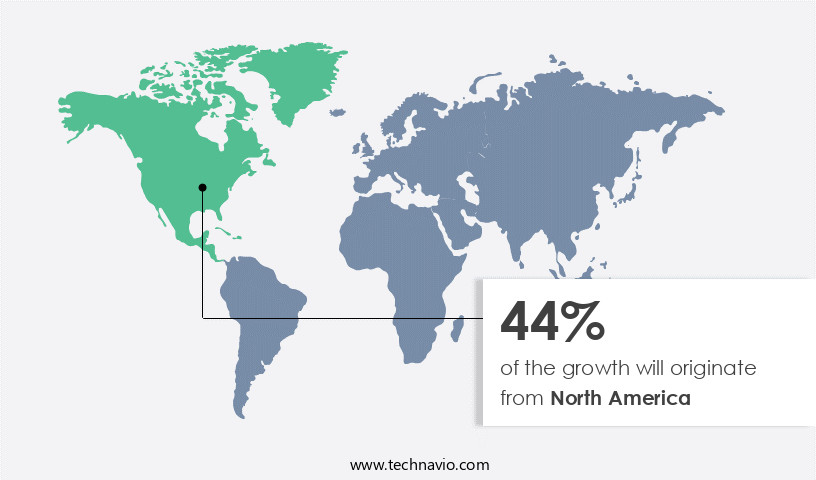
  • North America dominated the market and accounted for a 44% growth during the forecast period.
  • By Application - Musculoskeletal segment was valued at USD 8.69 billion in 2022
  • By Product - Equipment segment accounted for the largest market revenue share in 2022

Market Size & Forecast

  • Market Opportunities: USD 67.69 billion
  • Market Future Opportunities: USD 8.35 billion
  • CAGR : 6.7%
  • North America: Largest market in 2022

Market Summary

  • The market encompasses a continually evolving landscape shaped by advancements in core technologies and applications. With a growing focus on alternative physiotherapy treatment paradigms, the market is witnessing significant shifts. For instance, the adoption of electromyography (EMG) and functional electrical stimulation (FES) technologies has surged, driven by their ability to enhance rehabilitation outcomes. Service types, such as home health and telerehabilitation, are also gaining traction due to their convenience and accessibility. Regulations play a pivotal role in market dynamics, with stringent safety standards ensuring the quality of equipment. 
  • This growth can be attributed to the rising geriatric population and the advancement of healthcare facilities. Despite these opportunities, challenges such as high costs and limited reimbursement policies pose significant hurdles. Overall, the market is an intriguing space, offering numerous growth opportunities for stakeholders.

What will be the Size of the Physiotherapy Equipment Market during the forecast period?

Physiotherapy Equipment Market Size

Get Key Insights on Market Forecast (PDF) Request Free Sample

How is the Physiotherapy Equipment Market Segmented and what are the key trends of market segmentation?

The physiotherapy equipment industry research report provides comprehensive data (region-wise segment analysis), with forecasts and estimates in "USD billion" for the period 2024-2028, as well as historical data from 2018-2022 for the following segments.

  • Application
    • Musculoskeletal
    • Cardiovascular and pulmonary
    • Neurological
    • Others
  • Product
    • Equipment
    • Accessories
  • Geography
    • North America
      • US
      • Canada
    • Europe
      • Germany
      • UK
    • APAC
      • China
    • Rest of World (ROW)

By Application Insights

The musculoskeletal segment is estimated to witness significant growth during the forecast period.

In the realm of healthcare and rehabilitation, physiotherapy plays a pivotal role in restoring movement and function for individuals dealing with injuries, illnesses, or impairments. Musculoskeletal physiotherapy, a specialized branch, focuses on treating disorders and injuries of the muscles, joints, and soft tissues. This therapeutic approach encompasses various techniques and equipment to optimize healing and recovery. Cryotherapy units and electrotherapy modalities, such as shortwave diathermy and low-level laser therapy, are essential tools in physiotherapy. Joint mobilization techniques, therapeutic exercise equipment, interferential current therapy, phonophoresis devices, and patient monitoring systems are also integral components. Manual therapy tools, including microwave diathermy, biofeedback devices, postural assessment tools, magnetic field therapy, and home exercise programs, further enhance the treatment process.

Gait analysis systems, rehabilitation robotics, hydrotherapy equipment, thermotherapy units, laser therapy equipment, virtual reality therapy, strength training equipment, muscle energy techniques, therapeutic ultrasound, cardiovascular equipment, traction devices, paraffin wax therapy, iontophoresis devices, balance training equipment, electrical muscle stimulation, soft tissue mobilization, ultrasound therapy devices, neurological rehabilitation equipment, and continuous passive motion are all employed to cater to the diverse needs of patients. The physiotherapy market is experiencing significant growth, with adoption increasing by approximately 18% in recent years. Furthermore, industry experts anticipate a 25% expansion in the demand for physiotherapy services over the next five years. These trends underscore the continuous evolution and expanding reach of physiotherapy in healthcare and rehabilitation.

Physiotherapy Equipment Market Size

Request Free Sample

The Musculoskeletal segment was valued at USD 8.69 billion in 2018 and showed a gradual increase during the forecast period.

Physiotherapy Equipment Market Size

Request Free Sample

Regional Analysis

North America is estimated to contribute 44% to the growth of the global market during the forecast period.Technavio's analysts have elaborately explained the regional trends and drivers that shape the market during the forecast period.
Physiotherapy Equipment Market Share by Geography

See How Physiotherapy Equipment Market Demand is Rising in North America Request Free Sample

The European the market is experiencing steady growth due to the region's advanced healthcare facilities and high disposable income. Countries like France, Germany, and the UK have well-established markets, with an increasing number of clinical diagnostic centers, patient care services, and hospitals. This growth is driven by the rising adoption of physiotherapy products by end-users and the expansion of healthcare infrastructure. According to recent reports, Europe is home to over 20,000 physiotherapy clinics and over 150,000 practicing physiotherapists. Additionally, the market is expected to witness a significant increase in demand for portable and wireless physiotherapy devices, as well as telerehabilitation services.

With an aging population and a growing focus on preventative healthcare, the European the market is poised for continued growth.

Market Dynamics

Our researchers analyzed the data with 2023 as the base year, along with the key drivers, trends, and challenges. A holistic analysis of drivers will help companies refine their marketing strategies to gain a competitive advantage.

The market encompasses a wide range of technologies and modalities designed to promote healing and improve mobility. Key therapeutic interventions include low intensity pulsed ultrasound, which utilizes specific parameters to enhance tissue repair, and electrical muscle stimulation, employing customized protocols to facilitate muscle reeducation. In the realm of laser therapy, wavelength selection plays a crucial role in addressing various tissue types and conditions. Transcutaneous electrical nerve stimulation settings are meticulously adjusted to alleviate pain and promote nerve recovery. Therapeutic ultrasound frequency range and shortwave diathermy treatment duration are essential factors in achieving optimal therapeutic outcomes.

Continuous passive motion devices are calibrated to provide controlled movement, aiding in joint recovery. Magnetic field therapy coil placement and iontophoresis medication delivery are critical aspects of electromagnetic therapy, ensuring precise application and optimal patient comfort. Phonophoresis ultrasound parameters and hydrotherapy tank temperature regulation are integral to enhancing medication absorption and promoting relaxation. Paraffin wax therapy application techniques and cryotherapy cold pack temperature are essential considerations in managing pain and inflammation. Thermotherapy heat pack temperature is carefully controlled to promote tissue healing and alleviate muscle soreness. Electrotherapy treatment guidelines are essential for ensuring safe and effective application of various modalities.

Gait analysis software integration and postural assessment measuring tools facilitate accurate diagnosis and personalized treatment plans. Biofeedback sensor placement is a vital component of neuromuscular rehabilitation, enabling real-time monitoring and progress tracking. Balance training exercise progression is a critical aspect of physiotherapy, with a growing emphasis on functional training and mobility enhancement. The market for physiotherapy equipment reflects these trends, with more than 60% of new product developments focusing on advanced technologies and functional training solutions. This represents a significant shift from traditional modalities, indicating a transformative period in the industry.

Physiotherapy Equipment Market Size

What are the key market drivers leading to the rise in the adoption of Physiotherapy Equipment Industry?

  • The geriatric population's continuous growth serves as the primary market driver. 
  • The global geriatric population has witnessed significant expansion over the past few years. As per the United Nations, the world's elderly population surpassed 761 million in 2021, a figure projected to escalate to over 2.1 billion by 2050. This demographic shift is primarily driven by improved mortality rates and declining fertility. Senior citizens represent a substantial segment in both developed and developing nations.
  • Countries like the US, South Korea, China, Japan, Italy, Russia, Australia, Germany, Taiwan, Canada, Poland, and Ukraine are among those experiencing an increasing elderly population. This trend underscores the growing importance of catering to the unique needs of this demographic, offering opportunities across various sectors, including healthcare, technology, and social services.

What are the market trends shaping the Physiotherapy Equipment Industry?

  • Advancement in healthcare facilities is a mandated market trend. This refers to the ongoing evolution and improvement of healthcare services and infrastructure.
  • The healthcare sector, encompassing diagnostic services and clinical and hospital-based offerings, is experiencing a significant transformation. This shift stems from the escalating demand for personalized healthcare services, driving providers to prioritize demand-based models over traditional supply-based infrastructure. This trend is fueled by individuals seeking enhanced healthcare experiences and willing to invest in various treatment phases, including diagnostics, hospital care, and post-treatment services. Consequently, healthcare providers are upgrading their facilities with advanced laboratories, patient wards, and medical technology. For example, Lupin Ltd., a prominent healthcare company, recently introduced Atharv Ability, a state-of-the-art neuro-rehabilitation center in Mumbai, India. This illustrates the ongoing evolution of the healthcare industry, with a focus on catering to the needs of patients and delivering superior care experiences.

What challenges does the Physiotherapy Equipment Industry face during its growth?

  • The integration of alternative physiotherapy treatment paradigms poses a significant challenge to the industry's growth trajectory. These innovative approaches, while offering potential benefits, require careful consideration and adaptation to ensure continued progress within the physiotherapy sector. 
  • Acupuncture, an ancient Chinese therapeutic practice, has gained significant traction in the healthcare industry as an alternative to traditional physiotherapy methods. According to market research, the global acupuncture market is projected to expand at a steady pace, driven by its wide application in treating various ailments. Acupuncture is known for its high patient compliance due to its non-invasive nature and relatively low cost. It is commonly used to manage acute and chronic injuries, alleviate back and neck pain, and treat muscle and joint disorders, nerve discomfort, and headaches, among other conditions. Despite its benefits, the market growth is somewhat contained due to the widespread acceptance and utilization of acupuncture within the medical community.
  • Acupuncture's integration into physiotherapy management has made it a popular choice for patients seeking alternative therapies. Its ability to provide relief from a multitude of health issues, combined with its cost-effectiveness, makes it a valuable addition to conventional physiotherapy treatments.

Exclusive Customer Landscape

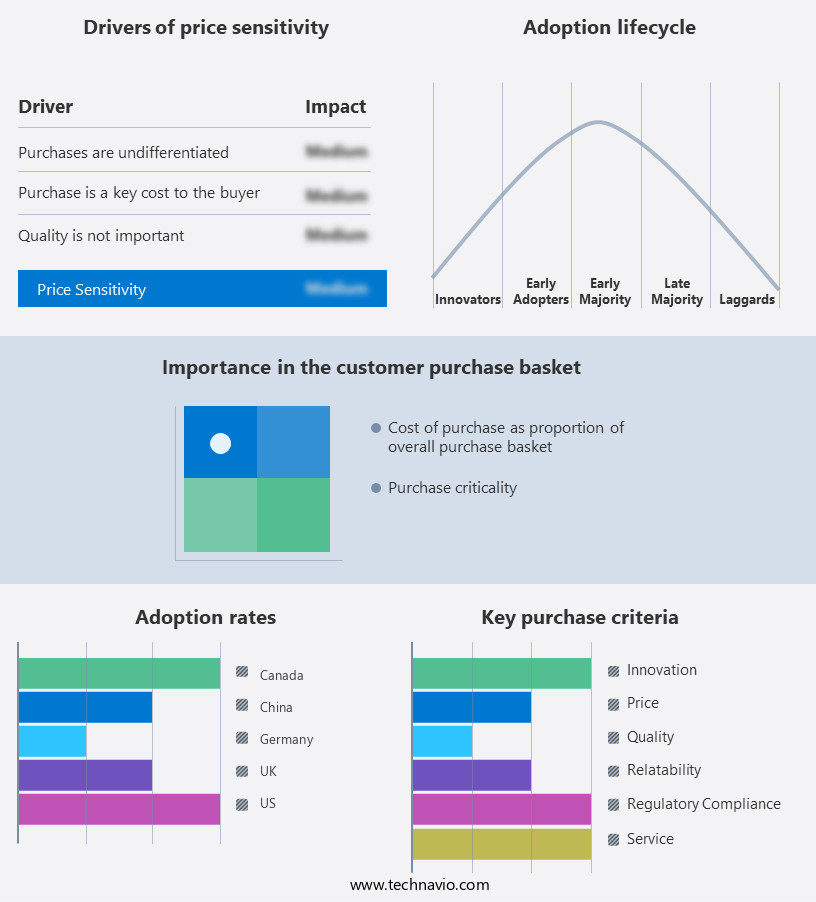
The physiotherapy equipment market forecasting report includes the adoption lifecycle of the market, covering from the innovator's stage to the laggard's stage. It focuses on adoption rates in different regions based on penetration. Furthermore, the physiotherapy equipment market report also includes key purchase criteria and drivers of price sensitivity to help companies evaluate and develop their market growth analysis strategies.
Physiotherapy Equipment Market Share by Geography

 Customer Landscape of Physiotherapy Equipment Industry

Competitive Landscape & Market Insights

Companies are implementing various strategies, such as strategic alliances, physiotherapy equipment market forecast, partnerships, mergers and acquisitions, geographical expansion, and product/service launches, to enhance their presence in the industry.

Accord Medical Products Pvt. Ltd. - This company specializes in providing advanced physiotherapy equipment for medical professionals. Their product range includes the Acco diagnostic muscle stimulator, a whirlpool bath for upper extremities, shortwave medical diathermy, and a muscle stimulator. These tools facilitate effective rehabilitation and injury recovery processes.

The industry research and growth report includes detailed analyses of the competitive landscape of the market and information about key companies, including:

  • Accord Medical Products Pvt. Ltd.
  • Bio Med International Pvt. Ltd
  • BTL Group
  • Chirag electronics pvt ltd
  • Compass Health Brands
  • Dynatronics Corp.
  • EMS Physio Ltd.
  • Enovis Corp.
  • Enraf Nonius BV
  • GymnaUniphy NV
  • HMS Medical Systems
  • Ito Co. Ltd.
  • KARL STORZ SE and Co. KG
  • Life Care Systems
  • Mectronic Medicale Srl
  • Mettler Electronics Corp.
  • Performance Health Holding Inc.
  • TecnoBody S.p.A
  • Zimmer MedizinSysteme GmbH
  • Zynex Inc.

Qualitative and quantitative analysis of companies has been conducted to help clients understand the wider business environment as well as the strengths and weaknesses of key industry players. Data is qualitatively analyzed to categorize companies as pure play, category-focused, industry-focused, and diversified; it is quantitatively analyzed to categorize companies as dominant, leading, strong, tentative, and weak.

Recent Development and News in Physiotherapy Equipment Market

  • In January 2024, Medtronic, a global healthcare solutions company, announced the launch of its new line of physiotherapy equipment, the Carbon Graphite Assist Device (CGAD), designed to enhance rehabilitation therapy for stroke and spinal cord injury patients. This innovative product uses carbon graphite technology to provide more natural and effective resistance for patients, improving their functional abilities (Medtronic Press Release, 2024).
  • In March 2024, Hocma Tech, a leading physiotherapy equipment manufacturer, entered into a strategic partnership with the National Health Service (NHS) in the UK to provide its advanced physiotherapy equipment to over 1,000 NHS sites, aiming to improve patient care and reduce waiting times (Hocma Tech Press Release, 2024).
  • In May 2024, BTE Technologies, a US-based physiotherapy equipment provider, raised USD25 million in a Series C funding round led by New Enterprise Associates (NEA), to expand its product portfolio and accelerate the development of its advanced technologies (BTE Technologies Press Release, 2024).
  • In February 2025, the US Food and Drug Administration (FDA) approved the marketing of DJO Global's new line of portable physiotherapy equipment, the Aircast Pneumatic Series, which utilizes air pressure technology to provide customized therapy for various injuries and conditions (DJO Global Press Release, 2025).

Dive into Technavio's robust research methodology, blending expert interviews, extensive data synthesis, and validated models for unparalleled Physiotherapy Equipment Market insights. See full methodology.

Market Scope

Report Coverage

Details

Page number

164

Base year

2023

Historic period

2018-2022

Forecast period

2024-2028

Growth momentum & CAGR

Accelerate at a CAGR of 6.7%

Market growth 2024-2028

USD 8.35 billion

Market structure

Fragmented

YoY growth 2023-2024(%)

6.23

Key countries

US, Canada, Germany, UK, and China

Competitive landscape

Leading Companies, Market Positioning of Companies, Competitive Strategies, and Industry Risks

Request Free Sample

Research Analyst Overview

  • The market encompasses a diverse range of technologies and techniques, including cryotherapy units, electrotherapy modalities, shortwave diathermy, and low-level laser therapy. These tools cater to various therapeutic needs, with electrotherapy modalities and shortwave diathermy gaining significant traction for their ability to stimulate tissue repair and alleviate pain. Joint mobilization techniques, therapeutic exercise equipment, and manual therapy tools are integral components of physiotherapy, enabling practitioners to restore mobility and strength. Interferential current therapy, phonophoresis devices, and patient monitoring systems further expand the therapeutic offerings, allowing for precise and targeted interventions. Biofeedback devices, postural assessment tools, and magnetic field therapy are essential for evaluating and addressing underlying conditions, while home exercise programs, gait analysis systems, and rehabilitation robotics facilitate patient-centered care.
  • Hydrotherapy equipment, thermotherapy units, and laser therapy equipment cater to a wide range of patient needs, offering both short-term pain relief and long-term rehabilitation solutions. Virtual reality therapy, strength training equipment, muscle energy techniques, therapeutic ultrasound, and cardiovascular equipment are increasingly popular choices, reflecting the ongoing evolution of physiotherapy practices. Traction devices, paraffin wax therapy, iontophoresis devices, balance training equipment, electrical muscle stimulation, and soft tissue mobilization tools round out the market, addressing various therapeutic objectives. Neurological rehabilitation equipment, ultrasound therapy devices, and continuous passive motion systems represent cutting-edge innovations, offering new possibilities for improved patient outcomes.
  • As the market continues to unfold, these advancements will shape the future of healthcare and rehabilitation services.

What are the Key Data Covered in this Physiotherapy Equipment Market Research and Growth Report?

  • What is the expected growth of the Physiotherapy Equipment Market between 2024 and 2028?

    • USD 8.35 billion, at a CAGR of 6.7%

  • What segmentation does the market report cover?

    • The report is segmented by Application (Musculoskeletal, Cardiovascular and pulmonary, Neurological, and Others), Product (Equipment and Accessories), and Geography (North America, Europe, Asia, and Rest of World (ROW))

  • Which regions are analyzed in the report?

    • North America, Europe, Asia, and Rest of World (ROW)

  • What are the key growth drivers and market challenges?

    • Rising geriatric population, Alternative physiotherapy treatment paradigm

  • Who are the major players in the Physiotherapy Equipment Market?

    • Accord Medical Products Pvt. Ltd., Bio Med International Pvt. Ltd, BTL Group, Chirag electronics pvt ltd, Compass Health Brands, Dynatronics Corp., EMS Physio Ltd., Enovis Corp., Enraf Nonius BV, GymnaUniphy NV, HMS Medical Systems, Ito Co. Ltd., KARL STORZ SE and Co. KG, Life Care Systems, Mectronic Medicale Srl, Mettler Electronics Corp., Performance Health Holding Inc., TecnoBody S.p.A, Zimmer MedizinSysteme GmbH, and Zynex Inc.

Market Research Insights

  • The market encompasses a diverse range of tools and technologies employed in the assessment, treatment, and rehabilitation of various musculoskeletal conditions. Two key segments of this market are spinal decompression tables and massage guns. According to industry estimates, the global market for spinal decompression equipment was valued at USD 1.5 billion in 2020, growing at a steady pace due to increasing prevalence of back pain and the effectiveness of non-surgical treatment methods. In contrast, the market for massage guns experienced significant growth, with sales projected to reach USD 1.2 billion by 2027, driven by the rising popularity of self-care and the convenience of portable, handheld devices.
  • Both segments reflect the continuous evolution of physiotherapy equipment, with innovations in functional electrical stimulation, ultraviolet lamp therapy, and other advanced techniques contributing to improved patient outcomes and expanded treatment modalities.

We can help! Our analysts can customize this physiotherapy equipment market research report to meet your requirements.

Get in touch

1 Executive Summary

  • 1.1 Market overview
    • Exhibit 01: Executive Summary – Chart on Market Overview
    • Exhibit 02: Executive Summary – Data Table on Market Overview
    • Exhibit 03: Executive Summary – Chart on Global Market Characteristics
    • Exhibit 04: Executive Summary – Chart on Market by Geography
    • Exhibit 05: Executive Summary – Chart on Market Segmentation by Application
    • Exhibit 06: Executive Summary – Chart on Market Segmentation by Product
    • Exhibit 07: Executive Summary – Chart on Incremental Growth
    • Exhibit 08: Executive Summary – Data Table on Incremental Growth
    • Exhibit 09: Executive Summary – Chart on Vendor Market Positioning

2 Market Landscape

  • 2.1 Market ecosystem
    • Exhibit 10: Parent market
    • Exhibit 11: Market Characteristics

3 Market Sizing

  • 3.1 Market definition
    • Exhibit 12: Offerings of vendors included in the market definition
  • 3.2 Market segment analysis
    • Exhibit 13: Market segments
  • 3.3 Market size 2023
    • 3.4 Market outlook: Forecast for 2023-2028
      • Exhibit 14: Chart on Global - Market size and forecast 2023-2028 ($ billion)
      • Exhibit 15: Data Table on Global - Market size and forecast 2023-2028 ($ billion)
      • Exhibit 16: Chart on Global Market: Year-over-year growth 2023-2028 (%)
      • Exhibit 17: Data Table on Global Market: Year-over-year growth 2023-2028 (%)

    4 Historic Market Size

    • 4.1 Global physiotherapy equipment market 2018 - 2022
      • Exhibit 18: Historic Market Size – Data Table on global physiotherapy equipment market 2018 - 2022 ($ billion)
    • 4.2 Application Segment Analysis 2018 - 2022
      • Exhibit 19: Historic Market Size – Application Segment 2018 - 2022 ($ billion)
    • 4.3 Product Segment Analysis 2018 - 2022
      • Exhibit 20: Historic Market Size – Product Segment 2018 - 2022 ($ billion)
    • 4.4 Geography Segment Analysis 2018 - 2022
      • Exhibit 21: Historic Market Size – Geography Segment 2018 - 2022 ($ billion)
    • 4.5 Country Segment Analysis 2018 - 2022
      • Exhibit 22: Historic Market Size – Country Segment 2018 - 2022 ($ billion)

    5 Five Forces Analysis

    • 5.1 Five forces summary
      • Exhibit 23: Five forces analysis - Comparison between 2023 and 2028
    • 5.2 Bargaining power of buyers
      • Exhibit 24: Chart on Bargaining power of buyers – Impact of key factors 2023 and 2028
    • 5.3 Bargaining power of suppliers
      • Exhibit 25: Bargaining power of suppliers – Impact of key factors in 2023 and 2028
    • 5.4 Threat of new entrants
      • Exhibit 26: Threat of new entrants – Impact of key factors in 2023 and 2028
    • 5.5 Threat of substitutes
      • Exhibit 27: Threat of substitutes – Impact of key factors in 2023 and 2028
    • 5.6 Threat of rivalry
      • Exhibit 28: Threat of rivalry – Impact of key factors in 2023 and 2028
    • 5.7 Market condition
      • Exhibit 29: Chart on Market condition - Five forces 2023 and 2028

    6 Market Segmentation by Application

    • 6.1 Market segments
      • Exhibit 30: Chart on Application - Market share 2023-2028 (%)
      • Exhibit 31: Data Table on Application - Market share 2023-2028 (%)
    • 6.2 Comparison by Application
      • Exhibit 32: Chart on Comparison by Application
      • Exhibit 33: Data Table on Comparison by Application
    • 6.3 Musculoskeletal - Market size and forecast 2023-2028
      • Exhibit 34: Chart on Musculoskeletal - Market size and forecast 2023-2028 ($ billion)
      • Exhibit 35: Data Table on Musculoskeletal - Market size and forecast 2023-2028 ($ billion)
      • Exhibit 36: Chart on Musculoskeletal - Year-over-year growth 2023-2028 (%)
      • Exhibit 37: Data Table on Musculoskeletal - Year-over-year growth 2023-2028 (%)
    • 6.4 Cardiovascular and pulmonary - Market size and forecast 2023-2028
      • Exhibit 38: Chart on Cardiovascular and pulmonary - Market size and forecast 2023-2028 ($ billion)
      • Exhibit 39: Data Table on Cardiovascular and pulmonary - Market size and forecast 2023-2028 ($ billion)
      • Exhibit 40: Chart on Cardiovascular and pulmonary - Year-over-year growth 2023-2028 (%)
      • Exhibit 41: Data Table on Cardiovascular and pulmonary - Year-over-year growth 2023-2028 (%)
    • 6.5 Neurological - Market size and forecast 2023-2028
      • Exhibit 42: Chart on Neurological - Market size and forecast 2023-2028 ($ billion)
      • Exhibit 43: Data Table on Neurological - Market size and forecast 2023-2028 ($ billion)
      • Exhibit 44: Chart on Neurological - Year-over-year growth 2023-2028 (%)
      • Exhibit 45: Data Table on Neurological - Year-over-year growth 2023-2028 (%)
    • 6.6 Others - Market size and forecast 2023-2028
      • Exhibit 46: Chart on Others - Market size and forecast 2023-2028 ($ billion)
      • Exhibit 47: Data Table on Others - Market size and forecast 2023-2028 ($ billion)
      • Exhibit 48: Chart on Others - Year-over-year growth 2023-2028 (%)
      • Exhibit 49: Data Table on Others - Year-over-year growth 2023-2028 (%)
    • 6.7 Market opportunity by Application
      • Exhibit 50: Market opportunity by Application ($ billion)
      • Exhibit 51: Data Table on Market opportunity by Application ($ billion)

    7 Market Segmentation by Product

    • 7.1 Market segments
      • Exhibit 52: Chart on Product - Market share 2023-2028 (%)
      • Exhibit 53: Data Table on Product - Market share 2023-2028 (%)
    • 7.2 Comparison by Product
      • Exhibit 54: Chart on Comparison by Product
      • Exhibit 55: Data Table on Comparison by Product
    • 7.3 Equipment - Market size and forecast 2023-2028
      • Exhibit 56: Chart on Equipment - Market size and forecast 2023-2028 ($ billion)
      • Exhibit 57: Data Table on Equipment - Market size and forecast 2023-2028 ($ billion)
      • Exhibit 58: Chart on Equipment - Year-over-year growth 2023-2028 (%)
      • Exhibit 59: Data Table on Equipment - Year-over-year growth 2023-2028 (%)
    • 7.4 Accessories - Market size and forecast 2023-2028
      • Exhibit 60: Chart on Accessories - Market size and forecast 2023-2028 ($ billion)
      • Exhibit 61: Data Table on Accessories - Market size and forecast 2023-2028 ($ billion)
      • Exhibit 62: Chart on Accessories - Year-over-year growth 2023-2028 (%)
      • Exhibit 63: Data Table on Accessories - Year-over-year growth 2023-2028 (%)
    • 7.5 Market opportunity by Product
      • Exhibit 64: Market opportunity by Product ($ billion)
      • Exhibit 65: Data Table on Market opportunity by Product ($ billion)

    8 Customer Landscape

    • 8.1 Customer landscape overview
      • Exhibit 66: Analysis of price sensitivity, lifecycle, customer purchase basket, adoption rates, and purchase criteria

    9 Geographic Landscape

    • 9.1 Geographic segmentation
      • Exhibit 67: Chart on Market share by geography 2023-2028 (%)
      • Exhibit 68: Data Table on Market share by geography 2023-2028 (%)
    • 9.2 Geographic comparison
      • Exhibit 69: Chart on Geographic comparison
      • Exhibit 70: Data Table on Geographic comparison
    • 9.3 North America - Market size and forecast 2023-2028
      • Exhibit 71: Chart on North America - Market size and forecast 2023-2028 ($ billion)
      • Exhibit 72: Data Table on North America - Market size and forecast 2023-2028 ($ billion)
      • Exhibit 73: Chart on North America - Year-over-year growth 2023-2028 (%)
      • Exhibit 74: Data Table on North America - Year-over-year growth 2023-2028 (%)
    • 9.4 Europe - Market size and forecast 2023-2028
      • Exhibit 75: Chart on Europe - Market size and forecast 2023-2028 ($ billion)
      • Exhibit 76: Data Table on Europe - Market size and forecast 2023-2028 ($ billion)
      • Exhibit 77: Chart on Europe - Year-over-year growth 2023-2028 (%)
      • Exhibit 78: Data Table on Europe - Year-over-year growth 2023-2028 (%)
    • 9.5 Asia - Market size and forecast 2023-2028
      • Exhibit 79: Chart on Asia - Market size and forecast 2023-2028 ($ billion)
      • Exhibit 80: Data Table on Asia - Market size and forecast 2023-2028 ($ billion)
      • Exhibit 81: Chart on Asia - Year-over-year growth 2023-2028 (%)
      • Exhibit 82: Data Table on Asia - Year-over-year growth 2023-2028 (%)
    • 9.6 Rest of World (ROW) - Market size and forecast 2023-2028
      • Exhibit 83: Chart on Rest of World (ROW) - Market size and forecast 2023-2028 ($ billion)
      • Exhibit 84: Data Table on Rest of World (ROW) - Market size and forecast 2023-2028 ($ billion)
      • Exhibit 85: Chart on Rest of World (ROW) - Year-over-year growth 2023-2028 (%)
      • Exhibit 86: Data Table on Rest of World (ROW) - Year-over-year growth 2023-2028 (%)
    • 9.7 US - Market size and forecast 2023-2028
      • Exhibit 87: Chart on US - Market size and forecast 2023-2028 ($ billion)
      • Exhibit 88: Data Table on US - Market size and forecast 2023-2028 ($ billion)
      • Exhibit 89: Chart on US - Year-over-year growth 2023-2028 (%)
      • Exhibit 90: Data Table on US - Year-over-year growth 2023-2028 (%)
    • 9.8 China - Market size and forecast 2023-2028
      • Exhibit 91: Chart on China - Market size and forecast 2023-2028 ($ billion)
      • Exhibit 92: Data Table on China - Market size and forecast 2023-2028 ($ billion)
      • Exhibit 93: Chart on China - Year-over-year growth 2023-2028 (%)
      • Exhibit 94: Data Table on China - Year-over-year growth 2023-2028 (%)
    • 9.9 Canada - Market size and forecast 2023-2028
      • Exhibit 95: Chart on Canada - Market size and forecast 2023-2028 ($ billion)
      • Exhibit 96: Data Table on Canada - Market size and forecast 2023-2028 ($ billion)
      • Exhibit 97: Chart on Canada - Year-over-year growth 2023-2028 (%)
      • Exhibit 98: Data Table on Canada - Year-over-year growth 2023-2028 (%)
    • 9.10 Germany - Market size and forecast 2023-2028
      • Exhibit 99: Chart on Germany - Market size and forecast 2023-2028 ($ billion)
      • Exhibit 100: Data Table on Germany - Market size and forecast 2023-2028 ($ billion)
      • Exhibit 101: Chart on Germany - Year-over-year growth 2023-2028 (%)
      • Exhibit 102: Data Table on Germany - Year-over-year growth 2023-2028 (%)
    • 9.11 UK - Market size and forecast 2023-2028
      • Exhibit 103: Chart on UK - Market size and forecast 2023-2028 ($ billion)
      • Exhibit 104: Data Table on UK - Market size and forecast 2023-2028 ($ billion)
      • Exhibit 105: Chart on UK - Year-over-year growth 2023-2028 (%)
      • Exhibit 106: Data Table on UK - Year-over-year growth 2023-2028 (%)
    • 9.12 Market opportunity by geography
      • Exhibit 107: Market opportunity by geography ($ billion)
      • Exhibit 108: Data Tables on Market opportunity by geography ($ billion)

    10 Drivers, Challenges, and Trends

    • 10.1 Market drivers
      • 10.2 Market challenges
        • 10.3 Impact of drivers and challenges
          • Exhibit 109: Impact of drivers and challenges in 2023 and 2028
        • 10.4 Market trends

          11 Vendor Landscape

          • 11.1 Overview
            • 11.2 Vendor landscape
              • Exhibit 110: Overview on Criticality of inputs and Factors of differentiation
            • 11.3 Landscape disruption
              • Exhibit 111: Overview on factors of disruption
            • 11.4 Industry risks
              • Exhibit 112: Impact of key risks on business

            12 Vendor Analysis

            • 12.1 Vendors covered
              • Exhibit 113: Vendors covered
            • 12.2 Market positioning of vendors
              • Exhibit 114: Matrix on vendor position and classification
            • 12.3 Accord Medical Products Pvt. Ltd.
              • Exhibit 115: Accord Medical Products Pvt. Ltd. - Overview
              • Exhibit 116: Accord Medical Products Pvt. Ltd. - Product / Service
              • Exhibit 117: Accord Medical Products Pvt. Ltd. - Key offerings
            • 12.4 BTL Group
              • Exhibit 118: BTL Group - Overview
              • Exhibit 119: BTL Group - Product / Service
              • Exhibit 120: BTL Group - Key offerings
            • 12.5 Compass Health Brands
              • Exhibit 121: Compass Health Brands - Overview
              • Exhibit 122: Compass Health Brands - Product / Service
              • Exhibit 123: Compass Health Brands - Key offerings
            • 12.6 Dynatronics Corp.
              • Exhibit 124: Dynatronics Corp. - Overview
              • Exhibit 125: Dynatronics Corp. - Product / Service
              • Exhibit 126: Dynatronics Corp. - Key offerings
            • 12.7 EMS Physio Ltd.
              • Exhibit 127: EMS Physio Ltd. - Overview
              • Exhibit 128: EMS Physio Ltd. - Product / Service
              • Exhibit 129: EMS Physio Ltd. - Key offerings
            • 12.8 Enovis Corp.
              • Exhibit 130: Enovis Corp. - Overview
              • Exhibit 131: Enovis Corp. - Business segments
              • Exhibit 132: Enovis Corp. - Key offerings
              • Exhibit 133: Enovis Corp. - Segment focus
            • 12.9 Enraf Nonius BV
              • Exhibit 134: Enraf Nonius BV - Overview
              • Exhibit 135: Enraf Nonius BV - Product / Service
              • Exhibit 136: Enraf Nonius BV - Key offerings
            • 12.10 GymnaUniphy NV
              • Exhibit 137: GymnaUniphy NV - Overview
              • Exhibit 138: GymnaUniphy NV - Product / Service
              • Exhibit 139: GymnaUniphy NV - Key offerings
            • 12.11 HMS Medical Systems
              • Exhibit 140: HMS Medical Systems - Overview
              • Exhibit 141: HMS Medical Systems - Product / Service
              • Exhibit 142: HMS Medical Systems - Key offerings
            • 12.12 Ito Co. Ltd.
              • Exhibit 143: Ito Co. Ltd. - Overview
              • Exhibit 144: Ito Co. Ltd. - Product / Service
              • Exhibit 145: Ito Co. Ltd. - Key offerings
            • 12.13 KARL STORZ SE and Co. KG
              • Exhibit 146: KARL STORZ SE and Co. KG - Overview
              • Exhibit 147: KARL STORZ SE and Co. KG - Product / Service
              • Exhibit 148: KARL STORZ SE and Co. KG - Key news
              • Exhibit 149: KARL STORZ SE and Co. KG - Key offerings
            • 12.14 Life Care Systems
              • Exhibit 150: Life Care Systems - Overview
              • Exhibit 151: Life Care Systems - Product / Service
              • Exhibit 152: Life Care Systems - Key offerings
            • 12.15 Performance Health Holding Inc.
              • Exhibit 153: Performance Health Holding Inc. - Overview
              • Exhibit 154: Performance Health Holding Inc. - Key offerings
            • 12.16 Zimmer MedizinSysteme GmbH
              • Exhibit 155: Zimmer MedizinSysteme GmbH - Overview
              • Exhibit 156: Zimmer MedizinSysteme GmbH - Product / Service
              • Exhibit 157: Zimmer MedizinSysteme GmbH - Key offerings
            • 12.17 Zynex Inc.
              • Exhibit 158: Zynex Inc. - Overview
              • Exhibit 159: Zynex Inc. - Product / Service
              • Exhibit 160: Zynex Inc. - Key offerings

            13 Appendix

            • 13.1 Scope of the report
              • 13.2 Inclusions and exclusions checklist
                • Exhibit 161: Inclusions checklist
                • Exhibit 162: Exclusions checklist
              • 13.3 Currency conversion rates for US$
                • Exhibit 163: Currency conversion rates for US$
              • 13.4 Research methodology
                • Exhibit 164: Research methodology
                • Exhibit 165: Validation techniques employed for market sizing
                • Exhibit 166: Information sources
              • 13.5 List of abbreviations
                • Exhibit 167: List of abbreviations

              Research Methodology

              Technavio presents a detailed picture of the market by way of study, synthesis, and summation of data from multiple sources. The analysts have presented the various facets of the market with a particular focus on identifying the key industry influencers. The data thus presented is comprehensive, reliable, and the result of extensive research, both primary and secondary.

              INFORMATION SOURCES

              Primary sources

              • Manufacturers and suppliers
              • Channel partners
              • Industry experts
              • Strategic decision makers

              Secondary sources

              • Industry journals and periodicals
              • Government data
              • Financial reports of key industry players
              • Historical data
              • Press releases

              DATA ANALYSIS

              Data Synthesis

              • Collation of data
              • Estimation of key figures
              • Analysis of derived insights

              Data Validation

              • Triangulation with data models
              • Reference against proprietary databases
              • Corroboration with industry experts

              REPORT WRITING

              Qualitative

              • Market drivers
              • Market challenges
              • Market trends
              • Five forces analysis

              Quantitative

              • Market size and forecast
              • Market segmentation
              • Geographical insights
              • Competitive landscape

              Interested in this report?

              Get your sample now to see our research methodology and insights!

              Download Now

              Frequently Asked Questions

              Physiotherapy Equipment market growth will increase by $ 8.35 bn during 2024-2028.

              The Physiotherapy Equipment market is expected to grow at a CAGR of 6.7% during 2024-2028.

              Physiotherapy Equipment market is segmented by Application( Musculoskeletal, Cardiovascular and pulmonary, Neurological, Others, Others) Product( Equipment, Accessories, Asia, ROW)

              Accord Medical Products Pvt. Ltd., Bio Med International Pvt. Ltd, BTL Group, Chirag electronics pvt ltd, Compass Health Brands, Dynatronics Corp., EMS Physio Ltd., Enovis Corp., Enraf Nonius BV, GymnaUniphy NV, HMS Medical Systems, Ito Co. Ltd., KARL STORZ SE and Co. KG, Life Care Systems, Mectronic Medicale Srl, Mettler Electronics Corp., Performance Health Holding Inc., TecnoBody S.p.A, Zimmer MedizinSysteme GmbH, Zynex Inc. are a few of the key vendors in the Physiotherapy Equipment market.

              North America will register the highest growth rate of 44% among the other regions. Therefore, the Physiotherapy Equipment market in North America is expected to garner significant business opportunities for the vendors during the forecast period.

              US, Canada, Germany, UK, China

              • Rising geriatric populationThere has been a rapid growth in the global geriatric over the years. According to the United Nations is the driving factor this market.
              • in 2021 is the driving factor this market.
              • more than 761 million people of the worlds population were above the age of 65 years. According to the World Health Organization (WHO) is the driving factor this market.
              • the number is expected to increase to more than 2.1 billion by 2050. Mortality improvement and a decline in fertility are the prime reasons for the rise in the older population. Senior citizens constitute a major portion of the population in developed and developing countries. The elderly population in countries such as the US is the driving factor this market.
              • South Korea is the driving factor this market.
              • China is the driving factor this market.
              • Japan is the driving factor this market.
              • Italy is the driving factor this market.
              • Russia is the driving factor this market.
              • Australia is the driving factor this market.
              • Germany is the driving factor this market.
              • Taiwan is the driving factor this market.
              • Canada is the driving factor this market.
              • Poland is the driving factor this market.
              • and Ukraine is increasing. Elderly people are more vulnerable to communicable and non-communicable diseases than the young and are the major users of healthcare facilities. During treatment and in post-treatment phases is the driving factor this market.
              • they may need to undergo physiotherapy treatments for early recovery from medical illnesses or for improved mobility. This can increase the demand for physiotherapy equipment. The physiotherapist also uses various therapies is the driving factor this market.
              • such as heat therapy is the driving factor this market.
              • cryotherapy is the driving factor this market.
              • and hydrotherapy is the driving factor this market.
              • for pain management in the geriatric population as a method of non-surgical treatment. Hence is the driving factor this market.
              • the rise in the geriatric population is expected to propel the growth of the global physiotherapy equipment market during the forecast period. is the driving factor this market.

              The Physiotherapy Equipment market vendors should focus on grabbing business opportunities from the Musculoskeletal segment as it accounted for the largest market share in the base year.