


Talent Management Software Market Analysis, Size, and Forecast 2026-2030: North America (US, Canada, and Mexico), Europe (Germany, UK, and France), APAC (China, Japan, and India), South America (Brazil, Argentina, and Colombia), Middle East and Africa (UAE, Saudi Arabia, and South Africa), and Rest of World (ROW)

Talent Management Software Market Analysis, Size, and Forecast 2026-2030:
North America (US, Canada, and Mexico), Europe (Germany, UK, and France), APAC (China, Japan, and India), South America (Brazil, Argentina, and Colombia), Middle East and Africa (UAE, Saudi Arabia, and South Africa), and Rest of World (ROW)

Published: Mar 2026 301 Pages SKU: IRTNTR40592

Market Overview at a Glance

$15.78 B
Market Opportunity
13.6%
CAGR 2025 - 2030
37.4%
North America Growth
$10.42 B
Cloud-based segment 2024

Talent Management Software Market Size 2026-2030

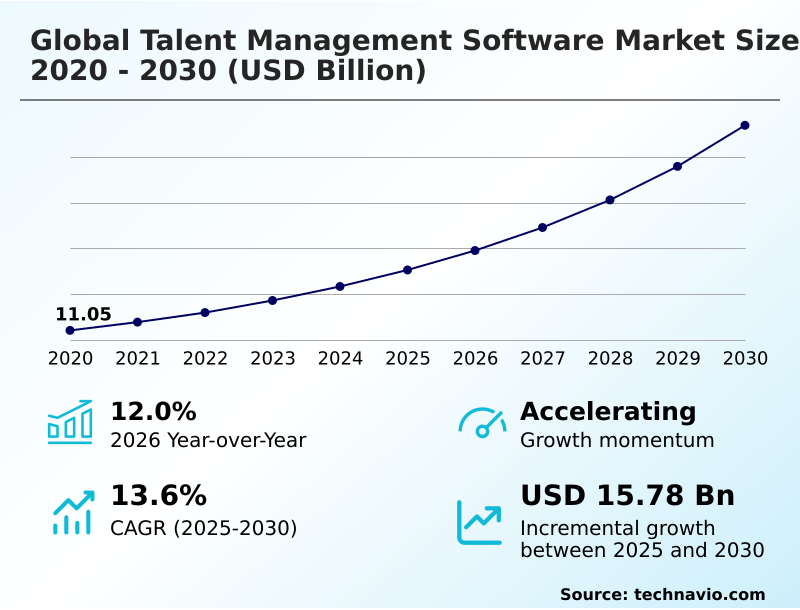
The talent management software market size is valued to increase by USD 15.78 billion, at a CAGR of 13.6% from 2025 to 2030. Strategic imperative of data-driven talent management will drive the talent management software market.

Major Market Trends & Insights

  • North America dominated the market and accounted for a 37.4% growth during the forecast period.
  • By Deployment - Cloud-based segment was valued at USD 10.42 billion in 2024
  • By Business Segment - Large enterprises segment accounted for the largest market revenue share in 2024

Market Size & Forecast

  • Market Opportunities: USD 22.37 billion
  • Market Future Opportunities: USD 15.78 billion
  • CAGR from 2025 to 2030 : 13.6%

Market Summary

  • The talent management software market is undergoing a profound transformation as organizations pivot from administrative HR functions to strategic human capital management. This evolution is driven by the recognition that a company's workforce is its primary competitive asset, necessitating a more sophisticated, data-driven approach.
  • Modern platforms serve as a centralized system, breaking down data silos to enable a holistic view of the employee lifecycle. For instance, a multinational retailer facing high turnover can leverage predictive assessment algorithms within its talent acquisition suite to identify candidates with a higher probability of retention, improving the quality of hire metric.
  • These systems integrate key functions, including advanced succession planning tools and robust performance management modules, which are critical for nurturing high-potential individuals and fostering a pay-for-performance strategy. The integration of intelligent sourcing tools and personalized learning paths further allows businesses to build a resilient and agile workforce.
  • This shift toward a data-centric culture, supported by a comprehensive HR technology ecosystem, is essential for making evidence-based decisions and aligning talent strategy with core business objectives.

What will be the Size of the Talent Management Software Market during the forecast period?
Get Key Insights on Market Forecast (PDF) Request Free Sample

How is the Talent Management Software Market Segmented?

The talent management software industry research report provides comprehensive data (region-wise segment analysis), with forecasts and estimates in "USD million" for the period 2026-2030, as well as historical data from 2020-2024 for the following segments.

  • Deployment
    • Cloud-based
    • On-premises
  • Business segment
    • Large enterprises
    • Small and medium enterprises
  • Solution
    • Performance management
    • Learning
    • Talent acquisition
    • Workforce planning
    • Compensation
  • Geography
    • North America
      • US
      • Canada
      • Mexico
    • Europe
      • Germany
      • UK
      • France
    • APAC
      • China
      • Japan
      • India
    • South America
      • Brazil
      • Argentina
      • Colombia
    • Middle East and Africa
      • UAE
      • Saudi Arabia
      • South Africa
    • Rest of World (ROW)

By Deployment Insights

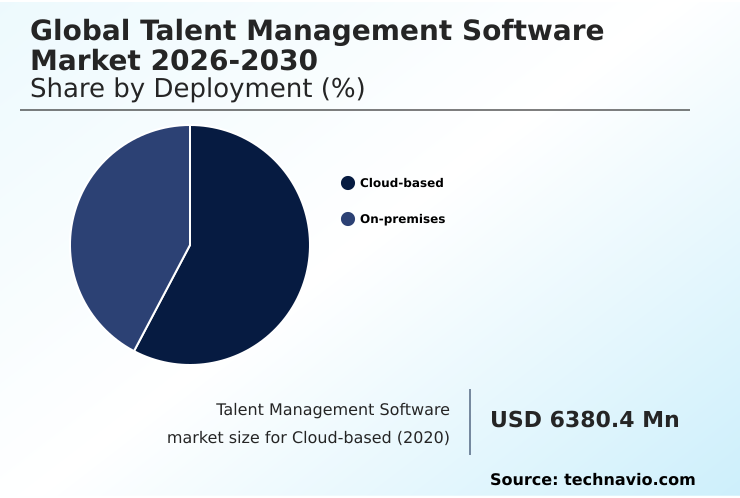
The cloud-based segment is estimated to witness significant growth during the forecast period.

The cloud-based segment is reshaping human capital management technology, driven by a superior economic proposition and operational agility. This model eliminates substantial upfront capital expenditures on infrastructure, converting investment into a predictable operational expense.

Organizations leverage this deployment for unparalleled scalability, adjusting capabilities in response to workforce fluctuations without the cost of physical hardware changes.

These platforms, featuring a consumer-grade user experience and mobile-first design principles, are accessible from any location, a critical feature for a distributed work environment.

Continuous innovation cycles, inherent to the cloud, ensure access to the latest generative AI capabilities, with firms reporting that using an integrated learning management system improves new hire time-to-productivity by over 20%.

This strategic shift is compelling organizations to adopt this technology for a more agile, data-centric culture.
Request Free Sample

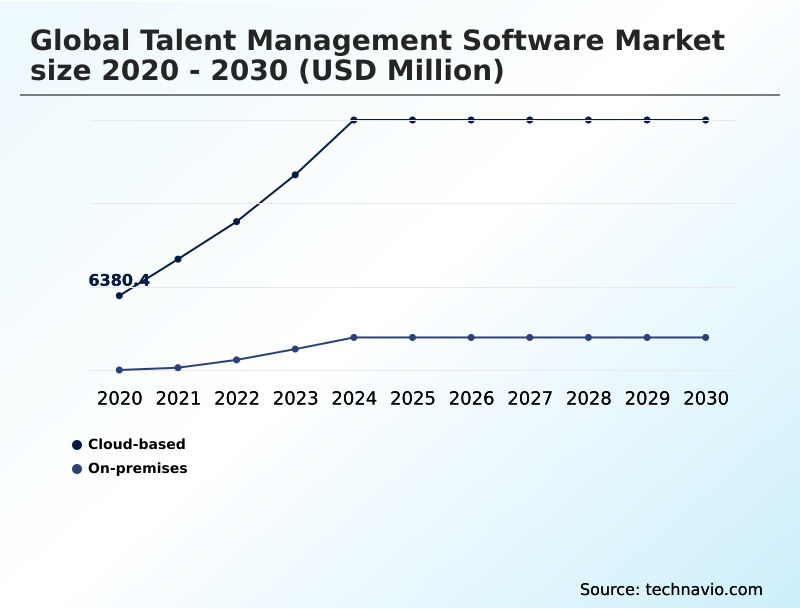
The Cloud-based segment was valued at USD 10.42 billion in 2024 and showed a gradual increase during the forecast period.
Request Free Sample

Regional Analysis

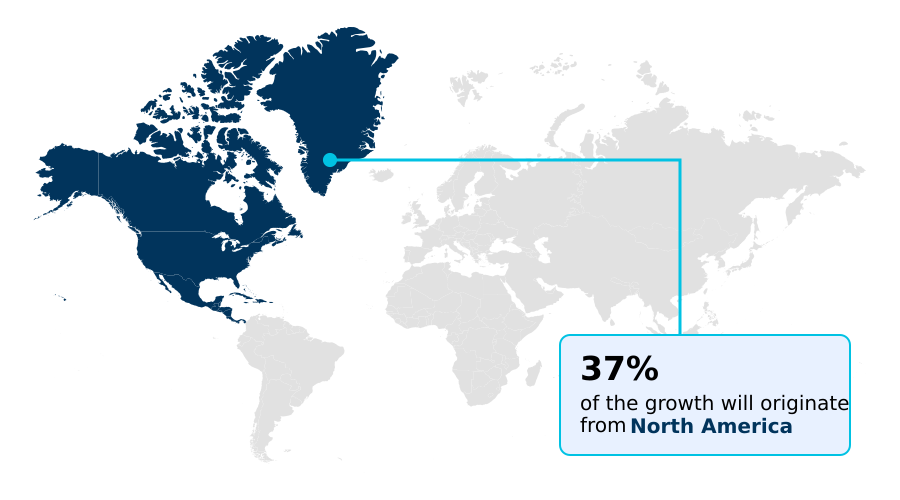
North America is estimated to contribute 37.4% to the growth of the global market during the forecast period.Technavio’s analysts have elaborately explained the regional trends and drivers that shape the market during the forecast period.
See How Talent Management Software Market Demand is Rising in North America Request Free Sample

The global talent management software market exhibits diverse regional dynamics, with North America leading in adoption due to a high concentration of multinational corporations and a mature technological landscape, contributing over 37% of the market's incremental growth.

Europe follows, with a strong emphasis on data privacy and regulatory compliance, particularly influenced by GDPR and the EU AI Act.

The APAC region is the fastest-growing market, driven by its large, youthful workforce and rapid digitalization, especially in countries like India and China. In India, government programs like the Skill India Mission are accelerating the adoption of learning technologies.

South America and the Middle East and Africa are emerging regions, with growth catalyzed by economic diversification, such as Saudi Arabia's Vision 2030, which mandates digital HR systems for compliance.

Market Dynamics

Our researchers analyzed the data with 2025 as the base year, along with the key drivers, trends, and challenges. A holistic analysis of drivers will help companies refine their marketing strategies to gain a competitive advantage.

  • Organizations are increasingly focused on integrating talent management with payroll to create a seamless employee experience and ensure data accuracy. A key strategic priority is using AI for predicting employee turnover, allowing for proactive retention efforts that can save organizations millions in replacement costs.
  • However, a significant barrier remains in improving user adoption of HR software; platforms that are not intuitive see engagement rates drop by over 50% compared to those with user-centric designs.
  • The needs of talent management software for large enterprises, which require complex succession planning and global compliance features, differ significantly from talent management software for SMEs, which prioritize affordability and ease of use. The debate between a best-of-breed vs integrated talent suite continues, though the trend leans toward unified platforms.
  • Successful deployment now hinges on implementing a skills ontology framework to power skills-based internal mobility platforms and software for continuous performance feedback. Companies are also focused on personalizing employee onboarding with technology and measuring the impact of reskilling programs.
  • Critical functionalities include automating compensation review cycles, providing software for pay equity analysis reporting, and managing compliance with AI in HR, especially for an increasingly distributed talent management for remote workforce.
  • The rise of the gig economy has also spurred demand for a talent marketplace for gig work, supported by mobile-first performance review software and robust talent acquisition software ROI calculation, all while securing employee data in cloud HRIS.
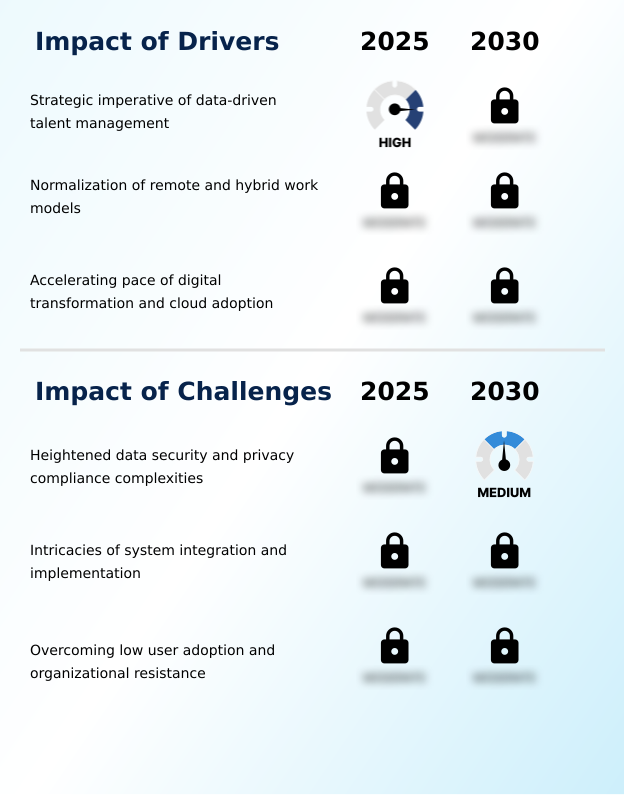
What are the key market drivers leading to the rise in the adoption of Talent Management Software Industry?

  • The strategic imperative to implement data-driven talent management is a primary driver compelling organizations to adopt advanced software solutions.

  • The strategic reorientation of HR from an administrative function to a core business partner is a primary market driver. This shift necessitates a data-centric culture, where decisions are backed by robust workforce analytics.
  • Modern talent management software, built on advanced human capital management technology, provides the essential infrastructure for this transformation.
  • The normalization of distributed work environments makes digital platforms indispensable for maintaining productivity and engagement, with a 30% increase in the demand for tools supporting remote collaboration.
  • These systems serve as a centralized source of truth, enabling strategic workforce planning and effective talent pipeline management.
  • The proliferation of cloud-based SaaS models has also democratized access to sophisticated functionalities, allowing organizations to leverage capabilities like predictive assessment algorithms and conversational AI without massive upfront investment.
  • This drive for digital transformation ensures sustained demand for intelligent, integrated platforms that improve key metrics like quality of hire and source effectiveness.

What are the market trends shaping the Talent Management Software Industry?

  • A defining market trend is the ascendancy of hyper-personalization and the shift toward employee experience platforms. These platforms are designed to enhance the entire employee journey from onboarding to career development.

  • A defining trend is the pivot to employee-centric platforms that prioritize hyper-personalization, driven by a sophisticated skills taxonomy and AI. The goal is to create a consumer-grade user experience across the entire employee lifecycle management process. This is evident in modern employee onboarding platforms that tailor content to a new hire’s specific role, accelerating their productivity.
  • There is a strong emphasis on career pathing, where software visualizes potential internal trajectories and links them to specific reskilling programs. Organizations are adopting a skills-based ontology, enabled by technology, to deconstruct jobs into core competencies. This facilitates greater talent mobility and helps build a more agile workforce.
  • For example, some platforms can now automate up to 70% of routine candidate communications, significantly improving recruiter efficiency. The use of employee engagement tools, such as pulse surveys, provides real-time sentiment analysis, allowing for timely interventions.

What challenges does the Talent Management Software Industry face during its growth?

  • Heightened data security requirements and the complexities of global privacy compliance present a formidable challenge to market growth.

  • A formidable challenge is the escalating complexity of data security and privacy compliance. These platforms, acting as the core of an organization's HR technology ecosystem, hold vast amounts of sensitive data, making them targets for cyberattacks. The need for robust identity and access management and adherence to data residency mandates adds significant architectural complexity.
  • System implementation itself is a profound organizational change initiative, often involving extensive business process re-engineering. A failure to achieve deep integration with other enterprise systems leads to data silos and operational inefficiencies, negating much of the potential ROI. Furthermore, overcoming low user adoption rates remains a critical hurdle; systems with poor usability can see employee engagement plummet by over 50%.
  • This requires a comprehensive change management strategy and a focus on intuitive design to ensure the technology is embedded into daily workflows and delivers its promised strategic value.

Exclusive Technavio Analysis on Customer Landscape

The talent management software market forecasting report includes the adoption lifecycle of the market, covering from the innovator’s stage to the laggard’s stage. It focuses on adoption rates in different regions based on penetration. Furthermore, the talent management software market report also includes key purchase criteria and drivers of price sensitivity to help companies evaluate and develop their market growth analysis strategies.
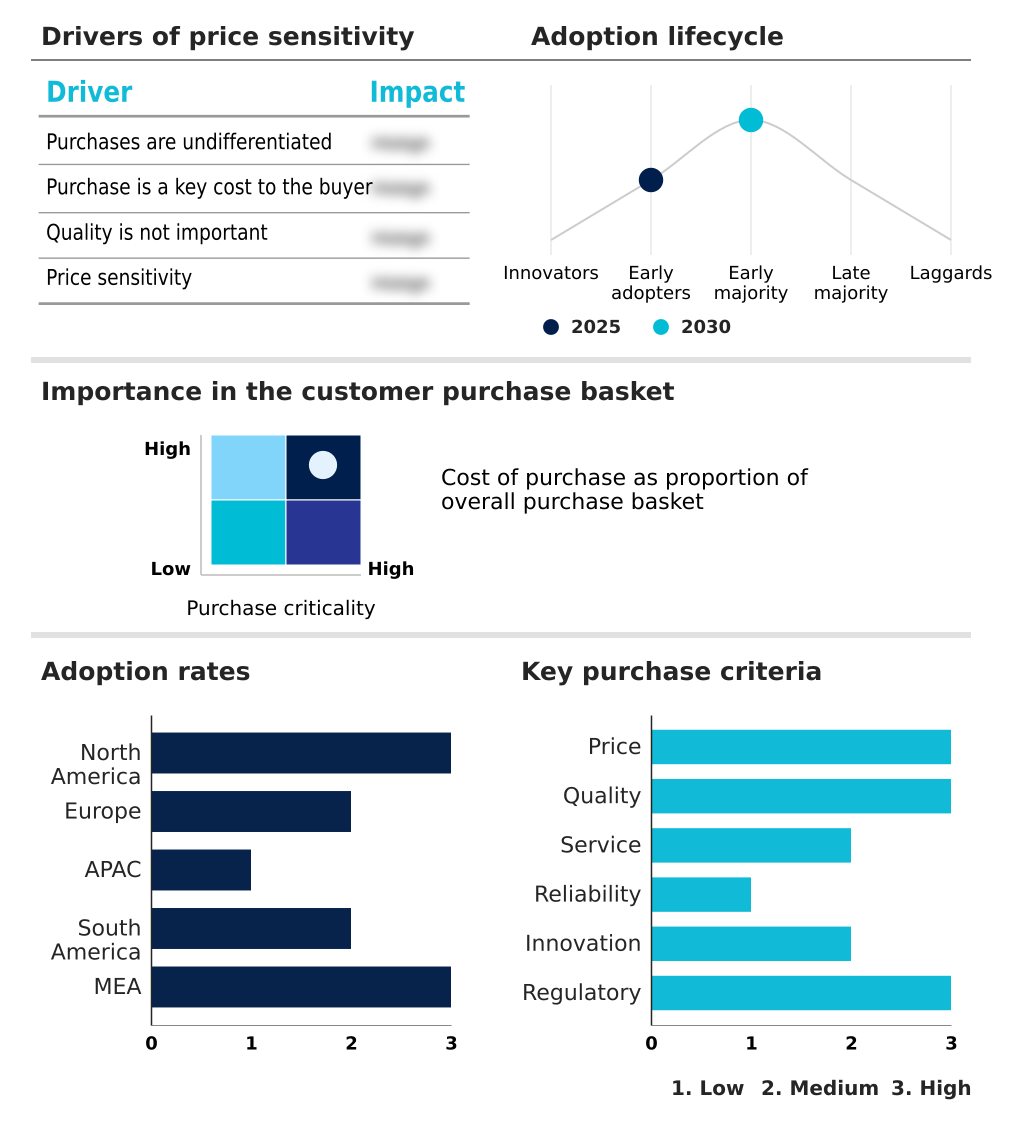
Customer Landscape of Talent Management Software Industry

Competitive Landscape

Companies are implementing various strategies, such as strategic alliances, talent management software market forecast, partnerships, mergers and acquisitions, geographical expansion, and product/service launches, to enhance their presence in the industry.

Automatic Data Processing Inc. - Vendors provide integrated human capital management suites, enabling strategic employee lifecycle management from recruitment to succession planning through a unified, data-driven platform.

The industry research and growth report includes detailed analyses of the competitive landscape of the market and information about key companies, including:

  • Automatic Data Processing Inc.
  • Bamboo HR LLC
  • Cegid Group
  • ClearCompany LLC
  • Cornerstone OnDemand Inc.
  • Dayforce Inc.
  • Employ Inc.
  • Greenhouse Software Inc.
  • Hi bob ltd.
  • iCIMS Inc.
  • Oracle Corp.
  • Paycom Software Inc.
  • Paylocity Holding Corp.
  • PeopleFluent
  • Personio SE and Co. KG
  • SAP SE
  • Skillsoft Corp.
  • UKG Inc.
  • Visier Inc.
  • Workday Inc.

Qualitative and quantitative analysis of companies has been conducted to help clients understand the wider business environment as well as the strengths and weaknesses of key industry players. Data is qualitatively analyzed to categorize companies as pure play, category-focused, industry-focused, and diversified; it is quantitatively analyzed to categorize companies as dominant, leading, strong, tentative, and weak.

Recent Development and News in Talent management software market

  • In September, 2024, a leading HCM provider announced the acquisition of a startup specializing in skills inference engine technology, signaling a strategic push toward building more robust internal talent marketplace platforms.
  • In November, 2024, a major enterprise software corporation launched a new workforce analytics module that incorporates predictive turnover models and advanced AI for strategic workforce planning.
  • In February, 2025, two prominent talent acquisition software companies announced a strategic partnership to integrate their recruitment marketing suite and applicant tracking system, aiming to create a seamless candidate journey.
  • In April, 2025, a European HR technology firm rolled out a new compliance reporting feature set specifically designed to help organizations navigate the EU AI Act and Pay Transparency Directive.

Dive into Technavio’s robust research methodology, blending expert interviews, extensive data synthesis, and validated models for unparalleled Talent Management Software Market insights. See full methodology.

Market Scope
Page number 301
Base year 2025
Historic period 2020-2024
Forecast period 2026-2030
Growth momentum & CAGR Accelerate at a CAGR of 13.6%
Market growth 2026-2030 USD 15777.0 million
Market structure Fragmented
YoY growth 2025-2026(%) 12.0%
Key countries US, Canada, Mexico, Germany, UK, France, Italy, Spain, The Netherlands, China, Japan, India, South Korea, Australia, Indonesia, Brazil, Argentina, Colombia, UAE, Saudi Arabia, South Africa, Egypt and Turkey
Competitive landscape Leading Companies, Market Positioning of Companies, Competitive Strategies, and Industry Risks

Request Free Sample

Research Analyst Overview

  • The talent management software market is defined by a strategic shift towards integrated, data-driven platforms. The core driver is the evolution of HR into a strategic business partner, necessitating tools that provide actionable insights from employee data.
  • Organizations are leveraging a comprehensive talent acquisition suite and applicant tracking system to compete for top talent, while an employee experience platform has become essential for retention. The move towards a skills-based ontology is supported by a sophisticated skills inference engine and an internal talent marketplace, enabling unprecedented talent mobility.
  • Key modules such as the performance management module and succession planning tools are being augmented with AI-powered successor recommendation and AI-driven role suggestions. Advanced compensation management software now includes tools for pay equity analysis, reflecting a greater focus on fairness. Furthermore, the imperative to upskill the workforce drives demand for a modern learning management system offering personalized learning paths.
  • Security remains paramount, with multi-layered security protocols and end-to-end data encryption being standard requirements. This transition to intelligent platforms enables data-driven talent management, with organizations that adopt continuous feedback models reporting a 15% higher employee engagement score.

What are the Key Data Covered in this Talent Management Software Market Research and Growth Report?

  • What is the expected growth of the Talent Management Software Market between 2026 and 2030?

    • USD 15.78 billion, at a CAGR of 13.6%

  • What segmentation does the market report cover?

    • The report is segmented by Deployment (Cloud-based, and On-premises), Business Segment (Large enterprises, and Small and medium enterprises), Solution (Performance management, Learning, Talent acquisition, Workforce planning, and Compensation) and Geography (North America, Europe, APAC, South America, Middle East and Africa)

  • Which regions are analyzed in the report?

    • North America, Europe, APAC, South America and Middle East and Africa

  • What are the key growth drivers and market challenges?

    • Strategic imperative of data-driven talent management, Heightened data security and privacy compliance complexities

  • Who are the major players in the Talent Management Software Market?

    • Automatic Data Processing Inc., Bamboo HR LLC, Cegid Group, ClearCompany LLC, Cornerstone OnDemand Inc., Dayforce Inc., Employ Inc., Greenhouse Software Inc., Hi bob ltd., iCIMS Inc., Oracle Corp., Paycom Software Inc., Paylocity Holding Corp., PeopleFluent, Personio SE and Co. KG, SAP SE, Skillsoft Corp., UKG Inc., Visier Inc. and Workday Inc.

Market Research Insights

  • The market's momentum is defined by a strategic shift toward integrated platforms that manage the entire employee lifecycle. Organizations are increasingly abandoning disparate point solutions in favor of unified suites that offer a single source of truth for all talent-related data, improving administrative efficiency by up to 40%.
  • The adoption of cloud-based systems has democratized access to enterprise-grade human capital management technology, with the SME segment showing a year-over-year growth rate that is 15% higher than that of large enterprises. This move is underpinned by the need for a robust talent pipeline management strategy in a competitive labor market.
  • Platforms providing deep workforce analytics enable a data-centric culture, allowing leaders to make informed decisions that directly impact business outcomes, transforming HR from a cost center to a strategic partner.

We can help! Our analysts can customize this talent management software market research report to meet your requirements.

Get in touch

1. Executive Summary

1.1 Market overview

Executive Summary - Chart on Market Overview
Executive Summary - Data Table on Market Overview
Executive Summary - Chart on Global Market Characteristics
Executive Summary - Chart on Market by Geography
Executive Summary - Chart on Market Segmentation by Deployment
Executive Summary - Chart on Market Segmentation by Business Segment
Executive Summary - Chart on Market Segmentation by Solution
Executive Summary - Chart on Incremental Growth
Executive Summary - Data Table on Incremental Growth
Executive Summary - Chart on Company Market Positioning

2. Technavio Analysis

2.1 Analysis of price sensitivity, lifecycle, customer purchase basket, adoption rates, and purchase criteria

2.2 Criticality of inputs and Factors of differentiation

Chart on Overview on criticality of inputs and factors of differentiation

2.3 Factors of disruption

Chart on Overview on factors of disruption

2.4 Impact of drivers and challenges

Chart on Impact of drivers and challenges in 2025 and 2030

3. Market Landscape

3.1 Market ecosystem

Chart on Parent Market
Data Table on - Parent Market

3.2 Market characteristics

Chart on Market characteristics analysis

3.3 Value chain analysis

Chart on Value chain analysis

4. Market Sizing

4.1 Market definition

Data Table on Offerings of companies included in the market definition

4.2 Market segment analysis

Market segments

4.3 Market size 2025

4.4 Market outlook: Forecast for 2025-2030

Chart on Global - Market size and forecast 2025-2030 ($ million)
Data Table on Global - Market size and forecast 2025-2030 ($ million)
Chart on Global Market: Year-over-year growth 2025-2030 (%)
Data Table on Global Market: Year-over-year growth 2025-2030 (%)

5. Historic Market Size

5.1 Global Talent Management Software Market 2020 - 2024

Historic Market Size - Data Table on Global Talent Management Software Market 2020 - 2024 ($ million)

5.2 Deployment segment analysis 2020 - 2024

Historic Market Size - Deployment Segment 2020 - 2024 ($ million)

5.3 Business segment analysis 2020 - 2024

Historic Market Size - Business Segment 2020 - 2024 ($ million)

5.4 Solution segment analysis 2020 - 2024

Historic Market Size - Solution Segment 2020 - 2024 ($ million)

5.5 Geography segment analysis 2020 - 2024

Historic Market Size - Geography Segment 2020 - 2024 ($ million)

5.6 Country segment analysis 2020 - 2024

Historic Market Size - Country Segment 2020 - 2024 ($ million)

6. Qualitative Analysis

6.1 The AI impact on global talent management software market

7. Five Forces Analysis

7.1 Five forces summary

Five forces analysis - Comparison between 2025 and 2030

7.2 Bargaining power of buyers

Bargaining power of buyers - Impact of key factors 2025 and 2030

7.3 Bargaining power of suppliers

Bargaining power of suppliers - Impact of key factors in 2025 and 2030

7.4 Threat of new entrants

Threat of new entrants - Impact of key factors in 2025 and 2030

7.5 Threat of substitutes

Threat of substitutes - Impact of key factors in 2025 and 2030

7.6 Threat of rivalry

Threat of rivalry - Impact of key factors in 2025 and 2030

7.7 Market condition

Chart on Market condition - Five forces 2025 and 2030

8. Market Segmentation by Deployment

8.1 Market segments

Chart on Deployment - Market share 2025-2030 (%)
Data Table on Deployment - Market share 2025-2030 (%)

8.2 Comparison by Deployment

Chart on Comparison by Deployment
Data Table on Comparison by Deployment

8.3 Cloud-based - Market size and forecast 2025-2030

Chart on Cloud-based - Market size and forecast 2025-2030 ($ million)
Data Table on Cloud-based - Market size and forecast 2025-2030 ($ million)
Chart on Cloud-based - Year-over-year growth 2025-2030 (%)
Data Table on Cloud-based - Year-over-year growth 2025-2030 (%)

8.4 On-premises - Market size and forecast 2025-2030

Chart on On-premises - Market size and forecast 2025-2030 ($ million)
Data Table on On-premises - Market size and forecast 2025-2030 ($ million)
Chart on On-premises - Year-over-year growth 2025-2030 (%)
Data Table on On-premises - Year-over-year growth 2025-2030 (%)

8.5 Market opportunity by Deployment

Market opportunity by Deployment ($ million)
Data Table on Market opportunity by Deployment ($ million)

9. Market Segmentation by Business Segment

9.1 Market segments

Chart on Market Segmentation by Business Segment - Market share 2025-2030 (%)
Data Table on Market Segmentation by Business Segment - Market share 2025-2030 (%)

9.2 Comparison by Market Segmentation by Business Segment

Chart on Comparison by Market Segmentation by Business Segment
Data Table on Comparison by Market Segmentation by Business Segment

9.3 Large enterprises - Market size and forecast 2025-2030

Chart on Large enterprises - Market size and forecast 2025-2030 ($ million)
Data Table on Large enterprises - Market size and forecast 2025-2030 ($ million)
Chart on Large enterprises - Year-over-year growth 2025-2030 (%)
Data Table on Large enterprises - Year-over-year growth 2025-2030 (%)

9.4 Small and medium enterprises - Market size and forecast 2025-2030

Chart on Small and medium enterprises - Market size and forecast 2025-2030 ($ million)
Data Table on Small and medium enterprises - Market size and forecast 2025-2030 ($ million)
Chart on Small and medium enterprises - Year-over-year growth 2025-2030 (%)
Data Table on Small and medium enterprises - Year-over-year growth 2025-2030 (%)

9.5 Market opportunity by Market Segmentation by Business Segment

Market opportunity by Market Segmentation by Business Segment ($ million)
Data Table on Market opportunity by Market Segmentation by Business Segment ($ million)

10. Market Segmentation by Solution

10.1 Market segments

Chart on Solution - Market share 2025-2030 (%)
Data Table on Solution - Market share 2025-2030 (%)

10.2 Comparison by Solution

Chart on Comparison by Solution
Data Table on Comparison by Solution

10.3 Performance management - Market size and forecast 2025-2030

Chart on Performance management - Market size and forecast 2025-2030 ($ million)
Data Table on Performance management - Market size and forecast 2025-2030 ($ million)
Chart on Performance management - Year-over-year growth 2025-2030 (%)
Data Table on Performance management - Year-over-year growth 2025-2030 (%)

10.4 Learning - Market size and forecast 2025-2030

Chart on Learning - Market size and forecast 2025-2030 ($ million)
Data Table on Learning - Market size and forecast 2025-2030 ($ million)
Chart on Learning - Year-over-year growth 2025-2030 (%)
Data Table on Learning - Year-over-year growth 2025-2030 (%)

10.5 Talent acquisition - Market size and forecast 2025-2030

Chart on Talent acquisition - Market size and forecast 2025-2030 ($ million)
Data Table on Talent acquisition - Market size and forecast 2025-2030 ($ million)
Chart on Talent acquisition - Year-over-year growth 2025-2030 (%)
Data Table on Talent acquisition - Year-over-year growth 2025-2030 (%)

10.6 Workforce planning - Market size and forecast 2025-2030

Chart on Workforce planning - Market size and forecast 2025-2030 ($ million)
Data Table on Workforce planning - Market size and forecast 2025-2030 ($ million)
Chart on Workforce planning - Year-over-year growth 2025-2030 (%)
Data Table on Workforce planning - Year-over-year growth 2025-2030 (%)

10.7 Compensation - Market size and forecast 2025-2030

Chart on Compensation - Market size and forecast 2025-2030 ($ million)
Data Table on Compensation - Market size and forecast 2025-2030 ($ million)
Chart on Compensation - Year-over-year growth 2025-2030 (%)
Data Table on Compensation - Year-over-year growth 2025-2030 (%)

10.8 Market opportunity by Solution

Market opportunity by Solution ($ million)
Data Table on Market opportunity by Solution ($ million)

11. Customer Landscape

11.1 Customer landscape overview

Analysis of price sensitivity, lifecycle, customer purchase basket, adoption rates, and purchase criteria

12. Geographic Landscape

12.1 Geographic segmentation

Chart on Market share by geography 2025-2030 (%)
Data Table on Market share by geography 2025-2030 (%)

12.2 Geographic comparison

Chart on Geographic comparison
Data Table on Geographic comparison

12.3 North America - Market size and forecast 2025-2030

Chart on North America - Market size and forecast 2025-2030 ($ million)
Data Table on North America - Market size and forecast 2025-2030 ($ million)
Chart on North America - Year-over-year growth 2025-2030 (%)
Data Table on North America - Year-over-year growth 2025-2030 (%)
Chart on Regional Comparison - North America
Data Table on Regional Comparison - North America

12.3.1 US - Market size and forecast 2025-2030

Chart on US - Market size and forecast 2025-2030 ($ million)
Data Table on US - Market size and forecast 2025-2030 ($ million)
Chart on US - Year-over-year growth 2025-2030 (%)
Data Table on US - Year-over-year growth 2025-2030 (%)

12.3.2 Canada - Market size and forecast 2025-2030

Chart on Canada - Market size and forecast 2025-2030 ($ million)
Data Table on Canada - Market size and forecast 2025-2030 ($ million)
Chart on Canada - Year-over-year growth 2025-2030 (%)
Data Table on Canada - Year-over-year growth 2025-2030 (%)

12.3.3 Mexico - Market size and forecast 2025-2030

Chart on Mexico - Market size and forecast 2025-2030 ($ million)
Data Table on Mexico - Market size and forecast 2025-2030 ($ million)
Chart on Mexico - Year-over-year growth 2025-2030 (%)
Data Table on Mexico - Year-over-year growth 2025-2030 (%)

12.4 Europe - Market size and forecast 2025-2030

Chart on Europe - Market size and forecast 2025-2030 ($ million)
Data Table on Europe - Market size and forecast 2025-2030 ($ million)
Chart on Europe - Year-over-year growth 2025-2030 (%)
Data Table on Europe - Year-over-year growth 2025-2030 (%)
Chart on Regional Comparison - Europe
Data Table on Regional Comparison - Europe

12.4.1 Germany - Market size and forecast 2025-2030

Chart on Germany - Market size and forecast 2025-2030 ($ million)
Data Table on Germany - Market size and forecast 2025-2030 ($ million)
Chart on Germany - Year-over-year growth 2025-2030 (%)
Data Table on Germany - Year-over-year growth 2025-2030 (%)

12.4.2 UK - Market size and forecast 2025-2030

Chart on UK - Market size and forecast 2025-2030 ($ million)
Data Table on UK - Market size and forecast 2025-2030 ($ million)
Chart on UK - Year-over-year growth 2025-2030 (%)
Data Table on UK - Year-over-year growth 2025-2030 (%)

12.4.3 France - Market size and forecast 2025-2030

Chart on France - Market size and forecast 2025-2030 ($ million)
Data Table on France - Market size and forecast 2025-2030 ($ million)
Chart on France - Year-over-year growth 2025-2030 (%)
Data Table on France - Year-over-year growth 2025-2030 (%)

12.4.4 Italy - Market size and forecast 2025-2030

Chart on Italy - Market size and forecast 2025-2030 ($ million)
Data Table on Italy - Market size and forecast 2025-2030 ($ million)
Chart on Italy - Year-over-year growth 2025-2030 (%)
Data Table on Italy - Year-over-year growth 2025-2030 (%)

12.4.5 Spain - Market size and forecast 2025-2030

Chart on Spain - Market size and forecast 2025-2030 ($ million)
Data Table on Spain - Market size and forecast 2025-2030 ($ million)
Chart on Spain - Year-over-year growth 2025-2030 (%)
Data Table on Spain - Year-over-year growth 2025-2030 (%)

12.4.6 The Netherlands - Market size and forecast 2025-2030

Chart on The Netherlands - Market size and forecast 2025-2030 ($ million)
Data Table on The Netherlands - Market size and forecast 2025-2030 ($ million)
Chart on The Netherlands - Year-over-year growth 2025-2030 (%)
Data Table on The Netherlands - Year-over-year growth 2025-2030 (%)

12.5 APAC - Market size and forecast 2025-2030

Chart on APAC - Market size and forecast 2025-2030 ($ million)
Data Table on APAC - Market size and forecast 2025-2030 ($ million)
Chart on APAC - Year-over-year growth 2025-2030 (%)
Data Table on APAC - Year-over-year growth 2025-2030 (%)
Chart on Regional Comparison - APAC
Data Table on Regional Comparison - APAC

12.5.1 China - Market size and forecast 2025-2030

Chart on China - Market size and forecast 2025-2030 ($ million)
Data Table on China - Market size and forecast 2025-2030 ($ million)
Chart on China - Year-over-year growth 2025-2030 (%)
Data Table on China - Year-over-year growth 2025-2030 (%)

12.5.2 Japan - Market size and forecast 2025-2030

Chart on Japan - Market size and forecast 2025-2030 ($ million)
Data Table on Japan - Market size and forecast 2025-2030 ($ million)
Chart on Japan - Year-over-year growth 2025-2030 (%)
Data Table on Japan - Year-over-year growth 2025-2030 (%)

12.5.3 India - Market size and forecast 2025-2030

Chart on India - Market size and forecast 2025-2030 ($ million)
Data Table on India - Market size and forecast 2025-2030 ($ million)
Chart on India - Year-over-year growth 2025-2030 (%)
Data Table on India - Year-over-year growth 2025-2030 (%)

12.5.4 South Korea - Market size and forecast 2025-2030

Chart on South Korea - Market size and forecast 2025-2030 ($ million)
Data Table on South Korea - Market size and forecast 2025-2030 ($ million)
Chart on South Korea - Year-over-year growth 2025-2030 (%)
Data Table on South Korea - Year-over-year growth 2025-2030 (%)

12.5.5 Australia - Market size and forecast 2025-2030

Chart on Australia - Market size and forecast 2025-2030 ($ million)
Data Table on Australia - Market size and forecast 2025-2030 ($ million)
Chart on Australia - Year-over-year growth 2025-2030 (%)
Data Table on Australia - Year-over-year growth 2025-2030 (%)

12.5.6 Indonesia - Market size and forecast 2025-2030

Chart on Indonesia - Market size and forecast 2025-2030 ($ million)
Data Table on Indonesia - Market size and forecast 2025-2030 ($ million)
Chart on Indonesia - Year-over-year growth 2025-2030 (%)
Data Table on Indonesia - Year-over-year growth 2025-2030 (%)

12.6 South America - Market size and forecast 2025-2030

Chart on South America - Market size and forecast 2025-2030 ($ million)
Data Table on South America - Market size and forecast 2025-2030 ($ million)
Chart on South America - Year-over-year growth 2025-2030 (%)
Data Table on South America - Year-over-year growth 2025-2030 (%)
Chart on Regional Comparison - South America
Data Table on Regional Comparison - South America

12.6.1 Brazil - Market size and forecast 2025-2030

Chart on Brazil - Market size and forecast 2025-2030 ($ million)
Data Table on Brazil - Market size and forecast 2025-2030 ($ million)
Chart on Brazil - Year-over-year growth 2025-2030 (%)
Data Table on Brazil - Year-over-year growth 2025-2030 (%)

12.6.2 Argentina - Market size and forecast 2025-2030

Chart on Argentina - Market size and forecast 2025-2030 ($ million)
Data Table on Argentina - Market size and forecast 2025-2030 ($ million)
Chart on Argentina - Year-over-year growth 2025-2030 (%)
Data Table on Argentina - Year-over-year growth 2025-2030 (%)

12.6.3 Colombia - Market size and forecast 2025-2030

Chart on Colombia - Market size and forecast 2025-2030 ($ million)
Data Table on Colombia - Market size and forecast 2025-2030 ($ million)
Chart on Colombia - Year-over-year growth 2025-2030 (%)
Data Table on Colombia - Year-over-year growth 2025-2030 (%)

12.7 Middle East and Africa - Market size and forecast 2025-2030

Chart on Middle East and Africa - Market size and forecast 2025-2030 ($ million)
Data Table on Middle East and Africa - Market size and forecast 2025-2030 ($ million)
Chart on Middle East and Africa - Year-over-year growth 2025-2030 (%)
Data Table on Middle East and Africa - Year-over-year growth 2025-2030 (%)
Chart on Regional Comparison - Middle East and Africa
Data Table on Regional Comparison - Middle East and Africa

12.7.1 UAE - Market size and forecast 2025-2030

Chart on UAE - Market size and forecast 2025-2030 ($ million)
Data Table on UAE - Market size and forecast 2025-2030 ($ million)
Chart on UAE - Year-over-year growth 2025-2030 (%)
Data Table on UAE - Year-over-year growth 2025-2030 (%)

12.7.2 Saudi Arabia - Market size and forecast 2025-2030

Chart on Saudi Arabia - Market size and forecast 2025-2030 ($ million)
Data Table on Saudi Arabia - Market size and forecast 2025-2030 ($ million)
Chart on Saudi Arabia - Year-over-year growth 2025-2030 (%)
Data Table on Saudi Arabia - Year-over-year growth 2025-2030 (%)

12.7.3 South Africa - Market size and forecast 2025-2030

Chart on South Africa - Market size and forecast 2025-2030 ($ million)
Data Table on South Africa - Market size and forecast 2025-2030 ($ million)
Chart on South Africa - Year-over-year growth 2025-2030 (%)
Data Table on South Africa - Year-over-year growth 2025-2030 (%)

12.7.4 Egypt - Market size and forecast 2025-2030

Chart on Egypt - Market size and forecast 2025-2030 ($ million)
Data Table on Egypt - Market size and forecast 2025-2030 ($ million)
Chart on Egypt - Year-over-year growth 2025-2030 (%)
Data Table on Egypt - Year-over-year growth 2025-2030 (%)

12.7.5 Turkey - Market size and forecast 2025-2030

Chart on Turkey - Market size and forecast 2025-2030 ($ million)
Data Table on Turkey - Market size and forecast 2025-2030 ($ million)
Chart on Turkey - Year-over-year growth 2025-2030 (%)
Data Table on Turkey - Year-over-year growth 2025-2030 (%)

12.8 Market opportunity by geography

Market opportunity by geography ($ million)
Data Tables on Market opportunity by geography ($ million)

13. Drivers, Challenges, and Opportunity

13.1 Market drivers

Strategic imperative of data-driven talent management
Normalization of remote and hybrid work models
Accelerating pace of digital transformation and cloud adoption

13.2 Market challenges

Heightened data security and privacy compliance complexities
Intricacies of system integration and implementation
Overcoming low user adoption and organizational resistance

13.3 Impact of drivers and challenges

Impact of drivers and challenges in 2025 and 2030

13.4 Market opportunities

Ascendancy of hyper-personalization and employee experience platform
Deep integration of artificial intelligence and predictive analytics
Emergence of skills-based ontology and internal talent marketplaces

14. Competitive Landscape

14.1 Overview

14.2

Overview on criticality of inputs and factors of differentiation

14.3 Landscape disruption

Overview on factors of disruption

14.4 Industry risks

Impact of key risks on business

15. Competitive Analysis

15.1 Companies profiled

Companies covered

15.2 Company ranking index

15.3 Market positioning of companies

Matrix on companies position and classification

15.4 Automatic Data Processing Inc.

Automatic Data Processing Inc. - Overview
Automatic Data Processing Inc. - Business segments
Automatic Data Processing Inc. - Key news
Automatic Data Processing Inc. - Key offerings
Automatic Data Processing Inc. - Segment focus
SWOT

15.5 Cegid Group

Cegid Group - Overview
Cegid Group - Product / Service
Cegid Group - Key offerings
SWOT

15.6 Cornerstone OnDemand Inc.

Cornerstone OnDemand Inc. - Overview
Cornerstone OnDemand Inc. - Product / Service
Cornerstone OnDemand Inc. - Key news
Cornerstone OnDemand Inc. - Key offerings
SWOT

15.7 Dayforce Inc.

Dayforce Inc. - Overview
Dayforce Inc. - Product / Service
Dayforce Inc. - Key news
Dayforce Inc. - Key offerings
SWOT

15.8 iCIMS Inc.

iCIMS Inc. - Overview
iCIMS Inc. - Product / Service
iCIMS Inc. - Key offerings
SWOT

15.9 Oracle Corp.

Oracle Corp. - Overview
Oracle Corp. - Business segments
Oracle Corp. - Key news
Oracle Corp. - Key offerings
Oracle Corp. - Segment focus
SWOT

15.10 Paycom Software Inc.

Paycom Software Inc. - Overview
Paycom Software Inc. - Product / Service
Paycom Software Inc. - Key offerings
SWOT

15.11 Paylocity Holding Corp.

Paylocity Holding Corp. - Overview
Paylocity Holding Corp. - Product / Service
Paylocity Holding Corp. - Key offerings
SWOT

15.12 PeopleFluent

PeopleFluent - Overview
PeopleFluent - Product / Service
PeopleFluent - Key offerings
SWOT

15.13 Personio SE and Co. KG

Personio SE and Co. KG - Overview
Personio SE and Co. KG - Product / Service
Personio SE and Co. KG - Key offerings
SWOT

15.14 SAP SE

SAP SE - Overview
SAP SE - Business segments
SAP SE - Key news
SAP SE - Key offerings
SAP SE - Segment focus
SWOT

15.15 Skillsoft Corp.

Skillsoft Corp. - Overview
Skillsoft Corp. - Business segments
Skillsoft Corp. - Key news
Skillsoft Corp. - Key offerings
Skillsoft Corp. - Segment focus
SWOT

15.16 UKG Inc.

UKG Inc. - Overview
UKG Inc. - Product / Service
UKG Inc. - Key offerings
SWOT

15.17 Visier Inc.

Visier Inc. - Overview
Visier Inc. - Product / Service
Visier Inc. - Key offerings
SWOT

15.18 Workday Inc.

Workday Inc. - Overview
Workday Inc. - Product / Service
Workday Inc. - Key news
Workday Inc. - Key offerings
SWOT

16. Appendix

16.1 Scope of the report

Market definition
Objectives
Notes and caveats

16.2 Inclusions and exclusions checklist

Inclusions checklist
Exclusions checklist

16.3 Currency conversion rates for US$

16.4 Research methodology

16.5 Data procurement

Information sources

16.6 Data validation

16.7 Validation techniques employed for market sizing

16.8 Data synthesis

16.9 360 degree market analysis

16.10 List of abbreviations

Research Methodology

Technavio presents a detailed picture of the market by way of study, synthesis, and summation of data from multiple sources. The analysts have presented the various facets of the market with a particular focus on identifying the key industry influencers. The data thus presented is comprehensive, reliable, and the result of extensive research, both primary and secondary.

INFORMATION SOURCES

Primary sources

  • Manufacturers and suppliers
  • Channel partners
  • Industry experts
  • Strategic decision makers

Secondary sources

  • Industry journals and periodicals
  • Government data
  • Financial reports of key industry players
  • Historical data
  • Press releases

DATA ANALYSIS

Data Synthesis

  • Collation of data
  • Estimation of key figures
  • Analysis of derived insights

Data Validation

  • Triangulation with data models
  • Reference against proprietary databases
  • Corroboration with industry experts

REPORT WRITING

Qualitative

  • Market drivers
  • Market challenges
  • Market trends
  • Five forces analysis

Quantitative

  • Market size and forecast
  • Market segmentation
  • Geographical insights
  • Competitive landscape

Interested in this report?

Get your sample now to see our research methodology and insights!

Download Now

Frequently Asked Questions

Talent Management Software market growth will increase by USD 15777.0 million during 2026-2030.

The Talent Management Software market is expected to grow at a CAGR of 13.6% during 2026-2030.

Talent Management Software market is segmented by Deployment (Cloud-based, On-premises) Business segment (Large enterprises, Small and medium enterprises) Solution (Performance management, Learning, Talent acquisition, Workforce planning, Compensation)

Automatic Data Processing Inc., Bamboo HR LLC, Cegid Group, ClearCompany LLC, Cornerstone OnDemand Inc., Dayforce Inc., Employ Inc., Greenhouse Software Inc., Hi bob ltd., iCIMS Inc., Oracle Corp., Paycom Software Inc., Paylocity Holding Corp., PeopleFluent, Personio SE and Co. KG, SAP SE, Skillsoft Corp., UKG Inc., Visier Inc., Workday Inc. are a few of the key vendors in the Talent Management Software market.

North America will register the highest growth rate of 37.4% among the other regions. Therefore, the Talent Management Software market in North America is expected to garner significant business opportunities for the vendors during the forecast period.

US, Canada, Mexico, Germany, UK, France, Italy, Spain, The Netherlands, China, Japan, India, South Korea, Australia, Indonesia, Brazil, Argentina, Colombia, UAE, Saudi Arabia, South Africa, Egypt, Turkey

  • Strategic imperative of data-driven talent management is the driving factor this market.

The Talent Management Software market vendors should focus on grabbing business opportunities from the Deployment segment as it accounted for the largest market share in the base year.
RIA - Research AI Assistant
Ask RIA
