


Smart Home Market Size 2025-2029
The smart home market size is valued to increase by USD 255.2 billion, at a CAGR of 23.5% from 2024 to 2029. Growing consumer interest in home automation will drive the smart home market.
Major Market Trends & Insights
- North America dominated the market and accounted for a 36% growth during the forecast period.
- By Application - Home entertainment segment was valued at USD 19.70 billion in 2023
- By Technology - Wireless segment accounted for the largest market revenue share in 2023
Market Size & Forecast
- Market Opportunities: USD 598.40 billion
- Market Future Opportunities: USD 255.20 billion
- CAGR from 2024 to 2029 : 23.5%
Market Summary
- The market is experiencing unprecedented expansion, fueled by escalating consumer demand for convenience, energy efficiency, and enhanced security. According to recent market intelligence, The market is projected to reach a value of USD151.4 billion by 2023, underscoring its significant growth trajectory. This expansion is driven by strategic partnerships and alliances between industry leaders, which are fostering innovation and expanding the market's reach. However, challenges persist, particularly in the realm of interoperability. As the number of connected devices in homes continues to proliferate, ensuring seamless communication and compatibility between them remains a complex issue.
- Despite these hurdles, the future of the market is promising, with advancements in artificial intelligence and machine learning set to revolutionize the way we manage our living spaces.
What will be the Size of the Smart Home Market during the forecast period?

Get Key Insights on Market Forecast (PDF) Request Free Sample
How is the Smart Home Market Segmented ?
The smart home industry research report provides comprehensive data (region-wise segment analysis), with forecasts and estimates in "USD billion" for the period 2025-2029, as well as historical data from 2019-2023 for the following segments.
- Application
- Home entertainment
- Smart appliances
- Energy management
- Lighting control system and HVAC
- Safety and security system
- Technology
- Wireless
- Wired
- Installation Type
- New Construction
- Retrofit
- Product Type
- Smart Lighting
- Smart Appliances
- Security Systems
- End-User
- Residential
- Commercial
- Property Developers
- Geography
- North America
- US
- Canada
- Europe
- France
- Germany
- Italy
- Spain
- UK
- APAC
- China
- India
- Japan
- Rest of World (ROW)
- North America
By Application Insights
The home entertainment segment is estimated to witness significant growth during the forecast period.
The market is a dynamic and evolving landscape, with home automation systems and IoT devices increasingly becoming the norm. According to recent market research, the home entertainment segment holds the largest market share, accounting for over 40% of the market. This dominance is attributed to the widespread adoption of voice assistants or smart speakers, such as Google Home and Amazon Echo, which have revolutionized voice user interfaces. These devices offer a user-friendly, hands-free experience, enabling users to control various smart home applications, including HVAC control, energy management systems, and lighting, with just a voice command.
Additionally, smart speakers are equipped with open APIs, automated scheduling, and wireless communication protocols like Bluetooth and Wi-Fi technology, ensuring seamless integration with cloud computing platforms and mobile apps. The market is further characterized by ongoing activities, such as device interoperability, data encryption, and sensor networks, which contribute to energy efficiency metrics and home security. With the increasing focus on cybersecurity protocols, smart locks, home security cameras, and geofencing technology, the market is expected to continue its growth trajectory.

The Home entertainment segment was valued at USD 19.70 billion in 2019 and showed a gradual increase during the forecast period.

Regional Analysis
North America is estimated to contribute 36% to the growth of the global market during the forecast period.Technavio's analysts have elaborately explained the regional trends and drivers that shape the market during the forecast period.
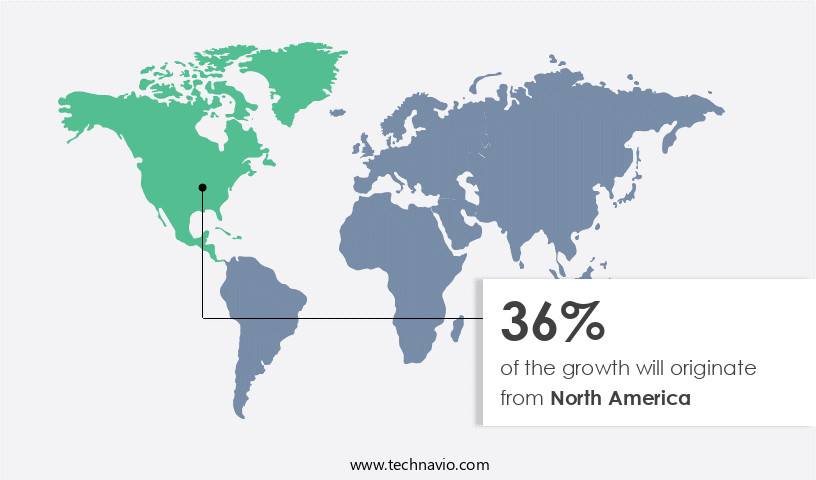
See How Smart Home Market Demand is Rising in North America Request Free Sample
The North American region dominates The market, accounting for the largest share due to the growing consumer preference for home automation. With increasing disposable income, homeowners in North America are embracing luxurious lifestyles, leading to a significant increase in the adoption of smart home systems. By the end of 2022, smart home penetration in North America reached 35.9%, and this trend is expected to continue.
The market is experiencing substantial growth, driven by the integration of advanced technologies such as artificial intelligence, machine learning, and the Internet of Things (IoT) into home appliances and systems. These technologies enable homeowners to monitor and control various aspects of their homes remotely, enhancing convenience and energy efficiency.
Market Dynamics
Our researchers analyzed the data with 2024 as the base year, along with the key drivers, trends, and challenges. A holistic analysis of drivers will help companies refine their marketing strategies to gain a competitive advantage.
The market is experiencing rapid growth as consumers seek to integrate advanced technologies into their living spaces. This market encompasses a range of devices and systems designed to automate and enhance home functionality, from energy consumption analysis and home automation system security to IoT device interoperability and user experience. Integration of smart home devices is a key focus, with homeowners looking for seamless connectivity between various systems and appliances. Energy consumption analysis is another important area, with energy-efficient smart home appliances and home automation systems using AI algorithms to optimize energy usage. However, security concerns remain a significant challenge in the market, with home automation system user experience and IoT device interoperability being major considerations. Smart home security cameras, for instance, offer advanced features such as facial recognition and motion detection, but their integration into larger home automation systems can pose challenges.
Energy management is another critical aspect of the market, with power consumption monitoring and predictive maintenance algorithms playing essential roles. Cloud-based smart home security platforms and remote access control systems enable users to manage their homes from anywhere, but data encryption methods and software updates are necessary to ensure security and compatibility. Smart home network infrastructure design and wireless communication protocols are also crucial, with Wi-Fi, Bluetooth, and Zigbee being popular choices. Home automation using voice commands is becoming increasingly popular, but smart home system compatibility issues can limit their effectiveness. In conclusion, the market offers numerous opportunities for innovation and growth, but addressing security concerns, IoT device interoperability, and home automation system compatibility issues will be essential to ensure a positive user experience. Smart home system integration best practices, such as standardized protocols and open APIs, will be key to unlocking the full potential of this dynamic and evolving market.

What are the key market drivers leading to the rise in the adoption of Smart Home Industry?
- The surge in consumer demand for home automation systems serves as the primary catalyst for market growth.
- Home automation devices, including appliances connected to mobile computing devices, are transforming residential living. Once considered a luxury, home automation is gaining traction due to the availability of affordable solutions. The North American and European markets have shown strong adoption, driven by the desire for comfort and luxury. In contrast, the APAC region exhibits slower growth, with traditional housing and underdeveloped infrastructure posing challenges for technology installation. The market in North America continues to expand, fueled by the increasing preference for enhanced lifestyle experiences.
- Meanwhile, the APAC market is gradually adopting home automation, with countries like China and South Korea leading the charge. The global home automation market is characterized by continuous innovation and expanding applications across various sectors, including security, energy management, and entertainment.
What are the market trends shaping the Smart Home Industry?
- The rising number of strategic partnerships and alliances is a significant market trend. This trend reflects the increasing importance of collaboration and cooperation among businesses to remain competitive and innovative.
- The market continues to expand, driving collaboration between various market participants. Smart home product and system manufacturers are partnering with technology providers and home automation platform providers to ensure interoperability and broaden their reach. In one recent instance, Samsung Electronics announced a partnership with ABB Group in April 2022. This agreement will make Samsung SmartThings integration available in more homes and structures, increasing the market penetration for both companies.
- Such strategic alliances reflect the dynamic nature of the market and its applications across various sectors. These collaborations not only foster innovation but also contribute to the growing adoption of smart home solutions.
What challenges does the Smart Home Industry face during its growth?
- The escalating complexities surrounding interoperability represent a significant challenge to the industry's growth trajectory.
- The market is experiencing significant growth, with companies continually innovating to create advanced home automation solutions for various applications, including energy management, light control systems, home entertainment, HVAC, smart appliances, and safety and security systems. To cater to the expanding demand for smart home systems and products, market participants are frequently enhancing their offerings to stay competitive. However, challenges persist, such as the issue of incompatible smart home devices. Some devices have faced connectivity problems, affecting both customers and manufacturers.
- Wi-fi connectivity, video feed, and video streaming have been affected, impacting the overall performance of these products. This lack of connectivity creates video streaming issues, further hindering the user experience. Despite these challenges, the market continues to evolve, with companies addressing these issues and introducing new, compatible solutions to meet the increasing demand for seamless smart home integration.
Exclusive Technavio Analysis on Customer Landscape
The smart home market forecasting report includes the adoption lifecycle of the market, covering from the innovator's stage to the laggard's stage. It focuses on adoption rates in different regions based on penetration. Furthermore, the smart home market report also includes key purchase criteria and drivers of price sensitivity to help companies evaluate and develop their market growth analysis strategies.
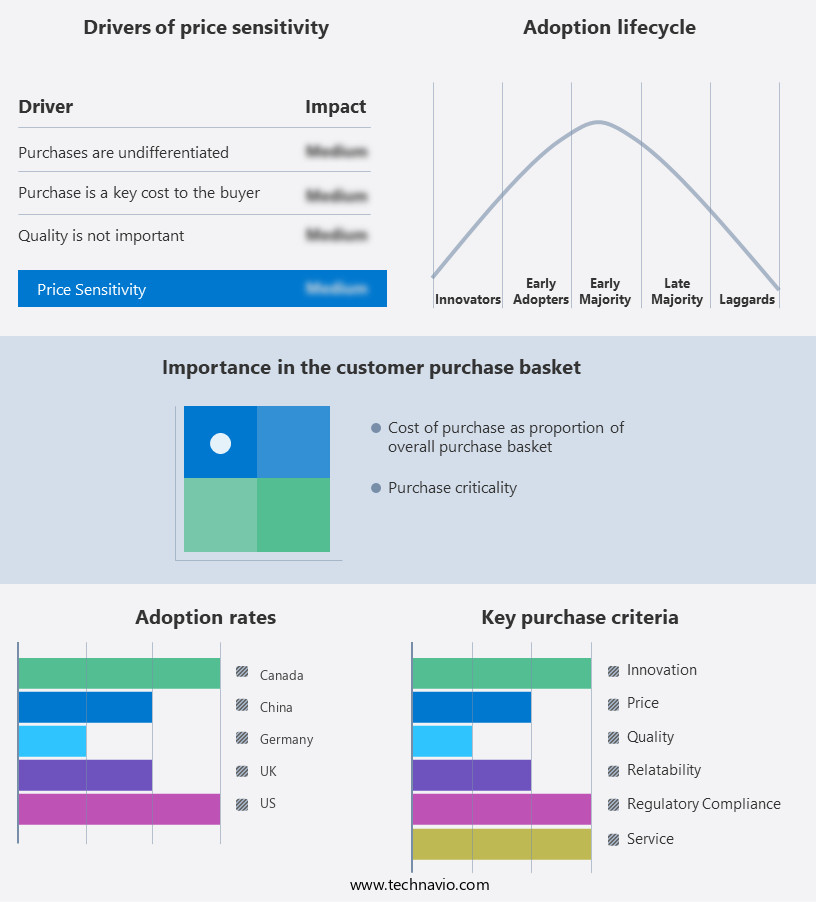
Customer Landscape of Smart Home Industry
Competitive Landscape
Companies are implementing various strategies, such as strategic alliances, smart home market forecast, partnerships, mergers and acquisitions, geographical expansion, and product/service launches, to enhance their presence in the industry.
ABB Ltd. - This company specializes in advanced home automation technologies, providing innovative solutions for security cameras, lighting, temperature control, and door entry systems. Their offerings enhance convenience, energy efficiency, and security for homeowners.
The industry research and growth report includes detailed analyses of the competitive landscape of the market and information about key companies, including:
- ABB Ltd.
- Amazon.com, Inc.
- Apple Inc.
- Bosch Building Technologies
- Carrier Global Corporation
- Delta Electronics Inc.
- Google LLC
- Hitachi Ltd.
- Honeywell International Inc.
- Huawei Technologies Co. Ltd.
- Johnson Controls International plc
- Legrand SA
- LG Electronics Inc.
- Panasonic Corporation
- Samsung Electronics Co., Ltd.
- Schneider Electric SE
- Siemens AG
- TP-Link Technologies Co., Ltd.
- Vivint Smart Home, Inc.
- Xiaomi Corporation
Qualitative and quantitative analysis of companies has been conducted to help clients understand the wider business environment as well as the strengths and weaknesses of key industry players. Data is qualitatively analyzed to categorize companies as pure play, category-focused, industry-focused, and diversified; it is quantitatively analyzed to categorize companies as dominant, leading, strong, tentative, and weak.
Recent Development and News in Smart Home Market
- In January 2024, Amazon announced the acquisition of smart home security company, Ring, for approximately USD1.2 billion. This acquisition aimed to strengthen Amazon's presence in the market and expand its home security offerings (Amazon Press Release, 2024).
- In March 2024, Google and Apple formed a partnership to enable Matter, a new smart home connectivity standard, across their devices. This collaboration aimed to simplify smart home device connectivity and interoperability (Google Press Release, 2024).
- In May 2024, Samsung Electronics unveiled its new SmartThings Hub 520, which supports Matter and Zigbee, making it compatible with a wider range of smart home devices. This expansion aimed to enhance Samsung's smart home offerings and improve user experience (Samsung Press Release, 2024).
- In April 2025, Nest Labs, a Google subsidiary, received approval from the U.S. Food and Drug Administration (FDA) for its Nest Protect Smoke and Carbon Monoxide Alarm. This approval marked the first time an FDA-cleared smoke and carbon monoxide alarm with voice alerts and integration with other smart home devices was available in the market (Nest Press Release, 2025).
Dive into Technavio's robust research methodology, blending expert interviews, extensive data synthesis, and validated models for unparalleled Smart Home Market insights. See full methodology.
|
Market Scope |
|
|
Report Coverage |
Details |
|
Page number |
215 |
|
Base year |
2024 |
|
Historic period |
2019-2023 |
|
Forecast period |
2025-2029 |
|
Growth momentum & CAGR |
Accelerate at a CAGR of 23.5% |
|
Market growth 2025-2029 |
USD 255.2 billion |
|
Market structure |
Fragmented |
|
YoY growth 2024-2025(%) |
18.8 |
|
Key countries |
US, Canada, Japan, Germany, India, France, Italy, China, UK, and Spain |
|
Competitive landscape |
Leading Companies, Market Positioning of Companies, Competitive Strategies, and Industry Risks |
Research Analyst Overview
- The market continues to evolve, with innovative technologies and applications shaping various sectors. Remote monitoring and HVAC control through energy management systems have gained significant traction, enabling homeowners to optimize energy usage and reduce costs. For instance, a leading energy management company reported a 20% increase in sales due to the adoption of voice assistants and IoT devices for remote control and automation. The market's dynamism is further accentuated by open APIs, automated scheduling, and wireless communication protocols like Z-Wave technology, which ensure device interoperability. Cloud computing platforms and network infrastructure form the backbone of smart home systems, providing data storage and analytics capabilities.
- Security systems, including smart locks and home security cameras, employ data encryption and geofencing technology for enhanced protection. Lighting control and power consumption monitoring, facilitated by Bluetooth technology and mobile app integration, contribute to energy efficiency metrics. Moreover, smart thermostats and home automation systems, driven by Zigbee technology and home automation software, enable users to manage various appliances and devices. Smart speakers and cybersecurity protocols further enhance the user experience and ensure data privacy. Industry growth in the market is projected to reach 15% annually, as consumers increasingly seek convenience, energy savings, and enhanced security features.
What are the Key Data Covered in this Smart Home Market Research and Growth Report?
-
What is the expected growth of the Smart Home Market between 2025 and 2029?
-
USD 255.2 billion, at a CAGR of 23.5%
-
-
What segmentation does the market report cover?
-
The report is segmented by Application (Home entertainment, Smart appliances, Energy management, Lighting control system and HVAC, and Safety and security system), Technology (Wireless and Wired), Geography (North America, Europe, APAC, Middle East and Africa, South America, and Rest of World (ROW)), Installation Type (New Construction and Retrofit), Product Type (Smart Lighting, Smart Appliances, and Security Systems), and End-User (Residential, Commercial, and Property Developers)
-
-
Which regions are analyzed in the report?
-
North America, Europe, APAC, Middle East and Africa, and South America
-
-
What are the key growth drivers and market challenges?
-
Growing consumer interest in home automation, Increase in issues related to interoperability
-
-
Who are the major players in the Smart Home Market?
-
ABB Ltd., Amazon.com, Inc., Apple Inc., Bosch Building Technologies, Carrier Global Corporation, Delta Electronics Inc., Google LLC, Hitachi Ltd., Honeywell International Inc., Huawei Technologies Co. Ltd., Johnson Controls International plc, Legrand SA, LG Electronics Inc., Panasonic Corporation, Samsung Electronics Co., Ltd., Schneider Electric SE, Siemens AG, TP-Link Technologies Co., Ltd., Vivint Smart Home, Inc., and Xiaomi Corporation
-
Market Research Insights
- The market for connected home technologies continues to expand, driven by the increasing demand for energy savings and device compatibility. According to recent industry reports, the number of smart home devices in use is projected to reach 1.1 billion by 2023, representing a growth rate of approximately 12% annually. For instance, sales of energy-efficient smart thermostats have surged, with some models reporting a 20% reduction in heating and cooling costs for homeowners.
- Additionally, concerns over data privacy and security vulnerabilities have led to the development of advanced encryption protocols and user-controlled data access features. These innovations, alongside predictive maintenance capabilities and real-time monitoring systems, are shaping the future of the smart home ecosystem.
We can help! Our analysts can customize this smart home market research report to meet your requirements.