
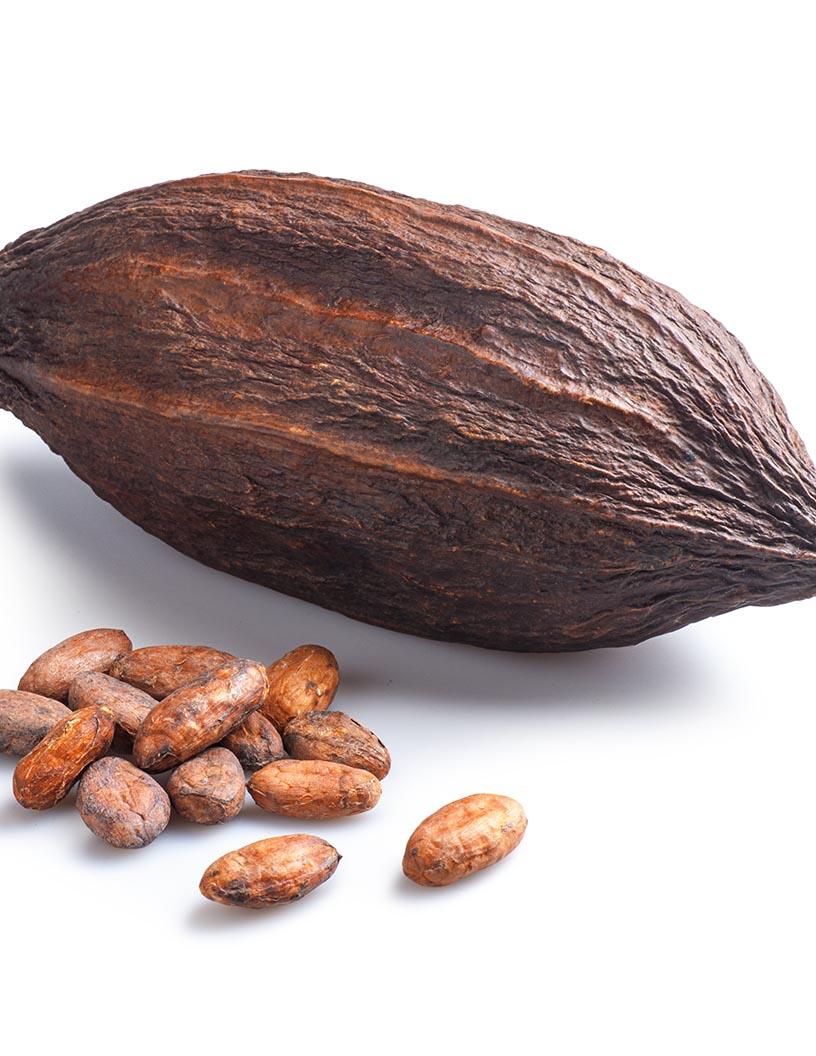


Cocoa Beans Market Size 2025-2029
The cocoa beans market size is valued to increase by USD 3.58 billion, at a CAGR of 4.5% from 2024 to 2029. Rising popularity of chocolate-flavored beverages will drive the cocoa beans market.
Major Market Trends & Insights
- Europe dominated the market and accounted for a 39% growth during the forecast period.
- By Application - Confectionery segment was valued at USD 5.14 billion in 2023
- By Product - Cocoa butter segment accounted for the largest market revenue share in 2023
Market Size & Forecast
- Market Opportunities: USD 42.75 million
- Market Future Opportunities: USD 3576.90 million
- CAGR from 2024 to 2029 : 4.5%
Market Summary
- Cocoa beans, the primary ingredient in chocolate, have long held a significant place in the global market due to their versatility and universal appeal. The demand for cocoa beans is driven by the growing popularity of chocolate-based products, particularly beverages, which have witnessed a notable increase in consumer preference. This trend is fueled by the expanding health-conscious population seeking alternatives to sugar-laden beverages. The market is characterized by a dynamic business landscape, with numerous players vying for market share. Mergers and acquisitions have become a common strategy for companies aiming to expand their operations and strengthen their market position.
- Despite this competition, the market remains volatile due to various factors, including weather conditions in cocoa-producing regions and fluctuations in supply and demand. However, the market is not without challenges. Volatility in the prices of cocoa beans, influenced by weather conditions and supply chain disruptions, poses a significant risk for market participants. Cocoa bean prices have experienced significant volatility, reflecting the market's complexities. Factors such as disease outbreaks, weather conditions, and geopolitical instability can significantly impact prices. However, the long-term outlook for the market remains positive, with continued growth expected due to increasing consumer demand and ongoing innovation in chocolate-based products. In conclusion, the market is a dynamic and complex business environment, shaped by various factors including consumer preferences, competition, and external influences. Companies operating in this sector must stay informed about market trends and be prepared to adapt to changing conditions to remain competitive.
What will be the Size of the Cocoa Beans Market during the forecast period?

Get Key Insights on Market Forecast (PDF) Request Free Sample
How is the Cocoa Beans Market Segmented ?
The cocoa beans industry research report provides comprehensive data (region-wise segment analysis), with forecasts and estimates in "USD million" for the period 2025-2029, as well as historical data from 2019-2023 for the following segments.
- Application
- Confectionery
- Functional food and beverage
- Cosmetics
- Others
- Product
- Cocoa butter
- Cocoa powder
- Cocoa beverages
- Others
- Type
- Forastero
- Trinitario
- Criollo
- Nature
- Organic
- Conventional
- Sale Channel
- B2B
- B2C
- Geography
- North America
- US
- Canada
- Europe
- France
- Germany
- Italy
- UK
- Middle East and Africa
- Egypt
- KSA
- Oman
- UAE
- APAC
- China
- India
- Japan
- South America
- Argentina
- Brazil
- Rest of World (ROW)
- North America
By Application Insights
The confectionery segment is estimated to witness significant growth during the forecast period.
The market continues to evolve, driven by the increasing demand for low-fat alkalized and natural cocoa powders in various confectionery items, such as toffee, hard candy, and marshmallows. This trend is fueling the growth of the confectionery segment, with companies like Mars and Nestle focusing on producing chocolate liquor with higher cocoa mass for stronger flavors. For example, Prodigy Snacks Ltd, a UK confectionery firm, recently introduced Phenomenoms, a new chocolate biscuit range with two flavors, highlighting this market development. Additionally, ongoing activities include the implementation of sustainable farming practices, yield optimization techniques, and soil nutrient management to enhance production efficiency.
Bean drying methods, packaging technology, and traceability systems are also evolving to ensure product quality and consumer safety, with a focus on reducing aflatoxin contamination levels. Theobroma cacao cultivation continues to adapt to climate change, with research on pest management strategies, microbial community composition, and disease resistance mechanisms. The market is further characterized by improvements in processing efficiency, sensory evaluation protocols, and polyphenol oxidase activity analysis for assessing health benefits. Cocoa butter extraction and flavonoid content analysis are also crucial aspects, with a growing emphasis on water use efficiency and waste management solutions. Quality control procedures and shelf life extension techniques are essential for maintaining market competitiveness.

The Confectionery segment was valued at USD 5.14 billion in 2019 and showed a gradual increase during the forecast period.

Regional Analysis
Europe is estimated to contribute 39% to the growth of the global market during the forecast period.Technavio's analysts have elaborately explained the regional trends and drivers that shape the market during the forecast period.
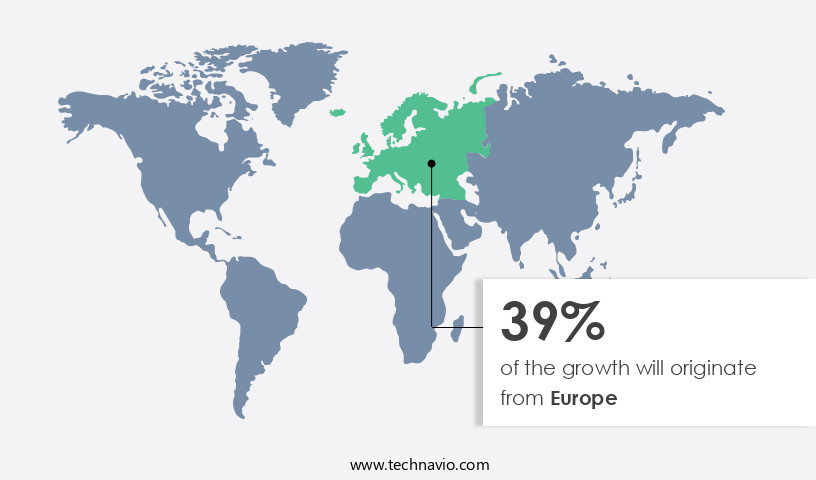
See How Cocoa Beans Market Demand is Rising in Europe Request Free Sample
The European the market is experiencing significant growth, driven by the increasing emphasis on sustainable trade practices and rising consumer preferences for premium, high-quality, and single-origin chocolate and cocoa-based products. The region's market expansion is underpinned by the nutritional and health benefits associated with cocoa consumption, particularly dark chocolate, which contains less sugar and cocoa butter as its primary fat source. Organic and fair-trade cocoa beans are also gaining popularity due to ethical and sustainability concerns. The flavor profile plays a crucial role in the market, leading industry players to explore innovative roasting techniques, such as whole bean roasting, for enhanced taste and aroma.
This dynamic market continues to evolve, reflecting the evolving consumer preferences and the industry's commitment to delivering superior quality and ethical sourcing.
Market Dynamics
Our researchers analyzed the data with 2024 as the base year, along with the key drivers, trends, and challenges. A holistic analysis of drivers will help companies refine their marketing strategies to gain a competitive advantage.
The market is a significant player in the food industry, with a value estimated at billions of dollars. The production and processing of cocoa beans involve various stages, each impacting the final flavor and quality of the beans. Fermentation temperature plays a crucial role in shaping the flavor profile of cocoa beans. Specific microbes, such as Brevibacterium and Acetobacter, are responsible for the fermentation process. Their activity influences the development of distinct flavors and aromas. Post-fermentation, drying conditions significantly affect bean quality parameters. Proper drying ensures uniform moisture content, preventing mold growth and preserving the beans' sensory attributes. Polyphenol content, a key factor in cocoa's health benefits, is closely related to sensory attributes. Analyzing volatile organic compounds in cocoa liquor can provide insights into the beans' flavor profile and quality.
Genetic factors also impact cocoa bean yield and quality. Researchers are developing pest-resistant cocoa varieties to enhance productivity and reduce environmental impact. Sustainable practices, such as water-use efficiency and precision farming techniques, are essential for reducing cocoa production's environmental footprint. Optimizing processing methods for enhanced shelf life and improving traceability and transparency in the supply chain are other critical areas of focus. Novel technologies, like near-infrared spectroscopy, are being explored to accurately measure cocoa bean moisture content. Assessing consumer perceptions of cocoa flavor profiles and evaluating different cocoa bean varieties for chocolate making are ongoing research topics. Mitigating aflatoxin contamination, a significant challenge in cocoa production, is achieved through good agricultural practices and post-harvest management. The health benefits of cocoa flavanols continue to be a subject of extensive research. Soil fertility and climate change adaptation strategies are crucial for ensuring long-term cocoa production sustainability. By addressing these challenges, the market continues to evolve, offering opportunities for innovation and growth.

What are the key market drivers leading to the rise in the adoption of Cocoa Beans Industry?
- The significant rise in consumer preference for chocolate-flavored beverages serves as the primary market driver.
- The market is experiencing a shift in consumer trends, with a growing preference towards high-quality, specialized cocoa bean products. Young consumers, in particular, are driving demand for chocolate-flavored beverages. Economic improvements in key emerging markets like China, India, Brazil, and Indonesia have expanded job opportunities, enabling more affordable prices for various cocoa bean applications, including beverages, cosmetics, and confectionery. Millennials, known for their experimentation with new beverage types and brands, are willing to spend more on premium beverage labels.
- In response, cocoa bean companies continue to expand their product offerings and strive to understand the evolving tastes and preferences of this demographic. The market is witnessing significant growth, with numerous applications catering to diverse consumer segments.
What are the market trends shaping the Cocoa Beans Industry?
- The increasing trend in the market is characterized by a rising number of mergers and acquisitions. (Or) Mergers and acquisitions are on the rise, becoming an increasingly prominent trend in the market.
- The market is witnessing a surge in mergers and acquisitions, driven by strategic initiatives such as expanding product portfolios, entering new markets, increasing market share, and strengthening brand image. companies are actively acquiring regional cocoa bean manufacturers and distributors to broaden their reach. One notable transaction occurred in April 2022, with Mondelez International acquiring Ricoline, Mexico's leading confectionery company. This acquisition enables Mondelez to penetrate new markets and enhance its control over the supply chain. The market's evolving nature underscores its robust growth and versatility, with applications spanning various sectors, including food, beverage, cosmetics, and pharmaceuticals.
- The market's sizeable growth is reflected in the increasing demand for high-quality cocoa beans, making it an attractive proposition for investors and market participants.
What challenges does the Cocoa Beans Industry face during its growth?
- The volatility in the prices of cocoa beans poses a significant challenge to the growth of the cocoa industry. This market instability, characterized by frequent and often unpredictable price fluctuations, can negatively impact the profitability and sustainability of businesses within the sector.
- Cocoa beans are a crucial component in the production of industrial chocolate, with sugar and milk powder serving as the other essential ingredients. The market has experienced volatile price trends due to various factors. For instance, reduced cocoa production can result in a price increase. Supply disruptions, such as those caused by the ongoing Ukraine-Russia conflict, significantly impact the market.
- Furthermore, demand for cocoa beans has been decreasing as export orders decline from significant markets like Germany and The Netherlands. These exporters face logistical and payment challenges, contributing to the downward trend in sales. Despite these challenges, the market continues to exhibit robustness and significance in various sectors, including food and beverage, cosmetics, and pharmaceuticals.
Exclusive Technavio Analysis on Customer Landscape
The cocoa beans market forecasting report includes the adoption lifecycle of the market, covering from the innovator's stage to the laggard's stage. It focuses on adoption rates in different regions based on penetration. Furthermore, the cocoa beans market report also includes key purchase criteria and drivers of price sensitivity to help companies evaluate and develop their market growth analysis strategies.
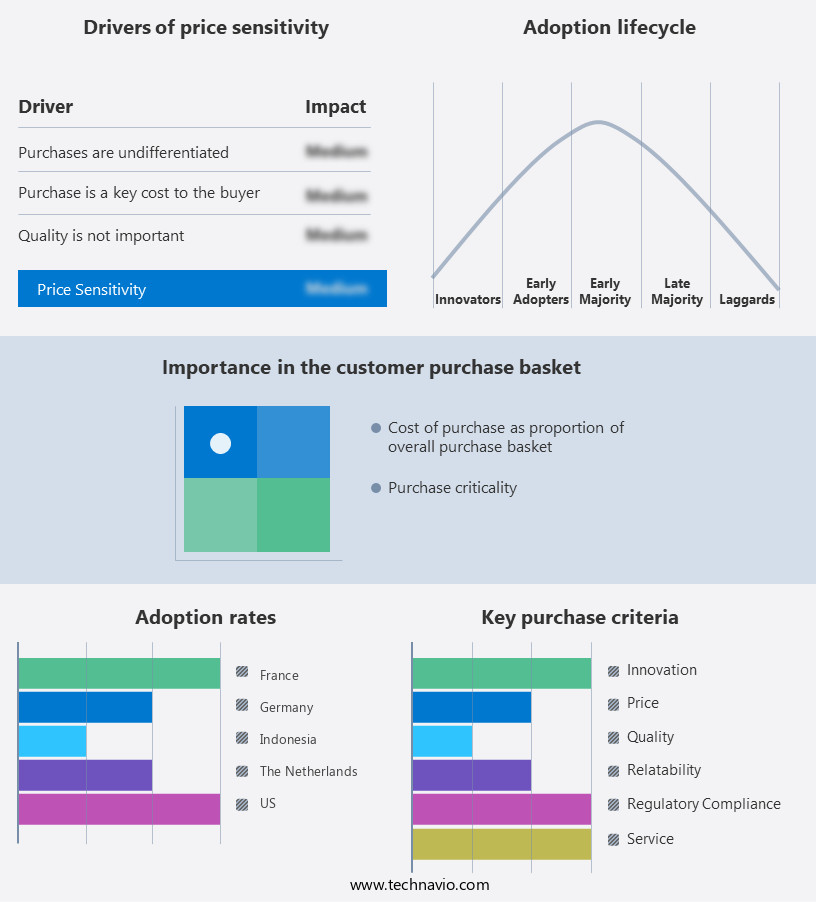
Customer Landscape of Cocoa Beans Industry
Competitive Landscape
Companies are implementing various strategies, such as strategic alliances, cocoa beans market forecast, partnerships, mergers and acquisitions, geographical expansion, and product/service launches, to enhance their presence in the industry.
The industry research and growth report includes detailed analyses of the competitive landscape of the market and information about key companies, including:
- Barry Callebaut AG
- Cargill Inc.
- CEMOI Group
- Cocoa Supply
- Costa Esmeraldas Cacao Co.
- Dutch Cocoa BV
- ECOM Agroindustrial Corp. Ltd.
- Edna Group
- Fuji Oil Holdings Inc.
- India Cocoa Pvt. Ltd.
- JINDAL COCOA
- Meiji Holdings Co. Ltd.
- Meridian Cacao Co.
- Mondelez International Inc.
- Nederland SA
- Niche Cocoa Industry Ltd.
- Olam Group Ltd.
- Puratos Group NV
- The Mexican Arabica Bean Co.
- United Cocoa Processor Inc.
Qualitative and quantitative analysis of companies has been conducted to help clients understand the wider business environment as well as the strengths and weaknesses of key industry players. Data is qualitatively analyzed to categorize companies as pure play, category-focused, industry-focused, and diversified; it is quantitatively analyzed to categorize companies as dominant, leading, strong, tentative, and weak.
Recent Development and News in Cocoa Beans Market
- In August 2024, Nestlé, the global food and beverage company, announced the launch of a new line of dark chocolate products made with sustainably sourced cocoa beans from its Cocoa Plan program in collaboration with the Rainforest Foundation US (RFUS) (Nestlé Press Release, 2024). This initiative aims to improve the livelihoods of cocoa farmers and their communities, while also reducing the environmental impact of cocoa production.
- In November 2024, Olam International, a leading agribusiness company, completed the acquisition of a 70% stake in Cameroon's largest cocoa cooperative, Cooppal, for an undisclosed amount (Olam International Press Release, 2024). This strategic move strengthens Olam's position in the West African cocoa market and supports the company's commitment to sustainable sourcing and farmer empowerment.
- In March 2025, Barry Callebaut, the world's leading manufacturer of high-quality chocolate and cocoa products, received approval from the European Commission for its acquisition of French chocolate company, Cémoi (Barry Callebaut Press Release, 2025). The transaction, valued at €1.1 billion, will expand Barry Callebaut's presence in the European chocolate market and enhance its product offerings.
- In May 2025, the Ivory Coast government, the world's largest cocoa producer, launched a new initiative called "Cocoa and Forests Initiative" to promote sustainable cocoa production and reduce deforestation (Ivory Coast Ministry of Agriculture and Rural Development Press Release, 2025). The initiative, which is supported by the World Cocoa Foundation, aims to train 100,000 farmers in sustainable farming practices and provide them with access to financing and markets.
Dive into Technavio's robust research methodology, blending expert interviews, extensive data synthesis, and validated models for unparalleled Cocoa Beans Market insights. See full methodology.
|
Market Scope |
|
|
Report Coverage |
Details |
|
Page number |
212 |
|
Base year |
2024 |
|
Historic period |
2019-2023 |
|
Forecast period |
2025-2029 |
|
Growth momentum & CAGR |
Accelerate at a CAGR of 4.5% |
|
Market growth 2025-2029 |
USD 3576.9 million |
|
Market structure |
Fragmented |
|
YoY growth 2024-2025(%) |
4.2 |
|
Key countries |
US, Canada, Germany, UK, Italy, France, China, India, Japan, Brazil, Egypt, UAE, Oman, Argentina, KSA, UAE, Brazil, and Rest of World (ROW) |
|
Competitive landscape |
Leading Companies, Market Positioning of Companies, Competitive Strategies, and Industry Risks |
Research Analyst Overview
- The market exhibits continuous evolution, driven by various factors including soil nutrient management, yield optimization techniques, and advancements in bean drying methods. Sustainable farming practices are increasingly adopted to ensure long-term productivity and profitability, with Theobroma cacao cultivation focusing on improving processing efficiency and reducing waste. Cacao genetic diversity plays a crucial role in maintaining market dynamism, as new varieties with enhanced flavonoid content and disease resistance mechanisms are continually being developed. Post-harvest processing techniques, such as cocoa liquor production and chocolate mass manufacturing, are optimized to enhance health benefits assessment and extend shelf life. Aflatoxin contamination levels remain a concern, necessitating stringent quality control procedures and traceability systems.
- Pest management strategies, including the assessment of polyphenol oxxidase activity and microbial community composition, are employed to minimize crop losses and maintain optimal moisture content. Industry growth is expected to reach 3% annually, with innovation in packaging technology, water use efficiency, and climate change adaptation playing significant roles. For instance, a leading chocolate manufacturer reduced its water usage by 20% through advanced processing techniques, resulting in substantial cost savings and increased sustainability. In the realm of sensory evaluation protocols and aroma compound profiling, continuous research and development efforts are underway to enhance consumer experiences and cater to evolving preferences.
- Supply chain management and waste management solutions are also crucial aspects of market evolution, ensuring a reliable and efficient flow of high-quality cocoa beans from farm to consumer.
What are the Key Data Covered in this Cocoa Beans Market Research and Growth Report?
-
What is the expected growth of the Cocoa Beans Market between 2025 and 2029?
-
USD 3.58 billion, at a CAGR of 4.5%
-
-
What segmentation does the market report cover?
-
The report is segmented by Application (Confectionery, Functional food and beverage, Cosmetics, and Others), Product (Cocoa butter, Cocoa powder, Cocoa beverages, and Others), Geography (Europe, North America, APAC, South America, and Middle East and Africa), Type (Forastero, Trinitario, and Criollo), Nature (Organic and Conventional), and Sale Channel (B2B and B2C)
-
-
Which regions are analyzed in the report?
-
Europe, North America, APAC, South America, and Middle East and Africa
-
-
What are the key growth drivers and market challenges?
-
Rising popularity of chocolate-flavored beverages, Volatility in prices of cocoa beans
-
-
Who are the major players in the Cocoa Beans Market?
-
Barry Callebaut AG, Cargill Inc., CEMOI Group, Cocoa Supply, Costa Esmeraldas Cacao Co., Dutch Cocoa BV, ECOM Agroindustrial Corp. Ltd., Edna Group, Fuji Oil Holdings Inc., India Cocoa Pvt. Ltd., JINDAL COCOA, Meiji Holdings Co. Ltd., Meridian Cacao Co., Mondelez International Inc., Nederland SA, Niche Cocoa Industry Ltd., Olam Group Ltd., Puratos Group NV, The Mexican Arabica Bean Co., and United Cocoa Processor Inc.
-
Market Research Insights
- The market is a dynamic and ever-evolving industry that caters to the global demand for chocolate and cocoa products. Approximately 4.5 million farmers worldwide produce over 4 million metric tons of cocoa beans annually. This figure represents a steady growth in production, with industry experts anticipating a continuous expansion of around 2% each year. One significant trend in the market is the focus on improving the quality of cocoa beans through various techniques. For instance, deflavanation techniques are employed to enhance the flavor profile by reducing the bitter taste of cocoa beans. Additionally, acidity measurement and molecular breeding are utilized to develop new cocoa varieties with improved taste and disease resistance.
- Moreover, the industry is constantly innovating to meet the evolving consumer preferences. For example, a leading chocolate manufacturer increased its sales by 15% by introducing a new line of dark chocolate with a higher percentage of cocoa solids. This success underscores the importance of catering to the growing demand for dark chocolate and premium cocoa products. Furthermore, sustainability metrics are gaining importance in the cocoa industry, with many companies adopting precision farming approaches to ensure ethical sourcing and minimize their carbon footprint. These efforts not only contribute to the industry's growth but also enhance its reputation and consumer trust.
We can help! Our analysts can customize this cocoa beans market research report to meet your requirements.