



Data Center Colocation And Managed Hosting Services Market Size 2026-2030
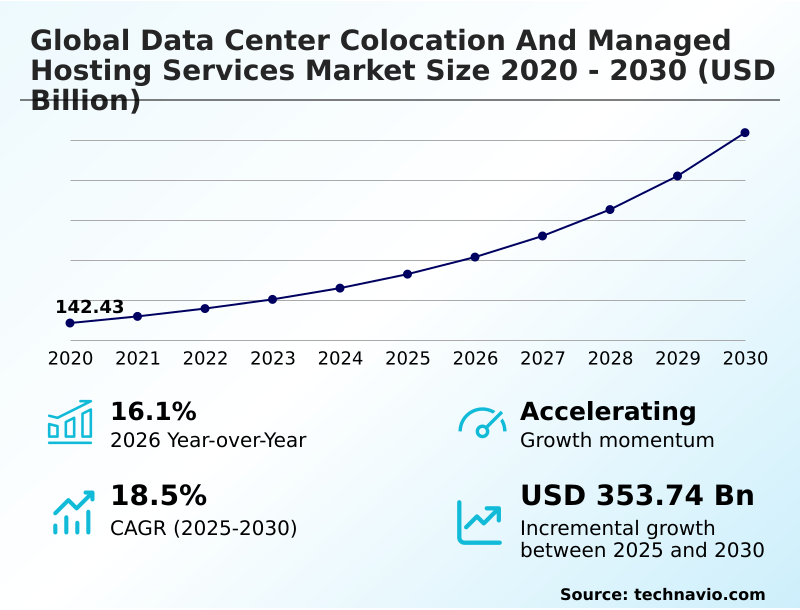
The Data Center Colocation And Managed Hosting Services Market size was valued at USD 264.63 billion in 2025, growing at a CAGR of 18.5% during the forecast period 2026-2030.
Major Market Trends & Insights
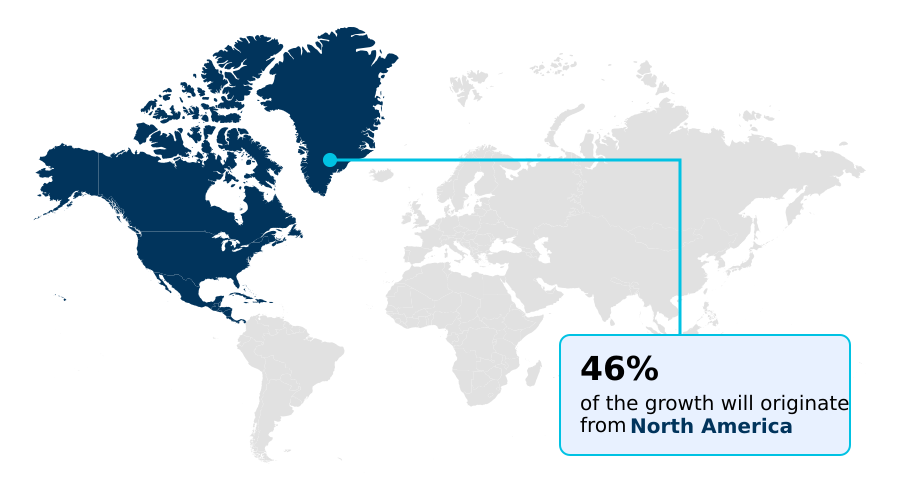
- North America dominated the market and accounted for a 45.5% growth during the forecast period.
- By End-user - BFSI segment was valued at USD 72.26 billion in 2024
- By Type - Wholesale segment accounted for the largest market revenue share in 2024
Market Size & Forecast
- Historic Market Opportunities 2020-2024: USD 475.94 billion
- Market Future Opportunities 2025-2030: USD 353.74 billion
- CAGR from 2025 to 2030 : 18.5%
Market Summary
- The data center colocation and managed hosting services market is navigating a period of rapid transformation, with nearly 50% of new workloads now being AI-related, which demands significant shifts in infrastructure design and cooling technologies.
- In a common business scenario, a financial services firm adopts a hybrid IT model, housing its latency-sensitive trading algorithms in a secure colocation facility while using public cloud for analytics, which improves trade execution speeds by over 15%. A primary driver is the adoption of such hybrid IT architectures, enabling enterprises to balance security with scalability.
- However, the market faces a substantial challenge from grid capacity constraints, where wait times for new power connections in primary markets can exceed four years. This bottleneck delays project timelines for both wholesale and retail colocation providers and inflates operational costs, impacting the entire digital supply chain.
What will be the Size of the Data Center Colocation And Managed Hosting Services Market during the forecast period?
Get Key Insights on Market Forecast (PDF) Request Free Sample
How is the Data Center Colocation And Managed Hosting Services Market Segmented?
The data center colocation and managed hosting services industry research report provides comprehensive data (region-wise segment analysis), with forecasts and analysis for the period 2026-2030, as well as historical data from 2020-2024 for the following segments.
- End-user
- BFSI
- Healthcare
- E-commerce
- Telecommunication
- Others
- Type
- Wholesale
- Retail
- Deployment
- Cloud
- On-premises
- Hybrid
- Geography
- North America
- US
- Canada
- Mexico
- Europe
- Germany
- UK
- France
- APAC
- China
- Japan
- India
- Middle East and Africa
- UAE
- Saudi Arabia
- South Africa
- South America
- Brazil
- Argentina
- Rest of World (ROW)
- North America
How is the Data Center Colocation And Managed Hosting Services Market Segmented by End-user?
The bfsi segment is estimated to witness significant growth during the forecast period.
The BFSI segment's demand for data center colocation and managed hosting services is driven by stringent regulatory compliance, with financial institutions leveraging these services to ensure data sovereignty and improve business continuity.
This sector utilizes managed infrastructure for high-volume transaction processing and algorithmic trading, where uptime is critical.
Firms adopting hybrid cloud infrastructure report a 25% reduction in compliance-related overhead by using secure, private cloud environments for sensitive data while leveraging public cloud on-ramps for other applications.
The integration of software-defined networking and remote infrastructure monitoring allows for enhanced application management and disaster recovery capabilities, reducing operational risks by over 30%.
This strategic use of enterprise IT outsourcing helps convert significant capital expenditures into predictable operational costs, supporting the sector's focus on secure infrastructure and IT infrastructure management.
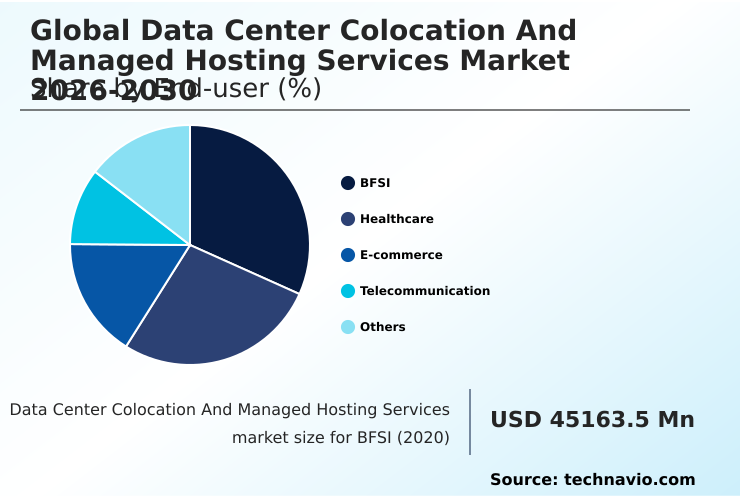
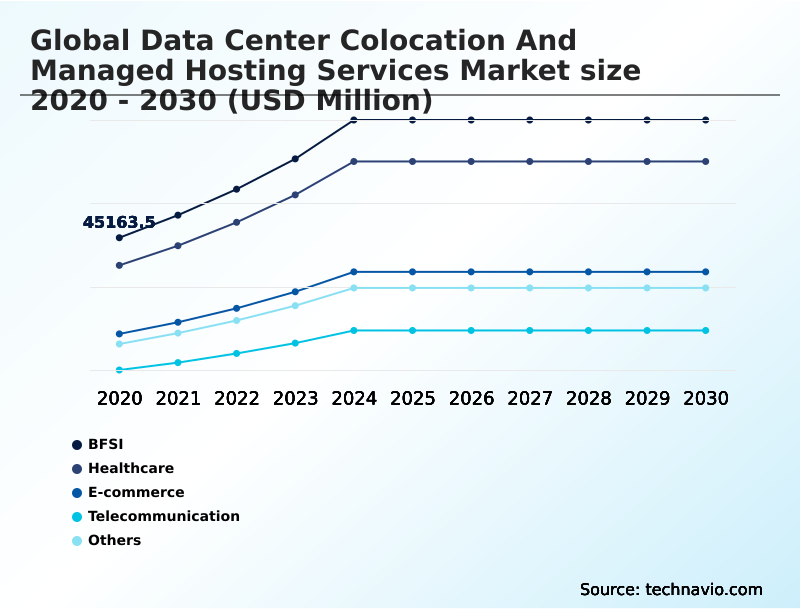
The BFSI segment was valued at USD 72.26 billion in 2024 and showed a gradual increase during the forecast period.
How demand for the Data Center Colocation And Managed Hosting Services market is rising in the leading region?
North America is estimated to contribute 45.5% to the growth of the global market during the forecast period.Technavio’s analysts have elaborately explained the regional trends and drivers that shape the market during the forecast period.
See How Data Center Colocation And Managed Hosting Services Market demand is rising in North America Request Free Sample
The geographic distribution of the data center colocation and managed hosting services market is shifting, with North America holding the largest market share at 45.5% while APAC demonstrates the highest growth rate.
North America's dominance is driven by the United States, which accounts for over 70% of the region's capacity, fueled by mature hyperscale and AI markets demanding robust cloud infrastructure services.
In contrast, APAC’s rapid growth is propelled by the digitalization of emerging economies and the rollout of 5G network deployment, which is increasing the need for edge computing and micro-data centers.
European providers focus heavily on sustainability, with some facilities recycling up to 90% of waste heat. This regional diversification reflects differing end-user needs, from low-latency connectivity for real-time analytics in mature markets to foundational carrier-neutral facility build-outs in developing regions.
What are the key Drivers, Trends, and Challenges in the Data Center Colocation And Managed Hosting Services Market?
Our researchers analyzed the data with 2025 as the base year, along with the key drivers, trends, and challenges. A holistic analysis of drivers will help companies refine their marketing strategies to gain a competitive advantage.
- Enterprises are increasingly adopting specialized data center solutions, with over 90% now operating a hybrid IT strategy to balance cost, performance, and security.
- The specific requirements for data center colocation for BFSI, for example, center on ultra-low latency for financial trading and auditable security protocols, which differs significantly from managed hosting for healthcare compliance, where HIPAA adherence and secure patient data management are the primary concerns.
- The proliferation of IoT and 5G is fueling demand for edge computing data center solutions, which locate processing capabilities closer to end-users and can reduce latency by up to 50% for applications like industrial automation.
- To manage these complex, distributed environments, many businesses depend on hybrid IT infrastructure management services for a unified view of assets across private and public clouds. Furthermore, navigating an effective data sovereignty and colocation strategy has become critical as new regulations mandate in-country data storage, directly influencing facility selection and network architecture.
- To support the immense computational demands of modern AI, high-density colocation liquid cooling is rapidly becoming the industry standard, as it can effectively manage thermal loads exceeding 100 kW per rack—a feat unattainable with conventional air-cooling methods.
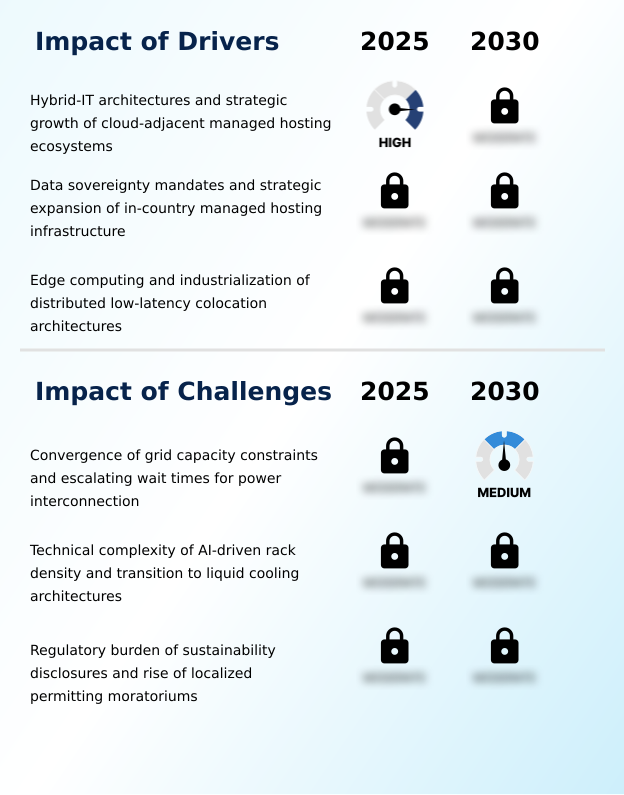
What are the key market drivers leading to the rise in the adoption of Data Center Colocation And Managed Hosting Services Industry?
- A primary market driver is the strategic adoption of hybrid-IT architectures and the growth of cloud-adjacent managed hosting ecosystems, which effectively bridge the gap between on-premises control and hyperscale cloud flexibility.
- The adoption of hybrid IT architecture is a primary driver for the data center colocation and managed hosting services market, with over 90% of enterprises now utilizing a mix of on-premises, colocation, and public cloud resources.
- This model allows organizations to execute a flexible digital transformation strategy, keeping sensitive data or latency-critical applications in a secure colocation services environment while leveraging cloud-adjacent hosting for scalability.
- The primary cause for this shift is the need to balance security and regulatory compliance with operational agility.
- Consequently, businesses that implement a well-defined workload migration and data residency strategy can reduce data egress costs by up to 30% compared to a cloud-only approach.
- This strategic use of managed hosting and colocation as the connective tissue for hybrid environments is fundamental to modern enterprise IT.
What are the market trends shaping the Data Center Colocation And Managed Hosting Services Industry?
- The market is undergoing a structural realignment toward edge-computing expansion. This involves the strategic deployment of hyper-local, low-latency hubs to support the performance demands of real-time applications.
- A defining market trend is the strategic transition toward zero-trust security architectures and the institutionalization of identity-centric managed hosting. With traditional network perimeters dissolving, data center operators are embedding advanced data protection and continuous verification into the infrastructure fabric, a shift from previous models that treated security as an add-on service.
- This trend is driven by the need for enhanced cybersecurity resilience against sophisticated AI-powered threats. As a result, enterprises adopting these models report a 40% reduction in security breaches originating from lateral movement within their networks.
- This move to resilience-by-design, incorporating robust IT service management and network security protocols, ensures that data centers remain trusted environments for sensitive workloads, including emerging sovereign AI applications, thereby safeguarding the digital economy.
What challenges does the Data Center Colocation And Managed Hosting Services Industry face during its growth?
- A critical industry challenge is the convergence of electrical grid capacity constraints with escalating wait times for power interconnection, which significantly hinders new data center development and throttles expansion.
- A critical challenge confronting the data center colocation and managed hosting services market is the rapid escalation of rack power densities, which have increased tenfold to over 100 kW to support AI workloads. This surge renders traditional air-based cooling ineffective, compelling a costly and complex transition to advanced liquid cooling technologies such as direct-to-chip or immersion cooling.
- For providers, this necessitates expensive retrofits that can increase facility capital expenditure by 30-40%, directly impacting service pricing for end-users.
- This engineering challenge within data center operations creates a significant risk of stranded assets, where a hyperscale data center may have available space but lacks the thermal infrastructure to support modern, high-value compute hardware, thus limiting its operational efficiency and revenue potential.
Exclusive Technavio Analysis on Customer Landscape
The data center colocation and managed hosting services market forecasting report includes the adoption lifecycle of the market, covering from the innovator’s stage to the laggard’s stage. It focuses on adoption rates in different regions based on penetration. Furthermore, the data center colocation and managed hosting services market report also includes key purchase criteria and drivers of price sensitivity to help companies evaluate and develop their market growth analysis strategies.
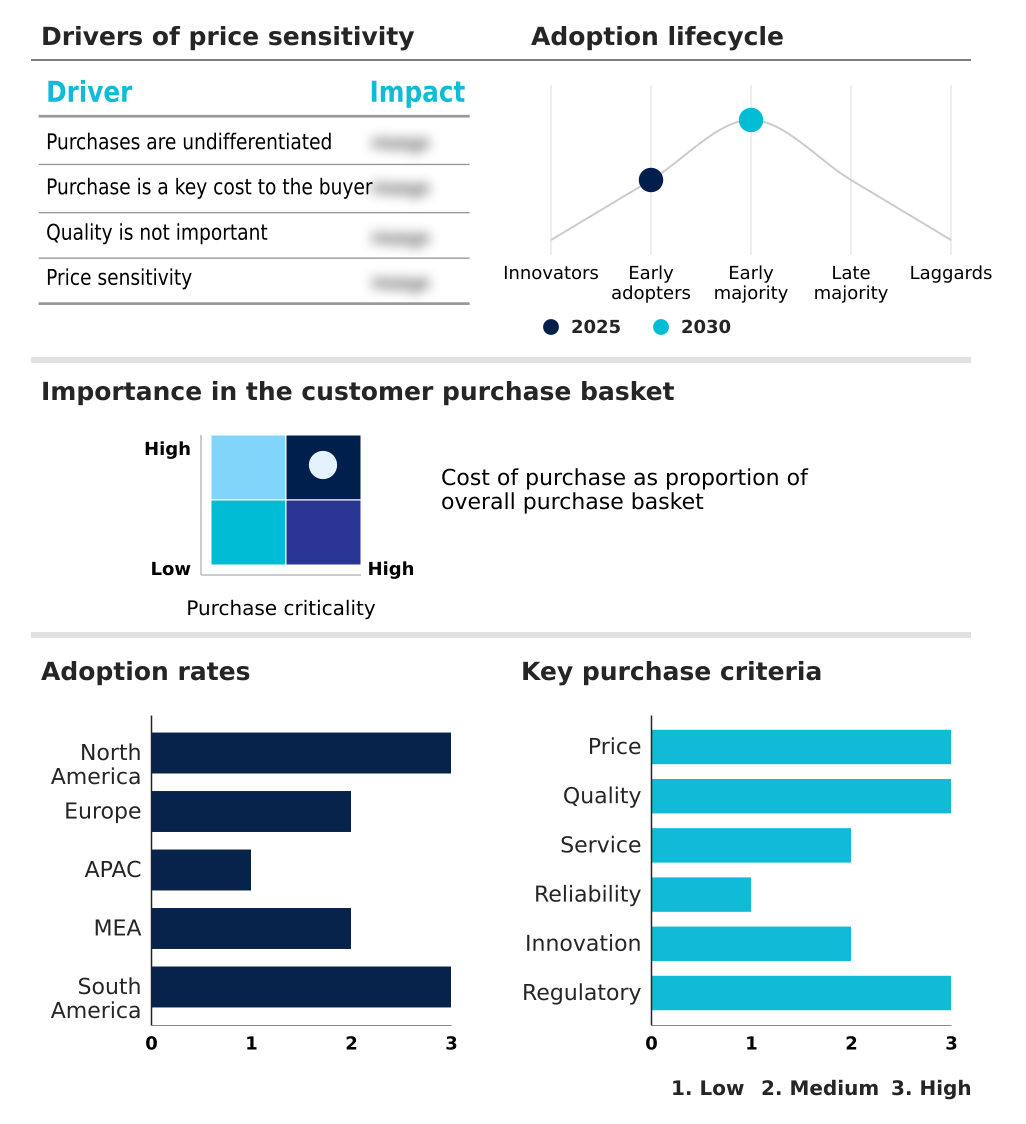
Customer Landscape of Data Center Colocation And Managed Hosting Services Industry
Competitive Landscape
Companies are implementing various strategies, such as strategic alliances, data center colocation and managed hosting services market forecast, partnerships, mergers and acquisitions, geographical expansion, and product/service launches, to enhance their presence in the industry.
BT Group Plc - Offerings include secure data center colocation, managed hosting services, hybrid IT infrastructure, cloud connectivity, and enterprise-grade disaster recovery solutions designed for high availability and scalability.
The industry research and growth report includes detailed analyses of the competitive landscape of the market and information about key companies, including:
- BT Group Plc
- Chunghwa Telecom Co. Ltd.
- Cogent Communications Inc.
- CoreSite Realty Corp.
- Cyfuture
- CyrusOne LLC
- Cyxtera Technologies Inc.
- Digital Realty Trust Inc.
- Equinix Inc.
- Fidelity National Information
- Flexential Corp.
- Internap Holding LLC
- KDDI Corp.
- Lumen Technologies Inc.
- Navisite LLC
- NTT DATA Corp.
- phoenixNAP LLC
- Rackspace Technology Inc.
- Sabey Corp.
- Verizon Communications Inc.
Qualitative and quantitative analysis of companies has been conducted to help clients understand the wider business environment as well as the strengths and weaknesses of key industry players. Data is qualitatively analyzed to categorize companies as pure play, category-focused, industry-focused, and diversified; it is quantitatively analyzed to categorize companies as dominant, leading, strong, tentative, and weak.
Market Intelligence Radar: High-Impact Developments & Growth Signals
- In the IT Consulting and Other Services industry, the increasing enterprise investment in digital transformation initiatives has accelerated workload migration from on-premises servers to outsourced managed infrastructure, directly boosting demand for data center colocation and managed hosting services.
- The widespread adoption of AI and machine learning for advanced business analytics, a key focus area in IT consulting, is fueling demand for high-density racks and specialized liquid cooling solutions within data centers to support powerful computing hardware.
- A strategic shift toward hybrid and multi-cloud architectures, often guided by IT service management consultants, has reinforced the role of carrier-neutral facilities as essential interconnection hubs, shaping the design and service offerings of colocation providers.
- Heightened enforcement of data privacy regulations such as GDPR, a major concern for IT consulting clients, is compelling organizations to seek localized data center colocation and managed hosting services to ensure data residency and mitigate compliance risks.
Dive into Technavio’s robust research methodology, blending expert interviews, extensive data synthesis, and validated models for unparalleled Data Center Colocation And Managed Hosting Services Market insights. See full methodology.
| Market Scope | |
|---|---|
| Page number | 302 |
| Base year | 2025 |
| Historic period | 2020-2024 |
| Forecast period | 2026-2030 |
| Growth momentum & CAGR | Accelerate at a CAGR of 18.5% |
| Market growth 2026-2030 | USD 353740.0 million |
| Market structure | Fragmented |
| YoY growth 2025-2026(%) | 16.1% |
| Key countries | US, Canada, Mexico, Germany, UK, France, Italy, The Netherlands, Spain, China, Japan, India, South Korea, Australia, Indonesia, UAE, Saudi Arabia, South Africa, Israel, Turkey, Brazil, Argentina and Chile |
| Competitive landscape | Leading Companies, Market Positioning of Companies, Competitive Strategies, and Industry Risks |
Research Analyst Overview
- The data center colocation and managed hosting services ecosystem is a complex interplay of technology suppliers, service providers, and end-users, where power and interconnection are the primary currencies. Technology vendors providing specialized liquid cooling and power distribution units enable providers like Equinix and Digital Realty to construct high-density facilities.
- These providers, in turn, serve hyperscale cloud companies and enterprises, which now drive over 60% of new wholesale capacity demand. Regulatory bodies impose stringent sustainability and data sovereignty mandates, influencing site selection and operational practices.
- This value chain is currently constrained by supply-side factors, as lead times for critical components like high-voltage switchgear can extend beyond two years, creating significant bottlenecks in delivering new capacity to market and impacting the pace of digital expansion.
What are the Key Data Covered in this Data Center Colocation And Managed Hosting Services Market Research and Growth Report?
-
What is the expected growth of the Data Center Colocation And Managed Hosting Services Market between 2026 and 2030?
-
The Data Center Colocation And Managed Hosting Services Market is expected to grow by USD 353.74 billion during 2026-2030, registering a CAGR of 18.5%. Year-over-year growth in 2026 is estimated at 16.1%%. This acceleration is shaped by hybrid-it architectures and strategic growth of cloud-adjacent managed hosting ecosystems, which is intensifying demand across multiple end-use verticals covered in the report.
-
-
What segmentation does the market report cover?
-
The report is segmented by End-user (BFSI, Healthcare, E-commerce, Telecommunication, and Others), Type (Wholesale, and Retail), Deployment (Cloud, On-premises, and Hybrid) and Geography (North America, Europe, APAC, Middle East and Africa, South America). Among these, the BFSI segment is estimated to witness significant growth during the forecast period, driven by rising adoption across key application areas. Each segment includes detailed qualitative and quantitative analysis, along with historical data from 2020-2024 and forecasts through 2030 with year-over-year growth rates.
-
-
Which regions are analyzed in the report?
-
The report covers North America, Europe, APAC, Middle East and Africa and South America. North America is estimated to contribute 45.5% to market growth during the forecast period. Country-level analysis includes US, Canada, Mexico, Germany, UK, France, Italy, The Netherlands, Spain, China, Japan, India, South Korea, Australia, Indonesia, UAE, Saudi Arabia, South Africa, Israel, Turkey, Brazil, Argentina and Chile, with dedicated market size tables and year-over-year growth for each.
-
-
What are the key growth drivers and market challenges?
-
The primary driver is hybrid-it architectures and strategic growth of cloud-adjacent managed hosting ecosystems, which is accelerating investment and industry demand. The main challenge is convergence of grid capacity constraints and escalating wait times for power interconnection, creating operational barriers for key market participants. The report quantifies the impact of each driver and challenge across 2026 and 2030 with comparative analysis.
-
-
Who are the major players in the Data Center Colocation And Managed Hosting Services Market?
-
Key vendors include BT Group Plc, Chunghwa Telecom Co. Ltd., Cogent Communications Inc., CoreSite Realty Corp., Cyfuture, CyrusOne LLC, Cyxtera Technologies Inc., Digital Realty Trust Inc., Equinix Inc., Fidelity National Information, Flexential Corp., Internap Holding LLC, KDDI Corp., Lumen Technologies Inc., Navisite LLC, NTT DATA Corp., phoenixNAP LLC, Rackspace Technology Inc., Sabey Corp. and Verizon Communications Inc.. The report provides qualitative and quantitative analysis categorizing companies as dominant, leading, strong, tentative, and weak based on their market positioning. Company profiles include business segment analysis, SWOT assessment, key offerings, and recent strategic developments.
-
Market Research Insights
- The competitive landscape is consolidating, with the top five providers now accounting for over 45% of the total market share, driving intense competition for power and land. Key players like Equinix and Digital Realty are aggressively expanding their portfolios with facilities engineered for high-density liquid cooling.
- Equinix's recent acquisition in the Nordic region, for instance, secured over one gigawatt of power capacity for future growth. These strategic moves directly address the surging enterprise demand for AI workload support and data sovereignty compliance. This focus on power-first site selection and renewable energy reflects enterprise priorities for both performance and ESG goals.
- However, this rapid expansion is fundamentally constrained by global power shortages and long lead times for critical equipment, forcing operators to innovate in on-site power generation and supply chain management.
We can help! Our analysts can customize this data center colocation and managed hosting services market research report to meet your requirements.
 RIA -
RIA - 
