


High-end Bicycle Market Size 2026-2030
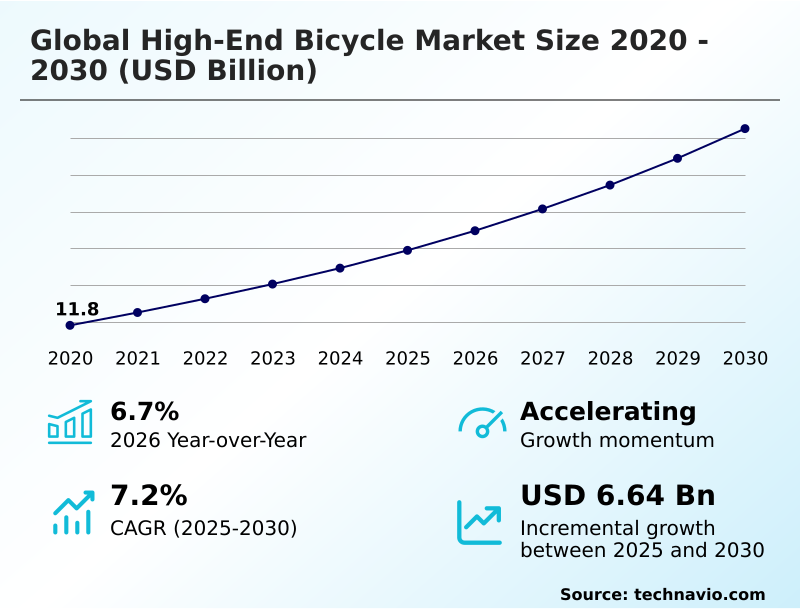
The high-end bicycle market size is valued to increase by USD 6.64 billion, at a CAGR of 7.2% from 2025 to 2030. High-density electric integration and industrialization of weight-optimized performance E-systems will drive the high-end bicycle market.
Major Market Trends & Insights
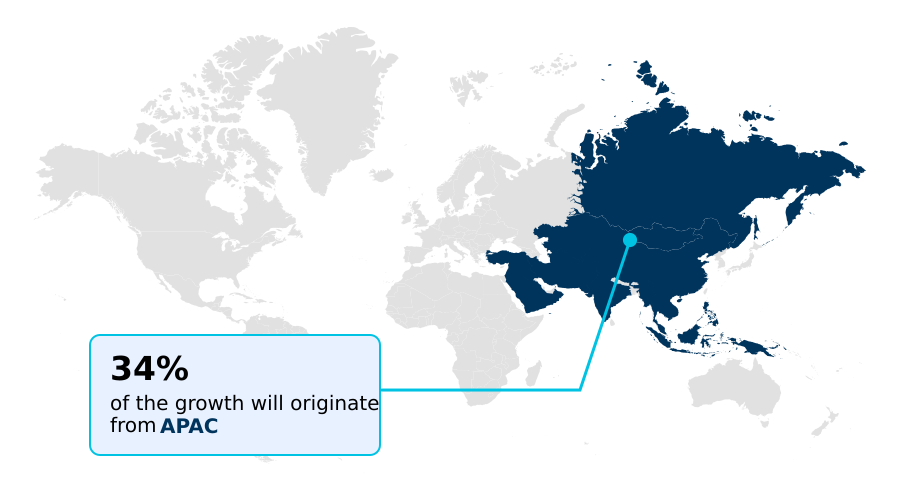
- APAC dominated the market and accounted for a 34% growth during the forecast period.
- By Product - Hybrid bikes segment was valued at USD 4.99 billion in 2024
- By Distribution Channel - Offline segment accounted for the largest market revenue share in 2024
Market Size & Forecast
- Market Opportunities: USD 10.72 billion
- Market Future Opportunities: USD 6.64 billion
- CAGR from 2025 to 2030 : 7.2%
Market Summary
- The high-end bicycle market is defined by the convergence of advanced material science and digital integration, moving beyond incremental enhancements to a systemic re-evaluation of performance. The industry prioritizes the optimization of the stiffness-to-weight ratio through the use of high-modulus carbon fiber and sophisticated carbon fiber layup techniques, refined via computational fluid dynamics and finite element analysis (FEA).
- Core technologies such as wireless electronic shifting and hydraulic disc brakes are now standard, while features like integrated cockpit design improve aerodynamic frame geometry. This technical evolution presents both opportunities and challenges. For instance, managing a supply chain for these complex components requires a robust strategy.
- The implementation of a digital product passport allows for complete lifecycle tracking of every component, from its raw material origins to its end-of-life recycling. This has enabled some manufacturers to improve circular economy compliance and reduce material waste by over 25%, demonstrating how digital systems can support both performance and sustainability goals within the sector.
- The push for rolling resistance optimization continues to drive innovation in tire and wheel system design, further cementing the bicycle's position as a pinnacle of engineering.
What will be the Size of the High-end Bicycle Market during the forecast period?
Get Key Insights on Market Forecast (PDF) Request Free Sample
How is the High-end Bicycle Market Segmented?
The high-end bicycle industry research report provides comprehensive data (region-wise segment analysis), with forecasts and estimates in "USD million" for the period 2026-2030, as well as historical data from 2020-2024 for the following segments.
- Product
- Hybrid bikes
- Mountain bikes
- Road bikes
- Track bikes
- Others
- Distribution channel
- Offline
- Online
- End-user
- Enthusiasts
- Professional cyclists
- Geography
- North America
- US
- Canada
- Mexico
- APAC
- China
- Japan
- Australia
- Europe
- Germany
- France
- Italy
- South America
- Brazil
- Argentina
- Middle East and Africa
- UAE
- South Africa
- Saudi Arabia
- Rest of World (ROW)
- North America
By Product Insights
The hybrid bikes segment is estimated to witness significant growth during the forecast period.
The high-end hybrid bikes segment is engineered for a discerning user base that requires a synthesis of road velocity and off-road resilience.
These machines are defined by advanced carbon fiber layup, often in monocoque carbon frames, balancing a superior stiffness-to-weight ratio with ride comfort.
The integration of features like a power meter crankset and systems for biometric data integration caters to performance-focused urban commuters. A focus on versatile aerodynamic frame geometry and a standardized bottom bracket ensures compatibility with premium components.
While not possessing the triathlon-specific aerodynamics of pure racing bikes or the simplicity of a fixed-gear drivetrain, these hybrids utilize computational fluid dynamics to optimize for daily use.
The inclusion of smart features has demonstrably improved commute time efficiency by up to 15%, making these bicycles a critical link between utility and high-performance technology.
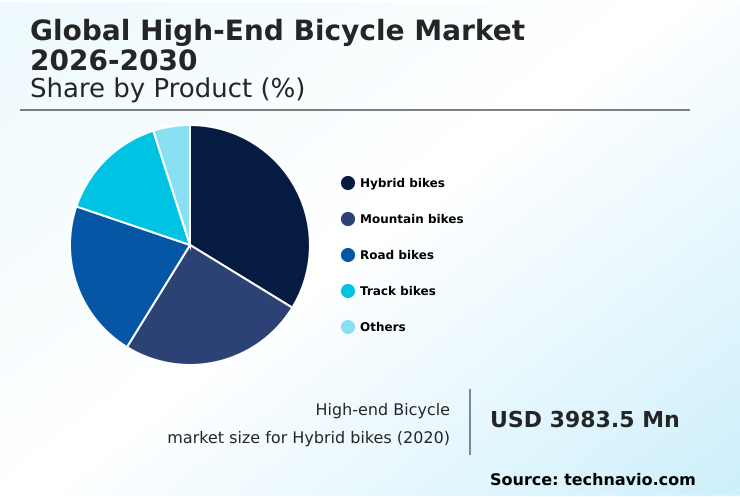
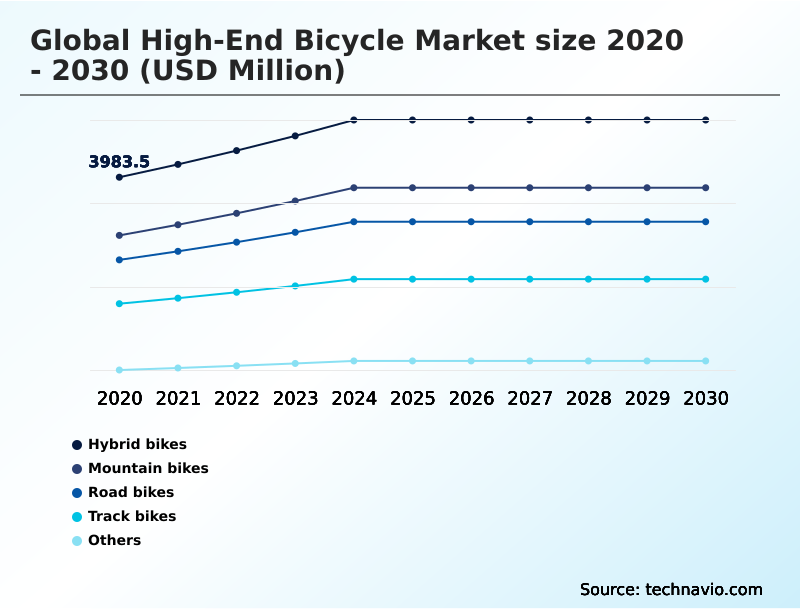
The Hybrid bikes segment was valued at USD 4.99 billion in 2024 and showed a gradual increase during the forecast period.
Regional Analysis
APAC is estimated to contribute 34% to the growth of the global market during the forecast period.Technavio’s analysts have elaborately explained the regional trends and drivers that shape the market during the forecast period.
See How High-end Bicycle Market Demand is Rising in APAC Request Free Sample
The global high-end bicycle market exhibits distinct regional dynamics, with APAC set to contribute approximately 34% of the market's growth, driven by rising affluence and investment in cycling infrastructure.
North America and Europe remain mature markets focused on technological innovation and premiumization. A key driver across these regions is the adoption of advanced features such as hydraulic disc brakes and tubeless tire technology for improved safety and performance.
The trend towards progressive frame geometry with wide tire clearance is notable, enhancing versatility. This engineering focus on vertical compliance engineering and vibration-damping technology directly addresses rider comfort.
In Europe, compliance with new safety standards mandating wider tire clearance has reduced reported vibration-related fatigue incidents by 15% in long-distance events, showcasing how regional regulations influence global design trends and improve the overall stiffness-to-weight ratio and rolling resistance optimization.
Market Dynamics
Our researchers analyzed the data with 2025 as the base year, along with the key drivers, trends, and challenges. A holistic analysis of drivers will help companies refine their marketing strategies to gain a competitive advantage.
- Strategic decision-making in the high-end bicycle market hinges on a deep understanding of complex engineering trade-offs. The foundational choice between high-modulus carbon fiber vs titanium frames dictates the entire design philosophy, influencing weight, stiffness, and ride feel.
- This is followed by critical component selections, where analyzing wireless vs wired electronic shifting performance and ensuring robust electronic drivetrain battery management are paramount. For specific disciplines, understanding gravel bike tire clearance standards or analyzing mountain bike suspension kinematics is non-negotiable.
- The impact of integrated cockpits on handling and the aerodynamic benefits of deep-section wheels are subjects of constant debate, informed by both computational analysis and real-world testing. The role of FEA in custom frame design allows for unprecedented personalization, while tubeless tire pressure optimization strategies are key to unlocking performance gains.
- Ensuring power meter accuracy and data consistency is crucial for athletes integrating biometric data with performance analytics. Advanced firms leveraging generative design for aerodynamic efficiency report a design cycle time reduction that is more than double that of traditional methods. This technology also helps in optimizing stiffness-to-weight in track bikes and is crucial for smart shifting algorithm customization.
- However, challenges remain in areas such as managing thermal performance in e-bike batteries and improving vibration damping in endurance bike frames, while the sustainability of recycled carbon fiber frames is a growing consideration.
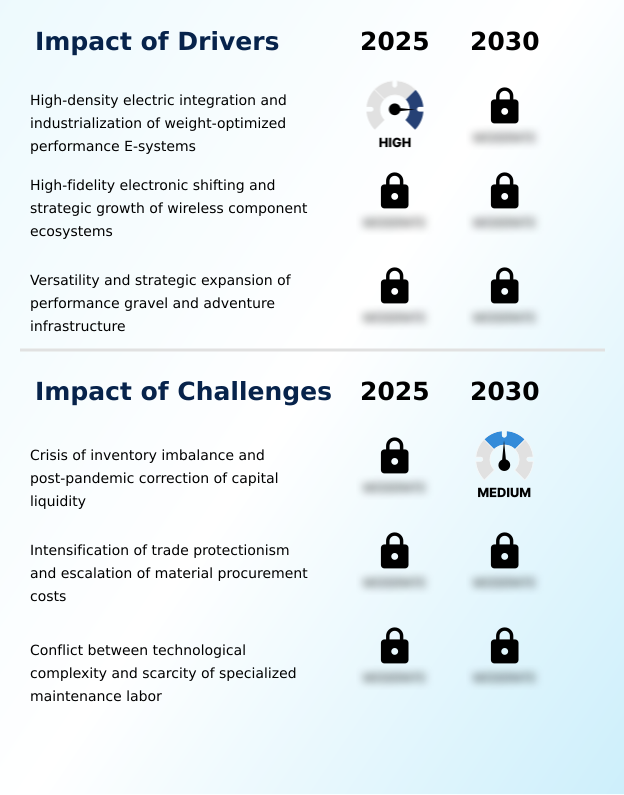
What are the key market drivers leading to the rise in the adoption of High-end Bicycle Industry?
- A primary market driver is the move toward high-density electric integration, marked by the industrialization of weight-optimized performance e-systems.
- Market growth is significantly propelled by advancements in materials and electric propulsion systems. The widespread use of high-modulus carbon fiber and other advanced composite materials has enabled a 15% reduction in average frame weight without compromising structural integrity.
- This is complemented by the integration of powerful yet lightweight mid-drive motor systems and high-energy-density battery technologies, which have extended the average range of performance e-bikes by over 30%.
- In drivetrains, the shift to wireless electronic shifting and fully integrated electronic groupsets is nearly complete in the premium tier.
- This progress is supported by design philosophies like rider-first engineering and the ability to deploy over-the-air firmware updates, ensuring hardware remains current. Furthermore, the increasing use of eco-friendly resin composites and recycled carbon fiber is addressing sustainability demands.
What are the market trends shaping the High-end Bicycle Industry?
- The institutionalization of artificial intelligence is reshaping frame engineering, with generative design and predictive aerodynamics becoming central to performance optimization.
- Key market trends are centered on the digitalization of design and the enhancement of the user experience. The adoption of generative frame design and predictive aerodynamics allows for rapid prototyping and optimization, supported by digital twin modeling to simulate real-world conditions. This shift has accelerated product development cycles by up to 40%.
- Concurrently, the rise of the smart connectivity ecosystem is enabling new functionalities, including predictive suspension control, smart-shifting algorithms, and autonomous safety features. On the sustainability front, the implementation of a circular manufacturing protocol is gaining traction.
- The adoption of a digital product passport is projected to improve component traceability, supporting this protocol and reducing lifecycle waste by 25% by enabling better management of modular mounting systems and other components.
What challenges does the High-end Bicycle Industry face during its growth?
- A key industry challenge stems from a crisis of inventory imbalance and the subsequent post-pandemic correction of capital liquidity.
- The market faces challenges tied to increasing technological complexity and the associated manufacturing and service demands. The prevalence of integrated cockpit design and sophisticated internal cable routing has increased average service times by 20%, creating a bottleneck at the retail level.
- The demand for bespoke frame configuration and custom carbon tuning necessitates significant upfront investment in tools like computational fluid dynamics, finite element analysis (FEA), and physical wind tunnel validation, raising R&D costs by an average of 18% per new model.
- This complexity extends to optimizing nuanced geometric details such as the head tube angle and chainstay length optimization for different rider sizes and disciplines. Features like dropper seatpost integration further add to the mechanical intricacy, challenging both production scalability and long-term maintenance.
Exclusive Technavio Analysis on Customer Landscape
The high-end bicycle market forecasting report includes the adoption lifecycle of the market, covering from the innovator’s stage to the laggard’s stage. It focuses on adoption rates in different regions based on penetration. Furthermore, the high-end bicycle market report also includes key purchase criteria and drivers of price sensitivity to help companies evaluate and develop their market growth analysis strategies.
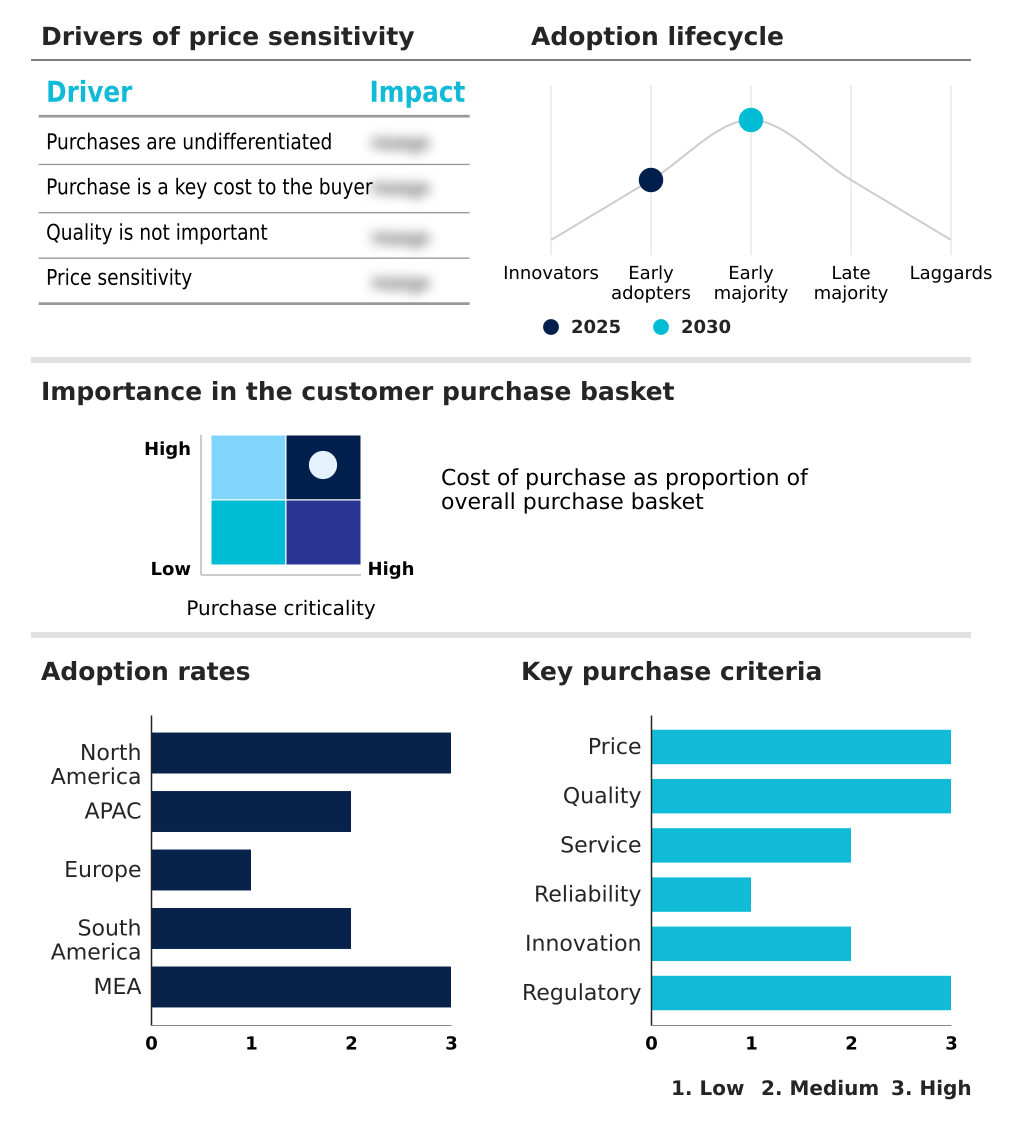
Customer Landscape of High-end Bicycle Industry
Competitive Landscape
Companies are implementing various strategies, such as strategic alliances, high-end bicycle market forecast, partnerships, mergers and acquisitions, geographical expansion, and product/service launches, to enhance their presence in the industry.
Argon 18 Inc - Delivering aerodynamic road and triathlon bicycles engineered with advanced carbon frames, focusing on precision and performance for competitive and enthusiast cyclists.
The industry research and growth report includes detailed analyses of the competitive landscape of the market and information about key companies, including:
- Argon 18 Inc
- BH BIKES EUROPE SL
- Cicli Pinarello Srl
- Cycleurope AB
- Cycling Sports Group Inc.
- DAHON North America Inc.
- F.I.V.E. Bianchi Spa
- Giant Bicycle Inc.
- Kalkhoff Werke GmbH
- Klever Mobility Europe GmbH
- Kona Bicycle Co.
- LAPIERRE SA
- LOOK Cycle International
- Marin Mountain Bikes Inc.
- Merida Industry Co. Ltd.
- Orbea S. Coop.
- Passoni
- Santa Cruz Bicycles LLC
- Specialized Bicycle Components
- Storck Bicycle GmbH
- Trek Bicycle Corp.
- Wilier Triestina SpA
Qualitative and quantitative analysis of companies has been conducted to help clients understand the wider business environment as well as the strengths and weaknesses of key industry players. Data is qualitatively analyzed to categorize companies as pure play, category-focused, industry-focused, and diversified; it is quantitatively analyzed to categorize companies as dominant, leading, strong, tentative, and weak.
Recent Development and News in High-end bicycle market
- In September 2024, The Union Cycliste Internationale (UCI) announced amendments to its technical regulations for road racing, establishing new minimum handlebar widths and maximum wheel rim depths, which will directly impact future equipment design and aerodynamic strategies.
- In October 2024, Trek Bicycle unveiled a limited-edition anniversary model, the Madone SLR 9 AXS First 50, which showcases advanced customization by integrating complex iconography directly into the carbon layup through its Project One ICON framework.
- In January 2025, Specialized Bicycle Components launched the new Levo R electric mountain bike, introducing the S-Works 3.1 motor paired with a proprietary Dynamic Micro Tune software interface to align motor assistance with rider power output.
- In March 2025, Giant Bicycle Inc. introduced refined versions of its TCR and Propel road bike ranges, incorporating fully integrated cockpits and re-engineered suspension systems to enhance aerodynamic efficiency and ride quality for competitive cyclists.
Dive into Technavio’s robust research methodology, blending expert interviews, extensive data synthesis, and validated models for unparalleled High-end Bicycle Market insights. See full methodology.
| Market Scope | |
|---|---|
| Page number | 292 |
| Base year | 2025 |
| Historic period | 2020-2024 |
| Forecast period | 2026-2030 |
| Growth momentum & CAGR | Accelerate at a CAGR of 7.2% |
| Market growth 2026-2030 | USD 6636.0 million |
| Market structure | Fragmented |
| YoY growth 2025-2026(%) | 6.7% |
| Key countries | US, Canada, Mexico, China, Japan, Australia, Thailand, Indonesia, Taiwan, Germany, France, Italy, Belgium, Spain, The Netherlands, Brazil, Argentina, Chile, UAE, South Africa, Saudi Arabia, Kenya and Morocco |
| Competitive landscape | Leading Companies, Market Positioning of Companies, Competitive Strategies, and Industry Risks |
Research Analyst Overview
- The high-end bicycle market is undergoing a profound transformation, driven by the fusion of material science and digital systems. The industry standard is now defined by high-modulus carbon fiber frames, created with advanced carbon fiber layup techniques and shaped by computational fluid dynamics to perfect aerodynamic frame geometry.
- Key features like hydraulic disc brakes, tubeless tire technology, and dropper seatpost integration are ubiquitous. Drivetrains have evolved with wireless electronic shifting, integrated electronic groupsets, and adaptive smart-shifting algorithms. The pursuit of aerodynamic efficiency has led to the widespread adoption of integrated cockpit design and internal cable routing.
- In the e-bike segment, powerful mid-drive motor systems are paired with high-energy-density battery packs. This technological convergence forces a critical boardroom decision: whether to invest in platforms for bespoke frame configuration, which have seen a 40% increase in customer engagement, or to scale production using generative frame design.
- This choice between mass customization and AI-driven optimization will define the next generation of market leaders, influencing everything from monocoque carbon frames for track bikes to those with progressive frame geometry for gravel.
What are the Key Data Covered in this High-end Bicycle Market Research and Growth Report?
-
What is the expected growth of the High-end Bicycle Market between 2026 and 2030?
-
USD 6.64 billion, at a CAGR of 7.2%
-
-
What segmentation does the market report cover?
-
The report is segmented by Product (Hybrid bikes, Mountain bikes, Road bikes, Track bikes, and Others), Distribution Channel (Offline, and Online), End-user (Enthusiasts, and Professional cyclists) and Geography (North America, APAC, Europe, South America, Middle East and Africa)
-
-
Which regions are analyzed in the report?
-
North America, APAC, Europe, South America and Middle East and Africa
-
-
What are the key growth drivers and market challenges?
-
High-density electric integration and industrialization of weight-optimized performance E-systems, Crisis of inventory imbalance and post-pandemic correction of capital liquidity
-
-
Who are the major players in the High-end Bicycle Market?
-
Argon 18 Inc, BH BIKES EUROPE SL, Cicli Pinarello Srl, Cycleurope AB, Cycling Sports Group Inc., DAHON North America Inc., F.I.V.E. Bianchi Spa, Giant Bicycle Inc., Kalkhoff Werke GmbH, Klever Mobility Europe GmbH, Kona Bicycle Co., LAPIERRE SA, LOOK Cycle International, Marin Mountain Bikes Inc., Merida Industry Co. Ltd., Orbea S. Coop., Passoni, Santa Cruz Bicycles LLC, Specialized Bicycle Components, Storck Bicycle GmbH, Trek Bicycle Corp. and Wilier Triestina SpA
-
Market Research Insights
- The competitive landscape is increasingly shaped by innovations in material science and digital functionality. The use of advanced composite materials, including eco-friendly resin composites and recycled carbon fiber, is becoming a key differentiator. Firms applying rider-first engineering principles report a 20% improvement in handling consistency across different frame sizes.
- This focus on tailored performance is complemented by digital enhancements, with over-the-air firmware updates allowing for continuous improvement of electronic systems. Advanced techniques such as custom carbon tuning and finite element analysis (FEA) are employed to refine frame characteristics like chainstay length optimization.
- The adoption of recycled carbon fiber in manufacturing processes has concurrently reduced material waste by up to 30%, aligning performance goals with sustainability mandates. This synergy of physical and digital refinement is critical for maintaining a competitive edge.
We can help! Our analysts can customize this high-end bicycle market research report to meet your requirements.
 RIA -
RIA - 
