


Intelligent Vending Machine Market Size 2025-2029
The intelligent vending machine market size is forecast to increase by USD 35.16 billion, at a CAGR of 30.7% between 2024 and 2029.
- The market is witnessing significant growth due to the increasing demand for cashless payment options in vending machines. This trend is driven by the convenience and speed that cashless transactions offer, making vending machines more appealing to consumers. Furthermore, the integration of real-time data collection capabilities in intelligent vending machines is revolutionizing the industry. This technology enables operators to monitor inventory levels, consumer preferences, and machine performance in real-time, leading to improved efficiency and productivity. However, the market faces challenges that require careful attention. The rise in theft and vandalism incidents is a significant concern for market players.
- To mitigate these risks, companies are investing in advanced security features such as biometric authentication and remote monitoring systems. These solutions not only enhance the security of the machines but also provide valuable data that can be used to optimize operations and enhance the consumer experience. Overall, the market presents numerous opportunities for growth, driven by consumer preferences for cashless transactions and the ability to collect real-time data. Companies that effectively address the challenges, particularly those related to security, will be well-positioned to capitalize on these trends and succeed in the market.
What will be the Size of the Intelligent Vending Machine Market during the forecast period?
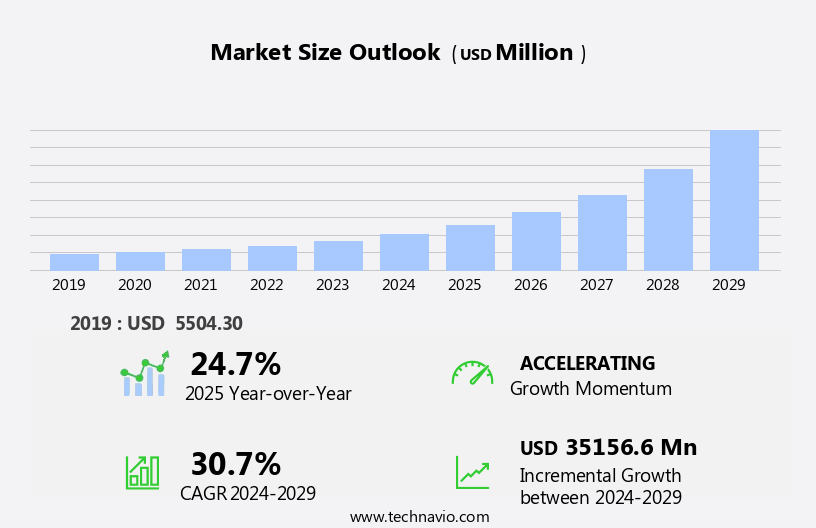
Explore in-depth regional segment analysis with market size data - historical 2019-2023 and forecasts 2025-2029 - in the full report.
Request Free Sample
The market continues to evolve, driven by advancements in technology and shifting consumer preferences. Seamlessly integrated components, such as component sourcing, beverage dispensers, customer loyalty programs, user authentication, technical support, and quality control, ensure optimal performance and customer satisfaction. Temperature control, customizable configurations, and product lifecycle management maintain freshness and availability of offerings. Automated cleaning, material science, and cashless payment systems enhance the user experience and promote hygiene. Network security, maintenance alerts, and cloud connectivity enable remote monitoring and sales reporting through mobile applications. Stock replenishment, warranty management, and remote diagnostics facilitate efficient operations and reduce downtime. Touchscreen interfaces, waste management, promotional capabilities, energy efficiency, and IoT integration cater to diverse customer needs.
Inventory management, security systems, data analytics, customer support, data encryption, digital signage, and training programs further strengthen the market's offerings. Regulatory compliance, software updates, and company management ensure industry standards are met, as the market continues to unfold with ongoing innovation.
How is this Intelligent Vending Machine Industry segmented?
The intelligent vending machine industry research report provides comprehensive data (region-wise segment analysis), with forecasts and estimates in "USD million" for the period 2025-2029, as well as historical data from 2019-2023 for the following segments.
- Product
- Beverage
- Food
- Tobacco
- Installation Sites
- Retail sites
- Public transport hubs
- Offices
- Application
- Manufacturing
- Commercial malls & retail stores
- Offices
- Educational institutes
- Others
- Technology Specificity
- Cashless Payment
- IoT Connectivity
- Touchscreen Interfaces
- Product Types
- Snack Vending
- Beverage Vending
- Combination Vending
- Geography
- North America
- US
- Canada
- Mexico
- Europe
- France
- Germany
- Italy
- Spain
- UK
- Middle East and Africa
- UAE
- APAC
- China
- India
- Japan
- South Korea
- South America
- Brazil
- Rest of World (ROW)
- North America
By Product Insights
The beverage segment is estimated to witness significant growth during the forecast period.
Intelligent vending machines have witnessed significant advancements in recent years, integrating various technologies to enhance user experience and streamline operations. Beverages continue to dominate the market, with countries like Spain, Germany, and the UK leading in sales due to their high consumer preferences. The food and drink industry in the EU, as per FoodDrinkEurope's latest data in 2024, generated a turnover of USD1.236 trillion and USD258.25 billion in value added, employing around 4.7 million people. North America, particularly Canada, also shows notable consumption of alcoholic beverages, surpassing the global average. These machines offer customizable configurations, including beverage dispensers, snack dispensers, and product recognition, catering to diverse consumer needs.
User authentication, cashless payment systems, and API integrations ensure a seamless transaction process. Hygiene standards, temperature control, and automated cleaning maintain product quality, while refrigeration technology and inventory management optimize stock levels. company management, software updates, and remote diagnostics enable efficient maintenance and technical support. Modular design, accessibility features, and network security cater to various user demographics and ensure data security. Remote monitoring, sales reporting, and mobile applications facilitate real-time tracking and analysis. Energy efficiency, IoT integration, and data analytics further optimize machine performance and reduce operational costs. Quality control, regulatory compliance, and warranty management ensure customer satisfaction and trust.
Training programs and customer support provide essential knowledge and assistance. Material science and product lifecycle management contribute to the development of advanced vending machines. Maintenance alerts, cloud connectivity, and data encryption further enhance the overall functionality and security of these machines.
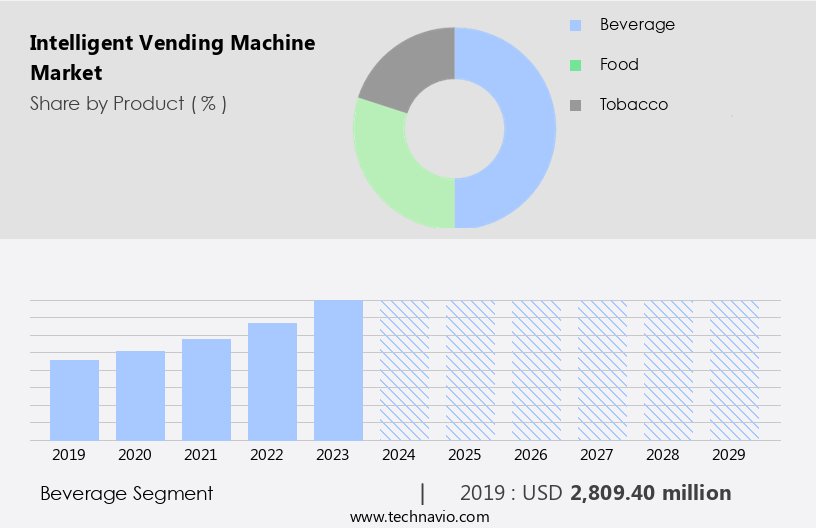
The Beverage segment was valued at USD 2.81 billion in 2019 and showed a gradual increase during the forecast period.
Regional Analysis
North America is estimated to contribute 37% to the growth of the global market during the forecast period.Technavio’s analysts have elaborately explained the regional trends and drivers that shape the market during the forecast period.
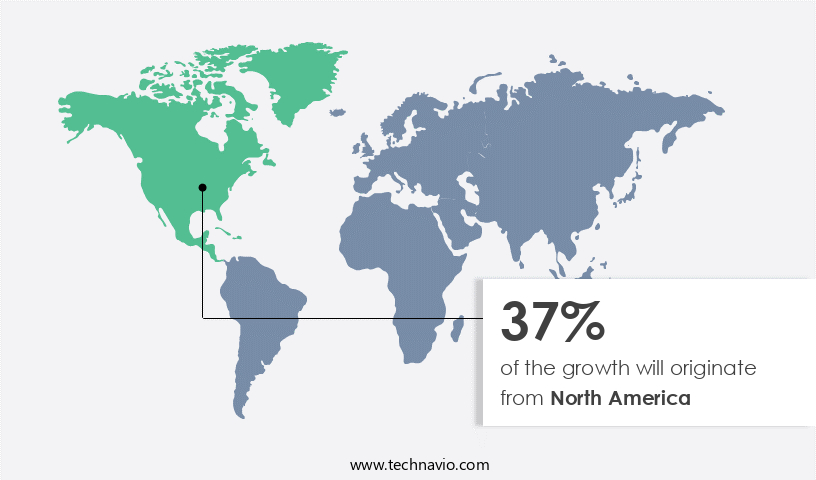
The market in North America is experiencing significant growth due to the increasing preference for self-service, technologically advanced solutions in retail outlets. The region, which includes the US and Canada, is a major contributor to the global market revenue. The popularity of vending machines, the concentration of manufacturers and retailers, and the awareness of advanced technologies among consumers are key drivers of market expansion. Intelligent vending machines, equipped with features such as user authentication, temperature control, product recognition, and customizable configurations, are in high demand. These machines offer a superior user experience through touchscreen interfaces, cashless payment systems, and remote monitoring capabilities.
Additionally, they prioritize hygiene standards, network security, and regulatory compliance. Manufacturers are integrating various technologies like refrigeration technology, IoT, and data analytics to enhance the functionality of these machines. They offer remote diagnostics, maintenance alerts, and cloud connectivity for seamless operations. Furthermore, the market caters to accessibility features and waste management to accommodate diverse customer needs. The supply chain is streamlined through inventory management, company management, and sales reporting. API integrations enable seamless data exchange between systems, while training programs ensure efficient installation and usage of these machines. The market also focuses on energy efficiency and promotional capabilities to attract customers.
In conclusion, the market in North America is thriving due to the increasing demand for advanced, interactive, and self-help solutions. The market is characterized by continuous innovation, integration of advanced technologies, and a focus on customer satisfaction.
Market Dynamics
Our researchers analyzed the data with 2024 as the base year, along with the key drivers, trends, and challenges. A holistic analysis of drivers will help companies refine their marketing strategies to gain a competitive advantage.
In the dynamic and innovative world of automated retail, the market continues to thrive, offering convenience and efficiency like never before. These advanced machines utilize technologies such as artificial intelligence, machine learning, and internet connectivity to provide personalized experiences for consumers. RFID and biometric sensors enable contactless transactions, while real-time inventory management ensures product availability. Energy efficiency, solar power, and remote monitoring are essential features, reducing environmental impact and operational costs. The market caters to various sectors, including healthcare, education, transportation, and hospitality, offering customized solutions. With the integration of mobile applications and IoT devices, the future of intelligent vending machines is promising, revolutionizing the way we access goods and services.
What are the key market drivers leading to the rise in the adoption of Intelligent Vending Machine Industry?
- The increasing preference for cashless transactions is primarily fueling the market expansion, with a significant rise in demand for cashless vending machines.
- Intelligent vending machines, equipped with cashless payment capabilities, have witnessed substantial growth since 2015. The proliferation of smartphones and the increasing preference for contactless transactions using debit cards, credit cards, and mobile payments have driven this trend. Retailers are increasingly installing these machines in offices, commercial complexes, institutions, hospitals, and hotels to cater to customers' evolving needs. Component sourcing for these machines includes beverage dispensers, user authentication systems, technical support, quality control, temperature control, customizable configurations, product lifecycle management, automated cleaning, and material science. These features enhance the customer experience, boosting loyalty programs and sales. Moreover, intelligent vending machines offer retrofitting options, allowing companies to upgrade existing machines with cashless transaction facilities.
- This flexibility caters to the dynamic market demands and ensures the machines remain relevant and competitive. In conclusion, the market dynamics of intelligent vending machines are driven by the shift towards cashless transactions, technological advancements, and customer preferences. Retailers are investing in these machines to provide a seamless and immersive buying experience, ultimately fostering long-term customer relationships.
What are the market trends shaping the Intelligent Vending Machine Industry?
- Intelligent vending machines are emerging as the new market trend, enabling real-time data collection for enhanced consumer experience and operational efficiency. These advanced machines utilize technology such as IoT sensors and RFID readers to gather valuable data on inventory levels, consumer preferences, and transaction patterns.
- Intelligent vending machines offer advanced functionalities beyond product dispensing, integrating cashless payment systems, supply chain management, and customer analytics. These machines utilize internet connectivity for real-time data collection and analysis, enabling retailers to optimize inventory management, monitor sales trends, and personalize marketing efforts. API integrations facilitate seamless data exchange with external systems, while refrigeration technology ensures product freshness. Hygiene standards are maintained through modular design, allowing for easy cleaning and maintenance.
- Accessibility features cater to diverse user needs, and network security measures protect customer data. Maintenance alerts are sent in real-time, ensuring timely servicing and minimizing downtime. Cloud connectivity allows for remote monitoring and management, enhancing operational efficiency.
What challenges does the Intelligent Vending Machine Industry face during its growth?
- The escalating issues of theft and vandalism pose a significant challenge to the industry's growth trajectory.
- Intelligent vending machines, characterized by product recognition, remote monitoring, sales reporting, and mobile applications, are experiencing significant growth in various industries. However, regulatory compliance and security concerns are key challenges. companies must ensure their machines adhere to industry standards and undergo regular software updates to maintain optimal performance and security. company management is crucial for effective maintenance and stock replenishment. Remote diagnostics enable quick identification and resolution of issues, reducing downtime. Warranty management is essential for maintaining customer satisfaction and trust. Despite these advancements, concerns around data security and potential hacking remain. As the use of connected devices becomes more prevalent, it is imperative for end-users to prioritize robust security measures.
- These include encryption, access control, and regular software updates. Remote monitoring and real-time sales reporting enable efficient inventory management and stock replenishment. Mobile applications offer convenience and flexibility for customers. companies must prioritize these features while addressing regulatory compliance and security concerns to ensure the continued growth and success of the market.
Exclusive Customer Landscape
The intelligent vending machine market forecasting report includes the adoption lifecycle of the market, covering from the innovator’s stage to the laggard’s stage. It focuses on adoption rates in different regions based on penetration. Furthermore, the intelligent vending machine market report also includes key purchase criteria and drivers of price sensitivity to help companies evaluate and develop their market growth analysis strategies.
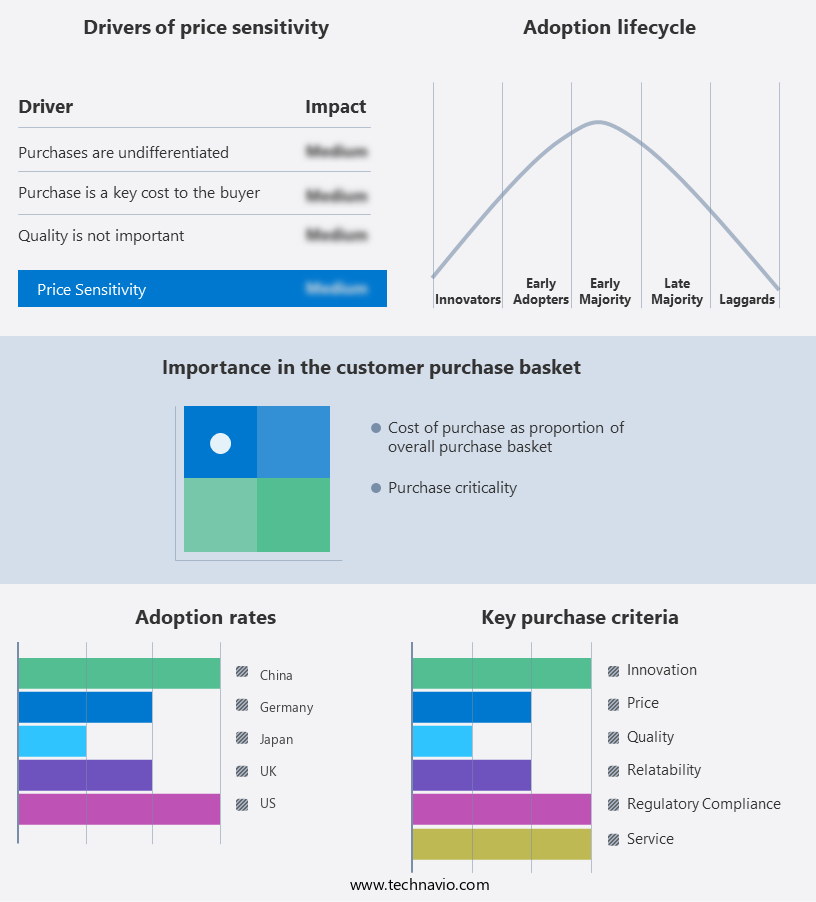
Customer Landscape
Key Companies & Market Insights
Companies are implementing various strategies, such as strategic alliances, intelligent vending machine market forecast, partnerships, mergers and acquisitions, geographical expansion, and product/service launches, to enhance their presence in the industry.
Crane Co. (United States) - A leading technology firm introduces an innovative vending solution: the Fanless Arm-based Box PC. This intelligent machine optimizes inventory management and user experience, delivering customized products on demand. Its energy-efficient design enhances sustainability, while advanced analytics provide actionable insights.
The industry research and growth report includes detailed analyses of the competitive landscape of the market and information about key companies, including:
- Crane Co. (United States)
- Azkoyen Group (Spain)
- Fuji Electric Co., Ltd. (Japan)
- Sanden Holdings Corporation (Japan)
- Selecta Group B.V. (Switzerland)
- Westomatic Vending Services Ltd. (United Kingdom)
- Bianchi Vending Group (Italy)
- N&W Global Vending S.p.A. (Italy)
- Seaga Manufacturing Inc. (United States)
- Royal Vendors Inc. (United States)
- Automated Merchandising Systems Inc. (United States)
- Jofemar S.A. (Spain)
- Rhea Vendors Group (Italy)
- Fastcorp Vending LLC (United States)
- Vendiman Pvt. Ltd. (India)
- Wittern Group Inc. (United States)
- TCN Vending Machine Co., Ltd. (China)
- Sielaff GmbH & Co. KG (Germy)
- Vending Design Works Ltd. (United Kingdom)
- Zoom Systems (United States)
Qualitative and quantitative analysis of companies has been conducted to help clients understand the wider business environment as well as the strengths and weaknesses of key industry players. Data is qualitatively analyzed to categorize companies as pure play, category-focused, industry-focused, and diversified; it is quantitatively analyzed to categorize companies as dominant, leading, strong, tentative, and weak.
Recent Development and News in Intelligent Vending Machine Market
- In January 2024, Nestle, the global food and beverage company, announced the launch of its new Nescafe Dolce Gusto Intelligent Vending Machine, which uses advanced AI technology to suggest beverage choices based on consumer preferences and weather conditions (Nestle Press Release, 2024).
- In March 2024, Coca-Cola and PepsiCo, two major beverage giants, formed a strategic partnership to invest in and jointly develop smart vending machines equipped with facial recognition technology, aiming to personalize consumer experiences and increase sales (Reuters, 2024).
- In April 2025, Panasonic Corporation, a leading technology company, secured a significant investment of USD150 million from SoftBank Vision Fund to expand its production capacity and accelerate the development of its line of intelligent vending machines, targeting a 30% market share by 2028 (Bloomberg, 2025).
- In May 2025, the European Union passed a new regulation mandating the installation of intelligent vending machines in all public places, including schools, hospitals, and transportation hubs, to provide healthier food and beverage options and reduce plastic waste (European Parliament Press Release, 2025).
Research Analyst Overview
- In the intelligent vending market, product optimization and machine learning are driving innovation, enabling vending machines to adapt to customer preferences and demand. Cloud platforms facilitate real-time data access for marketing automation and sales forecasting, while thermal printers and digital displays enhance the customer experience. Payment gateways and risk management systems ensure secure transactions, and bill acceptors and coin mechanisms cater to various payment methods. Strategic planning and cost optimization are crucial for businesses, with big data analysis and financial modeling providing valuable insights.
- Network protocols and wireless communication enable seamless integration with business intelligence and data visualization tools. RFID technology and camera systems enable advanced customer segmentation and pricing strategies, while lifecycle cost analysis and profitability analysis ensure long-term profitability. Embedded systems and AI further optimize vending machine operations, making vending a strategic business tool.
Dive into Technavio’s robust research methodology, blending expert interviews, extensive data synthesis, and validated models for unparalleled Intelligent Vending Machine Market insights. See full methodology.
|
Market Scope |
|
|
Report Coverage |
Details |
|
Page number |
199 |
|
Base year |
2024 |
|
Historic period |
2019-2023 |
|
Forecast period |
2025-2029 |
|
Growth momentum & CAGR |
Accelerate at a CAGR of 30.7% |
|
Market growth 2025-2029 |
USD 35156.6 million |
|
Market structure |
Fragmented |
|
YoY growth 2024-2025(%) |
24.7 |
|
Key countries |
US, China, Germany, Canada, India, South Korea, France, Japan, Italy, Brazil, UAE, UK, Spain, and Mexico |
|
Competitive landscape |
Leading Companies, Market Positioning of Companies, Competitive Strategies, and Industry Risks |
What are the Key Data Covered in this Intelligent Vending Machine Market Research and Growth Report?
- CAGR of the Intelligent Vending Machine industry during the forecast period
- Detailed information on factors that will drive the growth and forecasting between 2025 and 2029
- Precise estimation of the size of the market and its contribution of the industry in focus to the parent market
- Accurate predictions about upcoming growth and trends and changes in consumer behaviour
- Growth of the market across North America, Europe, APAC, South America, and Middle East and Africa
- Thorough analysis of the market’s competitive landscape and detailed information about companies
- Comprehensive analysis of factors that will challenge the intelligent vending machine market growth of industry companies
We can help! Our analysts can customize this intelligent vending machine market research report to meet your requirements.
 RIA -
RIA - 
