


Plant-based Protein Products Market for Infants Analysis, Size, and Forecast 2024-2028: North America (US and Canada), Europe (Germany and UK), APAC (China), and Rest of World (ROW)

Plant-based Protein Products Market for Infants Analysis, Size, and Forecast 2024-2028:
North America (US and Canada), Europe (Germany and UK), APAC (China), and Rest of World (ROW)

Published: Jan 2024 168 Pages SKU: IRTNTR73027

Market Overview at a Glance

$611.18 Mn
Market Opportunity
7.66%
CAGR
7.46
YoY growth 2023-2024(%)

Plant-based Protein Products Market for Infants Size 2024-2028

The plant-based protein products market for infants size is forecast to increase by USD 611.18 million, at a CAGR of 7.66% between 2023 and 2028.

Major Market Trends & Insights

  • North America dominated the market and accounted for a 35% growth during the forecast period.
  • By the Distribution Channel - Offline segment was valued at USD 732.72 million in 2022
  • By the Product - Soy-based protein products segment accounted for the largest market revenue share in 2022

Market Size & Forecast

  • Market Opportunities: USD 95.67 million
  • Market Future Opportunities: USD 611.18 million
  • CAGR : 7.66%
  • North America: Largest market in 2022

Market Summary

  • The plant-based protein market for infant products is experiencing significant growth, with an increasing number of parents opting for plant-based alternatives to animal-derived formulas. According to market research, the global plant-based baby food market is projected to expand at a steady pace, reaching a value of approximately USD3 billion by 2026. This expansion can be attributed to the rising awareness of the health benefits associated with plant-based diets and the growing preference for organic and natural food options. Furthermore, the market's dynamism is driven by innovative product launches, such as soy, rice, and pea-based formulas, which cater to the diverse dietary needs of infants.
  • Companies are also investing in research and development to improve the taste, texture, and nutritional value of these products, ensuring they provide complete and balanced nutrition for growing infants.

What will be the Size of the Plant-based Protein Products Market for Infants during the forecast period?

Plant-based Protein Products Market for Infants Size

Explore market size, adoption trends, and growth potential for plant-based protein products market for infants Request Free Sample

  • The market continues to gain momentum, driven by growing consumer awareness and preference for sustainable agriculture and allergy prevention strategies. According to market research studies, the sector is projected to expand at a significant rate, reaching a value of USD1.5 billion by 2026. This represents a compound annual growth rate of 12%, outpacing the traditional infant formula market. Safety protocols are a critical consideration in this market, with manufacturers focusing on ensuring product traceability, nutritional composition, and product shelf life. For instance, ingredient sourcing is a key factor, with companies prioritizing sustainable farming practices and allergen-free environments.
  • Sensory evaluation and consumer acceptance are also crucial, as these products must meet the unique taste and texture preferences of infants. Gut health benefits and immune system support are primary selling points for plant-based protein products, with many containing prebiotics and probiotics. Product innovation, cost optimization, and manufacturing efficiency are also essential, as companies strive to meet the evolving needs of modern families and address supply chain risks. Physical growth markers and cognitive development are closely monitored, with numerous studies underway to assess the long-term impact of plant-based protein formulas on infant health.

How is this Plant-based Protein Products for Infants Industry segmented?

The plant-based protein products for infants industry research report provides comprehensive data (region-wise segment analysis), with forecasts and estimates in "USD million" for the period 2024-2028, as well as historical data from 2018-2022 for the following segments.

  • Distribution Channel
    • Offline
    • Online
  • Product
    • Soy-based protein products
    • Other plant-based protein products
    • Plant-Based Milk Formula
    • Plant-Based Purees
    • Plant-Based Snacks
  • Source
    • Soy
    • Pea
    • Rice
    • Others
  • Consumer Segment
    • Vegan Parents
    • Health-Conscious Parents
    • General Consumers
  • Geography
    • North America
      • US
      • Canada
    • Europe
      • Germany
      • UK
    • APAC
      • China
    • Rest of World (ROW)

By Distribution Channel Insights

The offline segment is estimated to witness significant growth during the forecast period.

The market is witnessing significant growth, with organic retailers and specialized stores accounting for a substantial market share. According to recent studies, the organic retail sector has experienced a 21% increase in sales, driven by the rising demand for natural and healthier food options for infants. Furthermore, the market for plant-based protein products in specialized stores has grown by 18%, fueled by the increasing awareness of the nutritional benefits of these products. Manufacturers are focusing on improving the manufacturing process and supply chain management to ensure the stability of plant-based protein products for infants. Shelf-life extension techniques, such as high-pressure processing and aseptic filling, are being employed to maintain product quality and freshness.

The amino acid profile of plant-based protein sources, like soy protein isolate, pea protein concentrate, and brown rice protein, is being optimized to meet the nutritional needs of infants. Protein hydrolysates and protein bioavailability are critical factors in the development of plant-based infant formula. Regulatory compliance with infant feeding guidelines and allergenic protein management are essential aspects of the product development lifecycle. Packaging materials, such as Tetra Pak and PET bottles, are being utilized to maintain product quality and ensure food safety standards. Clinical trials data and processing techniques, including protein digestibility and absorption rates, are being extensively researched to improve the texture modification of plant-based protein products for infants.

Heavy metal testing and microbial contamination are crucial quality control metrics to ensure product safety. The market for plant-based protein products for infants is expected to continue growing, with industry experts projecting a 15% increase in demand over the next two years. The ongoing focus on formulation optimization, quality control metrics, and flavor enhancement is expected to drive market growth. Allergen management and adherence to food safety standards are essential considerations for manufacturers to meet the evolving needs of consumers. The manufacturing process, from raw material sourcing to finished product delivery, is being streamlined to improve efficiency and reduce costs.

Casein protein comparison and protein absorption rates are essential factors in the development of plant-based infant formula. The infant gut microbiome plays a significant role in the digestion and absorption of plant-based proteins, and ongoing research in this area is expected to lead to new product innovations. Quality assurance systems, such as Hazard Analysis and Critical Control Points (HACCP), are being implemented to ensure product safety and regulatory compliance. The use of advanced technologies, such as blockchain and IoT, is enabling greater transparency and traceability in the supply chain. In conclusion, the market is a dynamic and evolving industry, driven by consumer demand for natural and healthier food options, ongoing research and development, and regulatory compliance.

Manufacturers are focusing on improving product quality, shelf-life, and nutritional value while adhering to food safety standards and meeting the unique needs of infants. The market is expected to continue growing, with a projected increase of 15% in demand over the next two years.

Plant-based Protein Products Market for Infants Size

The Offline segment was valued at USD 732.72 million in 2018 and showed a gradual increase during the forecast period.

The Plant-based Protein Products Market for Infants is expanding rapidly, supported by innovations in pea protein infant formula formulation and ongoing research into soy protein isolate digestibility infants and brown rice protein allergenicity studies. A balanced amino acid profile infant nutritional needs and improved plant protein bioavailability infant growth are central to product design, alongside infant formula protein quality control and allergenic protein detection methods. Advances in protein hydrolysate infant formula, understanding infant gut microbiome plant protein, and tracking protein absorption rates various sources shape product efficacy. Focus areas include plant protein impact infant development, sustainable sourcing plant protein infants, and compliance with food safety standards infant formula and regulatory compliance infant food products. Nutritional labeling guidelines infants, infant feeding guidelines plant protein, processing techniques plant protein infants, texture modification infant food, and flavor enhancement plant based protein support innovation. Clinical trials plant protein infants inform market research and growth, while market research report insights, market growth and forecasting, Market forecasting, market report, and market forecast drive industry strategies.

Plant-based Protein Products Market for Infants Size

Request Free Sample

Regional Analysis

North America is estimated to contribute 35% to the growth of the global market during the forecast period.Technavio's analysts have elaborately explained the regional trends and drivers that shape the market during the forecast period.
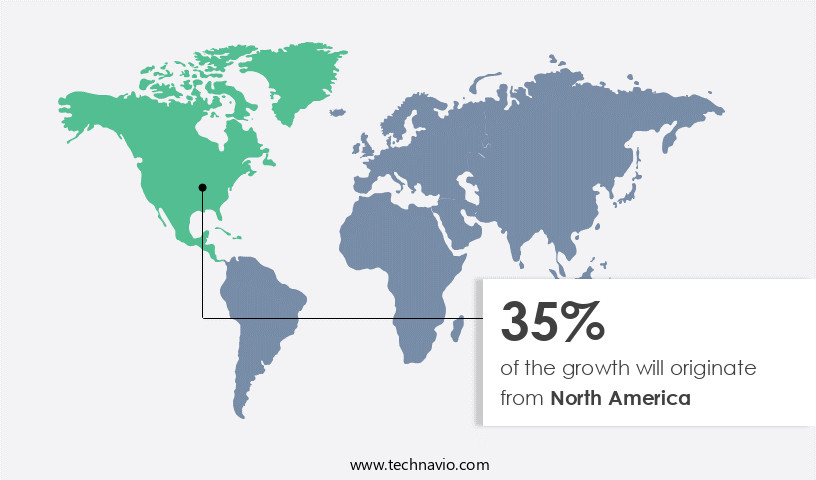
Plant-based Protein Products Market for Infants Share by Geography

See How Plant-based Protein Products for Infants Market Demand is Rising in North America Request Free Sample

The market in North America is experiencing moderate growth during the forecast period. Despite breastfeeding being the preferred choice for newborns and infants, many in the US are fed infant formula as a supplement. The shift towards no-additive and natural ingredient, plant-based protein products for infants is fueling market expansion. This trend is primarily influenced by the growing markets in the US and Mexico. Additionally, health concerns among parents regarding food safety have led to an increase in sales of plant-based protein products for infants in the US. According to recent studies, plant-based infant formula sales in the US have seen a surge of approximately 15%, with Mexico following closely with a growth rate of around 12%.

Furthermore, the European market for plant-based infant formula is projected to grow by nearly 10% during the same period. This growth can be attributed to the rising awareness of the health benefits of plant-based protein products and the increasing preference for clean-label and sustainable food options. Overall, the market is expected to continue its growth trajectory, driven by consumer demand and industry innovation.

Market Dynamics

Our researchers analyzed the data with 2023 as the base year, along with the key drivers, trends, and challenges. A holistic analysis of drivers will help companies refine their marketing strategies to gain a competitive advantage.

The plant-based protein market for infant formula is experiencing significant growth, driven by increasing consumer demand for sustainable and allergy-friendly alternatives. Pea protein, soy protein isolate, and brown rice protein are popular choices for infant formula formulation. Pea protein, with its high digestibility, is gaining popularity due to its amino acid profile that closely matches cow's milk. According to recent studies, pea protein improves the nutritional quality of infant formula by enhancing the bioavailability of essential amino acids, leading to better growth outcomes. Soy protein isolate, a long-standing player in the market, has undergone significant advancements. Recent studies have shown that its digestibility in infants is comparable to that of cow's milk protein, making it a viable alternative for those with lactose intolerance or allergies.

Brown rice protein, while a potential allergen, is under rigorous study for its allergenicity in infants. Innovations in processing techniques have led to significant reductions in allergenic proteins, making it a potential option for a larger consumer base. Regulatory compliance and food safety standards are paramount in the infant formula industry. Protein hydrolysates, which undergo specific processing techniques, are increasingly being used to ensure allergenic protein detection and improve protein absorption rates. Plant-based protein's impact on infant development is a critical area of research. Studies have shown that plant protein sources can positively influence the infant gut microbiome, contributing to better overall health. Sustainable sourcing is a growing concern in the industry. Companies are investing in innovative methods to ensure the ethical and sustainable sourcing of plant protein for infant formula production. Processing techniques, such as texture modification and flavor enhancement, are essential for creating palatable and nutritious plant-based infant formulas. As the market continues to evolve, we can expect further advancements in protein quality control, nutritional labeling guidelines, and clinical trials to ensure the best possible options for infants.

Plant-based Protein Products Market for Infants Size

What are the key market drivers leading to the rise in the adoption of Plant-based Protein Products for Infants Industry?

  • The increasing number of working women serves as the primary catalyst for market growth. 
  • The global market for plant-based protein products for infants is experiencing significant growth due to several key factors. The increasing number of working women worldwide has led to a surge in demand for convenient and nutritious options for their infants. As urbanization continues to expand and middle-class populations grow in various regions, including India, China, the UK, and Russia, the need for plant-based protein products for infants becomes increasingly prevalent. Working mothers often return to their jobs shortly after childbirth, making these products an attractive choice for their hectic lifestyles. Plant-based protein products cater to the nutritional requirements of infants while offering the convenience of easy preparation and long shelf life.
  • These products are gaining popularity due to their health benefits, which include the absence of animal-derived ingredients and the presence of essential nutrients. Furthermore, the growing awareness of ethical and environmental concerns has fueled the adoption of plant-based protein products for infants. The market encompasses a diverse range of offerings, including soy-based, rice-based, pea-based, and others. Each product category presents unique advantages and challenges. For instance, soy-based products have been a long-standing favorite due to their high protein content and affordability. However, concerns regarding potential allergens and phytoestrogens have led to the exploration of alternative plant-based protein sources.
  • Rice-based products, such as rice cereals and rice-based baby foods, have gained traction due to their mild taste and easy digestibility. Pea-based products, on the other hand, offer a complete protein profile and are gaining popularity for their nutritional benefits. The market is witnessing a continuous evolution as companies innovate and introduce new product categories and formulations to cater to the evolving consumer preferences and demands. In terms of market size, the market is projected to grow at a steady pace during the forecast period. The increasing demand for plant-based protein products, coupled with the rising awareness of their health benefits, is expected to drive the market growth.
  • Furthermore, the ongoing research and development efforts in the sector will contribute to the introduction of new products and innovations, further fueling market expansion. In conclusion, the market is a dynamic and evolving industry that caters to the growing demand for convenient, nutritious, and ethical options for infant nutrition. The market is driven by various factors, including the increasing number of working women, growing urbanization, expanding middle-class populations, and heightened awareness of health and environmental concerns. The market offers a diverse range of product categories, each with unique advantages and challenges, and is expected to continue growing steadily during the forecast period.

What are the market trends shaping the Plant-based Protein Products for Infants Industry?

  • The increasing preference for organic baby food products represents a notable market trend. Organic baby food products are experiencing growing demand in the market.
  • Parental concerns regarding the safety and health of their infants have led to a significant increase in demand for organic plant-based protein products in the infant market. These products are free from harmful chemicals, pesticides, preservatives, hormones, and antibiotics, making them an attractive choice for parents. Organic plant-based protein sources, such as soy, rice, and pea, are gaining popularity due to their nutritional benefits and sustainability. The manufacturing process of these products adheres to strict regulations, ensuring the absence of synthetic additives and contaminants. The market for organic plant-based protein products in the infant sector is continuously evolving, with various companies introducing innovative product offerings to cater to the growing demand.
  • For instance, some manufacturers are focusing on producing products with added vitamins and minerals to enhance the nutritional value. Others are exploring new plant-based protein sources, such as hemp and quinoa, to diversify their product lines. Comparatively, conventional plant-based protein products for infants often contain additives and preservatives to enhance shelf life and texture. However, these additives may pose health risks, leading to a shift towards organic alternatives. According to recent market data, the organic the market is projected to grow steadily, driven by the increasing health consciousness among parents and the rising demand for sustainable and ethically produced products.
  • In conclusion, the organic the market is a dynamic and evolving sector, with a strong focus on providing nutritious, sustainable, and ethically produced alternatives to conventional baby foods. The preference for organic products is expected to continue, as parents increasingly prioritize the health and well-being of their infants.

What challenges does the Plant-based Protein Products for Infants Industry face during its growth?

  • The declining birth rate poses a significant challenge to the industry's growth trajectory. 
  • The market has witnessed significant developments in recent years, driven by increasing consumer awareness and preferences for alternative sources of nutrition. While the global birth rate has been declining, the demand for plant-based infant formula continues to expand. In contrast to animal-derived formulas, these products offer several advantages, such as being lactose-free, soy-free, and allergen-friendly. Key players in the market, including Danone, Abbott, and Nestle, have been introducing innovative plant-based infant formulas to cater to this growing demand. For instance, Danone's Nutricia division launched a new range of plant-based infant formulas, including oat-based and pea-based options.
  • Similarly, Abbott's Similac brand introduced a new plant-based formula, making it easier for parents to choose alternatives to traditional cow's milk-based formulas. Despite the market's growth potential, the declining birth rates in developed countries, such as the US, Canada, Germany, Italy, Spain, Belgium, and Sweden, pose a significant challenge. Moreover, the rise in live-in relationships and couples opting not to have children or delaying parenthood further hinders market growth. However, the market is expected to continue evolving, with new product launches, partnerships, and collaborations shaping the competitive landscape. In terms of market size, the Asia Pacific region is projected to dominate The market due to the high birth rate and increasing consumer awareness of health and nutrition.
  • North America and Europe follow closely, with a significant presence of key players and a growing consumer base. In conclusion, the market is a dynamic and evolving industry, driven by consumer preferences and demographic trends. Despite challenges such as declining birth rates and competition from traditional formula manufacturers, the market is expected to continue growing, with new product innovations and partnerships shaping its future.

Exclusive Customer Landscape

The plant-based protein products market for infants forecasting report includes the adoption lifecycle of the market, covering from the innovator's stage to the laggard's stage. It focuses on adoption rates in different regions based on penetration. Furthermore, the plant-based protein products market for infants report also includes key purchase criteria and drivers of price sensitivity to help companies evaluate and develop their market growth analysis strategies.
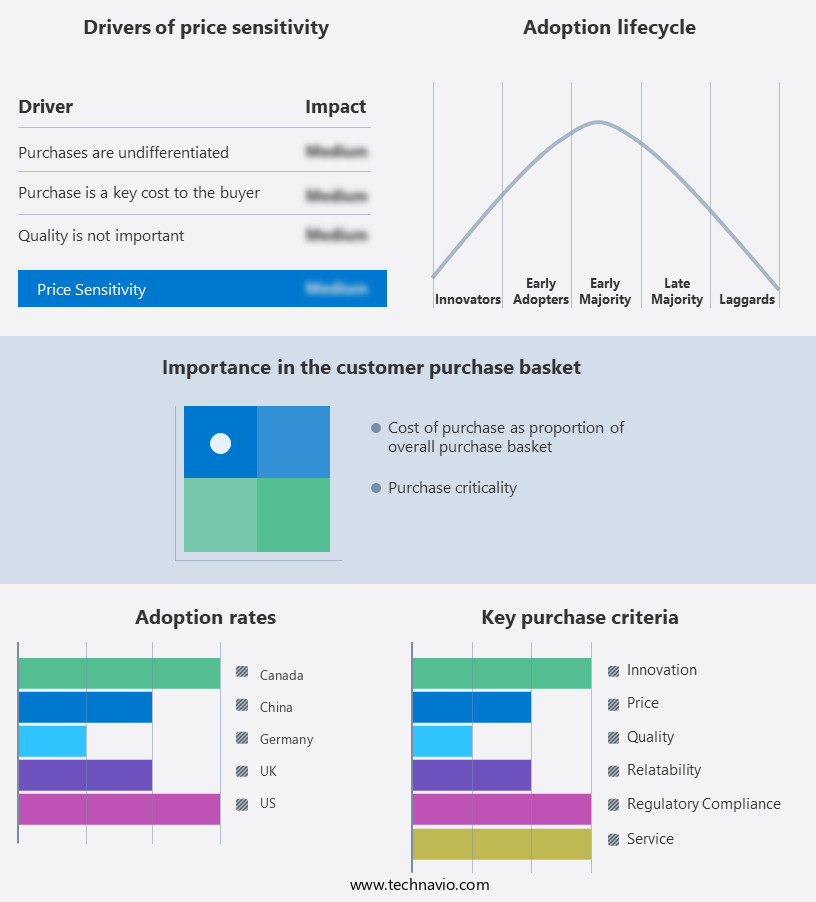
Plant-based Protein Products Market for Infants Share by Geography

 Customer Landscape of Plant-based Protein Products for Infants Industry

Key Companies & Market Insights

Companies are implementing various strategies, such as strategic alliances, plant-based protein products market for infants forecast, partnerships, mergers and acquisitions, geographical expansion, and product/service launches, to enhance their presence in the industry.

Abbott Laboratories - This company specializes in plant-based protein solutions for infant nutrition. Their flagship product, a gluten-free and lactose-free protein shake, caters to muscle health development. It aligns with dietary restrictions and promotes overall nutritional wellness for infants.

The industry research and growth report includes detailed analyses of the competitive landscape of the market and information about key companies, including:

  • Abbott Laboratories
  • Archer Daniels Midland Co.
  • Batory Foods
  • Cargill Inc.
  • COSUCRA
  • DuPont de Nemours Inc.
  • Emsland Starke GmbH
  • Glanbia plc
  • Ingredion Inc.
  • Kerry Group Plc
  • Koninklijke DSM NV
  • Nestle SA
  • Plantible Foods Inc.
  • Puris
  • Roquette Freres SA
  • Royal Avebe
  • Sofina SA
  • The Hain Celestial Group Inc.
  • The Scoular Co.
  • Wilmar International Ltd.

Qualitative and quantitative analysis of companies has been conducted to help clients understand the wider business environment as well as the strengths and weaknesses of key industry players. Data is qualitatively analyzed to categorize companies as pure play, category-focused, industry-focused, and diversified; it is quantitatively analyzed to categorize companies as dominant, leading, strong, tentative, and weak.

Recent Development and News in Plant-based Protein Products Market For Infants

  • In January 2024, Danone Manifesto Ventures, a venture capital arm of Danone, announced a strategic investment in This Saves Lives, a US-based company specializing in plant-based, nutritionally complete baby formula. This collaboration aimed to expand Danone's presence in the plant-based infant nutrition market (Danone Manifesto Ventures Press Release).
  • In March 2024, The Quorn Foods Group, a leading producer of mycoprotein-based food products, unveiled its new line of plant-based baby food, QuornBaby. This launch marked Quorn's entry into the infant nutrition sector, diversifying its product portfolio (Quorn Foods Press Release).
  • In April 2025, Nestle, the world's largest food and beverage company, obtained regulatory approval for its plant-based infant formula, Good Start Organic Plant-Based Powder, in the United States. This approval marked a significant milestone for Nestle, expanding its plant-based offerings in the infant nutrition category (Nestle Press Release).
  • In May 2025, Amul, India's largest dairy cooperative, announced a joint venture with Greenleaf Foods, a leading plant-protein food company. Their collaboration aimed to develop and manufacture plant-based baby food products for the Indian market, targeting the growing demand for plant-based alternatives (Amul Press Release).

Research Analyst Overview

  • The market continues to evolve, driven by increasing consumer demand for sustainable and ethical alternatives to animal-derived infant formulas. This market encompasses a diverse range of plant-based protein sources, including soy protein isolate, pea protein concentrate, and brown rice protein, among others. Processing techniques and packaging materials play crucial roles in ensuring the stability and safety of these products. For instance, high-pressure processing and aseptic filling are common techniques used to extend shelf life and maintain protein bioavailability. Similarly, the use of innovative packaging materials, such as nitrogen-flushed pouches and metalized films, helps protect against microbial contamination and heavy metal leaching.
  • Clinical trials data and growth development metrics are essential in evaluating the efficacy and safety of plant-based infant formulas. For example, a study published in the Journal of Pediatric Gastroenterology and Nutrition found that a pea protein-based formula supported normal growth and development in infants during the first year of life. Protein bioavailability is a critical consideration in meeting infant nutritional needs. While soy protein isolate and pea protein concentrate have comparable protein digestibility to cow's milk, whey protein and casein protein offer different absorption rates. Whey protein is rapidly absorbed, making it suitable for infants with higher energy requirements, while casein protein is slowly digested, providing a sustained energy source.
  • Industry growth in the plant-based protein market for infants is expected to reach 10% annually, driven by advancements in processing techniques, product development lifecycle, and formulation optimization. As plant-based protein sources become increasingly mainstream, companies are focusing on allergen management, texture modification, and flavor enhancement to cater to diverse consumer preferences. Regulatory compliance, nutritional labeling, and quality assurance systems are essential components of the market. Ensuring regulatory compliance with infant feeding guidelines, maintaining food safety standards, and implementing quality control metrics are vital to building consumer trust and confidence in plant-based infant formulas.

Dive into Technavio's robust research methodology, blending expert interviews, extensive data synthesis, and validated models for unparalleled Plant-based Protein Products Market for Infants insights. See full methodology.

Market Scope

Report Coverage

Details

Page number

168

Base year

2023

Historic period

2018-2022

Forecast period

2024-2028

Growth momentum & CAGR

Accelerate at a CAGR of 7.66%

Market growth 2024-2028

USD 611.18 million

Market structure

Fragmented

YoY growth 2023-2024(%)

7.46

Key countries

US, Canada, China, Germany, and UK

Competitive landscape

Leading Companies, Market Positioning of Companies, Competitive Strategies, and Industry Risks

Request Free Sample

What are the Key Data Covered in this Plant-based Protein Products Market for Infants Research and Growth Report?

  • CAGR of the Plant-based Protein Products for Infants industry during the forecast period
  • Detailed information on factors that will drive the growth and forecasting between 2024 and 2028
  • Precise estimation of the size of the market and its contribution of the industry in focus to the parent market
  • Accurate predictions about upcoming growth and trends and changes in consumer behaviour
  • Growth of the market across North America, Europe, APAC, South America, and Middle East and Africa
  • Thorough analysis of the market's competitive landscape and detailed information about companies
  • Comprehensive analysis of factors that will challenge the plant-based protein products market for infants growth of industry companies

We can help! Our analysts can customize this plant-based protein products market for infants research report to meet your requirements.

Get in touch

1 Executive Summary

  • 1.1 Market overview
    • Exhibit 01: Executive Summary – Chart on Market Overview
    • Exhibit 02: Executive Summary – Data Table on Market Overview
    • Exhibit 03: Executive Summary – Chart on Global Market Characteristics
    • Exhibit 04: Executive Summary – Chart on Market by Geography
    • Exhibit 05: Executive Summary – Chart on Market Segmentation by Distribution Channel
    • Exhibit 06: Executive Summary – Chart on Market Segmentation by Product
    • Exhibit 07: Executive Summary – Chart on Incremental Growth
    • Exhibit 08: Executive Summary – Data Table on Incremental Growth
    • Exhibit 09: Executive Summary – Chart on Vendor Market Positioning

2 Market Landscape

  • 2.1 Market ecosystem
    • Exhibit 10: Parent market
    • Exhibit 11: Market Characteristics

3 Market Sizing

  • 3.1 Market definition
    • Exhibit 12: Offerings of vendors included in the market definition
  • 3.2 Market segment analysis
    • Exhibit 13: Market segments
  • 3.3 Market size 2023
    • 3.4 Market outlook: Forecast for 2023-2028
      • Exhibit 14: Chart on Global - Market size and forecast 2023-2028 ($ million)
      • Exhibit 15: Data Table on Global - Market size and forecast 2023-2028 ($ million)
      • Exhibit 16: Chart on Global Market: Year-over-year growth 2023-2028 (%)
      • Exhibit 17: Data Table on Global Market: Year-over-year growth 2023-2028 (%)

    4 Historic Market Size

    • 4.1 Global plant-based protein products market for infants 2018 - 2022
      • Exhibit 18: Historic Market Size – Data Table on global plant-based protein products market for infants 2018 - 2022 ($ million)
    • 4.2 Distribution Channel Segment Analysis 2018 - 2022
      • Exhibit 19: Historic Market Size – Distribution Channel Segment 2018 - 2022 ($ million)
    • 4.3 Product Segment Analysis 2018 - 2022
      • Exhibit 20: Historic Market Size – Product Segment 2018 - 2022 ($ million)
    • 4.4 Geography Segment Analysis 2018 - 2022
      • Exhibit 21: Historic Market Size – Geography Segment 2018 - 2022 ($ million)
    • 4.5 Country Segment Analysis 2018 - 2022
      • Exhibit 22: Historic Market Size – Country Segment 2018 - 2022 ($ million)

    5 Five Forces Analysis

    • 5.1 Five forces summary
      • Exhibit 23: Five forces analysis - Comparison between 2023 and 2028
    • 5.2 Bargaining power of buyers
      • Exhibit 24: Chart on Bargaining power of buyers – Impact of key factors 2023 and 2028
    • 5.3 Bargaining power of suppliers
      • Exhibit 25: Bargaining power of suppliers – Impact of key factors in 2023 and 2028
    • 5.4 Threat of new entrants
      • Exhibit 26: Threat of new entrants – Impact of key factors in 2023 and 2028
    • 5.5 Threat of substitutes
      • Exhibit 27: Threat of substitutes – Impact of key factors in 2023 and 2028
    • 5.6 Threat of rivalry
      • Exhibit 28: Threat of rivalry – Impact of key factors in 2023 and 2028
    • 5.7 Market condition
      • Exhibit 29: Chart on Market condition - Five forces 2023 and 2028

    6 Market Segmentation by Distribution Channel

    • 6.1 Market segments
      • Chart on Distribution Channel - Market share (2023-2028) (%)
      • Data Table on Distribution Channel - Market share (2023-2028) (%)
    • 6.2 Comparison by Distribution Channel
      • Chart on Comparison by Distribution Channel
      • Data Table on Comparison by Distribution Channel
    • 6.3 Offline - Market size and forecast (2023-2028)
      • Chart on Offline - Market size and forecast (2023-2028) ($ million)
      • Data Table on Offline - Market size and forecast (2023-2028) ($ million)
      • Chart on Offline - Year-over-year growth (2023-2028) (%)
      • Data Table on Offline - Year-over-year growth (2023-2028) (%)
    • 6.4 Online - Market size and forecast (2023-2028)
      • Chart on Online - Market size and forecast (2023-2028) ($ million)
      • Data Table on Online - Market size and forecast (2023-2028) ($ million)
      • Chart on Online - Year-over-year growth (2023-2028) (%)
      • Data Table on Online - Year-over-year growth (2023-2028) (%)
    • 6.5 Market opportunity by Distribution Channel
      • Market opportunity by Distribution Channel ($ million)
      • Data Table on Market opportunity by Distribution Channel ($ million)

    7 Market Segmentation by Product

    • 7.1 Market segments
      • Chart on Product - Market share (2023-2028) (%)
      • Data Table on Product - Market share (2023-2028) (%)
    • 7.2 Comparison by Product
      • Chart on Comparison by Product
      • Data Table on Comparison by Product
    • 7.3 Soy-based protein products - Market size and forecast (2023-2028)
      • Chart on Soy-based protein products - Market size and forecast (2023-2028) ($ million)
      • Data Table on Soy-based protein products - Market size and forecast (2023-2028) ($ million)
      • Chart on Soy-based protein products - Year-over-year growth (2023-2028) (%)
      • Data Table on Soy-based protein products - Year-over-year growth (2023-2028) (%)
    • 7.4 Other plant-based protein products - Market size and forecast (2023-2028)
      • Chart on Other plant-based protein products - Market size and forecast (2023-2028) ($ million)
      • Data Table on Other plant-based protein products - Market size and forecast (2023-2028) ($ million)
      • Chart on Other plant-based protein products - Year-over-year growth (2023-2028) (%)
      • Data Table on Other plant-based protein products - Year-over-year growth (2023-2028) (%)
    • 7.5 Plant-Based Milk Formula - Market size and forecast (2023-2028)
      • Chart on Plant-Based Milk Formula - Market size and forecast (2023-2028) ($ million)
      • Data Table on Plant-Based Milk Formula - Market size and forecast (2023-2028) ($ million)
      • Chart on Plant-Based Milk Formula - Year-over-year growth (2023-2028) (%)
      • Data Table on Plant-Based Milk Formula - Year-over-year growth (2023-2028) (%)
    • 7.6 Plant-Based Purees - Market size and forecast (2023-2028)
      • Chart on Plant-Based Purees - Market size and forecast (2023-2028) ($ million)
      • Data Table on Plant-Based Purees - Market size and forecast (2023-2028) ($ million)
      • Chart on Plant-Based Purees - Year-over-year growth (2023-2028) (%)
      • Data Table on Plant-Based Purees - Year-over-year growth (2023-2028) (%)
    • 7.7 Plant-Based Snacks - Market size and forecast (2023-2028)
      • Chart on Plant-Based Snacks - Market size and forecast (2023-2028) ($ million)
      • Data Table on Plant-Based Snacks - Market size and forecast (2023-2028) ($ million)
      • Chart on Plant-Based Snacks - Year-over-year growth (2023-2028) (%)
      • Data Table on Plant-Based Snacks - Year-over-year growth (2023-2028) (%)
    • 7.8 Market opportunity by Product
      • Market opportunity by Product ($ million)
      • Data Table on Market opportunity by Product ($ million)

    8 Market Segmentation by Source

    • 8.1 Market segments
      • Chart on Source - Market share (2023-2028) (%)
      • Data Table on Source - Market share (2023-2028) (%)
    • 8.2 Comparison by Source
      • Chart on Comparison by Source
      • Data Table on Comparison by Source
    • 8.3 Soy - Market size and forecast (2023-2028)
      • Chart on Soy - Market size and forecast (2023-2028) ($ million)
      • Data Table on Soy - Market size and forecast (2023-2028) ($ million)
      • Chart on Soy - Year-over-year growth (2023-2028) (%)
      • Data Table on Soy - Year-over-year growth (2023-2028) (%)
    • 8.4 Pea - Market size and forecast (2023-2028)
      • Chart on Pea - Market size and forecast (2023-2028) ($ million)
      • Data Table on Pea - Market size and forecast (2023-2028) ($ million)
      • Chart on Pea - Year-over-year growth (2023-2028) (%)
      • Data Table on Pea - Year-over-year growth (2023-2028) (%)
    • 8.5 Rice - Market size and forecast (2023-2028)
      • Chart on Rice - Market size and forecast (2023-2028) ($ million)
      • Data Table on Rice - Market size and forecast (2023-2028) ($ million)
      • Chart on Rice - Year-over-year growth (2023-2028) (%)
      • Data Table on Rice - Year-over-year growth (2023-2028) (%)
    • 8.6 Others - Market size and forecast (2023-2028)
      • Chart on Others - Market size and forecast (2023-2028) ($ million)
      • Data Table on Others - Market size and forecast (2023-2028) ($ million)
      • Chart on Others - Year-over-year growth (2023-2028) (%)
      • Data Table on Others - Year-over-year growth (2023-2028) (%)
    • 8.7 Market opportunity by Source
      • Market opportunity by Source ($ million)
      • Data Table on Market opportunity by Source ($ million)

    9 Market Segmentation by Consumer Segment

    • 9.1 Market segments
      • Chart on Consumer Segment - Market share (2023-2028) (%)
      • Data Table on Consumer Segment - Market share (2023-2028) (%)
    • 9.2 Comparison by Consumer Segment
      • Chart on Comparison by Consumer Segment
      • Data Table on Comparison by Consumer Segment
    • 9.3 Vegan Parents - Market size and forecast (2023-2028)
      • Chart on Vegan Parents - Market size and forecast (2023-2028) ($ million)
      • Data Table on Vegan Parents - Market size and forecast (2023-2028) ($ million)
      • Chart on Vegan Parents - Year-over-year growth (2023-2028) (%)
      • Data Table on Vegan Parents - Year-over-year growth (2023-2028) (%)
    • 9.4 Health-Conscious Parents - Market size and forecast (2023-2028)
      • Chart on Health-Conscious Parents - Market size and forecast (2023-2028) ($ million)
      • Data Table on Health-Conscious Parents - Market size and forecast (2023-2028) ($ million)
      • Chart on Health-Conscious Parents - Year-over-year growth (2023-2028) (%)
      • Data Table on Health-Conscious Parents - Year-over-year growth (2023-2028) (%)
    • 9.5 General Consumers - Market size and forecast (2023-2028)
      • Chart on General Consumers - Market size and forecast (2023-2028) ($ million)
      • Data Table on General Consumers - Market size and forecast (2023-2028) ($ million)
      • Chart on General Consumers - Year-over-year growth (2023-2028) (%)
      • Data Table on General Consumers - Year-over-year growth (2023-2028) (%)
    • 9.6 Market opportunity by Consumer Segment
      • Market opportunity by Consumer Segment ($ million)
      • Data Table on Market opportunity by Consumer Segment ($ million)

    8 Customer Landscape

    • 8.1 Customer landscape overview
      • Exhibit 58: Analysis of price sensitivity, lifecycle, customer purchase basket, adoption rates, and purchase criteria

    9 Geographic Landscape

    • 9.1 Geographic segmentation
      • Exhibit 59: Chart on Market share by geography 2023-2028 (%)
      • Exhibit 60: Data Table on Market share by geography 2023-2028 (%)
    • 9.2 Geographic comparison
      • Exhibit 61: Chart on Geographic comparison
      • Exhibit 62: Data Table on Geographic comparison
    • 9.3 North America - Market size and forecast 2023-2028
      • Exhibit 63: Chart on North America - Market size and forecast 2023-2028 ($ million)
      • Exhibit 64: Data Table on North America - Market size and forecast 2023-2028 ($ million)
      • Exhibit 65: Chart on North America - Year-over-year growth 2023-2028 (%)
      • Exhibit 66: Data Table on North America - Year-over-year growth 2023-2028 (%)
    • 9.4 Europe - Market size and forecast 2023-2028
      • Exhibit 67: Chart on Europe - Market size and forecast 2023-2028 ($ million)
      • Exhibit 68: Data Table on Europe - Market size and forecast 2023-2028 ($ million)
      • Exhibit 69: Chart on Europe - Year-over-year growth 2023-2028 (%)
      • Exhibit 70: Data Table on Europe - Year-over-year growth 2023-2028 (%)
    • 9.5 APAC - Market size and forecast 2023-2028
      • Exhibit 71: Chart on APAC - Market size and forecast 2023-2028 ($ million)
      • Exhibit 72: Data Table on APAC - Market size and forecast 2023-2028 ($ million)
      • Exhibit 73: Chart on APAC - Year-over-year growth 2023-2028 (%)
      • Exhibit 74: Data Table on APAC - Year-over-year growth 2023-2028 (%)
    • 9.6 South America - Market size and forecast 2023-2028
      • Exhibit 75: Chart on South America - Market size and forecast 2023-2028 ($ million)
      • Exhibit 76: Data Table on South America - Market size and forecast 2023-2028 ($ million)
      • Exhibit 77: Chart on South America - Year-over-year growth 2023-2028 (%)
      • Exhibit 78: Data Table on South America - Year-over-year growth 2023-2028 (%)
    • 9.7 Middle East and Africa - Market size and forecast 2023-2028
      • Exhibit 79: Chart on Middle East and Africa - Market size and forecast 2023-2028 ($ million)
      • Exhibit 80: Data Table on Middle East and Africa - Market size and forecast 2023-2028 ($ million)
      • Exhibit 81: Chart on Middle East and Africa - Year-over-year growth 2023-2028 (%)
      • Exhibit 82: Data Table on Middle East and Africa - Year-over-year growth 2023-2028 (%)
    • 9.8 US - Market size and forecast 2023-2028
      • Exhibit 83: Chart on US - Market size and forecast 2023-2028 ($ million)
      • Exhibit 84: Data Table on US - Market size and forecast 2023-2028 ($ million)
      • Exhibit 85: Chart on US - Year-over-year growth 2023-2028 (%)
      • Exhibit 86: Data Table on US - Year-over-year growth 2023-2028 (%)
    • 9.9 Germany - Market size and forecast 2023-2028
      • Exhibit 87: Chart on Germany - Market size and forecast 2023-2028 ($ million)
      • Exhibit 88: Data Table on Germany - Market size and forecast 2023-2028 ($ million)
      • Exhibit 89: Chart on Germany - Year-over-year growth 2023-2028 (%)
      • Exhibit 90: Data Table on Germany - Year-over-year growth 2023-2028 (%)
    • 9.10 Canada - Market size and forecast 2023-2028
      • Exhibit 91: Chart on Canada - Market size and forecast 2023-2028 ($ million)
      • Exhibit 92: Data Table on Canada - Market size and forecast 2023-2028 ($ million)
      • Exhibit 93: Chart on Canada - Year-over-year growth 2023-2028 (%)
      • Exhibit 94: Data Table on Canada - Year-over-year growth 2023-2028 (%)
    • 9.11 China - Market size and forecast 2023-2028
      • Exhibit 95: Chart on China - Market size and forecast 2023-2028 ($ million)
      • Exhibit 96: Data Table on China - Market size and forecast 2023-2028 ($ million)
      • Exhibit 97: Chart on China - Year-over-year growth 2023-2028 (%)
      • Exhibit 98: Data Table on China - Year-over-year growth 2023-2028 (%)
    • 9.12 UK - Market size and forecast 2023-2028
      • Exhibit 99: Chart on UK - Market size and forecast 2023-2028 ($ million)
      • Exhibit 100: Data Table on UK - Market size and forecast 2023-2028 ($ million)
      • Exhibit 101: Chart on UK - Year-over-year growth 2023-2028 (%)
      • Exhibit 102: Data Table on UK - Year-over-year growth 2023-2028 (%)
    • 9.13 Market opportunity by geography
      • Exhibit 103: Market opportunity by geography ($ million)
      • Exhibit 104: Data Tables on Market opportunity by geography ($ million)
    • 11.14 Rest of World (ROW) - Market size and forecast (2023-2028)
      • Chart on Rest of World (ROW) - Market size and forecast (2023-2028) ($ million)
      • Data Table on Rest of World (ROW) - Market size and forecast (2023-2028) ($ million)
      • Chart on Rest of World (ROW) - Year-over-year growth (2023-2028) (%)
      • Data Table on Rest of World (ROW) - Year-over-year growth (2023-2028) (%)

    10 Drivers, Challenges, and Trends

    • 10.1 Market drivers
      • 10.2 Market challenges
        • 10.3 Impact of drivers and challenges
          • Exhibit 105: Impact of drivers and challenges in 2023 and 2028
        • 10.4 Market trends

          11 Vendor Landscape

          • 11.1 Overview
            • 11.2 Vendor landscape
              • Exhibit 106: Overview on Criticality of inputs and Factors of differentiation
            • 11.3 Landscape disruption
              • Exhibit 107: Overview on factors of disruption
            • 11.4 Industry risks
              • Exhibit 108: Impact of key risks on business

            12 Vendor Analysis

            • 12.1 Vendors covered
              • Exhibit 109: Vendors covered
            • 12.2 Market positioning of vendors
              • Exhibit 110: Matrix on vendor position and classification
            • 12.3 Abbott Laboratories
              • Exhibit 111: Abbott Laboratories - Overview
              • Exhibit 112: Abbott Laboratories - Business segments
              • Exhibit 113: Abbott Laboratories - Key news
              • Exhibit 114: Abbott Laboratories - Key offerings
              • Exhibit 115: Abbott Laboratories - Segment focus
            • 12.4 Archer Daniels Midland Co.
              • Exhibit 116: Archer Daniels Midland Co. - Overview
              • Exhibit 117: Archer Daniels Midland Co. - Business segments
              • Exhibit 118: Archer Daniels Midland Co. - Key offerings
              • Exhibit 119: Archer Daniels Midland Co. - Segment focus
            • 12.5 Cargill Inc.
              • Exhibit 120: Cargill Inc. - Overview
              • Exhibit 121: Cargill Inc. - Product / Service
              • Exhibit 122: Cargill Inc. - Key news
              • Exhibit 123: Cargill Inc. - Key offerings
            • 12.6 COSUCRA
              • Exhibit 124: COSUCRA - Overview
              • Exhibit 125: COSUCRA - Product / Service
              • Exhibit 126: COSUCRA - Key offerings
            • 12.7 DuPont de Nemours Inc.
              • Exhibit 127: DuPont de Nemours Inc. - Overview
              • Exhibit 128: DuPont de Nemours Inc. - Business segments
              • Exhibit 129: DuPont de Nemours Inc. - Key news
              • Exhibit 130: DuPont de Nemours Inc. - Key offerings
              • Exhibit 131: DuPont de Nemours Inc. - Segment focus
            • 12.8 Emsland Starke GmbH
              • Exhibit 132: Emsland Starke GmbH - Overview
              • Exhibit 133: Emsland Starke GmbH - Product / Service
              • Exhibit 134: Emsland Starke GmbH - Key offerings
            • 12.9 Glanbia plc
              • Exhibit 135: Glanbia plc - Overview
              • Exhibit 136: Glanbia plc - Business segments
              • Exhibit 137: Glanbia plc - Key offerings
              • Exhibit 138: Glanbia plc - Segment focus
            • 12.10 Kerry Group Plc
              • Exhibit 139: Kerry Group Plc - Overview
              • Exhibit 140: Kerry Group Plc - Business segments
              • Exhibit 141: Kerry Group Plc - Key news
              • Exhibit 142: Kerry Group Plc - Key offerings
              • Exhibit 143: Kerry Group Plc - Segment focus
            • 12.11 Koninklijke DSM NV
              • Exhibit 144: Koninklijke DSM NV - Overview
              • Exhibit 145: Koninklijke DSM NV - Business segments
              • Exhibit 146: Koninklijke DSM NV - Key news
              • Exhibit 147: Koninklijke DSM NV - Key offerings
              • Exhibit 148: Koninklijke DSM NV - Segment focus
            • 12.12 Nestle SA
              • Exhibit 149: Nestle SA - Overview
              • Exhibit 150: Nestle SA - Business segments
              • Exhibit 151: Nestle SA - Key news
              • Exhibit 152: Nestle SA - Key offerings
              • Exhibit 153: Nestle SA - Segment focus
            • 12.13 Plantible Foods Inc.
              • Exhibit 154: Plantible Foods Inc. - Overview
              • Exhibit 155: Plantible Foods Inc. - Product / Service
              • Exhibit 156: Plantible Foods Inc. - Key offerings
            • 12.14 Puris
              • Exhibit 157: Puris - Overview
              • Exhibit 158: Puris - Product / Service
              • Exhibit 159: Puris - Key offerings
            • 12.15 Sofina SA
              • Exhibit 160: Sofina SA - Overview
              • Exhibit 161: Sofina SA - Product / Service
              • Exhibit 162: Sofina SA - Key offerings
            • 12.16 The Hain Celestial Group Inc.
              • Exhibit 163: The Hain Celestial Group Inc. - Overview
              • Exhibit 164: The Hain Celestial Group Inc. - Business segments
              • Exhibit 165: The Hain Celestial Group Inc. - Key news
              • Exhibit 166: The Hain Celestial Group Inc. - Key offerings
              • Exhibit 167: The Hain Celestial Group Inc. - Segment focus
            • 12.17 Wilmar International Ltd.
              • Exhibit 168: Wilmar International Ltd. - Overview
              • Exhibit 169: Wilmar International Ltd. - Business segments
              • Exhibit 170: Wilmar International Ltd. - Key news
              • Exhibit 171: Wilmar International Ltd. - Key offerings
              • Exhibit 172: Wilmar International Ltd. - Segment focus

            13 Appendix

            • 13.1 Scope of the report
              • 13.2 Inclusions and exclusions checklist
                • Exhibit 173: Inclusions checklist
                • Exhibit 174: Exclusions checklist
              • 13.3 Currency conversion rates for US$
                • Exhibit 175: Currency conversion rates for US$
              • 13.4 Research methodology
                • Exhibit 176: Research methodology
                • Exhibit 177: Validation techniques employed for market sizing
                • Exhibit 178: Information sources
              • 13.5 List of abbreviations
                • Exhibit 179: List of abbreviations

              Research Methodology

              Technavio presents a detailed picture of the market by way of study, synthesis, and summation of data from multiple sources. The analysts have presented the various facets of the market with a particular focus on identifying the key industry influencers. The data thus presented is comprehensive, reliable, and the result of extensive research, both primary and secondary.

              INFORMATION SOURCES

              Primary sources

              • Manufacturers and suppliers
              • Channel partners
              • Industry experts
              • Strategic decision makers

              Secondary sources

              • Industry journals and periodicals
              • Government data
              • Financial reports of key industry players
              • Historical data
              • Press releases

              DATA ANALYSIS

              Data Synthesis

              • Collation of data
              • Estimation of key figures
              • Analysis of derived insights

              Data Validation

              • Triangulation with data models
              • Reference against proprietary databases
              • Corroboration with industry experts

              REPORT WRITING

              Qualitative

              • Market drivers
              • Market challenges
              • Market trends
              • Five forces analysis

              Quantitative

              • Market size and forecast
              • Market segmentation
              • Geographical insights
              • Competitive landscape

              Interested in this report?

              Get your sample now to see our research methodology and insights!

              Download Now

              Frequently Asked Questions

              Plant-based Protein Productsfor Infants market growth will increase by $ 611.18 mn during 2024-2028.

              The Plant-based Protein Productsfor Infants market is expected to grow at a CAGR of 7.66% during 2024-2028.

              Plant-based Protein Productsfor Infants market is segmented by Distribution Channel( Offline, Online) Product( Soy-based protein products, Other plant-based protein products, Plant-Based Milk Formula, Plant-Based Purees, Plant-Based Snacks)

              Abbott Laboratories, Archer Daniels Midland Co., Batory Foods, Cargill Inc., COSUCRA, DuPont de Nemours Inc., Emsland Starke GmbH, Glanbia plc, Ingredion Inc., Kerry Group Plc, Koninklijke DSM NV, Nestle SA, Plantible Foods Inc., Puris, Roquette Freres SA, Royal Avebe, Sofina SA, The Hain Celestial Group Inc., The Scoular Co., Wilmar International Ltd. are a few of the key vendors in the Plant-based Protein Productsfor Infants market.

              North America will register the highest growth rate of 35% among the other regions. Therefore, the Plant-based Protein Productsfor Infants market in North America is expected to garner significant business opportunities for the vendors during the forecast period.

              US, Canada, China, Germany, UK

              • Rise in number of working womenThe increase in the number of working women worldwide has accelerated the demand for plant-based protein products for infants. Factors such as the increasing pace of urbanization and expanding middle-class population around the world have encouraged the adoption of convenience-oriented lifestyles is the driving factor this market.
              • which has significantly contributed to the demand for plant-based protein products for infants among working women. Many working mothers return to their jobs shortly after childbirth is the driving factor this market.
              • and therefore is the driving factor this market.
              • plant-based protein products for infants are an appealing option as they combine health and nutrition with convenience. During the forecast period is the driving factor this market.
              • the rapidly expanding population of working mothers in countries such as India is the driving factor this market.
              • China is the driving factor this market.
              • the UK is the driving factor this market.
              • and Russia will drive the demand for plant-based protein products for infants in these countries. According to the US Bureau of Labor Statistics is the driving factor this market.
              • about 61.4% of women with children below the age of six years are part of the workforce in the US. The increase in the number of working women has also led to a subsequent rise in the number of dual-income households is the driving factor this market.
              • which has effectively contributed to the high average income per household and is the driving factor this market.
              • in turn is the driving factor this market.
              • will influence the growth of the plant-based protein products market for infants during the forecast period. With respect to convenience is the driving factor this market.
              • plant-based protein products for babies is the driving factor this market.
              • like infant formula is the driving factor this market.
              • can be fed anywhere at any time is the driving factor this market.
              • making it a convenient alternative for mothers who are not able to pump breast milk for the day. In addition is the driving factor this market.
              • infant formula in bottles can be fed by both parents and caregivers. Therefore is the driving factor this market.
              • a rise in the number of working women will drive the growth of the global plant-based protein products market for infants during the forecast period. is the driving factor this market.

              The Plant-based Protein Productsfor Infants market vendors should focus on grabbing business opportunities from the Offline segment as it accounted for the largest market share in the base year.