



Whey Protein Market Size 2024-2028
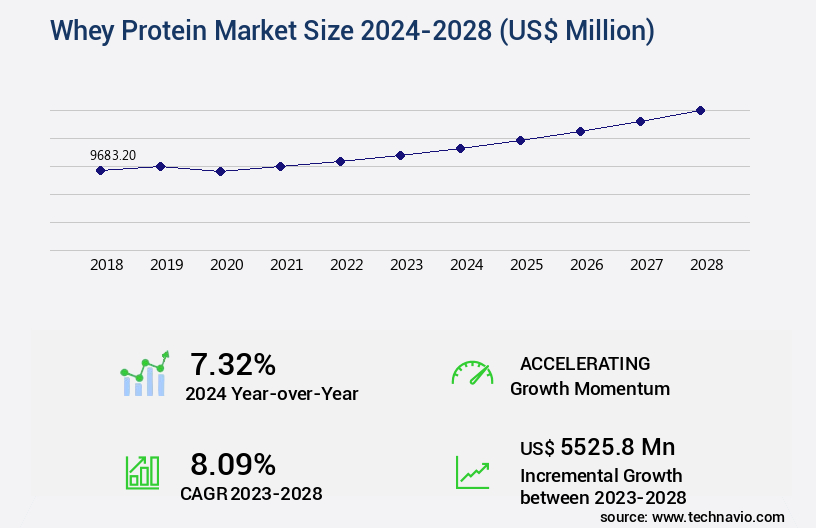
The whey protein market size is valued to increase USD 5.53 billion, at a CAGR of 8.09% from 2023 to 2028. Increasing product launches will drive the whey protein market.
Major Market Trends & Insights
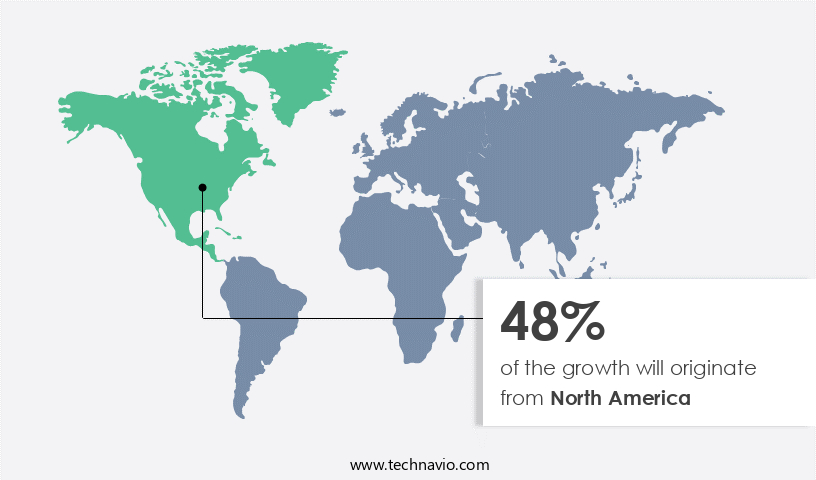
- North America dominated the market and accounted for a 48% growth during the forecast period.
- By Product - Whey protein concentrates segment was valued at USD 4.22 billion in 2022
- By Application - Food and beverages segment accounted for the largest market revenue share in 2022
Market Size & Forecast
- Market Opportunities: USD 77.15 million
- Market Future Opportunities: USD 5525.80 million
- CAGR : 8.09%
- North America: Largest market in 2022
Market Summary
- The market encompasses the production, distribution, and consumption of whey protein and related products. This dynamic market is driven by several key factors, including the increasing adoption of whey protein in various applications, particularly in sports nutrition and clinical nutrition. According to recent reports, the use of whey protein in clinical nutrition is projected to grow at an impressive rate, with a significant market share attributed to this application. Furthermore, the rising popularity of plant-based proteins and increasing product launches pose both challenges and opportunities for the market.
- The market's continuous evolution is shaped by technological advancements, regulatory frameworks, and regional trends. For instance, Europe holds a substantial market share in The market, with North America following closely. This market is an essential component of the broader protein industry, reflecting the growing demand for high-protein foods and supplements.
What will be the Size of the Whey Protein Market during the forecast period?
Get Key Insights on Market Forecast (PDF) Request Free Sample
How is the Whey Protein Market Segmented and what are the key trends of market segmentation?
The whey protein industry research report provides comprehensive data (region-wise segment analysis), with forecasts and estimates in "USD million" for the period 2024-2028, as well as historical data from 2018-2022 for the following segments.
- Product
- Whey protein concentrates
- Whey protein hydrolysates
- Whey protein isolates
- Application
- Food and beverages
- Nutritional supplements
- Personal care
- Animal feed and pet food
- Distribution Channel
- Online Retail
- Supermarkets and Hypermarkets
- Pharmacies
- Specialty Stores
- Form
- Powder
- Liquid
- Bars
- Geography
- North America
- US
- Europe
- France
- Germany
- UK
- APAC
- China
- Rest of World (ROW)
- North America
By Product Insights
The whey protein concentrates segment is estimated to witness significant growth during the forecast period.
Whey protein, a high-value byproduct of cheese production, is derived from milk through the process of fractionation. This essential protein source is rich in essential amino acids, making it a popular choice for various industries, including food and beverage, pharmaceuticals, and sports nutrition. Whey protein oxidation is a critical concern in the market, as it affects protein solubility and nutritional value. To mitigate this issue, advanced techniques such as electrophoresis, chromatography, and mass spectrometry analysis are employed for protein quantification and peptide sequencing. Cross-flow filtration and ultrafiltration are common processes used for whey protein fractionation, yielding whey protein isolate and permeate.
Isolates contain over 90% protein, while concentrates have a lower protein content of around 80%. Branched-chain amino acids, particularly leucine, are crucial components of whey protein, contributing to muscle protein synthesis and net protein utilization. Food safety regulations and quality control testing are essential in the market, ensuring the production of safe and high-quality protein products. Protein hydrolysate, a pre-digested protein form, is gaining popularity due to its enhanced digestibility and bioavailability. The amino acid profile and biological value protein of whey protein make it a superior dietary supplement, with applications in muscle gain formulations, sports beverages, and health foods.
Market growth is driven by the increasing demand for nutritional supplements and the emphasis on maintaining a healthy lifestyle. According to recent studies, the market for whey protein is expected to grow by 15% in the next year, with a further 12% expansion anticipated over the next five years. The market is continuously evolving, with ongoing research focusing on improving protein structure, enhancing protein digestibility, and developing new applications for this versatile protein source.
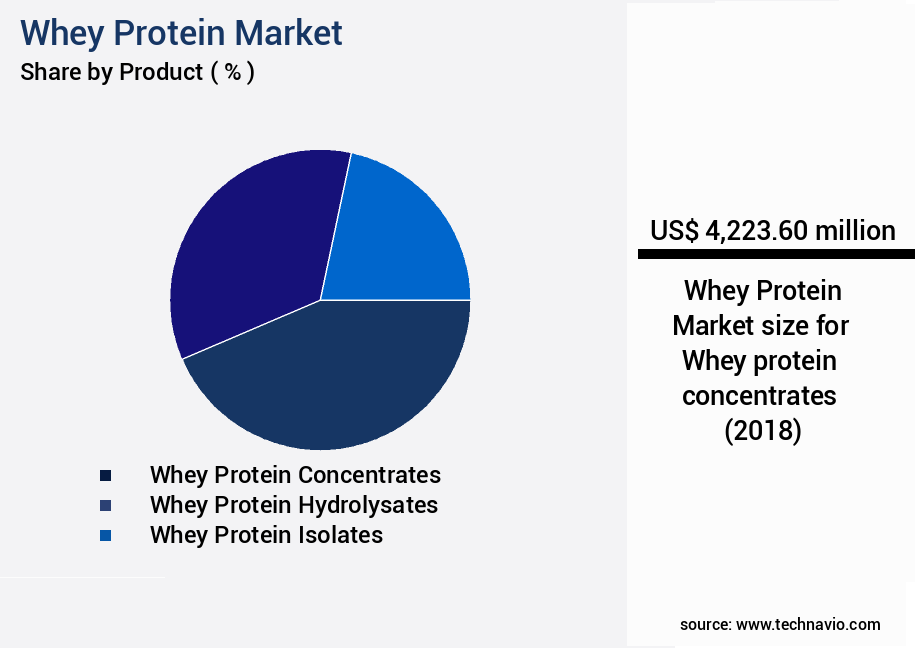
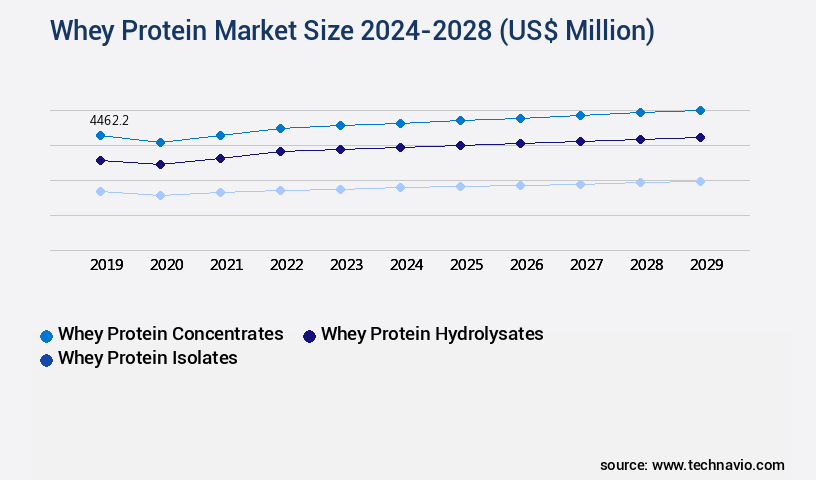
The Whey protein concentrates segment was valued at USD 4.22 billion in 2018 and showed a gradual increase during the forecast period.
Regional Analysis
North America is estimated to contribute 48% to the growth of the global market during the forecast period.Technavio's analysts have elaborately explained the regional trends and drivers that shape the market during the forecast period.
See How Whey Protein Market Demand is Rising in North America Request Free Sample
The North American market holds the largest share in the global whey protein industry, fueled by the increasing number of product launches, growing awareness of health benefits, and the abundant supply of raw materials like organic milk. With numerous cheese producers in North America contributing significantly to the market, whey, a byproduct of cheese production, is further processed into isolated and concentrated forms.
The market's expansion is expected to continue at a moderate pace due to these factors. The health benefits of organic whey protein in food, beverages, and nutraceuticals are increasingly recognized, driving market growth. The availability of raw materials in North America ensures a steady supply for the whey protein industry.
Market Dynamics
Our researchers analyzed the data with 2023 as the base year, along with the key drivers, trends, and challenges. A holistic analysis of drivers will help companies refine their marketing strategies to gain a competitive advantage.
The market encompasses a wide range of applications in the food industry, with significant focus on the impact of whey protein isolate on muscle protein synthesis, influenced by leucine and branched-chain amino acids. Quality control parameters are crucial in the production of whey protein concentrate, ensuring thermal stability and maintaining desired functionality, such as texture and flavor. Whey protein hydrolysate, produced using enzymatic methods, offers unique peptide bioactivity and improved digestibility. The assessment of these peptides' bioactivity and identification through mass spectrometry plays a pivotal role in understanding their functional impact. The solubility of whey protein is influenced by pH temperature, which is essential for its application in various food and beverage products.
Determining the amino acid profile of whey protein is vital for understanding its nutritional value and potential health benefits. The cost analysis of whey protein hydrolysate production methods, such as ultrafiltration membrane performance in whey processing, is a critical factor in market competitiveness. Glycation and oxidation impact the functional properties and nutritional value of whey protein, necessitating ongoing research and development efforts. Digestibility and absorption rate also vary depending on processing methods, influencing gut health and immune response. Comparatively, the industrial application segment accounts for a significantly larger share in the market compared to the dietary supplement sector, reflecting the growing demand for functional food and beverage products.
This trend underscores the importance of addressing the unique challenges and opportunities in each application area to capitalize on the market's potential growth.
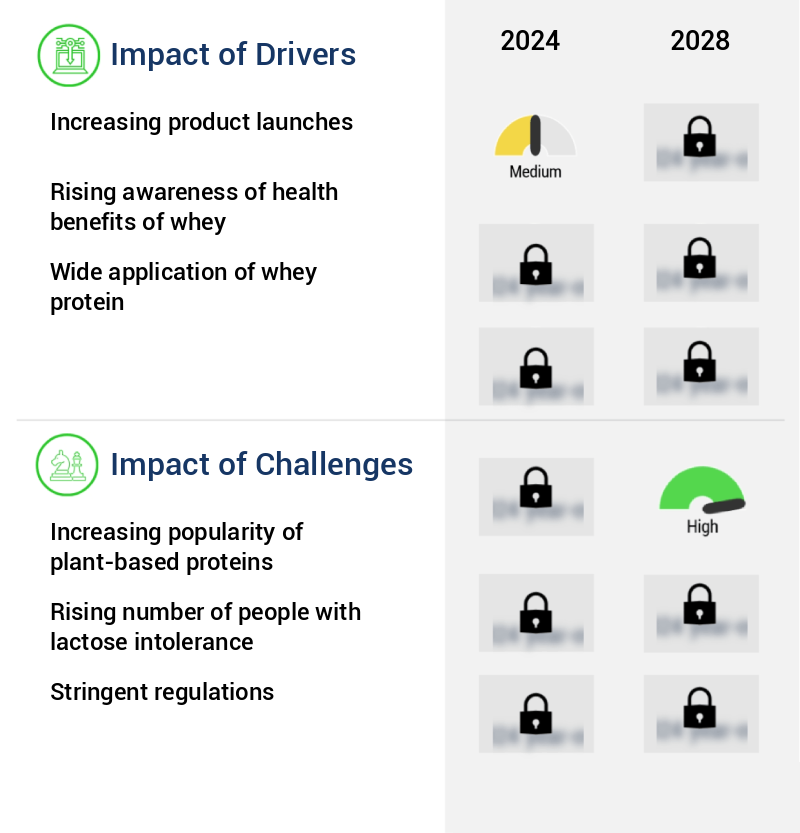
What are the key market drivers leading to the rise in the adoption of Whey Protein Industry?
- The market is primarily fueled by an increasing number of product launches. This trend, driven by continuous innovation and industry competition, significantly contributes to market growth.
- The market witnesses continuous growth driven by the increasing number of product innovations. companies introduce new offerings to cater to diverse consumer preferences and expand their market reach. For instance, in January 2024, Abbott Laboratories launched Protality, a high-protein nutrition shake featuring a blend of fast- and slow-digesting proteins for extended muscle feeding. In the same year, Nestle SA introduced Orgain Better Whey, an animal-free and lactose-free whey isolate product, addressing the growing demand for plant-based alternatives.
- These product launches contribute to the market's expansion and revenue growth. The dynamic nature of the market underscores the importance of staying informed about the latest trends and innovations.
What are the market trends shaping the Whey Protein Industry?
- The increasing utilization of whey protein in clinical nutrition represents a notable market trend. Whey protein's adoption in clinical settings is on the rise.
- The global market for whey protein is experiencing significant growth due to its increasing adoption in clinical nutrition applications. Whey protein, a byproduct of cheese production, is rich in essential amino acids and bioactive constituents, making it an ideal ingredient for treating various health conditions. These nutrients aid in the management of sarcopenia, obesity, and malnutrition, among others, and facilitate post-illness recovery. In the US, the aging population is expanding, with the number of adults aged 65 and above projected to double by 2050. This demographic shift poses challenges in maintaining optimal health for the elderly population.
- Whey protein's role in addressing these health concerns makes it a valuable addition to clinical nutrition, contributing to the market's expansion during the forecast period. Moreover, the versatility of whey protein extends beyond clinical applications, with its use in sports nutrition, weight loss supplements, and functional foods. The market's dynamism is further fueled by ongoing research and development efforts aimed at enhancing the product's functionality and accessibility to diverse consumer segments. In summary, The market is poised for continued growth, driven by its wide-ranging applications in clinical and non-clinical sectors, the increasing aging population, and ongoing research and development initiatives.
What challenges does the Whey Protein Industry face during its growth?
- The rising preference for plant-based proteins poses a significant challenge to the industry's growth trajectory.
- Plant-based food products have witnessed significant growth in popularity among health-conscious consumers globally. This shift is driven by increasing health and food safety concerns surrounding animal-based food products. According to recent studies, plant-based diets provide more antioxidants and beneficial plant compounds than their animal-counterparts. In fact, plant-based diets are rich in essential nutrients such as folate, magnesium, potassium, vitamin A, vitamin C, and vitamin E. These nutrients contribute to lowering the risk of cardiovascular diseases and other metabolic disorders. The vegan market segment, which represents the extreme end of the plant-based food spectrum, is expected to experience substantial growth during the forecast period.
- Plant-based proteins, a key component of these diets, are gaining traction due to their health benefits. The plant-based protein market is projected to expand at a steady pace, reflecting the evolving consumer preferences towards healthier food choices. Despite the growing popularity of plant-based diets, it's crucial to maintain a professional, balanced approach to nutrition. Consulting with a healthcare professional or a registered dietitian can help ensure a well-rounded and nutritionally complete diet.
Exclusive Customer Landscape
The whey protein market forecasting report includes the adoption lifecycle of the market, covering from the innovator's stage to the laggard's stage. It focuses on adoption rates in different regions based on penetration. Furthermore, the whey protein market report also includes key purchase criteria and drivers of price sensitivity to help companies evaluate and develop their market growth analysis strategies.

Customer Landscape of Whey Protein Industry
Competitive Landscape & Market Insights
Companies are implementing various strategies, such as strategic alliances, whey protein market forecast, partnerships, mergers and acquisitions, geographical expansion, and product/service launches, to enhance their presence in the industry.
Abbott Laboratories - This research highlights the company's innovative offering, Nepro High Protein HP, a premium whey protein product. With a focus on quality and effectiveness, it caters to diverse nutritional needs, setting industry standards for protein supplementation.
The industry research and growth report includes detailed analyses of the competitive landscape of the market and information about key companies, including:
- Abbott Laboratories
- Agropur Dairy Cooperative
- AMCO Proteins
- Arla Foods amba
- Carbery Food Ingredients Ltd.
- Dairy Farmers of America Inc.
- Danone SA
- DMK Deutsches Milchkontor GmbH
- Fonterra Cooperative Group Ltd.
- Glanbia plc
- Hilmar Cheese Co. Inc.
- Inner Mongolia Yili Industrial Group Co. Ltd.
- Kaserei Champignon Hofmeister
- LACTALIS Ingredients
- Leprino Foods Co.
- Milk Specialties Global
- Nagase and Co. Ltd.
- Nestle SA
- Saputo Inc.
- Zoic Pharmaceuticals Pvt. Ltd.
Qualitative and quantitative analysis of companies has been conducted to help clients understand the wider business environment as well as the strengths and weaknesses of key industry players. Data is qualitatively analyzed to categorize companies as pure play, category-focused, industry-focused, and diversified; it is quantitatively analyzed to categorize companies as dominant, leading, strong, tentative, and weak.
Recent Development and News in Whey Protein Market
- In January 2024, Amul, an Indian dairy cooperative, announced the launch of its new whey protein powder product line, Amul FitPro, targeting the growing health-conscious consumer base in India (Amul press release).
- In March 2024, Danone, a global food company, entered into a strategic partnership with the Dutch biotech firm, Avansya, to expand its plant-based protein portfolio, including whey protein, through the use of microalgae-derived proteins (Danone press release).
- In April 2024, Glanbia, a leading global dairy and nutritional ingredients group, completed the acquisition of SlimFast, a well-known brand in the weight loss and nutritional supplements market, significantly expanding its consumer health portfolio and increasing its presence in the market (Glanbia press release).
- In May 2025, the European Commission approved the use of whey protein hydrolysates as a functional ingredient in infant formula, opening up new opportunities for the market in the infant nutrition sector (European Commission press release).
Dive into Technavio's robust research methodology, blending expert interviews, extensive data synthesis, and validated models for unparalleled Whey Protein Market insights. See full methodology.
|
Market Scope |
|
|
Report Coverage |
Details |
|
Page number |
167 |
|
Base year |
2023 |
|
Historic period |
2018-2022 |
|
Forecast period |
2024-2028 |
|
Growth momentum & CAGR |
Accelerate at a CAGR of 8.09% |
|
Market growth 2024-2028 |
USD 5525.8 million |
|
Market structure |
Fragmented |
|
YoY growth 2023-2024(%) |
7.32 |
|
Key countries |
US, Germany, UK, China, and France |
|
Competitive landscape |
Leading Companies, Market Positioning of Companies, Competitive Strategies, and Industry Risks |
Research Analyst Overview
- The dynamic and evolving nature of the market is shaped by ongoing advancements in protein fractionation techniques, which influence the production of essential amino acids and the quality of the final product. Whey fractionation processes, such as cross-flow filtration and ultrafiltration, enable the separation of essential components, including immunoglobulins, peptides, and amino acids, enhancing the nutritional value of the protein. Whey protein oxidation and glycation are critical factors affecting protein solubility and digestibility, necessitating stringent food safety regulations. To maintain high-quality standards, manufacturers employ various techniques like electrophoresis, chromatography, and mass spectrometry analysis for protein quantification and amino acid profiling.
- The structure of whey protein, including its conformation and net protein utilization, plays a significant role in muscle protein synthesis. The biological value of protein is influenced by its leucine content and amino acid score, which determine its efficiency in supporting muscle growth. Quality control testing and nutritional labeling are essential components of the market, ensuring transparency and consumer trust. Protein hydrolysate, a pre-digested form of protein, offers enhanced solubility and bioavailability, making it a popular choice for various applications. Whey protein concentrate and isolate undergo further processing, including microfiltration and filtration membrane technologies, to yield high-purity products.
- Branched-chain amino acids, particularly leucine, are crucial for muscle protein synthesis and are a focus of ongoing research in the market. In the realm of protein digestibility, peptide sequencing and protein conformation analysis are essential for understanding the role of whey protein in the human body. The ongoing exploration of whey protein peptides and their potential health benefits further expands the market's scope.
What are the Key Data Covered in this Whey Protein Market Research and Growth Report?
-
What is the expected growth of the Whey Protein Market between 2024 and 2028?
-
USD 5.53 billion, at a CAGR of 8.09%
-
-
What segmentation does the market report cover?
-
The report is segmented by Product (Whey protein concentrates, Whey protein hydrolysates, and Whey protein isolates), Application (Food and beverages, Nutritional supplements, Personal care, and Animal feed and pet food), Geography (North America, Europe, APAC, South America, and Middle East and Africa), Distribution Channel (Online Retail, Supermarkets and Hypermarkets, Pharmacies, and Specialty Stores), and Form (Powder, Liquid, and Bars)
-
-
Which regions are analyzed in the report?
-
North America, Europe, APAC, South America, and Middle East and Africa
-
-
What are the key growth drivers and market challenges?
-
Increasing product launches, Increasing popularity of plant-based proteins
-
-
Who are the major players in the Whey Protein Market?
-
Abbott Laboratories, Agropur Dairy Cooperative, AMCO Proteins, Arla Foods amba, Carbery Food Ingredients Ltd., Dairy Farmers of America Inc., Danone SA, DMK Deutsches Milchkontor GmbH, Fonterra Cooperative Group Ltd., Glanbia plc, Hilmar Cheese Co. Inc., Inner Mongolia Yili Industrial Group Co. Ltd., Kaserei Champignon Hofmeister, LACTALIS Ingredients, Leprino Foods Co., Milk Specialties Global, Nagase and Co. Ltd., Nestle SA, Saputo Inc., and Zoic Pharmaceuticals Pvt. Ltd.
-
Market Research Insights
- The market encompasses a diverse range of applications, driven by the functional and nutritional benefits it offers. With a global production volume of over 10 million metric tons in 2021, whey protein has become a significant ingredient in various industries, including food and beverage, pharmaceuticals, and sports nutrition. The market's growth is underpinned by the ingredient's versatility, with whey protein demonstrating desirable properties such as gelation, emulsifying capacity, and water binding capacity. These functionalities enable its use in food formulation for texture enhancement and improved sensory attributes. Moreover, whey protein's high protein-peptide interactions and protein bioavailability contribute to its popularity in weight management and immune function applications.
- In contrast, the market's value lies not only in its functional properties but also in its nutritional benefits. Whey protein boasts a rapid absorption rate, making it an ideal choice for athletes seeking to optimize their performance. Additionally, it offers health benefits related to gut health and muscle growth. The market's continued evolution is marked by ongoing research into the ingredient's rheological properties, viscosity measurements, and thermal stability, ensuring its relevance in dairy processing and storage stability applications.
We can help! Our analysts can customize this whey protein market research report to meet your requirements.
 RIA -
RIA - 
