
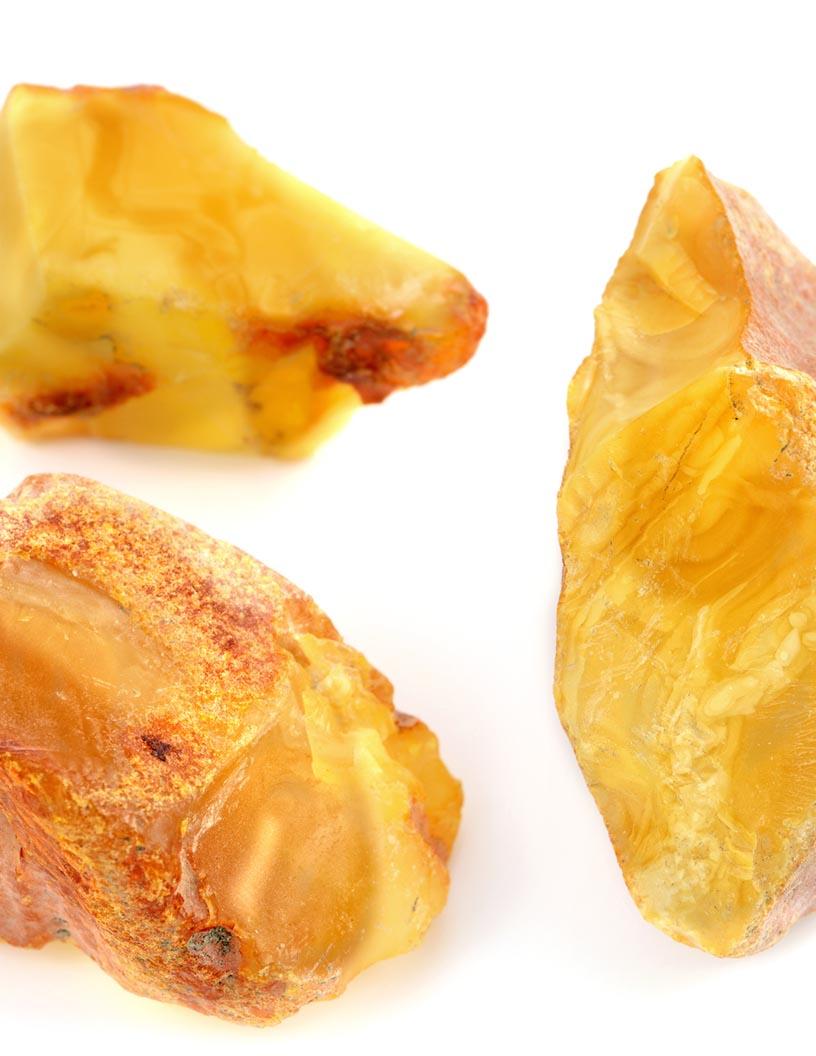


Tall Oil Rosin Market Size 2025-2029
The tall oil rosin market size is forecast to increase by USD 120.3 million, at a CAGR of 3.3% between 2024 and 2029.
- The market is experiencing significant growth, driven primarily by the increasing demand for bio-based solvents, lubricants, and surfactants in various industries. This trend is fueled by the global shift towards sustainable and eco-friendly solutions, making tall oil rosin an attractive alternative to petroleum-based products. However, market dynamics are not without challenges. The market faces a demand-supply imbalance for softwood timber and wood products, which can impact the availability and pricing of tall oil rosin. Additionally, the market is witnessing an escalating number of mergers and acquisitions and collaborative partnerships, intensifying competition and potentially altering the competitive landscape.
- Companies seeking to capitalize on market opportunities must navigate these challenges effectively, focusing on innovation, strategic partnerships, and supply chain optimization to maintain a competitive edge.
What will be the Size of the Tall Oil Rosin Market during the forecast period?

Explore in-depth regional segment analysis with market size data - historical 2019-2023 and forecasts 2025-2029 - in the full report.
Request Free Sample
The market is characterized by its continuous evolution, driven by the ongoing unfolding of market dynamics and the integration of various sectors. This dynamic market encompasses a range of applications, from adhesives and sealants in construction and manufacturing to bio-based food and pharmaceuticals. Wood resin, derived from sustainable forestry, plays a pivotal role in this landscape. Its use extends to bio-based composites, chemicals, and green chemistry, contributing to sustainable manufacturing and the circular economy. The forest products industry, with its focus on renewable resources and environmental sustainability, is a key player in this market. Bio-based innovations, such as bio-based polymers and textiles, are gaining traction as alternatives to traditional materials.
Green technologies, including carbon footprint reduction and life cycle analysis, are increasingly important considerations. Naval stores and pine oil are also finding new applications in this evolving market. The bio-based industry's commitment to sustainable sourcing and forest certification, with chain of custody and product stewardship, is shaping the market's future. This commitment extends to bio-based agriculture, transportation, and packaging, as well as paints and coatings. The integration of bio-based materials into various sectors is a reflection of the market's ongoing evolution. From forestry to manufacturing, the potential for bio-based solutions is vast, with emerging technologies and innovations continually pushing the boundaries.
The market's focus on environmental impact assessment and sustainable forest management ensures a future that is both responsible and forward-thinking.
How is this Tall Oil Rosin Industry segmented?
The tall oil rosin industry research report provides comprehensive data (region-wise segment analysis), with forecasts and estimates in "USD million" for the period 2025-2029, as well as historical data from 2019-2023 for the following segments.
- Application
- Adhesives
- Printing ink
- Rubber
- Others
- End-user
- Metalworking
- Building and construction
- Chemical industry
- Electronics and electricals
- Others
- Geography
- North America
- US
- Canada
- Europe
- France
- Germany
- Italy
- The Netherlands
- UK
- APAC
- China
- India
- Japan
- Rest of World (ROW)
- North America
.
By Application Insights
The adhesives segment is estimated to witness significant growth during the forecast period.
The market is driven by the increasing demand for sustainable and bio-based solutions in various industries. In the adhesives and sealants sector, tall oil rosin esters offer superior tack, a crucial property for pressure-sensitive adhesives, surpassing terpenes and hydrocarbon resins. This advantageous characteristic is instrumental in the adhesives segment's dominance in the market. Sustainable manufacturing and bio-based construction are other significant areas where tall oil rosin finds extensive application. Forest certification and chain of custody are essential considerations in these industries, ensuring the use of renewable resources and sustainable sourcing. Bio-based food, cosmetics, and pharmaceuticals also utilize tall oil rosin derivatives, contributing to the market's growth.
The emergence of green technologies in the forest products industry, such as sustainable forest management and green chemistry, further propels the market forward. Bio-based polymers, packaging, transportation, and energy are other sectors witnessing a shift towards renewable resources, creating opportunities for tall oil rosin. Product stewardship and carbon footprint reduction are essential aspects of environmental sustainability, driving the demand for bio-based materials. Wood-based materials, naval stores, and bio-based textiles are some of the applications where tall oil rosin plays a vital role. Life cycle analysis and circular economy principles are increasingly adopted in manufacturing processes, making tall oil rosin a preferred choice for bio-based chemicals, composites, and resins.
In the realm of sustainable forestry, tall oil rosin is a byproduct of the pulp and paper industry, contributing to a circular economy. Green procurement policies and paints and coatings that prioritize bio-based innovations further boost the market's growth. The potential of tall oil rosin in various industries, from adhesives to energy, underscores its significance as a versatile and renewable resource.
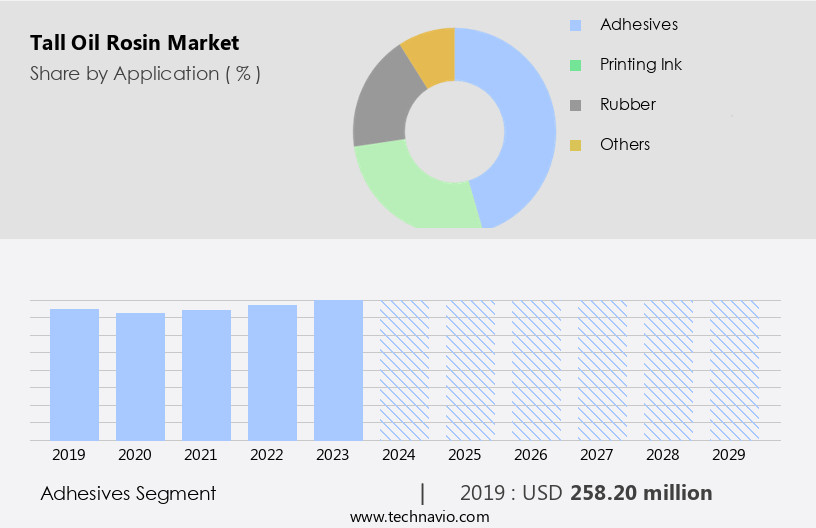
The Adhesives segment was valued at USD 258.20 million in 2019 and showed a gradual increase during the forecast period.
Regional Analysis
North America is estimated to contribute 37% to the growth of the global market during the forecast period.Technavio's analysts have elaborately explained the regional trends and drivers that shape the market during the forecast period.

The US and Canada dominate the North America market, with the US leading in production. The paper industry in North America primarily focuses on tissue production and packaging solutions. In the US, the adhesives industry is thriving due to the increasing demand for flexible packaging across industries such as aerospace, automotive, food packaging, and others. This trend is anticipated to boost the demand for adhesives in North America, thereby driving the growth of the regional market. Sustainable manufacturing and bio-based construction are gaining traction in North America, leading to an increased usage of tall oil rosin in these sectors.
Forest certification and chain of custody are essential factors in the production of bio-based food, cosmetics, and pharmaceuticals, further fueling the market's growth. Renewable resources, such as pine bark extract and pine oil, are integral to the production of bio-based polymers, chemicals, and energy. The circular economy is a significant trend in North America, with a focus on reducing carbon footprints and promoting green technologies. Wood-based materials, naval stores, and bio-based textiles are some of the applications of tall oil rosin that contribute to environmental sustainability. Sustainable forest management, sustainable sourcing, and green chemistry are essential practices in the production of tall oil rosin, ensuring its eco-friendly and sustainable nature.
Bio-based innovations, such as bio-based composites and bio-based packaging, are emerging areas of interest in the North American market. These innovations offer numerous benefits, including reduced environmental impact, improved performance, and cost-effectiveness. As the market evolves, it is expected to witness significant growth, driven by the increasing demand for sustainable and eco-friendly products.
Market Dynamics
Our researchers analyzed the data with 2024 as the base year, along with the key drivers, trends, and challenges. A holistic analysis of drivers will help companies refine their marketing strategies to gain a competitive advantage.
What are the key market drivers leading to the rise in the adoption of Tall Oil Rosin Industry?
- The market is primarily driven by the surging demand for bio-based solvents, lubricants, and surfactants in various industries. These eco-friendly alternatives to conventional petroleum-derived products are gaining increasing acceptance due to their environmental benefits and superior performance characteristics. The growing awareness and regulations towards reducing carbon footprint and promoting sustainability are further fueling the market expansion.
- The market is experiencing significant growth due to the increasing demand for bio-based solvents, lubricants, and surfactants as alternatives to petroleum-derived products. This trend is particularly evident in the mining and floatation chemicals and lubricants industries, where the use of bio-based pine chemical derivatives, such as tall oil rosin, is gaining popularity. The rising concerns over the biodegradability and toxicity of fossil oil-based chemicals have led to an increase in demand for bio-based pine chemical products in various industries. Moreover, the need to reduce dependency on fossil resources and the growing awareness of the harmful effects of fossil-based solvents in personal care, coupled with the biodegradable nature of bio-based products, are key factors driving the demand for pine oil and its derivatives.
- Emerging technologies, such as life cycle analysis, are also contributing to the market growth by promoting the sustainability of wood-based materials, bio-based materials, bio-based textiles, and sustainable forest management. Additionally, bio-based agriculture and sustainable sourcing practices are further enhancing the market potential for pine oil and its derivatives.
What are the market trends shaping the Tall Oil Rosin Industry?
- Merger and acquisition activity and collaborative partnerships are experiencing significant growth, representing an emerging market trend. Companies are increasingly turning to these strategies to expand their reach, enhance their capabilities, and drive innovation.
- The market is experiencing significant growth due to the increasing demand for bio-based composites and chemicals. Companies are embracing green chemistry and sustainable forestry practices to reduce carbon footprints and meet the growing demand for eco-friendly products. Mergers and acquisitions are a popular strategy for market expansion, enabling companies to penetrate new markets, acquire customer bases, and access strong supplier networks. This approach also offers cost savings through economies of scale in IT, logistics, and deliveries. By creating synergies and increasing market share, companies can enhance their brand recognition and image in the market, which includes applications in paints and coatings, during the forecast period.
- The market is expected to continue growing as bio-based innovations gain traction and the demand for sustainable solutions increases.
What challenges does the Tall Oil Rosin Industry face during its growth?
- The softwood timber and wood products industry faces significant growth challenges due to persistent demand-supply imbalances.
- The market experiences supply constraints, particularly in regions such as the Pacific Northwest, which encompasses forested areas within the US and Canada. This area's wood log supplies have undergone structural changes, leading to challenges for the wood products industry. Consequently, the prices for logs and fibers have escalated due to limited availability, causing pulp mill closures and reduced production capacity. This situation negatively impacts the production of tall oil rosins, as they are derived from pulping processes. Adhering to the global trend towards sustainable manufacturing, tall oil rosin finds extensive applications in various industries like adhesives and sealants, rubber and plastics, and bio-based construction.
- As a renewable resource, it contributes to the production of bio-based food and bio-based products. Forest certification and chain of custody are essential considerations for the market's growth, ensuring the responsible sourcing of raw materials. Product stewardship is also a priority, emphasizing the importance of managing the entire life cycle of the product to minimize environmental impact. In conclusion, the market faces supply constraints, primarily in the Pacific Northwest region, which influences its growth. Despite this challenge, the market continues to gain traction due to its applications in sustainable manufacturing, bio-based products, and renewable resources.
- The market's commitment to forest certification, chain of custody, and product stewardship further strengthens its position.
Exclusive Customer Landscape
The tall oil rosin market forecasting report includes the adoption lifecycle of the market, covering from the innovator's stage to the laggard's stage. It focuses on adoption rates in different regions based on penetration. Furthermore, the tall oil rosin market report also includes key purchase criteria and drivers of price sensitivity to help companies evaluate and develop their market growth analysis strategies.

Customer Landscape
Key Companies & Market Insights
Companies are implementing various strategies, such as strategic alliances, tall oil rosin market forecast, partnerships, mergers and acquisitions, geographical expansion, and product/service launches, to enhance their presence in the industry.
Arakawa Chemical Industries Co. Ltd. - The company specializes in the production and supply of tall oil rosin derivatives.
The industry research and growth report includes detailed analyses of the competitive landscape of the market and information about key companies, including:
- Arakawa Chemical Industries Co. Ltd.
- DL Holdings Group Ltd.
- Eastman Chemical Co.
- Firmenich SA
- G.C. Rutteman and Co. B.V.
- Harima Chemicals Group Inc.
- Ilim Group
- Ingevity Corp.
- Kraton Corp.
- Lascaray SA
- Meridian Chemicals LLC
- Pine Chemical Group
- RESPOL Resinas SA
- Segezha Group
- Songchuan Pine Chemicals Co. Ltd.
- Stora Enso Oyj
- Sunpine AB
- Ter Group
- Univar Solutions Inc.
- YKA Akay Ticaret ve Kimya Sanayi A.S
Qualitative and quantitative analysis of companies has been conducted to help clients understand the wider business environment as well as the strengths and weaknesses of key industry players. Data is qualitatively analyzed to categorize companies as pure play, category-focused, industry-focused, and diversified; it is quantitatively analyzed to categorize companies as dominant, leading, strong, tentative, and weak.
Recent Development and News in Tall Oil Rosin Market
- In March 2024, Kemira Oyj, a leading chemicals company, announced the expansion of its rosin production capacity at its Rauma, Finland, site. The ⬠20 million investment aimed to increase the production of tall oil rosin by 15,000 metric tons per year, strengthening Kemira's position as a major player in the global rosin market (Kemira Oyj Press Release, 2024).
- In June 2024, INEOS Styrolution, the world's leading styrenics supplier, entered into a strategic partnership with LanzaTech, a carbon recycling technology company. The collaboration focused on the production of tall oil rosin from LanzaTech's gas fermentation technology, offering a more sustainable alternative to traditional rosin production methods (INEOS Styrolution Press Release, 2024).
- In November 2024, Sasol Limited, a South African energy and chemical company, completed the acquisition of 100% ownership of its joint venture partner, Total Sasol Lubrifiants. This move enabled Sasol to fully control its tall oil rosin production and marketing operations, expanding its market reach and increasing its market share in the European lubricants market (Sasol Limited Securities Exchange Filing, 2024).
- In January 2025, Borouge, a leading petrochemicals company, unveiled its new tall oil rosin production facility in Ruwais, Abu Dhabi. The facility, with an annual capacity of 50,000 metric tons, was a significant technological advancement in the rosin industry, utilizing advanced catalytic hydrogenation technology to produce high-quality rosin (Borouge Press Release, 2025).
Research Analyst Overview
- In the dynamic market, this versatile byproduct derived from pine resin extraction finds extensive applications in various industries. Bio-based detergents and adhesives benefit from rosin esters and gums, while rosin acids contribute to the production of bio-based lubricants and sealants. Rosin glycerides and salts are integral to bio-based cosmetics and pharmaceuticals. Bio-based composites and plastics rely on rosin modified resins, and rosin amides are essential in the manufacture of bio-based rubber. Rosin esters and sizes are utilized in wood resin refining, and pine oil distillation leads to the creation of bio-based resins and surfactants. Furthermore, rosin acid plays a crucial role in the production of bio-based fertilizers and pesticides.
- The tall oil pitch, a byproduct of tall oil distillation, is employed in the production of bio-based coatings and sealants. The market for these applications continues to grow, driven by the increasing demand for sustainable and eco-friendly alternatives to fossil fuel-derived products. Overall, the market presents significant opportunities for businesses seeking to innovate and expand in the bio-based sector.
Dive into Technavio's robust research methodology, blending expert interviews, extensive data synthesis, and validated models for unparalleled Tall Oil Rosin Market insights. See full methodology.
|
Market Scope |
|
|
Report Coverage |
Details |
|
Page number |
215 |
|
Base year |
2024 |
|
Historic period |
2019-2023 |
|
Forecast period |
2025-2029 |
|
Growth momentum & CAGR |
Accelerate at a CAGR of 3.3% |
|
Market growth 2025-2029 |
USD 120.3 million |
|
Market structure |
Fragmented |
|
YoY growth 2024-2025(%) |
3.2 |
|
Key countries |
US, Canada, UK, Germany, China, Italy, France, The Netherlands, Japan, and India |
|
Competitive landscape |
Leading Companies, Market Positioning of Companies, Competitive Strategies, and Industry Risks |
What are the Key Data Covered in this Tall Oil Rosin Market Research and Growth Report?
- CAGR of the Tall Oil Rosin industry during the forecast period
- Detailed information on factors that will drive the growth and forecasting between 2025 and 2029
- Precise estimation of the size of the market and its contribution of the industry in focus to the parent market
- Accurate predictions about upcoming growth and trends and changes in consumer behaviour
- Growth of the market across North America, Europe, APAC, South America, and Middle East and Africa
- Thorough analysis of the market's competitive landscape and detailed information about companies
- Comprehensive analysis of factors that will challenge the tall oil rosin market growth of industry companies
We can help! Our analysts can customize this tall oil rosin market research report to meet your requirements.