



5G Internet Of Things (IoT) Market Size 2024-2028
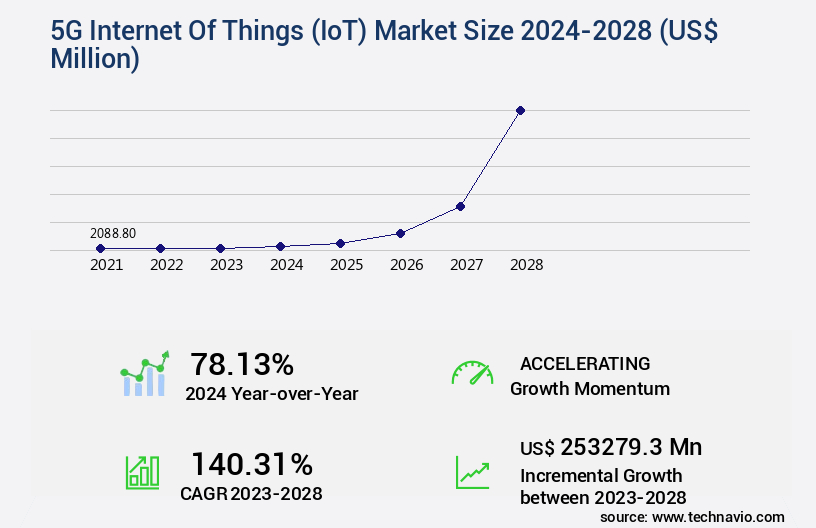
The 5g internet of things (iot) market size is valued to increase USD 253.28 billion, at a CAGR of 140.31% from 2023 to 2028. Rising adoption of 5G will drive the 5g internet of things (iot) market.
Major Market Trends & Insights
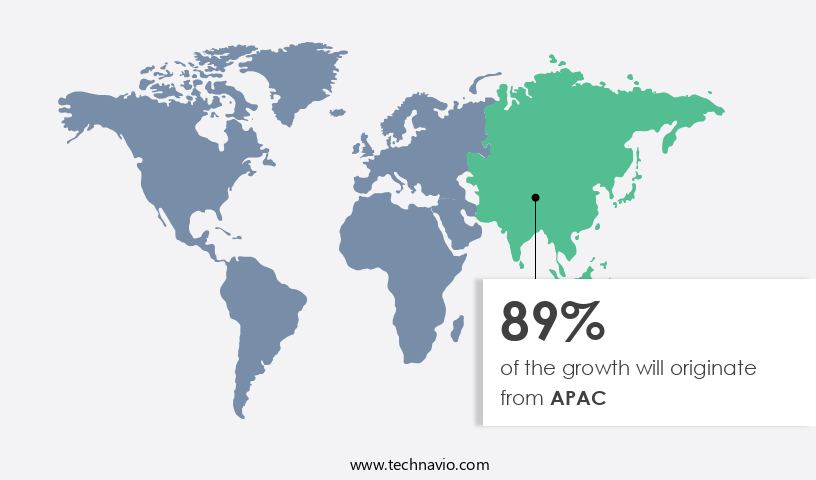
- APAC dominated the market and accounted for a 89% growth during the forecast period.
- By Type - 5G non-standalone (SA) segment was valued at USD 2.01 billion in 2021
- By Component - Hardware segment accounted for the largest market revenue share in 2021
Market Size & Forecast
- Market Opportunities: USD 12.00 million
- Market Future Opportunities: USD 253279.30 million
- CAGR : 140.31%
Market Summary
- The market is experiencing significant growth and transformation, driven by the increasing adoption of 5G technology in various industries. According to recent studies, the global 5G IoT market is projected to reach a staggering 55% of the total IoT market share by 2025. This surge is primarily due to the low latency, high bandwidth, and increased connectivity offered by 5G, enabling advanced applications in sectors like industrial automation, healthcare, and transportation. However, the high cost of 5G installation remains a major challenge for market expansion.
- Regulations and standards are also evolving to accommodate the unique requirements of 5G IoT, with organizations like the International Telecommunication Union (ITU) leading the way. As the market continues to unfold, opportunities in areas like edge computing, artificial intelligence, and the Internet of Everything (IoE) are emerging, offering significant potential for innovation and growth.
What will be the Size of the 5G Internet Of Things (IoT) Market during the forecast period?
Get Key Insights on Market Forecast (PDF) Request Free Sample
How is the 5G Internet Of Things (IoT) Market Segmented and what are the key trends of market segmentation?
The 5g internet of things (iot) industry research report provides comprehensive data (region-wise segment analysis), with forecasts and estimates in "USD million" for the period 2024-2028, as well as historical data from 2021-2022 for the following segments.
- Type
- 5G non-standalone (SA)
- 5G standalone (SA)
- Component
- Hardware
- Services
- Platform
- Connectivity
- Geography
- North America
- US
- Europe
- Spain
- UK
- APAC
- China
- South Korea
- Rest of World (ROW)
- North America
By Type Insights
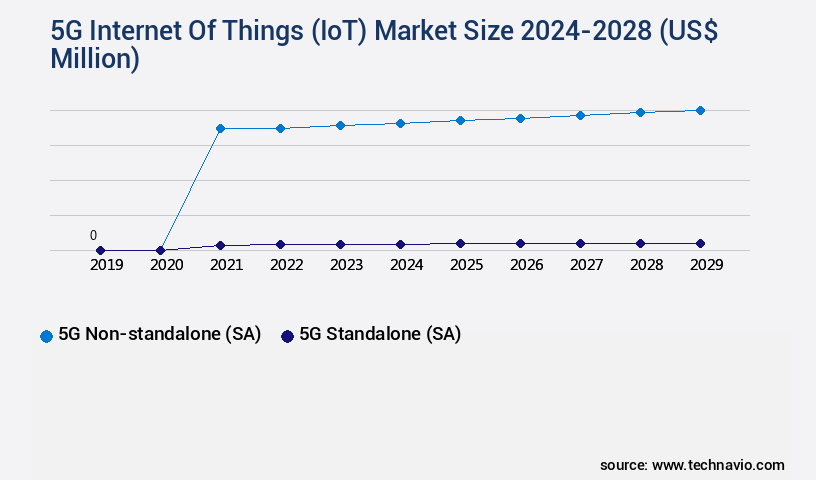
The 5g non-standalone (sa) segment is estimated to witness significant growth during the forecast period.
The market is experiencing significant growth as industries increasingly adopt advanced technologies to enhance their operations. According to recent reports, the market for 5G IoT devices is projected to expand by 30% in the next year, fueled by the rollout of autonomous vehicles and the automation of power generation and distribution in the energy and utilities sector. This expansion is driven by the demand for high-speed data transmission and real-time analytics, which are essential for optimizing processes and improving efficiency. Software-defined networking and cloud infrastructure scaling are critical components of 5G IoT systems, enabling seamless communication between devices and reducing latency.
Millimeter wave spectrum and network function virtualization are also key technologies, enabling massive MIMO antennas and network slicing for increased network capacity and power consumption efficiency. Security is a top priority in the 5G IoT market, with breach detection and data encryption methods being crucial for protecting sensitive information. Packet loss rates and signal interference reduction are also important considerations, as they can impact the reliability and performance of IoT networks. Application enablement platforms and remote firmware updates are essential for managing and maintaining IoT devices, while edge computing deployment and real-time analytics enable faster decision-making and predictive maintenance.
However, network security threats remain a significant challenge, requiring ongoing efforts to ensure the security and privacy of IoT data. 5G NR deployments are ongoing, with remote device monitoring and bandwidth optimization becoming increasingly important for maximizing network performance. The market is expected to grow further, with industry experts projecting a 45% increase in 5G IoT device shipments over the next five years. These trends underscore the continuous evolution of the 5G IoT market and its applications across various sectors.
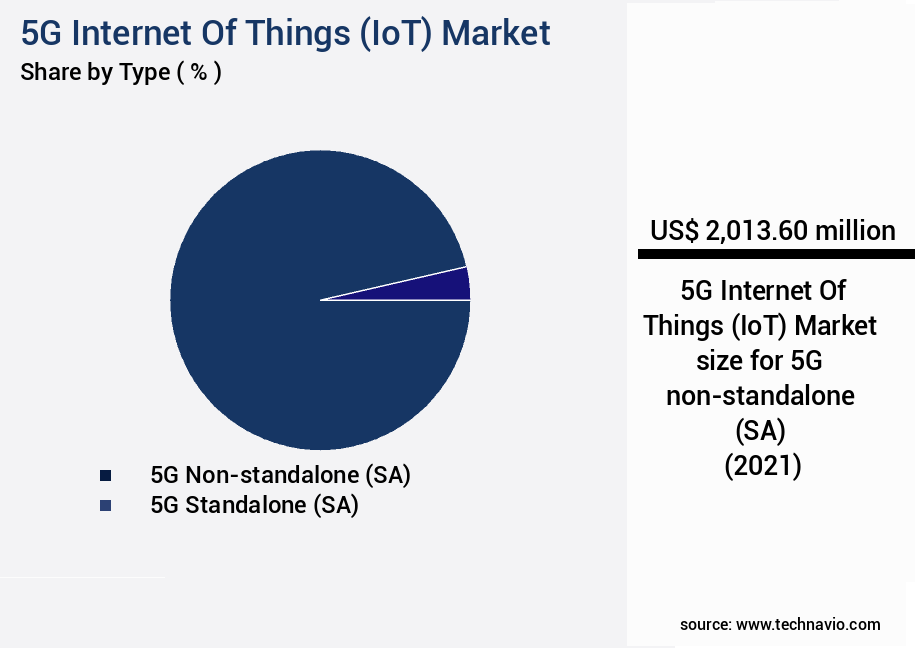
The 5G non-standalone (SA) segment was valued at USD 2.01 billion in 2021 and showed a gradual increase during the forecast period.
Regional Analysis
APAC is estimated to contribute 89% to the growth of the global market during the forecast period.Technavio's analysts have elaborately explained the regional trends and drivers that shape the market during the forecast period.
See How 5G Internet Of Things (IoT) Market Demand is Rising in APAC Request Free Sample
In the dynamic global market, the 5G Internet of Things (IoT) sector is experiencing significant expansion. This growth is driven by the escalating need for swift connectivity and advanced telecommunications. In regions like Asia Pacific, countries such as China, India, Malaysia, and Singapore, along with developed markets like Japan, Australia, and South Korea, are undergoing substantial improvements in their telecom sectors. These enhancements are propelling the 5G IoT market forward. Additionally, the proliferation of 5G-enabled devices, including smartphones, is increasing the demand for corresponding IoT solutions.
Market Dynamics
Our researchers analyzed the data with 2023 as the base year, along with the key drivers, trends, and challenges. A holistic analysis of drivers will help companies refine their marketing strategies to gain a competitive advantage.
The global 5G network market is undergoing continuous transformation as enterprises and service providers adapt infrastructure to support next-generation connectivity. Significant attention is directed toward managing 5G network infrastructure costs while addressing system integration complexity that arises from large-scale rollouts. Software defined radio implementation plays a key role in enabling flexible spectrum utilization, while network architecture design choices determine long-term scalability and efficiency. Edge computing resource allocation is central to supporting real-time data processing pipeline requirements, ensuring low latency for mission-critical applications such as remote device control protocols and iot device deployment strategies.
Advanced security and reliability remain core priorities. Data encryption algorithm selection and network security risk mitigation strategies are increasingly important as high-frequency radio wave effects and millimeter wave propagation models introduce new challenges to reliability. At the same time, iot device interoperability testing and sensor network scalability are critical to unlocking full ecosystem benefits. AI driven anomaly detection combined with data analytics model validation allows operators to strengthen predictive maintenance scheduling, improving uptime while reducing operational costs.
Market growth is also driven by cloud service provider comparison as organizations seek flexible and cost-effective hosting options. Network performance optimization and 5g network upgrade planning continue to define competitive strategies, ensuring that enterprises are prepared to handle expanding traffic demands and evolving user expectations. Together, these factors highlight a dynamic market where innovation, security, and efficiency converge to redefine connectivity.
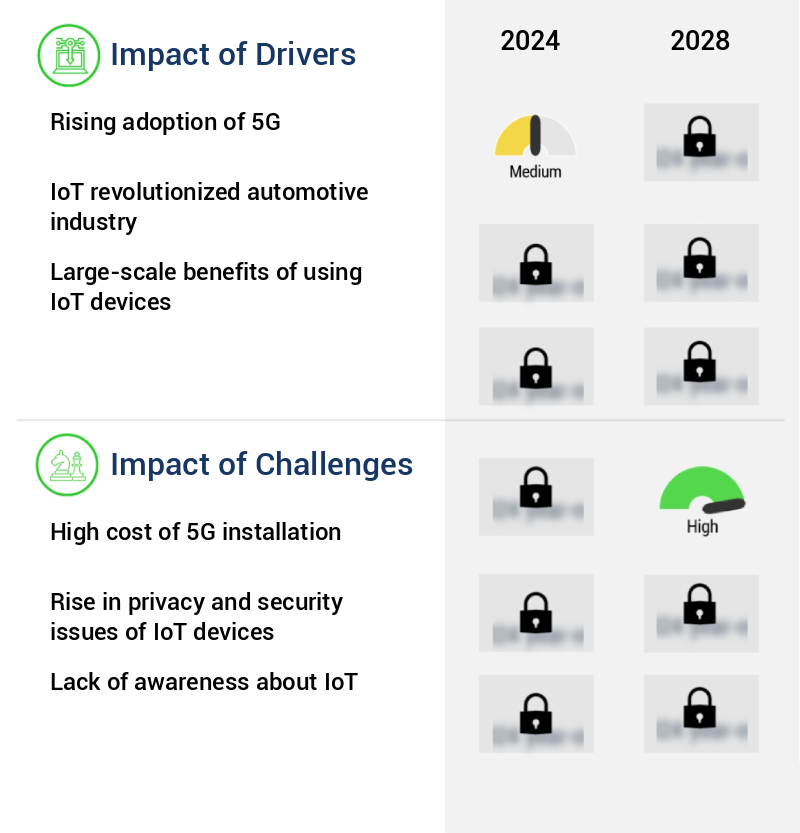
What are the key market drivers leading to the rise in the adoption of 5G Internet Of Things (IoT) Industry?
- The rising adoption of 5G technology serves as the primary catalyst for market growth.
- 5G technology revolutionizes businesses by facilitating a fully mobile and interconnected environment, offering numerous use cases and business models. The integration of 5G with the Internet of Things (IoT) enables smart manufacturers to streamline operations, exhibit flexibility, and accelerate the transition towards an agile ecosystem of suppliers and customers. This digital strategy, anchored by 5G and IoT, significantly expedites the realization of business goals.
- In various sectors, such as smart factories, connected hospitals, and transportation facilities, businesses leverage 5G to engage with IoT sensors, thereby optimizing processes and enhancing user experiences. With faster data speeds and ultra-low latency, 5G technology empowers businesses to interact in real-time, fostering a more efficient and responsive business landscape.
What are the market trends shaping the 5G Internet Of Things (IoT) Industry?
- Industrial automation is experiencing significant growth and represents the emerging market trend.
- The industrial landscape is undergoing a transformative shift, marked by the integration of the Internet of Things (IoT) and computer automation control. This symbiotic relationship is revolutionizing industrial systems, enabling data automation and eliminating human error and inefficiency. Manufacturing processes are increasingly being managed by intelligent machines, with robots collaborating with human workers to produce goods. Furthermore, driverless vehicles are assuming control over logistics operations. The fusion of cyber and physical systems in manufacturing enhances machine efficiency, safety, predictive maintenance, and profitability. This trend, referred to as Industry 4.0, is gaining traction globally. IoT-driven automation is not only streamlining processes but also fostering innovation across various sectors.
- For instance, in healthcare, automated systems are improving patient care and reducing costs, while in agriculture, IoT sensors are optimizing crop yields and reducing water usage. In the transportation sector, real-time data analysis is enhancing fleet management and logistics optimization. The integration of IoT and automation is redefining industries, offering new opportunities and challenges.
What challenges does the 5G Internet Of Things (IoT) Industry face during its growth?
- The exorbitant costs associated with installing and implementing 5G technology pose a significant challenge to the industry's growth trajectory.
- The global 5G IoT market faces challenges due to the high cost of installing small cell networks and securing outdoor power systems. Businesses in this sector must adhere to stringent telecommunications regulations, which can impact profitability. Customers demand competitive pricing, and data rates are comparable to those of 3G and LTE. A significant hurdle for the market is the expense of acquiring new frequency spectrum. Despite these challenges, the 5G IoT market continues to evolve, offering potential for increased connectivity and efficiency across various industries.
- The adoption of 5G technology is expected to revolutionize sectors such as healthcare, manufacturing, and transportation, with faster data transfer rates and lower latency. The integration of AI and machine learning in 5G networks is also anticipated to drive innovation and improve operational efficiency. The market's dynamic nature underscores the importance of staying informed about ongoing trends and developments.
Exclusive Technavio Analysis on Customer Landscape
The 5g internet of things (iot) market forecasting report includes the adoption lifecycle of the market, covering from the innovator's stage to the laggard's stage. It focuses on adoption rates in different regions based on penetration. Furthermore, the 5g internet of things (iot) market report also includes key purchase criteria and drivers of price sensitivity to help companies evaluate and develop their market growth analysis strategies.
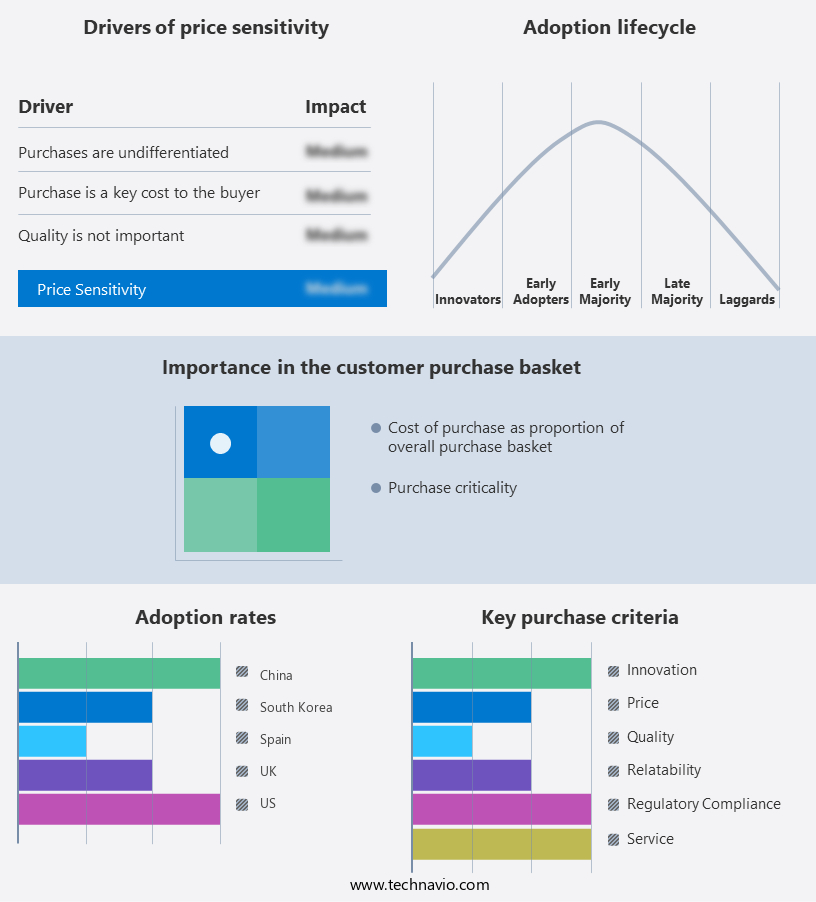
Customer Landscape of 5G Internet Of Things (IoT) Industry
Competitive Landscape
Companies are implementing various strategies, such as strategic alliances, 5g internet of things (iot) market forecast, partnerships, mergers and acquisitions, geographical expansion, and product/service launches, to enhance their presence in the industry.
Anritsu Corp. - This company is at the forefront of 5G IoT innovation, providing advanced technologies akin to AT&T 5G Plus. Their solutions optimize connectivity and efficiency for various industries, contributing significantly to the IoT market's growth.
The industry research and growth report includes detailed analyses of the competitive landscape of the market and information about key companies, including:
- Anritsu Corp.
- AT and T Inc.
- Cavalier Wireless Inc.
- Celona Inc.
- China Mobile Ltd.
- Deutsche Telekom AG
- Nokia Corp.
- Qualcomm Inc.
- Quectel Wireless Solutions Co. Ltd.
- Reliance Industries Ltd.
- SATELIO IOT SERVICES S.L.
- Semtech Corp.
- Sequans Communications SA
- Shenzhen ThinkWill Communication Technology Co., Ltd.
- Telefonaktiebolaget LM Ericsson
- Telenor Group
- Telit
- Thales Group
- Verizon Communications Inc.
- Vodafone Group Plc
Qualitative and quantitative analysis of companies has been conducted to help clients understand the wider business environment as well as the strengths and weaknesses of key industry players. Data is qualitatively analyzed to categorize companies as pure play, category-focused, industry-focused, and diversified; it is quantitatively analyzed to categorize companies as dominant, leading, strong, tentative, and weak.
Recent Development and News in 5G Internet Of Things (IoT) Market
- In January 2024, Qualcomm announced the successful demonstration of a 5G-connected IoT reference design, integrating its Snapdragon X55 5G Modem-RF System with a leading IoT platform. This collaboration aimed to accelerate the development of 5G-enabled IoT devices (Qualcomm Press Release).
- In March 2024, IBM and Cisco entered into a strategic partnership to integrate IBM's Watson IoT and AI capabilities with Cisco's IoT platform. This collaboration aimed to provide businesses with advanced analytics and AI-driven insights from their IoT data (IBM Press Release).
- In May 2024, STMicroelectronics completed the acquisition of Silicon Laboratories' Wireless Solutions Business. This acquisition expanded STMicroelectronics' IoT portfolio, adding Silicon Labs' Wi-Fi, Bluetooth, and Zigbee technologies (STMicroelectronics Press Release).
- In April 2025, the European Union approved the 5G IoT Public-Private Partnership (PPP) worth €700 million. The initiative aims to accelerate the development and deployment of 5G IoT technologies across Europe (European Commission Press Release).
Dive into Technavio's robust research methodology, blending expert interviews, extensive data synthesis, and validated models for unparalleled 5G Internet Of Things (IoT) Market insights. See full methodology.
|
Market Scope |
|
|
Report Coverage |
Details |
|
Page number |
171 |
|
Base year |
2023 |
|
Historic period |
2021-2022 |
|
Forecast period |
2024-2028 |
|
Growth momentum & CAGR |
Accelerate at a CAGR of 140.31% |
|
Market growth 2024-2028 |
USD 253279.3 million |
|
Market structure |
Fragmented |
|
YoY growth 2023-2024(%) |
78.13 |
|
Key countries |
South Korea, China, Spain, UK, and US |
|
Competitive landscape |
Leading Companies, Market Positioning of Companies, Competitive Strategies, and Industry Risks |
Research Analyst Overview
- In the dynamic and evolving 5G IoT market, software-defined networking (SDN) plays a pivotal role in enabling cloud infrastructure scaling to accommodate the influx of connected devices. Millimeter wave spectrum, a key component of 5G, facilitates high-speed, low-latency communication essential for IoT applications. Security breach detection is a pressing concern, with IoT device authentication and data encryption methods becoming increasingly important. Packet loss rates remain a challenge, necessitating signal interference reduction and network function virtualization. Sensor data aggregation and real-time analytics are crucial for optimizing network throughput metrics and ensuring low latency communication. Bandwidth optimization and 5G network slicing are vital for managing the massive amounts of data generated by IoT devices.
- Application enablement platforms and edge computing deployment enable efficient power consumption and energy harvesting techniques, enhancing the overall efficiency of the system. Predictive maintenance and network capacity planning are essential for addressing network security threats and ensuring the reliability of 5G IoT networks. 5G NR deployments and remote device monitoring are transforming industries, from manufacturing to healthcare, by providing low latency communication and enabling AI-powered predictions. In the realm of IoT device management, network security threats continue to evolve, necessitating advanced security protocols. Massive MIMO antennas and IoT data visualization tools help in managing and analyzing the vast amounts of data generated by IoT devices.
- Overall, the 5G IoT market is characterized by continuous innovation, with ongoing developments in areas such as network throughput, latency performance, and power consumption efficiency. The integration of AI and edge computing is further transforming the landscape, offering new opportunities for businesses and organizations.
What are the Key Data Covered in this 5G Internet Of Things (IoT) Market Research and Growth Report?
-
What is the expected growth of the 5G Internet Of Things (IoT) Market between 2024 and 2028?
-
USD 253.28 billion, at a CAGR of 140.31%
-
-
What segmentation does the market report cover?
-
The report segmented by Type (5G non-standalone (SA) and 5G standalone (SA)), Component (Hardware, Services, Platform, and Connectivity), and Geography (APAC, North America, Europe, Middle East and Africa, and South America)
-
-
Which regions are analyzed in the report?
-
APAC, North America, Europe, Middle East and Africa, and South America
-
-
What are the key growth drivers and market challenges?
-
Rising adoption of 5G, High cost of 5G installation
-
-
Who are the major players in the 5G Internet Of Things (IoT) Market?
-
Key Companies Anritsu Corp., AT and T Inc., Cavalier Wireless Inc., Celona Inc., China Mobile Ltd., Deutsche Telekom AG, Nokia Corp., Qualcomm Inc., Quectel Wireless Solutions Co. Ltd., Reliance Industries Ltd., SATELIO IOT SERVICES S.L., Semtech Corp., Sequans Communications SA, Shenzhen ThinkWill Communication Technology Co., Ltd., Telefonaktiebolaget LM Ericsson, Telenor Group, Telit, Thales Group, Verizon Communications Inc., and Vodafone Group Plc
-
Market Research Insights
- The 5G IoT market is experiencing significant growth, with an estimated 27.1 billion IoT devices projected to be in use by 2025, up from 13.8 billion in 2020. Network slicing technology plays a crucial role in accommodating the increasing number of connected devices, enabling efficient resource allocation and prioritization through system integration projects. The high-bandwidth requirements of IoT applications necessitate a strong focus on power efficiency strategies and spectrum allocation. For instance, mobile edge computing reduces latency and enhances network reliability by processing data closer to the source, while ultra-reliable low latency communication ensures uninterrupted connectivity for mission-critical applications.
- Security policy compliance and vulnerability assessments are essential to mitigate risks associated with the vast amount of data being transmitted. Service level agreements, data privacy regulations, and network optimization tools further ensure seamless integration of IoT devices into various industries, including smart city infrastructure, industrial automation systems, and high-bandwidth applications. Advanced antenna technologies and edge computing frameworks are key components of the 5G network architecture, enabling robust device lifecycle management and network performance analysis. Data analytics dashboards facilitate real-time monitoring and remote asset tracking, further enhancing the value proposition of the 5G IoT market. With data transmission speeds reaching up to 10 Gbps, the potential for innovation and growth is immense.
We can help! Our analysts can customize this 5g internet of things (iot) market research report to meet your requirements.
 RIA -
RIA - 
