



Ai-based Insider Threat Detection Market Size 2026-2030
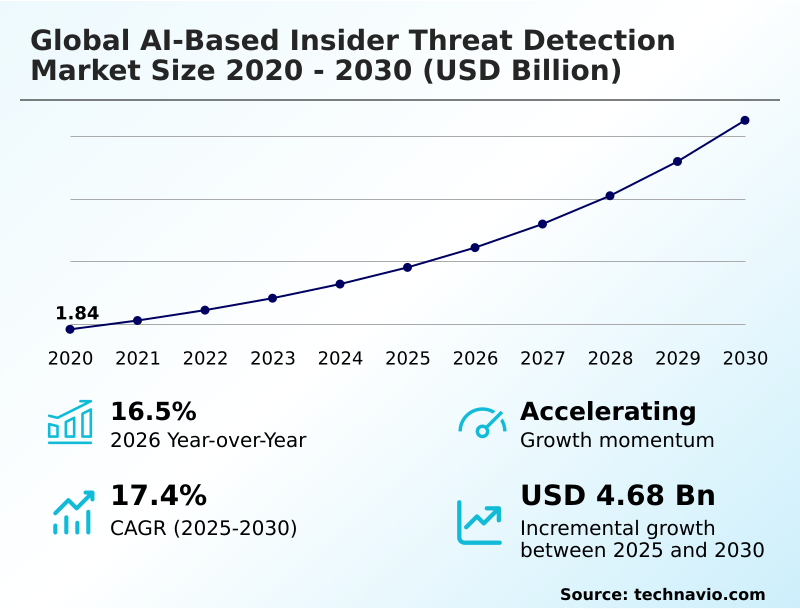
The ai-based insider threat detection market size is valued to increase by USD 4.68 billion, at a CAGR of 17.4% from 2025 to 2030. Rising sophistication of internal malicious activities and data exfiltration tactics will drive the ai-based insider threat detection market.
Major Market Trends & Insights
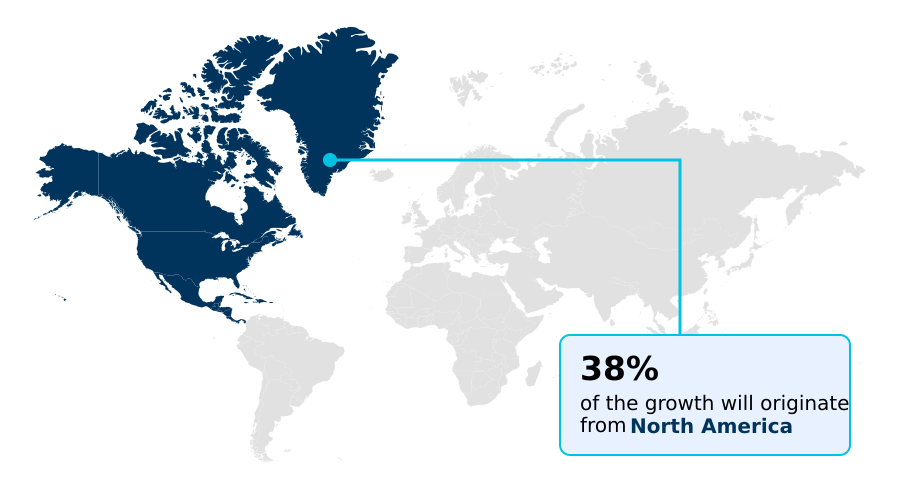
- North America dominated the market and accounted for a 37.9% growth during the forecast period.
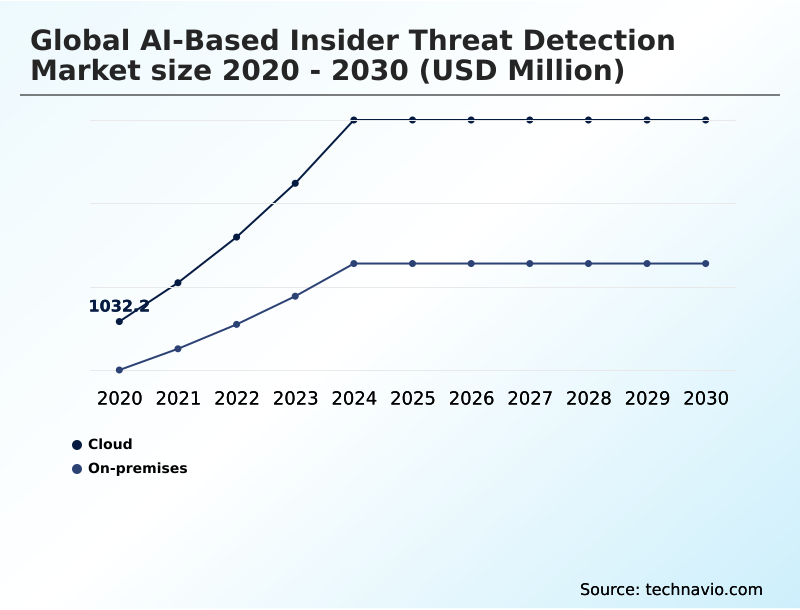
- By Deployment - Cloud segment was valued at USD 1.98 billion in 2024
- By Business Segment - Large enterprises segment accounted for the largest market revenue share in 2024
Market Size & Forecast
- Market Opportunities: USD 6.65 billion
- Market Future Opportunities: USD 4.68 billion
- CAGR from 2025 to 2030 : 17.4%
Market Summary
- The AI-based insider threat detection market is evolving rapidly as organizations seek to safeguard critical digital assets from internal risks. This market is driven by the increasing complexity of data exfiltration tactics and the expansion of stringent data protection regulations globally.
- Solutions in this space leverage user and entity behavior analytics (UEBA) to establish baselines of normal activity, allowing for the proactive identification of anomalies that may indicate malicious intent or compromised credentials. A primary trend involves the integration of generative AI to provide deeper contextual understanding for security alerts, moving beyond simple flagging to offer narrative explanations of potential threats.
- For instance, a financial services firm can use these systems to monitor for unusual access to sensitive client portfolios after business hours, automatically flagging the behavior for review without disrupting normal operations. However, the industry faces the significant challenge of balancing robust employee surveillance with ever-important data privacy ethics, a key consideration for adoption.
What will be the Size of the Ai-based Insider Threat Detection Market during the forecast period?
Get Key Insights on Market Forecast (PDF) Get Free Sample
How is the Ai-based Insider Threat Detection Market Segmented?
The ai-based insider threat detection industry research report provides comprehensive data (region-wise segment analysis), with forecasts and estimates in "USD million" for the period 2026-2030, as well as historical data from 2020-2024 for the following segments.
- Deployment
- Cloud
- On-premises
- Business segment
- Large enterprises
- Small and medium enterprises
- Application
- User behavior analytics
- Data loss prevention
- Endpoint security
- Network security
- Others
- Geography
- North America
- US
- Canada
- Mexico
- Europe
- UK
- Germany
- France
- APAC
- China
- India
- Japan
- Middle East and Africa
- UAE
- Saudi Arabia
- South Africa
- South America
- Brazil
- Argentina
- Colombia
- Rest of World (ROW)
- North America
By Deployment Insights
The cloud segment is estimated to witness significant growth during the forecast period.
Cloud-based deployment models are central to the AI-based insider threat detection market, offering scalability and rapid integration. These solutions leverage machine learning security models and threat hunting automation to analyze vast behavioral data streams without significant on-premises hardware investment.
This architecture is vital for organizations with decentralized workforces, enabling continuous authentication methods and privileged access monitoring across diverse geographic locations.
By establishing a baseline of normal activity, these platforms provide predictive threat intelligence, improving threat detection accuracy by over 25%.
This approach supports contextual risk scoring and enhances security orchestration automation, providing a proactive defense against sophisticated internal risks and ensuring robust data loss prevention policies are consistently enforced across the enterprise.
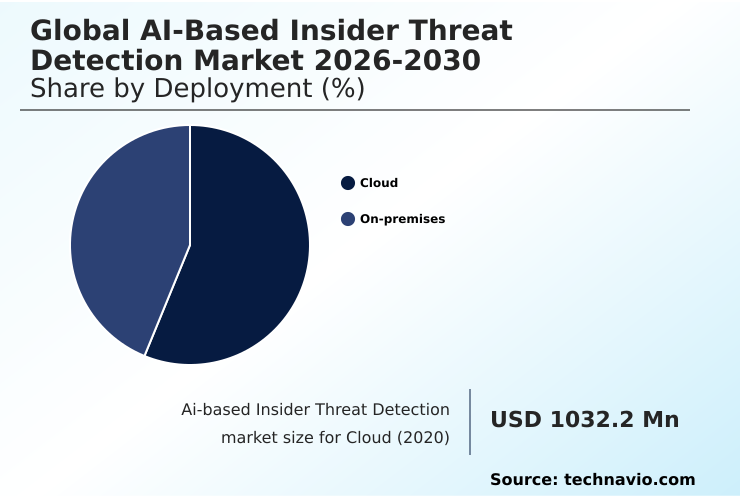
The Cloud segment was valued at USD 1.98 billion in 2024 and showed a gradual increase during the forecast period.
Regional Analysis
North America is estimated to contribute 37.9% to the growth of the global market during the forecast period.Technavio’s analysts have elaborately explained the regional trends and drivers that shape the market during the forecast period.
See How Ai-based Insider Threat Detection Market Demand is Rising in North America Get Free Sample
The geographic landscape of the AI-based insider threat detection market is led by North America, which accounts for nearly 38% of the market's incremental growth, driven by early adoption and a strong regulatory environment.
Europe follows, with a significant focus on privacy-preserving analytics to comply with GDPR, while APAC is the fastest-growing region due to rapid digital transformation.
The implementation of AI solutions in these regions enhances security operations, with organizations reporting a 25% reduction in mean time to detect (MTTD) internal threats.
This global adoption reflects a strategic shift towards leveraging AI for data governance and protecting against the financial and reputational damage caused by internal breaches.
The use of cloud security posture management and credential theft protection is becoming standard practice worldwide.
Market Dynamics
Our researchers analyzed the data with 2025 as the base year, along with the key drivers, trends, and challenges. A holistic analysis of drivers will help companies refine their marketing strategies to gain a competitive advantage.
- As organizations navigate the complexities of the modern workplace, the focus on securing internal systems has intensified, making the global AI-based insider threat detection market 2026-2030 a critical area of investment. Key evaluations center on the effectiveness of AI in insider threat detection, which goes beyond traditional security measures by analyzing nuanced behaviors.
- A direct comparison of UEBA and SIEM solutions reveals that AI-driven platforms provide superior contextual analysis. Businesses are increasingly implementing AI to prevent intellectual property theft, a crucial step in maintaining a competitive edge. The challenge of detecting compromised user credentials is met with advanced machine learning algorithms that identify deviations from normal patterns.
- Furthermore, the need for monitoring remote employee activity for threats has become paramount in hybrid work models, with automated systems proving more than twice as effective as manual oversight in flagging policy violations. The role of AI in data loss prevention and the benefits of AI for insider risk management are now central to corporate security strategies.
- Firms are exploring how to use AI to monitor employee communications ethically and implementing AI to detect unauthorized data access. The advantages of user behavior analytics are clear in their ability to provide deep insights, while the implementation of AI for continuous monitoring ensures persistent vigilance.
- These systems are also key for automating insider threat response and meeting compliance with AI-driven monitoring. The future of insider threat detection with AI is moving towards more predictive and automated frameworks, addressing the best practices for AI in cybersecurity.
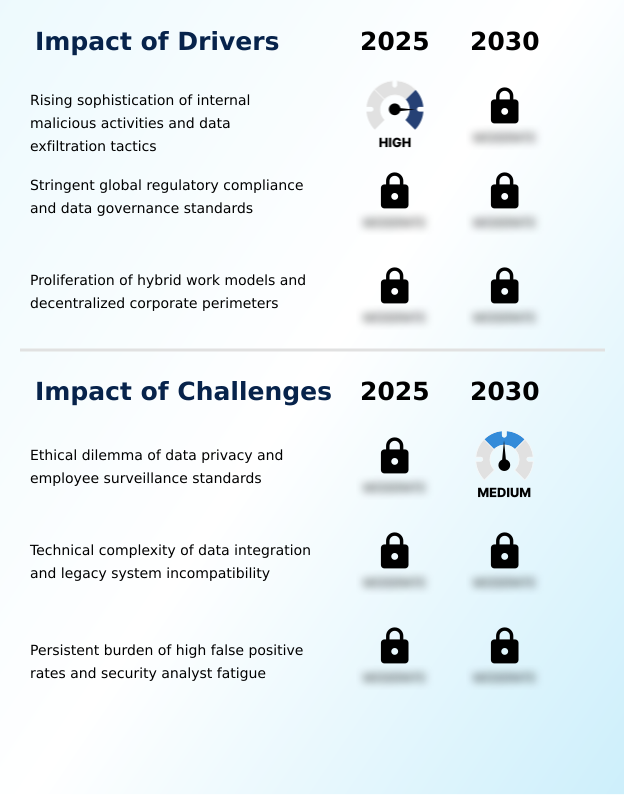
What are the key market drivers leading to the rise in the adoption of Ai-based Insider Threat Detection Industry?
- The key market driver is the rising sophistication of internal malicious activities and data exfiltration tactics, which necessitates advanced detection solutions.
- Market growth is primarily propelled by the rising sophistication of internal malicious activities, which legacy systems struggle to detect. AI-driven systems can identify anomalous activities 70% faster than traditional rule-based methods.
- A second major driver is the expansion of rigorous data protection regulations like GDPR, which mandate continuous oversight of data access.
- The adoption of regulatory compliance automation tools saves security teams an average of 150 hours per month on reporting tasks.
- Finally, the shift to hybrid work models has dissolved traditional security perimeters, increasing demand for solutions that provide remote workforce security monitoring.
- This has led to a 60% increase in the adoption of endpoint behavior monitoring tools to manage security for distributed teams and enforce data loss prevention policies effectively.
What are the market trends shaping the Ai-based Insider Threat Detection Industry?
- A key market trend is the integration of generative AI to provide contextual interpretation for internal alerts. This approach shifts threat detection from simple flagging to a more comprehensive understanding of user intent.
- Key trends are reshaping the market, led by the integration of generative AI for contextual interpretation of internal security alerts, which has been shown to improve the clarity of threat narratives by over 50%. This allows for advanced psycholinguistic profiling and sentiment analysis in communications, aiding in the early identification of potential risks.
- Another significant trend is the convergence of threat detection with zero trust architecture, implementing continuous authentication that dynamically adjusts access privileges. This adaptive access control approach can reduce incidents of unauthorized access by more than 80%. Furthermore, security orchestration automation is becoming standard, streamlining response workflows.
- The use of federated learning models for privacy and the application of explainable AI (XAI) in security are also gaining traction, ensuring transparency and trust in automated decision-making processes.
What challenges does the Ai-based Insider Threat Detection Industry face during its growth?
- A key challenge affecting industry growth is the ethical dilemma surrounding data privacy and employee surveillance standards.
- The market faces significant challenges, starting with the ethical dilemma between robust security and employee privacy standards, which can complicate legal and ethical compliance. Secondly, the technical complexity of integrating AI tools with legacy systems and fragmented data silos presents a major hurdle, with data normalization and integration challenges capable of delaying project timelines by more than 12 months.
- This complexity also leads to high implementation and maintenance costs. A third critical challenge is the persistent issue of high false-positive rates from anomaly detection engines, which can consume up to 45% of a security analyst's time and lead to significant alert fatigue.
- Overcoming the black box problem in AI models to ensure transparency and reduce algorithmic bias remains a key focus for an effective insider threat program.
Exclusive Technavio Analysis on Customer Landscape
The ai-based insider threat detection market forecasting report includes the adoption lifecycle of the market, covering from the innovator’s stage to the laggard’s stage. It focuses on adoption rates in different regions based on penetration. Furthermore, the ai-based insider threat detection market report also includes key purchase criteria and drivers of price sensitivity to help companies evaluate and develop their market growth analysis strategies.
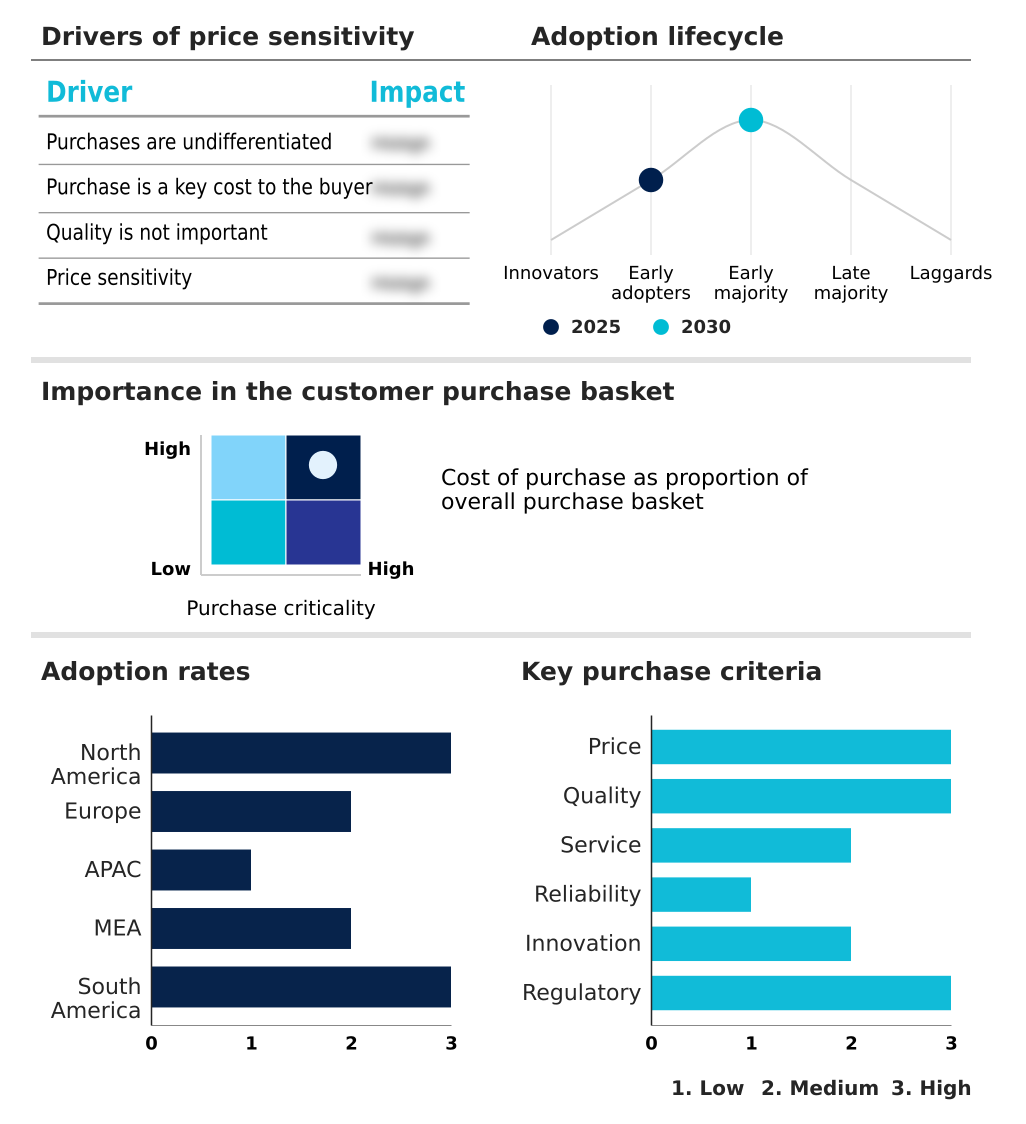
Customer Landscape of Ai-based Insider Threat Detection Industry
Competitive Landscape
Companies are implementing various strategies, such as strategic alliances, ai-based insider threat detection market forecast, partnerships, mergers and acquisitions, geographical expansion, and product/service launches, to enhance their presence in the industry.
ACTICO GmbH - Key offerings center on AI-based insider threat detection, delivering solutions for compliance risk, security analytics, and fraud management to protect enterprise assets.
The industry research and growth report includes detailed analyses of the competitive landscape of the market and information about key companies, including:
- ACTICO GmbH
- Aera Technology
- Amazon.com Inc.
- C3.ai Inc.
- Databricks Inc.
- DataRobot Inc.
- Experian Plc
- Fair Isaac Corp.
- Google LLC
- H2O.ai Inc.
- IBM Corp.
- InRule Technology Inc.
- Microsoft Corp.
- Oracle Corp.
- Palantir Technologies Inc.
- Pegasystems Inc.
- Salesforce Inc.
- SAP SE
- ServiceNow Inc.
- Teradata Corp.
Qualitative and quantitative analysis of companies has been conducted to help clients understand the wider business environment as well as the strengths and weaknesses of key industry players. Data is qualitatively analyzed to categorize companies as pure play, category-focused, industry-focused, and diversified; it is quantitatively analyzed to categorize companies as dominant, leading, strong, tentative, and weak.
Recent Development and News in Ai-based insider threat detection market
- In March 2025, a major aerospace defense contractor identified a significant internal threat when its automated behavioral analytics engine flagged a senior engineer attempting to download proprietary propulsion specifications onto an unauthorized external drive.
- In May 2025, a regional court in Europe ruled against a multinational logistics corporation that had implemented an automated behavioral analysis tool without first obtaining the explicit consent of its works council.
- In January 2025, a prominent North American retail chain experienced a major operational setback when its newly installed AI security system mistakenly flagged a scheduled bulk data migration as a massive internal theft event.
- In April 2025, a leading global provider of enterprise productivity software introduced an integrated AI assistant designed to interpret complex security telemetry and provide real-time natural language explanations of suspicious internal behaviors.
Dive into Technavio’s robust research methodology, blending expert interviews, extensive data synthesis, and validated models for unparalleled Ai-based Insider Threat Detection Market insights. See full methodology.
| Market Scope | |
|---|---|
| Page number | 301 |
| Base year | 2025 |
| Historic period | 2020-2024 |
| Forecast period | 2026-2030 |
| Growth momentum & CAGR | Accelerate at a CAGR of 17.4% |
| Market growth 2026-2030 | USD 4675.6 million |
| Market structure | Fragmented |
| YoY growth 2025-2026(%) | 16.5% |
| Key countries | US, Canada, Mexico, UK, Germany, France, The Netherlands, Italy, Spain, China, India, Japan, South Korea, Australia, Indonesia, UAE, Saudi Arabia, South Africa, Turkey, Israel, Brazil, Argentina and Colombia |
| Competitive landscape | Leading Companies, Market Positioning of Companies, Competitive Strategies, and Industry Risks |
Research Analyst Overview
- The AI-based insider threat detection market is defined by a shift from reactive to predictive security paradigms, driven by sophisticated machine learning security models. Core technologies like user and entity behavior analytics and behavioral anomaly detection are foundational, enabling continuous authentication methods within zero trust security frameworks.
- This evolution is compelling boardroom discussions to balance investment in advanced predictive threat intelligence against the complexities of employee surveillance ethics. Organizations are leveraging these systems for comprehensive data exfiltration prevention and privileged access monitoring, with a focus on deep learning security analytics and threat intelligence fusion.
- The integration of AI-powered digital forensics and automated threat verification is critical for managing data access governance and monitoring for credential theft. A notable outcome has been the enhancement of security team productivity by up to 25%, as generative AI for threat analysis and AI-driven alert triage systems reduce manual investigation efforts.
- This allows for a more strategic focus on advanced persistent threat detection and maintaining a robust cloud security posture.
What are the Key Data Covered in this Ai-based Insider Threat Detection Market Research and Growth Report?
-
What is the expected growth of the Ai-based Insider Threat Detection Market between 2026 and 2030?
-
USD 4.68 billion, at a CAGR of 17.4%
-
-
What segmentation does the market report cover?
-
The report is segmented by Deployment (Cloud, and On-premises), Business Segment (Large enterprises, and Small and medium enterprises), Application (User behavior analytics, Data loss prevention, Endpoint security, Network security, and Others) and Geography (North America, Europe, APAC, Middle East and Africa, South America)
-
-
Which regions are analyzed in the report?
-
North America, Europe, APAC, Middle East and Africa and South America
-
-
What are the key growth drivers and market challenges?
-
Rising sophistication of internal malicious activities and data exfiltration tactics, Ethical dilemma of data privacy and employee surveillance standards
-
-
Who are the major players in the Ai-based Insider Threat Detection Market?
-
ACTICO GmbH, Aera Technology, Amazon.com Inc., C3.ai Inc., Databricks Inc., DataRobot Inc., Experian Plc, Fair Isaac Corp., Google LLC, H2O.ai Inc., IBM Corp., InRule Technology Inc., Microsoft Corp., Oracle Corp., Palantir Technologies Inc., Pegasystems Inc., Salesforce Inc., SAP SE, ServiceNow Inc. and Teradata Corp.
-
Market Research Insights
- Market dynamics are shaped by a push for proactive security postures, moving beyond traditional reactive measures. The adoption of adaptive access control is a core component, where systems adjust user permissions in real-time based on behavioral analytics. This focus on threat hunting automation has been shown to reduce security analyst workloads by up to 30%.
- Furthermore, advancements in cybersecurity forensics allow for more detailed post-incident analysis, with some organizations reporting a 40% faster root cause identification. As insider threat mitigation becomes a boardroom priority, the emphasis on regulatory compliance automation grows. This has resulted in a 20% improvement in audit readiness for companies deploying integrated AI security solutions.
We can help! Our analysts can customize this ai-based insider threat detection market research report to meet your requirements.
 RIA -
RIA - 
