
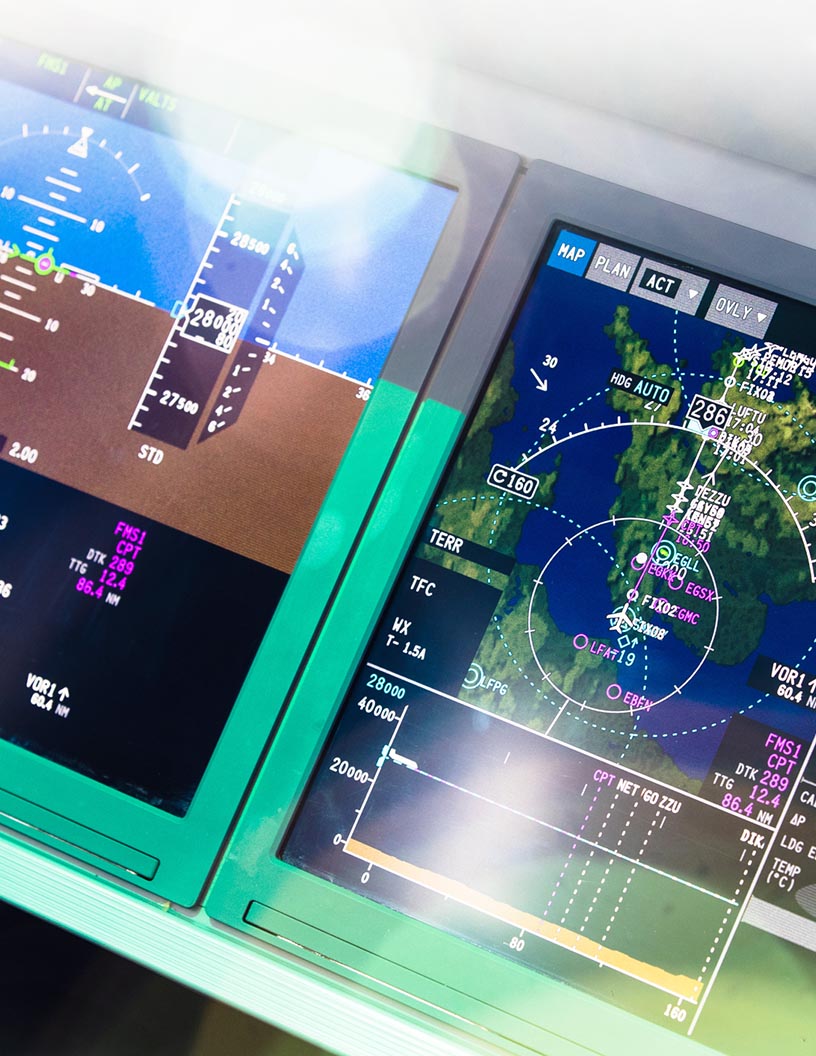


The aircraft flight control systems market share is expected to increase by USD 1.61 billion from 2020 to 2025, and the market’s growth momentum will accelerate at a CAGR of 3.43%.
This aircraft flight control systems market research report provides valuable insights on the post COVID-19 impact on the market, which will help companies evaluate their business approaches. Furthermore, this report extensively covers aircraft flight control systems market segmentation by application (commercial aviation, military aviation, and business aviation) and geography (North America, Europe, APAC, MEA, and South America). The aircraft flight control systems market report also offers information on several market vendors, including BAE Systems Plc, Honeywell International Inc., Liebherr-International AG, Moog Inc., Parker Hannifin Corp., Raytheon Technologies Corp., Saab AB, Safran SA, Thales Group, and Woodward Inc. among others.
What will the Aircraft Flight Control SystemsMarket Size be During the Forecast Period?
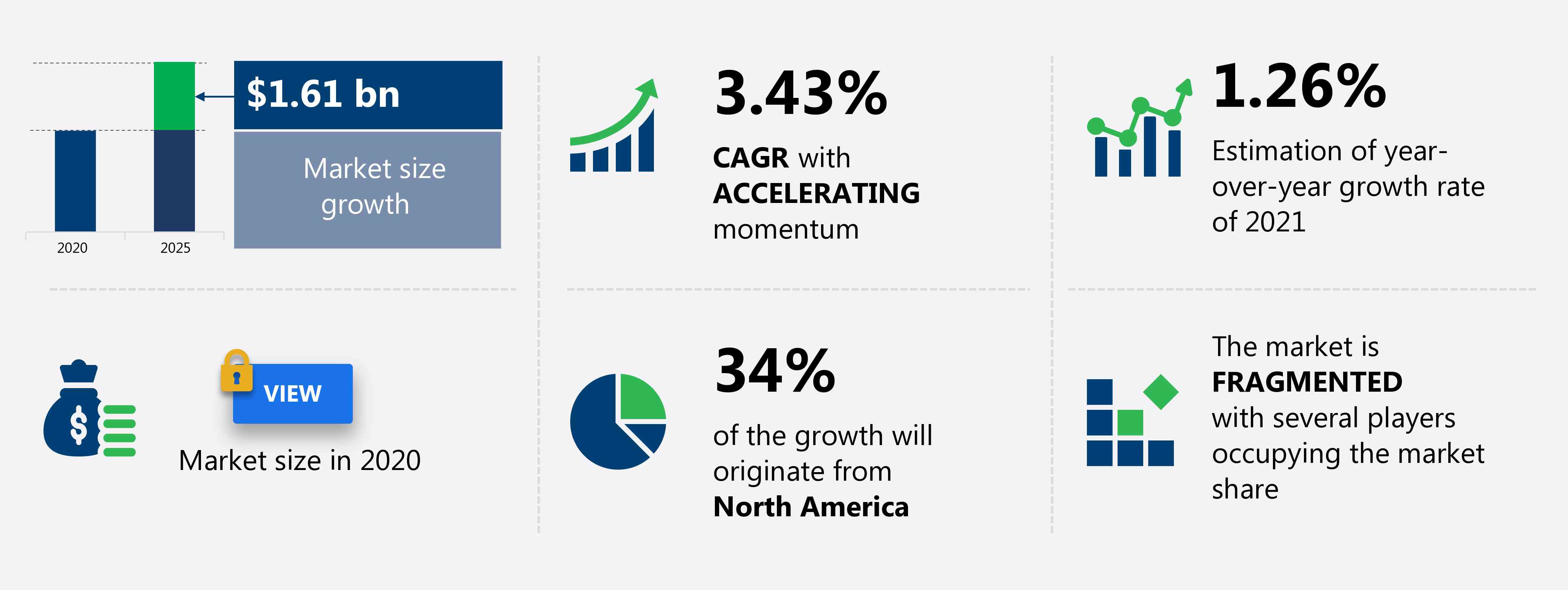
Download the Free Report Sample to Unlock the Aircraft Flight Control SystemsMarket Size for the Forecast Period and Other Important Statistics
Aircraft Flight Control SystemsMarket: Key Drivers, Trends, and Challenges
Based on our research output, there has been a negative impact on the market growth during and post COVID-19 era. The development of technologically advanced, next-generation aircraft components is notably driving the aircraft flight control systems market growth, although factors such as delays in aircraft delivery may impede the market growth. Our research analysts have studied the historical data and deduced the key market drivers and the COVID-19 pandemic impact on the aircraft flight control systems industry. The holistic analysis of the drivers will help in deducing end goals and refining marketing strategies to gain a competitive edge.
Key Aircraft Flight Control SystemsMarket Driver
The development of technologically advanced, next-generation aircraft components is notably driving the global aircraft flight control market growth. The increasing demand for commercial aircraft and efficient and technologically advanced aircraft components has increased R&D activities in the global aviation industry. Aircraft that are in production must meet the standards by 2023. Therefore, aircraft and their component manufacturers are increasingly focusing on incorporating advanced solutions to enhance aircraft efficiency. This is likely to increase the investments in R&D activities related to advanced electronic components and systems during the forecast period.
Key Aircraft Flight Control SystemsMarket Trend
The growing popularity of non-linear aircraft FCSs is the key trend driving the global aircraft flight control market growth. The non-linear control theory helps in analyzing and designing controllers. The varied design requirements and inherent dynamics of multiple flying platforms increase the demand for non-linear and adaptive controls. The baseline controller is tailored for a particular system and developed in accordance with specific mission requirements. For operations in highly uncertain environments, the baseline controller is augmented by an adaptive controller to counter model uncertainties, sensor imperfections, and unknown exogenous disturbances. Keeping in mind the growing technological advances in military aviation and the requirement for fighter aircraft, the demand for non-linear FCSs is expected to become a potential driver for the market in the coming years.
Key Aircraft Flight Control SystemsMarket Challenge
The delays in aircraft delivery are the major challenge impeding the global aircraft flight control market growth. The increasing complexity of commercial aircraft design, manufacture, and certification has imposed challenges on timely and quality-assured aircraft delivery. To overcome this challenge, design and manufacturing advances have already been implemented. The manufacturing of an aircraft is a timely process as it involves assembling several systems, components, and parts; therefore, aircraft manufacturers rely heavily on sub-component manufacturers. Any delay in the supply of sub-components leads to an extension of delivery dates. Such delays may also lead to the cancellation of orders from airlines.
This aircraft flight control systemsmarket analysis report also provides detailed information on other upcoming trends and challenges that will have a far-reaching effect on the market growth. The actionable insights on the trends and challenges will help companies evaluate and develop growth strategies for 2021-2025.
Parent Market Analysis
Technavio categorizes the global aircraft flight control systems market as a part of the global aerospace & defense market within the global capital goods market. Our research report has extensively covered external factors influencing the parent market growth potential in the coming years, which will determine the levels of growth of the aircraft flight control systems market during the forecast period.
Who are the Major Aircraft Flight Control SystemsMarket Vendors?
The report analyzes the market’s competitive landscape and offers information on several market vendors, including:
- BAE Systems Plc
- Honeywell International Inc.
- Liebherr-International AG
- Moog Inc.
- Parker Hannifin Corp.
- Raytheon Technologies Corp.
- Saab AB
- Safran SA
- Thales Group
- Woodward Inc.
This statistical study of the aircraft flight control systems market encompasses successful business strategies deployed by the key vendors. The aircraft flight control systems market is fragmented and the vendors are deploying organic and inorganic growth strategies to compete in the market.
Product Insights and News
- BAE Systems Plc - The company manufactures flight control systems for various aircraft such as fly-by-wire control systems.
To make the most of the opportunities and recover from post COVID-19 impact, market vendors should focus more on the growth prospects in the fast-growing segments, while maintaining their positions in the slow-growing segments.
The aircraft flight control systems market forecast report offers in-depth insights into key vendor profiles. The profiles include information on the production, sustainability, and prospects of the leading companies.
Aircraft Flight Control SystemsMarket Value Chain Analysis
Our report provides extensive information on the value chain analysis for the aircraft flight control systems market, which vendors can leverage to gain a competitive advantage during the forecast period. The end-to-end understanding of the value chain is essential in profit margin optimization and evaluation of business strategies. The data available in our value chain analysis segment can help vendors drive costs and enhance customer services during the forecast period.
The report has further elucidated on other innovative approaches being followed by manufacturers to ensure a sustainable market presence.
Which are the Key Regions for Aircraft Flight Control SystemsMarket?
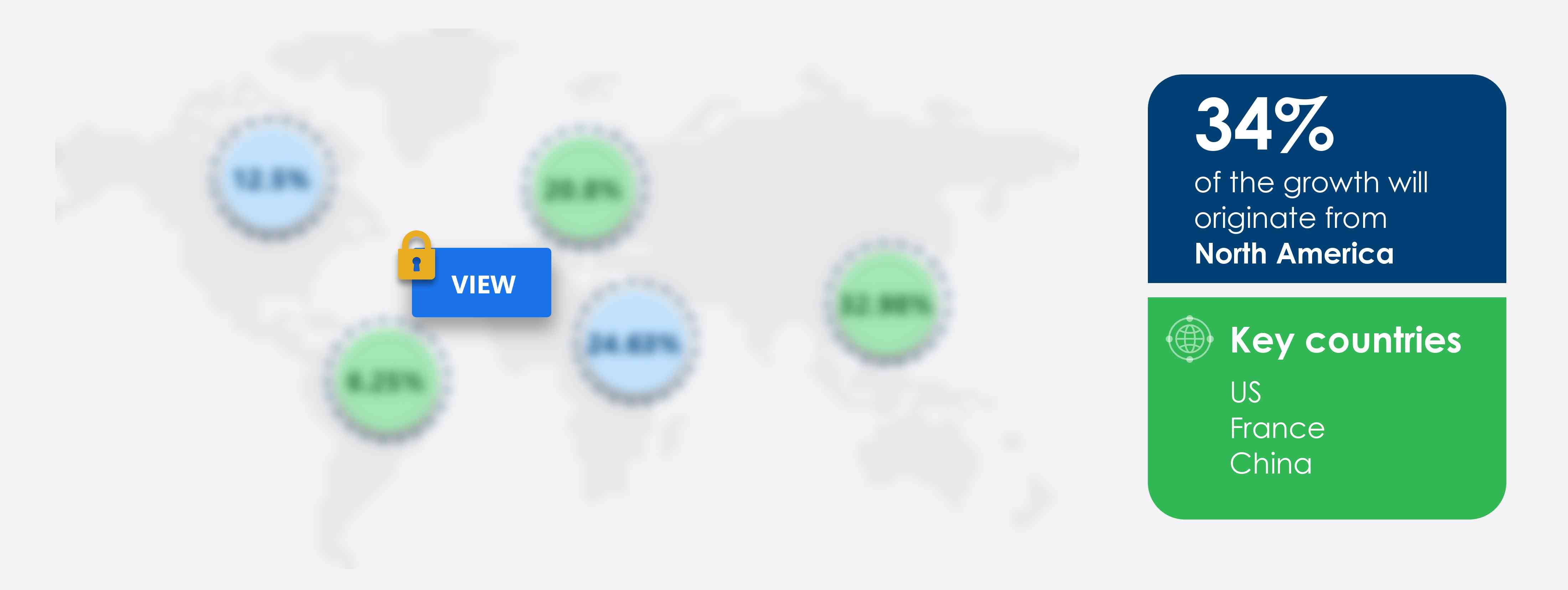
For more insights on the market share of various regions Request for a FREE sample now!
34% of the market’s growth will originate from North America during the forecast period. US and Canada are the key markets for aircraft flight control systems market in North America. Market growth in this region will be faster than the growth of the market in APAC, MEA, and South America.
The spending in the military aircraft market is fueled by procurement programs such as the Joint Strike Fighter program undertaken by the US. This will facilitate the aircraft flight control systems market growth in North America over the forecast period. This market research report entails detailed information on the competitive intelligence, marketing gaps, and regional opportunities in store for vendors, which will assist in creating efficient business plans.
COVID Impact and Recovery Analysis
The US is one of the worst affected countries by COVID-19. The supply chains were disrupted, and there was a decline in the supply of critical parts that adhere to quality, which is very much essential to an industry like aircraft manufacturing.
What are the Revenue-generating Application Segments in the Aircraft Flight Control SystemsMarket?
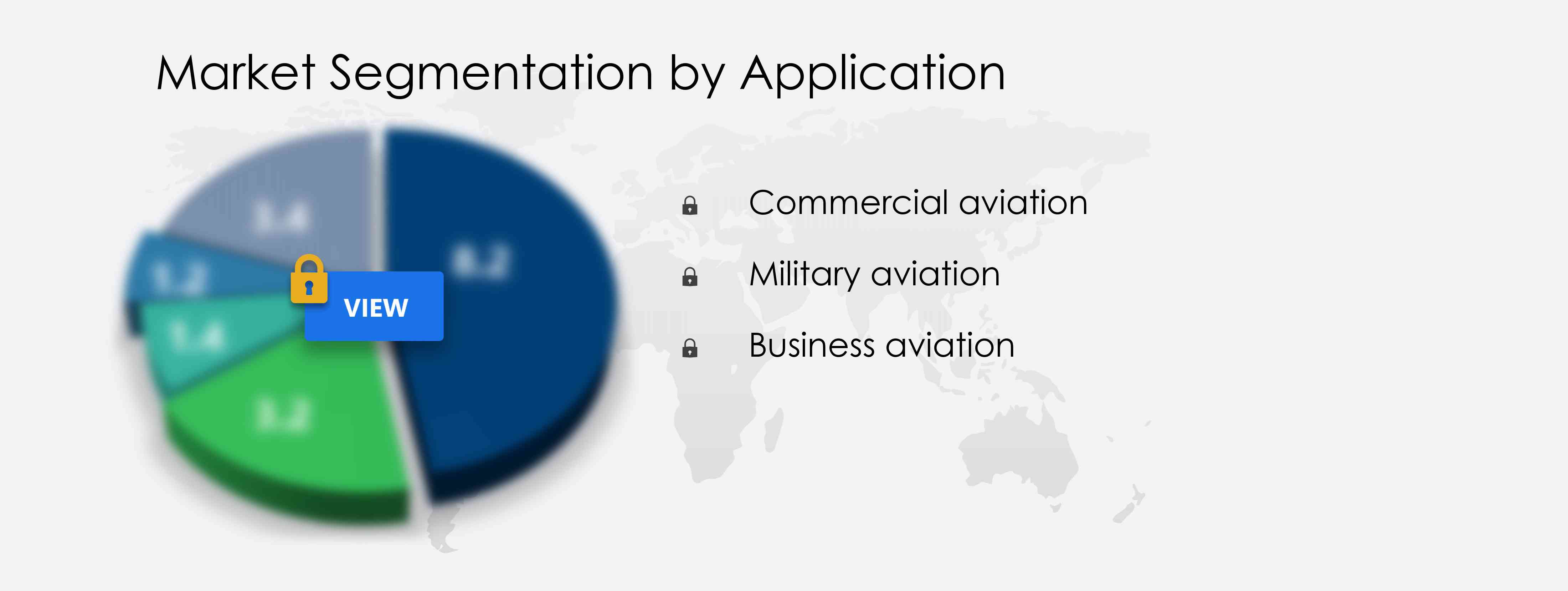
To gain further insights on the market contribution of various segments Request for a FREE sample
The aircraft flight control systems market share growth in the commercial aviation segment will be significant during the forecast period. Factors such as technological advances, the growing need for air travel, and environmental concerns are generating the demand for fuel-efficient aircraft. The procurement of new aircraft is thus expected to bolster the commercial aviation segment of the global aircraft FCSs market during the forecast period.
This report provides an accurate prediction of the contribution of all the segments to the growth of the aircraft flight control systems market size and actionable market insights on post COVID-19 impact on each segment.
|
Aircraft Flight Control SystemsMarket Scope |
|
|
Report Coverage |
Details |
|
Page number |
120 |
|
Base year |
2020 |
|
Forecast period |
2021-2025 |
|
Growth momentum & CAGR |
Accelerate at a CAGR of 3.43% |
|
Market growth 2021-2025 |
$ 1.61 billion |
|
Market structure |
Fragmented |
|
YoY growth (%) |
1.26 |
|
Regional analysis |
North America, Europe, APAC, MEA, and South America |
|
Performing market contribution |
North America at 34% |
|
Key consumer countries |
US, France, China, Germany, UK, and Canada |
|
Competitive landscape |
Leading companies, Competitive strategies, Consumer engagement scope |
|
Key companies profiled |
BAE Systems Plc, Honeywell International Inc., Liebherr-International AG, Moog Inc., Parker Hannifin Corp., Raytheon Technologies Corp., Saab AB, Safran SA, Thales Group, and Woodward Inc. |
|
Market dynamics |
Parent market analysis, Market growth inducers and obstacles, Fast-growing and slow-growing segment analysis, COVID 19 impact and recovery analysis and future consumer dynamics, Market condition analysis for forecast period |
|
Customization purview |
If our report has not included the data that you are looking for, you can reach out to our analysts and get segments customized. |
What are the Key Data Covered in this Aircraft Flight Control SystemsMarket Report?
- CAGR of the market during the forecast period 2021-2025
- Detailed information on factors that will drive aircraft flight control systems market growth during the next five years
- Precise estimation of the aircraft flight control systems market size and its contribution to the parent market
- Accurate predictions on upcoming trends and changes in consumer behavior
- The growth of the aircraft flight control systems industry across North America, Europe, APAC, MEA, and South America
- A thorough analysis of the market’s competitive landscape and detailed information on vendors
- Comprehensive details of factors that will challenge the growth of aircraft flight control systems market vendors
We can help! Our analysts can customize this report to meet your requirements. Get in touch
 RIA -
RIA - 
