



Alnico Magnets Market Size 2024-2028
The alnico magnets market size is forecast to increase by USD 363.4 million at a CAGR of 7.08% between 2023 and 2028. The market is experiencing significant growth due to the increasing demand from various industries, including electronics and aerospace. In the electronics sector, the use of Alnico magnets in motors, sensors, and actuators is driving market growth. Meanwhile, in the aerospace industry, the lightweight and high-performance properties of Alnico magnets are making them essential components in aircraft engines and other critical applications. Moreover, the energy industry is another major contributor to the market's growth. Alnico magnets are used extensively in renewable energy applications, such as wind turbines and electric vehicles, due to their temperature stability and high energy product. In manufacturing technologies, Alnico magnets are used in industrial automation and robotics, where their magnetic properties are essential for efficient and precise operation.
However, the market is facing challenges due to the volatility in prices of raw materials, such as iron, which are used in the production of Alnico magnets. This volatility can impact the profitability of manufacturers and potentially slow down market growth. Despite these challenges, the market is expected to continue growing due to the increasing demand from various industries and the unique properties of Alnico magnets.
What will be the Size of the Market During the Forecast Period?
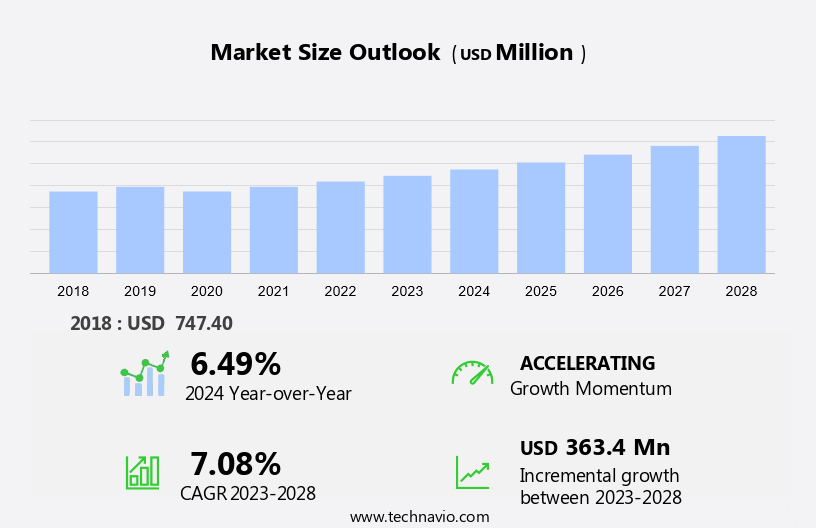
Alnico magnets, a type of permanent magnet, have been integral to various industries due to their unique magnetic properties. These magnets are primarily composed of aluminum, nickel, and cobalt, with iron as the main matrix. Alnico magnets are known for their temperature stability and high resistance to demagnetization, making them suitable for various applications. The global market for Alnico magnets is driven by their extensive usage in the electronics industry. In this sector, Alnico magnets are used in various components such as speakers, microphones, and sensors. Furthermore, the automotive industry is another significant consumer of Alnico magnets.
Moreover, they are employed in ignition systems, fuel pumps, and various sensors, among other applications. Alnico magnets also find applications in the energy industry, particularly in renewable energy applications. They are used in generators and motors for wind and hydroelectric power systems. Additionally, these magnets are used in manufacturing technologies, such as robotics and industrial automation, where high-performance magnets are required. Alnico magnets are available in various forms, including cast Alnico, bar Alnico, and sintered Alnico. Cast Alnico magnets offer high magnetic strength and are suitable for applications requiring high power density. Bar Alnico magnets, on the other hand, are known for their high coercivity and are commonly used in high-temperature applications.
Furthermore, sintered Alnico magnets offer a balance between magnetic properties and cost, making them a popular choice for various applications. Despite their advantages, Alnico magnets face competition from other types of permanent magnets, such as Neodymium and Samarium-Cobalt magnets. However, Alnico magnets have unique properties that make them indispensable in certain applications, particularly those requiring high temperature stability and resistance to demagnetization. The manufacturing processes for Alnico magnets have evolved over the years, with a focus on eco-friendly and sustainable practices. This trend is driven by growing environmental concerns and increasing demand for sustainable manufacturing processes. The use of rare earth elements, such as neodymium and samarium-cobalt, in other types of magnets has also led to a renewed interest in Alnico magnets, which do not rely on these elements for their magnetic properties.
Market Segmentation
The market research report provides comprehensive data (region-wise segment analysis), with forecasts and estimates in "USD million" for the period 2024-2028, as well as historical data from 2018-2022 for the following segments.
- Application
- Electronics
- Automotive
- Aerospace
- Wind energy
- Others
- Geography
- APAC
- China
- India
- Japan
- North America
- US
- Europe
- Germany
- South America
- Middle East and Africa
- APAC
By Application Insights
The electronics segment is estimated to witness significant growth during the forecast period. The market is primarily driven by the electronics industry due to the magnets' ability to generate a powerful magnetic field and maintain a high level of coercivity. Alnico magnets are preferred over other types of magnets in various electronic applications due to their superior magnetic properties. Alnico magnets are extensively utilized in various sectors of the electronics industry, including electric motors, microphones, sensors, speakers, and magnetic separators. In the field of audio technology, they are employed in the production of high-quality speakers and microphones. Sensors, such as current sensors and magnetic proximity sensors, also make use of Alnico magnets for their strong magnetic fields.
Additionally, Alnico magnets are used in various appliances, such as refrigerators, air conditioners, televisions, and computer disks. In the automotive industry, Alnico magnets are used in electric motors for various applications, including air conditioning systems and power steering. Furthermore, they are used in the manufacturing of magnetic separators for metal separation in various industries. In summary, the market in the US is primarily driven by the electronics industry due to the magnets' unique magnetic properties. Their applications range from audio technology to appliances, automotive, and metal separation industries.
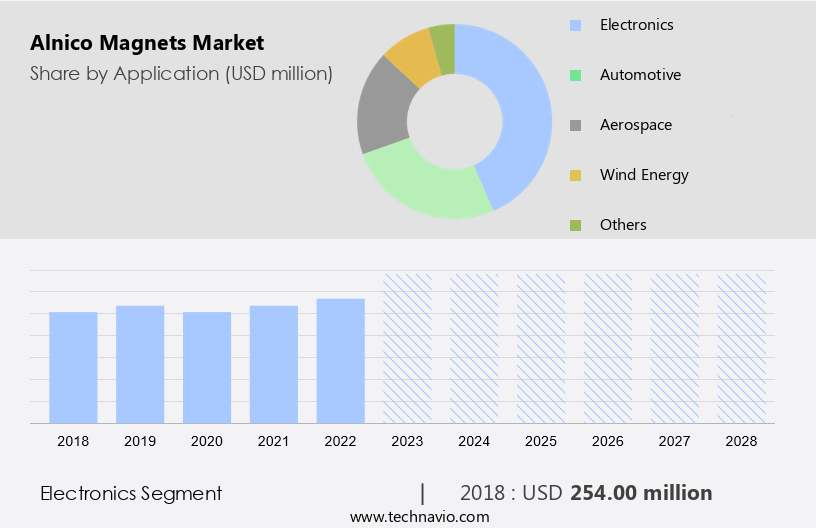
Get a glance at the market share of various segments Request Free Sample
The electronics segment accounted for USD 254.00 million in 2018 and showed a gradual increase during the forecast period.
Regional Insights
APAC is estimated to contribute 40% to the growth of the global market during the forecast period. Technavio's analysts have elaborately explained the regional trends and drivers that shape the market during the forecast period.
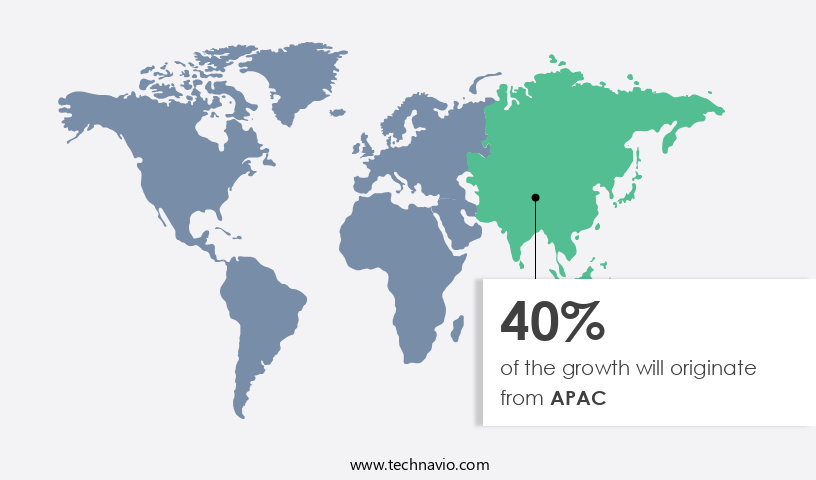
For more insights on the market share of various regions Request Free Sample
The market in the Asia Pacific (APAC) region is experiencing significant growth and plays a pivotal role in global market expansion. China and India are the primary contributors to this growth in APAC. The increasing demand for alnico magnets in China can be attributed to the rising requirements from various sectors such as automotive, aerospace, electronics, wind energy, and medical devices. In the coming years, substantial investments are expected in these major application areas in APAC. This investment rise is primarily due to the escalating demand for automotive, aerospace, electronics, wind energy, and medical device products, which heavily utilize alnico magnets. In emerging economies like China and India, the adoption of advanced technologies and innovative devices that incorporate alnico magnets is projected to increase substantially. According to industry experts, this trend is set to continue, making the market an attractive proposition for businesses.
Our researchers analyzed the data with 2023 as the base year, along with the key drivers, trends, and challenges. A holistic analysis of drivers will help companies refine their marketing strategies to gain a competitive advantage.
Market Driver
Increased demand from electronics sector is the key driver of the market. Alnico magnets, composed of Aluminum, Nickel, and Cobalt, are essential components in various electronic applications. These magnets offer superior features, including stronger magnetic fields and corrosion resistance, making them suitable for use in electric motors, electric guitar pickups, microphones, sensors, loudspeakers, magnetron tubes, cow magnets, refrigerators, air-conditioners, televisions, computer disks, cellphones, circuit boards, video equipment, microwave ovens, metal separators, pumps, and fans.
The global economy's expansion is fueled by the rising demand for advanced devices and infrastructure development. Factors such as growing disposable income, enhanced lifestyles, and accessible credit facilities have led to a rise in electronics consumption in emerging markets like India and countries in the ASEAN region. Alnico magnets' compatibility with electronic devices is a critical factor driving their demand in these industries.
Market Trends
Growing demand from aerospace industry is the upcoming trend in the market. Alnico magnets hold significant importance in the energy industry, particularly in the manufacturing technologies of the aerospace sector. These magnets are primarily composed of Iron, Aluminum, Nickel, and Cobalt, making them suitable for applications requiring high magnetic strength and thermal stability. In the aerospace industry, alnico magnets are extensively utilized in various components such as electrical power generators, slat actuators, throttle levers, engine-driven generators, fuel pumps, and fuel flow regulation systems, as well as rudder actuators. The aerospace industry's growth can be attributed to several factors, including increasing defense budgets in major economies, decreasing oil and commodity prices, a growing demand for air travel, and evolving tourism trends.
Among various sectors within the aerospace industry, commercial aviation is projected to account for the largest consumption of alnico magnets. Alnico magnets' high remanence and thermal stability make them indispensable magnetic materials for the aerospace sector. These properties enable them to maintain their magnetic field even under extreme temperatures and conditions, which is crucial for the reliable operation of aerospace components. As a result, alnico magnets are indispensable for the advancement of industrial automation and robotics applications within the aerospace industry. In conclusion, the aerospace industry's continuous growth and the increasing demand for high-performance magnetic materials have fueled the market for alnico magnets.
Market Challenge
Volatility in prices of raw materials is a key challenge affecting market growth. The market has been experiencing financial challenges due to the unpredictable costs of raw materials, particularly rare earth elements such as Neodymium and Samarium Cobalt. The economic downturn following the global crisis led to fluctuating prices of metals like aluminum, nickel, and copper, which are essential for manufacturing Alnico magnets. This volatility has significantly impacted the production costs of various industries, including electronics and aerospace.
Major economies are still recovering from the crisis, and many companies are struggling to keep up with the market's rapid changes. Despite the overall positive economic outlook, the prices of raw materials remain unstable, posing a significant challenge for Alnico magnet manufacturers.
Exclusive Customer Landscape
The market forecasting report includes the adoption lifecycle of the market, covering from the innovator's stage to the laggard's stage. It focuses on adoption rates in different regions based on penetration. Furthermore, the report also includes key purchase criteria and drivers of price sensitivity to help companies evaluate and develop their market growth analysis strategies.
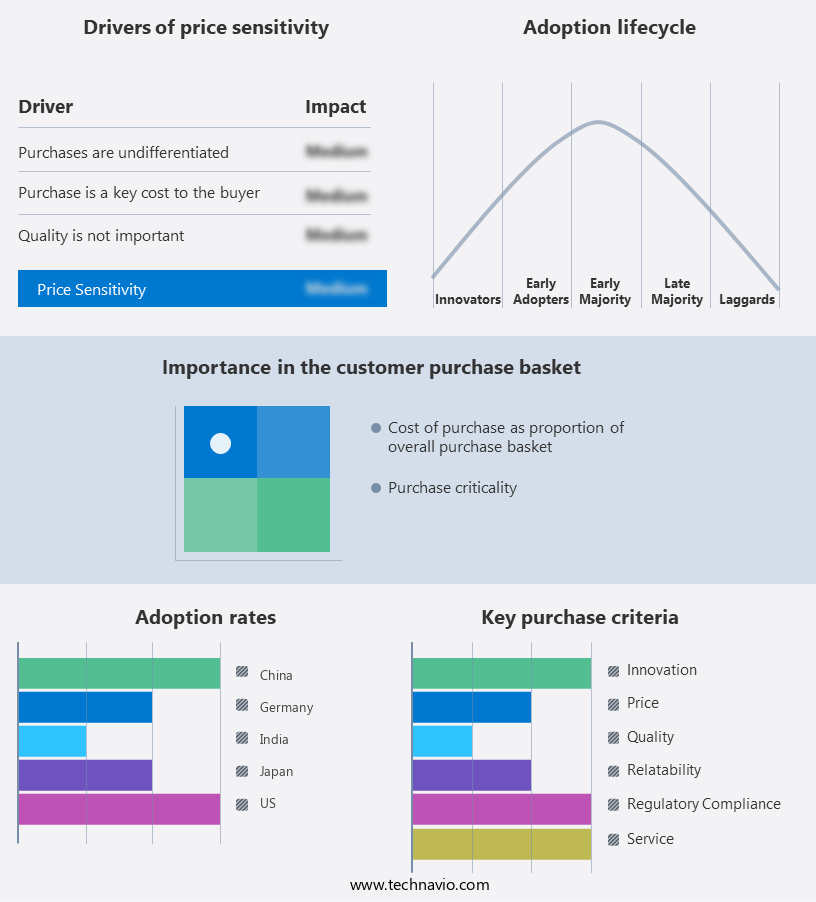
Customer Landscape
Key Companies & Market Insights
Companies are implementing various strategies, such as strategic alliances, partnerships, mergers and acquisitions, geographical expansion, and product/service launches, to enhance their presence in the market.
Adams Magnetic Products: The company offers alnico magnets that includes encapsulation, metal sheets, laminated, alnico, and injection molded magnets, magnetizing, stabilization, calibration, testing, and prototyping solutions.
The market research and growth report includes detailed analyses of the competitive landscape of the market and information about key companies, including:
- Alga Magneti Srl
- Arnold Magnetic Technologies Corp.
- Bunting Magnetics Europe LTD.
- DATOYO MAGNETICS CO. Ltd.
- DEXTER MAGNETIC TECHNOLOGIES
- Dura Magnetics
- DURA MAGNETS PVT. LTD.
- Electron Energy Corp.
- Eneflux-Armtek Magnetics Inc.
- Goudsmit Magnetics Groep BV
- Hitachi Ltd.
- IBS Magnet
- Integrated Technologies Group
- Magdev Ltd.
- Magnaworks Technology Inc.
- Master Magnetics Inc.
- Permanent Magnets Ltd.
- Stanford Magnets
- Storch Magnetics
Qualitative and quantitative analysis of companies has been conducted to help clients understand the wider business environment as well as the strengths and weaknesses of key market players. Data is qualitatively analyzed to categorize companies as pure play, category-focused, industry-focused, and diversified; it is quantitatively analyzed to categorize companies as dominant, leading, strong, tentative, and weak.
Research Analyst Overview
Alnico magnets, composed of aluminum, nickel, and cobalt, have been a staple in various industries due to their unique magnetic properties. These magnets offer high temperature stability, making them suitable for electronic applications in the automotive and aerospace sectors. In contrast to neodymium and samarium-cobalt magnets, which contain rare earth elements, alnico magnets are made from common elements, making them more eco-friendly. Two primary types of alnico magnets are cast alnico and sintered alnico. Cast alnico magnets are produced by casting the alloy into a mold, while sintered alnico magnets undergo a sintering process. Alnico magnets find applications in various industries, including electronics, energy, manufacturing technologies, and renewable energy.
Furthermore, they are used in speakers, microphones, sensors, electric vehicles, aircraft instruments, radar systems, military equipment, diagnostic equipment, automation, wind energy, and more. With the increasing focus on customization and specialized applications, the demand for alnico magnets continues to grow. Despite their advantages, alnico magnets face competition from other types of magnets, such as neodymium and samarium-cobalt magnets. Manufacturers are exploring eco-friendly manufacturing processes to reduce the environmental concerns associated with the production of alnico magnets.
|
Market Scope |
|
|
Report Coverage |
Details |
|
Page number |
152 |
|
Base year |
2023 |
|
Historic period |
2018-2022 |
|
Forecast period |
2024-2028 |
|
Growth momentum & CAGR |
Accelerate at a CAGR of 7.08% |
|
Market growth 2024-2028 |
USD 363.4 million |
|
Market structure |
Fragmented |
|
YoY growth 2023-2024(%) |
6.49 |
|
Regional analysis |
APAC, North America, Europe, South America, and Middle East and Africa |
|
Performing market contribution |
APAC at 40% |
|
Key countries |
China, US, Japan, Germany, and India |
|
Competitive landscape |
Leading Companies, Market Positioning of Companies, Competitive Strategies, and Industry Risks |
|
Key companies profiled |
Adams Magnetic Products, Alga Magneti Srl, Arnold Magnetic Technologies Corp., Bunting Magnetics Europe LTD., DATOYO MAGNETICS CO. Ltd., DEXTER MAGNETIC TECHNOLOGIES, Dura Magnetics, DURA MAGNETS PVT. LTD., Electron Energy Corp., Eneflux-Armtek Magnetics Inc., Goudsmit Magnetics Groep BV, Hitachi Ltd., IBS Magnet, Integrated Technologies Group, Magdev Ltd., Magnaworks Technology Inc., Master Magnetics Inc., Permanent Magnets Ltd., Stanford Magnets, and Storch Magnetics |
|
Market dynamics |
Parent market analysis, market growth inducers and obstacles, market forecast, fast-growing and slow-growing segment analysis, COVID-19 impact and recovery analysis and future consumer dynamics, market condition analysis for the forecast period |
|
Customization purview |
If our market report has not included the data that you are looking for, you can reach out to our analysts and get segments customized. |
What are the Key Data Covered in this Market Research and Growth Report?
- CAGR of the market during the forecast period
- Detailed information on factors that will drive the market growth and forecasting between 2024 and 2028
- Precise estimation of the size of the market and its contribution of the market in focus to the parent market
- Accurate predictions about upcoming market growth and trends and changes in consumer behaviour
- Growth of the market across APAC, North America, Europe, South America, and Middle East and Africa
- Thorough analysis of the market's competitive landscape and detailed information about companies
- Comprehensive analysis of factors that will challenge the growth of market companies
We can help! Our analysts can customize this market research report to meet your requirements. Get in touch
 RIA -
RIA - 
