
Enjoy complimentary customisation on priority with our Enterprise License!
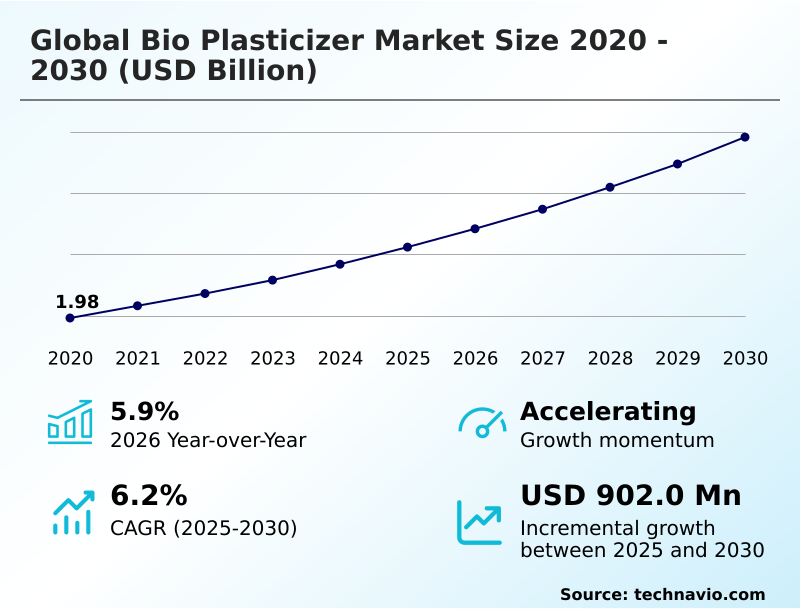
The bio plasticizer market size is forecast to increase by USD 803.8 million at a CAGR of 6.19% between 2023 and 2028. The market is experiencing significant growth due to the increasing demand for eco-friendly alternatives in various industries. The market is experiencing significant growth, driven by the rise in applications across various industries, including automotive, construction, and packaging. Environmental awareness and the need for sustainable products are driving this trend. Bio plasticizers offer several advantages, including biodegradability, which reduces the carbon footprint of plastic products. These materials are increasingly being used in medical devices and other applications where biocompatibility and thermal stability are crucial. Technological advancements in the production of bio plasticizers are helping to address the challenge of high production costs. Regulatory support for the use of bio plasticizers in various industries is also contributing to market growth. However, ensuring compatibility with different types of plastics remains a challenge. Overall, the market for bio plasticizers is expected to continue growing as more companies seek to offer eco-friendly solutions to their customers. In summary, the market is witnessing expansion due to the increasing demand for sustainable products and eco-friendly alternatives. Technological advancements and regulatory support are helping to overcome challenges such as high production costs and compatibility issues. The use of bio plasticizers in various industries, including medical devices, is expected to continue growing as companies seek to reduce their carbon footprint and offer more sustainable solutions.
The market is experiencing significant growth due to the increasing demand for sustainable practices in various industries. Resource efficiency and waste reduction are key priorities for businesses seeking to minimize their environmental footprint and address pollution concerns. In the realm of packaging, bio-based plasticizers are gaining popularity as eco-friendly alternatives to traditional plasticizers derived from non-renewable resources. Bio plasticizers are primarily used in the production of eco-friendly plastics, such as biodegradable plastics, which are derived from vegetable oils, starch, and other plant-based materials. These materials offer flexibility, durability, and workability, making them suitable for various applications in consumer goods, flexible packaging, and even medical devices.
Epoxidized soybean oil and polyvinyl chloride are common bio plasticizers used in the production of biodegradable plastics. Epoxidized soybean oil, derived from renewable soybean oil, offers excellent flexibility and adhesion properties, making it a popular choice for various applications. Polyvinyl chloride, on the other hand, can be plasticized using bio-based plasticizers, resulting in PVC products that meet environmental awareness and sustainability standards. Environmental concerns and health concerns are driving the demand for bio plasticizers in the market. Biodegradable plastics, which are often plasticized using bio-based materials, offer a solution to the issue of plastic waste, particularly in the context of food loss and landfilling reduction.
Furthermore, the use of bio plasticizers in the production of eco-friendly plastics aligns with the growing trend towards sustainable products and eco-friendly alternatives. Regulatory requirements are also playing a role in the growth of the market. Governments and regulatory bodies are increasingly implementing policies and regulations aimed at reducing the use of non-renewable resources in the production of plastics. This trend is expected to continue, as environmental awareness and the need for sustainable solutions become increasingly important. The market offers numerous opportunities for innovation and growth. As the demand for sustainable packaging solutions continues to rise, the use of bio plasticizers in the production of biodegradable plastics is expected to increase.
Additionally, the development of new bio plasticizers from various plant-based materials is an area of ongoing research and innovation. In conclusion, the market is a dynamic and growing industry, driven by the demand for sustainable practices and eco-friendly alternatives in various industries. The use of bio plasticizers in the production of biodegradable plastics offers a solution to environmental concerns and regulatory requirements, while also providing opportunities for innovation and growth. As the trend towards sustainability continues, the role of bio plasticizers in the production of eco-friendly plastics is expected to become increasingly significant.
The market research report provides comprehensive data (region-wise segment analysis), with forecasts and estimates in "USD million" for the period 2024-2028, as well as historical data from 2018-2022 for the following segments.
The epoxidized soybean oil (esbo) segment is estimated to witness significant growth during the forecast period. The market in the United States experienced significant growth in 2023, with epoxidized soybean oil (ESBO) being a prominent segment. ESBO's production involves complex processes, yet its eco-friendly attributes make it an attractive alternative to traditional plasticizers derived from non-renewable sources. ESBO is produced from renewable resources, such as soybean oil, which contributes to reducing the reliance on harmful phthalate-based plasticizers. ESBO offers numerous advantages, including high compatibility with polyvinyl chloride (PVC), thermal stability, and the ability to enhance the flexibility and durability of end-products. These properties make ESBO a preferred choice in various industries, including food packaging, medical devices, automotive interiors, and construction materials.
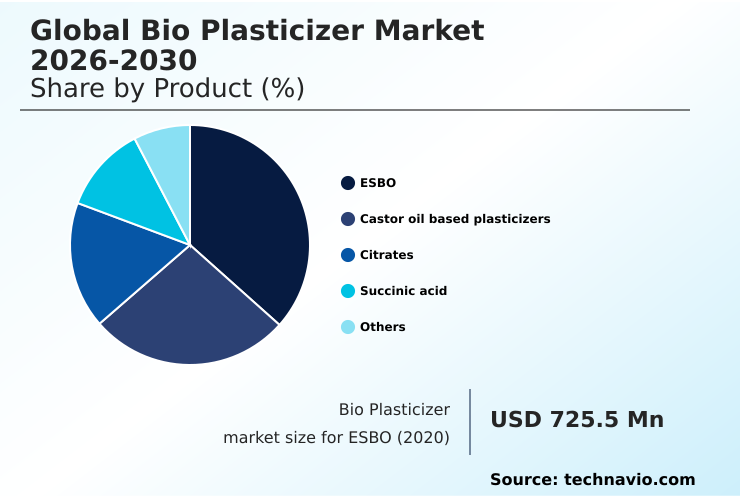
Moreover, the increasing focus on corporate social responsibility and the use of non-toxic materials in manufacturing processes is driving the demand for bio plasticizers like ESBO. The convenience of E-commerce platforms has also facilitated the growth of the market, enabling easy access to these eco-friendly alternatives. The adoption of biodegradable materials in various sectors is expected to continue, further fueling the demand for bio plasticizers like ESBO.
Get a glance at the market share of various segments Request Free Sample
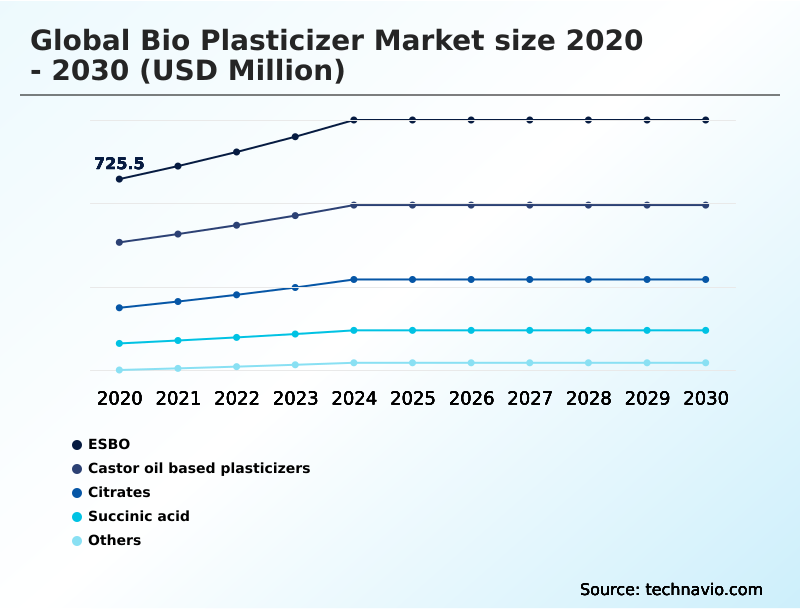
The Epoxidized Soybean Oil (ESBO) segment accounted for USD 721.70 million in 2018 and showed a gradual increase during the forecast period.
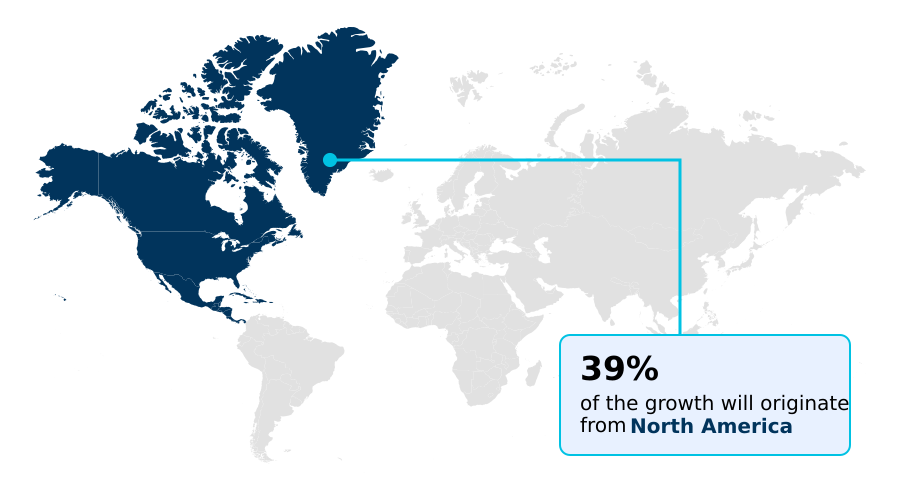
North America is estimated to contribute 34% to the growth of the global market during the forecast period. Technavio's analysts have elaborately explained the regional trends and drivers that shape the market during the forecast period.
For more insights on the market share of various regions Request Free Sample
In North America, the market is experiencing significant growth due to the increasing focus on sustainable practices and resource efficiency. With a growing awareness of waste reduction and pollution concerns, there is a rising demand for eco-friendly plastics, including bio-based packaging and consumer goods. The US and Canada are leading the charge in this regard, with strict regulations against the use of toxic chemicals in plasticizer production. The composting infrastructure in North America is also advancing, providing an additional incentive for the use of bio plasticizers in various industries. This trend is expected to continue, making North America a key market for the global bio plasticizer industry.
Our researchers analyzed the data with 2023 as the base year, along with the key drivers, trends, and challenges. A holistic analysis of drivers will help companies refine their marketing strategies to gain a competitive advantage.
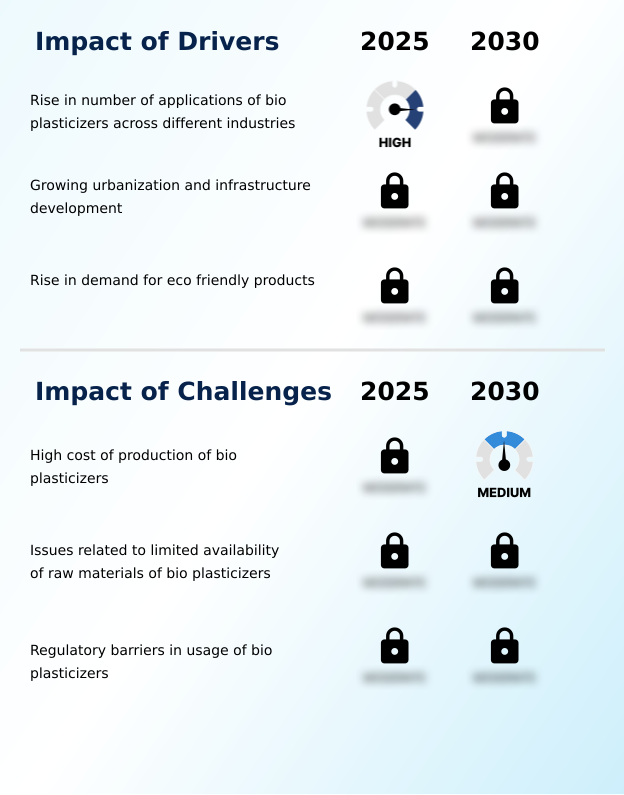
The rise in a number of applications of bio plasticizers across different industries is the key driver of the market. The global market for bio plasticizers is experiencing notable expansion due to their increasing utilization in various industries. Bio plasticizers enhance the properties of plastics and elastomers, including flexibility, durability, and processability, while minimizing environmental concerns. The transition from conventional petroleum-based plasticizers to eco-friendly bio plasticizers is gaining traction in sectors such as automotive, construction, and consumer goods. In the automotive industry, the adoption of bio plasticizers is on the rise due to the growing sales of lightweight, fuel-efficient vehicles. These materials are employed in automotive interior applications, such as dashboards, door panels, and seating, to boost durability and reduce vehicle weight.
This, in turn, contributes to reduced emissions and improved fuel economy. Furthermore, the food industry is another significant end-user of bio plasticizers. These materials are used in food packaging to extend the shelf life of perishable items and reduce food loss. The implementation of single-use plastics bans in several regions has accelerated the demand for biodegradable plastics, which are primarily derived from bio plasticizers. Epoxidized soybean oil, a common bio plasticizer, is gaining popularity due to its biodegradability and renewable nature. polyvinyl chloride (PVC) plastic, which is notoriously difficult to recycle, can be made more sustainable by using bio plasticizers.
The adoption of bio plasticizers in PVC production can significantly reduce the amount of plastic waste that ends up in landfills. In conclusion, the market is poised for substantial growth due to its numerous applications and environmental benefits. The shift towards sustainable and eco-friendly materials is a global trend, and the adoption of bio plasticizers is a crucial step in reducing the environmental impact of plastic production and usage.
The technological advancements of bio plasticizers is the upcoming trend in the market. The market is witnessing significant advancements due to the increasing environmental consciousness and the demand for sustainable products. The need for eco-friendly alternatives to traditional plasticizers is driving innovation in this sector. Technological progress is focused on enhancing the performance, compatibility, and sustainability of bio-plasticizers.
For instance, epoxidized vegetable oils, such as soybean and linseed oils, are gaining popularity due to their flexibility, durability, and biodegradability. These alternatives offer thermal stability and improved plasticizing efficiency without compromising safety standards. Furthermore, regulatory support for bio plasticizers is increasing, which is expected to further boost market growth. In the medical devices industry, bio plasticizers are being used to create biocompatible and biodegradable materials, reducing the carbon footprint and addressing the need for sustainable solutions.
The high cost of production of bioplasticizers is a key challenge affecting market growth. The market faced a significant challenge in 2023 due to the high production costs. The intricate production process of bio plasticizers involves essential chemical reactions and refining techniques, which are costlier than conventional plasticizer production methods. The primary reason for the high production costs is the expensive raw materials used in bio plasticizer manufacturing. Renewable resources, such as vegetable oils like soybean oil, palm oil, and castor oil, are commonly used as raw materials. However, these renewable resources are pricier than petrochemical feedstocks and are subject to price volatility due to agricultural yield fluctuations, market demand, and geopolitical factors impacting supply chains.
In the context of the circular economy and increasing demand for compostable products, the use of plant-based materials, including bio plasticizers, is gaining traction. These bio plasticizers offer flexibility, durability, and workability, making them suitable alternatives to traditional plasticizers. Despite the high production costs, the demand for bio plasticizers in the production of compostable products is expected to continue growing, driven by the shift towards sustainable and eco-friendly solutions.
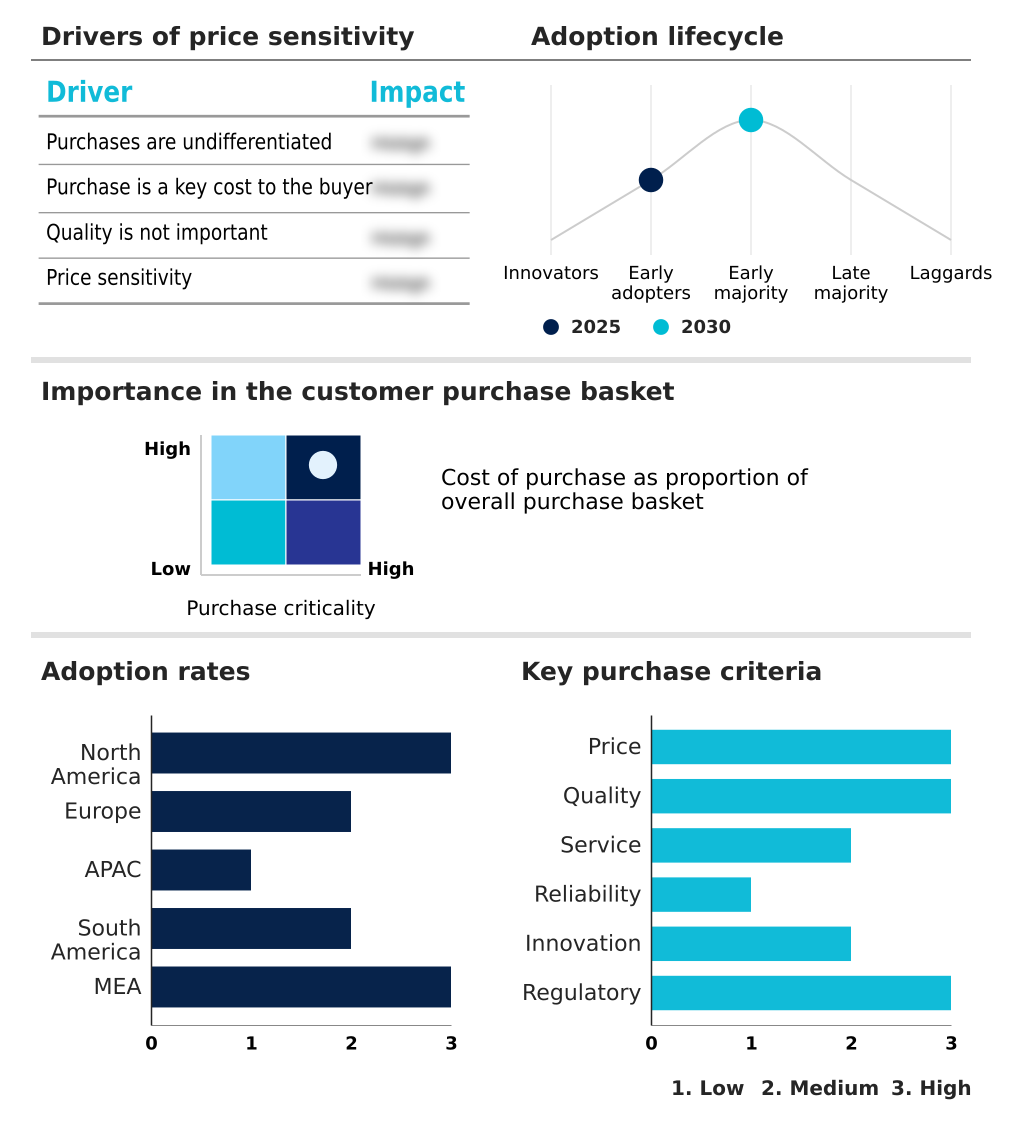
The market forecasting report includes the adoption lifecycle of the market, covering from the innovator's stage to the laggard's stage. It focuses on adoption rates in different regions based on penetration. Furthermore, the report also includes key purchase criteria and drivers of price sensitivity to help companies evaluate and develop their market growth analysis strategies.
Customer Landscape
Companies are implementing various strategies, such as strategic alliances, partnerships, mergers and acquisitions, geographical expansion, and product/service launches, to enhance their presence in the market.
ACS Technical Products - The company offers bio plasticizers such as Epoxol 9-5, Epoxol 7-4, Epoxol CA118, Epoxol EM100, and others
The market research and growth report includes detailed analyses of the competitive landscape of the market and information about key companies, including:
Qualitative and quantitative analysis of companies has been conducted to help clients understand the wider business environment as well as the strengths and weaknesses of key market players. Data is qualitatively analyzed to categorize companies as pure play, category-focused, industry-focused, and diversified; it is quantitatively analyzed to categorize companies as dominant, leading, strong, tentative, and weak.
The market is witnessing significant growth due to the increasing demand for sustainable practices and resource efficiency in various industries. With a focus on waste reduction and pollution mitigation, the use of eco-friendly plastics, such as biodegradable plastics, is gaining popularity. The consumer goods sector is a major contributor to this trend, with the demand for compostable products on the rise. Bio-based packaging is another area where bio plasticizers are finding extensive applications. The shift towards sustainable practices in the packaging industries is driving the adoptionderived from vegetable oils, starch, and other plant-based materials. These materials offer flexibility, durability, and workability, making them suitable for various applications.
Moreover, environmental concerns and health concerns are major factors driving the demand for Biodegradable plastics, offer a circular economy solution to the issue of single-use plastics. The regulatory support for the use of biodegradable materials is also a significant factor fueling the growth of the market. The production from non-toxic materials, such as citrates, castor oil, succinic acid, glycol esters, and epoxidized soybean oil, is gaining traction due to their environmental awareness and corporate social responsibility.
In conclusion, the flexibility, thermal stability, and compatibility of these materials make them ideal for use in various applications, including medical devices, flooring, wall coverings, and bio-fertilizers. The growing e-commerce industry and lifestyle improvement are also contributing to the growth of the market. The use of bio plasticizers in the production of eco-friendly plastics is helping to reduce carbon footprint and support water conservation. The continuous innovation in the field of bio plasticizers is expected to further drive the market growth.
|
Market Scope |
|
|
Report Coverage |
Details |
|
Page number |
229 |
|
Base year |
2023 |
|
Historic period |
2018-2022 |
|
Forecast period |
2024-2028 |
|
Growth momentum & CAGR |
Accelerate at a CAGR of 6.19% |
|
Market growth 2024-2028 |
USD 803.8 million |
|
Market structure |
Fragmented |
|
YoY growth 2023-2024(%) |
5.36 |
|
Regional analysis |
North America, Europe, APAC, South America, and Middle East and Africa |
|
Performing market contribution |
North America at 34% |
|
Key countries |
US, Germany, China, Japan, and France |
|
Competitive landscape |
Leading Companies, Market Positioning of Companies, Competitive Strategies, and Industry Risks |
|
Key companies profiled |
ACS Technical Products, ARD, Avient Corp., BASF SE, Cargill Inc., DIC Corp., Dow Inc., Emery Oleochemicals Group, Evonik Industries AG, Goldstab Organics Pvt. Ltd., Grupo Princz IPASA, Hebei Jingu Co. Ltd, India Glycols Ltd., Jungbunzlauer Suisse AG, Lanxess AG, Matrica S.p.A, OQ Chemicals GmbH, Roquette Freres SA, Solvay SA, Valtris Specialty Chemicals, and Zhejiang Jiaao Enprotech Stock Co Ltd |
|
Market dynamics |
Parent market analysis, market growth inducers and obstacles, market forecast, fast-growing and slow-growing segment analysis, COVID-19 impact and recovery analysis and future consumer dynamics, market condition analysis for the forecast period |
|
Customization purview |
If our market report has not included the data that you are looking for, you can reach out to our analysts and get segments customized. |
We can help! Our analysts can customize this market research report to meet your requirements. Get in touch
1 Executive Summary
2 Technavio Analysis
3 Market Landscape
4 Market Sizing
5 Historic Market Size
6 Qualitative Analysis
7 Five Forces Analysis
8 Market Segmentation by Product
9 Market Segmentation by Application
10 Customer Landscape
11 Geographic Landscape
12 Drivers, Challenges, and Opportunity/Restraints
13 Competitive Landscape
14 Competitive Analysis
15 Appendix
Research Framework
Technavio presents a detailed picture of the market by way of study, synthesis, and summation of data from multiple sources. The analysts have presented the various facets of the market with a particular focus on identifying the key industry influencers. The data thus presented is comprehensive, reliable, and the result of extensive research, both primary and secondary.
INFORMATION SOURCES
Primary sources
Secondary sources
DATA ANALYSIS
Data Synthesis
Data Validation
REPORT WRITING
Qualitative
Quantitative
Get the report (PDF) sent to your email within minutes.
Complimentary full Excel data with your report purchase.
Get lifetime access to our
Technavio Insights
Quick Report Overview:
Cookie Policy
The Site uses cookies to record users' preferences in relation to the functionality of accessibility. We, our Affiliates, and our Vendors may store and access cookies on a device, and process personal data including unique identifiers sent by a device, to personalise content, tailor, and report on advertising and to analyse our traffic. By clicking “I’m fine with this”, you are allowing the use of these cookies. Please refer to the help guide of your browser for further information on cookies, including how to disable them. Review our Privacy & Cookie Notice.