
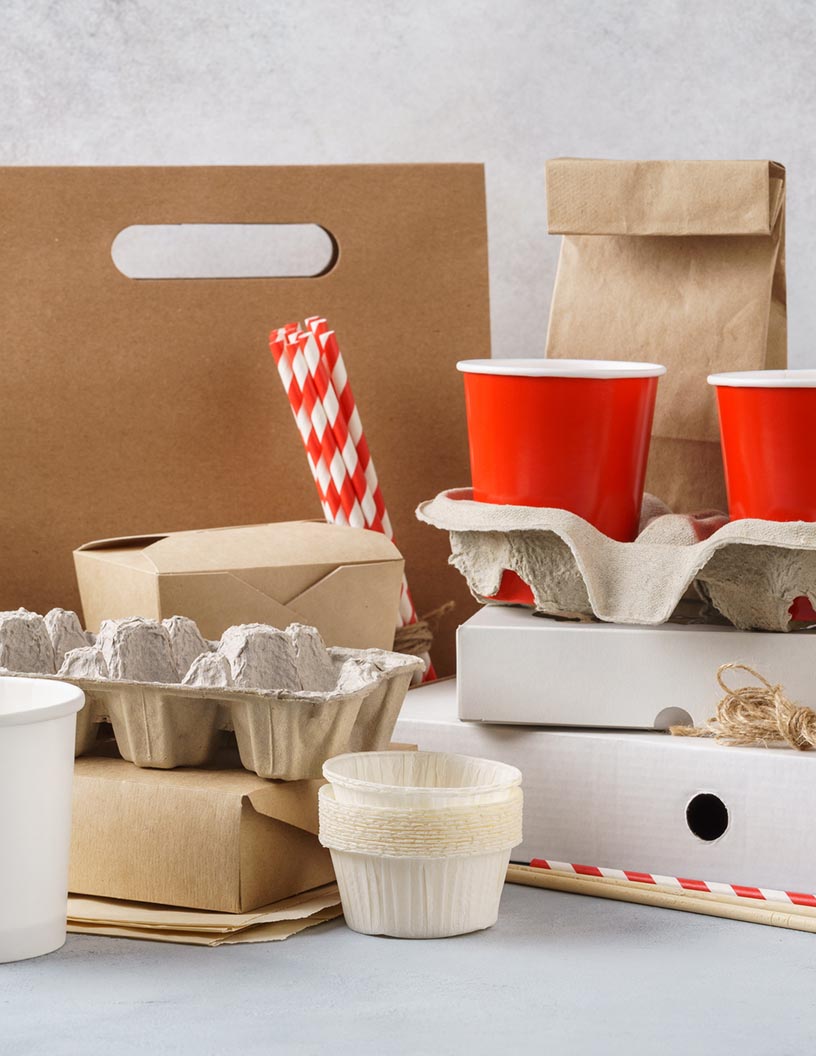

Biodegradable Packaging Material Market Analysis Europe, North America, APAC, Middle East and Africa, South America - US, UK, China, Germany, Canada - Size and Forecast 2024-2028

Biodegradable Packaging Material Market Analysis Europe, North America, APAC, Middle East and Africa, South America - US, UK, China, Germany, Canada - Size and Forecast 2024-2028

Published: Jul 2024 172 Pages SKU: IRTNTR70768

Market Overview at a Glance

$40.32 B
Market Opportunity
6.88%
CAGR
6.22
YoY growth 2023-2024(%)

Biodegradable Packaging Material Market Size 2024-2028

The biodegradable packaging material market size is forecast to increase by USD 40.32 billion at a CAGR of 6.88% between 2023 and 2028.

  • The market is experiencing significant growth due to the increasing shift towards eco-friendly solutions by end-users. This trend is driven by the growing awareness of environmental sustainability and the need to reduce plastic waste. Moreover, the expansion of various industries, particularly food and beverage, is fueling the demand for biodegradable packaging. However, the high cost of biodegradable packaging materials remains a major challenge for market growth. Despite this, the benefits of biodegradable packaging, such as reduced carbon footprint and improved brand image, are compelling enough for businesses to invest in this sustainable alternative. Overall, the market is expected to witness robust growth In the coming years as more companies adopt biodegradable packaging solutions to meet their sustainability goals.
  • What will be the Size of the Biodegradable Packaging Material Market During the Forecast Period?

    Biodegradable Packaging Material Market Size

     Request Free Sample

  • The market is experiencing significant growth due to increasing concerns over plastic waste and the environmental impact of traditional packaging materials such as metal, glass, and plastic. Flexible packaging, including pouches, is a key application area for biodegradable materials, as they offer improved product protection and longer shelf life compared to traditional paper-based alternatives. Legislation and corporate social responsibility initiatives are driving demand for eco-friendly packaging solutions, with biodegradable materials derived from plant-based components, including bagasse, paper & paper board, starch, cellulose, and bio-plastics, gaining popularity. Renewable energy sources like wind power are being used to produce these materials, reducing their carbon footprints.
  • Microorganisms are used In the production and decomposition process, making biodegradable packaging an attractive alternative to traditional packaging materials. Waste management companies and recyclers are also showing interest in biodegradable packaging as they can be easily broken down and returned to the natural environment. Overall, the market for biodegradable packaging materials is expected to continue growing as consumers and businesses prioritize sustainable packaging solutions.
  • How is this Biodegradable Packaging Material Industry segmented and which is the largest segment?

    The biodegradable packaging material industry research report provides comprehensive data (region-wise segment analysis), with forecasts and estimates in "USD billion" for the period 2024-2028, as well as historical data from 2018-2022 for the following segments.

    • Application
      • Food
      • Beverage
      • Pharmaceutical
      • Personal and home care
      • Others
    • Product
      • Paper
      • Bioplastics
    • Geography
      • Europe
        • Germany
        • UK
      • North America
        • Canada
        • US
      • APAC
        • China
      • Middle East and Africa
        • South America

        By Application Insights

        • The food segment is estimated to witness significant growth during the forecast period.

        The market is experiencing significant growth due to increasing consumer awareness and regulatory initiatives toward reducing plastic waste. This market encompasses various materials such as Flexible packaging, pouches, metal, glass, paper & paper board, bio-plastic, starch, and glue. In the food packaging sector, biodegradable packaging is gaining popularity due to its ability to extend the shelf life of perishable items and reduce carbon footprints. Materials like bagasse, wood pulp, plant-based components, and cellulose are commonly used. Compostable packaging, including coffee capsules, zipper bags, mesh packaging, and resealable plastic containers, is also gaining traction. The market is influenced by various factors, including legislation, waste management, sustainable packaging, e-commerce, corporate social responsibility, and agriculture.

        Renewable energy sources like wind power and the logistics industry's shift towards recycled materials are also contributing to the market's growth. The compostable packaging market and recycled packaging market are expected to witness substantial growth due to their cost benefits and environmental sustainability. Biodegradable plastics, such as bio-friendly plastics, are increasingly being used to reduce the reliance on oil-based polymers and fossil fuel-based plastic. The food packaging sector is a major contributor to plastic waste generation, and biodegradable packaging offers a viable solution to minimize the impact on the environment. Political collaborations and the emergence of new markets are further driving the growth of the market.
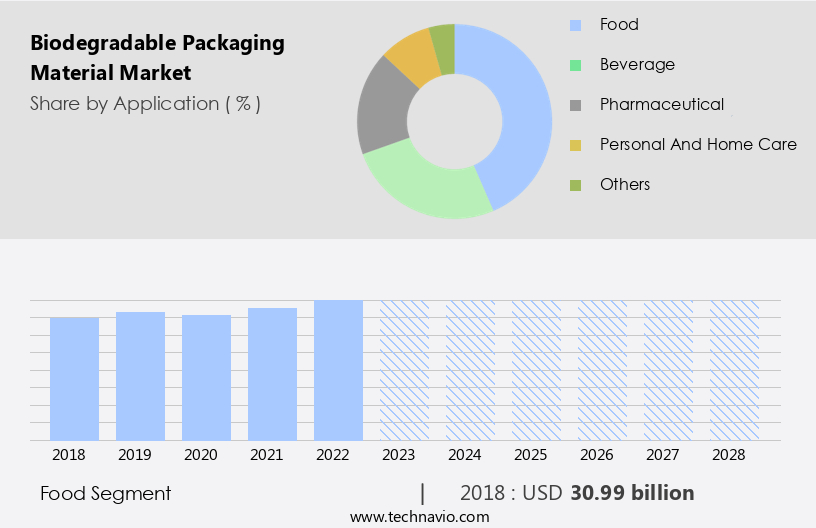
        Biodegradable Packaging Material Market Size

        Get a glance at the  Biodegradable Packaging Material Industry report of share of various segments Request Free Sample

        The Food segment was valued at USD 30.99 billion in 2018 and showed a gradual increase during the forecast period.

        Regional Analysis

        • Europe is estimated to contribute 31% to the growth of the global market during the forecast period.

        Technavio’s analysts have elaborately explained the regional trends and drivers that shape the market during the forecast period.

        Biodegradable Packaging Material Market Share by Geography

        For more insights on the market share of various regions, Request Free Sample

        The European biodegradable packaging materials market is projected to expand significantly due to the region's high demand for eco-friendly packaging solutions. With a growing focus on reducing plastic waste and increasing sustainability, the packaging industry in Europe is transitioning from oil-based polymers to biodegradable alternatives, such as paper-based packaging and bioplastics. Key contributors to the European the market include the UK, Germany, Italy, France, and Sweden. These countries have implemented stringent regulations on single-use plastic products and have shown a preference for recycled and compostable packaging. The market is further driven by political collaborations, new markets, and corporate social responsibility initiatives.

        Materials such as bagasse, paper & paper board, starch, and bio-plastics derived from plant-based components, cellulose, and microorganisms are gaining popularity. Renewable energy sources, like wind power, are used In the production process to reduce carbon footprints. The biodegradable packaging market encompasses various categories, including flexible packaging, pouches, metal, glass, and plastic. The food packaging sector is a significant end-user, contributing to the market's growth. The compostable packaging market, including coffee capsules, zipper bags, mesh packaging, and resealable plastic containers, is expected to experience substantial growth as well. The recycled materials segment, which includes recycled paper, plastic, and glass, is also a key contributor to the market.

        Environmental conservation efforts, cost benefits, and the recycled packaging market's growth further fuel the demand for biodegradable packaging materials.

        Market Dynamics

        Our  researchers analyzed the data with 2023 as the base year, along with the key drivers, trends, and challenges. A holistic analysis of drivers will help companies refine their marketing strategies to gain a competitive advantage.

        What are the key market drivers leading to the rise In the adoption of Biodegradable Packaging Material Industry?

        Shift toward use of bioplastic packaging by end-users is the key driver of the market.

      • The biodegradable packaging market In the US is experiencing significant growth due to increasing environmental consciousness and consumer preference for eco-friendly alternatives. Flexible packaging, such as pouches, is a major segment of this market, with metal, glass, and plastic waste being replaced by biodegradable options. Bioplastics derived from plant-based components, including bagasse, paper & paper board, starch, and cellulose, are gaining popularity. Brand owners in various industries, including agriculture and the logistics sector, are embracing sustainability by using biodegradable packaging. Renewable energy sources, like wind power, are reducing the carbon footprints of manufacturing processes. Compostable packaging, including coffee capsules, zipper bags, mesh packaging, and resealable plastic containers, is another growing segment.
      • Legislation and political collaborations are encouraging the use of biodegradable packaging, as seen In the compostable packaging market. The shift towards biodegradable packaging is also driven by the need to reduce plastic waste and minimize the impact on landfills, seas, and the environment. The use of bio-friendly packaging materials, such as bio-plastics, is a cost-effective and sustainable solution for single-use plastic products. The recycled materials segment is also contributing to the growth of the market, with composted materials being a viable alternative to traditional plastic. The pandemic has further accelerated the trend towards sustainable packaging, with e-commerce companies and corporate social responsibility initiatives driving demand.
      • The food packaging sector is a significant contributor to plastic waste generation, making it a key focus area for biodegradable packaging solutions.
      • What are the market trends shaping the Biodegradable Packaging Material Industry?

        Market expansion is the upcoming market trend.

      • The biodegradable packaging market encompasses various types of eco-friendly packaging solutions, including flexible packaging like pouches, and alternatives to metal, glass, and plastic containers. With increasing concerns over plastic waste and its environmental impact, recyclers and legislations are driving the demand for sustainable packaging. Renewable energy sources, such as wind power, are reducing the carbon footprints of packaging production. Materials like bagasse, paper & paper board, bio-plastic, starch, glue, and plant-based components, including cellulose, are gaining popularity. Biodegradable plastics made from renewable resources, such as sugarcane, sorghum, and other agricultural by-products, are composted and do not contribute to plastic waste in landfills, seas, or the environment.
      • Brand owners are increasingly adopting sustainable packaging practices as part of their corporate social responsibility initiatives. Lightweight and recycled materials, such as paper-based packaging, are becoming increasingly popular In the e-commerce sector. The compostable packaging market is expected to grow significantly, with political collaborations leading to the creation of new markets and regulations driving the demand for bio-friendly packaging. Microorganisms play a crucial role In the waste management process, breaking down biodegradable materials. Sustainable packaging solutions offer cost benefits and contribute to environmental conservation. The recycled materials market is expanding, with recycled packaging becoming increasingly common in various categories, including food packaging.
      • The food packaging sector is a significant contributor to plastic waste generation. Single-use plastic products, such as coffee capsules, zipper bags, mesh packaging, and resealable plastic containers, are being replaced with biodegradable alternatives. The use of bioplastics, which have a lower carbon footprint than oil-based polymers and fossil fuel-based plastic, is on the rise. Regulations and consumer awareness are driving the demand for bio-friendly packaging market and bio-friendly plastics. Greenhouse gas balances are being considered In the production of packaging materials, with a focus on reducing emissions and minimizing waste. The shift towards sustainability is a global trend, with numerous market research firms providing insights and analysis on the biodegradable packaging market.
      • What challenges does the Biodegradable Packaging Material Industry face during its growth?

        High cost of biodegradable packaging is a key challenge affecting the industry growth.

      • The market faces challenges due to the higher cost of biodegradable paper materials compared to conventional packaging options. The lack of advanced technology and sufficient feedstock contributes to the increased prices. Biodegradable paper packaging materials can be up to ten times more expensive than non-biodegradable alternatives. The rising cost of renewable raw materials used in manufacturing paper further impedes market growth. This price disparity may result in consumers opting for cheaper, non-renewable packaging materials. Flexible packaging, including pouches, plays a significant role In the biodegradable packaging market. Materials such as bagasse, paper & paper board, starch, and glue are commonly used In the production of biodegradable packaging.
      • Bioplastics derived from plant-based components, such as sugarcane, sorghum, and cellulose, are also gaining popularity. Microorganisms play a crucial role In the biodegradation process, and waste management is essential for the effective implementation of biodegradable packaging. Sustainable packaging solutions, such as wind power and carbon footprint reduction, are increasingly important for brand owners in various industries, including e-commerce, agriculture, and the logistics industry. The composted packaging market, including coffee capsules, zipper bags, mesh packaging, and resealable plastic containers, offers opportunities for growth. Political collaborations and new markets are driving the demand for bio-friendly packaging and bio-friendly plastics. Environmental conservation and corporate social responsibility are significant factors influencing the shift towards biodegradable packaging.
      • Despite the cost benefits of recycled materials, the recycled packaging market and single-use plastic packaging continue to face regulations and resistance from consumers. Biodegradable plastics, composting, and landfill management are essential for reducing plastic waste generation. The food packaging sector is a significant contributor to plastic waste, making it a crucial area for innovation in biodegradable packaging solutions.
      • Exclusive Customer Landscape

        The biodegradable packaging material market forecasting report includes the adoption lifecycle of the market, covering from the innovator’s stage to the laggard’s stage. It focuses on adoption rates in different regions based on penetration. Furthermore, the biodegradable packaging material market report also includes key purchase criteria and drivers of price sensitivity to help companies evaluate and develop their market growth analysis strategies.

        Biodegradable Packaging Material Market Share by Geography

         Customer Landscape

        Key Companies & Market Insights

        Companies are implementing various strategies, such as strategic alliances, biodegradable packaging material market forecast, partnerships, mergers and acquisitions, geographical expansion, and product/service launches, to enhance their presence In the industry.

        Amcor Plc - The market showcases the NaturePlus Compostable PLA solution as a leading choice for eco-friendly packaging. Renewable and compostable, this packaging alternative boasts exceptional clarity and rigidity, making it a viable option for various industries. PLA, or Polylactic Acid, is derived from renewable resources such as corn starch and sugarcane, ensuring a reduced carbon footprint. Its compostability aligns with the growing demand for sustainable solutions, allowing it to decompose naturally within industrial composting facilities. This innovative packaging material offers a professional and original response to the market's increasing focus on environmentally responsible practices.

        The industry research and growth report includes detailed analyses of the competitive landscape of the market and information about key companies, including:

        • Amcor Plc
        • BASF SE
        • BioPak Pty Ltd.
        • Elevate Packaging Inc.
        • Georgia Pacific
        • Holmen AB
        • Hood Packaging Corp.
        • International Paper Co.
        • Kruger Inc.
        • Mayr-Melnhof Karton AG
        • Mondi Plc
        • NatureWorks LLC
        • Novamont S.p.A.
        • Oji Holdings Corp.
        • PMMI Media Group
        • Smurfit Kappa Group
        • Stora Enso Oyj
        • Tetra Pak Group
        • WestRock Co.

        Qualitative and quantitative analysis of companies has been conducted to help clients understand the wider business environment as well as the strengths and weaknesses of key industry players. Data is qualitatively analyzed to categorize companies as pure play, category-focused, industry-focused, and diversified; it is quantitatively analyzed to categorize companies as dominant, leading, strong, tentative, and weak.

        Research Analyst Overview

        The biodegradable packaging market represents a significant shift In the packaging industry, driven by growing concerns over plastic waste and the need for more sustainable solutions. This market encompasses a range of materials, including paper and paper board, bio-plastics, and plant-based components. Paper and paper board have long been staples In the packaging industry, and their biodegradable counterparts offer a viable alternative to traditional plastic packaging. These materials are renewable, recyclable, and offer a lower carbon footprint compared to oil-based polymers. Moreover, they can be derived from various sources, such as bagasse, sugarcane, and sorghum. Bio-plastics, another key segment of the biodegradable packaging market, offer a more plastic-like alternative to traditional packaging.

        These materials can be derived from various sources, including starch, cellulose, and microorganisms. They offer similar properties to oil-based polymers but have the added benefit of being biodegradable. The shift towards biodegradable packaging is being driven by various factors, including environmental conservation, corporate social responsibility, and new markets. The e-commerce industry, in particular, has seen a surge in demand for sustainable packaging solutions. Brands are recognizing the importance of reducing their carbon footprint and addressing the issue of plastic waste. The logistics industry is also playing a role In the growth of the biodegradable packaging market. With the increasing focus on reducing the environmental impact of transportation, biodegradable packaging offers a more sustainable alternative to traditional plastic packaging.

        The recycled materials segment of the biodegradable packaging market is also gaining traction. Recycled materials offer cost benefits and reduce the need for virgin raw materials. Moreover, the use of recycled materials in biodegradable packaging can help to reduce the overall carbon footprint of the packaging industry. The food packaging sector is a significant contributor to plastic waste generation. Biodegradable packaging offers a viable alternative to single-use plastic products, such as coffee capsules, zipper bags, and mesh packaging. These biodegradable alternatives offer similar functionality to their plastic counterparts but have the added benefit of being biodegradable. Regulations are also playing a role In the growth of the biodegradable packaging market.

        Governments and regulatory bodies are implementing regulations to reduce plastic waste and promote the use of sustainable packaging solutions. These regulations are driving innovation In the biodegradable packaging market and creating new opportunities for companies. The biodegradable packaging market is expected to continue to grow as more companies adopt sustainable packaging solutions. The market dynamics are driven by various factors, including environmental concerns, cost benefits, and new markets. The shift towards biodegradable packaging is a positive step towards reducing plastic waste and promoting sustainability.

        Market Scope

        Report Coverage

        Details

        Page number

        172

        Base year

        2023

        Historic period

        2018-2022

        Forecast period

        2024-2028

        Growth momentum & CAGR

        Accelerate at a CAGR of 6.88%

        Market growth 2024-2028

        USD 40.32 billion

        Market structure

        Fragmented

        YoY growth 2023-2024(%)

        6.22

        Key countries

        US, UK, China, Germany, and Canada

        Competitive landscape

        Leading Companies, Market Positioning of Companies, Competitive Strategies, and Industry Risks

        Request Free Sample

        What are the Key Data Covered in this Biodegradable Packaging Material Market Research and Growth Report?

        • CAGR of the Biodegradable Packaging Material industry during the forecast period
        • Detailed information on factors that will drive the growth and forecasting between 2024 and 2028
        • Precise estimation of the size of the market and its contribution of the industry in focus to the parent market
        • Accurate predictions about upcoming growth and trends and changes in consumer behaviour
        • Growth of the market across Europe, North America, APAC, Middle East and Africa, and South America
        • Thorough analysis of the market’s competitive landscape and detailed information about companies
        • Comprehensive analysis of factors that will challenge the biodegradable packaging material market growth of industry companies

        We can help! Our analysts can customize this biodegradable packaging material market research report to meet your requirements.

        Get in touch


        Table of Contents not available.

        Research Methodology

        Technavio presents a detailed picture of the market by way of study, synthesis, and summation of data from multiple sources. The analysts have presented the various facets of the market with a particular focus on identifying the key industry influencers. The data thus presented is comprehensive, reliable, and the result of extensive research, both primary and secondary.

        INFORMATION SOURCES

        Primary sources

        • Manufacturers and suppliers
        • Channel partners
        • Industry experts
        • Strategic decision makers

        Secondary sources

        • Industry journals and periodicals
        • Government data
        • Financial reports of key industry players
        • Historical data
        • Press releases

        DATA ANALYSIS

        Data Synthesis

        • Collation of data
        • Estimation of key figures
        • Analysis of derived insights

        Data Validation

        • Triangulation with data models
        • Reference against proprietary databases
        • Corroboration with industry experts

        REPORT WRITING

        Qualitative

        • Market drivers
        • Market challenges
        • Market trends
        • Five forces analysis

        Quantitative

        • Market size and forecast
        • Market segmentation
        • Geographical insights
        • Competitive landscape

        Interested in this report?

        Get your sample now to see our research methodology and insights!

        Download Now

        Frequently Asked Questions

        Biodegradable Packaging Material market growth will increase by $ 40.32 bn during 2024-2028.

        The Biodegradable Packaging Material market is expected to grow at a CAGR of 6.88% during 2024-2028.

        Biodegradable Packaging Material market is segmented by Application( Food, Beverage, Pharmaceutical, Personal and home care, Others) Product( Paper, Bioplastics, Pharmaceutical, Personal and home care packaging, Others)

        Amcor Plc, BASF SE, BioPak Pty Ltd., Elevate Packaging Inc., Georgia Pacific, Holmen AB, Hood Packaging Corp., International Paper Co., Kruger Inc., Mayr-Melnhof Karton AG, Mondi Plc, NatureWorks LLC, Novamont S.p.A., Oji Holdings Corp., PMMI Media Group, Smurfit Kappa Group, Stora Enso Oyj, Tetra Pak Group, WestRock Co. are a few of the key vendors in the Biodegradable Packaging Material market.

        Europe will register the highest growth rate of 31% among the other regions. Therefore, the Biodegradable Packaging Material market in Europe is expected to garner significant business opportunities for the vendors during the forecast period.

        US, UK, China, Germany, Canada

        • Shift toward use of bioplastic packaging by end-usersAn increase in environmental concerns worldwide due to the rise in pollution and increasing consumer preference for biodegradable material-based products will drive the growth of the market during the forecast period. To cater to consumer demand is the driving factor this market.
        • many end-users is the driving factor this market.
        • such as retailers and food processing companies is the driving factor this market.
        • are focusing on offering products in bioplastic packaging. Hence is the driving factor this market.
        • a rise in the adoption of bioplastic packaging by various end-users will fuel the growth of the biodegradable paper and plastic packaging market during the forecast period. is the driving factor this market.

        The Biodegradable Packaging Material market vendors should focus on grabbing business opportunities from the Food segment as it accounted for the largest market share in the base year.
