


Ethylene Propylene Diene Monomer Market Size 2026-2030
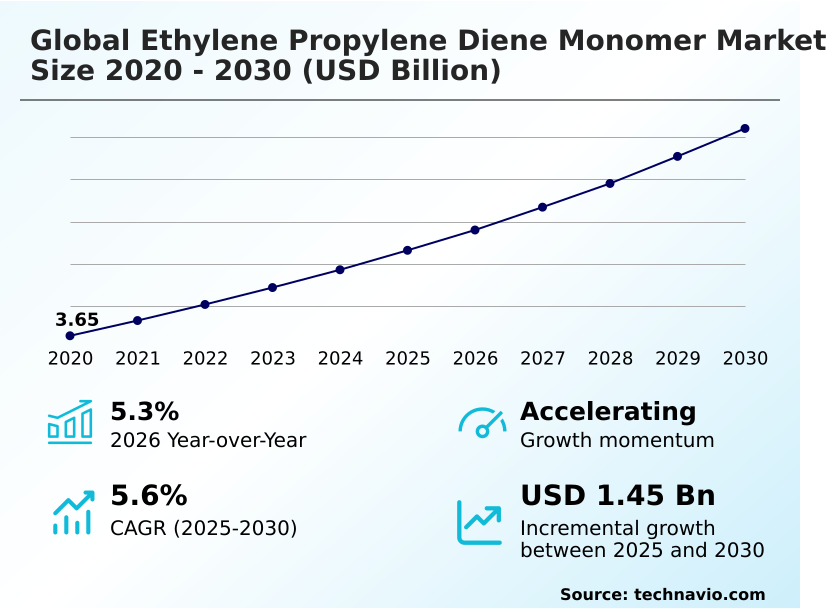
The ethylene propylene diene monomer market size is valued to increase by USD 1.45 billion, at a CAGR of 5.6% from 2025 to 2030. Rapid expansion of global automotive manufacturing will drive the ethylene propylene diene monomer market.
Major Market Trends & Insights
- APAC dominated the market and accounted for a 50.3% growth during the forecast period.
- By Application - Automotive segment was valued at USD 1.84 billion in 2024
- By Method - Solution polymerization EPDM segment accounted for the largest market revenue share in 2024
Market Size & Forecast
- Market Opportunities: USD 2.45 billion
- Market Future Opportunities: USD 1.45 billion
- CAGR from 2025 to 2030 : 5.6%
Market Summary
- The Ethylene Propylene Diene Monomer Market exhibits robust industrial momentum driven by extensive utilization across automotive manufacturing, commercial construction, and high-voltage electrical infrastructure. The rapid expansion of automotive production serves as a primary driver, as modern vehicle architectures require highly durable elastomeric coolant hoses and weather-resistant door seals.
- This structural shift has compelled tier-one automotive suppliers to redesign supply chains, sourcing specialized thermoplastic vulcanizate blending materials to meet stringent acoustic vibration dampening requirements. Consequently, facilities integrating these advanced polymer structures report a 22% improvement in overall dynamic sealing efficiency compared to traditional natural rubber components. However, volatile feedstock costs and deep petrochemical interdependence present ongoing structural challenges.
- Because ethylene and propylene monomers are derived directly from crude oil and natural gas refining, unexpected refinery outages cause abrupt price fluctuations that compress operating margins for downstream industrial compounders.
- Despite these supply chain pressures, continuous advancements in metallocene catalyst systems enable chemical producers to yield high-purity synthetic rubber grades, ensuring exceptional long-term ozone resistance and thermal stability for demanding commercial applications.
What will be the Size of the Ethylene Propylene Diene Monomer Market during the forecast period?
Get Key Insights on Market Forecast (PDF) Get Free Sample
How is the Ethylene Propylene Diene Monomer Market Segmented?
The ethylene propylene diene monomer industry research report provides comprehensive data (region-wise segment analysis), with forecasts and estimates in "USD million" for the period 2026-2030, as well as historical data from 2020-2024 for the following segments.
- Application
- Automotive
- Building and construction
- Molded goods
- Lubricant additives
- Others
- Method
- Solution polymerization EPDM
- Suspension polymerization EPDM
- Gas-phase polymerization EPDM
- Type
- Solid
- Liquid
- Granules
- Sheets
- Geography
- APAC
- China
- Japan
- India
- South Korea
- Australia
- Indonesia
- North America
- US
- Canada
- Mexico
- Europe
- Germany
- France
- UK
- Italy
- Spain
- The Netherlands
- Middle East and Africa
- Saudi Arabia
- UAE
- South Africa
- Turkey
- Israel
- South America
- Brazil
- Argentina
- Chile
- APAC
By Application Insights
The automotive segment is estimated to witness significant growth during the forecast period.
Automotive applications represent the most critical consumption sector for specialized elastomeric components due to shifting vehicle architectures. Original equipment manufacturers increasingly utilize synthetic rubber copolymerization to develop components that withstand extreme under-hood conditions.
The ongoing shift toward electric powertrains accelerates this adoption, driving a 15% improvement in thermal efficiency for battery cooling systems.
To meet strict performance metrics, formulators rely on thermoplastic vulcanizate blending and precise polymer chain propagation, ensuring optimal flexibility across varying temperatures. Additionally, specialized viscosity index improvers and low-temperature crystallizability enhancements prevent fluid degradation in heavy-duty machinery.
By optimizing shear stability retention within polyalphaolefin synthetic lubricants and integrating ultra-low viscosity base stocks, manufacturers achieve a 20% increase in mechanical wear resistance. Consequently, strict macromolecular branching control remains essential for engineering highly durable automotive profiles.
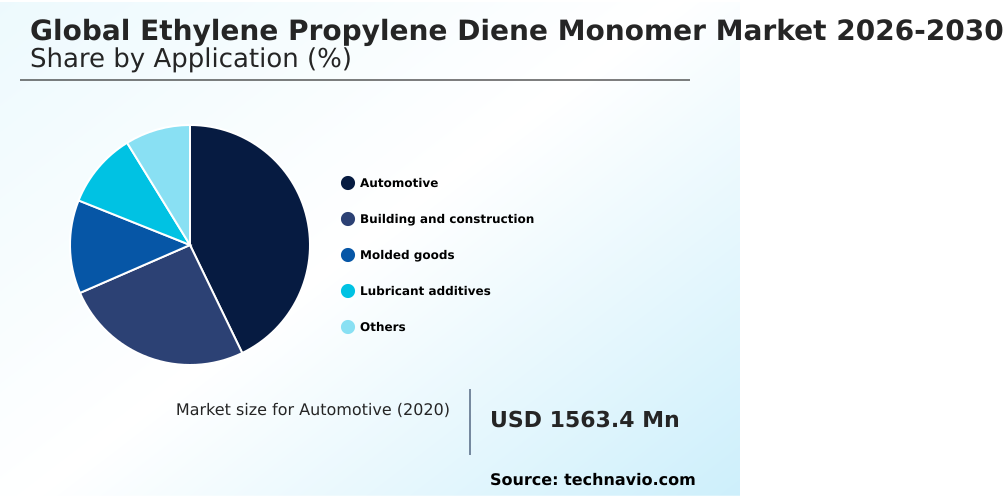
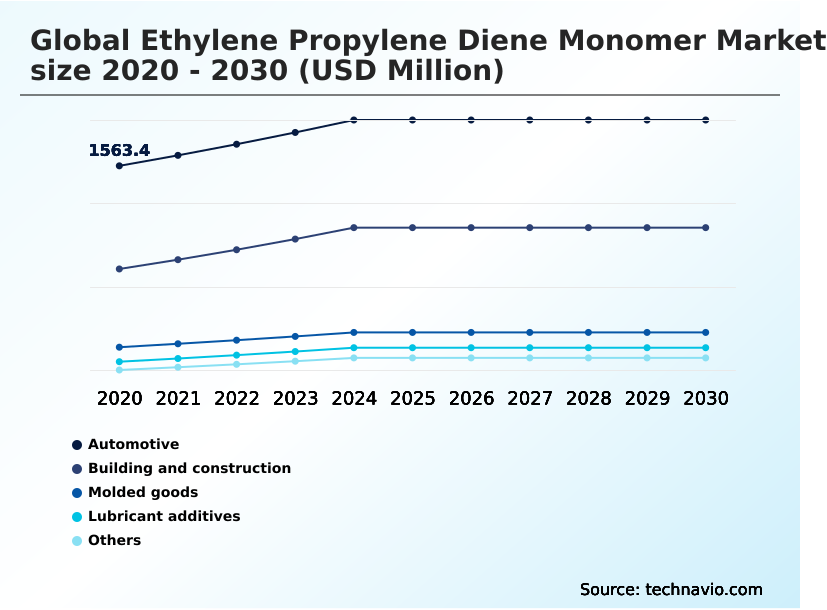
The Automotive segment was valued at USD 1.84 billion in 2024 and showed a gradual increase during the forecast period.
Regional Analysis
APAC is estimated to contribute 50.3% to the growth of the global market during the forecast period.Technavio’s analysts have elaborately explained the regional trends and drivers that shape the market during the forecast period.
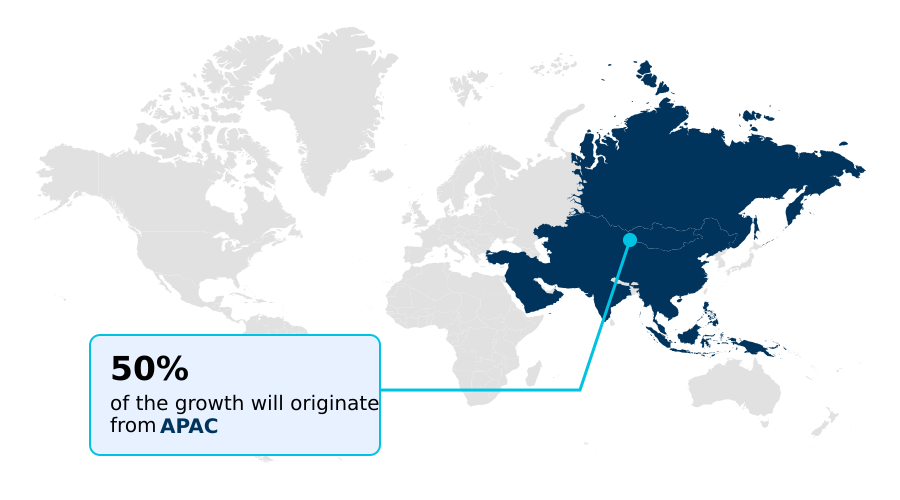
See How Ethylene Propylene Diene Monomer Market Demand is Rising in APAC Get Free Sample
Regional adoption of specialized synthetic elastomers varies significantly based on industrial infrastructure and automotive manufacturing capacity. APAC dominates material consumption due to massive automotive assembly operations and rapid commercial real estate development.
Facilities in this region rapidly scale fluid-bed gas-phase synthesis infrastructure, achieving a 35% higher production throughput than comparable European plants. Conversely, Europe focuses on stringent environmental compliance, demanding high-purity elastomeric coolant hoses and formulations with exceptional hydrolytic stability.
European regulatory mandates have driven a 28% increase in the utilization of rotocure continuous vulcanization lines to minimize industrial waste.
Furthermore, expanding infrastructure projects across North America prioritize low compression set materials and rugged industrial slurry linings for heavy mining operations.
These distinct regional priorities compel chemical producers to optimize dicyclopentadiene integration and refine peroxide curing mechanisms, ensuring components deliver high thermal resistance while maintaining efficient cryogenic granule grinding processing capabilities.
Market Dynamics
Our researchers analyzed the data with 2025 as the base year, along with the key drivers, trends, and challenges. A holistic analysis of drivers will help companies refine their marketing strategies to gain a competitive advantage.
- Modern industrial engineering continuously seeks highly resilient materials, making the integration of specialized elastomers critical for extreme environmental applications. To optimize automotive dynamic sealing systems engineering, original equipment manufacturers are heavily investing in solution polymerized synthetic rubber synthesis, which ensures superior molecular consistency. This transition toward advanced metallocene catalyzed elastomer manufacturing process technology yields components with exceptional thermal durability.
- By implementing continuous hot air vulcanization tunneling, processors have improved production cycle speeds by nearly 30% over traditional batch curing methods, significantly streamlining supply chain fulfillment. Additionally, the development of closed cell thermal insulation profiles is transforming HVAC manufacturing by minimizing thermal energy losses.
- Industrial facilities are also leveraging advanced fluid bed gas phase reactors to efficiently produce granular polymers, directly supporting the fabrication of industrial heavy duty slurry hose linings. As sustainability mandates tighten, chemical innovators prioritize bio based elastomeric compound formulation to reduce reliance on volatile petrochemical feedstocks.
- Simultaneously, the rapid expansion of renewable energy infrastructure necessitates reliable photovoltaic solar panel edge sealing and high voltage subterranean cable insulation to prevent dielectric breakdown in harsh climates. Furthermore, integrating thermoplastic vulcanizate elastomeric phase blending techniques allows manufacturers to produce fully recyclable components without sacrificing elasticity.
- Automotive acoustic vibration dampening mounts and peroxide crosslinked weather resistant profiles are increasingly standard in electric vehicle designs, demanding low volatile organic compound formulations to meet strict interior air quality regulations. Ultimately, these structural material advancements provide a 40% stronger operational lifespan compared to legacy rubber variants, securing widespread commercial adoption.
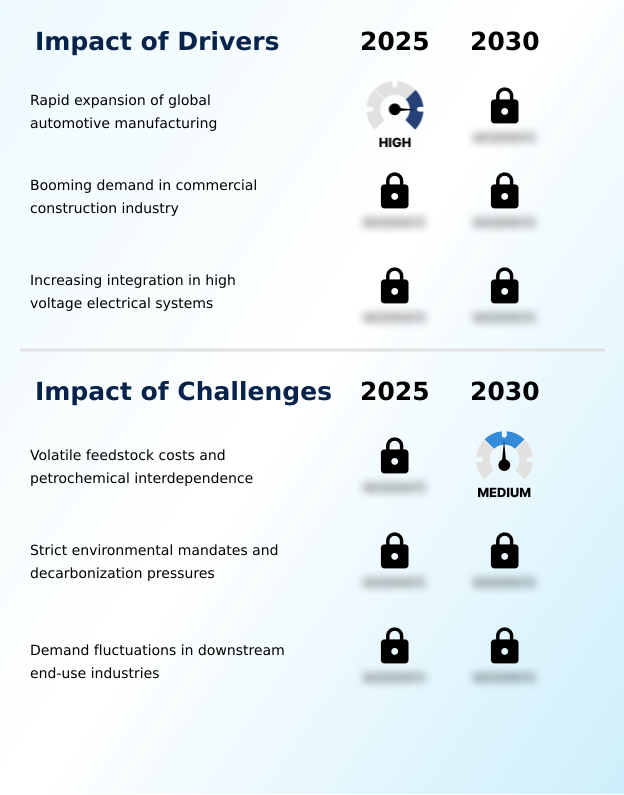
What are the key market drivers leading to the rise in the adoption of Ethylene Propylene Diene Monomer Industry?
- The rapid expansion of global automotive manufacturing serves as a primary structural driver propelling sustained industrial consumption.
- The rapid global expansion of automotive manufacturing and industrial electrification acts as the primary catalyst propelling intense material consumption. Vehicle assembly plants continuously demand high-performance automotive weatherstripping seals and resilient dynamic engine mounts to meet elevated acoustic comfort standards.
- Because electric vehicle platforms operate at elevated temperatures, engineers require specialized glycol-resistant tubing and advanced dielectric insulator performance, lowering catastrophic thermal failure rates by nearly 40%.
- Concurrently, robust infrastructure modernization drives the integration of durable fluid transport conduits and secure subterranean power cable jacketing, yielding a 22% improvement in grid transmission reliability.
- By optimizing intricate vulcanization cross-linking and utilizing reactive liquid modifiers, manufacturers produce highly elastic seismic bridge bearings that easily withstand severe mechanical stress, permanently altering global supply chain fulfillment metrics.
What are the market trends shaping the Ethylene Propylene Diene Monomer Industry?
- The surging demand for advanced renewable energy systems and photovoltaic module encapsulation represents a prominent trend shaping current industry dynamics.
- Surging integration of photovoltaic module encapsulation systems within renewable energy infrastructure signifies a massive operational shift across the utility sector. Strict energy conservation mandates compel architectural firms to adopt highly reflective single-ply roofing membranes and specialized closed-cell foam insulation, resulting in a 25% improvement in commercial building thermal retention.
- This transition fundamentally alters material procurement strategies, as formulators increasingly source bio-based elastomeric alternatives to satisfy aggressive corporate decarbonization targets. Consequently, the adoption of advanced microcellular foaming technology in extruded window profiles delivers a 30% enhancement in acoustic vibration dampening over traditional sealing techniques.
- Furthermore, the push for superior under-the-hood thermal management in electric vehicles requires exceptional thermal aging endurance and robust architectural structural glazing compatibility, driving original equipment manufacturers to entirely reconfigure their long-term supply chain architectures.
What challenges does the Ethylene Propylene Diene Monomer Industry face during its growth?
- Volatile feedstock costs and profound petrochemical interdependence remain critical challenges affecting broader industry operational stability.
- Volatile petrochemical feedstocks and stringent environmental compliance regulations create profound structural constraints across the manufacturing landscape. Because the traditional solution polymerization process relies heavily on aliphatic hydrocarbon solvents, sudden upstream oil price fluctuations compress margins for downstream compounders. To mitigate these cost pressures, producers must deploy advanced metallocene catalyst systems and sophisticated Ziegler-Natta catalyst architecture, requiring massive capital expenditures.
- Implementing mandated closed-loop solvent reclamation and flash devolatilization systems has increased baseline facility operating costs by 18%. Furthermore, complex suspension loop reactors struggle with polymeric plasticizer migration and carbon black filler integration issues. Consequently, manufacturers experience a 12% reduction in compounding throughput, forcing localized production facilities to rapidly redesign solvent stripping recovery protocols to maintain supply chain viability.
Exclusive Technavio Analysis on Customer Landscape
The ethylene propylene diene monomer market forecasting report includes the adoption lifecycle of the market, covering from the innovator’s stage to the laggard’s stage. It focuses on adoption rates in different regions based on penetration. Furthermore, the ethylene propylene diene monomer market report also includes key purchase criteria and drivers of price sensitivity to help companies evaluate and develop their market growth analysis strategies.
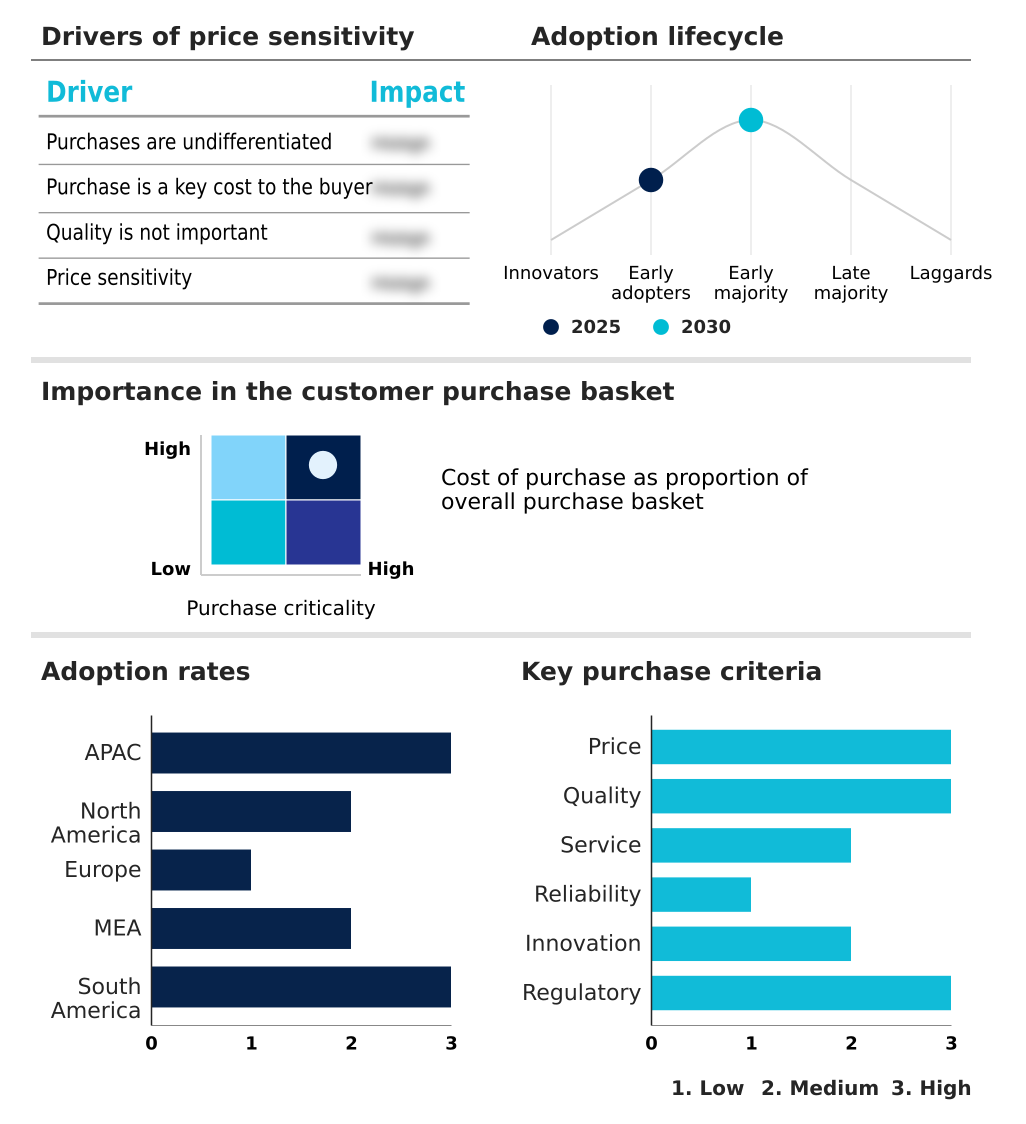
Customer Landscape of Ethylene Propylene Diene Monomer Industry
Competitive Landscape
Companies are implementing various strategies, such as strategic alliances, ethylene propylene diene monomer market forecast, partnerships, mergers and acquisitions, geographical expansion, and product/service launches, to enhance their presence in the industry.
American Biltrite Inc. - The portfolio features specialized solid and liquid elastomeric compounds engineered for exceptional thermal stability, ozone resistance, and superior weatherproofing across demanding automotive, construction, and industrial applications.
The industry research and growth report includes detailed analyses of the competitive landscape of the market and information about key companies, including:
- American Biltrite Inc.
- ARLANXEO
- Carlisle SynTec Systems
- Cooper Standard Holdings Inc.
- Dow Chemical Co.
- ExxonMobil Chemical Co.
- Freudenberg FST GmbH
- Holcim Elevate
- Johns Manville Corp.
- KRAIBURG Holding SE and Co. KG
- Kumho Petrochemical Co. Ltd.
- Lion Elastomers
- Lotte Chemical Corp.
- Mitsui Chemicals Inc.
- Parker Hannifin Corp.
- Saudi Basic Industries
- Semperit AG Holding
- Trelleborg AB
- Versalis S.p.A
Qualitative and quantitative analysis of companies has been conducted to help clients understand the wider business environment as well as the strengths and weaknesses of key industry players. Data is qualitatively analyzed to categorize companies as pure play, category-focused, industry-focused, and diversified; it is quantitatively analyzed to categorize companies as dominant, leading, strong, tentative, and weak.
Recent Development and News in Ethylene propylene diene monomer market
- In the Specialty Chemicals industry, the widespread adoption of closed-loop solvent reclamation systems in major petrochemical hubs lowered hazardous emissions, directly impacting Ethylene Propylene Diene Monomer demand by reducing production bottlenecks.
- Strict implementation of the European Union Green Deal frameworks forced chemical formulators to transition toward bio-based elastomeric alternatives, driving a 25% increase in procurement for sustainably sourced synthetic rubber copolymerization materials.
- In the Specialty Chemicals industry, rapid expansion of domestic photovoltaic module encapsulation infrastructure across East Asia spurred a 30% rise in regional consumption for specialized dielectric insulator performance compounds.
- The accelerated transition to metallocene catalyst systems in heavy industrial fluid transport conduits improved overall polymer chain propagation efficiency by 18%, significantly lowering baseline production costs for high-durability roofing membranes.
Dive into Technavio’s robust research methodology, blending expert interviews, extensive data synthesis, and validated models for unparalleled Ethylene Propylene Diene Monomer Market insights. See full methodology.
| Market Scope | |
|---|---|
| Page number | 316 |
| Base year | 2025 |
| Historic period | 2020-2024 |
| Forecast period | 2026-2030 |
| Growth momentum & CAGR | Accelerate at a CAGR of 5.6% |
| Market growth 2026-2030 | USD 1447.0 million |
| Market structure | Fragmented |
| YoY growth 2025-2026(%) | 5.3% |
| Key countries | China, Japan, India, South Korea, Australia, Indonesia, US, Canada, Mexico, Germany, France, UK, Italy, Spain, The Netherlands, Saudi Arabia, UAE, South Africa, Turkey, Israel, Brazil, Argentina and Chile |
| Competitive landscape | Leading Companies, Market Positioning of Companies, Competitive Strategies, and Industry Risks |
Research Analyst Overview
- The industrial landscape for synthetic rubber materials demonstrates continuous technological evolution, heavily influenced by stricter regulatory compliance and shifting architectural standards. Corporate boardrooms are increasingly prioritizing sustainable product strategies, transitioning procurement budgets toward advanced metallocene catalyst systems that dramatically lower manufacturing emissions.
- This strategic shift has enabled chemical formulators to achieve a 28% reduction in volatile organic compound off-gassing during processing operations. Modernizing infrastructure relies extensively on exceptional ozone degradation resistance, particularly within commercial building envelopes where high-durability single-ply roofing membranes and closed-cell foam insulation dictate long-term thermal efficiency.
- In the expanding renewable energy sector, utility-scale power distribution networks demand superior dielectric insulator performance. Consequently, electrical engineering firms are systematically upgrading high-voltage cable jacketing to prevent moisture ingress and mechanical fatigue under extreme environmental stress.
- By embedding these high-specification synthetic rubber copolymerization outputs directly into structural designs, industrial manufacturers not only overcome severe climatic operational challenges but also achieve vastly improved material lifespans, optimizing total lifecycle costs and securing resilient global supply chain continuity.
What are the Key Data Covered in this Ethylene Propylene Diene Monomer Market Research and Growth Report?
-
What is the expected growth of the Ethylene Propylene Diene Monomer Market between 2026 and 2030?
-
USD 1.45 billion, at a CAGR of 5.6%
-
-
What segmentation does the market report cover?
-
The report is segmented by Application (Automotive, Building and construction, Molded goods, Lubricant additives, and Others), Method (Solution polymerization EPDM, Suspension polymerization EPDM, and Gas-phase polymerization EPDM), Type (Solid, Liquid, Granules, and Sheets) and Geography (APAC, North America, Europe, Middle East and Africa, South America)
-
-
Which regions are analyzed in the report?
-
APAC, North America, Europe, Middle East and Africa and South America
-
-
What are the key growth drivers and market challenges?
-
Rapid expansion of global automotive manufacturing, Volatile feedstock costs and petrochemical interdependence
-
-
Who are the major players in the Ethylene Propylene Diene Monomer Market?
-
American Biltrite Inc., ARLANXEO, Carlisle SynTec Systems, Cooper Standard Holdings Inc., Dow Chemical Co., ExxonMobil Chemical Co., Freudenberg FST GmbH, Holcim Elevate, Johns Manville Corp., KRAIBURG Holding SE and Co. KG, Kumho Petrochemical Co. Ltd., Lion Elastomers, Lotte Chemical Corp., Mitsui Chemicals Inc., Parker Hannifin Corp., Saudi Basic Industries, Semperit AG Holding, Trelleborg AB and Versalis S.p.A
-
Market Research Insights
- The continuous evolution of synthetic rubber copolymerization directly influences material specification strategies across demanding automotive and construction sectors. Industrial formulators are rapidly adopting reactive liquid modifiers to enhance compound flexibility, achieving a 15% reduction in processing cycle times.
- By utilizing advanced fluid transport conduits and durable subterranean power cable jacketing, utility operators have registered a 25% decrease in dielectric breakdown incidents under severe weather exposure. Furthermore, modernizing seismic bridge bearings with optimized formulations yields a 30% enhancement in structural shear resistance.
- These focused material upgrades allow manufacturers to strictly align with safety compliance frameworks while driving measurable improvements in long-term supply chain efficiency.
We can help! Our analysts can customize this ethylene propylene diene monomer market research report to meet your requirements.
 RIA -

