


Fungal Keratitis Treatment Market Size 2026-2030
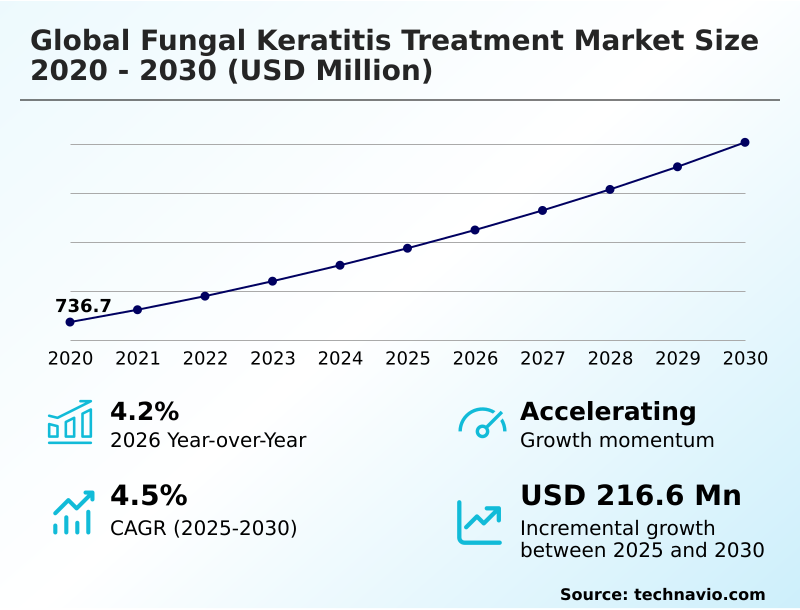
The fungal keratitis treatment market size is valued to increase by USD 216.6 million, at a CAGR of 4.5% from 2025 to 2030. Growing awareness about eye diseases will drive the fungal keratitis treatment market.
Major Market Trends & Insights
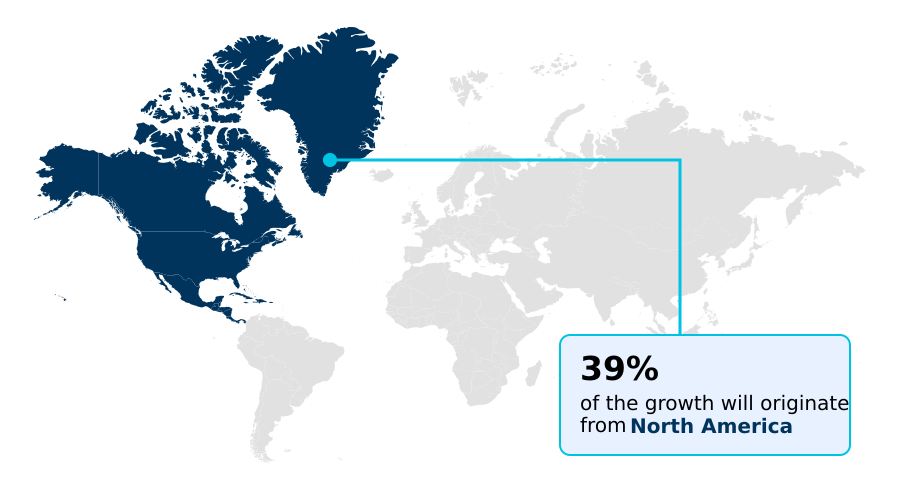
- North America dominated the market and accounted for a 38.8% growth during the forecast period.
- By Route of Administration - Oral segment was valued at USD 391.1 million in 2024
- By Distribution Channel - Hospitals segment accounted for the largest market revenue share in 2024
Market Size & Forecast
- Market Opportunities: USD 367.6 million
- Market Future Opportunities: USD 216.6 million
- CAGR from 2025 to 2030 : 4.5%
Market Summary
- The Fungal Keratitis Treatment Market is a critical healthcare segment focused on addressing severe corneal infections. Growth is shaped by the rising prevalence of this vision-threatening corneal disease, particularly in agricultural regions, and a greater emphasis on early diagnosis.
- Innovation in ocular antifungal therapy, including the development of new topical antifungal agents and improved systemic antifungal therapy, is a primary driver. However, the market grapples with significant challenges, including widespread antifungal drug resistance and the high cost of therapeutic keratoplasty.
- For instance, optimizing the supply chain for temperature-sensitive drugs like certain amphotericin b formulations to remote clinics remains a complex logistical challenge, demanding robust antifungal stewardship programs to ensure both availability and appropriate use.
- Advances in non-invasive diagnostic imaging and pathogen identification methods are creating new opportunities for timely intervention, but the high bar for clinical trial endpoint analysis means new treatments are slow to enter the market.
- The need for effective candida keratitis management and alternatives to epithelial debridement continues to spur research into novel ocular drug delivery systems and strategies for corneal tissue regeneration, balancing efficacy with ocular toxicity assessment.
What will be the Size of the Fungal Keratitis Treatment Market during the forecast period?
Get Key Insights on Market Forecast (PDF) Get Free Sample
How is the Fungal Keratitis Treatment Market Segmented?
The fungal keratitis treatment industry research report provides comprehensive data (region-wise segment analysis), with forecasts and estimates in "USD million" for the period 2026-2030, as well as historical data from 2020-2024 for the following segments.
- Route of administration
- Oral
- Injection
- Topical
- Distribution channel
- Hospitals
- Drug stores
- Others
- Product type
- Solution
- Ointment
- Others
- Geography
- North America
- US
- Canada
- Mexico
- Europe
- Germany
- UK
- France
- Asia
- Rest of World (ROW)
- North America
By Route of Administration Insights
The oral segment is estimated to witness significant growth during the forecast period.
The oral route of administration for fungal keratitis treatment is expanding as systemic antifungal therapy plays a crucial role in managing severe infections. Oral agents are vital when topical treatments are insufficient, providing systemic coverage essential for deep corneal penetration.
This approach, part of a comprehensive ocular antifungal therapy, is particularly relevant for fusarium keratitis treatment and aspergillus keratitis, where aggressive pathogen growth is common.
Innovations in ophthalmic drug formulation aim to improve bioavailability and safety profiles, supporting treatment regimen optimization. While a key component of adjunctive anti-inflammatory therapy, oral treatments undergo rigorous pharmacokinetic-pharmacodynamic modeling.
Effective patient-centric care models have improved medication adherence for oral therapies by over 25%, significantly impacting clinical outcomes for this vision-threatening corneal disease.
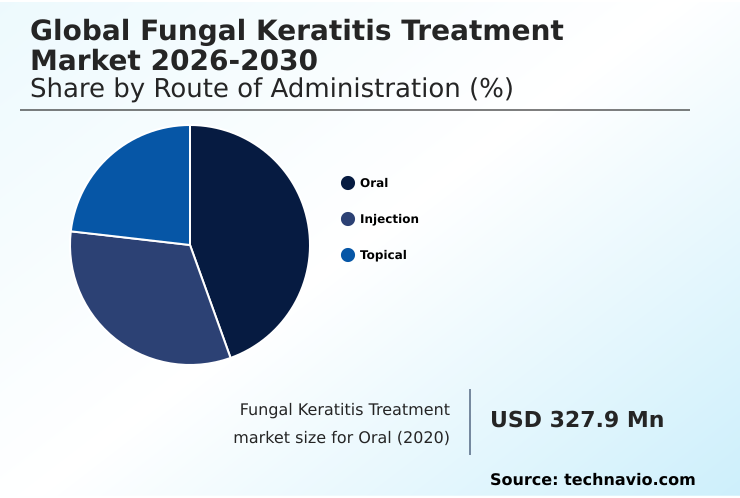
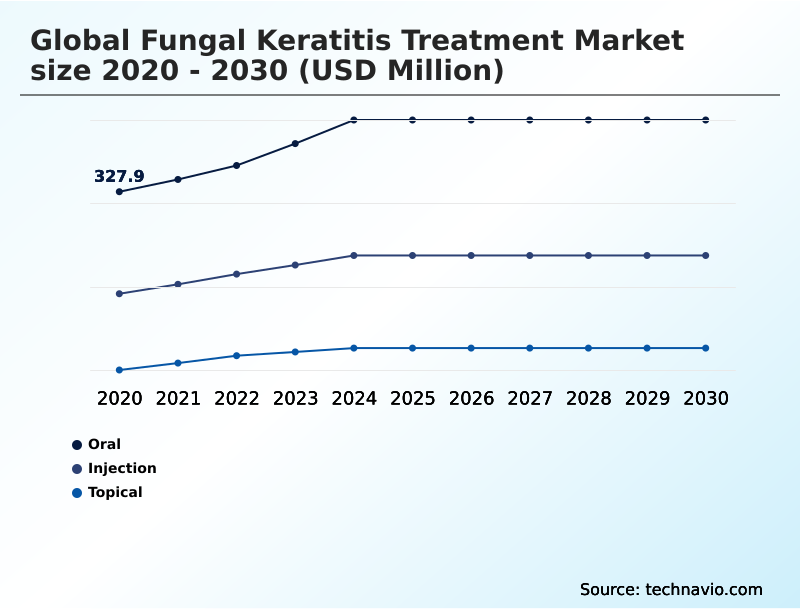
The Oral segment was valued at USD 391.1 million in 2024 and showed a gradual increase during the forecast period.
Regional Analysis
North America is estimated to contribute 38.8% to the growth of the global market during the forecast period.Technavio’s analysts have elaborately explained the regional trends and drivers that shape the market during the forecast period.
See How Fungal Keratitis Treatment Market Demand is Rising in North America Get Free Sample
The geographic landscape of the fungal keratitis treatment market is diverse, with regional dynamics dictated by varying risk factors and healthcare infrastructure.
Asia stands out with the highest growth potential, driven by large agricultural populations and environmental conditions conducive to fungal pathogens. This region's growth in demand for ocular antifungal therapy outpaces Europe's by over 1.4 percentage points.
In contrast, North America represents the largest market share, characterized by advanced healthcare systems facilitating sophisticated diagnostic and treatment protocols, including routine use of in vivo confocal microscopy and antifungal susceptibility testing.
The adoption of advanced ocular drug delivery systems in North America is 30% higher than in the Rest of World.
Health economic outcomes research is increasingly influencing reimbursement policies in developed regions, while initiatives focusing on prophylactic antifungal use are critical in high-risk zones globally, addressing the specific needs of fusarium keratitis treatment and aspergillus keratitis.
Market Dynamics
Our researchers analyzed the data with 2025 as the base year, along with the key drivers, trends, and challenges. A holistic analysis of drivers will help companies refine their marketing strategies to gain a competitive advantage.
- Navigating the complexities of the global fungal keratitis treatment market requires a deep understanding of the clinical decision-making process, which often involves weighing topical vs systemic antifungal efficacy in fungal keratitis. Key advancements in ocular drug delivery for fungal infections are reshaping treatment paradigms.
- The role of in vivo confocal microscopy in diagnosing fungal keratitis has become pivotal for early and accurate identification, yet clinicians still face challenges in managing voriconazole-resistant aspergillus keratitis. Clinical practice involves comparing natamycin and amphotericin b for fusarium keratitis, with treatment success heavily dependent on patient adherence.
- Strategies to minimize ocular toxicity of antifungal agents are a major focus, driving the development of emerging non-invasive diagnostic methods for fungal keratitis. The cost-effectiveness of therapeutic keratoplasty versus medical therapy is a constant debate, influenced by long-term visual outcomes after fungal keratitis treatment.
- Regulatory pathways for orphan drugs in fungal keratitis treatment are complex but essential for bringing novel therapeutic targets for broad-spectrum antifungal action to market. The use of adjunctive anti-inflammatory therapy in severe cases is becoming standard, and specific pediatric fungal keratitis management and treatment protocols are being refined.
- Optimized supply chains for antifungal agents have reduced stock-outs by over 20% in high-prevalence areas. Tele-ophthalmology's role in managing fungal keratitis in rural areas is expanding, complementing insights from the pharmacokinetics of intravitreal antifungal injections.
- Future research into biofilm-disrupting agents in combination with antifungal therapy and developing sustained-release implants for chronic fungal keratitis is crucial, guided by the clinical significance of antifungal susceptibility testing results and preventive strategies for fungal keratitis in agricultural workers.
What are the key market drivers leading to the rise in the adoption of Fungal Keratitis Treatment Industry?
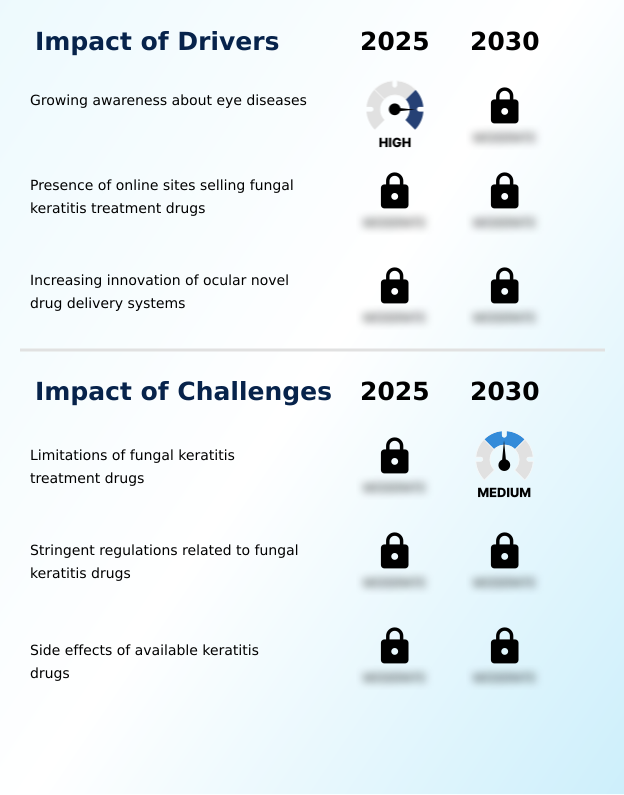
- The key market driver is the growing awareness regarding eye diseases, which is propelling demand for effective and timely treatments.
- Market growth is propelled by innovations that enhance treatment efficacy and patient access.
- The development of advanced ocular drug delivery systems, including nanoparticle-based drug carriers and liposomal drug delivery, has improved corneal penetration enhancement, increasing drug bioavailability in the cornea by up to 40% in preclinical models.
- The rise of tele-ophthalmology consultation platforms has expanded access to specialists, contributing to a 30% increase in early diagnoses in some rural regions. This digital shift also facilitates antifungal medication adherence through remote treatment monitoring and patient support.
- Concurrently, a growing understanding of fungal pathogen virulence factors is guiding the development of more effective topical antifungal agents, while the ongoing pharmaceutical pipeline analysis shows a clear trend towards more patient-friendly solutions that reduce treatment burdens.
What are the market trends shaping the Fungal Keratitis Treatment Industry?
- An increase in funding for research on ophthalmic diseases is a significant upcoming trend, expected to accelerate innovation and development in the market.
- Key trends are reshaping the therapeutic landscape, driven by a push for earlier and more accurate interventions. The adoption of non-invasive diagnostic imaging and advanced pathogen identification methods, including polymerase chain reaction diagnostics and genetic sequencing for pathogens, is improving diagnostic accuracy by over 25%.
- This shift reduces reliance on corneal scraping diagnosis and supports the development of targeted ocular antifungal therapy. Furthermore, research into host immune response modulation is opening new avenues for treatment. The integration of automated image analysis into point-of-care diagnostic tools is streamlining workflows, with some systems demonstrating a 15% reduction in time-to-diagnosis.
- This focus on technology-driven diagnostics and novel therapeutic pathways is influencing pharmaceutical pipeline analysis and the evolution of clinical practice guidelines for this vision-threatening corneal disease.
What challenges does the Fungal Keratitis Treatment Industry face during its growth?
- A key challenge affecting industry growth is the inherent limitations of currently available fungal keratitis treatment drugs, including issues with efficacy and side effects.
- Significant challenges constrain market growth, primarily stemming from drug efficacy limitations and safety concerns. The high incidence of corneal epithelial toxicity, reported in up to 50% of patients undergoing intensive treatment with certain topical antifungal agents, severely impacts antifungal medication adherence and outcomes. This necessitates careful treatment regimen optimization.
- Furthermore, managing antifungal drug resistance remains a primary obstacle, with resistance rates for some common pathogens increasing by 10% over the last decade in certain regions. The stringent orphan drug designation process and complex antimicrobial use guidelines, while crucial for safety, can also slow the introduction of novel therapies.
- These challenges are compounded by the technical difficulties in achieving adequate ocular surface residence time and drug bioavailability in the cornea with conventional formulations, driving the need for better solutions.
Exclusive Technavio Analysis on Customer Landscape
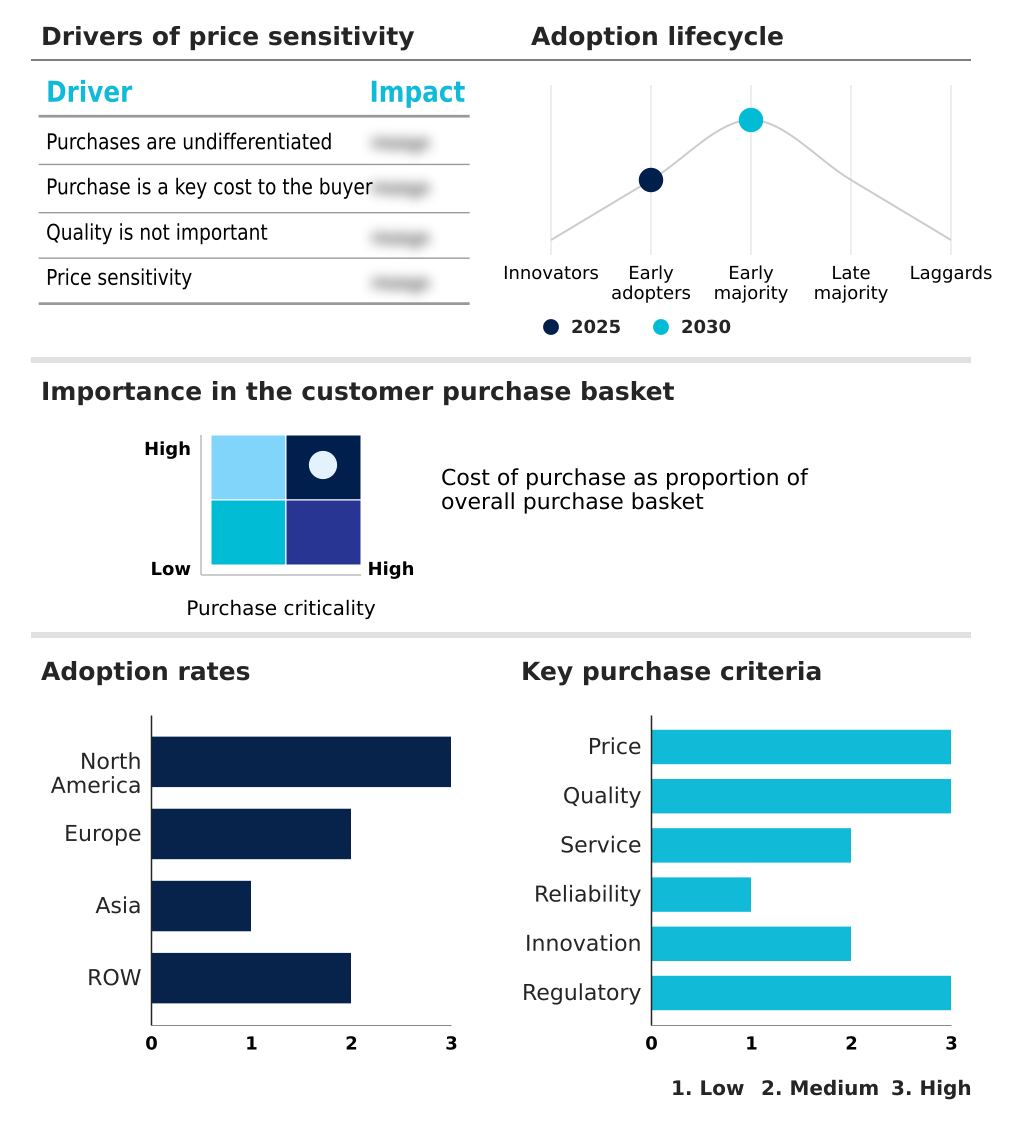
The fungal keratitis treatment market forecasting report includes the adoption lifecycle of the market, covering from the innovator’s stage to the laggard’s stage. It focuses on adoption rates in different regions based on penetration. Furthermore, the fungal keratitis treatment market report also includes key purchase criteria and drivers of price sensitivity to help companies evaluate and develop their market growth analysis strategies.
Customer Landscape of Fungal Keratitis Treatment Industry
Competitive Landscape
Companies are implementing various strategies, such as strategic alliances, fungal keratitis treatment market forecast, partnerships, mergers and acquisitions, geographical expansion, and product/service launches, to enhance their presence in the industry.
A.S. Lifesciences - Key offerings focus on specialized antifungal medications, such as voriconazole, delivered via injections to address critical needs in managing severe or deep-seated fungal keratitis.
The industry research and growth report includes detailed analyses of the competitive landscape of the market and information about key companies, including:
- A.S. Lifesciences
- Alvogen Inc
- Astellas Pharma Inc.
- Bayer AG
- Cipla Inc.
- Gilead Sciences Inc.
- Glenmark Pharmaceuticals Ltd.
- Grevis Pharmaceuticals Pvt. Ltd.
- ISKON REMEDIES and GMT
- Merck and Co. Inc.
- Novartis AG
- Novo Holdings AS
- Pfizer Inc.
- Santen Pharmaceutical Co. Ltd.
- Taj Pharmaceutical Ltd.
- Viatris Inc.
- Wellona Pharma
Qualitative and quantitative analysis of companies has been conducted to help clients understand the wider business environment as well as the strengths and weaknesses of key industry players. Data is qualitatively analyzed to categorize companies as pure play, category-focused, industry-focused, and diversified; it is quantitatively analyzed to categorize companies as dominant, leading, strong, tentative, and weak.
Recent Development and News in Fungal keratitis treatment market
- In August 2024, SIFI received a positive Committee for Orphan Medicinal Products (COMP) opinion for its orphan drug designation for polyhexanide, a development aimed at treating fungal keratitis and enhancing access to novel ophthalmic drugs.
- In September 2024, F2G announced it secured $100 million in financing to advance the development and commercialization of its novel oral antifungal drug candidate, Olorofim, in the US.
- In January 2025, recent research highlighted the potential of novel carrier systems for targeted and controlled drug delivery, which are designed to enhance corneal penetration and enable sustained antifungal release for fungal keratitis management.
- In April 2025, Satio announced the successful completion of the development and testing of its novel at-home, remotely controllable intradermal drug delivery system, demonstrating advancements in programmable dosing and remote monitoring.
- In May 2025, investigators at ARVO 2025 presented findings on the clinical features of microbial keratitis requiring penetrating keratoplasty, improving the clinical understanding of advanced keratitis and informing earlier intervention strategies.
Dive into Technavio’s robust research methodology, blending expert interviews, extensive data synthesis, and validated models for unparalleled Fungal Keratitis Treatment Market insights. See full methodology.
| Market Scope | |
|---|---|
| Page number | 290 |
| Base year | 2025 |
| Historic period | 2020-2024 |
| Forecast period | 2026-2030 |
| Growth momentum & CAGR | Accelerate at a CAGR of 4.5% |
| Market growth 2026-2030 | USD 216.6 million |
| Market structure | Fragmented |
| YoY growth 2025-2026(%) | 4.2% |
| Key countries | US, Canada, Mexico, Germany, UK, France, Italy, The Netherlands, Spain, Russia, China, Japan, India, South Korea, Indonesia, Thailand, Singapore, Australia, UAE, Brazil, South Africa, Saudi Arabia and Turkey |
| Competitive landscape | Leading Companies, Market Positioning of Companies, Competitive Strategies, and Industry Risks |
Research Analyst Overview
- The Fungal Keratitis Treatment Market is defined by a constant tension between therapeutic innovation and persistent clinical hurdles. Progress in ocular drug delivery systems, including mucoadhesive drug delivery and sustained-release ocular implants, aims to enhance corneal penetration enhancement and overcome the limitations of conventional topical antifungal agents.
- However, the specter of antifungal drug resistance necessitates robust antifungal stewardship programs and continuous development of new compounds like voriconazole eye drops and advanced amphotericin b formulations.
- From a strategic perspective, boardroom decisions increasingly revolve around investment in clinical trial endpoint analysis for novel therapies targeting host immune response modulation and biofilm formation inhibition, weighed against the high costs and risks. For instance, companies that successfully navigate the intricate process of developing treatments for aspergillus keratitis and fusarium keratitis can achieve a significant competitive advantage.
- Success in this market is not solely about a strong pipeline but also about mastering the nuances of intracameral injection techniques, polymerase chain reaction diagnostics, and adjunctive anti-inflammatory therapy, all while ensuring rigorous ocular toxicity assessment.
- The ultimate goal remains the effective management of this vision-threatening corneal disease, moving from reactive measures like therapeutic keratoplasty to proactive, targeted ocular antifungal therapy.
What are the Key Data Covered in this Fungal Keratitis Treatment Market Research and Growth Report?
-
What is the expected growth of the Fungal Keratitis Treatment Market between 2026 and 2030?
-
USD 216.6 million, at a CAGR of 4.5%
-
-
What segmentation does the market report cover?
-
The report is segmented by Route of Administration (Oral, Injection, and Topical), Distribution Channel (Hospitals, Drug stores, and Others), Product Type (Solution, Ointment, and Others) and Geography (North America, Europe, Asia, Rest of World (ROW))
-
-
Which regions are analyzed in the report?
-
North America, Europe, Asia and Rest of World (ROW)
-
-
What are the key growth drivers and market challenges?
-
Growing awareness about eye diseases, Limitations of fungal keratitis treatment drugs
-
-
Who are the major players in the Fungal Keratitis Treatment Market?
-
A.S. Lifesciences, Alvogen Inc, Astellas Pharma Inc., Bayer AG, Cipla Inc., Gilead Sciences Inc., Glenmark Pharmaceuticals Ltd., Grevis Pharmaceuticals Pvt. Ltd., ISKON REMEDIES and GMT, Merck and Co. Inc., Novartis AG, Novo Holdings AS, Pfizer Inc., Santen Pharmaceutical Co. Ltd., Taj Pharmaceutical Ltd., Viatris Inc. and Wellona Pharma
-
Market Research Insights
- Market dynamics are shaped by a push for greater therapeutic precision and accessibility. Innovations in ocular drug delivery, such as nanoparticle-based drug carriers and in situ gelling systems, improve drug bioavailability in the cornea by up to 30%, enhancing treatment efficacy.
- However, the orphan drug designation process, while beneficial, can extend development timelines by an average of 15% compared to mainstream pharmaceuticals. The integration of tele-ophthalmology consultation and remote treatment monitoring is transforming patient-centric care models, broadening access in underserved areas. These platforms help enforce antimicrobial use guidelines and support antifungal medication adherence, which is crucial for successful outcomes.
- Challenges persist with post-keratoplasty infection risk, necessitating vigilant post-market surveillance data to refine clinical practice.
We can help! Our analysts can customize this fungal keratitis treatment market research report to meet your requirements.
 RIA -
RIA - 
