



The hepatocellular carcinoma treatment market share is expected to increase by USD 106.48 million from 2020 to 2025, and the market’s growth momentum will accelerate at a CAGR of 4.1%.
This hepatocellular carcinoma treatment market research report provides valuable insights on the post COVID-19 impact on the market, which will help companies evaluate their business approaches. Furthermore, this report extensively covers hepatocellular carcinoma treatment market segmentation by therapy (chemotherapy, brachytherapy, and ablation therapy) and geography (North America, Europe, Asia, and ROW). The hepatocellular carcinoma treatment market report also offers information on several market vendors, including AbbVie Inc., Amgen Inc., AstraZeneca Plc, Bayer AG, Bristol-Myers Squibb Co., Eli Lilly and Co., F. Hoffmann-La Roche Ltd., Gilead Sciences Inc., Johnson & Johnson, and Pfizer Inc. among others.
What will the Hepatocellular Carcinoma Treatment Market Size be During the Forecast Period?
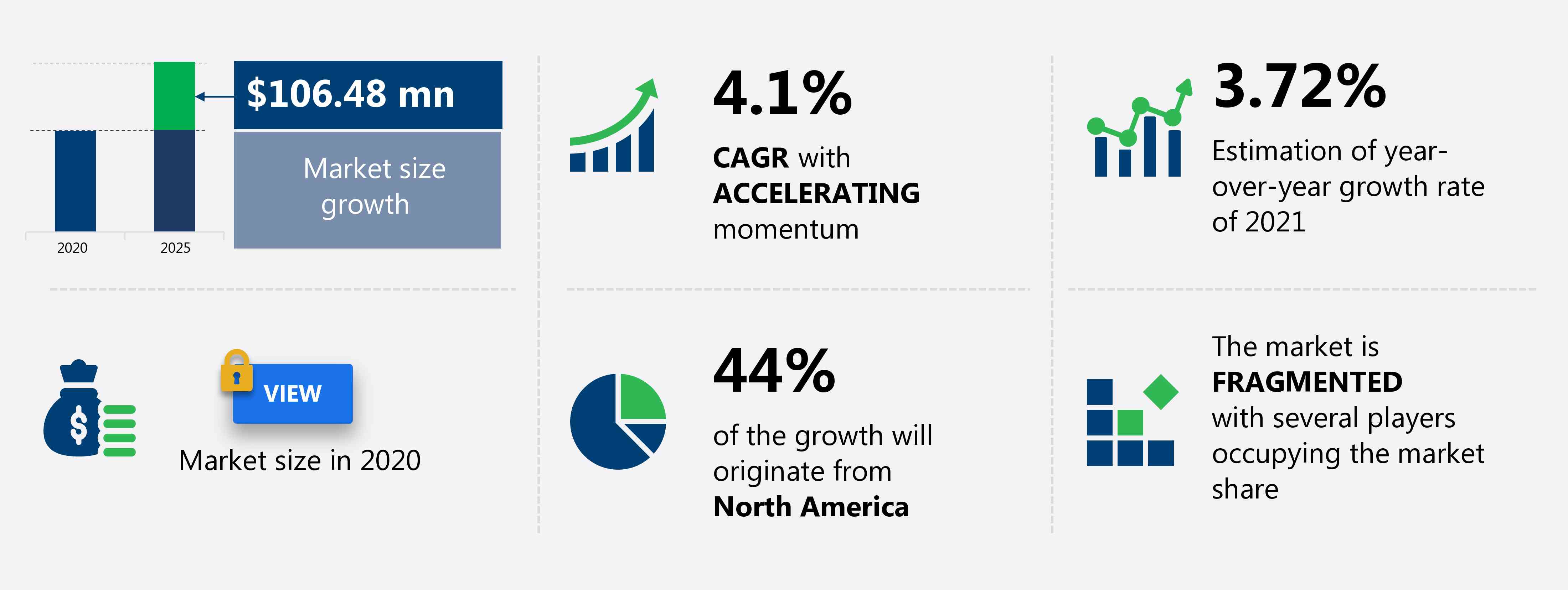
Download Report Sample to Unlock the Hepatocellular Carcinoma Treatment Market Size for the Forecast Period and Other Important Statistics
Hepatocellular Carcinoma Treatment Market: Key Drivers, Trends, and Challenges
The growing prevalence of lifestyle diseases is notably driving the hepatocellular carcinoma treatment market growth, although factors such as high side effects of the available therapies, especially chemotherapy drugs may impede the market growth. Our research analysts have studied the historical data and deduced the key market drivers and the COVID-19 pandemic impact on the hepatocellular carcinoma treatment industry. The holistic analysis of the drivers will help in deducing end goals and refining marketing strategies to gain a competitive edge.
Key Hepatocellular Carcinoma Treatment Market Driver
The growing prevalence of lifestyle diseases is one of the major drivers of the hepatocellular carcinoma treatment market growth. Lifestyle diseases such as diabetes, obesity, and high blood pressure have a huge effect on the liver and are some of the major causes of hepatocellular carcinoma. The rising incidence of lifestyle diseases will augment the demand for hepatocellular carcinoma treatment. Non-alcoholic fatty liver disease (NAFLD), is one of the major types of liver disease. According to the NIH, 20%-30% of the general population in Western countries suffer from NAFLD. Also, the prevalence rate of NAFLD increases in people with type 2 diabetes (70%) and obesity (90%). As hepatocellular carcinoma is highly influenced by the prevalence of NAFLD, if left untreated, such a high prevalence of lifestyle diseases will ultimately boost the hepatocellular carcinoma treatment market. Lifestyle disease associated with hepatocellular carcinoma
Key Hepatocellular Carcinoma Treatment Market Trend
An increase in R&D activities for liver cirrhosis medication is one of the major trends for the hepatocellular carcinoma treatment market growth. The need for efficacious and better-tolerated medications drives R&D in the global liver cirrhosis medication market. The growing incidence of the disease represents significant opportunities for market growth. Companies are working toward the development of drugs that cater to the unmet medical needs of this condition. For instance, Stempeucel by Stempeutics Research and Rifaximin SSD by Valeant Pharmaceuticals is in the Phase II stage of development for the treatment of liver cirrhosis. Similarly, Adipose-derived stem cells by Gwo Xi Stem Cell Applied Technology are in the Phase I stage of development. Apart from this, molecules are also present in the preclinical and discovery stages, forming a strong pipeline for liver cirrhosis. The launch of drug candidates, which are currently in the late developmental stage, will contribute to the market's growth.
Key Hepatocellular Carcinoma Treatment Market Challenge
High side effects of the available therapies, especially chemotherapy drugs are one of the major challenges for the hepatocellular carcinoma treatment market growth. Severe side-effects of liver disease treatment drugs reduce patient compliance and might also result in patient dropouts, which, in turn, decreases the demand for the drugs, thus reducing their sales. These drugs are available in multiple dosage forms and combinations. Some common side effects are dry mouth, constipation, dry eyes, vision impairment, urinary tract infections, alopecia, urine retention, and drowsiness. Precaution must be taken when administering these drugs to elderly patients with cognitive impairment or dementia, as the drugs may worsen their symptoms. Although these drugs are used in children an extra dose of these drugs that are beyond the permissible limit can cause serious side effects. The most commonly reported side effects associated are headaches and urinary tract infections. Some rarely occurring side effects are heart palpitation, abdominal pain, diarrhea, rash, and constipation. Therefore, the potential side effects of hepatocellular carcinoma drugs impede the rationale for the use of these drugs for the treatment of hepatocellular carcinoma, which negatively impacts the growth of the market
This hepatocellular carcinoma treatment market analysis report also provides detailed information on other upcoming trends and challenges that will have a far-reaching effect on the market growth. The actionable insights on the trends and challenges will help companies evaluate and develop growth strategies for 2021-2025.
Parent Market Analysis
Technavio categorizes the hepatocellular carcinoma treatment market as a part of the pharmaceuticals market. Our research report has extensively covered external factors influencing the parent market growth potential in the coming years, which will determine the levels of growth of the hepatocellular carcinoma treatment market during the forecast period.
Who are the Major Hepatocellular Carcinoma Treatment Market Vendors?
The report analyzes the market’s competitive landscape and offers information on several market vendors, including:
- AbbVie Inc.
- Amgen Inc.
- AstraZeneca Plc
- Bayer AG
- Bristol-Myers Squibb Co.
- Eli Lilly and Co.
- F. Hoffmann-La Roche Ltd.
- Gilead Sciences Inc.
- Johnson & Johnson
- Pfizer Inc.
This statistical study of the hepatocellular carcinoma treatment market encompasses successful business strategies deployed by the key vendors. The hepatocellular carcinoma treatment market is fragmented and the vendors are deploying growth strategies such as strategic collaboration to compete in the market.
To make the most of the opportunities and recover from post COVID-19 impact, market vendors should focus more on the growth prospects in the fast-growing segments, while maintaining their positions in the slow-growing segments.
The hepatocellular carcinoma treatment market forecast report offers in-depth insights into key vendor profiles. The profiles include information on the production, sustainability, and prospects of the leading companies.
Hepatocellular Carcinoma Treatment Market Value Chain Analysis
Our report provides extensive information on the value chain analysis for the hepatocellular carcinoma treatment market, which vendors can leverage to gain a competitive advantage during the forecast period. The end-to-end understanding of the value chain is essential in profit margin optimization and evaluation of business strategies. The data available in our value chain analysis segment can help vendors drive costs and enhance customer services during the forecast period.
The value chain of the pharmaceuticals market includes the following core components:
- Inputs
- Inbound logistics
- Operations
- Outbound logistics
- Marketing and sales
- Service
- Support activities
- Innovation
The report has further elucidated other innovative approaches being followed by manufacturers to ensure a sustainable market presence.
Which are the Key Regions for Hepatocellular Carcinoma Treatment Market?
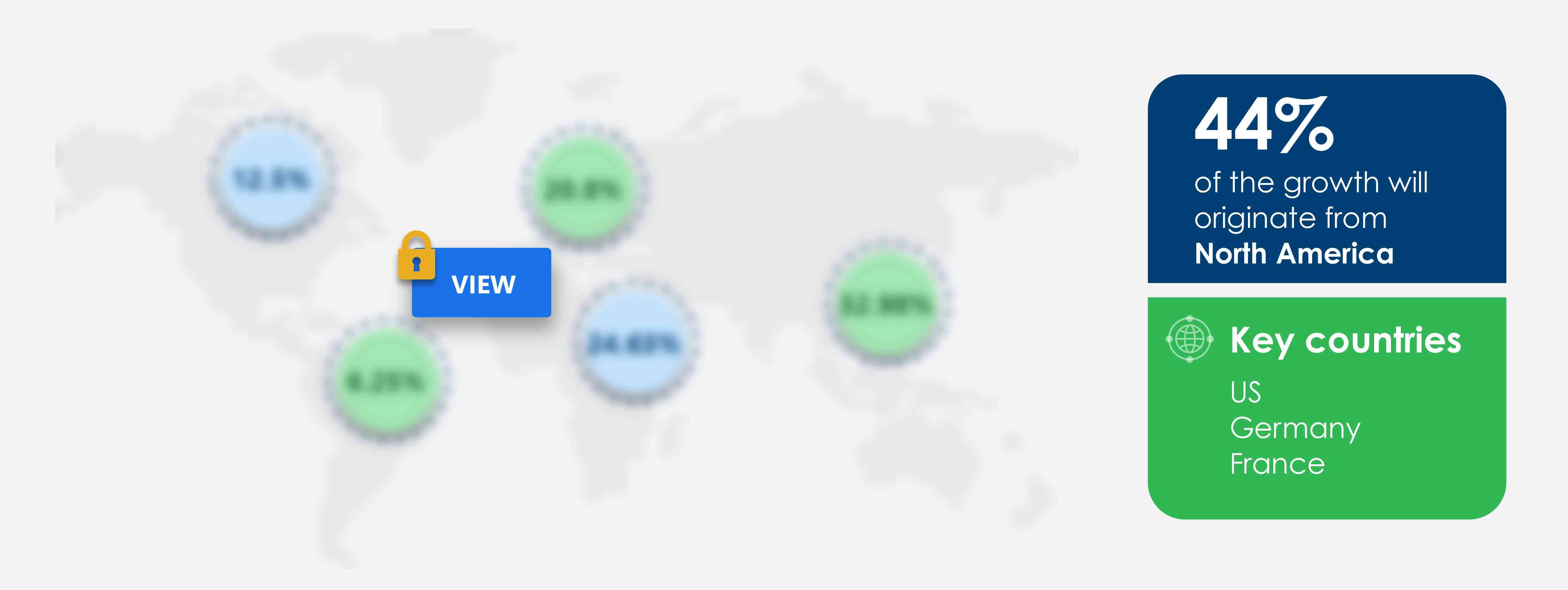
For more insights on the market share of various regions Request PDF Sample now!
44% of the market’s growth will originate from North America during the forecast period. The US is one of the key markets for hepatocellular carcinoma drugs in North America. However, market growth in this region will be slower than the growth of the market in Asia and Europe.
An increase in investments from governments towards R&D activities will facilitate the hepatocellular carcinoma treatment market growth in North America over the forecast period. This market research report entails detailed information on the competitive intelligence, marketing gaps, and regional opportunities in store for vendors, which will assist in creating efficient business plans.
COVID Impact and Recovery Analysis
The current COVID-19 outbreak had a negative impact on the growth of the hepatocellular carcinoma treatment market in the region in 2020. The pandemic decreased the use of hepatocellular carcinoma drugs in healthcare facilities in the region due to the postponing, delaying, or stopping of liver surgeries, which has impeded the growth of the hepatocellular carcinoma treatment market in 2020 in the region. However, the demand for hepatocellular carcinoma drugs in the healthcare sector is likely to increase post 2020-2021 due to the resumption of regular surgical procedures and liver disorder treatments in full capacity in the region.
What are the Revenue-generating By Metal Segments in the Hepatocellular Carcinoma Treatment Market?
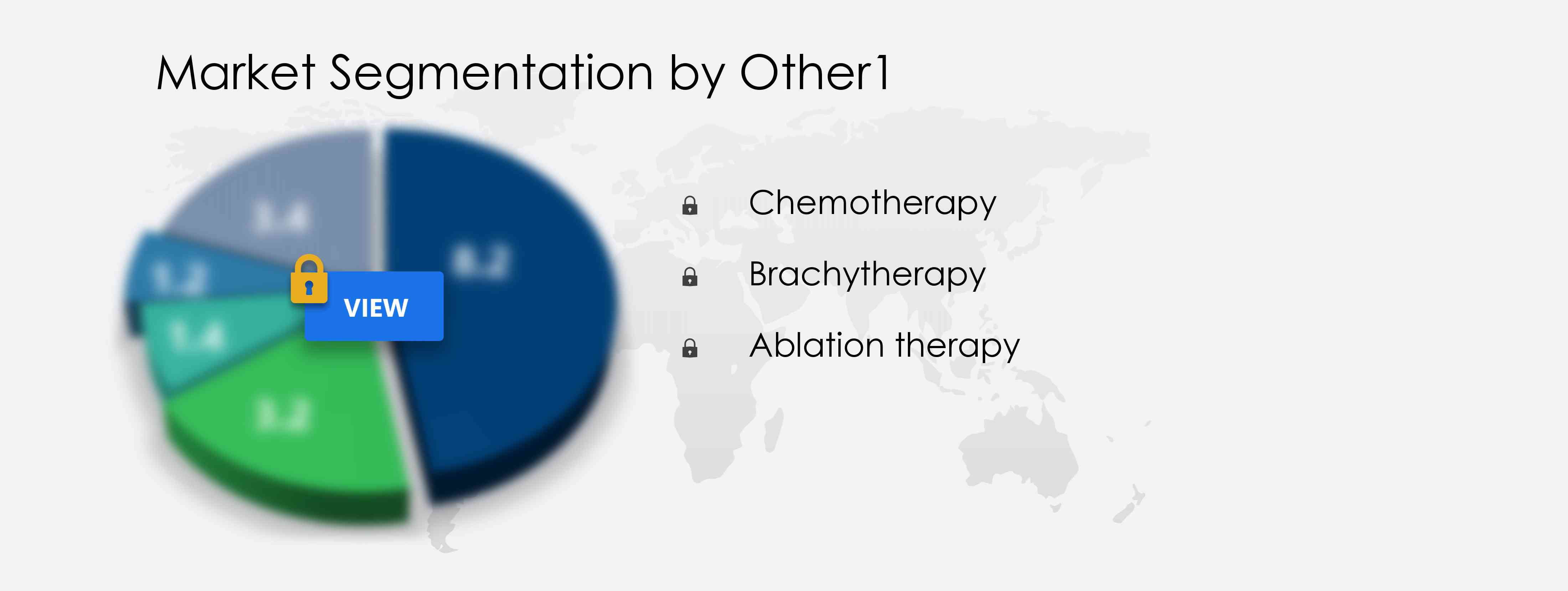
To gain further insights on the market contribution of various segments Request PDF Sample
The chemotherapy segment accounted for the major share of this market. Chemotherapy is a systematic treatment, which attacks the rapidly growing cancer cells, but as a side effect may even affect the healthy cells of the body. Chemotherapy is generally targeted to lower the number of cancerous cells in the body, reduce the chances of the spread of cancer, and shrink the size of the tumor.
This report provides an accurate prediction of the contribution of all the segments to the growth of the hepatocellular carcinoma treatment market size and actionable market insights on post COVID-19 impact on each segment.
|
Hepatocellular Carcinoma Treatment Market Scope |
|
|
Report Coverage |
Details |
|
Page number |
120 |
|
Base year |
2020 |
|
Forecast period |
2021-2025 |
|
Growth momentum & CAGR |
Accelerate at a CAGR of 4.1% |
|
Market growth 2021-2025 |
$ 106.48 million |
|
Market structure |
Fragmented |
|
YoY growth (%) |
3.72 |
|
Regional analysis |
North America, Europe, Asia, and ROW |
|
Performing market contribution |
North America at 44% |
|
Key consumer countries |
US, Germany, France, Japan, and UK |
|
Competitive landscape |
Leading companies, Competitive strategies, Consumer engagement scope |
|
Key companies profiled |
AbbVie Inc., Amgen Inc., AstraZeneca Plc, Bayer AG, Bristol-Myers Squibb Co., Eli Lilly and Co., F. Hoffmann-La Roche Ltd., Gilead Sciences Inc., Johnson & Johnson, and Pfizer Inc. |
|
Market dynamics |
Parent market analysis, Market growth inducers and obstacles, Fast-growing and slow-growing segment analysis, COVID 19 impact and recovery analysis and future consumer dynamics, Market condition analysis for forecast period |
|
Customization purview |
If our report has not included the data that you are looking for, you can reach out to our analysts and get segments customized. |
What are the Key Data Covered in this Hepatocellular Carcinoma Treatment Market Report?
- CAGR of the market during the forecast period 2021-2025
- Detailed information on factors that will drive hepatocellular carcinoma treatment market growth during the next five years
- Precise estimation of the hepatocellular carcinoma treatment market size and its contribution to the parent market
- Accurate predictions on upcoming trends and changes in consumer behavior
- The growth of the hepatocellular carcinoma treatment industry across North America, Europe, Asia, and ROW
- A thorough analysis of the market’s competitive landscape and detailed information on vendors
- Comprehensive details of factors that will challenge the growth of hepatocellular carcinoma treatment market vendors
We can help! Our analysts can customize this report to meet your requirements. Get in touch
 RIA -
RIA - 
