
IT Operation Analytics (ITOA) Market Size 2025-2029
The it operation analytics (ITOA) market size is forecast to increase by USD 101.5 billion, at a CAGR of 46.7% between 2024 and 2029.
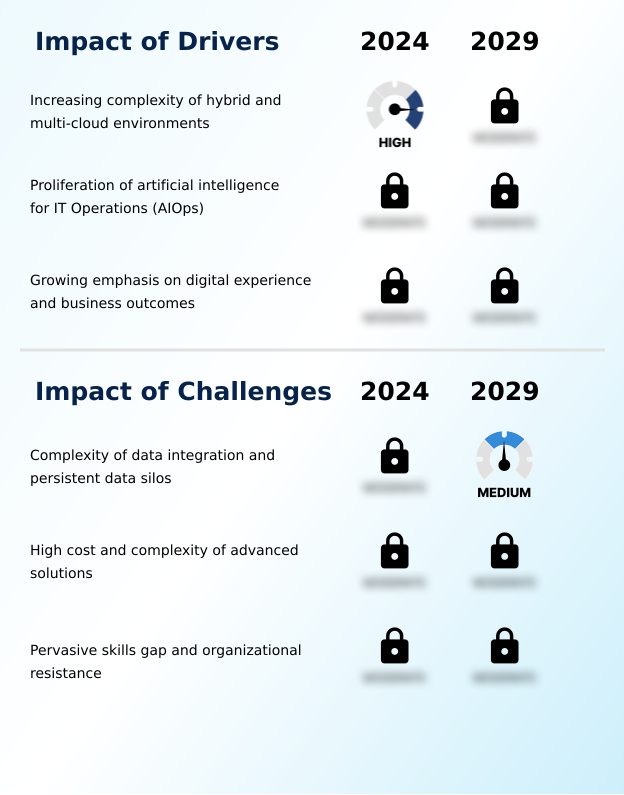
The increasing complexity of hybrid and multi-cloud environments is a significant factor in the it services market. Enterprises are distributing applications across private data centers and multiple public clouds, leading to operational fragmentation and an explosion in telemetry data volume. This scenario makes traditional, silo-based it monitoring tools market solutions obsolete, creating a strong need for advanced observability platforms that offer a unified, end-to-end view. Such systems are critical for providing the deep, cross-domain insights required for digital resilience. This complexity acts as a catalyst for the adoption of sophisticated analytics solutions within the broader it software market, which is essential for managing today's intricate digital landscapes.A transformative development reshaping the it operation analytics (ITOA) market is the integration of generative AI into AIOps platforms. This moves beyond traditional machine learning by introducing intelligent interaction and automation, lowering skill barriers, and accelerating problem resolution. This trend fosters a conversational and context-aware operational experience, shifting workflows from dashboard-centric to conversation-centric models. However, a primary challenge is the complexity of data integration and persistent data silos. Integrating disparate data sources from legacy on-premise infrastructure, mainframes, and various cloud services into a unified dataset for enterprise data management (EDM) market analysis is a significant hurdle for many organizations.
What will be the Size of the IT Operation Analytics (ITOA) Market during the forecast period?
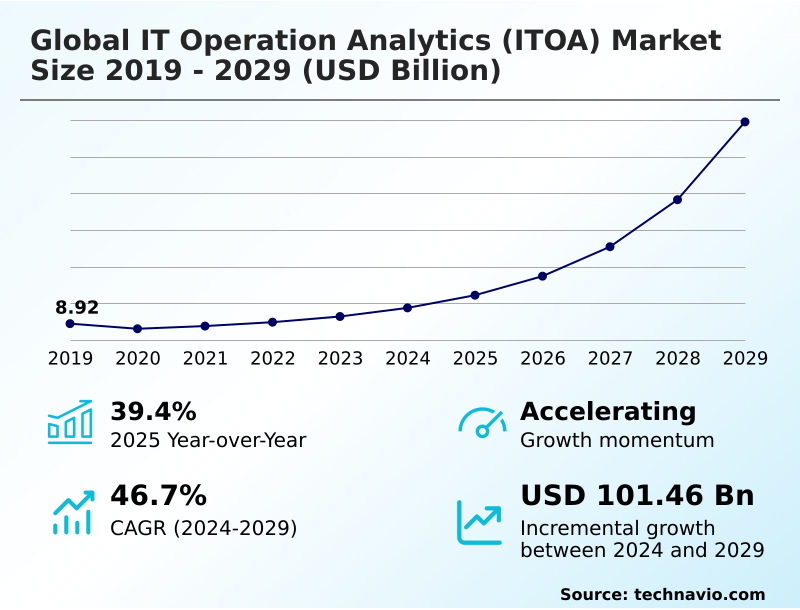
Explore in-depth regional segment analysis with market size data - historical 2019 - 2023 and forecasts 2025-2029 - in the full report.
Request Free Sample
The global it operation analytics (ITOA) market is defined by the continuous need for enhanced digital resilience and proactive incident management. Organizations are increasingly adopting unified observability platforms to gain cross-domain telemetry correlation, which is vital for managing intricate IT ecosystems. This involves the application of advanced anomaly detection algorithms and automated root cause analysis to move from reactive to predictive operational models. The integration of machine learning model training and intelligent alert correlation is becoming standard practice, turning vast data streams into actionable operational intelligence for the broader security analytics market.End-to-end application tracing and business impact analysis are becoming critical components, aligning IT performance with strategic business goals. The evolution of the enterprise data management (EDM) market and it service management (ITSM) reflects a shift toward AIOps for IT automation and sophisticated configuration change detection. This proactive stance is supported by continuous performance baselining and comprehensive digital experience monitoring. These ongoing developments underscore a dynamic environment where infrastructure capacity planning and real-time log analytics are central to maintaining service continuity and operational excellence.
How is this IT Operation Analytics (ITOA) Industry segmented?
The it operation analytics (ITOA) industry research report provides comprehensive data (region-wise segment analysis), with forecasts and estimates in "USD million" for the period 2025-2029, as well as historical data from 2019 - 2023 for the following segments.
- Deployment
- Component
- Organization size
- Geography
- North America
- Europe
- UK
- Germany
- France
- Italy
- The Netherlands
- Spain
- APAC
- China
- Japan
- India
- South Korea
- Australia
- Indonesia
- Middle East and Africa
- South America
- Rest of World (ROW)
By Deployment Insights
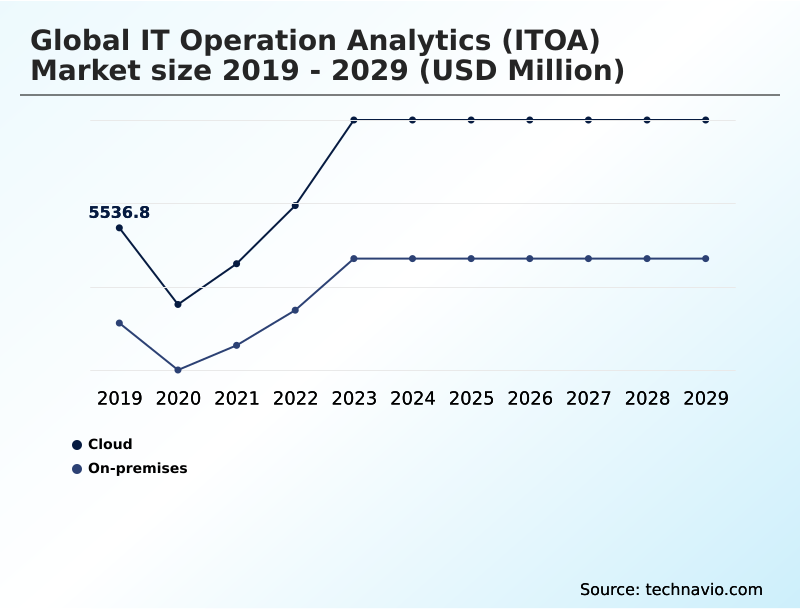
The cloud segment is estimated to witness significant growth during the forecast period.
The cloud deployment model is a dominant force in the global IT operation analytics market. Its growth is driven by enterprise digital transformation and the need for scalable, agile operational intelligence. Organizations are increasingly adopting multi-cloud and hybrid-cloud strategies, which introduces significant complexity in monitoring application performance and infrastructure health. This environment fuels demand for sophisticated, cloud-native observability platforms capable of providing a unified view. The market in North America shows a strong growth trajectory with a CAGR of 47.3%.
Cloud solutions are also evolving to meet specific industry needs, including those in highly regulated sectors requiring stringent security and compliance. Continuous innovation focuses on enhancing platforms with support for open standards and integrating capabilities like cost optimization to address financial accountability for cloud spending. The overall trajectory indicates that the future of IT operations analytics is deeply connected to the cloud, with a focus on delivering comprehensive, AI-powered, multi-cloud observability to help enterprises navigate the complexities of their digital estates.

Request Free Sample
The Cloud segment was valued at USD 5.5 billion in 2019 and showed a gradual increase during the forecast period.
Regional Analysis
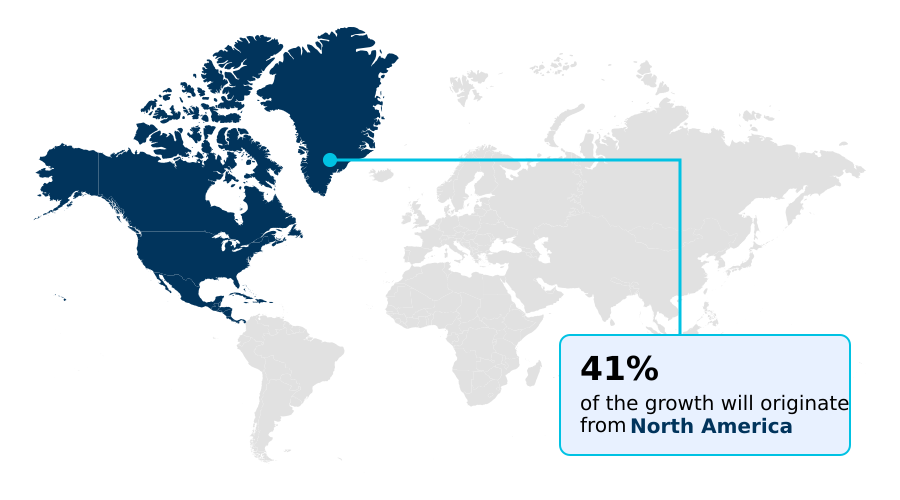
North America is estimated to contribute 41.3% to the growth of the global market during the forecast period.Technavio’s analysts have elaborately explained the regional trends and drivers that shape the market during the forecast period.
Request Free Sample
North America is the most mature and dynamic market for IT operation analytics, characterized by a high concentration of large enterprises and rapid adoption of cutting-edge technologies. The region serves as a major driver of innovation and a primary revenue generator. The market's direction in North America is heavily influenced by large-scale consolidation and a strategic shift toward unified platforms that combine observability, security, and networking. This trend directly addresses the complexity faced by large organizations in the region managing vast digital footprints.
Innovation in artificial intelligence is a key theme within the North America market, with a focus on integrating AI into operations to create central command centers for managing complex application portfolios through natural language interaction. Furthermore, the region's stringent regulatory environment and heightened focus on cybersecurity continue to fuel demand for advanced analytics solutions. This market is actively being reshaped by the demand for integrated, AI-powered platforms, with Europe also showing strong growth at a CAGR of 46.5%, indicating a broader global trend.
Market Dynamics
Our researchers analyzed the data with 2024 as the base year, along with the key drivers, trends, and challenges. A holistic analysis of drivers will help companies refine their marketing strategies to gain a competitive advantage.
The global IT Operation Analytics (ITOA) market is rapidly maturing, with enterprises prioritizing unified observability platforms to achieve comprehensive oversight. These systems are foundational for AIOps for IT automation, which facilitates proactive incident management and superior digital experience monitoring. Core capabilities now include multi-cloud visibility tools and detailed end-to-end application tracing, supported by advanced anomaly detection algorithms for early issue identification. To manage modern, dynamic environments, organizations are implementing robust dependency mapping services and effective container monitoring strategies, all underpinned by the power of real-time log analytics to process vast data streams and improve operational awareness.To accelerate incident resolution, modern ITOA solutions provide automated root cause analysis through intelligent alert correlation and sophisticated cross-domain telemetry correlation. This is complemented by continuous performance baselining, which establishes normal operational parameters and enables predictive performance monitoring. A key strategic component is the ability to conduct a thorough business impact analysis, informed by precise configuration change detection to understand the effects of changes across the environment. Seamless IT service management integration ensures operational workflows are streamlined, while forward-looking infrastructure capacity planning is guided by continuous machine learning model training to forecast future needs accurately.

What are the key market drivers leading to the rise in the adoption of IT Operation Analytics (ITOA) Industry?
- The increasing complexity of hybrid and multi-cloud environments is a key driver for the global IT operation analytics market.
The increasing complexity of hybrid and multi-cloud environments is a primary driver for the adoption of advanced analytics. As enterprises distribute applications and infrastructure across private data centers and various public cloud providers, they create a highly fragmented operational landscape. The resulting explosion in the volume and variety of telemetry data, including logs, metrics, and traces, renders traditional monitoring tools ineffective. This operational complexity is a strong catalyst for the adoption of unified observability platforms that provide an end-to-end view of the entire IT estate. These systems offer deep, cross-domain insights essential for ensuring digital resilience in a hybrid world, with North America accounting for 41.3% of the market's growth opportunity.The proliferation of artificial intelligence for IT Operations (AIOPS) is a significant factor shaping the market. AIOps leverages advanced analytics and machine learning to automate routine IT tasks, improve anomaly detection, and predict future operational issues. By analyzing vast streams of operational data in real time, AIOps platforms can identify patterns and correlations that are invisible to human operators. This capability enables IT teams to move from a reactive to a proactive posture, resolving potential problems before they impact business services. The integration of AIOps functionality is becoming a standard expectation for modern analytics platforms, as organizations seek to enhance efficiency and reliability in increasingly complex and dynamic IT environments.
What are the market trends shaping the IT Operation Analytics (ITOA) Industry?
- The integration of generative AI into AIOps platforms is an emerging trend in the global IT operation analytics market.
A key trend influencing the global it operation analytics (ITOA) market is the integration of generative AI into AIOps and observability platforms. While traditional AIOps excels at anomaly detection and alert correlation, generative AI introduces a new layer of intelligent interaction and automation. This advancement is creating a more conversational and context-aware operational experience, moving workflows from being dashboard-centric to conversation-centric. The technology leverages large language models to synthesize complex telemetry data into human-readable summaries, generate actionable insights, and automate the creation of remediation scripts. This helps empower less experienced staff and frees up senior engineers, contributing to overall market development where Europe represents 28.24% of the growth potential. This evolution in the it software market facilitates more intuitive operational management.Market consolidation and the rise of integrated platforms are reshaping the competitive landscape. Major technology providers are acquiring specialized firms to build comprehensive solutions that combine observability, security, and networking capabilities. This trend is a direct response to enterprise demand for unified platforms that can break down data silos and provide a single source of truth for the entire IT environment. These integrated systems aim to offer end-to-end visibility, from the underlying infrastructure to the application layer. By consolidating multiple monitoring and analytics functions into a single platform, companies can reduce tool sprawl, simplify operations, and gain deeper, more contextualized insights, a key factor in the expanding telecom analytics market.
What challenges does the IT Operation Analytics (ITOA) Industry face during its growth?
- The complexity of data integration and the persistence of data silos are a key challenge for the global IT operation analytics market.
A primary challenge facing the market is the complexity of data integration and the persistence of data silos. Large organizations operate a multitude of systems, including legacy on-premise infrastructure, mainframes, and multiple public cloud services, each generating vast amounts of telemetry data in various formats. The difficulty lies in breaking down the entrenched silos between different IT domains such as networking, applications, and security to create a unified and contextualized dataset. Without this cohesive view, the insights generated by analytics platforms remain fragmented, which hinders effective root cause analysis and proactive problem resolution. The APAC region, which accounts for 20.04% of market growth, faces similar integration hurdles as it rapidly digitalizes.The high cost and complexity associated with advanced analytics solutions present a significant barrier to adoption, particularly for small and medium-sized enterprises. Implementing and maintaining these platforms often requires substantial upfront investment in licensing, infrastructure, and specialized personnel. The ongoing operational costs, including data storage and processing, can also be considerable. Furthermore, the complexity of configuring and fine-tuning these systems to meet specific organizational needs can be a daunting task. The steep learning curve and the need for a deep understanding of data science and machine learning concepts can make it difficult for organizations without dedicated expertise to realize the full value of their investment.
Exclusive Customer Landscape
The it operation analytics (ITOA) market forecasting report includes the adoption lifecycle of the market, covering from the innovator’s stage to the laggard’s stage. It focuses on adoption rates in different regions based on penetration. Furthermore, the it operation analytics (ITOA) market report also includes key purchase criteria and drivers of price sensitivity to help companies evaluate and develop their market growth analysis strategies.
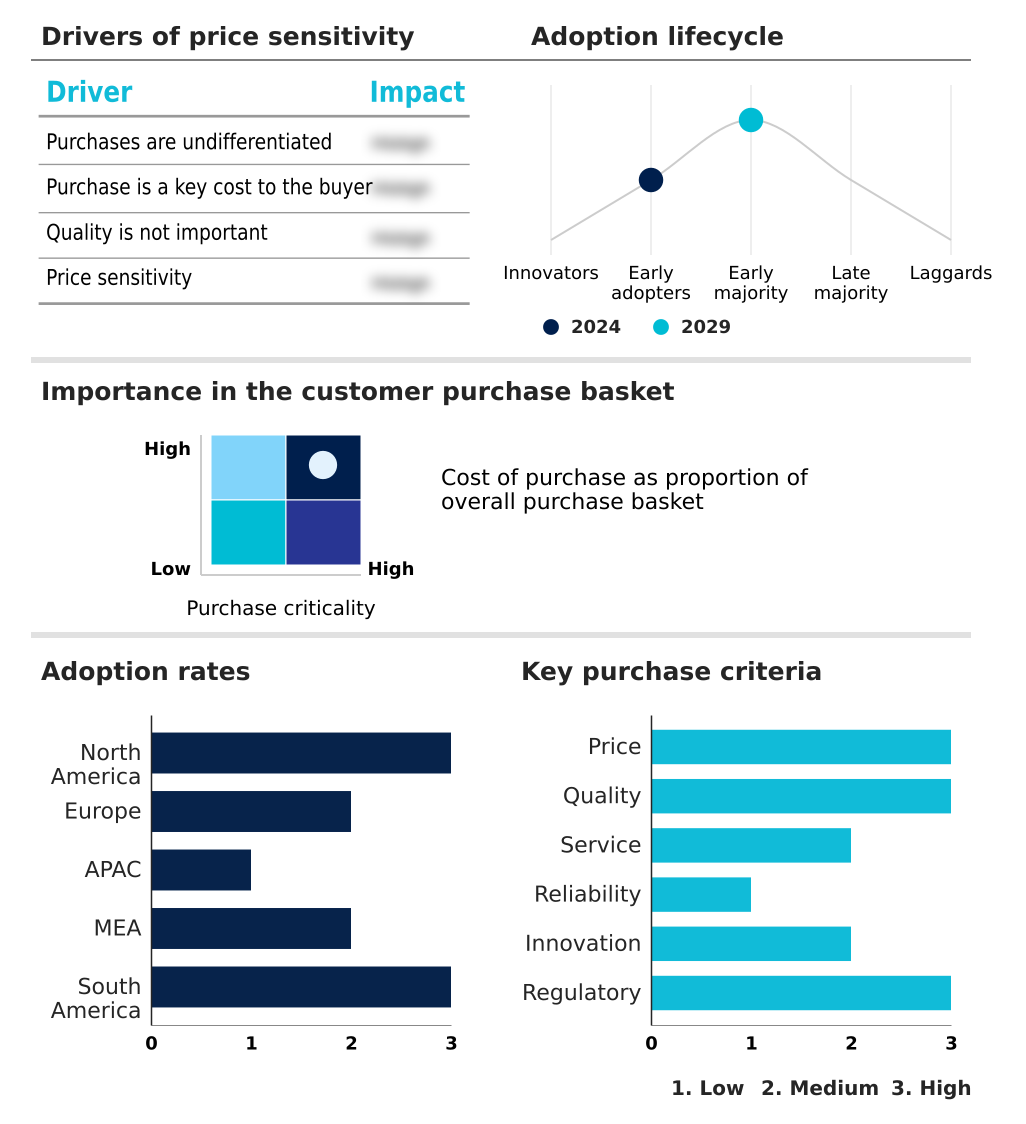
Customer Landscape
Key Companies & Market Insights
Companies are implementing various strategies, such as strategic alliances, it operation analytics (ITOA) market forecast, partnerships, mergers and acquisitions, geographical expansion, and product/service launches, to enhance their presence in the industry.
Broadcom Inc. - The company provides IT operation analytics offerings focused on mainframe environments. These solutions deliver resource intelligence, operational intelligence, and dynamic capacity management capabilities. The offerings are designed to analyze complex operational data, providing insights to optimize performance and resource utilization within mainframe systems, which are critical components of many large-scale enterprise IT infrastructures.
The industry research and growth report includes detailed analyses of the competitive landscape of the market and information about key companies, including:
- Broadcom Inc.
- Cisco Systems Inc.
- Evolven Software Inc.
- ExtraHop Networks Inc.
- Hitachi Ltd.
- International Business Machines Corp.
- Microsoft Corp.
- Moogsoft Inc.
- Nastel Technologies Inc.
- NetApp Inc.
- Nexthink SA
- Open Text Corp.
- Oracle Corp.
- Resolve Systems LLC
- SAP SE
- SAS Institute Inc.
- Splunk Inc.
Qualitative and quantitative analysis of companies has been conducted to help clients understand the wider business environment as well as the strengths and weaknesses of key industry players. Data is qualitatively analyzed to categorize companies as pure play, category-focused, industry-focused, and diversified; it is quantitatively analyzed to categorize companies as dominant, leading, strong, tentative, and weak.
Recent Development and News in It Operation Analytics (ITOA) Market
In May 2024, IBM previewed IBM Concert, a generative AI-powered tool designed to serve as a central nerve center for an enterprise's technology stack, using natural language to diagnose issues and automate remediation.In May 2024, ExtraHop launched a suite of AI tools for its RevealX platform, including a generative AI assistant to automate and simplify security operations workflows and accelerate threat investigations.In March 2024, Cisco completed its acquisition of Splunk, aiming to combine its networking and infrastructure visibility with Splunk's data analytics and security capabilities to offer a comprehensive solution for managing complex digital environments.In January 2024, ExtraHop announced it had secured USD 100 million in growth capital to accelerate the development and expansion of its cloud-native network detection and response solutions.
Research Analyst Overview
The global it operation analytics (ITOA) market is fundamentally shaped by the escalating hybrid cloud complexity and the management of multi-cloud environments. Organizations grapple with persistent data silos and significant data integration complexity, which impede effective it operations management and incident management. Achieving end-to-end visibility across the entire technology stack is crucial for building digital resilience. This necessitates advanced it operation analytics platforms capable of sophisticated telemetry data analysis, integrating log analytics, metrics and traces. Core functions like it infrastructure monitoring, application performance monitoring, and continuous system monitoring are evolving to address these dynamic operational challenges, moving beyond basic oversight to more integrated data processing and operational intelligence.The market's trajectory is increasingly defined by AIOps integration, with emerging interest in generative AI in AIOps to create a conversational operational experience. A unified observability platform delivers critical cross-domain insights, facilitating superior root cause analysis and proactive problem resolution. This shift relies on AI-powered automation and machine learning models for real-time anomaly detection and generating predictive insights, enhancing the digital employee experience. The integration of security analytics, network detection and response, and threat investigation within DevSecOps solutions is becoming standard. The demand for cloud-native solutions that offer configuration risk intelligence and streamline alert correlation is reflected in expectations for 18% expansion. These capabilities support comprehensive performance optimization and strategic capacity planning.
Dive into Technavio’s robust research methodology, blending expert interviews, extensive data synthesis, and validated models for unparalleled IT Operation Analytics (ITOA) Market insights. See full methodology.
|
Market Scope
|
|
Report Coverage
|
Details
|
|
Page number
|
284
|
|
Base year
|
2024
|
|
Historic period
|
2019 - 2023 |
|
Forecast period
|
2025-2029
|
|
Growth momentum & CAGR
|
Accelerating at a CAGR of 46.7%
|
|
Market growth 2024-2029
|
USD 101.5 billion
|
|
Market structure
|
Fragmented
|
|
YoY growth 2024-2029(%)
|
39.4%
|
|
Key countries
|
US, Canada, Mexico, UK, Germany, France, Italy, The Netherlands, Spain, China, Japan, India, South Korea, Australia, Indonesia, Saudi Arabia, UAE, South Africa, Israel, Turkey, Brazil, Argentina, Colombia
|
|
Competitive landscape
|
Leading Companies, Market Positioning of Companies, Competitive Strategies, and Industry Risks
|
Request Free Sample
What are the Key Data Covered in this IT Operation Analytics (ITOA) Market Research and Growth Report?
- CAGR of the IT Operation Analytics (ITOA) industry during the forecast period
- Detailed information on factors that will drive the growth and forecasting between 2024 and 2029
- Precise estimation of the size of the market and its contribution of the industry in focus to the parent market
- Accurate predictions about upcoming growth and trends and changes in consumer behaviour
- Growth of the market across North America, Europe, APAC, Middle East and Africa, South America
- Thorough analysis of the market’s competitive landscape and detailed information about companies
- Comprehensive analysis of factors that will challenge the it operation analytics (ITOA) market growth of industry companies
We can help! Our analysts can customize this it operation analytics (ITOA) market research report to meet your requirements.
Get in touch
1 Executive Summary
- 1 Executive Summary
- 1.1 Market overview
- Executive Summary - Chart on Market Overview
- Executive Summary - Data Table on Market Overview
- Executive Summary - Chart on Global Market Characteristics
- Executive Summary - Chart on Market by Geography
- Executive Summary - Chart on Market Segmentation by Deployment
- Executive Summary - Chart on Market Segmentation by Component
- Executive Summary - Chart on Market Segmentation by Organization Size
- Executive Summary - Chart on Incremental Growth
- Executive Summary - Data Table on Incremental Growth
- Executive Summary - Chart on Company Market Positioning
2 Technavio Analysis
- 2 Technavio Analysis
- 2.1 Analysis of price sensitivity, lifecycle, customer purchase basket, adoption rates, and purchase criteria
- Analysis of price sensitivity, lifecycle, customer purchase basket, adoption rates, and purchase criteria
- 2.2 Criticality of inputs and Factors of differentiation
- Chart on Overview on criticality of inputs and factors of differentiation
- 2.3 Factors of disruption
- Chart on Overview on factors of disruption
- 2.4 Impact of drivers and challenges
- Chart on Impact of drivers and challenges in 2024 and 2029
3 Market Landscape
- 3 Market Landscape
- 3.1 Market ecosystem
- Chart on Parent Market
- Data Table on - Parent Market
- 3.2 Market characteristics
- Chart on Market characteristics analysis
- 3.3 Value chain analysis
- Chart on Value chain analysis
4 Market Sizing
- 4 Market Sizing
- 4.1 Market definition
- Data Table on Offerings of companies included in the market definition
- 4.2 Market segment analysis
- 4.3 Market size 2024
- 4.4 Market outlook: Forecast for 2024-2029
- Chart on Global - Market size and forecast 2024-2029 ($ billion)
- Data Table on Global - Market size and forecast 2024-2029 ($ billion)
- Chart on Global Market: Year-over-year growth 2024-2029 (%)
- Data Table on Global Market: Year-over-year growth 2024-2029 (%)
5 Historic Market Size
- 5 Historic Market Size
- 5.1 Global IT Operation Analytics (ITOA) Market 2019 - 2023
- Historic Market Size - Data Table on Global IT Operation Analytics (ITOA) Market 2019 - 2023 ($ billion)
- 5.2 Deployment segment analysis 2019 - 2023
- Historic Market Size - Deployment Segment 2019 - 2023 ($ billion)
- 5.3 Component segment analysis 2019 - 2023
- Historic Market Size - Component Segment 2019 - 2023 ($ billion)
- 5.4 Organization Size segment analysis 2019 - 2023
- Historic Market Size - Organization Size Segment 2019 - 2023 ($ billion)
- 5.5 Geography segment analysis 2019 - 2023
- Historic Market Size - Geography Segment 2019 - 2023 ($ billion)
- 5.6 Country segment analysis 2019 - 2023
- Historic Market Size - Country Segment 2019 - 2023 ($ billion)
6 Qualitative Analysis
- 6 Qualitative Analysis
- 6.1 The AI impact on global IT operation analytics (ITOA) market
7 Five Forces Analysis
- 7 Five Forces Analysis
- 7.1 Five forces summary
- Five forces analysis - Comparison between 2024 and 2029
- 7.2 Bargaining power of buyers
- Bargaining power of buyers - Impact of key factors 2024 and 2029
- 7.3 Bargaining power of suppliers
- Bargaining power of suppliers - Impact of key factors in 2024 and 2029
- 7.4 Threat of new entrants
- Threat of new entrants - Impact of key factors in 2024 and 2029
- 7.5 Threat of substitutes
- Threat of substitutes - Impact of key factors in 2024 and 2029
- 7.6 Threat of rivalry
- Threat of rivalry - Impact of key factors in 2024 and 2029
- 7.7 Market condition
- Chart on Market condition - Five forces 2024 and 2029
8 Market Segmentation by Deployment
- 8 Market Segmentation by Deployment
- 8.1 Market segments
- Chart on Deployment - Market share 2024-2029 (%)
- Data Table on Deployment - Market share 2024-2029 (%)
- 8.2 Comparison by Deployment
- Chart on Comparison by Deployment
- Data Table on Comparison by Deployment
- 8.3 Cloud - Market size and forecast 2024-2029
- Chart on Cloud - Market size and forecast 2024-2029 ($ billion)
- Data Table on Cloud - Market size and forecast 2024-2029 ($ billion)
- Chart on Cloud - Year-over-year growth 2024-2029 (%)
- Data Table on Cloud - Year-over-year growth 2024-2029 (%)
- 8.4 On-premises - Market size and forecast 2024-2029
- Chart on On-premises - Market size and forecast 2024-2029 ($ billion)
- Data Table on On-premises - Market size and forecast 2024-2029 ($ billion)
- Chart on On-premises - Year-over-year growth 2024-2029 (%)
- Data Table on On-premises - Year-over-year growth 2024-2029 (%)
- 8.5 Market opportunity by Deployment
- Market opportunity by Deployment ($ billion)
- Data Table on Market opportunity by Deployment ($ billion)
9 Market Segmentation by Component
- 9 Market Segmentation by Component
- 9.1 Market segments
- Chart on Component - Market share 2024-2029 (%)
- Data Table on Component - Market share 2024-2029 (%)
- 9.2 Comparison by Component
- Chart on Comparison by Component
- Data Table on Comparison by Component
- 9.3 Solution - Market size and forecast 2024-2029
- Chart on Solution - Market size and forecast 2024-2029 ($ billion)
- Data Table on Solution - Market size and forecast 2024-2029 ($ billion)
- Chart on Solution - Year-over-year growth 2024-2029 (%)
- Data Table on Solution - Year-over-year growth 2024-2029 (%)
- 9.4 Services - Market size and forecast 2024-2029
- Chart on Services - Market size and forecast 2024-2029 ($ billion)
- Data Table on Services - Market size and forecast 2024-2029 ($ billion)
- Chart on Services - Year-over-year growth 2024-2029 (%)
- Data Table on Services - Year-over-year growth 2024-2029 (%)
- 9.5 Market opportunity by Component
- Market opportunity by Component ($ billion)
- Data Table on Market opportunity by Component ($ billion)
10 Market Segmentation by Organization Size
- 10 Market Segmentation by Organization Size
- 10.1 Market segments
- Chart on Market Segmentation by Organization Size - Market share 2024-2029 (%)
- Data Table on Market Segmentation by Organization Size - Market share 2024-2029 (%)
- 10.2 Comparison by Market Segmentation by Organization Size
- Chart on Comparison by Market Segmentation by Organization Size
- Data Table on Comparison by Market Segmentation by Organization Size
- 10.3 Large enterprises - Market size and forecast 2024-2029
- Chart on Large enterprises - Market size and forecast 2024-2029 ($ billion)
- Data Table on Large enterprises - Market size and forecast 2024-2029 ($ billion)
- Chart on Large enterprises - Year-over-year growth 2024-2029 (%)
- Data Table on Large enterprises - Year-over-year growth 2024-2029 (%)
- 10.4 SMEs - Market size and forecast 2024-2029
- Chart on SMEs - Market size and forecast 2024-2029 ($ billion)
- Data Table on SMEs - Market size and forecast 2024-2029 ($ billion)
- Chart on SMEs - Year-over-year growth 2024-2029 (%)
- Data Table on SMEs - Year-over-year growth 2024-2029 (%)
- 10.5 Market opportunity by Market Segmentation by Organization Size
- Market opportunity by Market Segmentation by Organization Size ($ billion)
- Data Table on Market opportunity by Market Segmentation by Organization Size ($ billion)
11 Customer Landscape
- 11 Customer Landscape
- 11.1 Customer landscape overview
- Analysis of price sensitivity, lifecycle, customer purchase basket, adoption rates, and purchase criteria
12 Geographic Landscape
- 12 Geographic Landscape
- 12.1 Geographic segmentation
- Chart on Market share by geography 2024-2029 (%)
- Data Table on Market share by geography 2024-2029 (%)
- 12.2 Geographic comparison
- Chart on Geographic comparison
- Data Table on Geographic comparison
- 12.3 North America - Market size and forecast 2024-2029
- Chart on North America - Market size and forecast 2024-2029 ($ billion)
- Data Table on North America - Market size and forecast 2024-2029 ($ billion)
- Chart on North America - Year-over-year growth 2024-2029 (%)
- Data Table on North America - Year-over-year growth 2024-2029 (%)
- Chart on Regional Comparison - North America
- Data Table on Regional Comparison - North America
- 12.3.1 US - Market size and forecast 2024-2029
- Chart on US - Market size and forecast 2024-2029 ($ billion)
- Data Table on US - Market size and forecast 2024-2029 ($ billion)
- Chart on US - Year-over-year growth 2024-2029 (%)
- Data Table on US - Year-over-year growth 2024-2029 (%)
- 12.3.2 Canada - Market size and forecast 2024-2029
- Chart on Canada - Market size and forecast 2024-2029 ($ billion)
- Data Table on Canada - Market size and forecast 2024-2029 ($ billion)
- Chart on Canada - Year-over-year growth 2024-2029 (%)
- Data Table on Canada - Year-over-year growth 2024-2029 (%)
- 12.3.3 Mexico - Market size and forecast 2024-2029
- Chart on Mexico - Market size and forecast 2024-2029 ($ billion)
- Data Table on Mexico - Market size and forecast 2024-2029 ($ billion)
- Chart on Mexico - Year-over-year growth 2024-2029 (%)
- Data Table on Mexico - Year-over-year growth 2024-2029 (%)
- 12.4 Europe - Market size and forecast 2024-2029
- Chart on Europe - Market size and forecast 2024-2029 ($ billion)
- Data Table on Europe - Market size and forecast 2024-2029 ($ billion)
- Chart on Europe - Year-over-year growth 2024-2029 (%)
- Data Table on Europe - Year-over-year growth 2024-2029 (%)
- Chart on Regional Comparison - Europe
- Data Table on Regional Comparison - Europe
- 12.4.1 UK - Market size and forecast 2024-2029
- Chart on UK - Market size and forecast 2024-2029 ($ billion)
- Data Table on UK - Market size and forecast 2024-2029 ($ billion)
- Chart on UK - Year-over-year growth 2024-2029 (%)
- Data Table on UK - Year-over-year growth 2024-2029 (%)
- 12.4.2 Germany - Market size and forecast 2024-2029
- Chart on Germany - Market size and forecast 2024-2029 ($ billion)
- Data Table on Germany - Market size and forecast 2024-2029 ($ billion)
- Chart on Germany - Year-over-year growth 2024-2029 (%)
- Data Table on Germany - Year-over-year growth 2024-2029 (%)
- 12.4.3 France - Market size and forecast 2024-2029
- Chart on France - Market size and forecast 2024-2029 ($ billion)
- Data Table on France - Market size and forecast 2024-2029 ($ billion)
- Chart on France - Year-over-year growth 2024-2029 (%)
- Data Table on France - Year-over-year growth 2024-2029 (%)
- 12.4.4 Italy - Market size and forecast 2024-2029
- Chart on Italy - Market size and forecast 2024-2029 ($ billion)
- Data Table on Italy - Market size and forecast 2024-2029 ($ billion)
- Chart on Italy - Year-over-year growth 2024-2029 (%)
- Data Table on Italy - Year-over-year growth 2024-2029 (%)
- 12.4.5 The Netherlands - Market size and forecast 2024-2029
- Chart on The Netherlands - Market size and forecast 2024-2029 ($ billion)
- Data Table on The Netherlands - Market size and forecast 2024-2029 ($ billion)
- Chart on The Netherlands - Year-over-year growth 2024-2029 (%)
- Data Table on The Netherlands - Year-over-year growth 2024-2029 (%)
- 12.4.6 Spain - Market size and forecast 2024-2029
- Chart on Spain - Market size and forecast 2024-2029 ($ billion)
- Data Table on Spain - Market size and forecast 2024-2029 ($ billion)
- Chart on Spain - Year-over-year growth 2024-2029 (%)
- Data Table on Spain - Year-over-year growth 2024-2029 (%)
- 12.5 APAC - Market size and forecast 2024-2029
- Chart on APAC - Market size and forecast 2024-2029 ($ billion)
- Data Table on APAC - Market size and forecast 2024-2029 ($ billion)
- Chart on APAC - Year-over-year growth 2024-2029 (%)
- Data Table on APAC - Year-over-year growth 2024-2029 (%)
- Chart on Regional Comparison - APAC
- Data Table on Regional Comparison - APAC
- 12.5.1 China - Market size and forecast 2024-2029
- Chart on China - Market size and forecast 2024-2029 ($ billion)
- Data Table on China - Market size and forecast 2024-2029 ($ billion)
- Chart on China - Year-over-year growth 2024-2029 (%)
- Data Table on China - Year-over-year growth 2024-2029 (%)
- 12.5.2 Japan - Market size and forecast 2024-2029
- Chart on Japan - Market size and forecast 2024-2029 ($ billion)
- Data Table on Japan - Market size and forecast 2024-2029 ($ billion)
- Chart on Japan - Year-over-year growth 2024-2029 (%)
- Data Table on Japan - Year-over-year growth 2024-2029 (%)
- 12.5.3 India - Market size and forecast 2024-2029
- Chart on India - Market size and forecast 2024-2029 ($ billion)
- Data Table on India - Market size and forecast 2024-2029 ($ billion)
- Chart on India - Year-over-year growth 2024-2029 (%)
- Data Table on India - Year-over-year growth 2024-2029 (%)
- 12.5.4 South Korea - Market size and forecast 2024-2029
- Chart on South Korea - Market size and forecast 2024-2029 ($ billion)
- Data Table on South Korea - Market size and forecast 2024-2029 ($ billion)
- Chart on South Korea - Year-over-year growth 2024-2029 (%)
- Data Table on South Korea - Year-over-year growth 2024-2029 (%)
- 12.5.5 Australia - Market size and forecast 2024-2029
- Chart on Australia - Market size and forecast 2024-2029 ($ billion)
- Data Table on Australia - Market size and forecast 2024-2029 ($ billion)
- Chart on Australia - Year-over-year growth 2024-2029 (%)
- Data Table on Australia - Year-over-year growth 2024-2029 (%)
- 12.5.6 Indonesia - Market size and forecast 2024-2029
- Chart on Indonesia - Market size and forecast 2024-2029 ($ billion)
- Data Table on Indonesia - Market size and forecast 2024-2029 ($ billion)
- Chart on Indonesia - Year-over-year growth 2024-2029 (%)
- Data Table on Indonesia - Year-over-year growth 2024-2029 (%)
- 12.6 Middle East and Africa - Market size and forecast 2024-2029
- Chart on Middle East and Africa - Market size and forecast 2024-2029 ($ billion)
- Data Table on Middle East and Africa - Market size and forecast 2024-2029 ($ billion)
- Chart on Middle East and Africa - Year-over-year growth 2024-2029 (%)
- Data Table on Middle East and Africa - Year-over-year growth 2024-2029 (%)
- Chart on Regional Comparison - Middle East and Africa
- Data Table on Regional Comparison - Middle East and Africa
- 12.6.1 Saudi Arabia - Market size and forecast 2024-2029
- Chart on Saudi Arabia - Market size and forecast 2024-2029 ($ billion)
- Data Table on Saudi Arabia - Market size and forecast 2024-2029 ($ billion)
- Chart on Saudi Arabia - Year-over-year growth 2024-2029 (%)
- Data Table on Saudi Arabia - Year-over-year growth 2024-2029 (%)
- 12.6.2 UAE - Market size and forecast 2024-2029
- Chart on UAE - Market size and forecast 2024-2029 ($ billion)
- Data Table on UAE - Market size and forecast 2024-2029 ($ billion)
- Chart on UAE - Year-over-year growth 2024-2029 (%)
- Data Table on UAE - Year-over-year growth 2024-2029 (%)
- 12.6.3 South Africa - Market size and forecast 2024-2029
- Chart on South Africa - Market size and forecast 2024-2029 ($ billion)
- Data Table on South Africa - Market size and forecast 2024-2029 ($ billion)
- Chart on South Africa - Year-over-year growth 2024-2029 (%)
- Data Table on South Africa - Year-over-year growth 2024-2029 (%)
- 12.6.4 Israel - Market size and forecast 2024-2029
- Chart on Israel - Market size and forecast 2024-2029 ($ billion)
- Data Table on Israel - Market size and forecast 2024-2029 ($ billion)
- Chart on Israel - Year-over-year growth 2024-2029 (%)
- Data Table on Israel - Year-over-year growth 2024-2029 (%)
- 12.6.5 Turkey - Market size and forecast 2024-2029
- Chart on Turkey - Market size and forecast 2024-2029 ($ billion)
- Data Table on Turkey - Market size and forecast 2024-2029 ($ billion)
- Chart on Turkey - Year-over-year growth 2024-2029 (%)
- Data Table on Turkey - Year-over-year growth 2024-2029 (%)
- 12.7 South America - Market size and forecast 2024-2029
- Chart on South America - Market size and forecast 2024-2029 ($ billion)
- Data Table on South America - Market size and forecast 2024-2029 ($ billion)
- Chart on South America - Year-over-year growth 2024-2029 (%)
- Data Table on South America - Year-over-year growth 2024-2029 (%)
- Chart on Regional Comparison - South America
- Data Table on Regional Comparison - South America
- 12.7.1 Brazil - Market size and forecast 2024-2029
- Chart on Brazil - Market size and forecast 2024-2029 ($ billion)
- Data Table on Brazil - Market size and forecast 2024-2029 ($ billion)
- Chart on Brazil - Year-over-year growth 2024-2029 (%)
- Data Table on Brazil - Year-over-year growth 2024-2029 (%)
- 12.7.2 Argentina - Market size and forecast 2024-2029
- Chart on Argentina - Market size and forecast 2024-2029 ($ billion)
- Data Table on Argentina - Market size and forecast 2024-2029 ($ billion)
- Chart on Argentina - Year-over-year growth 2024-2029 (%)
- Data Table on Argentina - Year-over-year growth 2024-2029 (%)
- 12.7.3 Colombia - Market size and forecast 2024-2029
- Chart on Colombia - Market size and forecast 2024-2029 ($ billion)
- Data Table on Colombia - Market size and forecast 2024-2029 ($ billion)
- Chart on Colombia - Year-over-year growth 2024-2029 (%)
- Data Table on Colombia - Year-over-year growth 2024-2029 (%)
- 12.8 Market opportunity by geography
- Market opportunity by geography ($ billion)
- Data Tables on Market opportunity by geography ($ billion)
13 Drivers, Challenges, and Opportunity
- 13 Drivers, Challenges, and Opportunity
- 13.1 Market drivers
- Increasing complexity of hybrid and multi-cloud environments
- Proliferation of artificial intelligence for IT Operations (AIOps)
- Growing emphasis on digital experience and business outcomes
- 13.2 Market challenges
- Complexity of data integration and persistent data silos
- High cost and complexity of advanced solutions
- Pervasive skills gap and organizational resistance
- 13.3 Impact of drivers and challenges
- Impact of drivers and challenges in 2024 and 2029
- 13.4 Market opportunities
- Integration of generative AI into AIOps platforms
- Market consolidation and the rise of integrated platforms
- Convergence of observability and security
14 Competitive Landscape
- 14 Competitive Landscape
- 14.1 Overview
- 14.2 Competitive Landscape
- Overview on criticality of inputs and factors of differentiation
- 14.3 Landscape disruption
- Overview on factors of disruption
- 14.4 Industry risks
- Impact of key risks on business
15 Competitive Analysis
- 15 Competitive Analysis
- 15.1 Companies profiled
- 15.2 Company ranking index
- 15.3 Market positioning of companies
- Matrix on companies position and classification
- 15.4 Broadcom Inc.
- Broadcom Inc. - Overview
- Broadcom Inc. - Business segments
- Broadcom Inc. - Key news
- Broadcom Inc. - Key offerings
- Broadcom Inc. - Segment focus
- SWOT
- 15.5 Cisco Systems Inc.
- Cisco Systems Inc. - Overview
- Cisco Systems Inc. - Business segments
- Cisco Systems Inc. - Key news
- Cisco Systems Inc. - Key offerings
- Cisco Systems Inc. - Segment focus
- SWOT
- 15.6 Evolven Software Inc.
- Evolven Software Inc. - Overview
- Evolven Software Inc. - Product / Service
- Evolven Software Inc. - Key offerings
- SWOT
- 15.7 ExtraHop Networks Inc.
- ExtraHop Networks Inc. - Overview
- ExtraHop Networks Inc. - Product / Service
- ExtraHop Networks Inc. - Key offerings
- SWOT
- 15.8 Hitachi Ltd.
- Hitachi Ltd. - Overview
- Hitachi Ltd. - Business segments
- Hitachi Ltd. - Key news
- Hitachi Ltd. - Key offerings
- Hitachi Ltd. - Segment focus
- SWOT
- 15.9 International Business Machines Corp.
- International Business Machines Corp. - Overview
- International Business Machines Corp. - Business segments
- International Business Machines Corp. - Key news
- International Business Machines Corp. - Key offerings
- International Business Machines Corp. - Segment focus
- SWOT
- 15.10 Microsoft Corp.
- Microsoft Corp. - Overview
- Microsoft Corp. - Business segments
- Microsoft Corp. - Key news
- Microsoft Corp. - Key offerings
- Microsoft Corp. - Segment focus
- SWOT
- 15.11 Moogsoft Inc.
- Moogsoft Inc. - Overview
- Moogsoft Inc. - Product / Service
- Moogsoft Inc. - Key offerings
- SWOT
- 15.12 Nastel Technologies Inc.
- Nastel Technologies Inc. - Overview
- Nastel Technologies Inc. - Product / Service
- Nastel Technologies Inc. - Key offerings
- SWOT
- 15.13 NetApp Inc.
- NetApp Inc. - Overview
- NetApp Inc. - Product / Service
- NetApp Inc. - Key news
- NetApp Inc. - Key offerings
- SWOT
- 15.14 Open Text Corp.
- Open Text Corp. - Overview
- Open Text Corp. - Business segments
- Open Text Corp. - Key news
- Open Text Corp. - Key offerings
- Open Text Corp. - Segment focus
- SWOT
- 15.15 Oracle Corp.
- Oracle Corp. - Overview
- Oracle Corp. - Business segments
- Oracle Corp. - Key news
- Oracle Corp. - Key offerings
- Oracle Corp. - Segment focus
- SWOT
- 15.16 SAP SE
- SAP SE - Overview
- SAP SE - Business segments
- SAP SE - Key news
- SAP SE - Key offerings
- SAP SE - Segment focus
- SWOT
- 15.17 SAS Institute Inc.
- SAS Institute Inc. - Overview
- SAS Institute Inc. - Product / Service
- SAS Institute Inc. - Key news
- SAS Institute Inc. - Key offerings
- SWOT
- 15.18 Splunk Inc.
- Splunk Inc. - Overview
- Splunk Inc. - Product / Service
- Splunk Inc. - Key offerings
- SWOT
16 Appendix
- 16 Appendix
- 16.1 Scope of the report
- Market definition
- Objectives
- Notes and caveats
- 16.2 Inclusions and exclusions checklist
- Inclusions checklist
- Exclusions checklist
- 16.3 Currency conversion rates for US$
- Currency conversion rates for US$
- 16.4 Research methodology
- 16.5 Data procurement
- 16.6 Data validation
- 16.7 Validation techniques employed for market sizing
- Validation techniques employed for market sizing
- 16.8 Data synthesis
- 16.9 360 degree market analysis
- 360 degree market analysis
- 16.10 List of abbreviations
Research Framework
Technavio presents a detailed picture of the market by way of study, synthesis, and summation of data from multiple sources. The analysts have presented the various facets of the market with a particular focus on identifying the key industry influencers. The data thus presented is comprehensive, reliable, and the result of extensive research, both primary and secondary.
INFORMATION SOURCES
Primary sources
- Manufacturers and suppliers
- Channel partners
- Industry experts
- Strategic decision makers
Secondary sources
- Industry journals and periodicals
- Government data
- Financial reports of key industry players
- Historical data
- Press releases

DATA ANALYSIS
Data Synthesis
- Collation of data
- Estimation of key figures
- Analysis of derived insights
Data Validation
- Triangulation with data models
- Reference against proprietary databases
- Corroboration with industry experts

REPORT WRITING
Qualitative
- Market drivers
- Market challenges
- Market trends
- Five forces analysis
Quantitative
- Market size and forecast
- Market segmentation
- Geographical insights
- Competitive landscape