
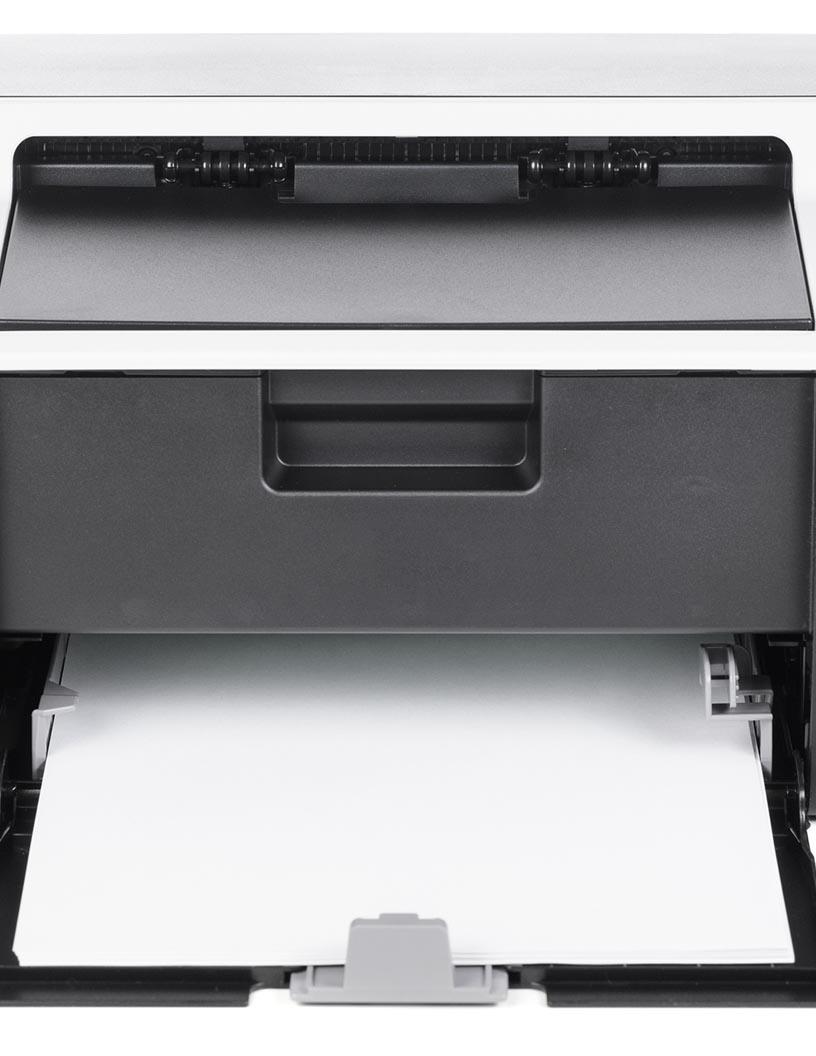


Laser Printer Market Size 2025-2029
The laser printer market size is forecast to increase by USD 4.36 billion at a CAGR of 5.6% between 2024 and 2029.
- The market is experiencing significant growth, driven by the increasing popularity of Multi-Function Printers (MFPs) and technological advancements in laser printing technology. MFPs, which combine printing, scanning, and copying functionalities in a single device, have gained widespread acceptance due to their cost-effectiveness and efficiency. This trend is particularly prominent in the corporate sector, where businesses seek to streamline their document management processes. Moreover, the adoption of cloud data storage solutions is fueling the demand for laser printers, as they offer faster print speeds and higher print quality compared to inkjet printers, making them an ideal choice for businesses dealing with large volumes of data.
- However, the market is not without challenges. Rising competition from inkjet printers and the increasing trend towards digital document management are key factors that could impact market growth. To capitalize on the opportunities presented by this market, companies must focus on offering innovative features, such as advanced security features and seamless integration with cloud platforms, while also addressing the challenges posed by competition and the shift towards digital document management.
What will be the Size of the Laser Printer Market during the forecast period?
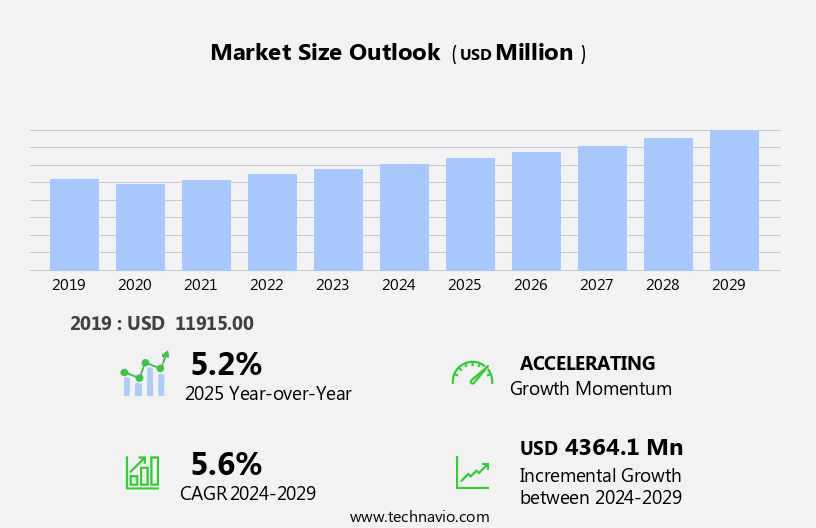
- The market in the US continues to experience significant growth, driven by the rising demand for high-quality printouts in various industries. The use of semiconductor diode lasers as light sources in laser printers has led to improved quality, high-speed printing, and minimized costs, making them increasingly popular. Urbanization and the expansion of office spaces have fueled the need for efficient and compact laser printers, leading to the emergence of wireless and touchscreen models. The Internet of Things (IoT) and cloud-based printers have further expanded the market's reach, enabling seamless integration with telecommunications and security systems.
- The adoption of personalized printer methods, such as black tones and semiconductor laser technology, has also contributed to the market's expansion. The use of recycled materials in laser printers is another trend gaining traction, aligning with the growing focus on sustainability. Overall, the market is poised for continued growth, driven by technological advancements and evolving business needs.
How is this Laser Printer Industry segmented?
The laser printer industry research report provides comprehensive data (region-wise segment analysis), with forecasts and estimates in "USD million" for the period 2025-2029, as well as historical data from 2019-2023 for the following segments.
- Product
- Laser MFPs
- Laser SFPs
- Type
- Helium-neon lasers
- Semiconductor laser
- Application
- SMEs
- Large enterprises
- Government
- Individual users
- Connectivity
- Wired
- Wireless
- Variant
- Monochrome
- Color
- Geography
- APAC
- China
- India
- Japan
- South Korea
- Europe
- France
- Germany
- Italy
- UK
- North America
- US
- Canada
- Middle East and Africa
- South America
- APAC
By Product Insights
The laser mfps segment is estimated to witness significant growth during the forecast period.
The market is experiencing a rising demand for high-speed printing solutions, particularly in the monochrome laser printers segment. These printers utilize Laser beams produced by Light sources such as Helium-neon Lasers, Semiconductor laser diodes, and Semiconductor lasers. The versatility of laser printers, including their ability to produce crisp text and high-quality printouts, makes them indispensable for various business purposes, including documentation, accounting, and invoices. Product expansions and advancements in technology, such as touchscreen feature, Wi-Fi connectivity, and cloud services, are driving the growth of the market. The largest market revenue is generated from the IT/ITeS, finance, healthcare practices, and telecommunication industries.
The market is also witnessing an increasing trend towards cost-efficient, space-saving compact laser printers and wireless laser printers. Internal factors, such as the financial position and performance of organizations, and external factors, such as urbanization and mobility features, are influencing the market's growth. In the monochrome laser printer segment, consistent black tones and high light density are crucial factors. Printer industry innovations include the use of recycled materials, networking capabilities, and security features. The market also caters to emerging economies and budget-conscious enterprises. Professionals in law firms, auto shops, and work-groups rely on laser printers for their document printing needs.
The market also caters to personalized printer methods, transparencies, and printing applications, such as contracts, cloud data storage, and adhesive labels. The semi-conductor laser market is a significant contributor to the laser printer industry, with applications in entertainment, graphics, and fiber optic transmission. The market is expected to grow further due to micro-economic factors, such as the increasing popularity of digital formats and letter printing, and the emergence of cloud technology and IoT.
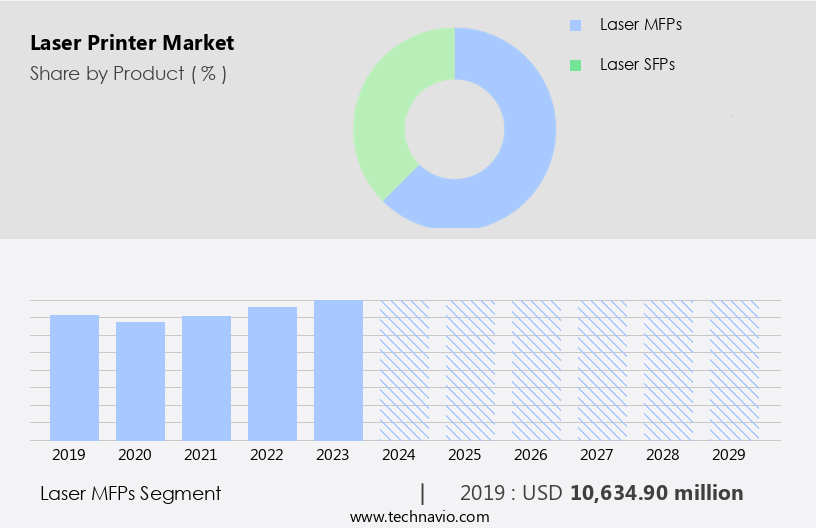
Get a glance at the market report of share of various segments Request Free Sample
The Laser MFPs segment was valued at USD 10.63 billion in 2019 and showed a gradual increase during the forecast period.
Regional Analysis
APAC is estimated to contribute 42% to the growth of the global market during the forecast period.Technavio’s analysts have elaborately explained the regional trends and drivers that shape the market during the forecast period.
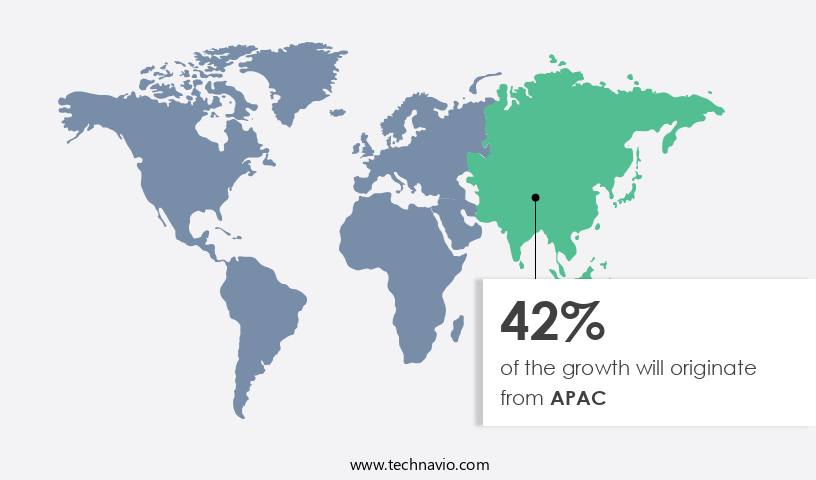
For more insights on the market size of various regions, Request Free Sample
The market is witnessing significant growth, particularly in the APAC region, due to several market dynamics. Major laser printer manufacturers, such as Brother Industries, Canon, KYOCERA, and Seiko Epson, have a strong presence in APAC, with Canon alone operating 48 manufacturing plants in total, 30 in Japan and 18 overseas. This intense competition has led to a decline in the average selling price (ASP) of laser printers in the region, making them more cost-effective for businesses. Moreover, developing countries in APAC, including China, India, Indonesia, the Philippines, and Vietnam, are attracting investments from venture capitalists to establish start-ups.
This rising demand from emerging economies is fueling market growth. High-speed printing using Laser beams is a preferred choice for businesses for documentation, invoices, accounting, and commercial activities. Monochrome laser printers, which offer consistent black tones, are popular for business purposes. Printer type, performance, and financial position are critical factors for businesses when considering investments. Product expansions, such as cloud computing and touchscreen features, are essential for businesses to improve connectivity and networking capabilities. Semiconductor laser diodes and fiber optic transmission enable high-quality printouts and fiber optic transmission in the telecommunication industry. Micro-economic factors, such as space constraints and mobility features, are also influencing the printer industry.
Cost-efficient solutions, including compact laser printers and wireless laser printers, cater to the needs of budget-conscious enterprises. Security and networking capabilities are essential for businesses, especially in industries like healthcare practices, law firms, IT/ITeS, and pharmaceuticals. Cloud technology and IoT are driving innovation in the market, enabling cloud-based printers and mobile printing. In , the market is experiencing growth due to the presence of major manufacturers, investments from start-ups, and the increasing demand for cost-effective and high-performance printing solutions. Market dynamics, such as product expansions, micro-economic factors, and external factors, are shaping the future of the market.
Market Dynamics
Our researchers analyzed the data with 2024 as the base year, along with the key drivers, trends, and challenges. A holistic analysis of drivers will help companies refine their marketing strategies to gain a competitive advantage.
What are the key market drivers leading to the rise in the adoption of Laser Printer Industry?
- Increasing popularity of MFPs is the key driver of the market.
- Single-function laser printing, a long-standing printing method in corporate environments, is giving way to multifunction printers (MFPs) due to the growing demand for integrated functionalities such as fax, scan, copy, and print. MFPs have gained significant traction in both small and large corporations, as they cater to the diverse printing needs of organizations. Moreover, these devices are increasingly adopted by household consumers due to their high print volumes and document functions. The market for multifunctional laser printers is expanding as companies respond to the demand for versatile printing solutions.
- These printers offer various printing formats, ensuring organizations can efficiently manage their document workflows. The integration of advanced features, such as automatic document feeder and wireless connectivity, further enhances their appeal. As technology continues to evolve, the future of laser printing lies in multifunctional devices that cater to the dynamic needs of businesses and consumers alike.
What are the market trends shaping the Laser Printer Industry?
- Technological advancements in laser printers is the upcoming market trend.
- The market has witnessed significant advancements, revolutionizing the printing industry with innovative features and capabilities. These technological innovations have led to enhanced print speeds and superior quality, making laser printers essential tools for modern businesses. The improvements in print technology enable faster and more precise printing, particularly in high-volume environments, allowing companies to boost productivity and deliver superior quality outputs.
- Furthermore, the integration of wireless connectivity and cloud solutions has streamlined the printing process, offering greater convenience and flexibility. These advancements have transformed the market, catering to the evolving needs of consumers and businesses alike.
What challenges does the Laser Printer Industry face during its growth?
- Adoption of cloud data storage is a key challenge affecting the industry growth.
- In today's digital age, the integration of cloud computing and customer relationship management (CRM) systems has significantly impacted the printing industry. With the ability to store data remotely on cloud servers, companies can easily access and share information using smartphones, tablets, and other computing devices. This trend has led to an increased demand for cloud-based printing solutions. Although the physical printing of documents remains necessary, the convenience and flexibility offered by cloud technology have made it an essential component of modern business operations. As companies continue to adopt cloud-based CRM systems, the need for efficient and effective printing solutions will persist.
- This market dynamic underscores the importance of staying informed about the latest trends and developments in the printing industry.
Exclusive Customer Landscape
The laser printer market forecasting report includes the adoption lifecycle of the market, covering from the innovator’s stage to the laggard’s stage. It focuses on adoption rates in different regions based on penetration. Furthermore, the laser printer market report also includes key purchase criteria and drivers of price sensitivity to help companies evaluate and develop their market growth analysis strategies.
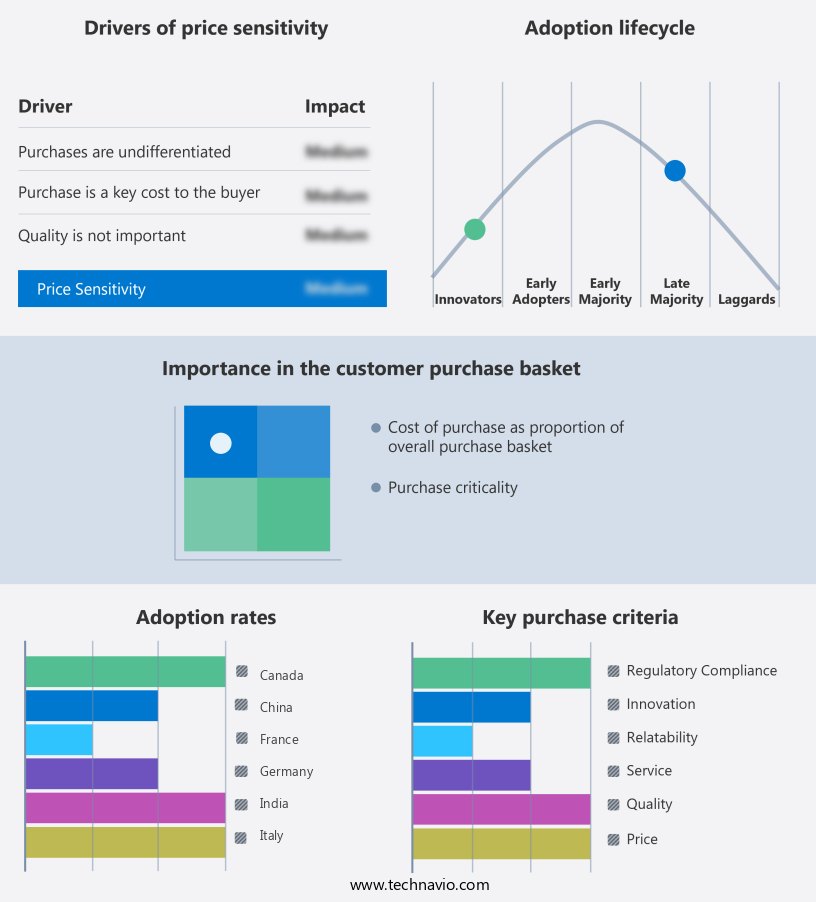
Customer Landscape
Key Companies & Market Insights
Companies are implementing various strategies, such as strategic alliances, laser printer market forecast, partnerships, mergers and acquisitions, geographical expansion, and product/service launches, to enhance their presence in the industry.
Brother Enterprises Holding Co. Ltd. - The company provides a range of laser printers, including monochrome and multicolor models, delivering high-quality output for various business needs. These printers offer efficient and reliable performance, enhancing productivity and streamlining document production processes. With advanced features and versatile capabilities, they cater to diverse industries and applications, ensuring optimal results.
The industry research and growth report includes detailed analyses of the competitive landscape of the market and information about key companies, including:
- Brother Enterprises Holding Co. Ltd.
- Canon Inc.
- Control Print Ltd.
- Dell Technologies Inc.
- Eastman Kodak Co.
- Fujitsu Ltd.
- Guangzhou Labsim Biotech Co. Ltd.
- HP Inc.
- Konica Minolta Inc.
- Kyocera Corp.
- Lexmark International Inc.
- Monotech Systems Ltd.
- Oki Electric Industry Co. Ltd.
- Panasonic Holdings Corp.
- Ricoh Co. Ltd.
- Samsung Electronics Co. Ltd.
- Seiko Epson Corp.
- Sharp Corp.
- Xerox Holdings Corp.
- Zhuhai Pantum Electronics Co. Ltd.
Qualitative and quantitative analysis of companies has been conducted to help clients understand the wider business environment as well as the strengths and weaknesses of key industry players. Data is qualitatively analyzed to categorize companies as pure play, category-focused, industry-focused, and diversified; it is quantitatively analyzed to categorize companies as dominant, leading, strong, tentative, and weak.
Research Analyst Overview
The market experiences a growth trajectory, driven by the increasing demand for high-speed printing solutions in various business sectors. This market is characterized by the utilization of advanced light sources, such as helium-neon lasers and semiconductor laser diodes, to produce monochrome and color printouts with exceptional performance and high light density. Start-ups and established organizations in the IT/ITE sector are continually expanding their product lines to cater to the evolving needs of professionals and budget-conscious enterprises. The monochrome laser printers segment holds a significant market share due to their cost-efficiency and consistent black tones. The finance industry, healthcare practices, and telecommunication sector are among the primary adopters of laser printers for document production and printing applications.
The rising demand for high-quality printouts, coupled with networking capabilities and connectivity features like Wi-Fi, has led to the popularity of cloud-based printers and wireless laser printers. The printer industry is witnessing product expansions, with touchscreen feature integration and improved coherence, enabling personalized printer methods for various industries. The largest market revenue is generated from the multi-function segment, which caters to the diverse printing needs of businesses and homes. The performance of laser printers is a critical factor for organizations, particularly in industries with stringent requirements for straightness, crisp text, and high-quality graphics. The semi-conductor lasers and fiber optic transmission technologies contribute to the overall efficiency and reliability of these devices.
The smallest market segment consists of compact laser printers, suitable for urbanization-driven space constraints and mobility features. The growing trend of digital formats and desktop publishing has led to an increased demand for laser printers in various industries, including law firms and commercial activities. The printer industry is influenced by various micro-economic factors, such as investments, financial position, and contracts. The emergence of emerging economies and the semi-conductor laser technology have led to increased competition and minimized costs. The market dynamics of the laser printer industry are shaped by both internal and external factors. Internal factors include printer type, product expansions, and performance, while external factors include urbanization, connectivity, and security concerns.
The market for laser printers is expected to continue its growth trajectory, driven by the increasing demand for high-speed printing solutions, cost-efficiency, and improved quality. The adoption of cloud technology and the integration of touchscreen panels and software tools for accounting, invoices, and other business purposes further strengthen the market's growth potential. In the realm of laser printers, the market landscape is diverse, with various applications, from printing contracts and adhesive labels to entertainment and graphics. The market is poised for continuous innovation and growth, driven by the evolving needs of businesses and individuals alike.
|
Market Scope |
|
|
Report Coverage |
Details |
|
Page number |
249 |
|
Base year |
2024 |
|
Historic period |
2019-2023 |
|
Forecast period |
2025-2029 |
|
Growth momentum & CAGR |
Accelerate at a CAGR of 5.6% |
|
Market growth 2025-2029 |
USD 4364.1 million |
|
Market structure |
Fragmented |
|
YoY growth 2024-2025(%) |
5.2 |
|
Key countries |
US, China, Japan, India, UK, Canada, South Korea, Germany, Italy, and France |
|
Competitive landscape |
Leading Companies, Market Positioning of Companies, Competitive Strategies, and Industry Risks |
What are the Key Data Covered in this Laser Printer Market Research and Growth Report?
- CAGR of the Laser Printer industry during the forecast period
- Detailed information on factors that will drive the growth and forecasting between 2025 and 2029
- Precise estimation of the size of the market and its contribution of the industry in focus to the parent market
- Accurate predictions about upcoming growth and trends and changes in consumer behaviour
- Growth of the market across APAC, Europe, North America, Middle East and Africa, and South America
- Thorough analysis of the market’s competitive landscape and detailed information about companies
- Comprehensive analysis of factors that will challenge the laser printer market growth of industry companies
We can help! Our analysts can customize this laser printer market research report to meet your requirements.
 RIA -
RIA - 
