



The levulinic acid market share is expected to increase to 3436.9 tons from 2021 to 2026, and the market’s growth momentum will accelerate at a CAGR of 7.68%.
This levulinic acid market research report provides valuable insights on the post COVID-19 impact on the market, which will help companies evaluate their business approaches. Furthermore, this report extensively covers levulinic acid market segmentation by end-user (agriculture, pharmaceuticals, food and beverage, cosmetics, and others) and geography (North America, Europe, APAC, South America, and Middle East and Africa). The levulinic acid market report also offers information on several market vendors, including Advanced Biotech, Augustus Oils Ltd., Aurochemicals, BEIJING LYS CHEMICALS Co. Ltd., Charkit Chemical Co. LLC., De Monchy Aromatics Ltd., GFBiochemicals Ltd., Hefei TNJ Chemical Industry Co. Ltd., Merck and Co. Inc., Otto Chemie Pvt. Ltd., RXChemicals, Shanghai M and U International Trade Co. Ltd., Simagchem Corp., Synerzine Inc., The Sherwin Williams Co., Tokyo Chemical Industry Co. Ltd., and Vigon International Inc. among others.
What will the Levulinic Acid Market Size be During the Forecast Period?
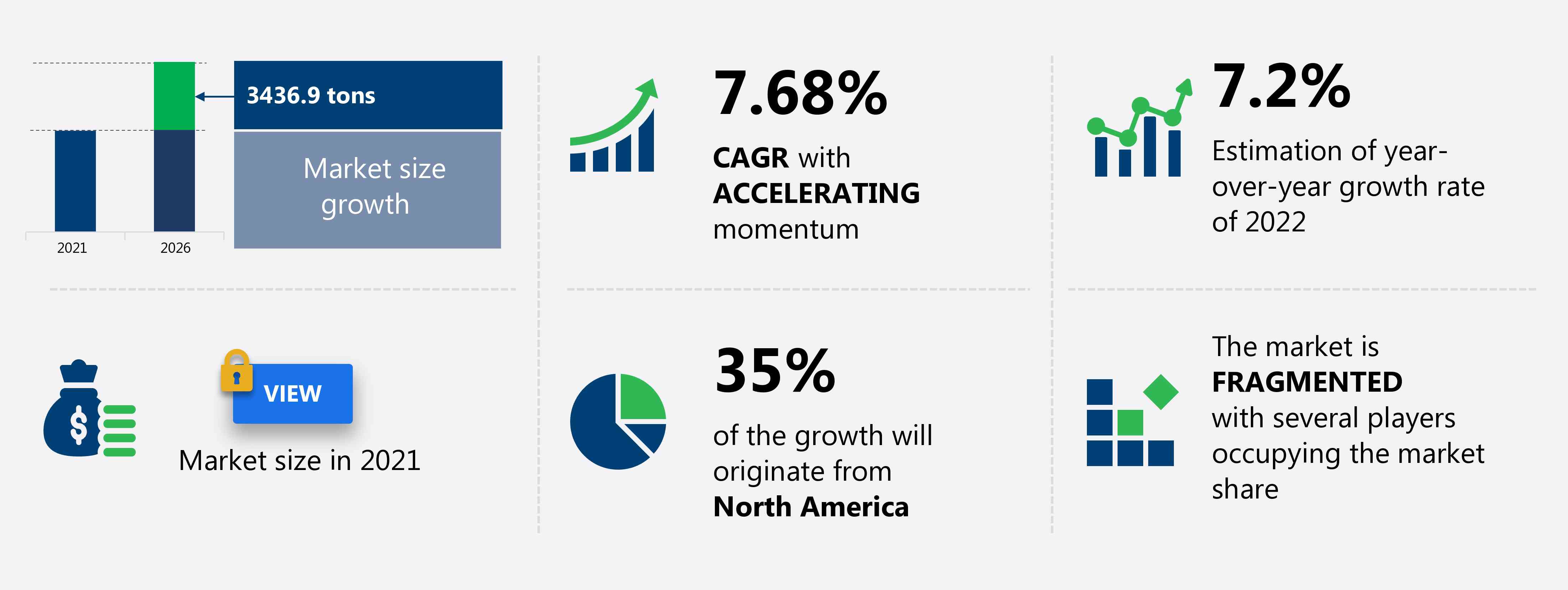
Download the Free Report Sample to Unlock the Levulinic Acid Market Size for the Forecast Period and Other Important Statistics
Levulinic Acid Market: Key Drivers, Trends, and Challenges
The growing preference for levulinic acid over petroleum-based chemicals is notably driving the levulinic acid market growth, although factors such as stringent regulations relating to the ingredients used in personal care products may impede market growth. Our research analysts have studied the historical data and deduced the key market drivers and the COVID-19 pandemic impact on the levulinic acid industry. The holistic analysis of the drivers will help in deducing end goals and refining marketing strategies to gain a competitive edge.
Key Levulinic Acid Market Driver
- One of the key factors driving the global levulinic acid market growth is the growing preference for levulinic acid over petroleum-based chemicals.
- The global chemical industry has been witnessing a growing demand for green solvents, including levulinic acid derivatives, due to the potential harm of petrochemical solvents to the environment and humans.
- LA-esters and ketals have various potential applications, including fragrance ingredients, cleaner-burning fuel additives, and a renewable chemical intermediate for downstream value addition.LA-esters are commercialized as niche fruity flavor and fragrance ingredients.
- Levulinic acid-derived ketal plasticizers are being used to replace phthalate-based plasticizers, which hold the major share in the global plastics industry.
- Countries such as the US and Canada have regulatory authorities who incentivize the development of greener and safer alternatives such as levulinic acid-derived ketal plasticizers.
- The growing interest in sustainable bio-plasticizers will drive the market during the forecast period.
Key Levulinic Acid Market Trend
- The production of green transportation fuels from biomass is one of the key levulinic acid market trends that is expected to impact the industry positively in the forecast period.
- LA derivatives are increasingly being used as fuel additives and as a replacement for the current cetane improvers and cold-flow performers for diesel.
- The demand for green transportation fuel, such as green gasoline, green jet fuel, and green diesel, is also increasing. GTFs are compatible with the existing combustion engines and petroleum refinery infrastructure.
- Fuel additives and GTF can be produced from levulinic acid through platform chemical-based routes.
- MTHF, a levulinic acid derivative, can be blended with gasoline up to 50% and can help improve the performance of the vehicle and even reduce air emissions.
- MTHF also has a low vapor pressure, and its blending with gasoline can be effective in reducing VOC emissions.
- The growing use of LA derivatives to produce renewable biodiesel and jet fuel will augment the market growth in the forecast years.
Key Levulinic Acid Market Challenge
- One of the key challenges to the global levulinic acid market growth is the stringent regulations relating to the ingredients used in personal care products.
- The Government of Canada regularly updates its Cosmetics Ingredient Hotlist, which includes the names of chemicals and contaminants, such as formaldehyde, triclosan, selenium, nitrosamines, and 1,4-dioxane, which are prohibited and restricted for use in cosmetics products.
- Cosmetics Regulation (EC 1223/2009) is the main regulatory framework for cosmetics products in Europe. Cosmetic product manufacturers are obligated to provide a Product Information File (PIF), which should include a Cosmetics Product Safety Report.
- Importers in Europe, which import more than one ton of ingredients and chemicals for personal care products, are obliged to register them with the EU's REACH regulation central authority.
- The stringent laws relating to the assessment of personal care products and the mandatory registration of chemicals used in the products can challenge the growth of the market during the forecast period.
This levulinic acid market analysis report also provides detailed information on other upcoming trends and challenges that will have a far-reaching effect on the market growth. The actionable insights on the trends and challenges will help companies evaluate and develop growth strategies for 2022-2026.
Parent Market Analysis
Technavio categorizes the global levulinic acid market as a part of the global commodity chemicals market. Our research report has extensively covered external factors influencing the parent market growth potential in the coming years, which will determine the levels of growth of the levulinic acid market during the forecast period.
Who are the Major Levulinic Acid Market Vendors?
The report analyzes the market’s competitive landscape and offers information on several market vendors, including:
- Advanced Biotech
- Augustus Oils Ltd.
- Aurochemicals
- BEIJING LYS CHEMICALS Co. Ltd.
- Charkit Chemical Co. LLC.
- De Monchy Aromatics Ltd.
- GFBiochemicals Ltd.
- Hefei TNJ Chemical Industry Co. Ltd.
- Merck and Co. Inc.
- Otto Chemie Pvt. Ltd.
- RXChemicals
- Shanghai M and U International Trade Co. Ltd.
- Simagchem Corp.
- Synerzine Inc.
- The Sherwin Williams Co.
- Tokyo Chemical Industry Co. Ltd.
- Vigon International Inc.
This statistical study of the levulinic acid market encompasses successful business strategies deployed by the key vendors. The levulinic acid market is fragmented and the vendors are deploying organic and inorganic growth strategies to compete in the market.
Product Insights and News
- Advanced Biotech - The company offers levulinic acid that serves as a versatile building block for chemicals and materials derived directly from biomass.
- Advanced Biotech - Through the unified segment, the company offers high-quality flavor and fragrance products including natural aromatic, synthetic aromatics, distillates, thiazoles, and others.
To make the most of the opportunities and recover from post COVID-19 impact, market vendors should focus more on the growth prospects in the fast-growing segments, while maintaining their positions in the slow-growing segments.
The levulinic acid market forecast report offers in-depth insights into key vendor profiles. The profiles include information on the production, sustainability, and prospects of the leading companies.
Levulinic Acid Market Value Chain Analysis
Our report provides extensive information on the value chain analysis for the levulinic acid market, which vendors can leverage to gain a competitive advantage during the forecast period. The end-to-end understanding of the value chain is essential in profit margin optimization and evaluation of business strategies. The data available in our value chain analysis segment can help vendors drive costs and enhance customer services during the forecast period.
Which are the Key Regions for Levulinic Acid Market?
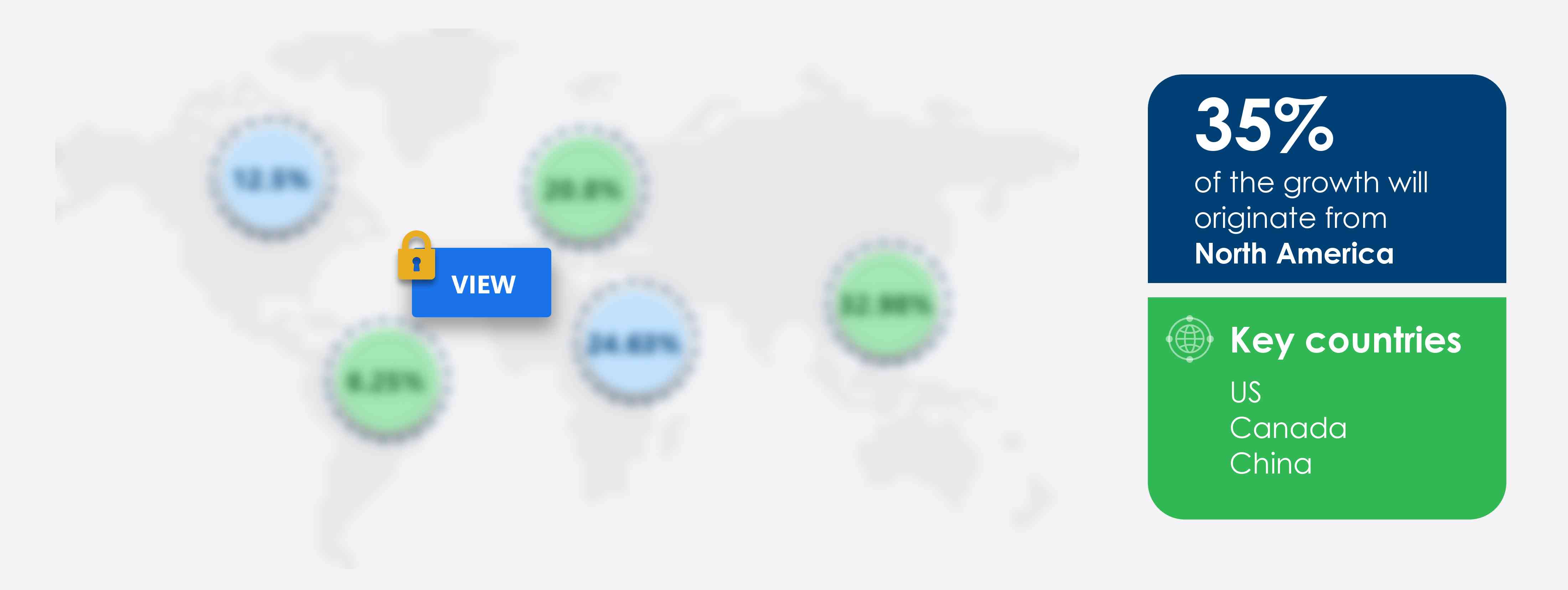
For more insights on the market share of various regions Request for a FREE sample now!
35% of the market’s growth will originate from North America during the forecast period. US and Canada are the key markets for levulinic acids in North America. Market growth in this region will be faster than the growth of the market in Europe.
The growing demand from the personal care and food and beverage industries in countries such as the US will facilitate the levulinic acid market growth in North America over the forecast period. This market research report entails detailed information on the competitive intelligence, marketing gaps, and regional opportunities in store for vendors, which will assist in creating efficient business plans.
COVID Impact and Recovery Analysis
In 2020, the COVID-19 pandemic negatively impacted the regional levulinic acid market. However, in H2 2021, due to the availability of vaccines, the number of COVID-19 cases in the region declined. Thus, factors such as the presence of prominent vendors and the increasing demand for levulinic acid from the food and beverage and cosmetics industries will drive the growth of the regional levulinic acid market during the forecast period.
What are the Revenue-generating End-user Segments in the Levulinic Acid Market?
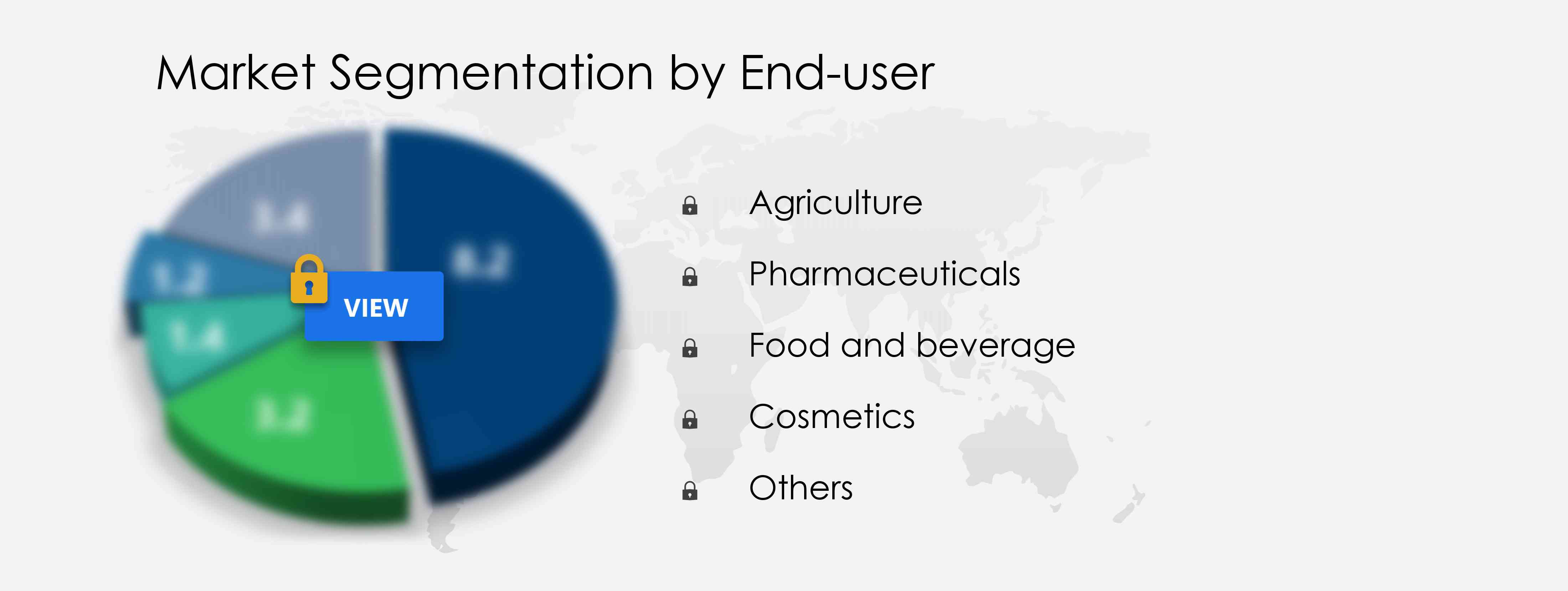
To gain further insights on the market contribution of various segments Request for a FREE sample
The levulinic acid market share growth by the agriculture segment will be significant during the forecast period. This can be attributed to the increased preference for bio-based agricultural products. LA is considered a bio-based additive and can be utilized in fertilizers, herbicides, insecticides, and other agricultural products.
This report provides an accurate prediction of the contribution of all the segments to the growth of the levulinic acid market size and actionable market insights on post COVID-19 impact on each segment.
|
Levulinic Acid Market Scope |
|
|
Report Coverage |
Details |
|
Page number |
120 |
|
Base year |
2021 |
|
Forecast period |
2022-2026 |
|
Growth momentum & CAGR |
Accelerate at a CAGR of 7.68% |
|
Market growth 2022-2026 |
3436.9 tons |
|
Market structure |
Fragmented |
|
YoY growth (%) |
7.2 |
|
Regional analysis |
North America, Europe, APAC, South America, and Middle East and Africa |
|
Performing market contribution |
North America at 35% |
|
Key consumer countries |
US, Canada, China, Germany, Italy, and France |
|
Competitive landscape |
Leading companies, Competitive strategies, Consumer engagement scope |
|
Key companies profiled |
Advanced Biotech, Augustus Oils Ltd., Aurochemicals, BEIJING LYS CHEMICALS Co. Ltd., Charkit Chemical Co. LLC., De Monchy Aromatics Ltd., GFBiochemicals Ltd., Hefei TNJ Chemical Industry Co. Ltd., Merck and Co. Inc., Otto Chemie Pvt. Ltd., RXChemicals, Shanghai M and U International Trade Co. Ltd., Simagchem Corp., Synerzine Inc., The Sherwin Williams Co., Tokyo Chemical Industry Co. Ltd., and Vigon International Inc. |
|
Market dynamics |
Parent market analysis, Market growth inducers and obstacles, Fast-growing and slow-growing segment analysis, COVID 19 impact and recovery analysis and future consumer dynamics, Market condition analysis for forecast period |
|
Customization purview |
If our report has not included the data that you are looking for, you can reach out to our analysts and get segments customized. |
What are the Key Data Covered in this Levulinic Acid Market Report?
- CAGR of the market during the forecast period 2022-2026
- Detailed information on factors that will drive levulinic acid market growth during the next five years
- Precise estimation of the levulinic acid market size and its contribution to the parent market
- Accurate predictions on upcoming trends and changes in consumer behavior
- The growth of the levulinic acid industry across North America, Europe, APAC, South America, and Middle East and Africa
- A thorough analysis of the market’s competitive landscape and detailed information on vendors
- Comprehensive details of factors that will challenge the growth of levulinic acid market vendors
We can help! Our analysts can customize this report to meet your requirements. Get in touch
 RIA -
RIA - 
