



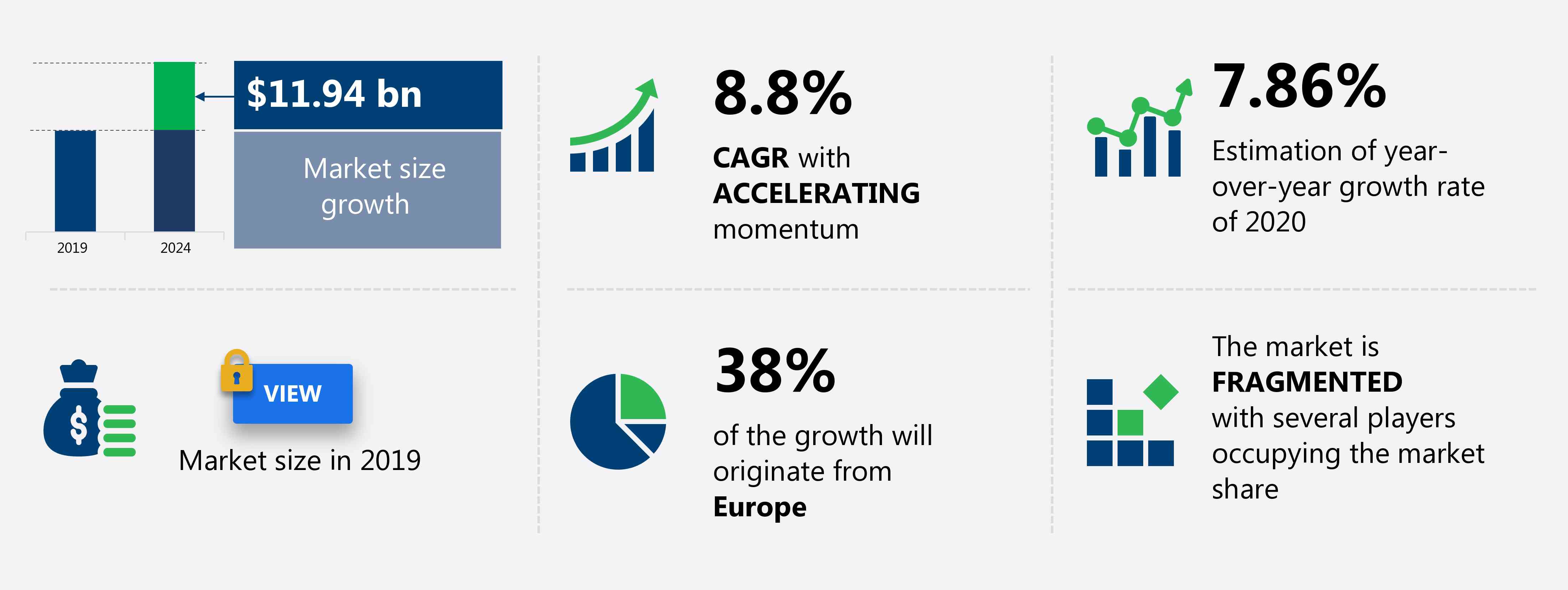
The low-alcohol beer market share is expected to increase by USD 11.94 billion from 2019 to 2024, and the market’s growth momentum will accelerate at a CAGR of 8.8%.
This low-alcohol beer market research report provides valuable insights on the post-COVID-19 impact on the market, which will help companies evaluate their business approaches. Furthermore, this report extensively covers low-alcohol beer market segmentation by distribution channel (offline and online) and geography (Europe, APAC, North America, and South America). The low-alcohol beer market report also offers information on several market vendors, including Anheuser-Busch InBev SA/NV, Asahi Group Holdings Ltd., Carlsberg AS, Constellation Brands Inc., Heineken NV, Kirin Holdings Co. Ltd., Molson Coors Beverage Co., Royal Unibrew AS, Sapporo Holdings Ltd., and The Boston Beer Co. Inc. among others.
What will the Low-Alcohol Beer Market Size be During the Forecast Period?
Download the Free Report Sample to Unlock the Low-Alcohol Beer Market Size for the Forecast Period and Other Important Statistics
Low-Alcohol Beer Market: Key Drivers, Trends, and Challenges
Based on our research output, there has been a neutral impact on the market growth during and after post COVID-19 era. The increasing health consciousness among consumers is notably driving the low-alcohol beer market growth, although factors such as the availability of counterfeit products may impede the market growth. Our research analysts have studied the historical data and deduced the key market drivers and the COVID-19 pandemic impact on the low-alcohol beer industry. The holistic analysis of the drivers will help in deducing end goals and refining marketing strategies to gain a competitive edge.
Key Low-Alcohol Beer Market Driver
One of the key factors driving the low-alcohol beer market is the increasing health consciousness among consumers. The vendors of low-alcohol beer promote it as a safe and healthy option over conventional alcoholic drinks to attract health-conscious consumers. Nowadays, globally, consumers are getting more health-conscious and prefer healthy and nutritious consumables such as foods and beverages. Conventional alcoholic drinks, such as normal beer with high ABV, have several health-related issues such as anemia, cancer, cardiovascular diseases, depression, high blood pressure, nerve damage, and infectious diseases. Therefore, consumers are shifting from conventional beer to low-alcohol beer, which is a better and healthier way of refreshment and does not have any health-related issues. Furthermore, consumption of low-alcohol beer is becoming one of the sustainable approaches for consumers to cut down their alcohol consumption in the long run. For instance, if consumers switch to low-alcohol beers that contain 0.5%-4% ABV from conventional beers with 5%-14% alcohol by volume, they can reduce their alcohol intake and the risk of long-term health issues. Such factors are expected to drive the growth of the market during the forecast period.
Key Low-Alcohol Beer Market Trend
An increase in demand for gluten-free and low-calorie beer is another factor supporting the low-alcohol beer market growth in the forecast period. The increasing health and diet consciousness among people raised the demand for low-calorie and gluten-free products globally. This, in turn, has consecutively driven the demand for low-alcohol beer with similar parameters. The global gluten-free product market is growing at a steady pace, owing to the rising number of health-conscious people and increasing awareness about celiac disease. The number of people with celiac disease is growing rapidly. For instance, one in every 133 individuals in the US has celiac disease, which is about 1% of the total population in the country. Moreover, it is also estimated that 82% of the American population that is affected by celiac disease is still undiagnosed. The only possible way to reduce the instances of celiac disease is by switching to a gluten-free diet. Furthermore, the rising demand for low-calorie foods and beverages is another emerging trend, especially among women due to their high concern for their appearance, physique, and obesity problems. Moreover, vendors are expected to introduce gluten-free and low-calorie, low-alcohol beer during the forecast period, which will fuel the sales of the overall market during the forecast period.
Key Low-Alcohol Beer Market Challenge
The availability of counterfeit products will be a major challenge for the low-alcohol beer market during the forecast period. The growing market prospects of alcoholic beverages, such as low-alcohol beer, and their surging demand have attracted the attention and market entry of counterfeit product manufacturers, especially in developing regions. The penetration of e-commerce is also facilitating the distribution, sales, and reach of counterfeit products. Furthermore, the relatively low price of counterfeit products is one of the factors that contribute to their demand. Hence, the availability of counterfeit products has an adverse impact on the sales and pricing strategies of vendors operating in the global low-alcohol beer market by diluting their market shares. Besides, the harmful and life-threatening impacts of counterfeit beer damage the reputation of the immitted brand. To overcome these challenges, global vendors are compelled to offer their products at low prices, which reduces their profit margins. It also affects the value sales in the market.
This low-alcohol beer market analysis report also provides detailed information on other upcoming trends and challenges that will have a far-reaching effect on the market growth. The actionable insights on the trends and challenges will help companies evaluate and develop growth strategies for 2020-2024.
Parent Market Analysis
Technavio categorizes the global low-alcohol beer market as a part of the global brewers market. Our research report has extensively covered external factors influencing the parent market growth potential in the coming years, which will determine the levels of growth of the low-alcohol beer market during the forecast period.
Who are the Major Low-Alcohol Beer Market Vendors?
The report analyzes the market’s competitive landscape and offers information on several market vendors, including:
- Anheuser-Busch InBev SA/NV
- Asahi Group Holdings Ltd.
- Carlsberg AS
- Constellation Brands Inc.
- Heineken NV
- Kirin Holdings Co. Ltd.
- Molson Coors Beverage Co.
- Royal Unibrew AS
- Sapporo Holdings Ltd.
- The Boston Beer Co. Inc.
This statistical study of the low-alcohol beer market encompasses successful business strategies deployed by the key vendors. The low-alcohol beer market is fragmented and the vendors are deploying growth strategies such as the adoption of innovative brewing techniques to reduce wastage and optimize production to compete in the market.
Product Insights and News
- Carlsberg Breweries AS – The company offers Feldschlösschen Frucht Panaché, Cheers Radler, Jolly Shandy Original, Lübzer Grapefruit and Mythos Radler.
To make the most of the opportunities and recover from the post-COVID-19 impact, market vendors should focus more on the growth prospects in the fast-growing segments, while maintaining their positions in the slow-growing segments.
The low-alcohol beer market forecast report offers in-depth insights into key vendor profiles. The profiles include information on the production, sustainability, and prospects of the leading companies.
Low-Alcohol Beer Market Value Chain Analysis
Our report provides extensive information on the value chain analysis for the low-alcohol beer market, which vendors can leverage to gain a competitive advantage during the forecast period. The end-to-end understanding of the value chain is essential in profit margin optimization and evaluation of business strategies. The data available in our value chain analysis segment can help vendors drive costs and enhance customer services during the forecast period.
The report has further elucidated other innovative approaches being followed by manufacturers to ensure a sustainable market presence.
Which are the Key Regions for Low-Alcohol Beer Market?
For more insights on the market share of various regions Request for a FREE sample now!
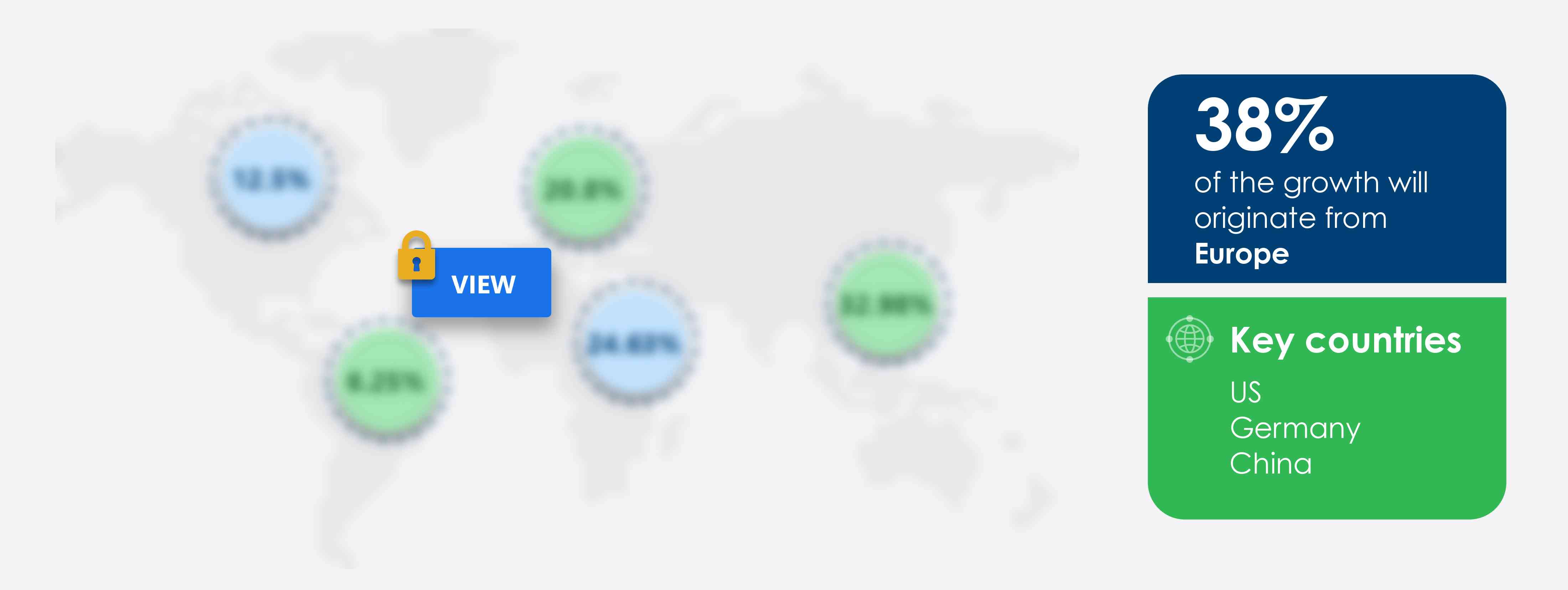
36% of the market’s growth will originate from APAC during the forecast period. China is a key market for low-alcohol beer in APAC. Market growth in APAC will be faster than the growth of the market in other regions.
The rise in income and increased introduction of global and premium brands and increased awareness among people regarding different types of low-alcohol beers will facilitate the low-alcohol beer market growth in Europe over the forecast period. This market research report entails detailed information on the competitive intelligence, marketing gaps, and regional opportunities in store for vendors, which will assist in creating efficient business plans.
COVID Impact and Recovery Analysis
The outbreak of COVID-19 adversely impacted the market in the region, mostly in the first six months of 2020. In 2020, lockdowns were imposed in APAC to reduce the spread of the disease. Due to the shutdown of manufacturing and production facilities, the market in focus witnessed a downfall in the supply of low-alcohol beer.
What are the Revenue-generating Distribution Channel Segments in the Low-Alcohol Beer Market?
To gain further insights on the market contribution of various segments Request a FREE sample
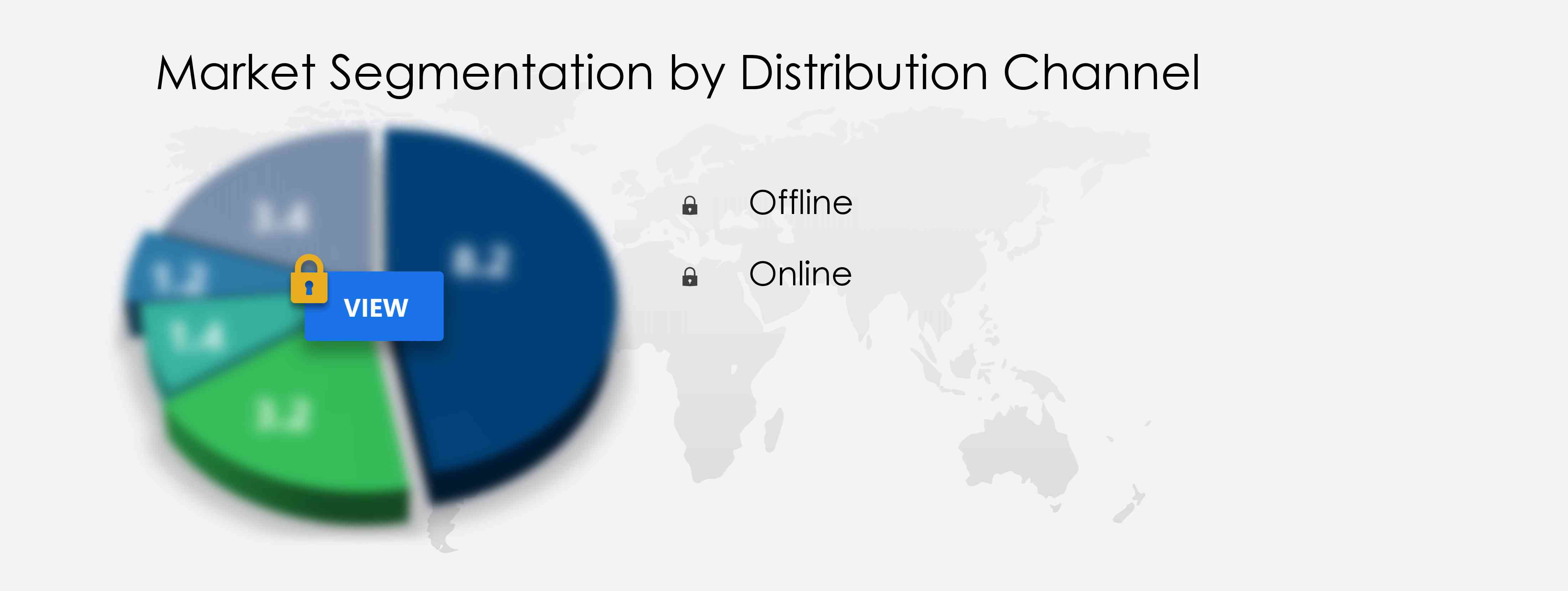
The low-alcohol beer market share growth by the offline segment during the forecast period. The offline retail landscape is highly competitive due to the presence of several retailers offering products at competitive prices. To sustain in such a competitive market and counter the declining preference for offline shopping, vendors are introducing new business and retail strategies such as better pricing strategies, widening of product assortment, the inclusion of retail technology, and expansion of their retail landscape.
This report provides an accurate prediction of the contribution of all the segments to the growth of the low-alcohol beer market size and actionable market insights on post-COVID-19 impact on each segment.
|
Low-Alcohol Beer Market Scope |
|
|
Report Coverage |
Details |
|
Page number |
120 |
|
Base year |
2019 |
|
Forecast period |
2020-2024 |
|
Growth momentum & CAGR |
Accelerate at a CAGR of 8.8% |
|
Market growth 2020-2024 |
$ 11.94 billion |
|
Market structure |
Fragmented |
|
YoY growth (%) |
7.86 |
|
Regional analysis |
Europe, APAC, North America, and South America |
|
Performing market contribution |
Europe at 38% |
|
Key consumer countries |
US, Germany, China, and Spain |
|
Competitive landscape |
Leading companies, Competitive strategies, Consumer engagement scope |
|
Key companies profiled |
Anheuser-Busch InBev SA/NV, Asahi Group Holdings Ltd., Carlsberg AS, Constellation Brands Inc., Heineken NV, Kirin Holdings Co. Ltd., Molson Coors Beverage Co., Royal Unibrew AS, Sapporo Holdings Ltd., and The Boston Beer Co. Inc. |
|
Market dynamics |
Parent market analysis, Market growth inducers and obstacles, Fast-growing and slow-growing segment analysis, COVID 19 impact and recovery analysis and future consumer dynamics, Market condition analysis for forecast period |
|
Customization purview |
If our report has not included the data that you are looking for, you can reach out to our analysts and get segments customized. |
What are the Key Data Covered in this Low-Alcohol Beer Market Report?
- CAGR of the market during the forecast period 2020-2024
- Detailed information on factors that will drive low-alcohol beer market growth during the next five years
- Precise estimation of the low-alcohol beer market size and its contribution to the parent market
- Accurate predictions on upcoming trends and changes in consumer behavior
- The growth of the low-alcohol beer industry across Europe, APAC, North America, and South America
- A thorough analysis of the market’s competitive landscape and detailed information on vendors
- Comprehensive details of factors that will challenge the growth of low-alcohol beer market vendors
We can help! Our analysts can customize this report to meet your requirements. Get in touch
 RIA -
RIA - 
