
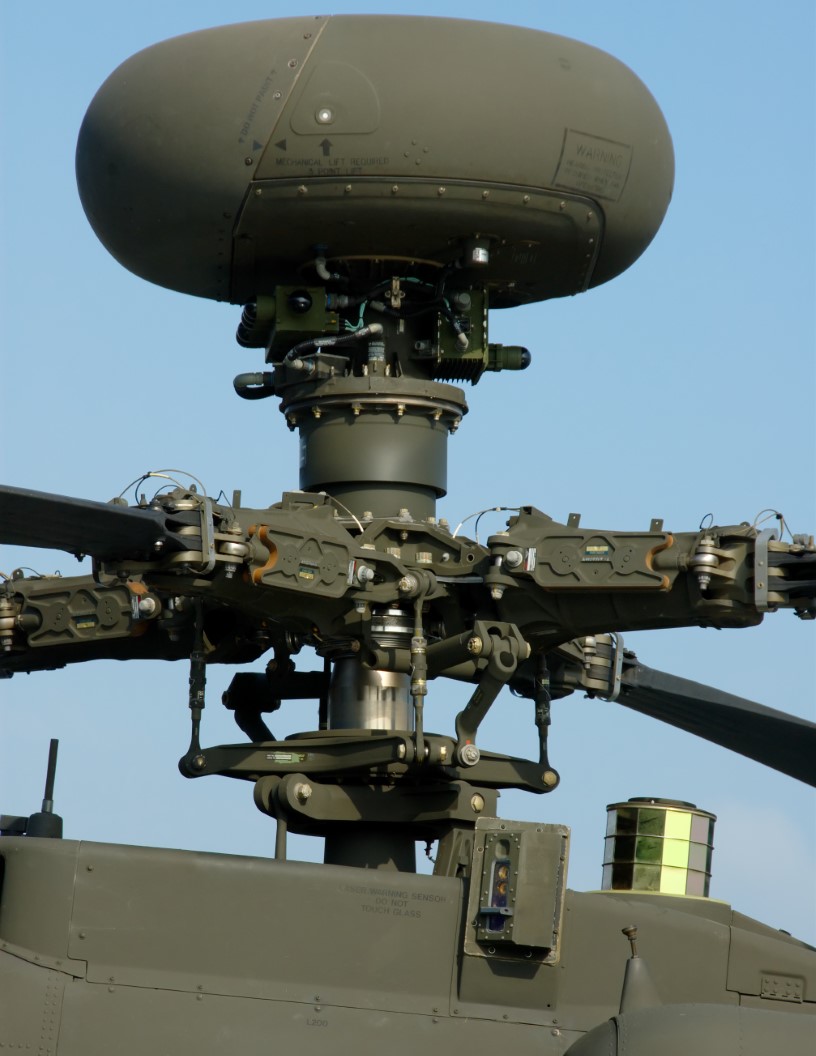

Military Robots Market Analysis North America, APAC, Europe, South America, Middle East and Africa - US, China, Russia, India, Germany - Size and Forecast 2024-2028

Military Robots Market Analysis North America, APAC, Europe, South America, Middle East and Africa - US, China, Russia, India, Germany - Size and Forecast 2024-2028

Published: Aug 2024 151 Pages SKU: IRTNTR46607

Market Overview at a Glance

$8.62 B
Market Opportunity
8.51%
CAGR
7.67
YoY growth 2023-2024(%)

Military Robots Market Size 2024-2028 

The military robots market size is forecast to increase by USD 8.62 billion, at a CAGR of 8.51% between 2023 and 2028. The market is experiencing significant growth, driven by several key trends and factors. One major trend is the strengthening of border surveillance and patrolling, leading to increased demand for unmanned ground vehicles (UGVs) and unmanned aerial vehicles (UAVs) for border security applications. Another trend is the development of multi-mission robots, which can perform various tasks such as bomb disposal, reconnaissance, and combat support, making them valuable assets for military operations. However, there is also a growing skepticism toward automated weapons systems and ethical concerns regarding the use of military robots, which may pose challenges to market growth. Despite these challenges, the market is expected to continue expanding due to the increasing demand for autonomous systems and advanced technologies in military applications.

What will be the Size of the Market During the Forecast Period?
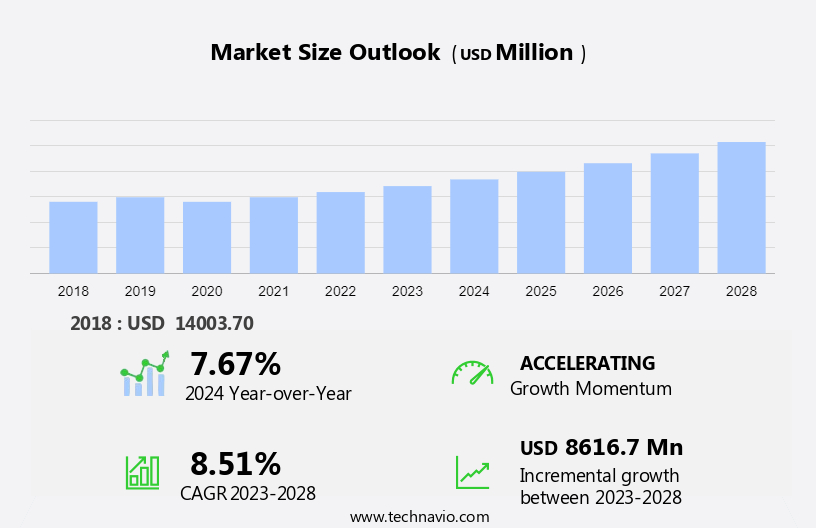
Military Robots Market Size

For More Highlights About this Report, Request Free Sample

Market Dynamic and Customer Landscape

The market is witnessing significant growth due to the integration of advanced technology such as Artificial Intelligence (AI), LiDAR, Fiber optics, and Electric propulsion. These technologies enable Military robots to perform various functions including Search and rescue, Combat support, Modern warfare Reconnaissance, Surveillance, Bomb disposal, and Combat. Hybrid robots are increasingly being used in missions due to their ability to combine the advantages of both autonomous and remotely operated systems. The market for Military robots is driven by Defense budgets and National security concerns. Mission success rates are emphasized in modern warfare, leading to the automation of various tasks previously performed by Human soldiers. Autonomous robots are being used for CBRN attacks detection and Mine countermeasures. Unmanned Aerial Vehicles (UAVs) and Mine clearing robots are essential components of Ground vehicle strategy. Electronic jamming and Electronic warfare are also critical applications of Military robots. The market is expected to grow at a steady pace due to the increasing adoption of these robots for various military applications. The use of UAVs for reconnaissance and surveillance is a significant trend in the market. The integration of AI and advanced technology is expected to further boost the market growth.

Key Market Driver

The strengthening of border surveillance and patrolling is notably driving market growth. Military robots have emerged as a significant component of modern ground vehicle strategies, offering enhanced combat capabilities and electronic warfare systems. Unmanned Ground Vehicles (UGVs) are increasingly being utilized for undersea surveillance and anti-submarine warfare, employing advanced recovery technology to ensure mission success. Electronic jamming is integrated into these robots to disrupt enemy communications and sensors, providing a strategic advantage. The integration of military robots into undersea operations and anti-submarine warfare is revolutionizing defense tactics, enabling more effective and efficient surveillance and response. These advanced technologies offer a new dimension to military capabilities, ensuring superiority in various operational scenarios. Thus, such factors are driving the growth of the market during the forecast period.

Key Market Trends

Development of multi-mission robots is the key trend in the market. Military robots are increasingly being integrated into ground and underwater strategies for enhancing combat capabilities and electronic warfare. Unmanned Ground Vehicles (UGVs) are being employed for reconnaissance, bomb disposal, and transportation tasks, while undersea robots are utilized for surveillance and anti-submarine warfare. Electronic jamming is employed to disrupt enemy communications and sensors, and military robots are being developed with advanced recovery technology to ensure their safe return from missions. Ground vehicle strategy involves the deployment of autonomous vehicles for logistics and reconnaissance, while undersea robots are essential for maintaining situational awareness in anti-submarine warfare. These advancements in military robotics are revolutionizing the battlefield and expanding the scope of electronic warfare applications. Thus, such trends will shape the growth of the market during the forecast period.

Major Market Challenge

Increased skepticism toward automated weapons systems is the major challenge that affects the growth of the market. Military robots are increasingly being integrated into ground and underwater warfare strategies due to their advanced capabilities. Unmanned Ground Vehicles (UGVs) are being used for combat missions, reconnaissance, and electronic warfare, including electronic jamming. In underwater environments, military robots play a crucial role in anti-submarine warfare and undersea surveillance. These robots are equipped with advanced technology to detect and neutralize threats, making them indispensable in modern warfare. Recovery technology is also a significant application area for military robots, enabling efficient and safe recovery of valuable assets in hazardous conditions. Military robotics is a dynamic and evolving field, with continuous advancements in technology driving new applications and capabilities. Hence, the above factors will impede the growth of the market during the forecast period

Customer Landscape

The market forecasting report includes the adoption lifecycle of the market, covering from the innovator’s stage to the laggard’s stage. It focuses on adoption rates in different regions based on penetration. Furthermore, the report also includes key purchase criteria and drivers of price sensitivity to help companies evaluate and develop their market growth analysis strategies.
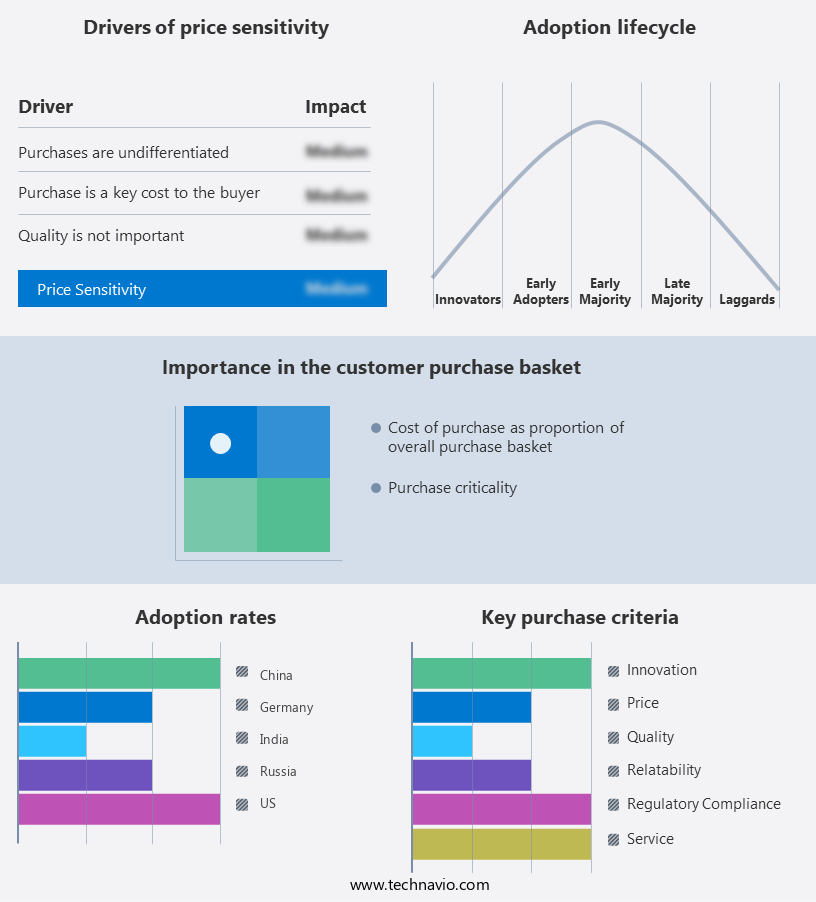
Military Robots Market Share by Geography

 Customer Landscape

Key Companies & Market Insights

Companies are implementing various strategies, such as strategic alliances, partnerships, mergers and acquisitions, geographical expansion, and product/service launches, to enhance their presence in the market.

AeroVironment Inc. - The company offers military robots such as Vapor.

The market research and growth report also includes detailed analyses of the competitive landscape of the market and information about key companies, including:

  • Applied Research Associates Inc.
  • BAE Systems Plc
  • Bayonet Ocean Vehicles
  • Cobham Ltd.
  • Ekso Bionics Holdings Inc.
  • Elbit Systems Ltd.
  • General Dynamics Corp.
  • General Robotics Ltd.
  • Israel Aerospace Industries Ltd.
  • L3Harris Technologies Inc.
  • Lockheed Martin Corp.
  • Milanion Ltd
  • M-Tecks Robotics
  • Northrop Grumman Corp.
  • QinetiQ Ltd.
  • Robo-Team Defense Ltd.
  • Saab AB
  • Teledyne Technologies Inc.
  • Thales Group

Qualitative and quantitative analysis of companies has been conducted to help clients understand the wider business environment as well as the strengths and weaknesses of key market players. Data is qualitatively analyzed to categorize companies as pure play, category-focused, industry-focused, and diversified; it is quantitatively analyzed to categorize companies as dominant, leading, strong, tentative, and weak.

Market Segmentation

By Product 

The airborne military robots segment is estimated to witness significant growth during the forecast period. In the realm of military applications, artificial intelligence (AI) and advanced technology continue to revolutionize the landscape of modern warfare. Integration of AI and machine learning (ML) in military robots is a significant trend, enhancing situational awareness and decision-making capabilities. LiDAR technology and fiber optics enable superior sensing and navigation, while electric propulsion ensures silent and efficient operation. Hybrid robots, combining the strengths of human soldiers and automation, are increasingly used for combat support, transportation, reconnaissance, and surveillance.
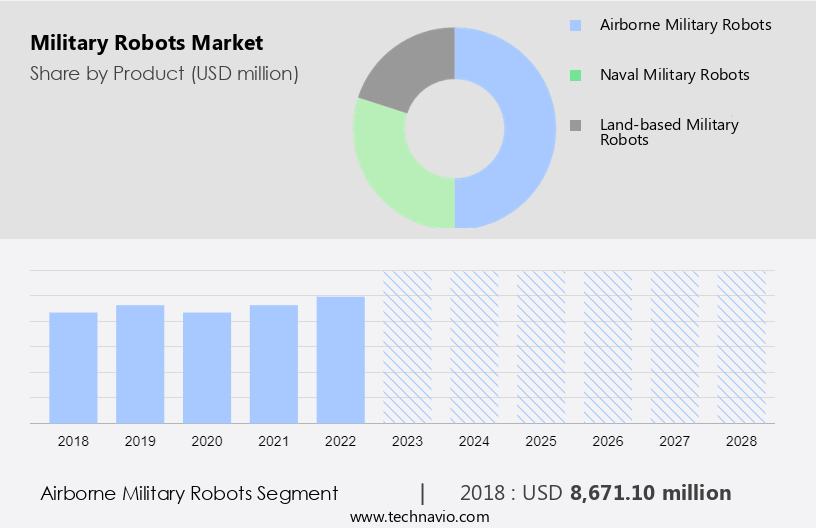
Military Robots Market Size

Get a glance at the market share of various regions Download the PDF Sample


The airborne military robots segment was the largest and was valued at USD 8.67 billion in 2018. Autonomous navigation and bomb disposal robots ensure mission success rates and minimize risks for human personnel. Versatile military robots find applications in aerial, naval, and land-based platforms, including UAVs for reconnaissance and mine clearing, and PackBot robots for search & rescue and explosive ordnance disposal. Operational challenges in military and defense applications, such as border security and mine countermeasures, are addressed through the development of autonomous military robots. Defense budgets and national security concerns continue to fuel the demand for these advanced technologies. AI integration and advanced autonomy enable military robots to operate effectively in various environments, contributing to the success of modern military operations.

Regional Analysis
Military Robots Market Share by Geography

For more insights on the market share of various regions Download PDF Sample now!

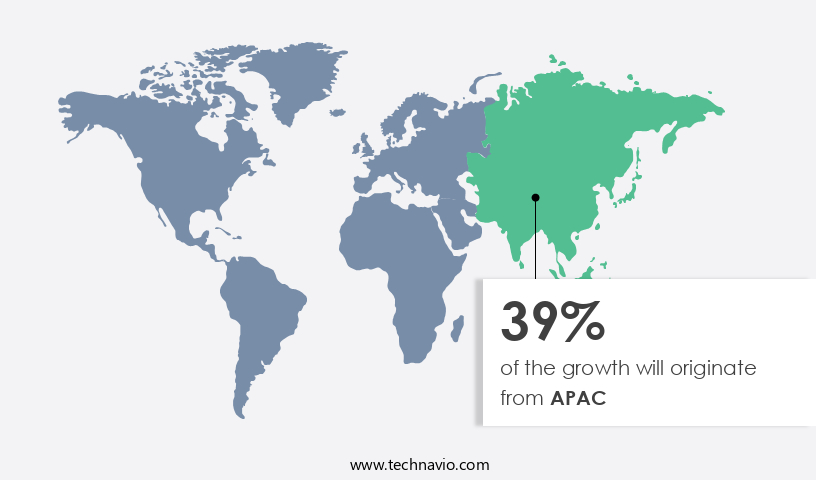
APAC is estimated to contribute 39% to the growth of the global market during the forecast period. Technavio’s analysts have elaborately explained the regional trends and drivers that shape the market during the forecast period. In the realm of military applications, artificial intelligence (AI) and advanced technology are revolutionizing the landscape of defense and security. LiDAR and fiber optics technologies are integral to military robots, enhancing their situational awareness and decision-making capabilities. Electric propulsion and hybrid robots are essential for combat support, enabling modern warfare to transcend operational challenges. AI integration and autonomous navigation are critical components of military robots, increasing mission success rates in combat, reconnaissance, surveillance, bomb disposal, and transportation. Versatile robots are employed in aerial, naval, and land-based applications, including patrol, search & rescue, explosive ordnance disposal, border security, and mine countermeasures. Defense budgets continue to prioritize national security, driving the growth of autonomous military and defense applications. UAVs and mine clearing robots are prominent examples of military robots that utilize AI and ML for autonomous navigation and situational awareness. Human soldiers are increasingly working alongside these robots to enhance their capabilities and improve overall effectiveness. The integration of AI and advanced technology in military robots is transforming the way modern warfare is conducted, ensuring superior performance and improved safety for troops.

Segment Overview

The market research report provides comprehensive data (region-wise segment analysis), with forecasts and estimates in "USD billion " for the period 2024-2028, as well as historical data from 2018-2022 for the following segments.

  • Product Outlook
    • Airborne military robots
    • Naval military robots
    • Land-based military robots
  • Region Outlook
    • North America
      • The U.S.
      • Canada
    • South America
      • Chile
      • Brazil
      • Argentina    
    • Europe
      • U.K.
      • Germany
      • France
      • Rest of Europe
    • APAC
      • China
      • India
    • Middle East & Africa
      • Saudi Arabia
      • South Africa
      • Rest of the Middle East & Africa

You may also interested in below market reports:

Market Analyst Overview  

The market is witnessing significant growth due to the integration of Artificial Intelligence (AI) and Machine Learning (ML) in military and defense applications. AI and ML are crucial for situational awareness and decision-making in modern warfare. Military robots come in various forms, including Aerial, Naval, and Land-based. These robots are designed for Combat support, Reconnaissance, Surveillance, Bomb disposal, and Combat. The use of Hybrid robots, which combine electric propulsion and Fiber optics, offers versatility for Patrolling, Search & rescue, and Explosive Ordnance Disposal. UAVs (Unmanned Aerial Vehicles) are increasingly being used for aerial reconnaissance and surveillance.

In addition, autonomous navigation and AI integration enable these UAVs to operate effectively in modern warfare. Military robots play a vital role in Mission success rates by automating tasks previously performed by Human soldiers. Operational challenges in modern warfare, such as hazardous environments and long-range missions, are being addressed through the use of these robots. The Military & defense applications of robots extend to Air travel, Border security, Mine countermeasures, and Mine clearing. Defense budgets and National security concerns continue to drive the growth of this market. In conclusion, the market is transforming modern warfare through advanced technology, autonomous navigation, and AI integration. These robots are essential for Combat, Human soldiers' support, and Mission success rates in various Military & defense applications.

Market Scope

Report Coverage

Details

Page number

151

Base year

2023

Historic period

2018-2022

Forecast period

2024-2028

Growth momentum & CAGR

Accelerate at a CAGR of 8.51%

Market growth 2024-2028

USD 8.62 billion

Market structure

Fragmented

YoY growth 2023-2024(%)

7.67

Regional analysis

North America, APAC, Europe, South America, and Middle East and Africa

Performing market contribution

APAC at 39%

Key countries

US, China, Russia, India, and Germany

Competitive landscape

Leading Companies, Market Positioning of Companies, Competitive Strategies, and Industry Risks

Key companies profiled

AeroVironment Inc., Applied Research Associates Inc., BAE Systems Plc, Bayonet Ocean Vehicles, Cobham Ltd., Ekso Bionics Holdings Inc., Elbit Systems Ltd., General Dynamics Corp., General Robotics Ltd., Israel Aerospace Industries Ltd., L3Harris Technologies Inc., Lockheed Martin Corp., Milanion Ltd, M-Tecks Robotics, Northrop Grumman Corp., QinetiQ Ltd., Robo-Team Defense Ltd., Saab AB, Teledyne Technologies Inc., and Thales Group

Market dynamics

Parent market analysis, Market growth inducers and obstacles, Fast-growing and slow-growing segment analysis, COVID-19 impact and recovery analysis and future consumer dynamics, Market condition analysis for market forecast period

Customization purview

If our market report has not included the data that you are looking for, you can reach out to our analysts and get segments customized.

Download PDF Sample

What are the Key Data Covered in this Market Research Report?

  • CAGR of the market during the forecast period
  • Detailed information on factors that will drive the market growth and forecasting between 2024 and 2028
  • Precise estimation of the size of the market  and its contribution of the market in focus to the parent market
  • Accurate predictions about upcoming market growth and trends and changes in consumer behaviour
  • Growth of the market across North America, APAC, Europe, South America, and Middle East and Africa
  • Thorough analysis of the market’s competitive landscape and detailed information about companies
  • Comprehensive analysis of factors that will challenge the growth of market companies

1 Executive Summary

  • 1.1 Market overview
    • Executive Summary - Chart on Market Overview
    • Executive Summary - Data Table on Market Overview
    • Executive Summary - Chart on Global Market Characteristics
    • Executive Summary - Chart on Market by Geography
    • Executive Summary - Chart on Market Segmentation by Product
    • Executive Summary - Chart on Incremental Growth
    • Executive Summary - Data Table on Incremental Growth
    • Executive Summary - Chart on Company Market Positioning

2 Market Landscape

  • 2.1 Market ecosystem
    • Parent Market
    • Data Table on - Parent Market
  • 2.2 Market characteristics
    • Market characteristics analysis
  • 2.3 Value chain analysis
    • Value Chain Analysis

3 Market Sizing

  • 3.1 Market definition
    • Offerings of companies included in the market definition
  • 3.2 Market segment analysis
    • Market segments
  • 3.3 Market size 2023
    • 3.4 Market outlook: Forecast for 2023-2028
      • Chart on Global - Market size and forecast 2023-2028 ($ million)
      • Data Table on Global - Market size and forecast 2023-2028 ($ million)
      • Chart on Global Market: Year-over-year growth 2023-2028 (%)
      • Data Table on Global Market: Year-over-year growth 2023-2028 (%)

    4 Historic Market Size

    • 4.1 Global Military Robots Market 2018 - 2022
      • Historic Market Size - Data Table on Global Military Robots Market 2018 - 2022 ($ million)
    • 4.2 Product segment analysis 2018 - 2022
      • Historic Market Size - Product Segment 2018 - 2022 ($ million)
    • 4.3 Geography segment analysis 2018 - 2022
      • Historic Market Size - Geography Segment 2018 - 2022 ($ million)
    • 4.4 Country segment analysis 2018 - 2022
      • Historic Market Size - Country Segment 2018 - 2022 ($ million)

    5 Five Forces Analysis

    • 5.1 Five forces summary
      • Five forces analysis - Comparison between 2023 and 2028
    • 5.2 Bargaining power of buyers
      • Bargaining power of buyers - Impact of key factors 2023 and 2028
    • 5.3 Bargaining power of suppliers
      • Bargaining power of suppliers - Impact of key factors in 2023 and 2028
    • 5.4 Threat of new entrants
      • Threat of new entrants - Impact of key factors in 2023 and 2028
    • 5.5 Threat of substitutes
      • Threat of substitutes - Impact of key factors in 2023 and 2028
    • 5.6 Threat of rivalry
      • Threat of rivalry - Impact of key factors in 2023 and 2028
    • 5.7 Market condition
      • Chart on Market condition - Five forces 2023 and 2028

    6 Market Segmentation by Product

    • 6.1 Market segments
      • Chart on Product - Market share 2023-2028 (%)
      • Data Table on Product - Market share 2023-2028 (%)
    • 6.2 Comparison by Product
      • Chart on Comparison by Product
      • Data Table on Comparison by Product
    • 6.3 Airborne military robots - Market size and forecast 2023-2028
      • Chart on Airborne military robots - Market size and forecast 2023-2028 ($ million)
      • Data Table on Airborne military robots - Market size and forecast 2023-2028 ($ million)
      • Chart on Airborne military robots - Year-over-year growth 2023-2028 (%)
      • Data Table on Airborne military robots - Year-over-year growth 2023-2028 (%)
    • 6.4 Naval military robots - Market size and forecast 2023-2028
      • Chart on Naval military robots - Market size and forecast 2023-2028 ($ million)
      • Data Table on Naval military robots - Market size and forecast 2023-2028 ($ million)
      • Chart on Naval military robots - Year-over-year growth 2023-2028 (%)
      • Data Table on Naval military robots - Year-over-year growth 2023-2028 (%)
    • 6.5 Land-based military robots - Market size and forecast 2023-2028
      • Chart on Land-based military robots - Market size and forecast 2023-2028 ($ million)
      • Data Table on Land-based military robots - Market size and forecast 2023-2028 ($ million)
      • Chart on Land-based military robots - Year-over-year growth 2023-2028 (%)
      • Data Table on Land-based military robots - Year-over-year growth 2023-2028 (%)
    • 6.6 Market opportunity by Product
      • Market opportunity by Product ($ million)
      • Data Table on Market opportunity by Product ($ million)

    7 Customer Landscape

    • 7.1 Customer landscape overview
      • Analysis of price sensitivity, lifecycle, customer purchase basket, adoption rates, and purchase criteria

    8 Geographic Landscape

    • 8.1 Geographic segmentation
      • Chart on Market share by geography 2023-2028 (%)
      • Data Table on Market share by geography 2023-2028 (%)
    • 8.2 Geographic comparison
      • Chart on Geographic comparison
      • Data Table on Geographic comparison
    • 8.3 North America - Market size and forecast 2023-2028
      • Chart on North America - Market size and forecast 2023-2028 ($ million)
      • Data Table on North America - Market size and forecast 2023-2028 ($ million)
      • Chart on North America - Year-over-year growth 2023-2028 (%)
      • Data Table on North America - Year-over-year growth 2023-2028 (%)
    • 8.4 APAC - Market size and forecast 2023-2028
      • Chart on APAC - Market size and forecast 2023-2028 ($ million)
      • Data Table on APAC - Market size and forecast 2023-2028 ($ million)
      • Chart on APAC - Year-over-year growth 2023-2028 (%)
      • Data Table on APAC - Year-over-year growth 2023-2028 (%)
    • 8.5 Europe - Market size and forecast 2023-2028
      • Chart on Europe - Market size and forecast 2023-2028 ($ million)
      • Data Table on Europe - Market size and forecast 2023-2028 ($ million)
      • Chart on Europe - Year-over-year growth 2023-2028 (%)
      • Data Table on Europe - Year-over-year growth 2023-2028 (%)
    • 8.6 South America - Market size and forecast 2023-2028
      • Chart on South America - Market size and forecast 2023-2028 ($ million)
      • Data Table on South America - Market size and forecast 2023-2028 ($ million)
      • Chart on South America - Year-over-year growth 2023-2028 (%)
      • Data Table on South America - Year-over-year growth 2023-2028 (%)
    • 8.7 Middle East and Africa - Market size and forecast 2023-2028
      • Chart on Middle East and Africa - Market size and forecast 2023-2028 ($ million)
      • Data Table on Middle East and Africa - Market size and forecast 2023-2028 ($ million)
      • Chart on Middle East and Africa - Year-over-year growth 2023-2028 (%)
      • Data Table on Middle East and Africa - Year-over-year growth 2023-2028 (%)
    • 8.8 US - Market size and forecast 2023-2028
      • Chart on US - Market size and forecast 2023-2028 ($ million)
      • Data Table on US - Market size and forecast 2023-2028 ($ million)
      • Chart on US - Year-over-year growth 2023-2028 (%)
      • Data Table on US - Year-over-year growth 2023-2028 (%)
    • 8.9 China - Market size and forecast 2023-2028
      • Chart on China - Market size and forecast 2023-2028 ($ million)
      • Data Table on China - Market size and forecast 2023-2028 ($ million)
      • Chart on China - Year-over-year growth 2023-2028 (%)
      • Data Table on China - Year-over-year growth 2023-2028 (%)
    • 8.10 Russia - Market size and forecast 2023-2028
      • Chart on Russia - Market size and forecast 2023-2028 ($ million)
      • Data Table on Russia - Market size and forecast 2023-2028 ($ million)
      • Chart on Russia - Year-over-year growth 2023-2028 (%)
      • Data Table on Russia - Year-over-year growth 2023-2028 (%)
    • 8.11 India - Market size and forecast 2023-2028
      • Chart on India - Market size and forecast 2023-2028 ($ million)
      • Data Table on India - Market size and forecast 2023-2028 ($ million)
      • Chart on India - Year-over-year growth 2023-2028 (%)
      • Data Table on India - Year-over-year growth 2023-2028 (%)
    • 8.12 Germany - Market size and forecast 2023-2028
      • Chart on Germany - Market size and forecast 2023-2028 ($ million)
      • Data Table on Germany - Market size and forecast 2023-2028 ($ million)
      • Chart on Germany - Year-over-year growth 2023-2028 (%)
      • Data Table on Germany - Year-over-year growth 2023-2028 (%)
    • 8.13 Market opportunity by geography
      • Market opportunity by geography ($ million)
      • Data Tables on Market opportunity by geography ($ million)

    9 Drivers, Challenges, and Opportunity/Restraints

    • 9.1 Market drivers
      • 9.2 Market challenges
        • 9.3 Impact of drivers and challenges
          • Impact of drivers and challenges in 2023 and 2028
        • 9.4 Market opportunities/restraints

          10 Competitive Landscape

          • 10.1 Overview
            • 10.2 Competitive Landscape
              • Overview on criticality of inputs and factors of differentiation
            • 10.3 Landscape disruption
              • Overview on factors of disruption
            • 10.4 Industry risks
              • Impact of key risks on business

            11 Competitive Analysis

            • 11.1 Companies profiled
              • Companies covered
            • 11.2 Market positioning of companies
              • Matrix on companies position and classification
            • 11.3 AeroVironment Inc.
              • AeroVironment Inc. - Overview
              • AeroVironment Inc. - Business segments
              • AeroVironment Inc. - Key news
              • AeroVironment Inc. - Key offerings
              • AeroVironment Inc. - Segment focus
            • 11.4 Applied Research Associates Inc.
              • Applied Research Associates Inc. - Overview
              • Applied Research Associates Inc. - Product / Service
              • Applied Research Associates Inc. - Key offerings
            • 11.5 BAE Systems Plc
              • BAE Systems Plc - Overview
              • BAE Systems Plc - Business segments
              • BAE Systems Plc - Key news
              • BAE Systems Plc - Key offerings
              • BAE Systems Plc - Segment focus
            • 11.6 Ekso Bionics Holdings Inc.
              • Ekso Bionics Holdings Inc. - Overview
              • Ekso Bionics Holdings Inc. - Business segments
              • Ekso Bionics Holdings Inc. - Key offerings
              • Ekso Bionics Holdings Inc. - Segment focus
            • 11.7 Elbit Systems Ltd.
              • Elbit Systems Ltd. - Overview
              • Elbit Systems Ltd. - Product / Service
              • Elbit Systems Ltd. - Key news
              • Elbit Systems Ltd. - Key offerings
            • 11.8 General Robotics Ltd.
              • General Robotics Ltd. - Overview
              • General Robotics Ltd. - Product / Service
              • General Robotics Ltd. - Key offerings
            • 11.9 Israel Aerospace Industries Ltd.
              • Israel Aerospace Industries Ltd. - Overview
              • Israel Aerospace Industries Ltd. - Product / Service
              • Israel Aerospace Industries Ltd. - Key news
              • Israel Aerospace Industries Ltd. - Key offerings
            • 11.10 L3Harris Technologies Inc.
              • L3Harris Technologies Inc. - Overview
              • L3Harris Technologies Inc. - Business segments
              • L3Harris Technologies Inc. - Key news
              • L3Harris Technologies Inc. - Key offerings
              • L3Harris Technologies Inc. - Segment focus
            • 11.11 Lockheed Martin Corp.
              • Lockheed Martin Corp. - Overview
              • Lockheed Martin Corp. - Business segments
              • Lockheed Martin Corp. - Key news
              • Lockheed Martin Corp. - Key offerings
              • Lockheed Martin Corp. - Segment focus
            • 11.12 Teledyne Technologies Inc.
              • Teledyne Technologies Inc. - Overview
              • Teledyne Technologies Inc. - Business segments
              • Teledyne Technologies Inc. - Key news
              • Teledyne Technologies Inc. - Key offerings
              • Teledyne Technologies Inc. - Segment focus

            12 Appendix

            • 12.1 Scope of the report
              • 12.2 Inclusions and exclusions checklist
                • Inclusions checklist
                • Exclusions checklist
              • 12.3 Currency conversion rates for US$
                • Currency conversion rates for US$
              • 12.4 Research methodology
                • Research methodology
              • 12.5 Data procurement
                • Information sources
              • 12.6 Data validation
                • Data validation
              • 12.7 Validation techniques employed for market sizing
                • Validation techniques employed for market sizing
              • 12.8 Data synthesis
                • Data synthesis
              • 12.9 360 degree market analysis
                • 360 degree market analysis
              • 12.10 List of abbreviations
                • List of abbreviations

              Research Methodology

              Technavio presents a detailed picture of the market by way of study, synthesis, and summation of data from multiple sources. The analysts have presented the various facets of the market with a particular focus on identifying the key industry influencers. The data thus presented is comprehensive, reliable, and the result of extensive research, both primary and secondary.

              INFORMATION SOURCES

              Primary sources

              • Manufacturers and suppliers
              • Channel partners
              • Industry experts
              • Strategic decision makers

              Secondary sources

              • Industry journals and periodicals
              • Government data
              • Financial reports of key industry players
              • Historical data
              • Press releases

              DATA ANALYSIS

              Data Synthesis

              • Collation of data
              • Estimation of key figures
              • Analysis of derived insights

              Data Validation

              • Triangulation with data models
              • Reference against proprietary databases
              • Corroboration with industry experts

              REPORT WRITING

              Qualitative

              • Market drivers
              • Market challenges
              • Market trends
              • Five forces analysis

              Quantitative

              • Market size and forecast
              • Market segmentation
              • Geographical insights
              • Competitive landscape

              Interested in this report?

              Get your sample now to see our research methodology and insights!

              Download Now

              Frequently Asked Questions

              Military Robots market growth will increase by $ 8616.7 mn during 2024-2028 .

              The Military Robots market is expected to grow at a CAGR of 8.51% during 2024-2028 .

              Military Robots market is segmented by Product( Airborne military robots, Naval military robots, Land-based military robots)

              AeroVironment Inc., Applied Research Associates Inc., BAE Systems Plc, Bayonet Ocean Vehicles, Cobham Ltd., Ekso Bionics Holdings Inc., Elbit Systems Ltd., General Dynamics Corp., General Robotics Ltd., Israel Aerospace Industries Ltd., L3Harris Technologies Inc., Lockheed Martin Corp., Milanion Ltd, M-Tecks Robotics, Northrop Grumman Corp., QinetiQ Ltd., Robo-Team Defense Ltd., Saab AB, Teledyne Technologies Inc., Thales Group are a few of the key vendors in the Military Robots market.

              APAC will register the highest growth rate of 39% among the other regions. Therefore, the Military Robots market in APAC is expected to garner significant business opportunities for the vendors during the forecast period.

              US, China, Russia, India, Germany

              • Strengthening of border surveillance and patrolling is the driving factor this market.

              The Military Robots market vendors should focus on grabbing business opportunities from the Airborne military robots segment as it accounted for the largest market share in the base year.
