
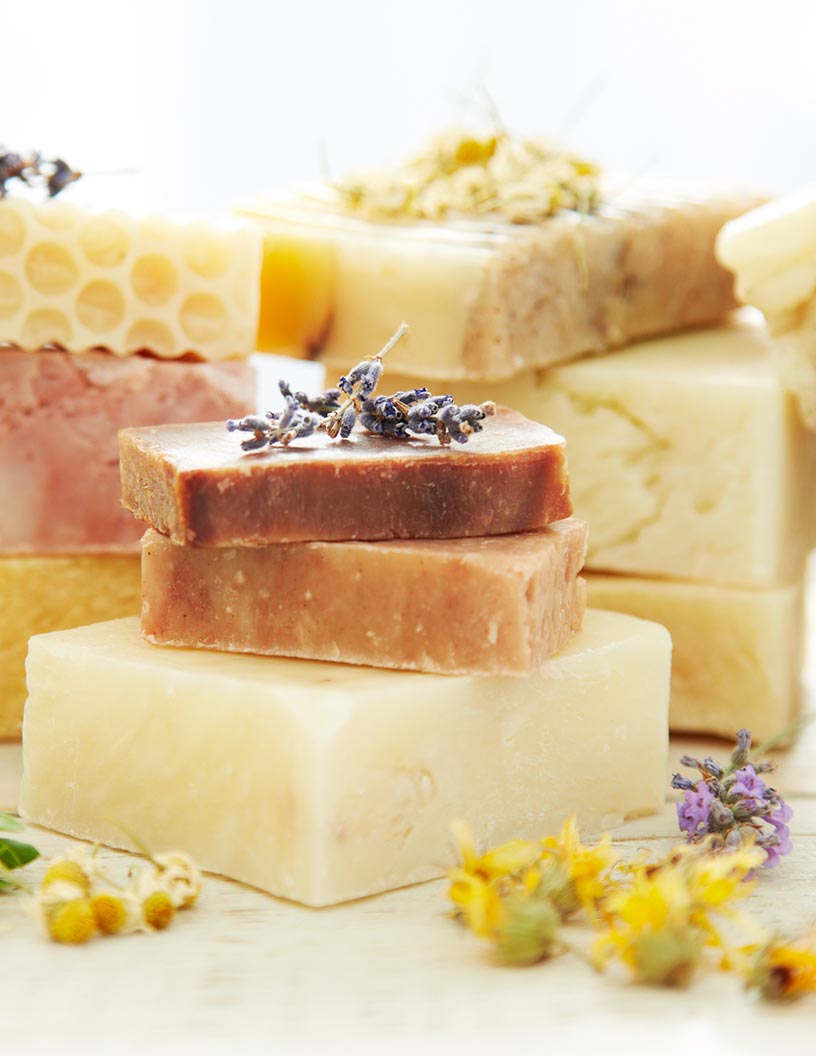


Organic Soap Market Size 2024-2028
The organic soap market size is forecast to increase by USD 177.2 mn at a CAGR of 8.05% between 2023 and 2028.
What will be the Size of the Organic Soap Market During the Forecast Period?

How is this Organic Soap Industry segmented and which is the largest segment?
The organic soap industry research report provides comprehensive data (region-wise segment analysis), with forecasts and estimates in "USD million" for the period 2024-2028, as well as historical data from 2018-2022 for the following segments.
- Distribution Channel
- Online
- Supermarkets and hypermarkets
- General stores
- Product
- Organic bar soap
- Organic liquid soap
- Geography
- North America
- Canada
- US
- Europe
- Germany
- France
- APAC
- Japan
- South America
- Middle East and Africa
- North America
By Distribution Channel Insights
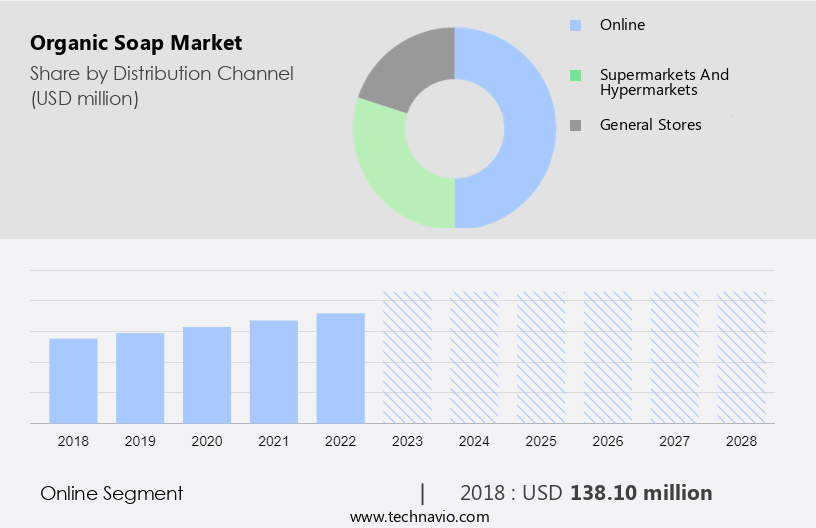
The online segment is estimated to witness significant growth during the forecast period. The market encompasses a range of natural and ecofriendly soap products, including those made with plant extracts, natural oils, and bio-based ingredients. Consumer concerns over the potential adverse effects of chemicals, skin irritation, allergies, and hormone imbalance have driven the demand for organic soaps. Sustainability is a key factor, with an increasing preference for sustainable and biodegradable options. Brands such as Moam Organics, Pangea Organics, and Aromatic Body offer a variety of organic soaps, including glycerol-based and plant-based sources. Online distribution channels, including eBay and Amazon, provide consumers with easy access to a wide range of organic soap brands and products.
Consumers seek longer-lasting protection and clinical properties In their soap choices, leading to the popularity of specialty stores, pharmacies, and drugstores as retailers. Emerging markets and established markets alike prioritize nontoxic, clean, pure, and healthy soap options. Key ingredients include geranium, bergamot, frankincense, aloe vera, shea butter, and cocoa butter.
Get a glance at the market report of various segments Request Free Sample
The Online segment was valued at USD 138.10 mn in 2018 and showed a gradual increase during the forecast period.
Regional Analysis
APAC is estimated to contribute 39% to the growth of the global market during the forecast period. Technavio’s analysts have elaborately explained the regional trends and drivers that shape the market during the forecast period.
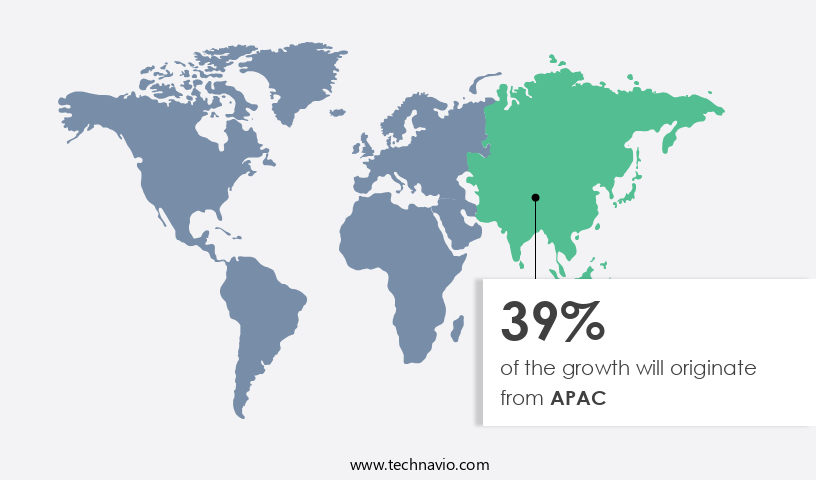
For more insights on the market size of various regions, Request Free Sample
The North American market holds significant significance In the global organic soap industry, driven by consumers' high purchasing power and increasing focus on personal hygiene and skincare. The US, Canada, and Mexico are key markets in this region. Consumer awareness regarding the potential health risks of synthetic or inorganic soaps, containing chemicals, is a significant growth factor. Other influential factors include rising urbanization, the benefits of organic soaps, increasing consumer adoption, and international brand penetration. Natural ingredients, such as plant extracts, essential oils, and glycerol from plant-based sources, are increasingly preferred over synthetic alternatives. Brands like Moam Organics, Pangea Organics, and Aromatic Body offer a range of organic soaps, including geranium, bergamot, and frankincense, catering to various skin conditions, such as eczema, acne, sunburn, and hormonal imbalances.
Consumers are increasingly concerned about skin irritation, allergies, toxicity, and health problems caused by chemicals, such as parabens and aluminum. Sustainability is a key consideration, with a preference for soaps produced using sustainable methods. Organic soaps are available in various formats, including bar soap and liquid soap, and can be found in specialty stores, pharmacies, and drugstores, as well as emerging and established markets.
Market Dynamics
Our researchers analyzed the data with 2023 as the base year, along with the key drivers, trends, and challenges. A holistic analysis of drivers will help companies refine their marketing strategies to gain a competitive advantage.
What are the key market drivers leading to the rise In the adoption of Organic Soap Industry?
- Benefits of organic skincare products is the key driver of the market.The market withIn the Beauty and Personal Care Industry (BPC) is experiencing significant growth due to increasing consumer preference for natural and ecofriendly products. Organic soaps, made primarily from natural and organic ingredients, offer fewer adverse effects such as skin irritation, allergies, and hormone imbalance compared to their synthetic counterparts. These soaps contain plant extracts, natural oils, and essential oils, including geranium, bergamot, and frankincense, derived from nature-inspired sources. Competitors In the market are responding to this trend by introducing organic soaps, such as those from Moam Organics and Pangea Organics, to cater to consumer concerns regarding sustainability, efficacy, and longer-lasting protection.
Consumers are seeking clinical properties and avoiding chemicals like parabens, aluminum, and toxicity. Organic soaps come in various forms, including bar soap and liquid soap, and are available at specialty stores, pharmacies, and drugstores. The market includes both emerging and established players, offering a range of products like nontoxic, clean, pure, and healthy soaps. Ingredients like glycerol, aloe vera, shea butter, and cocoa butter are popular choices for their plant-based sources and skin benefits. Consumer awareness of skin conditions like eczema, acne, sunburn, and other health problems has led to the increased popularity of organic soaps. These soaps cater to diverse consumer needs and preferences, making them a valuable addition to personal hygiene routines.
What are the market trends shaping the Organic Soap market?
- Improvements in labeling and packaging of organic soaps is the upcoming market trend.The market is driven by increasing consumer concerns regarding the use of chemicals in personal hygiene products and the desire for sustainable and eco-friendly alternatives. Natural soaps, such as those made with plant extracts and natural oils, are gaining popularity due to their perceived health benefits and reduced risk of adverse effects, including skin irritation, allergies, and hormone imbalance. Bio Soaps and Sustainable Soaps are also trending, as consumers seek products with clinical properties and longer-lasting protection. Market competitors are responding to these consumer preferences by improving packaging and labeling to enhance transparency. Organic soaps, which may include glycerol, plant-based sources, and essential oils derived from geranium, bergamot, frankincense, and other natural ingredients, are increasingly available at specialty stores, pharmacies and drugstores, and emerging markets.
Regulations, such as those set by the European Commission's COSMOS Range, are driving the organic concept forward by establishing standards for organic and natural cosmetics. Consumers are also seeking out nontoxic, clean, pure, and healthy soap options, such as those labeled as Vegan, which exclude animal-derived ingredients. Aloe vera, Shea butter, and Cocoa butter are popular natural ingredients used in organic soaps to soothe and nourish the skin. In summary, the market is growing due to consumer awareness and demand for natural and sustainable alternatives to traditional soaps. Market companies are responding by improving labeling transparency and offering a range of organic soap options, including those made with plant extracts, natural oils, and essential oils.
Regulations are also playing a role in driving the market forward by establishing standards for organic and natural cosmetics.
What challenges does the Organic Soap Industry face during its growth?
- Shorter shelf life of organic soaps than synthetic soaps is a key challenge affecting the industry growth.Organic soaps, also known as natural, eco-friendly, or green soaps, are gaining popularity due to consumer concerns over chemicals and their potential adverse effects on skin and health. These soaps are made using plant extracts and natural oils, such as geranium, bergamot, and frankincense, and are often labeled as bio, sustainable, or nontoxic. The use of natural ingredients in organic soaps addresses consumer concerns over skin irritation, allergies, dull skin, toxicity, and hormone imbalance. However, the shorter shelf life of organic soaps, which is typically 12-18 months, is a significant challenge for manufacturers. In comparison, traditional soaps, which contain synthetic preservatives, can last over three years.
Despite this hurdle, the market continues to grow, driven by consumer awareness and the desire for personal hygiene products made from nature-inspired ingredients. The market includes a range of offerings, from liquid soaps and bar soaps to specialty stores, pharmacies, and drugstores. Brands like Moam Organics, Pangea Organics, and those offering vegan soaps with ingredients such as aloe vera, Shea butter, and Cocoa butter are popular choices. Glycerol, derived from plant-based sources, is a common ingredient in organic soaps. The market includes both emerging and established players, with a focus on efficacy, longer-lasting protection, and clinical properties.
Exclusive Customer Landscape
The organic soap market forecasting report includes the adoption lifecycle of the market, covering from the innovator’s stage to the laggard’s stage. It focuses on adoption rates in different regions based on penetration. Furthermore, the organic soap market report also includes key purchase criteria and drivers of price sensitivity to help companies evaluate and develop their market growth analysis strategies.
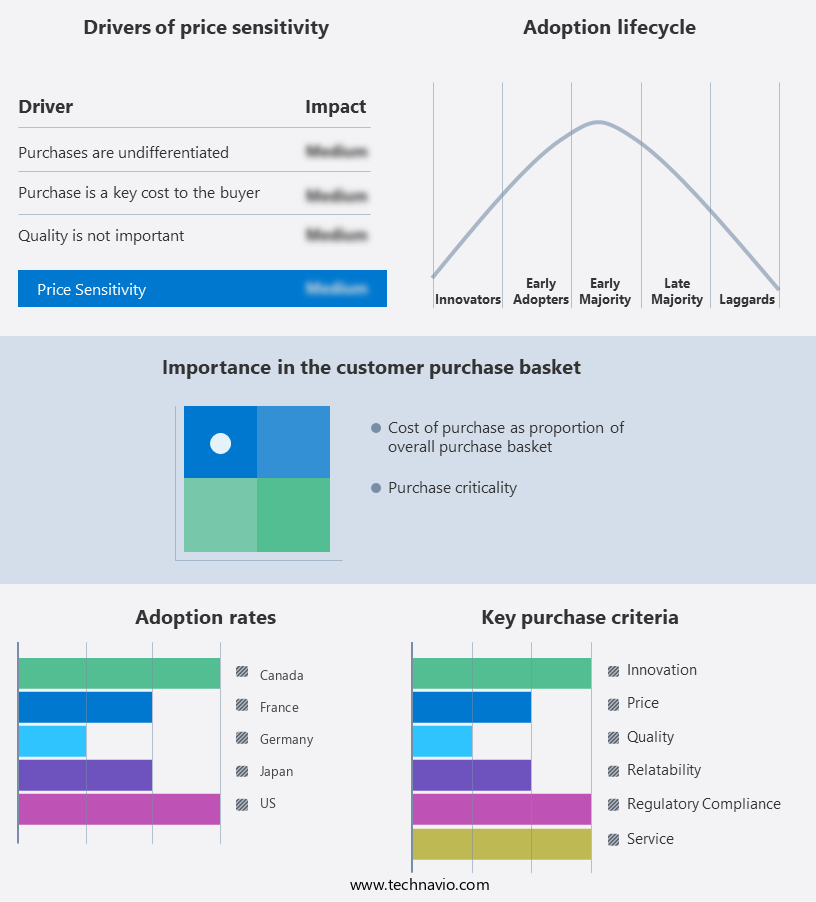
Customer Landscape
Key Companies & Market Insights
Companies are implementing various strategies, such as strategic alliances, organic soap market forecast, partnerships, mergers and acquisitions, geographical expansion, and product/service launches, to enhance their presence In the industry.
Anuspa Heritage Pvt Ltd. - The market experiences continuous growth, driven by increasing consumer awareness and preference for natural personal care products. This trend is fueled by the desire for clean label, eco-friendly, and ethically sourced ingredients. According to market research, The market is projected to expand at a steady CAGR through 2025. Key factors contributing to this growth include the rise in health consciousness, growing demand for cruelty-free and vegan products, and the availability of a wide range of organic soap varieties catering to diverse consumer needs. This market segment offers a multitude of benefits, including gentle cleansing, nourishing skin care, and reduced environmental impact. As a result, organic soap is becoming a preferred choice for consumers seeking effective and sustainable personal care solutions.
The industry research and growth report includes detailed analyses of the competitive landscape of the market and information about key companies, including:
- Anuspa Heritage Pvt Ltd.
- Beach Organics Skin Care
- Botanie Natural Soap Inc
- Dr. Bronners Magic Soaps
- EO Products
- Erbaviva LLC
- Khadi Natural
- Loccitane International SA
- Mountain Valley Springs India Pvt. Ltd.
- Natura and Co Holding SA
- Neals Yard Ltd.
- Osmia Organics
- Pangea Organics Inc.
- Trulys Natural Products
- Unilever PLC
Qualitative and quantitative analysis of companies has been conducted to help clients understand the wider business environment as well as the strengths and weaknesses of key industry players. Data is qualitatively analyzed to categorize companies as pure play, category-focused, industry-focused, and diversified; it is quantitatively analyzed to categorize companies as dominant, leading, strong, tentative, and weak.
Research Analyst Overview
The market encompasses a range of natural and eco-friendly soap products, incorporating plant extracts and natural oils. These soaps, also referred to as bio soaps or sustainable soaps, have gained significant traction among consumers due to growing concerns over the potential adverse effects of chemicals and synthetic ingredients. The demand for organic soaps is driven by a number of factors. Consumers are increasingly aware of the importance of sustainability and the potential health risks associated with certain ingredients. As a result, there is a growing preference for natural and organic options, free from harsh chemicals, parabens, aluminum, and other potentially harmful substances.
Consumer concerns over skin irritation, allergies, and hormone imbalance have also contributed to the popularity of organic soaps. These soaps are often formulated with gentle, nature-inspired ingredients, such as geranium, bergamot, and frankincense, which offer longer-lasting protection and clinical properties. The market caters to a diverse range of consumer needs, with offerings including aromatic body washes, liquid soaps, and traditional bar soaps. Specialty stores, pharmacies, and drugstores are key distribution channels for these products, while emerging markets offer significant growth opportunities. Domestic players and international brands alike are responding to this trend by expanding their organic soap offerings.
Moam Organics, for instance, offers a range of organic soaps infused with glycerol and plant-based sources, while Pangea Organics focuses on vegan soaps made with aloe vera, shea butter, and cocoa butter. The market is expected to continue its growth trajectory, as consumers increasingly prioritize personal hygiene products that align with their values of health and sustainability. As such, the market is poised for continued expansion, with a focus on innovation, efficacy, and transparency.
[inlinks:2]
|
Market Scope |
|
|
Report Coverage |
Details |
|
Page number |
166 |
|
Base year |
2023 |
|
Historic period |
2018-2022 |
|
Forecast period |
2024-2028 |
|
Growth momentum & CAGR |
Accelerate at a CAGR of 8.05% |
|
Market growth 2024-2028 |
USD 177.2 million |
|
Market structure |
Fragmented |
|
YoY growth 2023-2024(%) |
7.29 |
|
Key countries |
US, Germany, France, Japan, and Canada |
|
Competitive landscape |
Leading Companies, Market Positioning of Companies, Competitive Strategies, and Industry Risks |
What are the Key Data Covered in this Organic Soap Market Research and Growth Report?
- CAGR of the Organic Soap industry during the forecast period
- Detailed information on factors that will drive the growth and forecasting between 2024 and 2028
- Precise estimation of the size of the market and its contribution of the industry in focus to the parent market
- Accurate predictions about upcoming growth and trends and changes in consumer behaviour
- Growth of the market across North America, Europe, APAC, South America, and Middle East and Africa
- Thorough analysis of the market’s competitive landscape and detailed information about companies
- Comprehensive analysis of factors that will challenge the organic soap market growth of industry companies
We can help! Our analysts can customize this organic soap market research report to meet your requirements.
 RIA -
RIA - 
