



Precision Pathology For Cancer Market Size 2025-2029
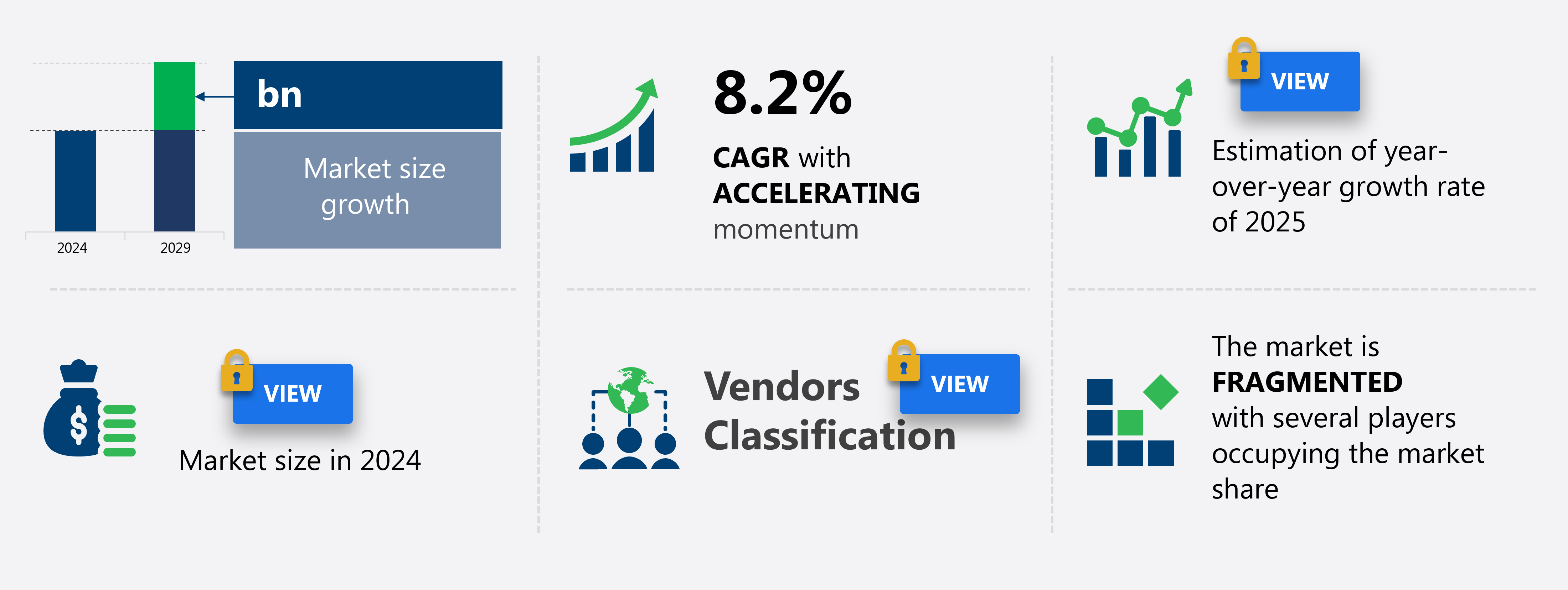
The global precision pathology for cancer market is projected to see substantial growth, with an estimated market size and a CAGR of 8.2% during the forecast period. Access detailed market insights upon report purchase.
The precision pathology for cancer market is being drives by the rising incidence of cancer and the subsequent demand for enhanced personalized therapies. Digital pathology, boosted by AI and machine learning, enhances diagnostic accuracy, accelerates diagnosis rates, and facilitates therapeutic recommendations, thereby significantly contributing to market expansion. Technological advancements, such as AI tools that improve diagnostic precision and treatment planning in cancer care, are also expected to fuel market growth. The increasing investments in research and development activities will further contribute to market expansion.
To access the full market forecast and comprehensive analysis, Buy Now
How is this market segmented?
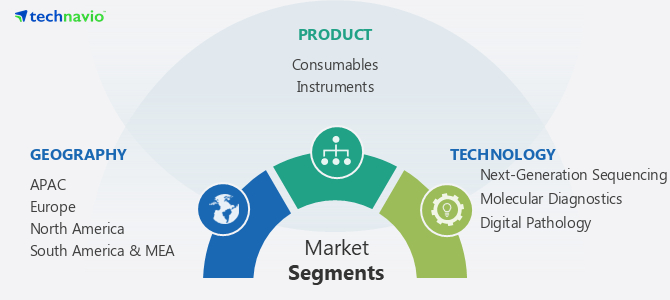
The market research report provides comprehensive data (region-wise segment analysis), with forecasts and estimates in USD bn for the period 2025-2029, as well as historical data from 2019-2024 for the following segments:
- Product
- Consumables
- Instruments
- Technology
- Next-Generation Sequencing (NGS)
- Molecular Diagnostics
- Digital Pathology
- Artificial Intelligence (AI) and Machine Learning (ML)
- Liquid Biopsies
- Imaging Technologies
- Applications
- Breast Cancer
- Lung Cancer
- Colorectal Cancers
- Prostate Cancer
- Melanoma And Non-Melanoma Skin Cancers
- End-use
- Hospitals
- Diagnostic Laboratories
- Research Institutes
- APAC
- China
- India
- Japan
- Australia
- Rest of APAC
- Germany
- Spain
- Italy
- UK
- Rest of Europe
- US
- Canada
- Brazil
- UAE
- South Africa
- Others
- End-use
- Hospitals: Hospitals are key end-users, utilizing precision pathology for in-house diagnostics and treatment planning.
- Research Institutes: Research institutes use precision pathology for cancer research and development of new diagnostic and therapeutic strategies.
- Diagnostic Laboratories: Diagnostic laboratories provide precision pathology services to hospitals and other healthcare providers.
- Product
- Consumables: This segment includes antibodies, kits & reagents, and probes used in precision pathology, driven by the increasing volume of diagnostic tests.
- Instruments: This segment encompasses slide staining systems, tissue processing systems, and PCR instruments, crucial for accurate pathological analysis.
- Technology
- Liquid Biopsies: Liquid biopsies offer non-invasive methods for detecting cancer biomarkers, aiding in early diagnosis and treatment monitoring.
- Digital Pathology: Digital pathology solutions improve diagnostic accuracy and support therapeutic recommendations, enhancing overall efficiency.
- Imaging Technologies: Imaging technologies like CT, MRI, and ultrasound provide detailed anatomical and functional information for cancer diagnosis and treatment.
- Molecular Diagnostics: Molecular diagnostics are used to detect specific biomarkers and genetic mutations in cancer cells, facilitating targeted therapies.
- Next-Generation Sequencing (NGS): NGS technology is vital for genetic profiling of tumors, enabling personalized treatment strategies.
- Artificial Intelligence (AI) and Machine Learning (ML): AI and ML algorithms aid in analyzing complex pathological data, improving diagnostic precision and treatment planning.
- Applications
- Lung Cancer: Genetic profiling helps in selecting appropriate treatments for different types of lung cancer.
- Breast Cancer: Precision pathology is critical in identifying specific subtypes of breast cancer, guiding targeted therapies.
- Prostate Cancer: Precision diagnostics help in determining the aggressiveness of prostate cancer and guiding treatment decisions.
- Colorectal Cancers: Precision pathology aids in identifying genetic mutations that influence treatment response in colorectal cancer.
- Melanoma And Non-Melanoma Skin Cancers: Molecular analysis assists in identifying specific mutations in skin cancers, enabling personalized therapies.
Regional Analysis
- APAC: The Asia-Pacific (APAC) region is expected to experience rapid growth in the precision pathology for cancer market, driven by increasing healthcare expenditure, a rising prevalence of cancer, and growing awareness of precision medicine. China and India are key markets in APAC, with significant investments in healthcare infrastructure and a large patient pool, making them major hubs for precision pathology services.
- Europe: Europe holds a substantial share of the precision pathology for cancer market, characterized by advanced healthcare systems, a strong focus on research and development, and a high adoption rate of advanced diagnostic technologies. Germany and the UK are leading countries in Europe, with significant investments in precision medicine and cancer research. The region's well-established healthcare infrastructure and favorable regulatory environment further contribute to market growth.
- North America: North America is a dominant market for precision pathology for cancer, with the US and Canada at the forefront. The region has a strong healthcare infrastructure, a high adoption of advanced diagnostic technologies, and a significant increase in the incidence of cancer. The shift towards personalized medicine, facilitated by AI and machine learning, enhances diagnostic accuracy and supports tailored treatment strategies, further driving market growth in this region.
- South America & MEA: The South America and Middle East & Africa (MEA) regions offer emerging opportunities for the precision pathology for cancer market. Brazil is experiencing growth in its healthcare infrastructure, driven by increasing healthcare expenditure and government initiatives to improve cancer care. The UAE is also emerging as a key market, with significant investments in healthcare facilities and a growing focus on precision medicine. These regions present untapped potential for market players looking to expand their global presence.
Market Dynamics
Our precision pathology for cancer market researchers analyzed the data with 2024 as the base year, along with the key drivers, trends, and challenges. A holistic analysis of drivers will help companies refine their marketing strategies to gain a competitive advantage.
What are the key market drivers leading to the rise in adoption of precision pathology for cancer market?
Increasing cancer prevalence and advancements in digital pathology are key drivers of the market. The rising incidence of cancer globally is a major driver for the precision pathology market. As cancer cases increase, there is a growing demand for more accurate and personalized diagnostic and treatment strategies. Precision pathology offers the means to tailor cancer therapies based on the unique genetic profile of each patient's tumor, improving treatment outcomes and patient survival rates. The increasing awareness and adoption of precision medicine approaches are further fueling the demand for these services. Digital pathology, facilitated by AI and machine learning, improves diagnostic accuracy, accelerates diagnosis rates, and supports therapeutic recommendations, thereby driving market growth. Digital pathology solutions enable pathologists to analyze medical images with greater precision and efficiency, leading to better diagnostic and treatment planning. The integration of AI and machine learning enhances the ability to detect subtle patterns and anomalies in medical images, improving the overall quality of cancer care.
What are the market trends shaping the precision pathology for cancer market?
Rising trend toward personalized medicine and integration of AI in diagnostics. There is a growing trend toward personalized medicine in cancer care, driven by the recognition that cancer treatment should be tailored to the individual characteristics of each patient. Precision pathology plays a central role in personalized medicine by providing the genetic and molecular information needed to guide treatment decisions. As personalized medicine becomes more prevalent, the demand for precision pathology services is expected to increase significantly. This shift is further supported by the development of new targeted therapies and diagnostic tools that rely on precision pathology data. The integration of artificial intelligence (AI) in diagnostics is transforming the field of precision pathology. AI algorithms can analyze complex pathological data with greater speed and accuracy than humans, improving diagnostic precision and treatment planning. AI-powered tools can detect previously unseen tumor cells, identify critical anti-tumor immune formations, and predict a patient's likelihood of responding favorably to immunotherapy. The increasing adoption of AI in diagnostics is set to revolutionize cancer care and contribute to the growth of the precision pathology market.
What challenges does the precision pathology for cancer market face?
High costs associated with precision pathology services and limited access to advanced technologies are key challenges. The high costs associated with precision pathology services can be a significant barrier to adoption, particularly in resource-constrained settings. The advanced technologies and specialized expertise required for precision diagnostics often result in higher costs compared to traditional pathology methods. These high costs can limit accessibility to precision pathology services, especially in developing countries and smaller healthcare facilities. Addressing the cost challenges is crucial to ensuring that precision medicine benefits are available to a wider population.
Key Companies & Market Insights
Leading companies are implementing strategies such as product innovations, acquisitions, and geographic expansions to enhance their market position. Key players in the precision pathology for cancer market include:
- Thermo Fisher Scientific
- Invitae Corporation
- Illumina
- Myriad Genetics
- Proscia Inc.
- AstraZeneca
These companies are strategically focused on product development, market expansion, and partnerships to maintain their competitive edge in the growing precision pathology for cancer market.
|
Market Scope |
|
|
Report Coverage |
Details |
| Base year | 2024 |
| Page number | 211 |
| Key countries | US, UK, China, Germany, India, Japan |
| Forecast period | 2025-2029 |
| Historic period | 2019-2023 |
| Report coverage | Market size, forecasts, segmentation |
| Regional Analysis | APAC
|
| Growth momentum and CAGR | 8.2% |
| Performing market contribution | Europe, APAC, North America |
 RIA -
RIA - 
