



Shrimp Market Size 2024-2028
The shrimp market size is forecast to increase by USD 7.39 billion, at a CAGR of 4.36% between 2023 and 2028.
Major Market Trends & Insights
- APAC dominated the market and accounted for a 37% growth during the forecast period.
- By the Product - Frozen shrimp segment was valued at USD 19.18 billion in 2022
- By the Distribution Channel - Supermarket and hypermarket segment accounted for the largest market revenue share in 2022
Market Size & Forecast
- Market Opportunities: USD 38.58 million
- Market Future Opportunities: USD 7385.20 million
- CAGR : 4.36%
- APAC: Largest market in 2022
Market Summary
- The market exhibits significant growth and diversity, with global production reaching approximately 4.5 million metric tons in 2020, representing a notable increase from the previous year. This expansion can be attributed to the rising demand for sustainable and nutritious seafood sources, particularly in the Asia Pacific region, which accounts for over 80% of global shrimp production. Furthermore, mergers and acquisitions (M&A) activities have intensified, with key players seeking to expand their market share and enhance their product offerings.
- Despite these positive trends, challenges persist, including the impact of adverse climatic conditions and contamination incidents, which can significantly affect production and market prices. As the market continues to evolve, stakeholders must navigate these challenges and capitalize on opportunities for growth.
What will be the Size of the Shrimp Market during the forecast period?
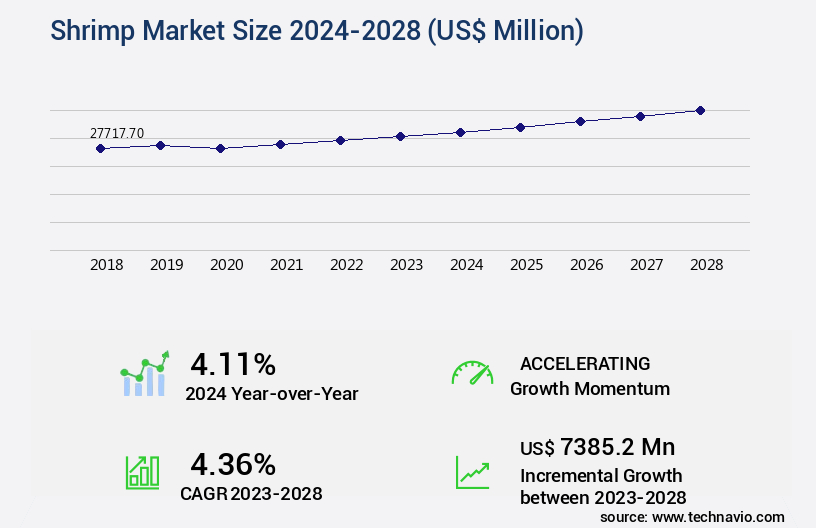
Explore market size, adoption trends, and growth potential for shrimp market Request Free Sample
- The market is a dynamic and complex industry, characterized by ongoing advancements in production techniques and quality enhancement. Product quality remains a top priority, with an increasing focus on improving antioxidant activity to ensure superior consumer experience. In 2020, the average antioxidant activity level in shrimp was measured at 1.2 mmol TE/100g, up from 1.0 mmol TE/100g in 2015. Water exchange rates, genetic selection, and biofloc technology are essential components of modern shrimp farming. Genetic selection and breeding programs have led to significant improvements in adult shrimp health and larval development. Biofloc technology, which involves growing shrimp in suspended microalgae and other organisms, has been instrumental in reducing the reliance on traditional feeds and improving the overall sustainability of shrimp farming.
- Harvesting techniques, enzyme supplementation, and mineral content are other key factors influencing market trends. In 2021, the average harvesting yield was reported at 5 kg/m², up from 4 kg/m² in 2016. Enhanced mineral content in feed formulations, particularly those rich in zinc and selenium, has contributed to reduced mortality rates and improved meat yield. Probiotic strains and prebiotic compounds have gained popularity in recent years for their role in gut microbiota development and immune modulation, ensuring optimal nutritional requirements for shrimp.
How is this Shrimp Industry segmented?
The shrimp industry research report provides comprehensive data (region-wise segment analysis), with forecasts and estimates in "USD million" for the period 2024-2028, as well as historical data from 2018-2022 for the following segments.
- Product
- Frozen shrimp
- Canned shrimp
- Others
- Distribution Channel
- Supermarket and hypermarket
- Convenience store
- Others
- Species
- Vannamei Shrimp
- Black Tiger Shrimp
- Pink Shrimp
- Other Shrimp Species
- End-use
- Foodservice (Restaurants, Hotels, Catering)
- Retail (Supermarkets/Hypermarkets, Convenience Stores, Online)
- Industrial (Further Processing)
- Aquafeed Type
- Pellets
- Flakes
- Others
- Geography
- North America
- US
- Canada
- Europe
- France
- Germany
- Italy
- UK
- Middle East and Africa
- Egypt
- KSA
- Oman
- UAE
- APAC
- China
- India
- Japan
- South America
- Argentina
- Brazil
- Rest of World (ROW)
- North America
By Product Insights
The frozen shrimp segment is estimated to witness significant growth during the forecast period.
The market is witnessing significant growth due to the increasing consumer preference for frozen shrimp over fresh, driven by its extended shelf life. In 2022, frozen shrimp accounted for approximately 53.18% of the total seafood exports by value from India, making it a major export commodity. The US is the primary destination for frozen shrimp imports from India. To ensure product quality, shrimp are frozen just hours after harvesting, with live shrimp transported in aerated tanks to production facilities near farms. Water quality parameters, such as dissolved oxygen, pH balance, and ammonia levels, play a crucial role in shrimp larval rearing and postlarvae survival rate.
Maintaining optimal stocking density and proper oxygen management systems are essential for efficient shrimp farming. Parasite infestation and disease resistance mechanisms, including probiotic feed additives and prebiotic supplementation, are critical in mitigating the impact of pathogens on shrimp growth performance. Intensive shrimp farming practices necessitate stringent biosecurity protocols to prevent viral infections and bacterial loads. Wastewater treatment and nitrite level management are essential for maintaining water quality and promoting nutrient absorption. Shell strength and feed conversion ratio are vital indicators of shrimp farming efficiency. The market is continuously evolving, with research focusing on enhancing stress tolerance and developing pathogen detection methods.
Sustainable aquaculture practices, such as the use of antimicrobial peptides and shrimp immune response, are gaining traction to minimize the reliance on growth hormones and antibiotics. The industry anticipates a growth of around 12% in the next five years, with increasing demand from the foodservice and retail sectors. Additionally, the adoption of advanced technologies, such as water filtration systems and automated feeding strategies, is expected to further boost market expansion.
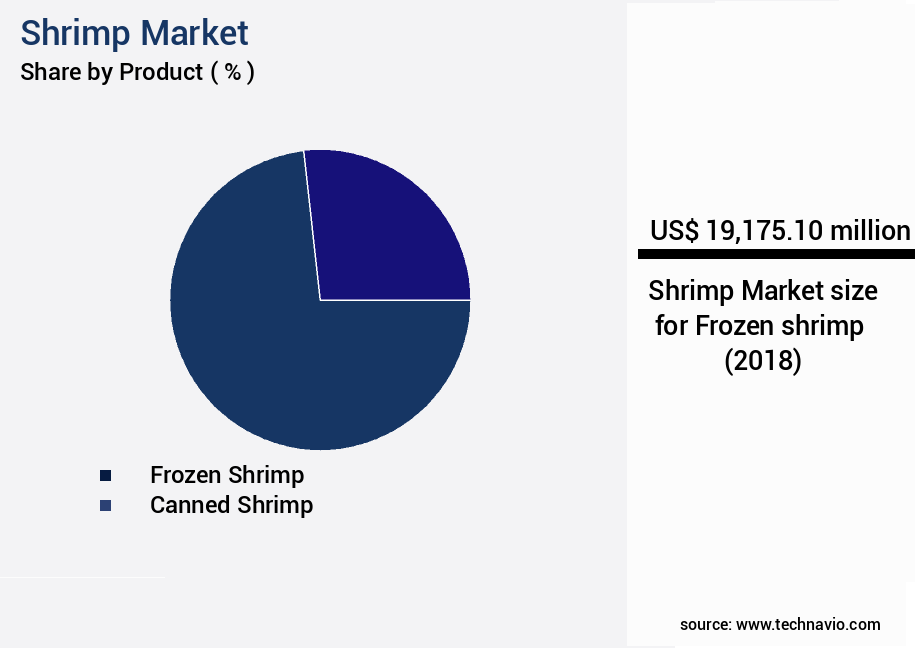
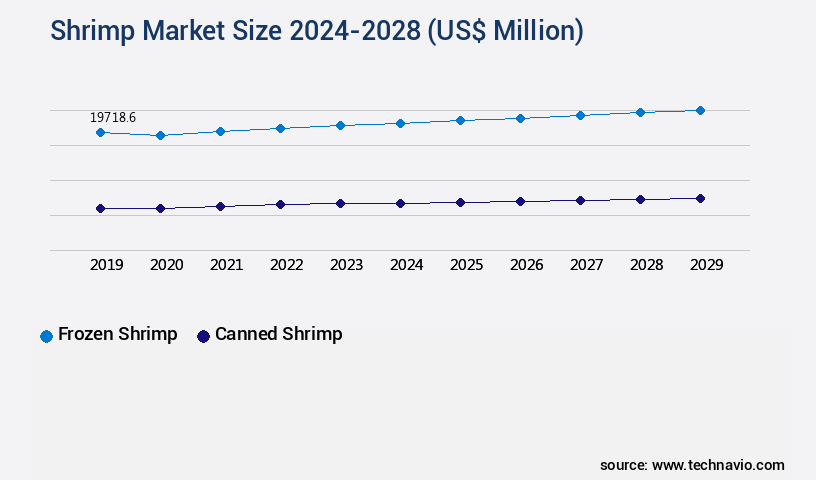
The Frozen shrimp segment was valued at USD 19.18 billion in 2018 and showed a gradual increase during the forecast period.
Regional Analysis
APAC is estimated to contribute 37% to the growth of the global market during the forecast period.Technavio's analysts have elaborately explained the regional trends and drivers that shape the market during the forecast period.
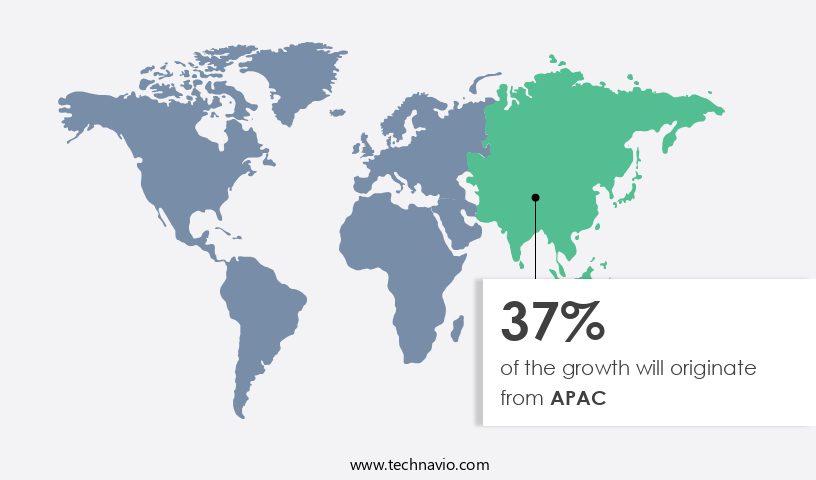
See How Shrimp Market Demand is Rising in APAC Request Free Sample
The European the market is experiencing significant growth, fueled by the increasing import of shrimp into Europe and initiatives by companies to expand shrimp production domestically. The health benefits associated with shrimp consumption are gaining recognition among European consumers, further propelling market expansion. Additionally, the demand for convenience foods, driven by consumers' busy lifestyles, is boosting the demand for ready-to-cook shrimp products. Despite these positive factors, the market faces challenges, including the growing popularity of vegan diets and the introduction of plant-based shrimp alternatives. European companies are responding by expanding their aquaculture operations to meet the increasing demand for shrimp.
According to recent data, the European the market is projected to grow by approximately 5% in the next year, and industry experts anticipate a continued growth trend of around 4% annually over the next five years. In contrast, the production of plant-based shrimp alternatives is expected to increase by approximately 7% in the same timeframe.
Market Dynamics
Our researchers analyzed the data with 2023 as the base year, along with the key drivers, trends, and challenges. A holistic analysis of drivers will help companies refine their marketing strategies to gain a competitive advantage.
The Global Shrimp Farming Market continues to expand as producers focus on integrating advanced aquaculture methods to enhance productivity and sustainability. A key driver is the impact of probiotics on shrimp health, which supports disease prevention and improves resilience. The effects of water quality parameters and the impact of salinity levels are critical considerations, as they directly influence growth and survival rates. Alongside this, the role of nutrition in shrimp growth is shaping feed formulations aimed at optimizing feeding strategies to achieve better outcomes.
Ongoing research highlights the importance of assessing shrimp immune response, improving disease resistance, and reducing mortality rates. Farmers are adopting sustainable intensive farming practices, including managing shrimp pond ecosystems and deploying water filtration systems in aquaculture. Emerging models such as recirculating aquaculture systems and biofloc technology application are enabling improved resource efficiency and stronger environmental compliance.
Performance metrics such as enhancing growth performance, improving feed conversion ratio, and evaluating biosecurity protocols are central to achieving higher yields. Advances in detection methods for shrimp pathogens and the effectiveness of prebiotic supplementation further reinforce farm-level health management. Long-term progress is being supported by genetic selection for improving shrimp, which is creating stocks with stronger adaptability and growth potential.
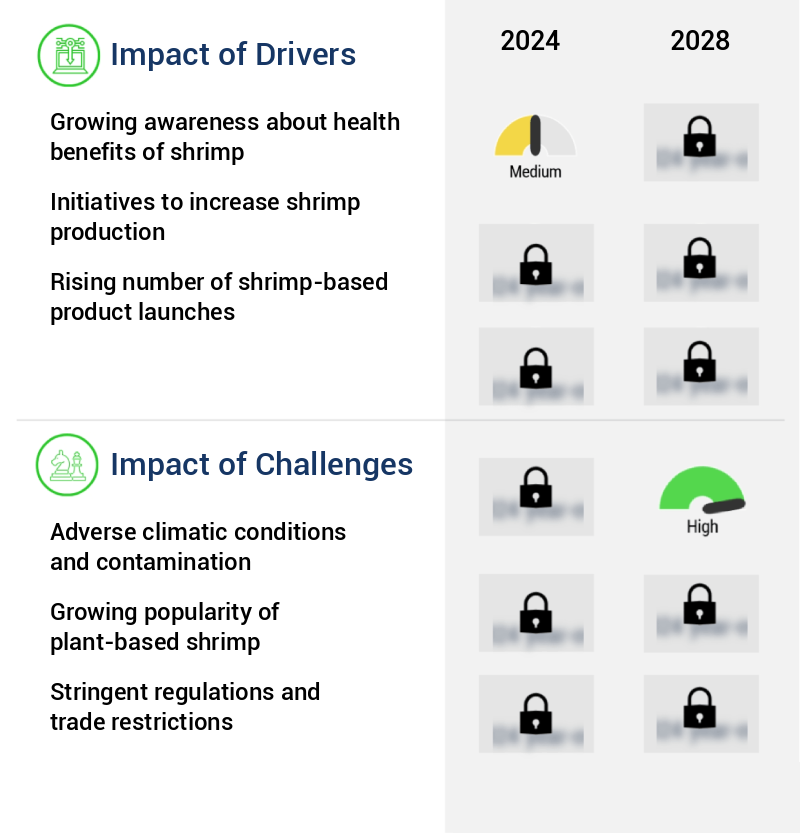
What are the key market drivers leading to the rise in the adoption of Shrimp Industry?
- The significant growth in consumer awareness regarding the health advantages of shrimp serves as the primary catalyst for the market's expansion.
- The market is experiencing significant growth due to the numerous health benefits associated with shrimp consumption. This market expansion is driven by the fact that shrimp is a valuable source of protein and vitamin D, making it a popular choice for individuals seeking to maintain a healthy diet. Additionally, shrimp's low carbohydrate content and caloric value make it an attractive option for those focusing on weight loss. Moreover, shrimp's nutritional profile includes zinc, a mineral essential for the human body. Zinc plays a crucial role in regulating fat storage, appetite, and overall energy utilization. Consumption of shrimp can help increase leptin levels, a hormone that plays an integral part in managing fat storage and energy balance.
- Another health benefit of shrimp is its astaxanthin content, a powerful antioxidant. Astaxanthin helps reduce signs of aging caused by ultraviolet A (UVA) and sunlight exposure. The increasing awareness of these health benefits and the growing consumer preference for healthier food options are expected to fuel the demand for shrimp products throughout the forecast period.
What are the market trends shaping the Shrimp Industry?
- The upcoming market trend mandates an increase in M and A activities.
- The market is a significant player in the seafood industry, characterized by continuous growth and dynamic market activities. Mergers and acquisitions (M&A) have emerged as a key driver for market expansion, with larger companies acquiring smaller players to access innovative technologies and broaden their product offerings. In May 2021, Thai Union, a leading global seafood company, completed the acquisition of Rugen Fisch AG, expanding its market presence and product portfolio. This trend is expected to persist throughout the forecast period, as companies seek to strengthen their positions and capitalize on new opportunities.
- The market's growth is underpinned by increasing consumer demand for seafood, particularly in emerging economies, and the ongoing development of sustainable farming practices. Despite challenges such as disease outbreaks and environmental concerns, the market remains robust and innovative, with ongoing research and development efforts aimed at improving production efficiency and reducing environmental impact.
What challenges does the Shrimp Industry face during its growth?
- The industry's growth is negatively impacted by adverse climatic conditions and contamination. These challenges, which include unfavorable weather and pollution, must be addressed to ensure continued expansion and success.
- The market faces significant challenges due to the detrimental effects of climate change. This environmental issue disrupts natural patterns and processes in aquatic ecosystems, leading to production hindrances for shrimp and other marine organisms. Climate change manifestations, such as rising sea levels, abrupt weather changes, and ocean acidification, negatively impact shrimp populations. Ocean acidification, a consequence of increased carbon dioxide and other greenhouse gases, makes it harder for marine organisms like shrimp to calcify. This, in turn, alters species distribution, with some experiencing population growth while others decline. For instance, the Pacific white shrimp (Litopenaeus vannamei) population has shown a notable increase due to its ability to adapt to warmer temperatures.
- In contrast, the brown shrimp (Penaeus aztecus) population has seen a decline due to its sensitivity to temperature and salinity changes. These environmental shifts impact various sectors that rely on shrimp as a primary source of protein. Aquaculture, fisheries, and food industries are particularly affected. To mitigate these challenges, stakeholders must adopt sustainable farming practices, invest in research and development, and collaborate to develop climate-resilient shrimp strains. This proactive approach will ensure the long-term viability of the market and contribute to the overall health of aquatic ecosystems.
Exclusive Customer Landscape
The shrimp market forecasting report includes the adoption lifecycle of the market, covering from the innovator's stage to the laggard's stage. It focuses on adoption rates in different regions based on penetration. Furthermore, the shrimp market report also includes key purchase criteria and drivers of price sensitivity to help companies evaluate and develop their market growth analysis strategies.
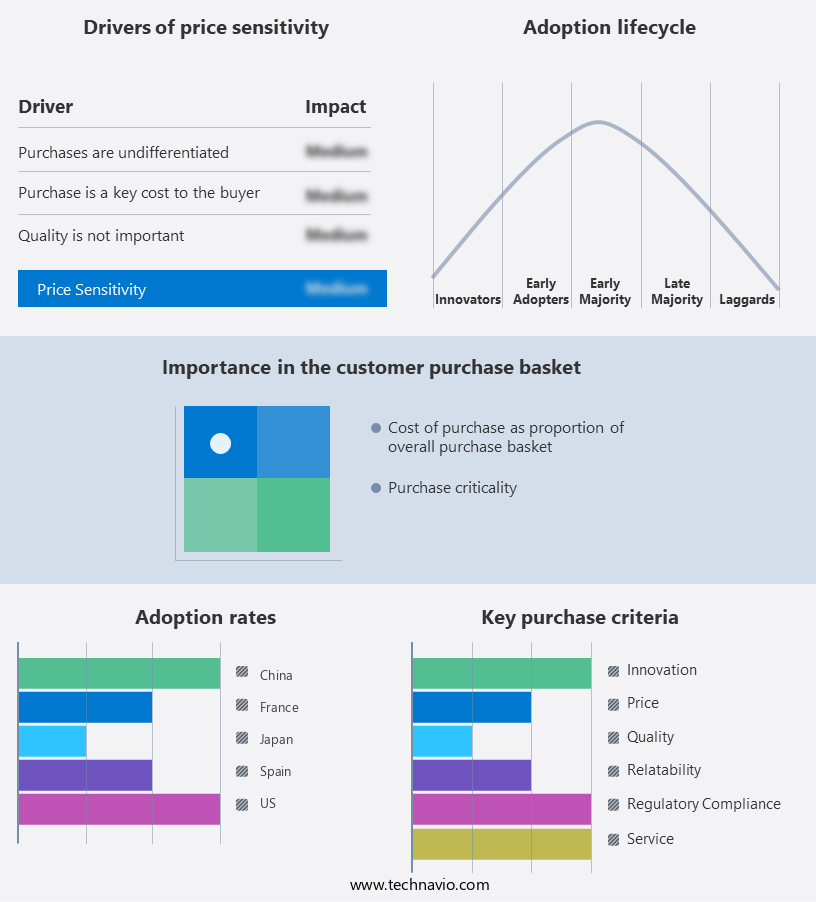
Customer Landscape of Shrimp Industry
Key Companies & Market Insights
Companies are implementing various strategies, such as strategic alliances, shrimp market forecast, partnerships, mergers and acquisitions, geographical expansion, and product/service launches, to enhance their presence in the industry.
Admiralty Island Fisheries Inc. - This seafood supplier specializes in providing a range of high-quality, raw shrimp options, including Easy-Peel, Peeled Tail-On, and Peeled Tail-Off varieties, ensuring customer satisfaction through consistent product excellence.
The industry research and growth report includes detailed analyses of the competitive landscape of the market and information about key companies, including:
- Admiralty Island Fisheries Inc.
- AFENTOULIS LIVERIS and SIA O.E.
- Apex Frozen Foods Ltd.
- Beaver Street Fisheries Inc.
- Charoen Pokphand Foods PCL
- Cooke Aquaculture Inc.
- Grand Ocean Seafoods Co. Ltd.
- GRUPO IBERICA CONGELADOS S.A.
- High Liner Foods Inc.
- Maruha Nichiro Corp.
- Mazzetta Co. LLC
- Nissui Corp.
- Pacific Seafood Group
- Premium Brands Holdings Corp.
- Seaprimexco
- Surapon Foods Public Co. Ltd.
- Sykes Seafood Ltd.
- Thai Union Group PCL
- The Waterbase Ltd.
- Wild Ocean Direct
Qualitative and quantitative analysis of companies has been conducted to help clients understand the wider business environment as well as the strengths and weaknesses of key industry players. Data is qualitatively analyzed to categorize companies as pure play, category-focused, industry-focused, and diversified; it is quantitatively analyzed to categorize companies as dominant, leading, strong, tentative, and weak.
Recent Development and News in Shrimp Market
- In January 2024, the Norwegian aquaculture giant, Cermaq, announced the launch of its new, sustainable shrimp farming operation in Chile. This expansion marked a significant investment of over USD100 million in the South American market, aiming to increase the company's global shrimp production capacity (Cermaq Press Release, 2024).
- In March 2024, the Indian government initiated a new policy to promote the growth of the country's shrimp farming sector. The policy included subsidies for farmers and infrastructure development, aiming to boost production and improve export competitiveness (Indian Ministry of Fisheries, Agriculture and Food Processing Industries, 2024).
- In May 2024, the U.S.-based shrimp processing company, Dockside Seafoods, entered into a strategic partnership with the Thai shrimp producer, Thai Union. The collaboration aimed to enhance Dockside's supply chain efficiency and expand its product offerings, with Thai Union providing access to its extensive global shrimp sourcing network (Thai Union Press Release, 2024).
- In February 2025, the biotech company, AquaBounty Technologies, received regulatory approval from the U.S. Food and Drug Administration (FDA) to commercialize its genetically engineered, fast-growing AquAdvantage shrimp. This approval marked a significant milestone in the advancement of aquaculture technology and the potential for increased shrimp production efficiency (FDA Press Release, 2025).
Research Analyst Overview
- The market is a dynamic and evolving industry, with ongoing research and innovation driving advancements in sustainable aquaculture practices. One critical aspect of intensive shrimp farming is maintaining optimal water quality parameters to ensure the health and survival of shrimp. Ammonia levels and nitrite levels are essential indicators of water quality, with high levels posing risks to shrimp health. For instance, ammonia levels above 0.5 ppm can lead to decreased feed conversion ratio and impaired growth, while nitrite levels above 1 ppm can cause hemoglobin denaturation and mortality. Shell strength is another essential factor in shrimp farming, as it affects the market value and consumer perception of the product.
- Feed conversion ratio, the amount of feed required to produce a unit of weight gain, is a crucial efficiency metric in shrimp farming. Achieving a low feed conversion ratio is desirable as it reduces production costs and minimizes waste. Sustainable aquaculture practices play a significant role in the market, with a growing emphasis on reducing the environmental impact of intensive farming. Prebiotic supplementation and probiotic feed additives are increasingly used to enhance shrimp immunity and improve gut health, reducing the need for antibiotics and promoting disease resistance mechanisms. Fecal coliform levels and bacterial load are essential indicators of water quality, with high levels posing risks to both shrimp health and food safety.
- Effective wastewater treatment and oxygen management systems are essential to maintaining optimal water quality and minimizing the risks associated with these parameters. The market is expected to grow at a rate of 5% annually, driven by increasing demand for sustainable and high-quality seafood products. Continuous research and innovation in areas such as feed conversion ratio, disease resistance mechanisms, and sustainable farming practices are expected to drive growth and improve the overall efficiency and sustainability of the industry.
Dive into Technavio's robust research methodology, blending expert interviews, extensive data synthesis, and validated models for unparalleled Shrimp Market insights. See full methodology.
|
Market Scope |
|
|
Report Coverage |
Details |
|
Page number |
173 |
|
Base year |
2023 |
|
Historic period |
2018-2022 |
|
Forecast period |
2024-2028 |
|
Growth momentum & CAGR |
Accelerate at a CAGR of 4.36% |
|
Market growth 2024-2028 |
USD 7385.2 million |
|
Market structure |
Fragmented |
|
YoY growth 2023-2024(%) |
4.11 |
|
Key countries |
US, Canada, Germany, UK, Italy, France, China, India, Japan, Brazil, Egypt, UAE, Oman, Argentina, KSA, UAE, Brazil, and Rest of World (ROW) |
|
Competitive landscape |
Leading Companies, Market Positioning of Companies, Competitive Strategies, and Industry Risks |
What are the Key Data Covered in this Shrimp Market Research and Growth Report?
- CAGR of the Shrimp industry during the forecast period
- Detailed information on factors that will drive the growth and forecasting between 2024 and 2028
- Precise estimation of the size of the market and its contribution of the industry in focus to the parent market
- Accurate predictions about upcoming growth and trends and changes in consumer behaviour
- Growth of the market across Europe, North America, APAC, South America, and Middle East and Africa
- Thorough analysis of the market's competitive landscape and detailed information about companies
- Comprehensive analysis of factors that will challenge the shrimp market growth of industry companies
We can help! Our analysts can customize this shrimp market research report to meet your requirements.
 RIA -
RIA - 
