



Textile Felt Market Size 2025-2029
The global textile felt market is projected to expand, with estimates indicating a market size increase of USD 1.15 million and a CAGR of approximately 14.8% during the forecast period. Detailed insights and precise market assessments are available in the full report.
The textile felt market is primarily drives by the rising consumer preference for biodegradable and eco-friendly materials. As environmental awareness increases, textile felt, particularly those made from natural fibers, are gaining traction. Furthermore, innovations in textile manufacturing are broadening the application scope of textile felt across various industries, including automotive, electronics, and construction. These industries utilize textile felt for its thermal resistance, insulation properties, and sound absorption capabilities. This increasing demand for versatile and sustainable materials is expected to drive market growth.
To access the full market forecast and comprehensive analysis, Buy Now
How is this market segmented?
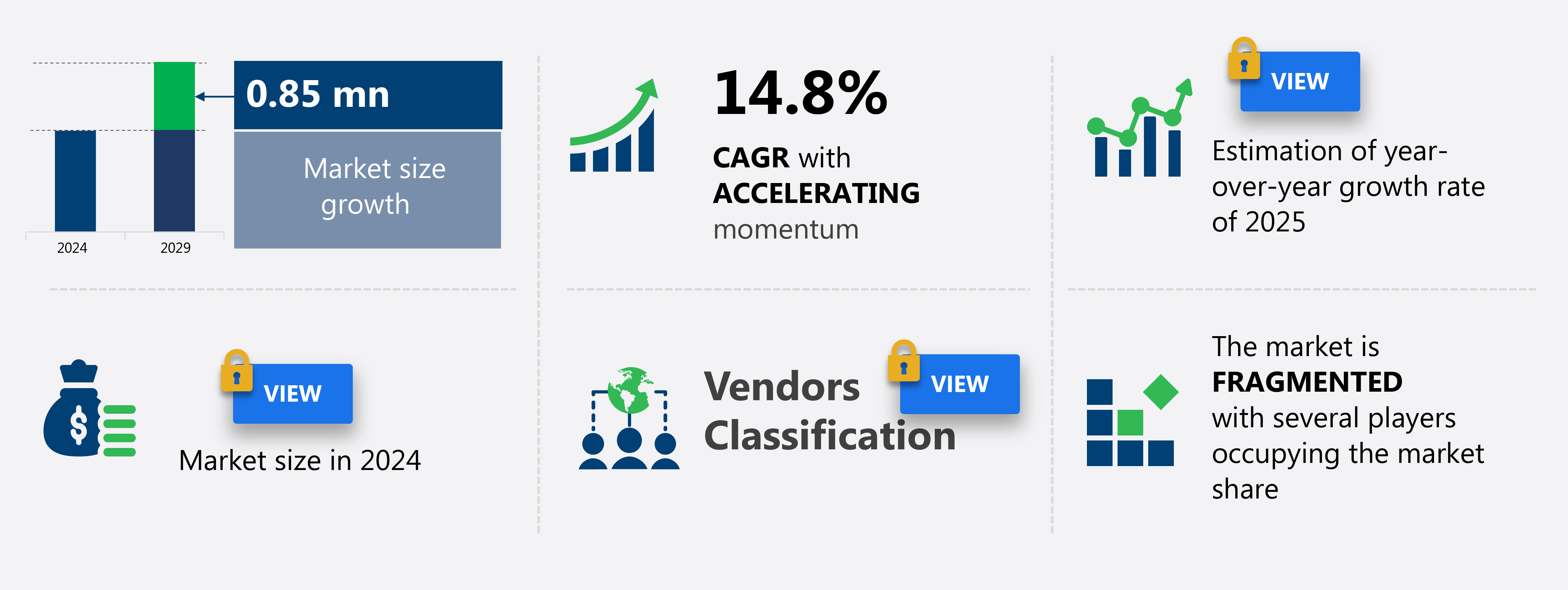
The market research report provides comprehensive data (region-wise segment analysis), with forecasts and estimates in USD mn for the period 2025-2029, as well as historical data from 2019-2024 for the following segments:
- Raw Material
- Natural Raw Material
- Synthetic Raw Material
- Application
- Clothing
- Footwear
- Rugs
- Craft Projects
- Tents
- APAC
- China
- India
- Japan
- Australia
- Others
- Germany
- Spain
- Italy
- UK
- Others
- US
- Canada
- Brazil
- UAE
- South Africa
- Others
- Application
- Rugs: The rugs segment will see increasing demand due to the aesthetic appeal and durability of textile felt rugs.
- Tents: The tents segment will experience moderate growth as textile felt offers insulation and weather protection in outdoor gear.
- Clothing: The clothing segment is projected to dominate the market, owing to the use of textile felt in fashion and functional apparel.
- Footwear: The footwear segment will experience growth as textile felt provides comfort and insulation in shoes and slippers.
- Craft Projects: The craft projects segment is set to grow, driven by the versatility and ease of use of textile felt in various DIY and artistic applications.
- Raw Material
- Natural Raw Material: The natural raw material segment, including wool and animal fur, is expected to maintain a significant market share due to increasing emphasis on sustainable and renewable resources.
- Synthetic Raw Material: The synthetic raw material segment, including polyester and acrylic, will witness steady growth driven by its cost-effectiveness and versatile properties.
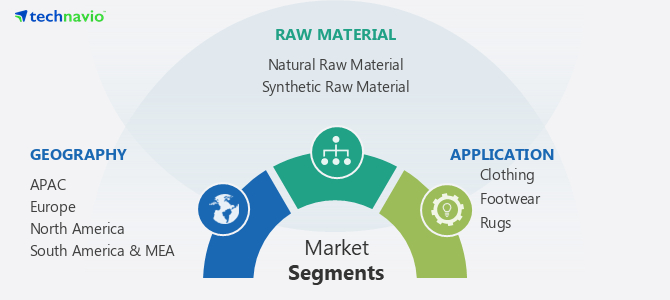
Regional Analysis
- APAC: The Asia-Pacific region, particularly China and India, is expected to experience high growth in the textile felt market. This growth is driven by the expanding textile industry, increasing demand for sustainable materials, and rising industrial applications.
- Europe: Europe, with Germany and the UK as key contributors, is a significant market for textile felt. The region's emphasis on sustainable practices and advanced manufacturing technologies supports market expansion.
- North America: North America, led by the US and Canada, holds a substantial share of the textile felt market. The demand is driven by diverse applications in automotive, construction, and consumer goods sectors.
- South America & MEA: South America and the Middle East & Africa offer emerging opportunities for the textile felt market. Brazil and the UAE are witnessing increased industrial activities and infrastructure developments, boosting demand for textile felt products.
Market Dynamics
Our textile felt market researchers analyzed the data with 2024 as the base year, along with the key drivers, trends, and challenges. A holistic analysis of drivers will help companies refine their marketing strategies to gain a competitive advantage.
What are the key market drivers leading to the rise in adoption of the textile felt market?
Increasing demand for sustainable and biodegradable materials drives market growth. The rising awareness and demand for sustainable and eco-friendly materials are driving the textile felt market. Consumers are increasingly seeking biodegradable and renewable options, which favor natural fiber-based textile felts. This trend promotes the adoption of textile felt in various applications, enhancing its market growth.
What are the market trends shaping the textile felt market?
Technological advancements in textile manufacturing are expanding application areas. Technological advancements in textile manufacturing are enabling the development of innovative textile felt products with enhanced properties. These advancements include improved felting techniques, use of advanced fibers, and integration of smart technologies. Such innovations are broadening the application areas and increasing market demand.
What challenges does the textile felt market face?
Fluctuations in raw material prices could restrain market expansion. The textile felt market is subject to fluctuations in raw material prices, particularly for natural fibers like wool. These price variations can impact production costs and profitability for manufacturers. Managing raw material price volatility is a key challenge for market participants to maintain competitive pricing.
Key Companies & Market Insights
Leading companies are implementing strategies such as product innovations, acquisitions, and geographic expansions to enhance their market position. Key players in the textile felt market include:
- Aetna Felt
- Pugalia Woolen Mills Private Limited
- Swicofil AG
- FilzFelt
- BWF Group
- Boer Group Recycling Solutions
These companies are strategically focused on product development, market expansion, and partnerships to maintain their competitive edge in the growing textile felt market.
|
Market Scope |
|
|
Report Coverage |
Details |
| Base year | 2024 |
| Page number | 198 |
| Key countries | US, UK, China, Germany, India, Japan |
| Forecast period | 2025-2029 |
| Historic period | 2019-2023 |
| Report coverage | Market size, forecasts, segmentation |
| Regional Analysis | APAC
|
| Growth momentum and CAGR | 14.8% |
| Performing market contribution | Europe, APAC, North America |
 RIA -
RIA - 
