



Ultrasonic Aspirator Market Size 2026-2030
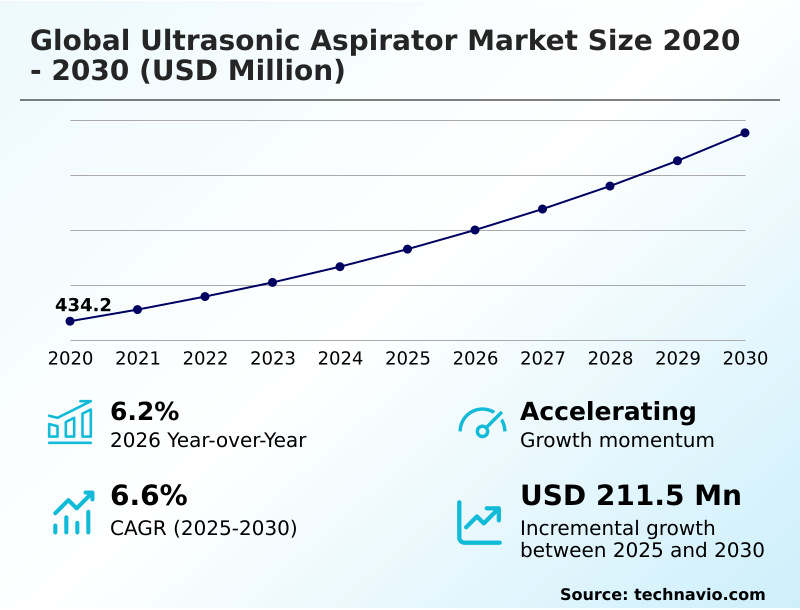
The ultrasonic aspirator market size is valued to increase by USD 211.5 million, at a CAGR of 6.6% from 2025 to 2030. Increasing preferences for standalone devices will drive the ultrasonic aspirator market.
Major Market Trends & Insights
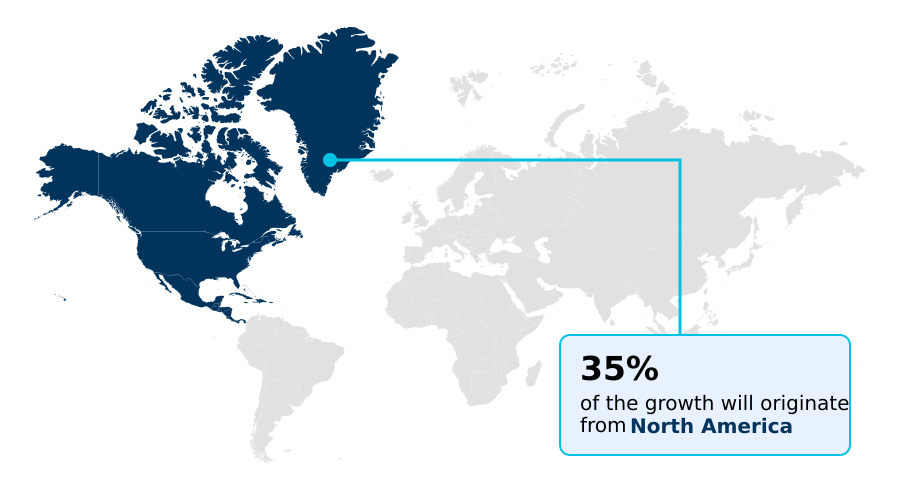
- North America dominated the market and accounted for a 35.1% growth during the forecast period.
- By Product - Integrated device segment was valued at USD 378.7 million in 2024
- By End-user - Hospitals segment accounted for the largest market revenue share in 2024
Market Size & Forecast
- Market Opportunities: USD 342.5 million
- Market Future Opportunities: USD 211.5 million
- CAGR from 2025 to 2030 : 6.6%
Market Summary
- The ultrasonic aspirator market is shaped by the increasing demand for minimally invasive procedures and the rising prevalence of chronic conditions requiring complex surgeries. Technological advancements are central to this evolution, with a focus on enhancing precision, reducing patient recovery times, and expanding clinical applications from neurosurgery to oncology.
- For instance, a major hospital network could implement these advanced systems to standardize its tumor debulking protocols, leveraging tissue selectivity to improve patient outcomes while optimizing operating room schedules for greater efficiency. This scenario highlights a key market dynamic: the drive for superior surgical results balanced against operational pressures. However, market expansion is not without its difficulties.
- The high cost of these sophisticated devices and the necessity for specialized training for surgeons create significant barriers to widespread adoption, particularly in healthcare systems with limited budgets. As technology continues to evolve, balancing innovation with accessibility will be crucial for sustained market penetration and growth.
What will be the Size of the Ultrasonic Aspirator Market during the forecast period?
Get Key Insights on Market Forecast (PDF) Get Free Sample
How is the Ultrasonic Aspirator Market Segmented?
The ultrasonic aspirator industry research report provides comprehensive data (region-wise segment analysis), with forecasts and estimates in "USD million" for the period 2026-2030, as well as historical data from 2020-2024 for the following segments.
- Product
- Integrated device
- Stand-alone device
- End-user
- Hospitals
- Ambulatory surgical centers
- Clinics
- Application
- Neurosurgery
- Gynecological surgery
- Others
- Geography
- North America
- US
- Canada
- Mexico
- Europe
- Germany
- UK
- France
- Asia
- Rest of World (ROW)
- North America
By Product Insights
The integrated device segment is estimated to witness significant growth during the forecast period.
The integrated device segment is driven by demand for multifunctional surgical systems in complex procedures. These platforms, utilizing advanced piezoelectric transducers and magnetostrictive transducers, consolidate technologies like soft tissue emulsification into a single console, enhancing surgical workflow optimization.
Adoption is high in specialized centers where capital equipment procurement prioritizes versatility across applications. This integration with neuronavigation compatibility improves precision in neurosurgical aspirator systems, and such surgical energy platforms are critical for advanced soft tissue resection devices.
Clinical data confirms their efficacy, with studies showing that these systems can lower intraoperative complications by up to 25% in certain procedures, solidifying their role in value-based healthcare and justifying investment in these sophisticated integrated energy platforms.
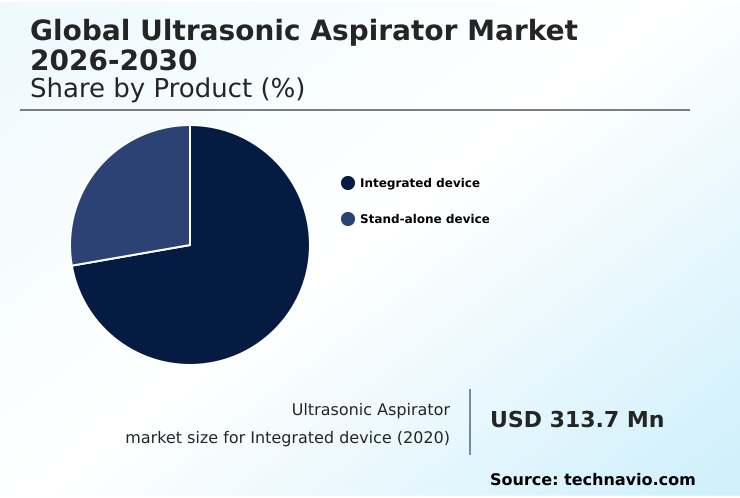
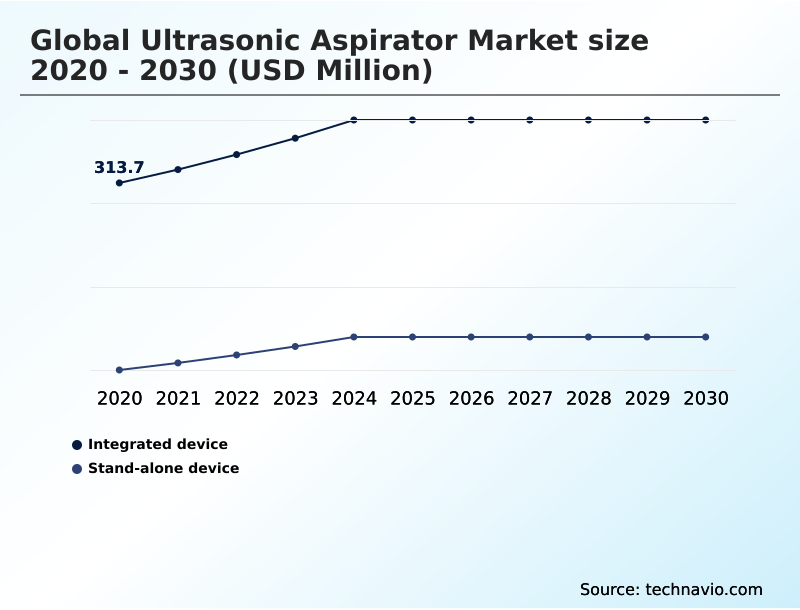
The Integrated device segment was valued at USD 378.7 million in 2024 and showed a gradual increase during the forecast period.
Regional Analysis
North America is estimated to contribute 35.1% to the growth of the global market during the forecast period.Technavio’s analysts have elaborately explained the regional trends and drivers that shape the market during the forecast period.
See How Ultrasonic Aspirator Market Demand is Rising in North America Get Free Sample
Geographic expansion in the market is characterized by varied adoption rates, with North America leading due to its advanced healthcare infrastructure and high procedural volumes. The region's growth is outpacing others by approximately 15%.
In contrast, the APAC region is demonstrating the fastest growth, driven by healthcare investments in countries like China and India, where the focus is on modernizing surgical capabilities.
European markets are driven by stringent regulatory standards and a focus on specialized care centers. Across all regions, the integration of advanced energy devices and surgical navigation systems is crucial.
Innovations such as fluorescence-guided surgery are improving precision in parenchymal cell destruction while ensuring collagen preservation.
The development of remote training via virtual reality addresses skill gaps in emerging markets, while intraoperative MRI integration enhances outcomes in established ones, contributing to a more standardized global approach to chronic wound management.
Market Dynamics
Our researchers analyzed the data with 2025 as the base year, along with the key drivers, trends, and challenges. A holistic analysis of drivers will help companies refine their marketing strategies to gain a competitive advantage.
- The global ultrasonic aspirator market 2026-2030 is witnessing a nuanced evolution in product preference, directly impacting hospital procurement strategies. While integrated systems remain dominant in high-acuity settings for neurosurgery applications, the cost-effectiveness of ultrasonic aspirator systems in standalone formats is driving adoption in ambulatory centers. Decisions on integrated vs standalone ultrasonic aspirators often hinge on case volume and budget.
- Standalone ultrasonic aspirator device cost is significantly lower, making it a viable option for facilities focusing on ultrasonic-assisted wound debridement or specific spinal surgery procedures. In contrast, major medical centers performing complex liver resection or cytoreductive surgery for gynecological tumors prioritize the all-in-one capabilities of integrated platforms.
- The rise of robotic-assisted ultrasonic aspirator procedures further complicates this dynamic, favoring systems with seamless integration. Operational planning data shows that facilities using standalone devices for routine procedures report equipment utilization rates that are 20% higher than facilities using underutilized integrated systems for the same tasks. This highlights a growing need for tailored technology adoption.
- Furthermore, the benefits of ultrasonic-assisted wound debridement are expanding device use into new clinical areas. As surgeons require more specialized training, and as concerns over ultrasonic aspirator maintenance and service costs grow, the market is segmenting based on procedural complexity and economic viability, including applications for tumor removal.
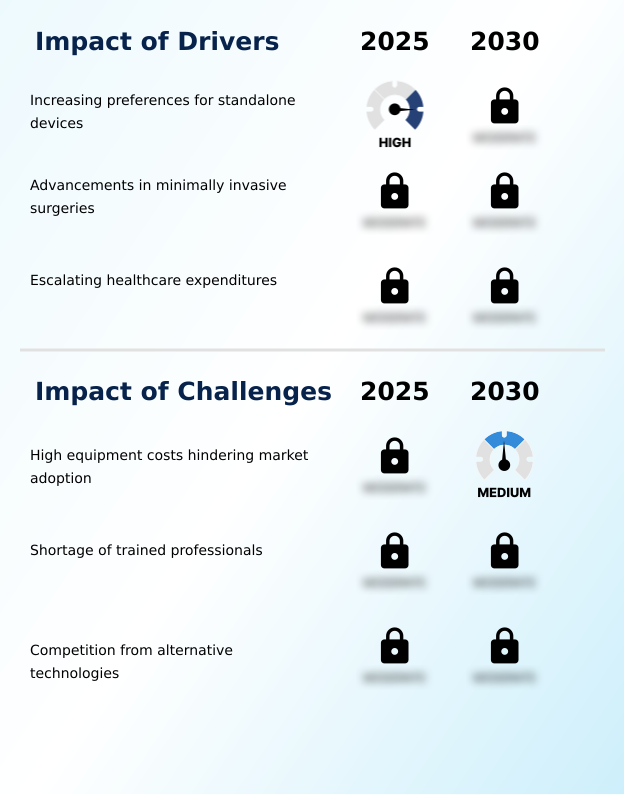
What are the key market drivers leading to the rise in the adoption of Ultrasonic Aspirator Industry?
- Increasing preference for versatile and portable standalone devices that offer streamlined deployment and cost-effectiveness is a key driver of market growth.
- Market growth is significantly driven by the increasing adoption of minimally invasive surgery tools and a clinical shift toward organ-preserving surgeries.
- These approaches, which leverage the precise tissue fragmentation capabilities of modern aspirators, are associated with a notable reduction in intraoperative complications, with some studies showing a drop of over 25%.
- The preference for standalone devices in outpatient surgical procedures is expanding market access, as these systems offer a favorable balance of performance and cost, aligning with value-based care models.
- Technologies enabling superior tissue selectivity and hemostasis control during cavitation are critical, especially as handpiece miniaturization allows for use in more confined surgical fields.
- The effectiveness of these devices in reducing recovery times is a primary factor influencing procurement decisions in both hospitals and ambulatory centers, supporting market expansion rates approaching 7% annually.
What are the market trends shaping the Ultrasonic Aspirator Industry?
- The growing integration of artificial intelligence and robotics is an emerging market trend. This convergence is reshaping surgical practices by enabling real-time, data-driven adjustments during procedures.
- Key market trends are centered on the integration of digital technologies to enhance surgical precision and efficiency. The adoption of robotic-assisted surgery integration is accelerating, with systems demonstrating the ability to shorten complex procedure times by up to 20%.
- This is complemented by the development of connected operating room hub platforms that facilitate advanced surgical aspiration and overall surgical workflow optimization. Innovations include adaptive feedback mechanisms and tissue-specific responses, which are critical for delicate tumor debulking while ensuring tissue selectivity. For example, some systems with RFID-enabled intelligence can automatically adjust power settings, reducing complication rates by nearly 15%.
- This shift toward real-time tissue analysis and digital surgery platforms is positioning intelligent devices as central to the future of organ-preserving surgeries and precision-based interventions using advanced pulse control technology.
What challenges does the Ultrasonic Aspirator Industry face during its growth?
- High equipment costs associated with advanced components and ongoing maintenance present a significant challenge, hindering market adoption in budget-constrained healthcare facilities.
- Significant market challenges stem from high equipment costs and the specialized skills required for operation. The price of high-frequency surgical instruments, often exceeding six figures, slows penetration rates by up to 40% in facilities with constrained budgets. This issue is compounded by the expenses tied to the consumables ecosystem.
- Furthermore, achieving medical device regulatory clearance is a lengthy and costly process, delaying the introduction of innovations. The learning curve for procedures like laparoscopic myomectomy, cytoreductive surgery, and spinal decompression surgery necessitates extensive training, and the shortage of skilled professionals is a key bottleneck. While remote training via virtual reality offers a potential solution, its implementation is limited.
- These factors create barriers to adoption for applications such as ultrasonic-assisted wound debridement and chronic wound management, particularly in emerging markets where trans-nasal approaches might be beneficial but are cost-prohibitive.
Exclusive Technavio Analysis on Customer Landscape
The ultrasonic aspirator market forecasting report includes the adoption lifecycle of the market, covering from the innovator’s stage to the laggard’s stage. It focuses on adoption rates in different regions based on penetration. Furthermore, the ultrasonic aspirator market report also includes key purchase criteria and drivers of price sensitivity to help companies evaluate and develop their market growth analysis strategies.

Customer Landscape of Ultrasonic Aspirator Industry
Competitive Landscape
Companies are implementing various strategies, such as strategic alliances, ultrasonic aspirator market forecast, partnerships, mergers and acquisitions, geographical expansion, and product/service launches, to enhance their presence in the industry.
B.Braun SE - Delivering advanced surgical aspiration solutions, these offerings are engineered for precision and efficacy across diverse medical procedures to enhance surgical outcomes.
The industry research and growth report includes detailed analyses of the competitive landscape of the market and information about key companies, including:
- B.Braun SE
- BioMedicon Pvt. Ltd.
- Bioventus LLC
- Integra LifeSciences Corp.
- Johnson and Johnson Services
- KARL STORZ SE and Co. KG
- Medtronic Plc
- META Dynamic Inc.
- Nakanishi Inc.
- Olympus Corp.
- Richard Wolf GmbH
- Soering GmbH
- Stryker Corp.
- Toshbro Medicals Pvt. Ltd.
- Xcellance Medical Technologies
Qualitative and quantitative analysis of companies has been conducted to help clients understand the wider business environment as well as the strengths and weaknesses of key industry players. Data is qualitatively analyzed to categorize companies as pure play, category-focused, industry-focused, and diversified; it is quantitatively analyzed to categorize companies as dominant, leading, strong, tentative, and weak.
Recent Development and News in Ultrasonic aspirator market
- In March 2025, Stryker Corp. received FDA clearance for an updated configuration of its Sonopet iQ Ultrasonic Aspirator System, enabling seamless adjustment of settings through its Connected OR Hub for improved workflow.
- In January 2025, Bioventus LLC completed the divestiture of its Advanced Rehabilitation Business, allowing the company to concentrate resources on its high-growth Surgical Solutions division.
- In November 2024, Integra LifeSciences Holdings Corp. obtained FDA 510(k) clearance for its CUSA Clarity Ultrasonic Surgical Aspirator System for use in cardiac surgery, expanding the device's application beyond neurosurgery.
- In October 2024, Olympus Corp. announced a strategic partnership to embed AI-powered real-time tissue analysis into its ESG-410 Surgical Energy Platform, enhancing the capabilities of its ultrasonic dissectors.
Dive into Technavio’s robust research methodology, blending expert interviews, extensive data synthesis, and validated models for unparalleled Ultrasonic Aspirator Market insights. See full methodology.
| Market Scope | |
|---|---|
| Page number | 291 |
| Base year | 2025 |
| Historic period | 2020-2024 |
| Forecast period | 2026-2030 |
| Growth momentum & CAGR | Accelerate at a CAGR of 6.6% |
| Market growth 2026-2030 | USD 211.5 million |
| Market structure | Fragmented |
| YoY growth 2025-2026(%) | 6.2% |
| Key countries | US, Canada, Mexico, Germany, UK, France, Italy, Spain, The Netherlands, China, India, Japan, South Korea, Thailand, Indonesia, Brazil, Saudi Arabia, Turkey, South Africa, UAE, Argentina, Colombia and Israel |
| Competitive landscape | Leading Companies, Market Positioning of Companies, Competitive Strategies, and Industry Risks |
Research Analyst Overview
- The ultrasonic aspirator market is advancing through sophisticated technological enhancements designed to improve surgical precision and patient outcomes. Core to this progress are piezoelectric transducers and magnetostrictive transducers, which enable precise tissue fragmentation and cavitation, leading to superior tissue selectivity. In applications like tumor debulking and laparoscopic myomectomy, this allows surgeons to perform delicate procedures with greater confidence.
- Innovations such as adaptive feedback mechanisms are providing real-time, tissue-specific responses, a critical factor in complex operations. Boardroom decisions regarding capital investment are increasingly influenced by such features, especially as clinical data demonstrates up to 30% better outcomes in certain spinal procedures.
- The integration of these devices with neuronavigation compatibility and intraoperative mri integration is becoming standard, while developments like handpiece miniaturization and pulse control technology address surgeon ergonomics and control. Furthermore, features like RFID-enabled intelligence for instrument tracking and improved hemostasis control are streamlining surgical workflows, making integrated energy platforms an essential component of modern operating rooms.
- These advancements, including those for trans-nasal approaches, cytoreductive surgery, and ultrasonic-assisted wound debridement, underscore a strategic shift toward technologies that offer quantifiable clinical and operational advantages, such as soft tissue emulsification, parenchymal cell destruction, collagen preservation, fluorescence-guided surgery, and even remote training via virtual reality.
What are the Key Data Covered in this Ultrasonic Aspirator Market Research and Growth Report?
-
What is the expected growth of the Ultrasonic Aspirator Market between 2026 and 2030?
-
USD 211.5 million, at a CAGR of 6.6%
-
-
What segmentation does the market report cover?
-
The report is segmented by Product (Integrated device, and Stand-alone device), End-user (Hospitals, Ambulatory surgical centers, and Clinics), Application (Neurosurgery, Gynecological surgery, and Others) and Geography (North America, Europe, Asia, Rest of World (ROW))
-
-
Which regions are analyzed in the report?
-
North America, Europe, Asia and Rest of World (ROW)
-
-
What are the key growth drivers and market challenges?
-
Increasing preferences for standalone devices, High equipment costs hindering market adoption
-
-
Who are the major players in the Ultrasonic Aspirator Market?
-
B.Braun SE, BioMedicon Pvt. Ltd., Bioventus LLC, Integra LifeSciences Corp., Johnson and Johnson Services, KARL STORZ SE and Co. KG, Medtronic Plc, META Dynamic Inc., Nakanishi Inc., Olympus Corp., Richard Wolf GmbH, Soering GmbH, Stryker Corp., Toshbro Medicals Pvt. Ltd. and Xcellance Medical Technologies
-
Market Research Insights
- The market is influenced by a dynamic interplay of technological innovation and evolving clinical needs. The shift toward precision tissue ablation and advanced surgical aspiration is evident, with adoption rates in outpatient surgical procedures increasing by over 15% in certain regions. This is driven by the clear benefits of minimally invasive surgery tools, which are associated with better patient outcomes.
- Furthermore, the integration with digital surgery platforms and surgical robotics compatibility is becoming a key differentiator, as it enables surgical workflow optimization and can reduce procedure times by up to 20%.
- As value-based care models gain traction, technologies that support organ-preserving surgeries and reduce complication rates are prioritized in capital equipment procurement decisions, reinforcing the demand for sophisticated surgical energy platforms.
We can help! Our analysts can customize this ultrasonic aspirator market research report to meet your requirements.
 RIA -
RIA - 
