


Welding Respiratory Systems Market Analysis North America, Asia, Europe, Rest of World (ROW) - US, Canada, Germany, China, Japan - Size and Forecast 2024-2028

Welding Respiratory Systems Market Analysis North America, Asia, Europe, Rest of World (ROW) - US, Canada, Germany, China, Japan - Size and Forecast 2024-2028

Published: Dec 2023 149 Pages SKU: IRTNTR77069

Market Overview at a Glance

$39.47 Mn
Market Opportunity
3.55%
CAGR
3.06
YoY growth 2023-2024(%)

Welding Respiratory Systems Market 2024-2028

The Global Welding Respiratory Systems Market size is estimated to grow by USD 39.47 million at a CAGR of 3.55% between 2023 and 2028. 

There has been an increasing emphasis on workplace safety regulations and standards over the years driving the demand for advanced respiratory protection solutions across various industries. In addition, this trend is propelled by a growing awareness of the health hazards associated with exposure to welding fumes and the need to ensure a safe working environment for welders. Furthermore, regulatory authorities and occupational health organizations are enforcing stringent standards to mitigate these risks and protect workers from respiratory hazards. Hence, such factors are positively impacting the market.

Technavio has segmented the market into Distribution Channel, Product, and Geography

  • The distribution channel segment is classified into offline and online
  • The product segment is classified into disposable welding respirators, welding PAPR, welding supplied air respirators, and welding SCBA
  • The geography segment includes key regions such as North America, Asia, Europe, and the Rest of the World (ROW)

It also includes an in-depth analysis of drivers, trends, and challenges. Our report examines historical data from 2018 - 2022, besides analyzing the current market scenario.

What will be the Size of the Welding Respiratory Systems Market During the Forecast Period?
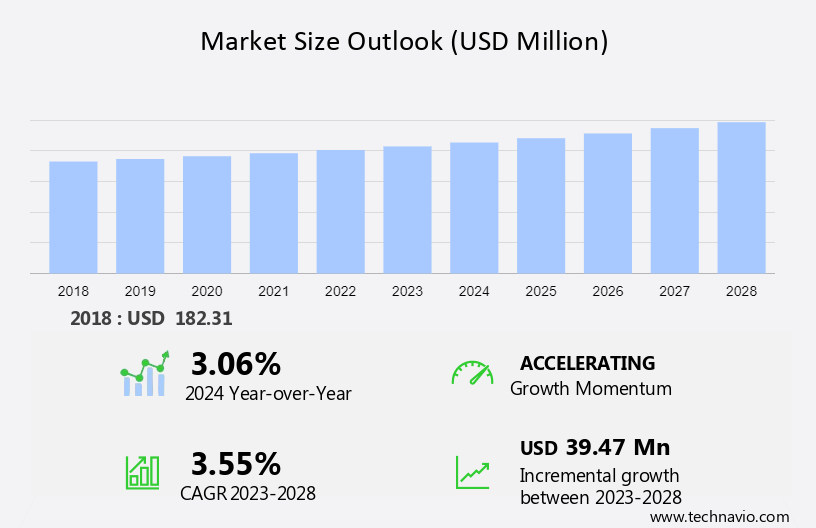
Welding Respiratory Systems Market Size

To learn more about this report, Download Report Sample

Welding Respiratory Systems Market Segmentation by Distribution Channel, Product and Geography Analysis

Distribution Channel Analysis 

Offline

The offline segment is estimated to witness significant growth during the forecast period. The offline segment in the global welding respiratory systems market plays a key role in reaching end customers effectively. This segment encompasses traditional methods of distribution, including direct selling, dealer networks, and brick-and-mortar retail outlets. For instance, one prevalent offline distribution channel for welding respiratory systems is direct selling. In addition, manufacturers often deploy sales representatives or agents to directly engage with industrial customers, such as welding workshops, construction sites, and manufacturing facilities.
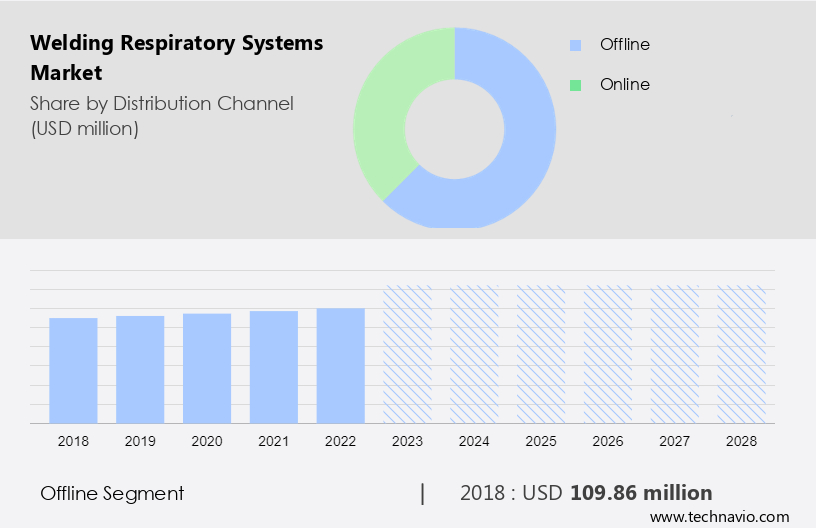
Welding Respiratory Systems Market Size

Get a glance at the market contribution of various segments Download PDF Sample

The offline segment was the largest segment and was valued at USD 109.86 million in 2018. Moreover, by actively engaging potential buyers, manufacturers can effectively communicate the value proposition of their respiratory systems, provide demonstrations, and address customer queries on the spot. In addition, this approach can establish a direct and personalized connection with customers, facilitating trust and understanding of the product features and benefits. Furthermore, another active offline distribution channel is the establishment of dealer networks. In addition, these dealers leverage their existing customer base, industry knowledge, and local presence to actively promote and distribute welding respiratory systems. Hence, such factors are fuelling the growth of this segment which in turn drives the market growth during the forecast period.

Product Analysis 

Disposable welding respirators

The growth of the disposable welding respirators segment in the global welding respiratory systems market is fuelled by its convenience, cost-effectiveness, and efficiency in providing respiratory protection for welders during short-term or intermittent welding tasks. In addition, disposable welding respirators are designed for single-use or limited-duration applications and are typically constructed with lightweight materials, offering ease of use and disposal. Furthermore, these respirators are equipped with filtration systems that capture welding fumes, particles, and other airborne contaminants, ensuring the user respiratory safety. Hence, such factors are fuelling the growth of this segment which in turn drives the market growth during the forecast period.

Regional Analysis
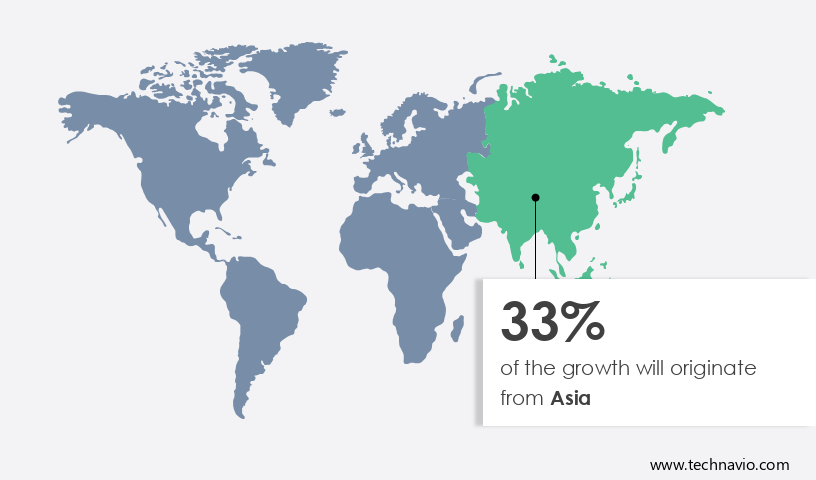
Welding Respiratory Systems Market Share by Geography

For more insights about the market share of various regions Download PDF Sample now!

Asia is estimated to contribute 33% to the growth of the global market during the forecast period. Technavio’s analysts have elaborately explained the regional trends and drivers that will shape the market during the forecast period.  Another region offering significant growth opportunities to companies is North America. The market growth in North America is fuelled by stringent occupational safety regulations, technological advancements, and the region's robust industrial and manufacturing sectors. In addition, the demand for welding respiratory systems in North America is fueled by a strong emphasis on workplace safety and the need to protect workers from exposure to hazardous welding fumes and particulates.

Moreover, one of the key driving factors behind the growth of the welding respiratory systems market in North America is the presence of strict regulatory standards imposed by occupational safety authorities. In addition, these regulations mandate the use of effective respiratory protection for welders to minimize the risks associated with prolonged exposure to welding fumes. Hence, such factors are driving the market growth in North America during the forecast period.

Buy Full Report Now

Key Welding Respiratory Systems Market Players 

Companies are implementing various strategies, such as strategic alliances, partnerships, mergers and acquisitions, geographical expansion, and product/service launches, to enhance their presence in the market. The report also includes detailed analyses of the competitive landscape of the market and information about 10 market companies, including:

3M Co: The company offers welding respiratory systems such as 3M Speedglas Fresh-Air III Supplied Air System 27-5902-30SW with V-300 Air-Regulating Valve, 3M Adflo Powered Air Purifying Respirator System with 3M Speedglas 9100 FX-Air Welding Helmet.

  • Bullard, GVS S.p.A.
  • Honeywell International Inc.
  • Illinois Tool Works Inc.
  • Kimberly Clark Corp.
  • Moldex Metric
  • MSA Safety Inc.
  • Optrel AG
  • Sundstrom Safety AB
  • The Lincoln Electric Co.

Qualitative and quantitative analysis of companies has been conducted to help clients understand the wider business environment as well as the strengths and weaknesses of key market players. Data is qualitatively analyzed to categorize companies as pure play, category-focused, industry-focused, and diversified; it is quantitatively analyzed to categorize companies as dominant, leading, strong, tentative, and weak.

Welding Respiratory Systems Market: Key Drivers, Trends, Challenges, and Customer Landscape

There are multiple factors influencing market growth. Our researchers analyzed the data with 2022 as the base year, along with the key drivers, trends, and challenges. 

Significant Welding Respiratory Systems Market Trends

A key factor shaping the welding respiratory systems market growth is the integration of IoT capabilities and smart features in welding respiratory systems. The increasing emphasis on proactive safety measures and the demand for real-time monitoring of air quality and respirator performance fuels the integration of IoT capabilities and smart features in welding respiratory systems. In addition, this integration represents a paradigm shift in respiratory protection, wherein advanced technologies are leveraged to enhance user safety and operational efficiency.

Moreover, one of the primary driving factors behind the integration of IoT capabilities is the growing need for real-time monitoring of air quality within the welding environment. In addition, by incorporating sensors and connectivity features, welding respiratory systems can actively monitor air quality parameters such as particulate levels, gas concentrations, and ambient conditions, providing the user with immediate feedback on potential respiratory hazards. Hence, such factors are driving the market growth during the forecast period.

Major Welding Respiratory Systems Market Challenges

The high cost of welding respiratory systems is one of the key challenges hindering the welding respiratory systems market growth. The high cost associated with welding respiratory systems has exerted a negative impact on the global welding respiratory systems market, influencing both industry stakeholders and individual users. In addition, this cost challenge encompasses not only the initial procurement of respiratory equipment but also ongoing operational expenses, maintenance, and compliance requirements, thus creating financial burdens for businesses and welders.

For example, on average, welding helmets with built-in respirators cost between USD100 and USD500, while standalone respirators range from USD150 to USD1000. In addition, the cost can be higher for advanced or specialized respirators. In addition, the high cost of acquiring and maintaining these systems can strain the financial resources of companies, particularly small- and medium-sized enterprises. Hence, such factors are hindering the market growth during the forecast period.

Buy Now Full Report

Key Welding Respiratory Systems Market Customer Landscape

The market report includes the adoption lifecycle of the market, covering from the innovator’s stage to the laggard’s stage. It focuses on adoption rates in different regions based on penetration. Furthermore, the report also includes key purchase criteria and drivers of price sensitivity to help companies evaluate and develop their growth strategies.
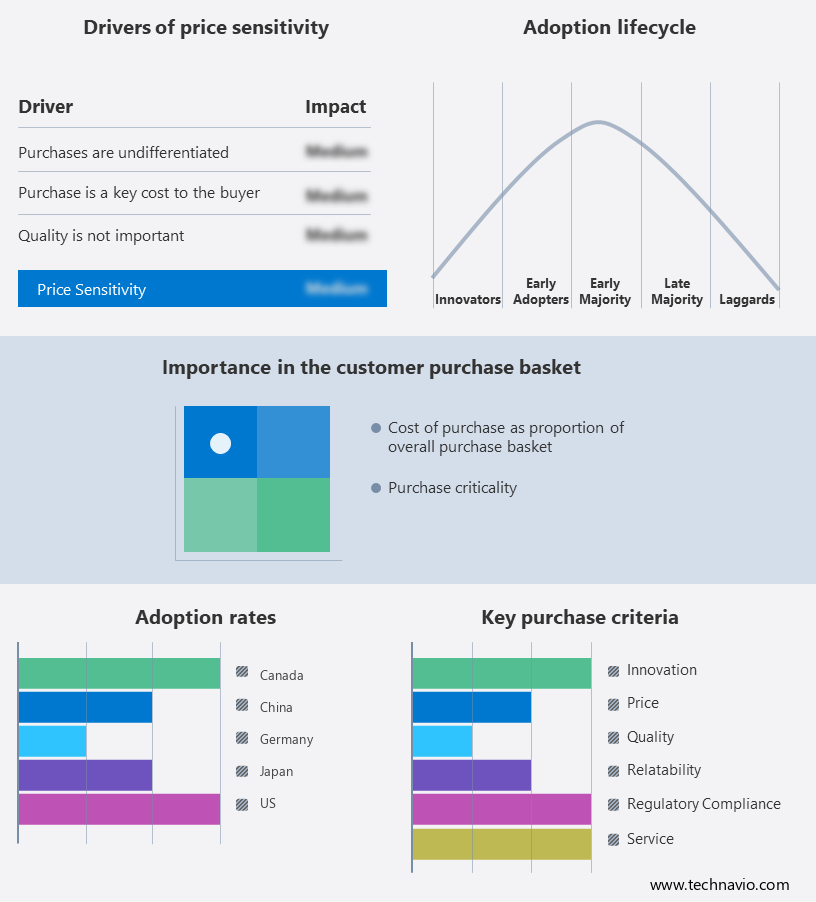
Welding Respiratory Systems Market Share by Geography

Global Welding Respiratory Systems Market Customer Landscape

Segment Overview

The welding respiratory systems market report forecasts market growth by revenue at global, regional & country levels and provides an analysis of the latest trends and growth opportunities from 2018 to 2028. 

  • Distribution Channel Outlook
    • Offline
    • Online
  • Product Outlook
    • Disposable welding respirators
    • Welding PAPR
    • Welding supplied air respirators
    • Welding SCBA
  • Geography Outlook
    • North America
      • The U.S.
      • Canada
    • Europe
      • U.K.
      • Germany
      • France
      • Rest of Europe
    • Asia
      • China
      • India
    • Rest of the World (ROW)
      • Australia
      • Argentina
      • Brazil

Welding Respiratory Systems Market Scope

Report Coverage

Details

Page number

149

Base year

2023

Historic period

2018-2022

Forecast period

2024-2028

Growth momentum & CAGR

Accelerate at a CAGR of 3.55%

Market Growth 2024-2028

USD 39.47 million

Market structure

Concentrated

YoY growth 2023-2024(%)

3.06

Regional analysis

North America, Asia, Europe, and the Rest of the World (ROW)

Performing market contribution

Asia at 33%

Key countries

US, Canada, Germany, China, and Japan

Competitive landscape

Leading Vendors, Market Positioning of Vendors, Competitive Strategies, and Industry Risks

Key companies profiled

3M Co., Bullard, GVS S.p.A., Honeywell International Inc., Illinois Tool Works Inc., Kimberly Clark Corp., Moldex Metric, MSA Safety Inc., Optrel AG, Sundstrom Safety AB, and The Lincoln Electric Co.

Market dynamics

Parent market analysis, Market growth inducers and obstacles, Fast-growing and slow-growing segment analysis, COVID-19 impact and recovery analysis and future consumer dynamics, and Market condition analysis for the forecast period.

Customization purview

If our report has not included the data that you are looking for, you can reach out to our analysts and get segments customized.

Download Sample PDF at your Fingertips

What are the Key Data Covered in this Welding Respiratory Systems Market Research Report?

  • CAGR of the market during the forecast period
  • Detailed information on factors that will drive the growth of the welding respiratory systems market  between 2024 and 2028
  • Precise estimation of the welding respiratory systems market size and its contribution to the market in focus on the parent market
  • Detailed analysis of customer landscape covering Diver of price sensitivity, Adoption of the lifecycle, and key purchase criteria 
  • Companies landscape comparing criticality of inputs and factors of differentiation
  • Exclusive Matrix on companies position and classification
  • Accurate predictions about upcoming trends and changes in consumer behavior
  • Growth of the market across North America, Asia, Europe, and the Rest of the World (ROW)
  • A thorough analysis of the market’s competitive landscape and detailed information about companies
  • Comprehensive analysis of factors that will challenge the growth of welding respiratory systems market companies

We can help! Our analysts can customize this market research report to meet your requirements. Get in touch

1 Executive Summary

  • 1.1 Market overview
    • Exhibit 01: Executive Summary – Chart on Market Overview
    • Exhibit 02: Executive Summary – Data Table on Market Overview
    • Exhibit 03: Executive Summary – Chart on Global Market Characteristics
    • Exhibit 04: Executive Summary – Chart on Market by Geography
    • Exhibit 05: Executive Summary – Chart on Market Segmentation by Distribution Channel
    • Exhibit 06: Executive Summary – Chart on Market Segmentation by Product
    • Exhibit 07: Executive Summary – Chart on Incremental Growth
    • Exhibit 08: Executive Summary – Data Table on Incremental Growth
    • Exhibit 09: Executive Summary – Chart on Vendor Market Positioning

2 Market Landscape

  • 2.1 Market ecosystem
    • Exhibit 10: Parent market
    • Exhibit 11: Market Characteristics

3 Market Sizing

  • 3.1 Market definition
    • Exhibit 12: Offerings of vendors included in the market definition
  • 3.2 Market segment analysis
    • Exhibit 13: Market segments
  • 3.3 Market size 2023
    • 3.4 Market outlook: Forecast for 2023-2028
      • Exhibit 14: Chart on Global - Market size and forecast 2023-2028 ($ million)
      • Exhibit 15: Data Table on Global - Market size and forecast 2023-2028 ($ million)
      • Exhibit 16: Chart on Global Market: Year-over-year growth 2023-2028 (%)
      • Exhibit 17: Data Table on Global Market: Year-over-year growth 2023-2028 (%)

    4 Historic Market Size

    • 4.1 Global welding respiratory systems market 2018 - 2022
      • Exhibit 18: Historic Market Size – Data Table on global welding respiratory systems market 2018 - 2022 ($ million)
    • 4.2 Distribution Channel Segment Analysis 2018 - 2022
      • Exhibit 19: Historic Market Size – Distribution Channel Segment 2018 - 2022 ($ million)
    • 4.3 Product Segment Analysis 2018 - 2022
      • Exhibit 20: Historic Market Size – Product Segment 2018 - 2022 ($ million)
    • 4.4 Geography Segment Analysis 2018 - 2022
      • Exhibit 21: Historic Market Size – Geography Segment 2018 - 2022 ($ million)
    • 4.5 Country Segment Analysis 2018 - 2022
      • Exhibit 22: Historic Market Size – Country Segment 2018 - 2022 ($ million)

    5 Five Forces Analysis

    • 5.1 Five forces summary
      • Exhibit 23: Five forces analysis - Comparison between 2023 and 2028
    • 5.2 Bargaining power of buyers
      • Exhibit 24: Chart on Bargaining power of buyers – Impact of key factors 2023 and 2028
    • 5.3 Bargaining power of suppliers
      • Exhibit 25: Bargaining power of suppliers – Impact of key factors in 2023 and 2028
    • 5.4 Threat of new entrants
      • Exhibit 26: Threat of new entrants – Impact of key factors in 2023 and 2028
    • 5.5 Threat of substitutes
      • Exhibit 27: Threat of substitutes – Impact of key factors in 2023 and 2028
    • 5.6 Threat of rivalry
      • Exhibit 28: Threat of rivalry – Impact of key factors in 2023 and 2028
    • 5.7 Market condition
      • Exhibit 29: Chart on Market condition - Five forces 2023 and 2028

    6 Market Segmentation by Distribution Channel

    • 6.1 Market segments
      • Exhibit 30: Chart on Distribution Channel - Market share 2023-2028 (%)
      • Exhibit 31: Data Table on Distribution Channel - Market share 2023-2028 (%)
    • 6.2 Comparison by Distribution Channel
      • Exhibit 32: Chart on Comparison by Distribution Channel
      • Exhibit 33: Data Table on Comparison by Distribution Channel
    • 6.3 Offline - Market size and forecast 2023-2028
      • Exhibit 34: Chart on Offline - Market size and forecast 2023-2028 ($ million)
      • Exhibit 35: Data Table on Offline - Market size and forecast 2023-2028 ($ million)
      • Exhibit 36: Chart on Offline - Year-over-year growth 2023-2028 (%)
      • Exhibit 37: Data Table on Offline - Year-over-year growth 2023-2028 (%)
    • 6.4 Online - Market size and forecast 2023-2028
      • Exhibit 38: Chart on Online - Market size and forecast 2023-2028 ($ million)
      • Exhibit 39: Data Table on Online - Market size and forecast 2023-2028 ($ million)
      • Exhibit 40: Chart on Online - Year-over-year growth 2023-2028 (%)
      • Exhibit 41: Data Table on Online - Year-over-year growth 2023-2028 (%)
    • 6.5 Market opportunity by Distribution Channel
      • Exhibit 42: Market opportunity by Distribution Channel ($ million)
      • Exhibit 43: Data Table on Market opportunity by Distribution Channel ($ million)

    7 Market Segmentation by Product

    • 7.1 Market segments
      • Exhibit 44: Chart on Product - Market share 2023-2028 (%)
      • Exhibit 45: Data Table on Product - Market share 2023-2028 (%)
    • 7.2 Comparison by Product
      • Exhibit 46: Chart on Comparison by Product
      • Exhibit 47: Data Table on Comparison by Product
    • 7.3 Disposable welding respirators - Market size and forecast 2023-2028
      • Exhibit 48: Chart on Disposable welding respirators - Market size and forecast 2023-2028 ($ million)
      • Exhibit 49: Data Table on Disposable welding respirators - Market size and forecast 2023-2028 ($ million)
      • Exhibit 50: Chart on Disposable welding respirators - Year-over-year growth 2023-2028 (%)
      • Exhibit 51: Data Table on Disposable welding respirators - Year-over-year growth 2023-2028 (%)
    • 7.4 Welding PAPR - Market size and forecast 2023-2028
      • Exhibit 52: Chart on Welding PAPR - Market size and forecast 2023-2028 ($ million)
      • Exhibit 53: Data Table on Welding PAPR - Market size and forecast 2023-2028 ($ million)
      • Exhibit 54: Chart on Welding PAPR - Year-over-year growth 2023-2028 (%)
      • Exhibit 55: Data Table on Welding PAPR - Year-over-year growth 2023-2028 (%)
    • 7.5 Welding supplied air respirators - Market size and forecast 2023-2028
      • Exhibit 56: Chart on Welding supplied air respirators - Market size and forecast 2023-2028 ($ million)
      • Exhibit 57: Data Table on Welding supplied air respirators - Market size and forecast 2023-2028 ($ million)
      • Exhibit 58: Chart on Welding supplied air respirators - Year-over-year growth 2023-2028 (%)
      • Exhibit 59: Data Table on Welding supplied air respirators - Year-over-year growth 2023-2028 (%)
    • 7.6 Welding SCBA - Market size and forecast 2023-2028
      • Exhibit 60: Chart on Welding SCBA - Market size and forecast 2023-2028 ($ million)
      • Exhibit 61: Data Table on Welding SCBA - Market size and forecast 2023-2028 ($ million)
      • Exhibit 62: Chart on Welding SCBA - Year-over-year growth 2023-2028 (%)
      • Exhibit 63: Data Table on Welding SCBA - Year-over-year growth 2023-2028 (%)
    • 7.7 Market opportunity by Product
      • Exhibit 64: Market opportunity by Product ($ million)
      • Exhibit 65: Data Table on Market opportunity by Product ($ million)

    8 Customer Landscape

    • 8.1 Customer landscape overview
      • Exhibit 66: Analysis of price sensitivity, lifecycle, customer purchase basket, adoption rates, and purchase criteria

    9 Geographic Landscape

    • 9.1 Geographic segmentation
      • Exhibit 67: Chart on Market share by geography 2023-2028 (%)
      • Exhibit 68: Data Table on Market share by geography 2023-2028 (%)
    • 9.2 Geographic comparison
      • Exhibit 69: Chart on Geographic comparison
      • Exhibit 70: Data Table on Geographic comparison
    • 9.3 North America - Market size and forecast 2023-2028
      • Exhibit 71: Chart on North America - Market size and forecast 2023-2028 ($ million)
      • Exhibit 72: Data Table on North America - Market size and forecast 2023-2028 ($ million)
      • Exhibit 73: Chart on North America - Year-over-year growth 2023-2028 (%)
      • Exhibit 74: Data Table on North America - Year-over-year growth 2023-2028 (%)
    • 9.4 Asia - Market size and forecast 2023-2028
      • Exhibit 75: Chart on Asia - Market size and forecast 2023-2028 ($ million)
      • Exhibit 76: Data Table on Asia - Market size and forecast 2023-2028 ($ million)
      • Exhibit 77: Chart on Asia - Year-over-year growth 2023-2028 (%)
      • Exhibit 78: Data Table on Asia - Year-over-year growth 2023-2028 (%)
    • 9.5 Europe - Market size and forecast 2023-2028
      • Exhibit 79: Chart on Europe - Market size and forecast 2023-2028 ($ million)
      • Exhibit 80: Data Table on Europe - Market size and forecast 2023-2028 ($ million)
      • Exhibit 81: Chart on Europe - Year-over-year growth 2023-2028 (%)
      • Exhibit 82: Data Table on Europe - Year-over-year growth 2023-2028 (%)
    • 9.6 Rest of World (ROW) - Market size and forecast 2023-2028
      • Exhibit 83: Chart on Rest of World (ROW) - Market size and forecast 2023-2028 ($ million)
      • Exhibit 84: Data Table on Rest of World (ROW) - Market size and forecast 2023-2028 ($ million)
      • Exhibit 85: Chart on Rest of World (ROW) - Year-over-year growth 2023-2028 (%)
      • Exhibit 86: Data Table on Rest of World (ROW) - Year-over-year growth 2023-2028 (%)
    • 9.7 US - Market size and forecast 2023-2028
      • Exhibit 87: Chart on US - Market size and forecast 2023-2028 ($ million)
      • Exhibit 88: Data Table on US - Market size and forecast 2023-2028 ($ million)
      • Exhibit 89: Chart on US - Year-over-year growth 2023-2028 (%)
      • Exhibit 90: Data Table on US - Year-over-year growth 2023-2028 (%)
    • 9.8 China - Market size and forecast 2023-2028
      • Exhibit 91: Chart on China - Market size and forecast 2023-2028 ($ million)
      • Exhibit 92: Data Table on China - Market size and forecast 2023-2028 ($ million)
      • Exhibit 93: Chart on China - Year-over-year growth 2023-2028 (%)
      • Exhibit 94: Data Table on China - Year-over-year growth 2023-2028 (%)
    • 9.9 Germany - Market size and forecast 2023-2028
      • Exhibit 95: Chart on Germany - Market size and forecast 2023-2028 ($ million)
      • Exhibit 96: Data Table on Germany - Market size and forecast 2023-2028 ($ million)
      • Exhibit 97: Chart on Germany - Year-over-year growth 2023-2028 (%)
      • Exhibit 98: Data Table on Germany - Year-over-year growth 2023-2028 (%)
    • 9.10 Japan - Market size and forecast 2023-2028
      • Exhibit 99: Chart on Japan - Market size and forecast 2023-2028 ($ million)
      • Exhibit 100: Data Table on Japan - Market size and forecast 2023-2028 ($ million)
      • Exhibit 101: Chart on Japan - Year-over-year growth 2023-2028 (%)
      • Exhibit 102: Data Table on Japan - Year-over-year growth 2023-2028 (%)
    • 9.11 Canada - Market size and forecast 2023-2028
      • Exhibit 103: Chart on Canada - Market size and forecast 2023-2028 ($ million)
      • Exhibit 104: Data Table on Canada - Market size and forecast 2023-2028 ($ million)
      • Exhibit 105: Chart on Canada - Year-over-year growth 2023-2028 (%)
      • Exhibit 106: Data Table on Canada - Year-over-year growth 2023-2028 (%)
    • 9.12 Market opportunity by geography
      • Exhibit 107: Market opportunity by geography ($ million)
      • Exhibit 108: Data Tables on Market opportunity by geography ($ million)

    10 Drivers, Challenges, and Trends

    • 10.1 Market drivers
      • 10.2 Market challenges
        • 10.3 Impact of drivers and challenges
          • Exhibit 109: Impact of drivers and challenges in 2023 and 2028
        • 10.4 Market trends

          11 Vendor Landscape

          • 11.1 Overview
            • 11.2 Vendor landscape
              • Exhibit 110: Overview on Criticality of inputs and Factors of differentiation
            • 11.3 Landscape disruption
              • Exhibit 111: Overview on factors of disruption
            • 11.4 Industry risks
              • Exhibit 112: Impact of key risks on business

            12 Vendor Analysis

            • 12.1 Vendors covered
              • Exhibit 113: Vendors covered
            • 12.2 Market positioning of vendors
              • Exhibit 114: Matrix on vendor position and classification
            • 12.3 3M Co.
              • Exhibit 115: 3M Co. - Overview
              • Exhibit 116: 3M Co. - Business segments
              • Exhibit 117: 3M Co. - Key news
              • Exhibit 118: 3M Co. - Key offerings
              • Exhibit 119: 3M Co. - Segment focus
            • 12.4 Bullard
              • Exhibit 120: Bullard - Overview
              • Exhibit 121: Bullard - Product / Service
              • Exhibit 122: Bullard - Key offerings
            • 12.5 GVS S.p.A.
              • Exhibit 123: GVS S.p.A. - Overview
              • Exhibit 124: GVS S.p.A. - Product / Service
              • Exhibit 125: GVS S.p.A. - Key offerings
            • 12.6 Honeywell International Inc.
              • Exhibit 126: Honeywell International Inc. - Overview
              • Exhibit 127: Honeywell International Inc. - Business segments
              • Exhibit 128: Honeywell International Inc. - Key news
              • Exhibit 129: Honeywell International Inc. - Key offerings
              • Exhibit 130: Honeywell International Inc. - Segment focus
            • 12.7 Illinois Tool Works Inc.
              • Exhibit 131: Illinois Tool Works Inc. - Overview
              • Exhibit 132: Illinois Tool Works Inc. - Business segments
              • Exhibit 133: Illinois Tool Works Inc. - Key news
              • Exhibit 134: Illinois Tool Works Inc. - Key offerings
              • Exhibit 135: Illinois Tool Works Inc. - Segment focus
            • 12.8 Kimberly Clark Corp.
              • Exhibit 136: Kimberly Clark Corp. - Overview
              • Exhibit 137: Kimberly Clark Corp. - Business segments
              • Exhibit 138: Kimberly Clark Corp. - Key news
              • Exhibit 139: Kimberly Clark Corp. - Key offerings
              • Exhibit 140: Kimberly Clark Corp. - Segment focus
            • 12.9 Moldex Metric
              • Exhibit 141: Moldex Metric - Overview
              • Exhibit 142: Moldex Metric - Product / Service
              • Exhibit 143: Moldex Metric - Key offerings
            • 12.10 MSA Safety Inc.
              • Exhibit 144: MSA Safety Inc. - Overview
              • Exhibit 145: MSA Safety Inc. - Business segments
              • Exhibit 146: MSA Safety Inc. - Key news
              • Exhibit 147: MSA Safety Inc. - Key offerings
              • Exhibit 148: MSA Safety Inc. - Segment focus
            • 12.11 Optrel AG
              • Exhibit 149: Optrel AG - Overview
              • Exhibit 150: Optrel AG - Product / Service
              • Exhibit 151: Optrel AG - Key offerings
            • 12.12 Sundstrom Safety AB
              • Exhibit 152: Sundstrom Safety AB - Overview
              • Exhibit 153: Sundstrom Safety AB - Product / Service
              • Exhibit 154: Sundstrom Safety AB - Key offerings
            • 12.13 The Lincoln Electric Co.
              • Exhibit 155: The Lincoln Electric Co. - Overview
              • Exhibit 156: The Lincoln Electric Co. - Business segments
              • Exhibit 157: The Lincoln Electric Co. - Key news
              • Exhibit 158: The Lincoln Electric Co. - Key offerings
              • Exhibit 159: The Lincoln Electric Co. - Segment focus

            13 Appendix

            • 13.1 Scope of the report
              • 13.2 Inclusions and exclusions checklist
                • Exhibit 160: Inclusions checklist
                • Exhibit 161: Exclusions checklist
              • 13.3 Currency conversion rates for US$
                • Exhibit 162: Currency conversion rates for US$
              • 13.4 Research methodology
                • Exhibit 163: Research methodology
                • Exhibit 164: Validation techniques employed for market sizing
                • Exhibit 165: Information sources
              • 13.5 List of abbreviations
                • Exhibit 166: List of abbreviations

              Research Methodology

              Technavio presents a detailed picture of the market by way of study, synthesis, and summation of data from multiple sources. The analysts have presented the various facets of the market with a particular focus on identifying the key industry influencers. The data thus presented is comprehensive, reliable, and the result of extensive research, both primary and secondary.

              INFORMATION SOURCES

              Primary sources

              • Manufacturers and suppliers
              • Channel partners
              • Industry experts
              • Strategic decision makers

              Secondary sources

              • Industry journals and periodicals
              • Government data
              • Financial reports of key industry players
              • Historical data
              • Press releases

              DATA ANALYSIS

              Data Synthesis

              • Collation of data
              • Estimation of key figures
              • Analysis of derived insights

              Data Validation

              • Triangulation with data models
              • Reference against proprietary databases
              • Corroboration with industry experts

              REPORT WRITING

              Qualitative

              • Market drivers
              • Market challenges
              • Market trends
              • Five forces analysis

              Quantitative

              • Market size and forecast
              • Market segmentation
              • Geographical insights
              • Competitive landscape

              Interested in this report?

              Get your sample now to see our research methodology and insights!

              Download Now

              Frequently Asked Questions

              Welding Respiratory Systems market growth will increase by $ 39.47 mn during 2024-2028 .

              The Welding Respiratory Systems market is expected to grow at a CAGR of 3.55% during 2024-2028 .

              Welding Respiratory Systems market is segmented by Distribution Channel( Offline, Online) Product( Disposable welding respirators, Welding PAPR, Welding supplied air respirators, Welding SCBA)

              3M Co., Bullard, GVS S.p.A., Honeywell International Inc., Illinois Tool Works Inc., Kimberly Clark Corp., Moldex Metric, MSA Safety Inc., Optrel AG, Sundstrom Safety AB, The Lincoln Electric Co. are a few of the key vendors in the Welding Respiratory Systems market.

              Asia will register the highest growth rate of 33% among the other regions. Therefore, the Welding Respiratory Systems market in Asia is expected to garner significant business opportunities for the vendors during the forecast period.

              US, Canada, Germany, China, Japan

              • Increased emphasis on workplace safety regulations and standardsThe global welding respiratory systems market is experiencing a significant increase in emphasis on workplace safety regulations and standards is the driving factor this market.
              • driving the demand for advanced respiratory protection solutions across various industries. This trend is propelled by a growing awareness of the health hazards associated with exposure to welding fumes and the need to ensure a safe working environment for welders. One of the key factors contributing to this emphasis on workplace safety regulations is the recognition of the long-term health risks posed by welding fumes. Regulatory authorities and occupational health organizations are enforcing stringent standards to mitigate these risks and protect workers from respiratory hazards. As a result is the driving factor this market.
              • employers are increasingly seeking compliant respiratory protection systems to ensure the well-being of their workforce. For instance is the driving factor this market.
              • in the automotive manufacturing industry is the driving factor this market.
              • where welding processes are integral to production is the driving factor this market.
              • there has been a notable shift toward the implementation of advanced respiratory protection measures. Stringent regulations have mandated the usage of high efficiency welding respiratory systems to safeguard workers from exposure to metal fumes and particulates is the driving factor this market.
              • aligning with the industry commitment to upholding safety standards. The construction sector is the driving factor this market.
              • including commercial and residential construction is the driving factor this market.
              • as well as infrastructure development projects is the driving factor this market.
              • has witnessed a heightened focus on respiratory protection for welders. Regulatory bodies have implemented strict guidelines to ensure that welding activities on construction sites are carried out with adequate respiratory protection measures in place. This has led construction companies to invest in reliable respiratory systems that comply with regulatory requirements is the driving factor this market.
              • thereby prioritizing the safety of their welding personnel. In response to these regulatory developments is the driving factor this market.
              • manufacturers of welding respiratory systems are continually innovating to meet the evolving safety standards and regulations. Companies in the market are integrating advanced features such as real-time monitoring is the driving factor this market.
              • improved filtration efficiency is the driving factor this market.
              • and ergonomic designs into their respiratory protection products to ensure compliance with stringent regulations while maintaining user comfort and operational efficiency. Thus is the driving factor this market.
              • the abovementioned factors are expected to increase the demand for welding respiratory systems is the driving factor this market.
              • which will propel the growth of the global welding respiratory systems market during the forecast period. is the driving factor this market.

              The Welding Respiratory Systems market vendors should focus on grabbing business opportunities from the Offline segment as it accounted for the largest market share in the base year.
