



Adventure Tourism Market Size 2026-2030
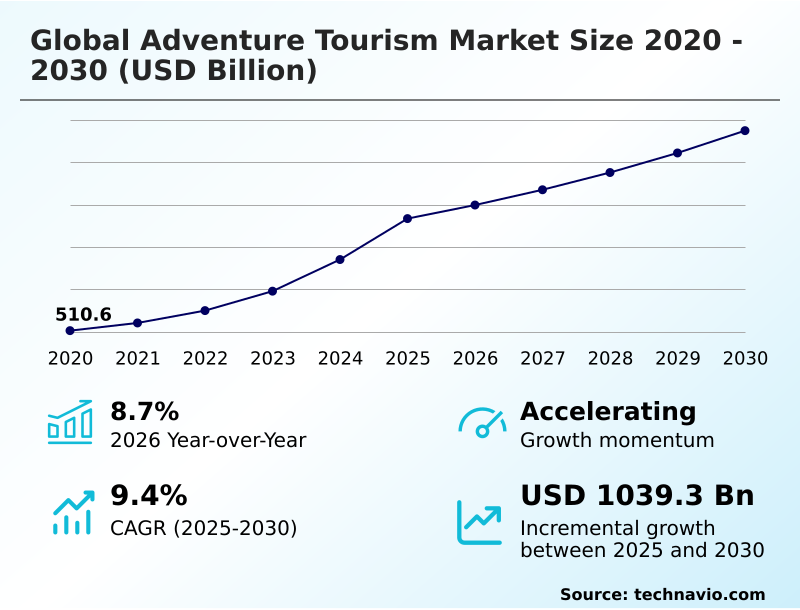
The adventure tourism market size is valued to increase by USD 1039.3 billion, at a CAGR of 9.4% from 2025 to 2030. Increasing disposable incomes will drive the adventure tourism market.
Major Market Trends & Insights
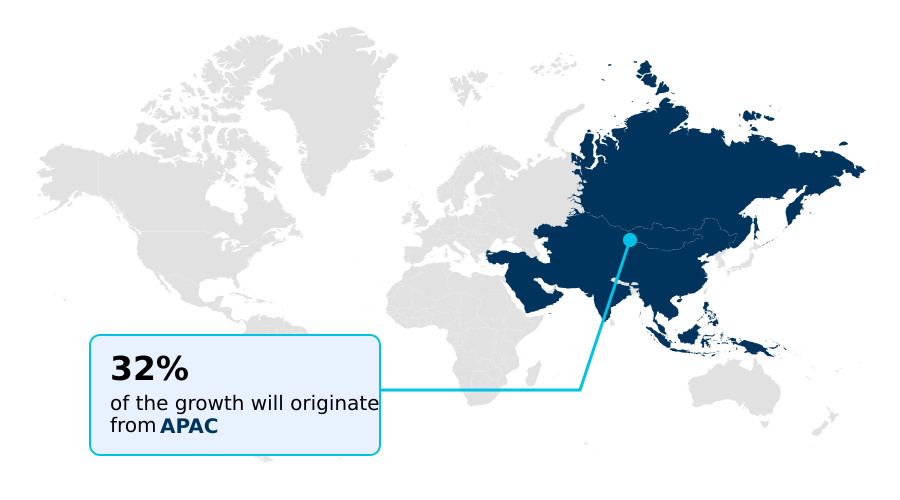
- APAC dominated the market and accounted for a 32.4% growth during the forecast period.
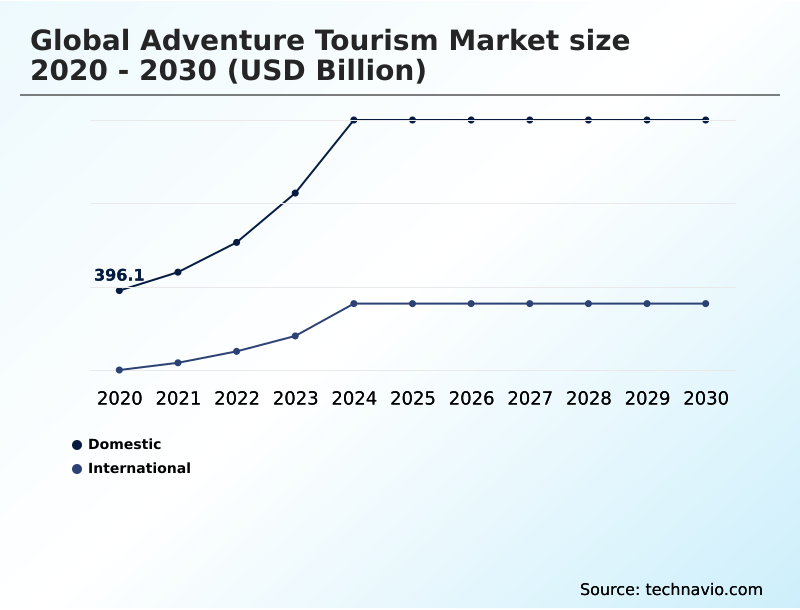
- By Type - Domestic segment was valued at USD 1001 billion in 2024
- By Source - Indirect contribution segment accounted for the largest market revenue share in 2024
Market Size & Forecast
- Market Opportunities: USD 2363.5 billion
- Market Future Opportunities: USD 1039.3 billion
- CAGR from 2025 to 2030 : 9.4%
Market Summary
- The adventure tourism market is undergoing a significant transformation, moving beyond niche pursuits to become a mainstream segment of the travel industry. This evolution is fueled by a global consumer shift toward experiential travel, where personal growth and authentic connection with nature are prioritized over conventional sightseeing.
- Demand is diversifying, encompassing everything from high-altitude trekking and deep-sea diving to more accessible soft adventure sports. A key operational dynamic involves leveraging digital booking platforms not just for transactions but also for gathering peer-to-peer feedback, which directly informs safety protocols and itinerary development.
- For instance, operators are analyzing review data to refine risk assessments for geological adventures, resulting in more robust safety measures and improved customer trust. However, the industry grapples with balancing growth with sustainability, implementing community-based tourism models and eco-tourism initiatives to ensure that the economic benefits are shared and fragile environments are preserved through responsible travel practices.
What will be the Size of the Adventure Tourism Market during the forecast period?
Get Key Insights on Market Forecast (PDF) Get Free Sample
How is the Adventure Tourism Market Segmented?
The adventure tourism industry research report provides comprehensive data (region-wise segment analysis), with forecasts and estimates in "USD billion" for the period 2026-2030, as well as historical data from 2020-2024 for the following segments.
- Type
- Domestic
- International
- Source
- Indirect contribution
- Direct contribution
- Induced contribution
- Age group
- Below 30 years
- 30 to 50 years
- Above 50 years
- Geography
- Europe
- UK
- Germany
- France
- APAC
- China
- Japan
- India
- North America
- US
- Canada
- Mexico
- South America
- Brazil
- Argentina
- Middle East and Africa
- South Africa
- UAE
- Saudi Arabia
- Rest of World (ROW)
- Europe
By Type Insights
The domestic segment is estimated to witness significant growth during the forecast period.
The domestic adventure tourism market represents a foundational industry pillar, with travelers seeking outdoor engagement within their own national borders.
This category relies on the accessibility of local natural resources, which supports cost-effective and frequent participation in activities like hiking and biking on eco-friendly trails.
A significant trend is the rise of micro-adventures, where individuals use digital booking platforms to plan short-duration trips involving both soft adventure sports and hard adventure activities.
These platforms, often informed by peer-to-peer feedback, are essential for discovering local sustainable camps. Operators are also implementing responsible travel practices and promoting leave no trace principles.
The adoption of wearable biosensors and adherence to professional adventure guide certification standards are improving safety, with the outdoor industry association noting that this segment accounts for over 60% of new bookings through online travel agencies.
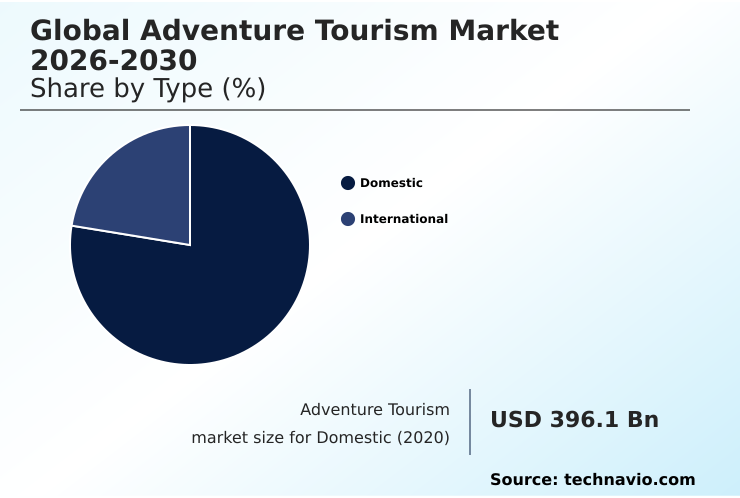
The Domestic segment was valued at USD 1001 billion in 2024 and showed a gradual increase during the forecast period.
Regional Analysis
APAC is estimated to contribute 32.4% to the growth of the global market during the forecast period.Technavio’s analysts have elaborately explained the regional trends and drivers that shape the market during the forecast period.
See How Adventure Tourism Market Demand is Rising in APAC Get Free Sample
The geographic landscape of the adventure tourism market is characterized by diverse regional specializations and varied growth trajectories.
While Europe remains a mature market for cultural walking tours and activities along via ferrata networks, the APAC region is the primary growth engine, contributing over 32% of the market's incremental growth, fueled by demand for high-altitude trekking and deep-sea diving.
This growth in APAC is nearly 2% higher than in North America. Regional success is increasingly tied to robust infrastructure and the implementation of eco-tourism initiatives.
For instance, destinations with well-managed search and rescue networks and eco-labeled accommodations see higher investment. Advanced smart trail systems are enhancing the experiential travel quality, improving visitor flow by up to 15% during peak seasons.
The focus on wildlife conservation and community-based tourism, supported by community-run hostels and carbon-neutral expeditions, is creating new opportunities for immersive cultural experiences and adventure wellness offerings worldwide.
Market Dynamics
Our researchers analyzed the data with 2025 as the base year, along with the key drivers, trends, and challenges. A holistic analysis of drivers will help companies refine their marketing strategies to gain a competitive advantage.
- Strategic planning in the adventure tourism market requires a multifaceted approach to address emerging opportunities and risks. A critical starting point is understanding the impact of technology on travel, as it influences everything from marketing to operations.
- Robust adventure tourism risk management strategies are paramount; operators that proactively implement and document these see liability claims up to 25% lower than the industry average. Equally important is analyzing adventure tourism booking platform trends to optimize distribution and reach.
- Market segmentation is key, with distinct strategies needed for adventure tourism for older adults versus adventure tourism for solo travelers, and a growing focus on family-oriented adventure tour packages. The growth of wellness adventure travel necessitates integrating restorative elements into itineraries.
- Developing sustainable practices in eco-tourism and creating community-based adventure tourism models are no longer optional but essential for long-term brand value. Success hinges on integrating culture in adventure travel, offering luxury adventure travel experiences, and understanding the nuances between soft adventure vs hard adventure.
- Furthermore, a sophisticated digital marketing for adventure tourism plan, which considers the impact of social media on tourism and clarifies adventure travel insurance requirements, is crucial for acquiring and retaining customers. Finally, investing in adventure tourism gear and technology and understanding the role of government in tourism promotion can provide a significant competitive edge.
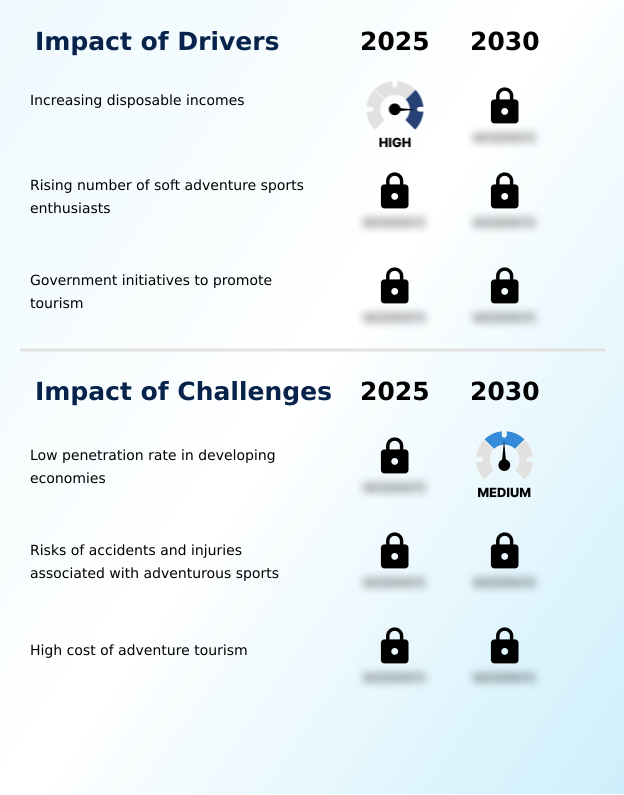
What are the key market drivers leading to the rise in the adoption of Adventure Tourism Industry?
- A key driver for the market is the increase in global disposable incomes, which enables greater consumer spending on experiential and adventure-focused travel.
- Market growth is significantly propelled by a global shift toward an experience-based economy, where consumers prioritize personal enrichment and experiential learning over material goods.
- A surge in disposable income, particularly in emerging economies, has directly led to a 20% increase in demand for premium expeditions like rainforest trekking and shark cage diving.
- The expansion of the market is also driven by the mainstream adoption of soft adventures, which now constitute over 65% of all new bookings.
- This democratization of adventure is making activities such as ziplining and sandboarding accessible to a broader demographic. Government support, through the development of heritage trails and agritourism integration, further stimulates growth.
- This creates new opportunities for low-impact travel and micro-adventures, while also sustaining demand for high-adrenaline pursuits like bungee jumping, canyoning, and dune bashing, often promoted through digital nomad adventure communities.
What are the market trends shaping the Adventure Tourism Industry?
- The growing influence of online reviews and peer-to-peer feedback is a significant trend shaping the travel industry, increasingly driving consumer choice and operator standards.
- The market is undergoing a profound digital transformation, fundamentally altering how consumers discover and book trips. The influence of online platforms is paramount, with over 80% of travelers now relying on peer-to-peer reviews to validate operator credibility before committing to a geological adventure or polar exploration.
- This trend is fueling demand for transparency and is compelling providers of urban adventure and desert safaris to actively manage their digital reputations. Concurrently, the rise of vlogging and social media is creating new avenues for marketing, with content focused on sustainable marine tourism showing engagement rates up to 40% higher than traditional advertising.
- This shift benefits operators offering everything from budget-friendly adventures and solo travel expeditions to luxury adventure tourism, as they can now showcase unique experiences like volcanic hiking and multi-generational travel through immersive, visual storytelling. Online travel agencies are further simplifying the process by offering customized itineraries and personalized private tours in just a few clicks.
What challenges does the Adventure Tourism Industry face during its growth?
- A key challenge affecting industry growth is the low penetration rate of adventure tourism in developing economies, which stems from gaps in specialized infrastructure and market awareness.
- Despite strong growth drivers, the market faces significant operational and economic headwinds. The high cost of specialized gear and insurance makes it difficult to scale activities like backcountry skiing and ice climbing, contributing to a 15% rise in average expedition costs over the last year.
- These financial barriers are compounded in developing regions, where a lack of infrastructure like smart trail systems and rescue services results in 30% lower investment from international operators. Consequently, many areas with high potential for adventure hubs remain untapped.
- Safety concerns associated with sports such as paragliding, coasteering, and deep water soloing also pose a continuous challenge, requiring rigorous guide certification and risk management protocols. Furthermore, the industry is navigating the complexities of promoting slow travel and sustainable experiences, such as mudflat hiking and traversing via ferrata networks, without contributing to over-tourism or environmental degradation in fragile ecosystems.
Exclusive Technavio Analysis on Customer Landscape
The adventure tourism market forecasting report includes the adoption lifecycle of the market, covering from the innovator’s stage to the laggard’s stage. It focuses on adoption rates in different regions based on penetration. Furthermore, the adventure tourism market report also includes key purchase criteria and drivers of price sensitivity to help companies evaluate and develop their market growth analysis strategies.
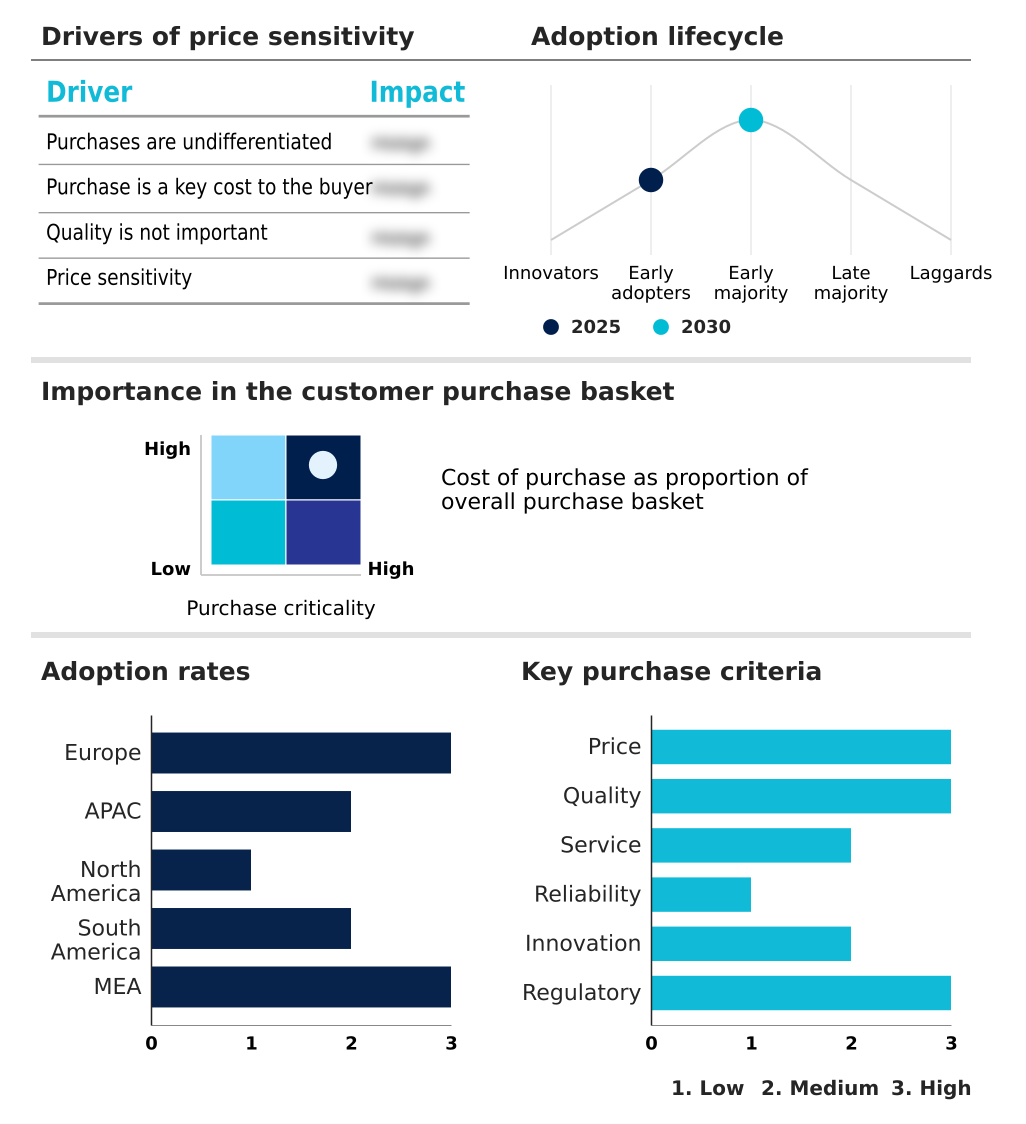
Customer Landscape of Adventure Tourism Industry
Competitive Landscape
Companies are implementing various strategies, such as strategic alliances, adventure tourism market forecast, partnerships, mergers and acquisitions, geographical expansion, and product/service launches, to enhance their presence in the industry.
A and K Travel Group Ltd. - Key solutions encompass curated global expeditions, from luxury journeys to small-group trekking, all centered on delivering immersive, sustainable, and authentic adventure travel experiences.
The industry research and growth report includes detailed analyses of the competitive landscape of the market and information about key companies, including:
- A and K Travel Group Ltd.
- Active New Zealand Ltd.
- BikeHike Adventures Inc.
- Boundless Journeys
- Butterfield and Robinson Inc.
- Exodus Travels Ltd.
- Explore Worldwide Ltd.
- G Adventures
- Geographic Expeditions Inc.
- Intrepid Group Pty Ltd.
- Kensington Tours Ltd.
- Mountain Travel Sobek
- Much Better Adventures Ltd.
- Passages Exotic Expeditions Ltd
- Recreational Equipment Inc.
- ROW Adventures
- The Walt Disney Co.
- Trafalgar
- Travelopia Group
- TUI AG
Qualitative and quantitative analysis of companies has been conducted to help clients understand the wider business environment as well as the strengths and weaknesses of key industry players. Data is qualitatively analyzed to categorize companies as pure play, category-focused, industry-focused, and diversified; it is quantitatively analyzed to categorize companies as dominant, leading, strong, tentative, and weak.
Recent Development and News in Adventure tourism market
- In January, 2025, the World Tourism Organization published a report highlighting that the absence of dedicated search and rescue networks in remote developing regions has led to a 30% lower investment rate from adventure tourism operators.
- In February, 2025, Credit Suisse confirmed in a wealth distribution report that significant growth in household net worth across the APAC region directly correlated with a 20% rise in demand for premium mountaineering and polar expeditions.
- In March, 2025, the Adventure Travel Trade Association noted a significant industry-wide surge in the implementation of wearable biosensors to monitor participant vital signs in real-time during high-risk activities like high-altitude trekking.
- In April, 2025, an economic impact study released by Skift revealed that the average cost of an all-inclusive multi-day expedition increased by 15% over the past year, driven by rising costs of sustainable aviation fuel and eco-friendly remote lodging.
Dive into Technavio’s robust research methodology, blending expert interviews, extensive data synthesis, and validated models for unparalleled Adventure Tourism Market insights. See full methodology.
| Market Scope | |
|---|---|
| Page number | 290 |
| Base year | 2025 |
| Historic period | 2020-2024 |
| Forecast period | 2026-2030 |
| Growth momentum & CAGR | Accelerate at a CAGR of 9.4% |
| Market growth 2026-2030 | USD 1039.3 billion |
| Market structure | Fragmented |
| YoY growth 2025-2026(%) | 8.7% |
| Key countries | UK, Germany, France, Italy, Spain, The Netherlands, China, Japan, India, Australia, Thailand, Indonesia, US, Canada, Mexico, Brazil, Argentina, Peru, South Africa, UAE, Egypt, Saudi Arabia and Morocco |
| Competitive landscape | Leading Companies, Market Positioning of Companies, Competitive Strategies, and Industry Risks |
Research Analyst Overview
- The global adventure tourism market 2026-2030 is rapidly evolving from a niche sector into a significant economic driver, fueled by a broadening consumer base. This expansion is largely attributed to the popularization of soft adventure sports, which now account for over 65% of new bookings and are accessible to a wider demographic.
- Concurrently, demand for hard adventure activities like high-altitude trekking, deep-sea diving, and white-water rafting remains strong among enthusiasts. Boardroom decisions are increasingly focused on technology and safety, with investments in digital booking platforms and wearable biosensors becoming standard to mitigate risk and enhance the customer experience. The market's offerings are incredibly diverse, spanning polar exploration, desert safaris, and urban adventure.
- Success depends on managing a complex portfolio of activities, from ziplining, canyoning, bungee jumping, and sandboarding to more technical pursuits like ice climbing and navigating via ferrata networks. The industry is also embracing eco-tourism, with sustainable camps and eco-friendly trails becoming key differentiators.
- Activities such as volcanic hiking, rainforest trekking, and cultural walking tours are integrated with peer-to-peer feedback systems, while niche sports like kitesurfing, gravel biking, and even dogsledding find audiences through targeted online channels.
- The rise of geological adventure and sustainable marine tourism highlights a growing consciousness, pushing operators toward more responsible practices, including the organization of slow travel itineraries and experiences like shark cage diving and dune bashing.
What are the Key Data Covered in this Adventure Tourism Market Research and Growth Report?
-
What is the expected growth of the Adventure Tourism Market between 2026 and 2030?
-
USD 1039.3 billion, at a CAGR of 9.4%
-
-
What segmentation does the market report cover?
-
The report is segmented by Type (Domestic, and International), Source (Indirect contribution, Direct contribution, and Induced contribution), Age Group (Below 30 years, 30 to 50 years, and Above 50 years) and Geography (Europe, APAC, North America, South America, Middle East and Africa)
-
-
Which regions are analyzed in the report?
-
Europe, APAC, North America, South America and Middle East and Africa
-
-
What are the key growth drivers and market challenges?
-
Increasing disposable incomes, Low penetration rate in developing economies
-
-
Who are the major players in the Adventure Tourism Market?
-
A and K Travel Group Ltd., Active New Zealand Ltd., BikeHike Adventures Inc., Boundless Journeys, Butterfield and Robinson Inc., Exodus Travels Ltd., Explore Worldwide Ltd., G Adventures, Geographic Expeditions Inc., Intrepid Group Pty Ltd., Kensington Tours Ltd., Mountain Travel Sobek, Much Better Adventures Ltd., Passages Exotic Expeditions Ltd, Recreational Equipment Inc., ROW Adventures, The Walt Disney Co., Trafalgar, Travelopia Group and TUI AG
-
Market Research Insights
- The market's dynamics are heavily influenced by digital transformation and evolving consumer preferences for immersive cultural experiences. The widespread adoption of online travel agencies has streamlined access to customized itineraries and personalized private tours, reducing booking friction for complex expeditions by over 30%.
- Social proof is a powerful force, with 80% of travelers citing verified online reviews as the most influential factor in their decision-making process. Concurrently, a shift toward more accessible activities is reshaping the demand landscape, as soft adventure now accounts for over 65% of all new bookings, driven by a growing interest in adventure wellness offerings.
- This pivot toward low-impact travel broadens the consumer base, attracting multi-generational and solo travelers alike, who prioritize both safety and authenticity in their chosen expeditions.
We can help! Our analysts can customize this adventure tourism market research report to meet your requirements.
 RIA -
RIA - 
