
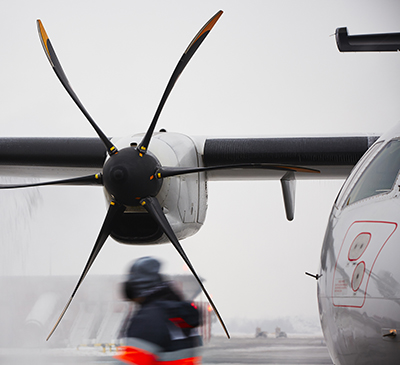


The aircraft ice protection system market share is expected to increase by USD 1.44 billion from 2020 to 2025, and the market’s growth momentum will accelerate at a CAGR of 5.45%.
This aircraft ice protection system market research report provides valuable insights on the post COVID-19 impact on the market, which will help companies evaluate their business approaches. Furthermore, this report extensively covers aircraft ice protection system market segmentation by application (commercial aviation, military aviation, and business aviation) and geography (North America, Europe, APAC, South America, and MEA). The aircraft ice protection system market report also offers information on several market vendors, including Curtiss Wright Corp., Honeywell International Inc., Inland Technologies, John Bean Technologies Corp., Liebherr International AG, Meggitt Plc, Melrose Industries Plc, Parker Hannifin Corp., Raytheon Technologies Corp., and Safran SA among others.
What will the Aircraft Ice Protection System Market Size be During the Forecast Period?
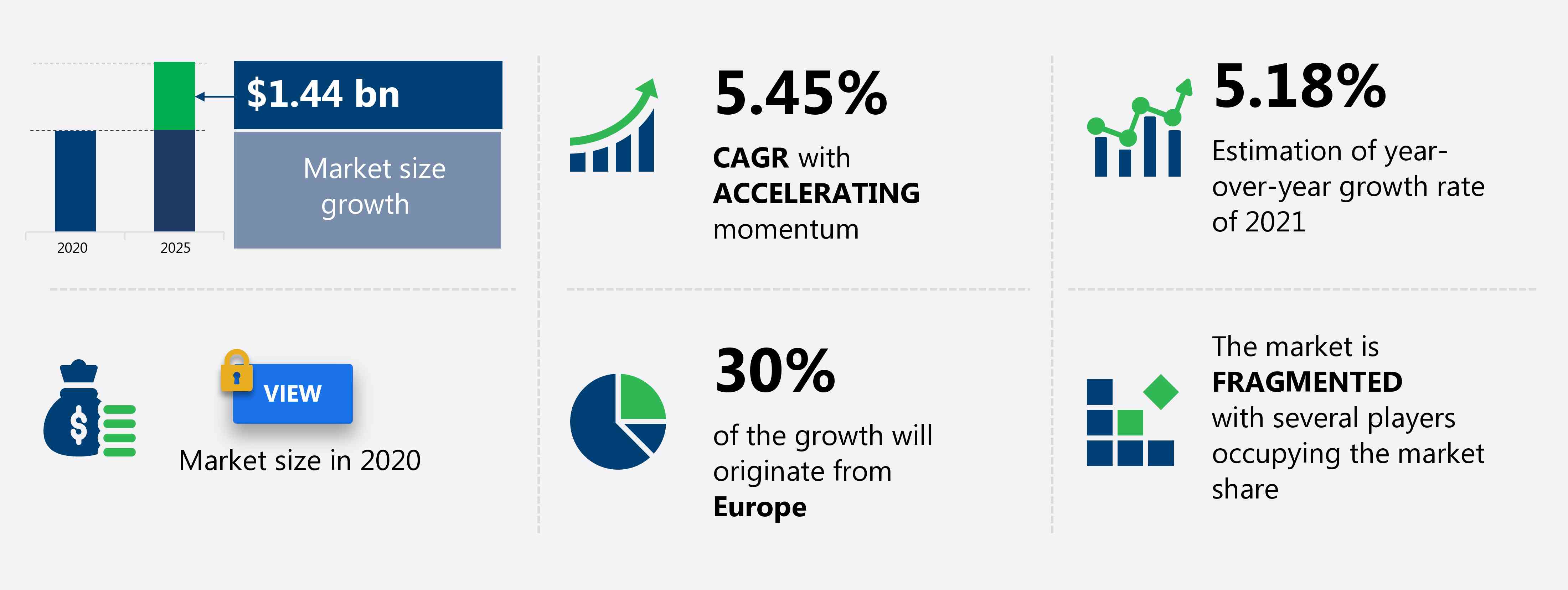
Download the Free Report Sample to Unlock the Aircraft Ice Protection System Market Size for the Forecast Period and Other Important Statistics
Aircraft Ice Protection System Market: Key Drivers, Trends, and Challenges
Based on our research output, there has been a negative impact on the market growth during and post COVID-19 era. The integration of electrical architecture in new-generation aircraft is notably driving the aircraft ice protection system market growth, although factors such as frequent maintenance requirements may impede the market growth. Our research analysts have studied the historical data and deduced the key market drivers and the COVID-19 pandemic impact on the aircraft ice protection system industry. The holistic analysis of the drivers will help in deducing end goals and refining marketing strategies to gain a competitive edge.
Key Aircraft Ice Protection System Market Driver
The integration of electrical architecture in new-generation aircraft is one of the key factors driving the growth of the global aircraft ice protection system market. The evolution of long-range aircraft has increased the complexities of the internal systems in aircraft. The move to replace bulky and outdated components in the aircraft control system with electrical systems has helped in the development of a concept known as more-electric architecture (MEA). Together with variable frequency generation and power electronics, the electrical output of various electrical equipment in an aircraft can be controlled efficiently to enhance its overall performance without adding to the overall weight. The primary objective of shifting to an electrical control system is achieving lower operational costs in terms of reduced fuel consumption and associated emissions, as well as minimal maintenance costs as a result of the simplified design of an electric drivetrain. Moreover, Electrical ice protection systems provide several advantages in terms of weight and cost reduction, enhanced overall reliability, and improved performance, and thus have witnessed widespread adoption in new aircraft models. This is expected to drive market growth during the forecast period.
Key Aircraft Ice Protection System Market Trend
The use of laser pulse technology to develop new materials for ice protection will fuel the global aircraft ice protection system market growth. The nano-texture removes smooth surfaces and prevents water droplets from spreading out and wetting the surface, thereby reducing the intensity of ice formation. The technique has a potential design framework that helps in reducing maintenance costs when compared to anti-icing coatings. The technology is under development and, at present, lacks robustness and consistency for commercial viability. Moreover, as the technology cannot actively remove ice that has already formed, it is advisable to use other ice protection systems alongside. Water-repellent structures usually have poor structural strength and are vulnerable to rapid deterioration. Researchers are testing a combination of laser processing and plasma technology to create robust lotus-like structures. Laser-machined patterns are being analyzed using optical microscopy and scanning electron microscopes (SEMs) to improve the erosion resistance attributes of super-hydrophobic surfaces and make them more suitable for use in harsh environmental conditions. The application of the technology in commercial and military aircraft will likely revolutionize the global aircraft ice protection system market.
Key Aircraft Ice Protection System Market Challenge
The frequent maintenance requirements are a major challenge for the global aircraft ice protection system market growth. An ice protection system is used primarily to perform either of the two functions, namely, prevent ice formation on the exposed surfaces of an aircraft (anti-icing), or remove ice post-formation (de-icing). Ice accumulation in aircraft is fraught with dangers and has a range of effects on different aerostructures, which can impair their airworthiness. For instance, ice accumulation on the wings disrupts the smooth flow of air over the surface and drastically increases the drag while reducing lift. Hence, it must be ensured that the ice protection system is functioning properly to avoid the critical loss of the flying attributes of an aircraft. Aircraft that frequently operate in colder regions are more vulnerable to technical constraints associated with ice protection systems. In these regions, maintaining the airworthiness of an aircraft requires the mounted ice protection system to be inspected constantly, which escalates the associated maintenance costs for an airline operator. The designs of the system and their corresponding operating procedures are based on the understanding of the tolerance to ice accretion exhibited by an aerodynamic surface.
This aircraft ice protection system market analysis report also provides detailed information on other upcoming trends and challenges that will have a far-reaching effect on the market growth. The actionable insights on the trends and challenges will help companies evaluate and develop growth strategies for 2021-2025.
Parent Market Analysis
Technavio categorizes the global aircraft Ice protection system market as a part of the global aerospace and defense market within the global capital goods market. Our research report has extensively covered external factors influencing the parent market growth potential in the coming years, which will determine the levels of growth of the aircraft ice protection system market during the forecast period.
Who are the Major Aircraft Ice Protection System Market Vendors?
The report analyzes the market’s competitive landscape and offers information on several market vendors, including:
- Curtiss Wright Corp.
- Honeywell International Inc.
- Inland Technologies
- John Bean Technologies Corp.
- Liebherr International AG
- Meggitt Plc
- Melrose Industries Plc
- Parker Hannifin Corp.
- Raytheon Technologies Corp.
- Safran SA
This statistical study of the aircraft ice protection system market encompasses successful business strategies deployed by the key vendors. The aircraft ice protection system market is fragmented and the vendors are deploying growth strategies such as price, quality, innovation, reputation, brand identity, and distribution to compete in the market.
Product Insights and News
- Curtiss Wright Corp. - The company offers ice detection and protection systems.
To make the most of the opportunities and recover from post COVID-19 impact, market vendors should focus more on the growth prospects in the fast-growing segments, while maintaining their positions in the slow-growing segments.
The aircraft ice protection system market forecast report offers in-depth insights into key vendor profiles. The profiles include information on the production, sustainability, and prospects of the leading companies.
Aircraft Ice Protection System Market Value Chain Analysis
Our report provides extensive information on the value chain analysis for the aircraft ice protection system market, which vendors can leverage to gain a competitive advantage during the forecast period. The end-to-end understanding of the value chain is essential in profit margin optimization and evaluation of business strategies. The data available in our value chain analysis segment can help vendors drive costs and enhance customer services during the forecast period.
The value chain of the global capital goods market includes the following core components:
- Inputs
- Inbound logistics
- Operations
- Outbound logistics
- Marketing and sales
- Service
- Support activities
- Innovation
The report has further elucidated other innovative approaches being followed by manufacturers to ensure a sustainable market presence.
Which are the Key Regions for Aircraft Ice Protection System Market?
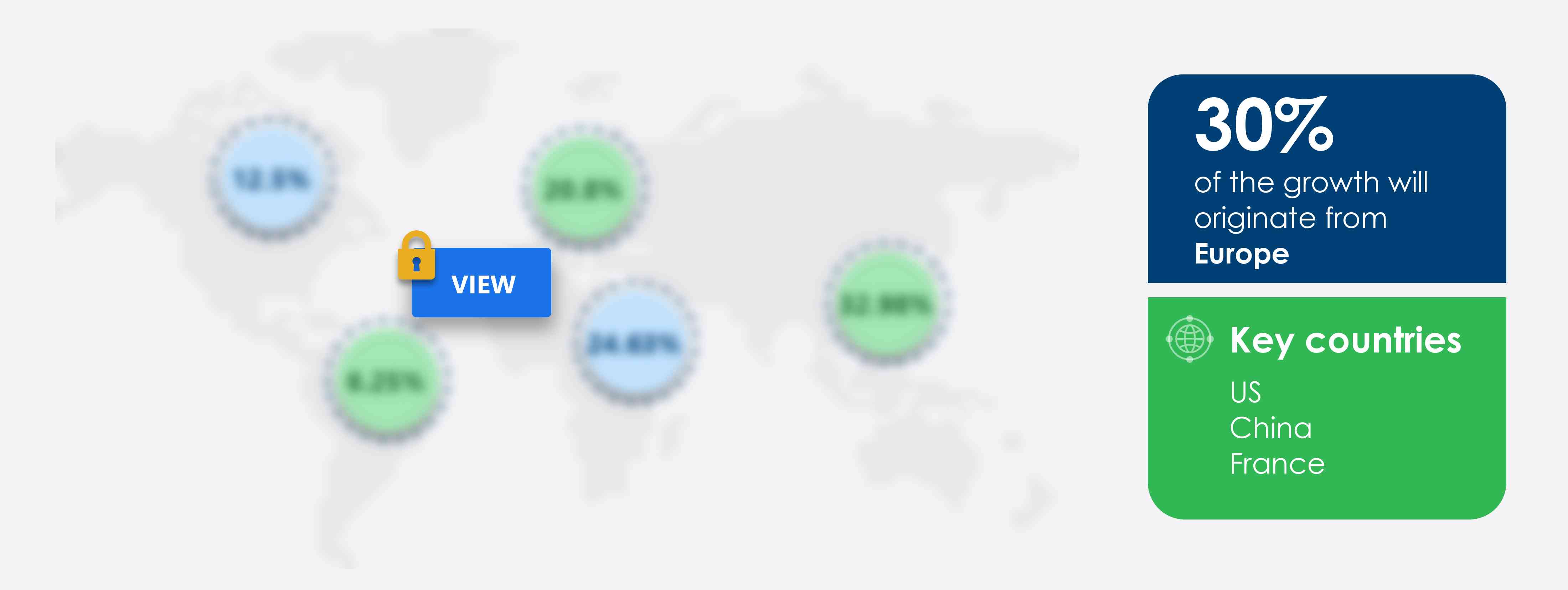
For more insights on the market share of various regions Request for a FREE sample now!
30% of the market’s growth will originate from Europe during the forecast period. France and Russian Federation are the key markets for the aircraft ice protection system market in Europe. Market growth in this region will be slower than the growth of the market in regions.
The integration of electrical architecture in new-generation aircraft will facilitate the aircraft ice protection system market growth in Europe over the forecast period. This market research report entails detailed information on the competitive intelligence, marketing gaps, and regional opportunities in store for vendors, which will assist in creating efficient business plans.
COVID Impact and Recovery Analysis
The outbreak of COVID-19 across the world, travel restrictions are imposed in several countries. Therefore, there is a huge decline in revenue for airline operators across regions, such as Europe. This is expected to result in the cancelation of orders or the postponement of delivery of orders, which will have an impact on the delivery of ice protection systems for aircraft. However, in 2021, the initiation of large-scale vaccination drives lifted the lockdown and travel restrictions, which led to the resumption of supply chain activities. Such factors are expected to drive the market during the forecast period.
What are the Revenue-generating Application Segments in the Aircraft Ice Protection System Market?
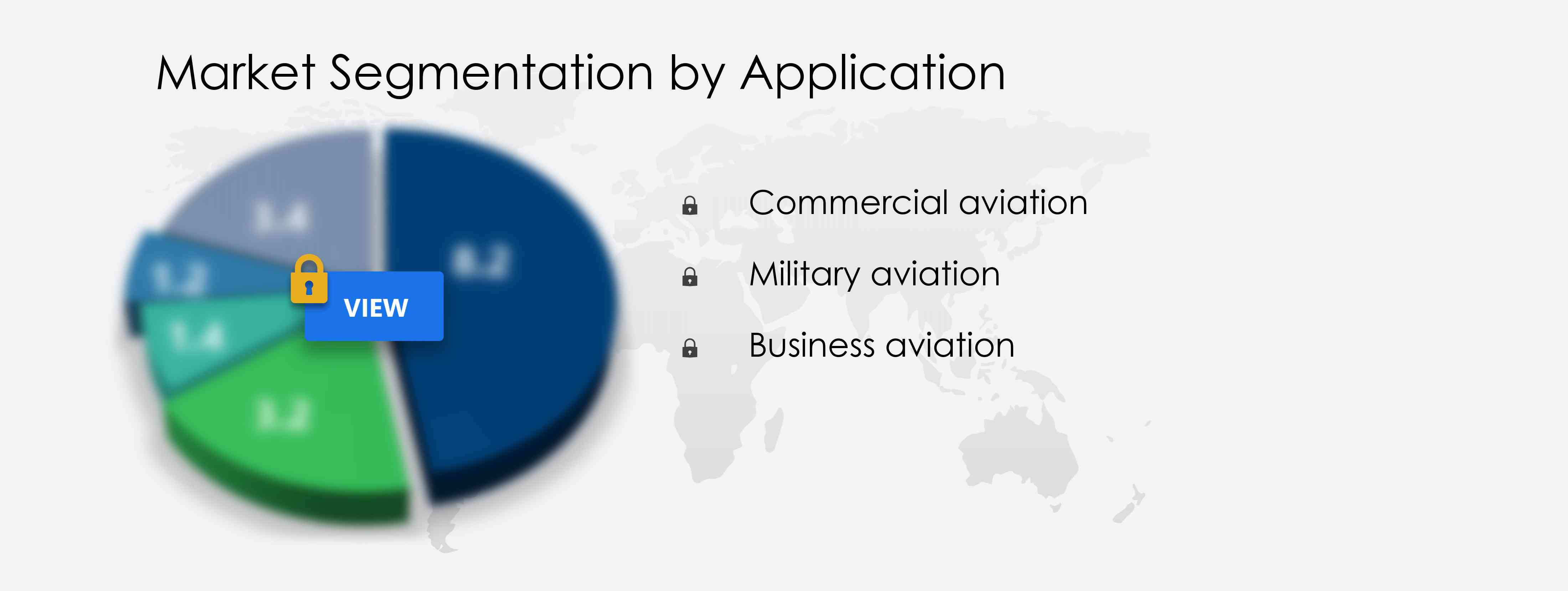
To gain further insights on the market contribution of various segments Request for a FREE sample
The aircraft ice protection system market share growth in the commercial aviation segment will be significant during the forecast period. The manifold growth of the commercial aircraft industry can be attributed to factors such as technological advances and increasing consumer preference for air travel. In their effort to comply with stringent emission norms, airline operators are procuring new aircraft with advanced engines to remain profitable by reducing operational costs. Technavio expects increasing order books for modern commercial aircraft to drive the market in focus during the forecast period.
This report provides an accurate prediction of the contribution of all the segments to the growth of the aircraft ice protection system market size and actionable market insights on post COVID-19 impact on each segment.
|
Aircraft Ice Protection System Market Scope |
|
|
Report Coverage |
Details |
|
Page number |
120 |
|
Base year |
2020 |
|
Forecast period |
2021-2025 |
|
Growth momentum & CAGR |
Accelerate at a CAGR of 5.45% |
|
Market growth 2021-2025 |
$ 1.44 billion |
|
Market structure |
Fragmented |
|
YoY growth (%) |
5.18 |
|
Regional analysis |
North America, Europe, APAC, South America, and MEA |
|
Performing market contribution |
Europe at 30% |
|
Key consumer countries |
US, China, France, and Russian Federation |
|
Competitive landscape |
Leading companies, Competitive strategies, Consumer engagement scope |
|
Key companies profiled |
Curtiss Wright Corp., Honeywell International Inc., Inland Technologies, John Bean Technologies Corp., Liebherr International AG, Meggitt Plc, Melrose Industries Plc, Parker Hannifin Corp., Raytheon Technologies Corp., and Safran SA |
|
Market dynamics |
Parent market analysis, Market growth inducers and obstacles, Fast-growing and slow-growing segment analysis, COVID 19 impact and recovery analysis and future consumer dynamics, Market condition analysis for forecast period |
|
Customization purview |
If our report has not included the data that you are looking for, you can reach out to our analysts and get segments customized. |
What are the Key Data Covered in this Aircraft Ice Protection System Market Report?
- CAGR of the market during the forecast period 2021-2025
- Detailed information on factors that will drive aircraft ice protection system market growth during the next five years
- Precise estimation of the aircraft ice protection system market size and its contribution to the parent market
- Accurate predictions on upcoming trends and changes in consumer behavior
- The growth of the aircraft ice protection system market industry across North America, Europe, APAC, South America, and MEA
- A thorough analysis of the market’s competitive landscape and detailed information on vendors
- Comprehensive details of factors that will challenge the growth of aircraft ice protection system market vendors
We can help! Our analysts can customize this report to meet your requirements. Get in touch
 RIA -
RIA - 
