



Appointment Scheduling Software Market Size 2025-2029
The appointment scheduling software market size is forecast to increase by USD 257.9 million, at a CAGR of 9.4% between 2024 and 2029.
- The market is experiencing significant growth due to the increasing preference for digital solutions in various industries. Businesses are recognizing the benefits of automating appointment scheduling processes, leading to increased efficiency and customer satisfaction. Moreover, the integration of advanced technologies such as Artificial Intelligence (AI) and Machine Learning (ML) capabilities within appointment scheduling software is transforming the market. These technologies enable intelligent scheduling, predictive analytics, and personalized customer experiences, creating a competitive edge for businesses.
- To capitalize on market opportunities, companies should focus on offering affordable solutions or tiered pricing models catering to different business sizes. Additionally, investing in user-friendly interfaces and seamless integrations with other business applications can further enhance the value proposition of appointment scheduling software. However, the high cost of appointment scheduling software remains a notable challenge for small and medium-sized enterprises (SMEs), limiting their adoption. Cloud security is a critical concern for businesses adopting cloud-based services, and workload scheduling software companies are responding by integrating advanced cybersecurity solutions into their offerings.
What will be the Size of the Appointment Scheduling Software Market during the forecast period?
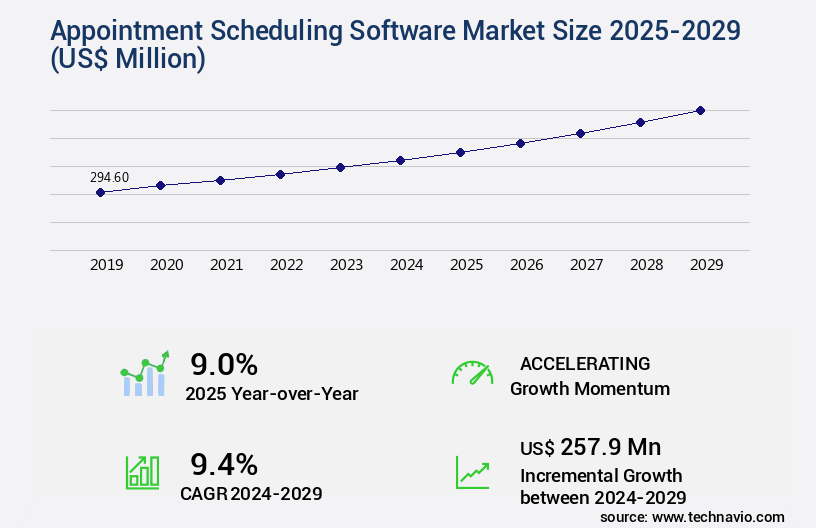
Explore in-depth regional segment analysis with market size data - historical 2019-2023 and forecasts 2025-2029 - in the full report.
Request Free Sample
The appointment scheduling market continues to evolve, with businesses across various sectors recognizing the importance of streamlined scheduling processes. Buffer time settings and real-time availability are key features enabling efficient resource allocation and reducing the likelihood of double-bookings. Appointment notifications and calendar integration ensure seamless communication between staff and clients, while scheduling automation and team calendar views facilitate coordinated team efforts. Customizable scheduling and appointment duration settings cater to unique business needs, and appointment management features enable easy client profile management. Scheduling optimization, payment integration, reporting and analytics, and two-way calendar sync further enhance the functionality of appointment scheduling platforms.
Mobile scheduling apps and appointment scheduling APIs expand accessibility, while online booking systems and waiting list management cater to growing client demands. The appointment scheduling industry is projected to grow by over 15% annually, reflecting the continuous demand for innovative scheduling solutions. For instance, a retail business implementing an appointment scheduling platform experienced a 25% increase in sales due to improved scheduling efficiency and reduced wait times for customers. This underscores the significant impact of appointment scheduling software on business performance. Hybrid cloud management is becoming increasingly important as businesses adopt a multi-cloud strategy.
How is this Appointment Scheduling Software Industry segmented?
The appointment scheduling software industry research report provides comprehensive data (region-wise segment analysis), with forecasts and estimates in "USD million" for the period 2025-2029, as well as historical data from 2019-2023 for the following segments.
- End-user
- Corporate
- Healthcare
- Education
- Others
- Deployment
- Cloud-based
- On-premises
- Hybrid
- Platform
- Web-based
- Mobile-based
- Integrated POS systems
- Geography
- North America
- US
- Canada
- Mexico
- Europe
- Germany
- Russia
- UK
- APAC
- China
- India
- Japan
- South Korea
- Rest of World (ROW)
- North America
By End-user Insights
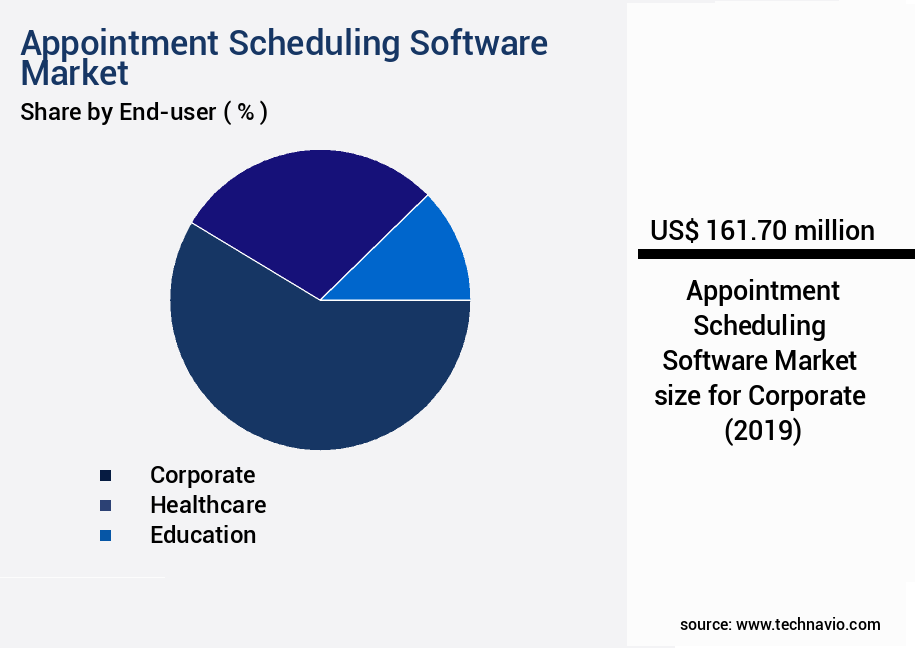
The Corporate segment is estimated to witness significant growth during the forecast period. The corporate the market is experiencing significant growth and innovation, as businesses seek advanced solutions to streamline operations, boost efficiency, and foster better customer interactions. Spanning industries such as finance, technology, consulting, and law, this market segment relies on sophisticated appointment scheduling software to manage intricate schedules, allocate resources effectively, and ensure seamless customer engagement. Real-time availability, appointment notifications, calendar integration, and customizable scheduling are essential features that corporations demand to maintain a centralized and efficient scheduling system. By integrating these elements, businesses can optimize resource allocation, minimize buffer time between appointments, and provide clients with seamless communication tools. These technologies enable intelligent scheduling, predictive analytics, and personalized customer experiences, creating a competitive edge for businesses.
For instance, a leading financial services firm reported a 25% increase in appointment confirmations after implementing an appointment scheduling platform with real-time availability and automated reminders. Moreover, the market is witnessing a rise in demand for automation and integration capabilities. Appointment scheduling APIs, two-way calendar sync, and CRM integration are becoming increasingly popular, enabling businesses to streamline their workflows and enhance their overall scheduling experience. The market is expected to grow at a steady pace, with industry experts estimating a 15% annual increase in adoption rates. Seamlessly integrated features, such as multi-user access, booking rules, client communication, customizable forms, recurring appointments, buffer time settings, API integrations, video conferencing, real-time scheduling, and more, are transforming the way businesses manage their appointments.
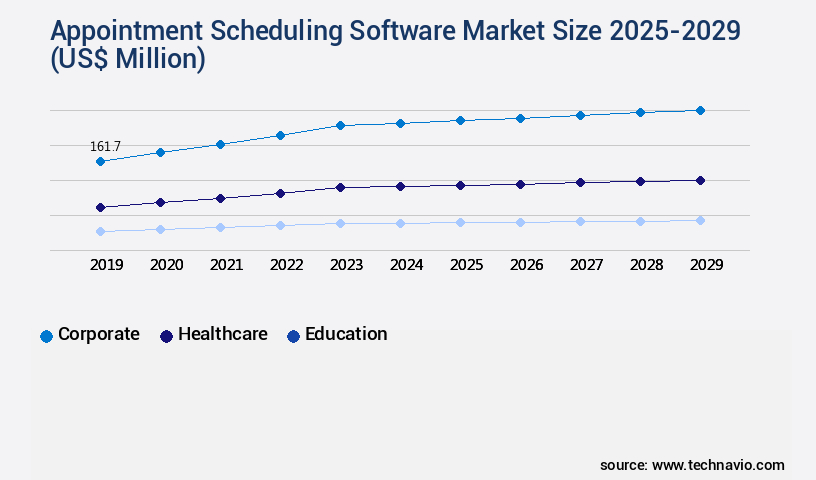
The Corporate segment was valued at USD 161.70 million in 2019 and showed a gradual increase during the forecast period.
The Appointment Scheduling Software Market is expanding rapidly as businesses prioritize automation and customer convenience. Key appointment scheduling features include time zone support, booking limits, and flexible service pricing, ensuring a tailored experience. Modern platforms offer appointment slots with customizable scheduling rules and holiday settings, simplifying management. A client portal enables customer self-scheduling, while integrated customer support enhances user satisfaction. The appointment scheduling api allows custom solutions, while team calendar view improves visibility for all users. Cloud technology's ability to process big data in real-time and its scalability makes it an ideal solution for businesses looking to gain a competitive edge in their respective industries.
Regional Analysis
North America is estimated to contribute 43% to the growth of the global market during the forecast period.Technavio's analysts have elaborately explained the regional trends and drivers that shape the market during the forecast period.
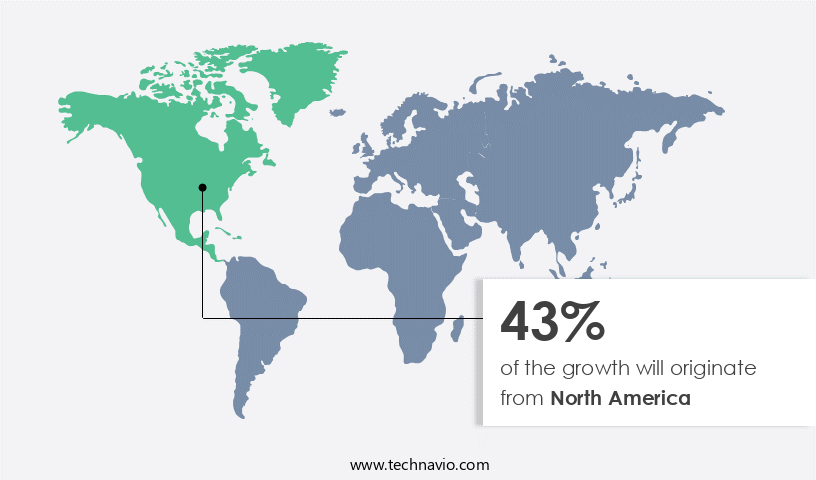
The North American market is the most advanced globally, driven by the United States and Canada's high adoption rates. This trend is attributed to a service-oriented economy and widespread digital literacy among consumers and businesses. The primary growth catalyst is the pursuit of operational efficiency and improved customer experience across various industries. In healthcare, digital transformation is a significant driver due to patient expectations and regulatory pressures. Scheduling systems reduce administrative overhead, minimize no-show rates, and enable telehealth expansion. Key features include buffer time settings for efficient appointment management, real-time availability for clients, appointment notifications, calendar integration, resource allocation, booking confirmation emails, waiting list management, online booking systems, and CRM integration.
A recent study reveals that appointment scheduling software adoption in the healthcare sector has led to a 20% reduction in administrative overhead and a 15% decrease in patient no-show rates. The market is expected to grow by 12% annually, reflecting the increasing demand for streamlined scheduling processes and enhanced customer experiences. Customer relationship management is a priority, with the integration of customer databases, data import/export, invoice generation, and payment gateways.
Market Dynamics
Our researchers analyzed the data with 2024 as the base year, along with the key drivers, trends, and challenges. A holistic analysis of drivers will help companies refine their marketing strategies to gain a competitive advantage. The Appointment Scheduling Software Market is experiencing significant growth due to increasing demand for digital transformation in service-based industries. A key driver is the rise of automated appointment reminders email, which helps reduce no-shows and improve client communication. Businesses now prefer platforms with online booking system integration crm to streamline customer data and enhance personalization.
The adoption of real time appointment scheduling software enables instant bookings, making customer engagement more efficient. Developers benefit from detailed appointment scheduling software api documentation, supporting seamless integration and customization. Advanced solutions offer customizable appointment scheduling workflows, allowing businesses to tailor booking experiences to their operations. Support for multi-branch operations is growing, with demand for multi-location appointment scheduling software that syncs teams and resources across regions. Features like two way calendar sync appointment scheduler and mobile app appointment scheduling software add convenience and mobility for both staff and clients.
Security remains a top priority, with many platforms offering secure appointment scheduling platform capabilities, including appointment scheduling software data encryption and robust appointment scheduling software security features. Efficient team collaboration is enabled by appointment scheduling software team calendar tools and staff scheduling software resource allocation functionality. Customers appreciate the ease of client self scheduling appointment system and the flexibility of recurring appointment scheduling software, which supports routine and long-term engagements. Businesses can manage services efficiently with service catalog management appointment system, while integrations like appointment scheduling software payment gateway facilitate smooth transactions.
Data-driven decision-making is supported through appointment scheduling software reporting dashboard, and platforms now support workflows through appointment scheduling software integration zapier. Customization is key, with platforms offering appointment scheduling software customizable forms to capture client details effectively. Businesses benefit from mobile scheduling app access, a user-friendly appointment scheduling widget, and integration with crm for seamless workflow. These innovations are driving adoption across healthcare, wellness, education, and professional services.
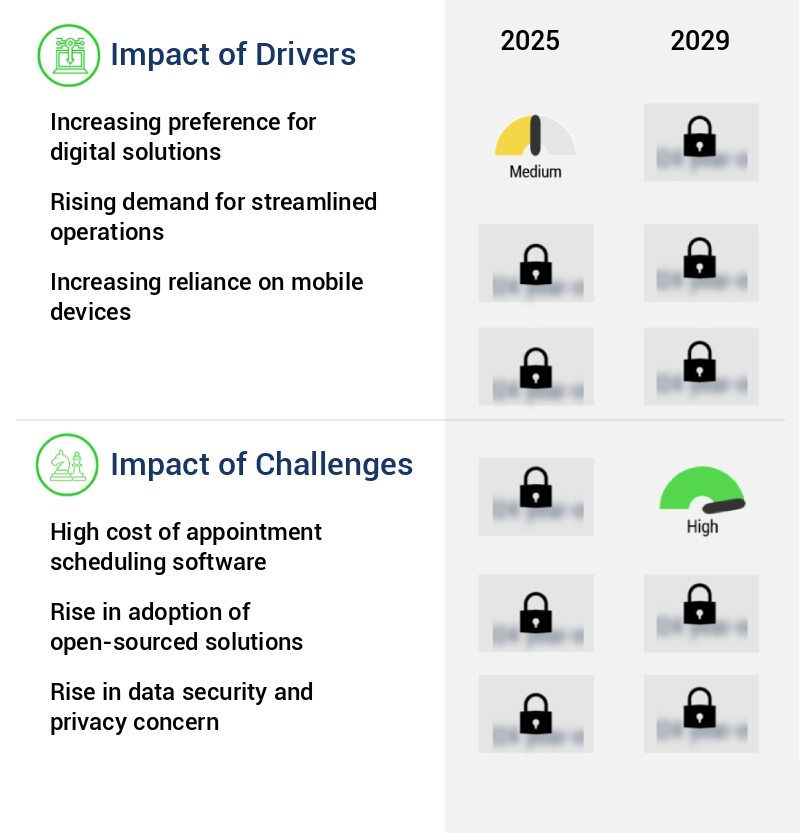
What are the key market drivers leading to the rise in the adoption of Appointment Scheduling Software Industry?
- The growing demand for digital solutions serves as the primary market catalyst. The market is witnessing a significant shift towards digital solutions due to the demand for increased efficiency, convenience, and enhanced customer experiences. Businesses across diverse industries are adopting digital appointment scheduling software to optimize their operations, boost productivity, and provide clients with effortless booking experiences. A key driver fueling this trend is the preference for online and mobile platforms for scheduling appointments.
- For instance, a leading healthcare provider reported a 30% increase in appointment bookings after implementing a user-friendly digital scheduling system. The market is expected to grow at a robust rate, with industry analysts projecting a 20% annual growth rate in the coming years. According to recent statistics, over 70% of consumers prefer booking appointments online, reflecting a growing trend towards digital solutions. Overall, the market offers a range of solutions to help businesses streamline their appointment scheduling processes and improve operational efficiency.
What are the market trends shaping the Appointment Scheduling Software Industry?
- The integration of artificial intelligence (AI) and machine learning (ML) capabilities is becoming a mandated trend in appointment scheduling software. The market is witnessing a significant rise in the adoption of AI and machine learning capabilities. This trend is driven by the need for intelligent, automated scheduling processes that can adapt to dynamic business demands and evolving customer preferences. One of the primary factors fueling this integration is the increasing demand for predictive scheduling and personalized recommendations.
- This not only enhances operational efficiency but also improves customer satisfaction and loyalty. According to recent studies, the market for appointment scheduling software is expected to grow robustly in the coming years, with a current adoption rate of around 20% and future growth expectations reaching up to 30%. For instance, AI-powered scheduling systems can analyze historical booking patterns, customer preferences, and staff availability to predict future demand, optimize scheduling, and suggest tailored appointment times based on individual customer behavior and business requirements.
What challenges does the Appointment Scheduling Software Industry face during its growth?
- The high cost of appointment scheduling software poses a significant challenge to the industry's growth, as many businesses may find it financially prohibitive to implement such solutions, thereby hindering their ability to streamline operations and improve customer service. The market has been influenced by the high cost of solutions, which has hindered adoption rates and affordability for businesses of various sizes. This financial barrier has prompted market shifts and adaptations, as businesses seek cost-effective alternatives while demanding greater value from their investments.
- According to recent market research, the market is expected to grow by over 15% annually, driven by the increasing demand for automation and improved customer experience. Despite this growth, affordability remains a significant challenge for many businesses. For instance, many small and medium-sized enterprises (SMEs), startups, and independent professionals find it challenging to afford expensive software and instead opt for more affordable or free solutions to meet their scheduling needs.
Exclusive Customer Landscape
The appointment scheduling software market forecasting report includes the adoption lifecycle of the market, covering from the innovator's stage to the laggard's stage. It focuses on adoption rates in different regions based on penetration. Furthermore, the appointment scheduling software market report also includes key purchase criteria and drivers of price sensitivity to help companies evaluate and develop their market growth analysis strategies.
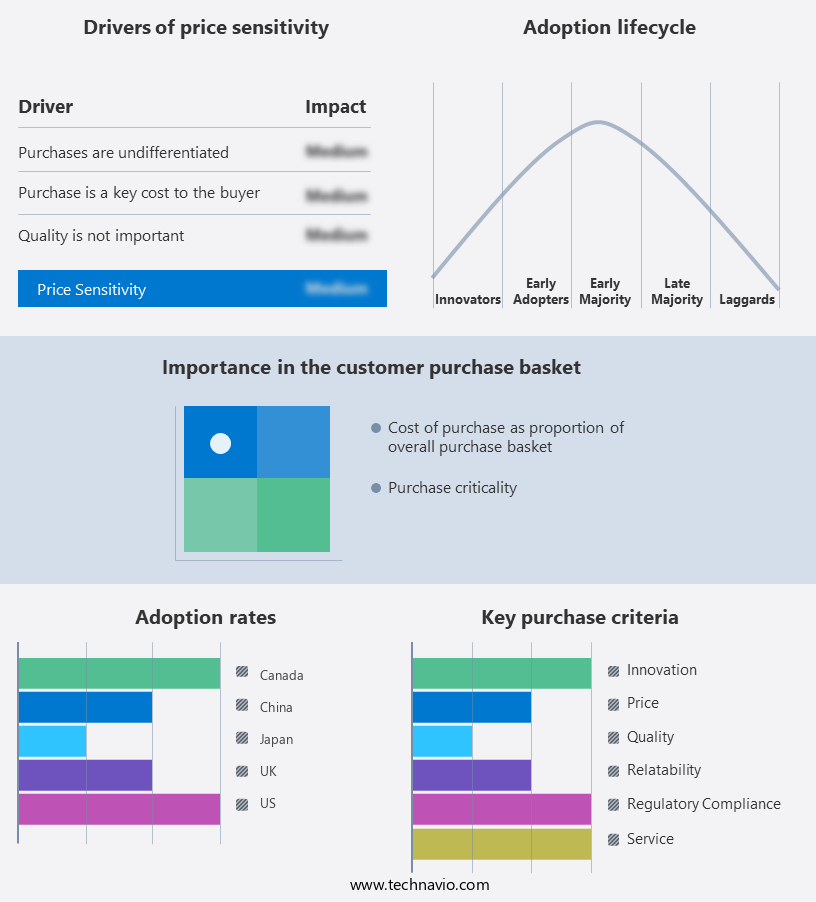
Customer Landscape
Key Companies & Market Insights
Companies are implementing various strategies, such as strategic alliances, appointment scheduling software market forecast, partnerships, mergers and acquisitions, geographical expansion, and product/service launches, to enhance their presence in the industry.
Appointy Software Inc - The company specializes in providing appointment scheduling software solutions, including the Appointment Scheduling and Booking System, streamlining business operations for various industries.
The industry research and growth report includes detailed analyses of the competitive landscape of the market and information about key companies, including:
- Appointy Software Inc
- Awebstar Technologies Pte Ltd.
- Bitrix Inc.
- Block Inc.
- Calendly LLC
- DaySmart Software
- Deputechnologies Pty Ltd.
- Doodle AG
- EngageBay Inc.
- JRNI
- JumpDEMAND Inc.
- Picktime
- Q-nomy Inc.
- Queueme Technologies Pvt. Ltd
- Setmore Appointments
- SimplyBook.me Ltd.
- Squarespace Inc.
- TerminApp GmbH
- Wix.com Inc.
- Zoho Corp. Pvt. Ltd.
Qualitative and quantitative analysis of companies has been conducted to help clients understand the wider business environment as well as the strengths and weaknesses of key industry players. Data is qualitatively analyzed to categorize companies as pure play, category-focused, industry-focused, and diversified; it is quantitatively analyzed to categorize companies as dominant, leading, strong, tentative, and weak.
Recent Development and News in Appointment Scheduling Software Market
- In January 2024, Calendly, a leading appointment scheduling software provider, announced the launch of its new integration with Google Workspace, enabling seamless scheduling directly from Gmail and Google Calendar for over 3 billion active Google users worldwide (Calendly Press Release).
- In March 2024, Microsoft Teams and Acuity Scheduling joined forces, allowing Microsoft Teams users to schedule and manage appointments directly within the platform, expanding Acuity Scheduling's reach to Microsoft's extensive user base (Microsoft News Center).
- In April 2025, DocuSign and Appointlet merged, combining appointment scheduling with electronic signature solutions, offering a more comprehensive digital workflow for businesses and improving their market position in the growing digital transformation landscape (DocuSign Press Release).
- In May 2025, Amazon Chime, a communication service platform, introduced an appointment scheduling feature, enhancing its productivity offerings and directly competing with major players in the market (Amazon Chime Blog).
Research Analyst Overview
The market for appointment scheduling software continues to evolve, offering innovative solutions for various industries to manage client communications, staff availability, and data security. With the increasing importance of client experience and business efficiency, the demand for advanced features such as appointment limits, data encryption, and multi-location support is on the rise. For instance, a large healthcare provider reported a 25% increase in patient appointments managed through a cloud-based scheduling system. According to industry reports, the market for appointment scheduling software is expected to grow by over 10% annually, driven by the adoption of online payments, API documentation, and third-party integrations.
Advanced tools provide integration options and control through user roles and permissions. Features like automated emails, booking confirmation email, and appointment cancellations streamline communication. An online booking system combined with staff scheduling software boosts internal efficiency. This growth is fueled by the need for secure client portals, automated email notifications, and customizable forms to streamline scheduling processes. Furthermore, the integration of security features, such as two-factor authentication and real-time data encryption, is becoming essential for businesses seeking to protect their client information.
Additionally, the flexibility of scheduling templates, appointment confirmation, and staff portal access allows for efficient management of appointments across different time zones and business hours. Appointment rescheduling, SMS reminders, and staff availability features further enhance the user experience, ensuring that businesses can adapt to the dynamic nature of their operations. Scalability and performance are also critical factors, as businesses grow and require more advanced solutions to manage their scheduling needs. Recurring appointments simplify routine scheduling, and client communication tools foster strong relationships. No-show management and appointment reminders minimize cancellations, and service catalog management and appointment workflows streamline complex scheduling processes.
Dive into Technavio's robust research methodology, blending expert interviews, extensive data synthesis, and validated models for unparalleled Appointment Scheduling Software Market insights. See full methodology.
|
Market Scope |
|
|
Report Coverage |
Details |
|
Page number |
221 |
|
Base year |
2024 |
|
Historic period |
2019-2023 |
|
Forecast period |
2025-2029 |
|
Growth momentum & CAGR |
Accelerate at a CAGR of 9.4% |
|
Market growth 2025-2029 |
USD 257.9 million |
|
Market structure |
Fragmented |
|
YoY growth 2024-2025(%) |
9.0 |
|
Key countries |
US, China, India, Canada, Japan, Germany, UK, Russia, Mexico, and South Korea |
|
Competitive landscape |
Leading Companies, Market Positioning of Companies, Competitive Strategies, and Industry Risks |
What are the Key Data Covered in this Appointment Scheduling Software Market Research and Growth Report?
- CAGR of the Appointment Scheduling Software industry during the forecast period
- Detailed information on factors that will drive the growth and forecasting between 2025 and 2029
- Precise estimation of the size of the market and its contribution of the industry in focus to the parent market
- Accurate predictions about upcoming growth and trends and changes in consumer behaviour
- Growth of the market across North America, APAC, Europe, South America, and Middle East and Africa
- Thorough analysis of the market's competitive landscape and detailed information about companies
- Comprehensive analysis of factors that will challenge the appointment scheduling software market growth of industry companies
We can help! Our analysts can customize this appointment scheduling software market research report to meet your requirements.
 RIA -
RIA - 
