



Artificial Intelligence-based Personalization Market Size 2026-2030
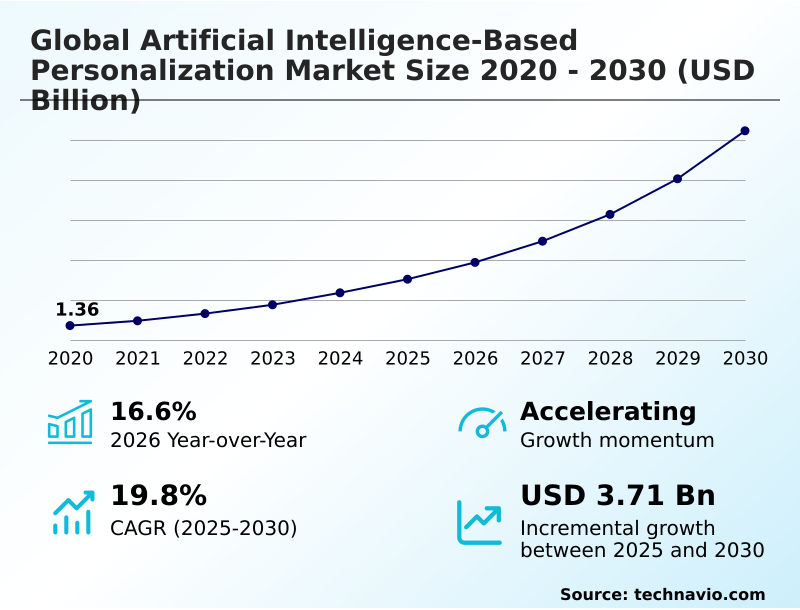
The artificial intelligence-based personalization market size is valued to increase by USD 3.71 billion, at a CAGR of 19.8% from 2025 to 2030. Growing availability of customer behavioral data will drive the artificial intelligence-based personalization market.
Major Market Trends & Insights
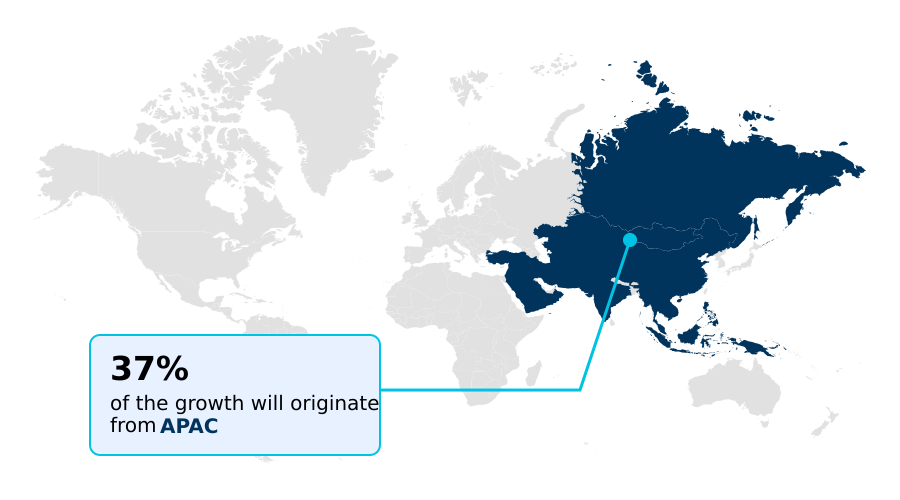
- APAC dominated the market and accounted for a 37.1% growth during the forecast period.
- By Application - Website personalization segment was valued at USD 747.3 million in 2024
- By Technology - Machine learning and deep learning segment accounted for the largest market revenue share in 2024
Market Size & Forecast
- Market Opportunities: USD 4.87 billion
- Market Future Opportunities: USD 3.71 billion
- CAGR from 2025 to 2030 : 19.8%
Market Summary
- The artificial intelligence-based personalization market is defined by its transition toward proactive, autonomous systems that anticipate user needs. This evolution is driven by the integration of sophisticated machine learning models that deliver bespoke consumer experiences at an unprecedented scale. By synthesizing vast quantities of behavioral data, organizations can now execute hyper-personalization strategies that understand intent before it is explicitly stated.
- For instance, a retail enterprise can leverage AI to synchronize in-store inventory levels with localized social media trends and individual consumer browsing histories, allowing for hyper-localized product assortments. This reduces overhead costs associated with unsold stock and enhances operational efficiency.
- However, the industry grapples with significant challenges related to data privacy and the potential for algorithmic bias, which can undermine consumer trust. The push for localized and secure intelligence has led to a surge in on-device processing capabilities, ensuring user privacy remains a central tenet of the personalization journey.
- The market's trajectory suggests that the seamless integration of these technologies into everyday workflows, balanced with strong ethical governance, will remain a primary catalyst for long-term strategic growth.
What will be the Size of the Artificial Intelligence-based Personalization Market during the forecast period?
Get Key Insights on Market Forecast (PDF) Get Free Sample
How is the Artificial Intelligence-based Personalization Market Segmented?
The artificial intelligence-based personalization industry research report provides comprehensive data (region-wise segment analysis), with forecasts and estimates in "USD million" for the period 2026-2030, as well as historical data from 2020-2024 for the following segments.
- Application
- Website personalization
- Display ads personalization
- Social media personalization
- E-mail personalization
- Others
- Technology
- Machine learning and deep learning
- Natural language processing
- End-user
- Enterprises
- Individuals
- Geography
- APAC
- China
- Japan
- India
- North America
- US
- Canada
- Mexico
- Europe
- Germany
- UK
- France
- South America
- Brazil
- Argentina
- Middle East and Africa
- Saudi Arabia
- UAE
- South Africa
- Rest of World (ROW)
- APAC
By Application Insights
The website personalization segment is estimated to witness significant growth during the forecast period.
The website personalization segment is shifting toward holistic environment adaptation. Deployment of reinforcement learning models facilitates adaptive user journeys, where predictive surfacing technology anticipates needs before a user performs a search.
This is achieved through dynamic content rendering and sophisticated conversational AI agents that guide user interactions. Organizations are leveraging autonomous copywriting assistants and dynamic creative optimization to deliver bespoke landing pages, with predictive creative optimization fine-tuning visuals in real time.
These systems, often run in private cloud environments, use emotional-indexing features to tailor experiences.
The successful deployment of a neural network-based recommendation engine that synchronized cross-device data led to a reported 15% increase in average order value for a major retail entity, demonstrating the direct impact of these technologies.
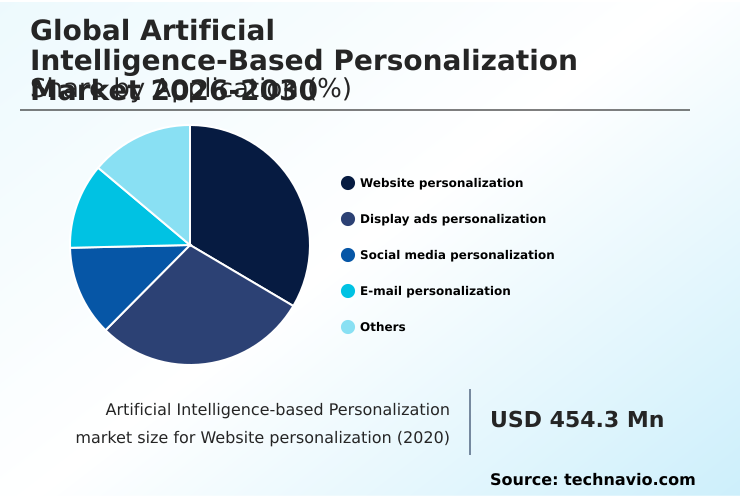
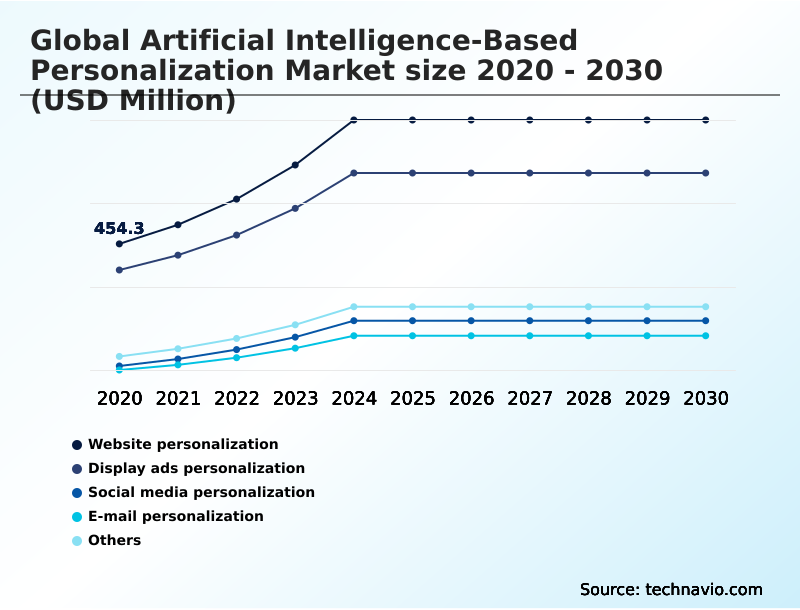
The Website personalization segment was valued at USD 747.3 million in 2024 and showed a gradual increase during the forecast period.
Regional Analysis
APAC is estimated to contribute 37.1% to the growth of the global market during the forecast period.Technavio’s analysts have elaborately explained the regional trends and drivers that shape the market during the forecast period.
See How Artificial Intelligence-based Personalization Market Demand is Rising in APAC Get Free Sample
The market's geographic landscape is characterized by distinct regional dynamics. North America continues to lead in investment, while the APAC region is the fastest-growing market, expanding at over 20% annually.
In APAC, the use of natural language processing (NLP) to support diverse local languages is critical for achieving hyper-localized product assortments and effective micro-segmentation strategies.
Enterprises in this region leverage intelligent virtual assistants and visual search AI to cater to mobile-first economies. In Europe, a focus on regulatory compliance drives the adoption of sovereign AI solutions.
Across all regions, computer vision algorithms are enhancing digital experience personalization, while autonomous bidding systems optimize advertising spend.
The deployment of customer engagement AI, alongside technologies like AI-driven menu recommendations, helps businesses secure a competitive advantage by delivering superior, tailored experiences that boost customer lifetime value by over 15%.
Market Dynamics
Our researchers analyzed the data with 2025 as the base year, along with the key drivers, trends, and challenges. A holistic analysis of drivers will help companies refine their marketing strategies to gain a competitive advantage.
- The practical applications of advanced AI are reshaping business operations and customer interactions across multiple sectors. The use of generative AI for hyper-personalized recommendations is becoming a standard in e-commerce, driving engagement by creating unique user journeys. In parallel, the push for edge AI for faster on-device personalization is enhancing mobile experiences and strengthening data privacy.
- This trend is complemented by multimodal personalization in augmented reality, which blends digital content with the physical world for immersive shopping. AI-driven dynamic pricing strategies are enabling retailers to respond to market conditions in real time, while natural language processing for conversational AI powers sophisticated chatbots that improve customer service.
- Businesses are successfully reducing customer churn with predictive AI, sometimes by double-digit percentages compared to legacy methods. In finance, AI for personalized financial wellness advice is empowering consumers, just as AI for creating personalized healthcare plans is revolutionizing patient care.
- The operational benefits are significant; AI-powered supply chain inventory optimization and AI-based predictive inventory management have been shown to reduce holding costs by more than double the rate of traditional forecasting. Other key applications include optimizing advertising spend with AI personalization, voice-activated personalization in smart homes, and real-time sentiment analysis for ad targeting.
- The ecosystem is further supported by AI for adaptive e-learning platform content, AI-driven fraud detection and prevention, and federated learning for user data privacy. For B2B contexts, AI for B2B sales lead scoring is critical, while visual search for e-commerce product discovery and automated content generation for email marketing are transforming digital retail.
- Even logistics benefits from personalized route planning with commute AI.
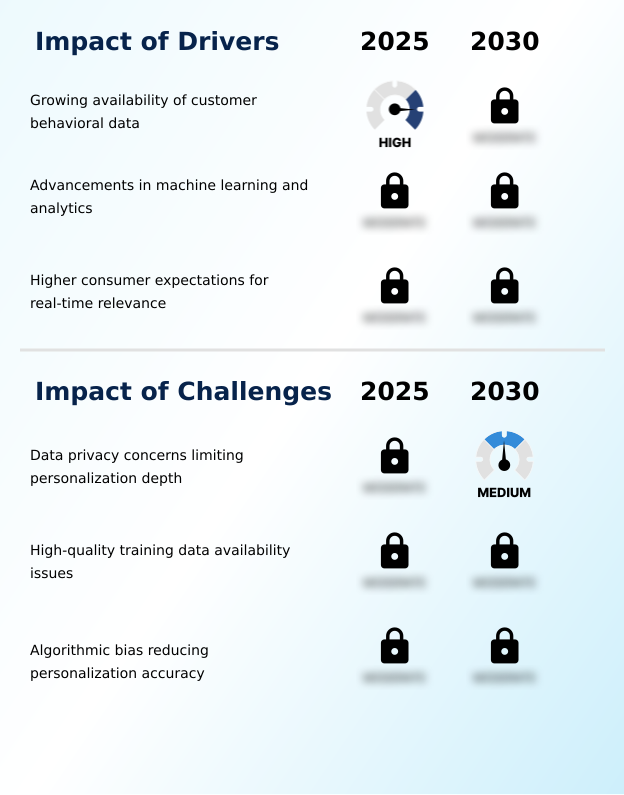
What are the key market drivers leading to the rise in the adoption of Artificial Intelligence-based Personalization Industry?
- The growing availability of rich customer behavioral data across digital platforms is a key driver for the artificial intelligence-based personalization market.
- Market growth is fundamentally driven by advancements in data processing and machine learning. The increasing availability of behavioral data, managed through sophisticated customer data platforms (CDP), provides the fuel for deep learning architectures and predictive modeling architectures.
- These technologies enable real-time recommendation systems that deliver immediate, relevant content. The adoption of streaming data processing and automated feature engineering allows personalization platforms to operate at unprecedented scale and speed, improving model accuracy by over 25% in some applications.
- This creates behavioral reinforcement loops that continuously refine outcomes. As consumers demand seamless omnichannel personalization and tailored interactions via personalized CRM experiences, businesses are investing in advanced customer intelligence solutions and individual cadence management to enhance engagement and loyalty.
- The ability to transform vast data streams into actionable insights remains a primary catalyst for market expansion.
What are the market trends shaping the Artificial Intelligence-based Personalization Industry?
- Hyper-personalized recommendations powered by generative AI represent a significant upcoming market trend. This evolution shifts personalization from reactive suggestions to proactive, context-aware user guidance.
- Key market trends are centered on the shift toward more intelligent and autonomous systems. The integration of generative AI models powers hyper-personalization engines, enabling a new level of anticipatory personalization where systems predict user needs. This is complemented by the rise of agentic AI frameworks and agentic commerce platforms, which automate complex, multi-step user tasks.
- Another significant trend is the move toward on-device personalization through edge AI deployment, which ensures faster, more secure, context-aware user experiences. This approach supports multimodal AI integration, allowing multimodal recommendation engines to process voice, text, and visual inputs for richer interactions. The use of psychographic profiling is also becoming more sophisticated, allowing for deeper user understanding.
- These advancements are driving a market where personalization is not just reactive but proactive, with on-device processing capabilities reducing latency by up to 40%.
What challenges does the Artificial Intelligence-based Personalization Industry face during its growth?
- Data privacy concerns and stringent regulations present a key challenge, limiting the depth of personalization achievable by restricting data collection and processing.
- Despite strong growth drivers, the market faces significant challenges, primarily centered on data privacy and algorithmic integrity. Growing regulatory pressures necessitate privacy-aware personalization and the adoption of privacy-preserving personalization techniques, such as federated learning frameworks. Organizations are increasingly building sovereign AI solutions to maintain data control.
- A key hurdle is the availability of high-quality training data; without it, artificial neural networks and transformer-based models can produce biased or inaccurate outcomes, undermining content discovery engines. This has led to a greater emphasis on zero-party data integration and the use of explainable AI (XAI) systems to ensure fairness and transparency.
- The risk of flawed emotional AI analysis leading to poor user experiences remains a concern, with biased models shown to reduce engagement by up to 30%. Addressing these challenges is critical for building trust and ensuring the sustainable growth of applications like proactive wellness management.
Exclusive Technavio Analysis on Customer Landscape
The artificial intelligence-based personalization market forecasting report includes the adoption lifecycle of the market, covering from the innovator’s stage to the laggard’s stage. It focuses on adoption rates in different regions based on penetration. Furthermore, the artificial intelligence-based personalization market report also includes key purchase criteria and drivers of price sensitivity to help companies evaluate and develop their market growth analysis strategies.
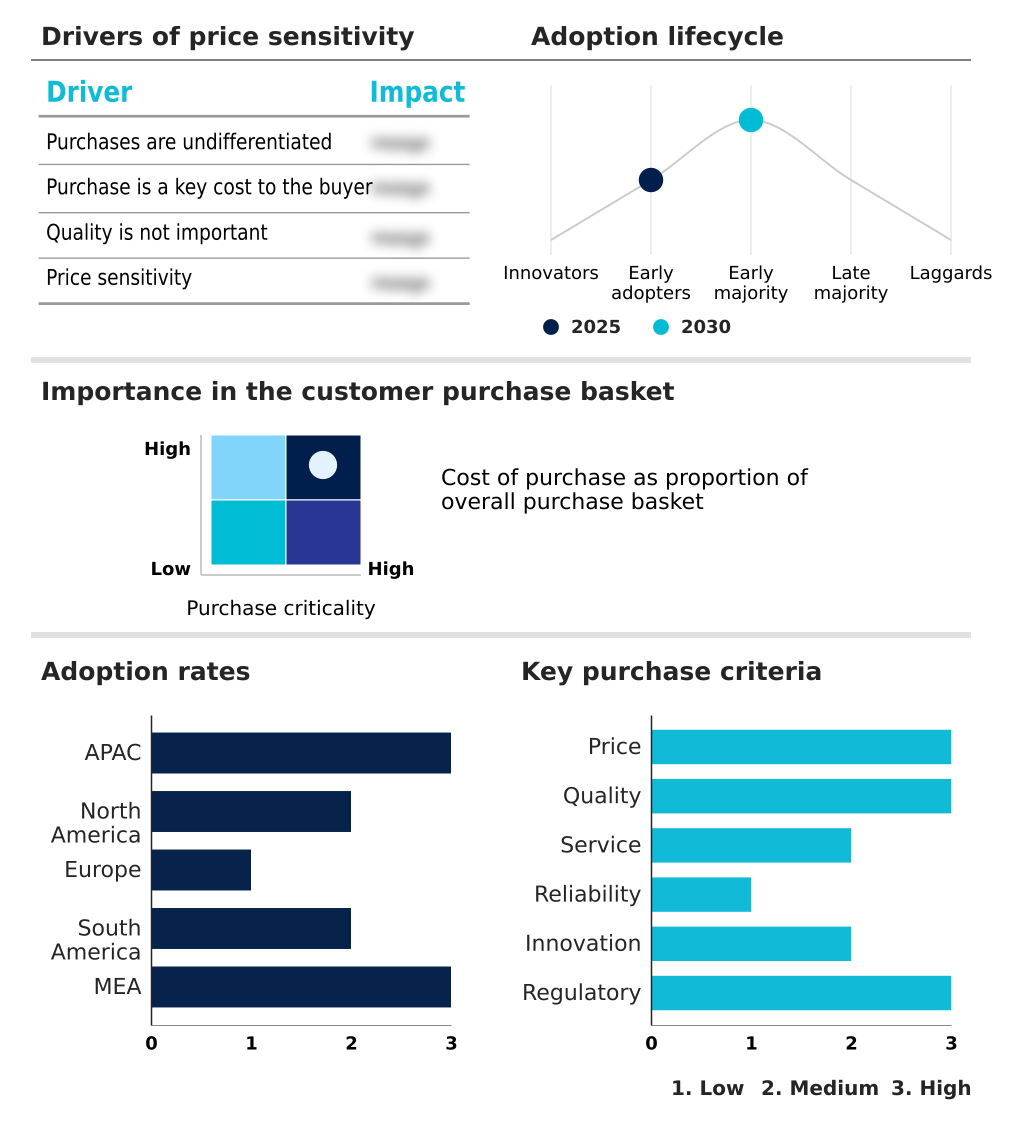
Customer Landscape of Artificial Intelligence-based Personalization Industry
Competitive Landscape
Companies are implementing various strategies, such as strategic alliances, artificial intelligence-based personalization market forecast, partnerships, mergers and acquisitions, geographical expansion, and product/service launches, to enhance their presence in the industry.
Accenture Plc - Key offerings focus on AI-driven customer experience solutions and advanced personalization platforms, designed to enhance user engagement and deliver tailored digital interactions.
The industry research and growth report includes detailed analyses of the competitive landscape of the market and information about key companies, including:
- Accenture Plc
- Adobe Inc.
- Amazon.com Inc.
- Apple Inc.
- BloomReach Inc.
- Blueshift Labs Inc.
- Bounteous X Accolite
- Crownpeak Technology Inc.
- Google LLC
- H2O.ai Inc.
- IBM Corp.
- Infinite Analytics Inc.
- McDonald Corp.
- Microsoft Corp.
- mParticle Inc.
- Salesforce Inc.
- Sitecore Holding Ltd.
- Verint Systems Inc.
- ViSenze Pte. Ltd.
- ZS Associates Inc.
Qualitative and quantitative analysis of companies has been conducted to help clients understand the wider business environment as well as the strengths and weaknesses of key industry players. Data is qualitatively analyzed to categorize companies as pure play, category-focused, industry-focused, and diversified; it is quantitatively analyzed to categorize companies as dominant, leading, strong, tentative, and weak.
Recent Development and News in Artificial intelligence-based personalization market
- In May 2025, MarTech Innovators Inc. released a new suite of tools using predictive analytics to determine optimal email send times for individual subscribers, reportedly reducing unsubscribe rates.
- In March 2025, OmniRetail Corp. reported a significant increase in average order value after deploying a neural network-based recommendation engine that synchronized cross-device browsing data.
- In March 2025, Adobe Inc. unveiled Adobe Experience Platform Agents at its summit, integrating generative and agentic AI to automate tasks like data cleansing and real-time website optimization.
- In February 2025, StreamVerse Platforms launched an emotional-indexing feature that adjusts content recommendations based on perceived user mood, analyzed through interaction patterns.
Dive into Technavio’s robust research methodology, blending expert interviews, extensive data synthesis, and validated models for unparalleled Artificial Intelligence-based Personalization Market insights. See full methodology.
| Market Scope | |
|---|---|
| Page number | 309 |
| Base year | 2025 |
| Historic period | 2020-2024 |
| Forecast period | 2026-2030 |
| Growth momentum & CAGR | Accelerate at a CAGR of 19.8% |
| Market growth 2026-2030 | USD 3707.6 million |
| Market structure | Fragmented |
| YoY growth 2025-2026(%) | 16.6% |
| Key countries | China, Japan, India, South Korea, Australia, Indonesia, US, Canada, Mexico, Germany, UK, France, Italy, Spain, The Netherlands, Brazil, Argentina, Chile, Saudi Arabia, UAE, South Africa, Israel and Turkey |
| Competitive landscape | Leading Companies, Market Positioning of Companies, Competitive Strategies, and Industry Risks |
Research Analyst Overview
- The market is rapidly maturing, moving beyond basic algorithms to implement sophisticated deep learning architectures and predictive modeling architectures. A key boardroom-level focus is the integration of agentic AI frameworks, which requires strategic decisions balancing innovation with compliance.
- These systems leverage reinforcement learning models, generative AI models, and artificial neural networks to create hyper-personalization engines that manage adaptive user journeys and real-time recommendation systems. Technologies like natural language processing (NLP), computer vision algorithms, and emotional AI analysis are crucial components.
- The adoption of explainable AI (XAI) systems is vital for transparency, with data showing it can accelerate regulatory approvals by up to 20% in sensitive sectors. Firms are utilizing customer data platforms (CDP) for micro-segmentation strategies, enabling dynamic content rendering and predictive surfacing technology.
- The landscape is further shaped by edge AI deployment, multimodal AI integration, and the use of transformer-based models and federated learning frameworks. Innovations such as autonomous copywriting assistants, streaming data processing, automated feature engineering, autonomous bidding systems, and psychographic profiling are enabling more precise content discovery engines, driving the industry's evolution.
What are the Key Data Covered in this Artificial Intelligence-based Personalization Market Research and Growth Report?
-
What is the expected growth of the Artificial Intelligence-based Personalization Market between 2026 and 2030?
-
USD 3.71 billion, at a CAGR of 19.8%
-
-
What segmentation does the market report cover?
-
The report is segmented by Application (Website personalization, Display ads personalization, Social media personalization, E-mail personalization, and Others), Technology (Machine learning and deep learning, and Natural language processing), End-user (Enterprises, and Individuals) and Geography (APAC, North America, Europe, South America, Middle East and Africa)
-
-
Which regions are analyzed in the report?
-
APAC, North America, Europe, South America and Middle East and Africa
-
-
What are the key growth drivers and market challenges?
-
Growing availability of customer behavioral data, Data privacy concerns limiting personalization depth
-
-
Who are the major players in the Artificial Intelligence-based Personalization Market?
-
Accenture Plc, Adobe Inc., Amazon.com Inc., Apple Inc., BloomReach Inc., Blueshift Labs Inc., Bounteous X Accolite, Crownpeak Technology Inc., Google LLC, H2O.ai Inc., IBM Corp., Infinite Analytics Inc., McDonald Corp., Microsoft Corp., mParticle Inc., Salesforce Inc., Sitecore Holding Ltd., Verint Systems Inc., ViSenze Pte. Ltd. and ZS Associates Inc.
-
Market Research Insights
- The market's momentum is tied to measurable business outcomes derived from advanced personalization strategies. The adoption of anticipatory personalization is enabling firms to achieve conversion rate increases of up to 20%. Similarly, implementing omnichannel personalization creates seamless user experiences, contributing to a 25% improvement in customer retention.
- The focus on proactive wellness management in health-tech and privacy-preserving personalization in finance demonstrates the diverse applications of these technologies. Through intelligent virtual assistants and agentic commerce platforms, businesses are automating complex interactions, while zero-party data integration enriches customer profiles.
- This strategic application of context-aware user experiences, enhanced by emotional-indexing features and individual cadence management, ensures that digital engagement remains relevant and effective, ultimately driving higher return on investment.
We can help! Our analysts can customize this artificial intelligence-based personalization market research report to meet your requirements.
 RIA -
RIA - 
