

Automotive Camless Engine Market Analysis APAC, Europe, North America, Middle East and Africa, South America - US, China, Japan, India, Germany - Size and Forecast 2024-2028

Automotive Camless Engine Market Analysis APAC, Europe, North America, Middle East and Africa, South America - US, China, Japan, India, Germany - Size and Forecast 2024-2028

Published: Oct 2023 155 Pages SKU: IRTNTR41432

Market Overview at a Glance

$40.89 B
Market Opportunity
70.09%
CAGR
80.0
YoY growth 2023-2024(%)

Automotive Camless Engine Market Size 2024-2028 

The automotive camless engine market size is estimated to grow by USD 40.88 billion at a CAGR of 70.09% between 2023 and 2028. Market growth hinges on various factors, including the electrification of automotive components to enhance braking efficiency and fuel economy, the benefits of improved fuel efficiency and enhanced power output, and the declining retail gasoline prices. These elements collectively propel market expansion, reflecting advancements in automotive technology and shifting consumer preferences. The electrification of automotive components underscores the industry's drive towards sustainability and performance optimization. Simultaneously, the advantages of greater fuel efficiency and power signify the demand for vehicles offering improved performance and environmental friendliness. Additionally, the decreasing prices of retail gasoline contribute to cost savings for consumers and encourage vehicle usage. Thus, the interplay of these factors delineates the landscape for the anticipated growth of the automotive market, presenting opportunities for stakeholders in the electrification and fuel efficiency segments.

It also includes an in-depth analysis of drivers, trends, and challenges. Furthermore, the report includes historic market data from 2018 - 2022.

What will be the Size of the Market During the Forecast Period?
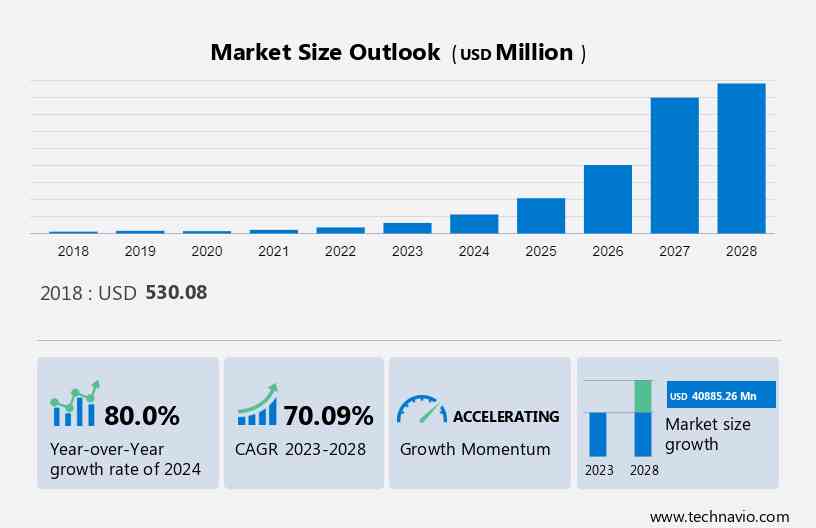
Automotive Camless Engine Market Size

For More Highlights About this Report, Download Free Sample in a Minute 

Market Segmentation

By Application

The passenger cars segment is estimated to witness significant growth during the forecast period. Developed automotive markets, including Europe and North America, contribute significantly to the market. One of the main reasons is that the vehicles sold in these regions have a maximum uptake of modern automotive camless engines. Furthermore, stringent regulatory norms on fuel efficiency are driving automakers and companies to improve the design of camless engines and related components, such as the engine control module (ECM).
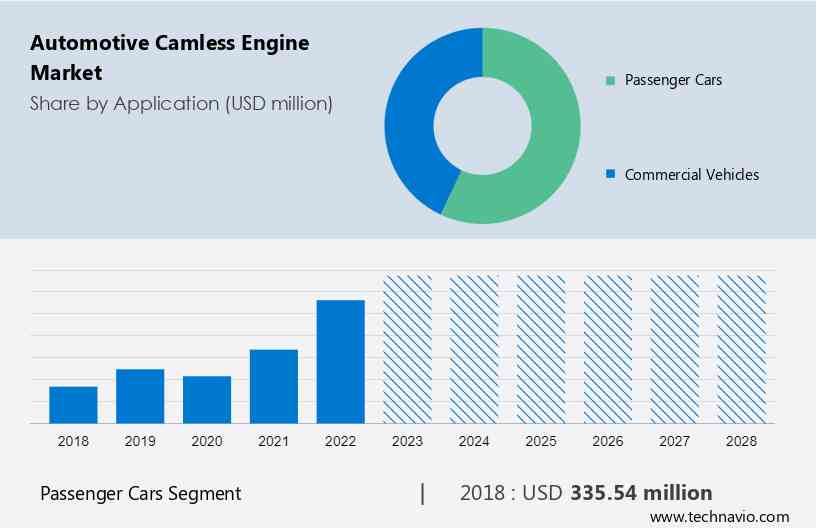
Automotive Camless Engine Market Size

Get a glance at the market contribution of various segments Download the PDF Sample

The passenger cars segment was the largest segment and was valued at USD 335.54 million in 2018. Moreover, the increasing demand for fuel efficiency in passenger cars by customers is fuelling the adoption of additional features in vehicles. In addition, the automotive camless engine and its related components, such as fuel pumps, sensors, and electronic control units (ECU), have also evolved in terms of design and the functionality offered. Furthermore, the increasing demand for premium-segment luxury cars from emerging and developed economies is fuelling the growth of this segment which in turn will drive the market growth during the forecast period.

By Region
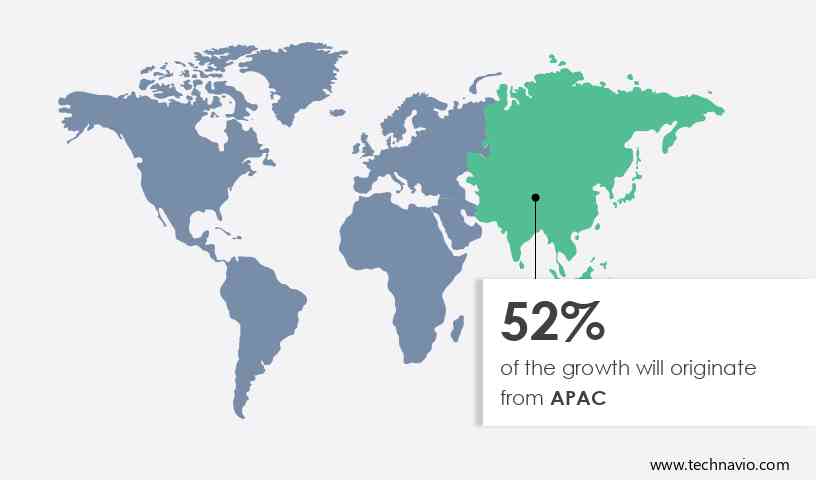
Automotive Camless Engine Market Share by Geography

For more insights on the market share of various regions Download PDF Sample now!

APAC is estimated to contribute 52% to the growth of the global market during the forecast period. Technavio’s analysts have elaborately explained the regional trends and drivers that shape the market during the forecast period.  Some of the main revenue-contributing countries in the market in APAC include China, India, and Japan. In addition, these countries are high-volume adopters of vehicles. Moreover, factors such as the increasing disposable incomes in emerging economies such as China and India have led to a rise in the number of car buyers. Therefore, the automotive industry in the region fuels the demand for automotive camless engines. The high purchasing power has increased the sales of luxury cars in the region. Furthermore, the high purchasing power has increased the sales of luxury cars in the region. Hence, such factors drive the market growth in APAC during the forecast period.

Market Dynamics

The market witnesses a shift towards innovative technologies like poppet valves and electromagnetic actuator systems, replacing traditional hydraulic and pneumatic actuator systems. With the emergence of free valve engines and advancements in electromechanical technology, springs and friction losses are minimized, improving engine efficiency. This evolution aligns with stricter environmental laws and CO2 criteria, promoting hybrid and electric powertrains for reduced emissions. The adoption of solenoid-driven systems and conventional cams ensures compliance while addressing maintenance requirements and enhancing lifespans. As automobiles seek cost reductions, the market drives towards industrialization and optimization to meet the demands of the EU market. Our researchers analyzed the data with 2023 as the base year, along with the key drivers, trends, and challenges. A holistic analysis of drivers will help companies refine their marketing strategies to gain a competitive advantage.

Key Market Driver

One of the key factors driving the market growth is the advantage of greater fuel efficiency and more power. The research and development in the field of automotive powertrains have resulted in the development of more efficient designs in the field of automotive engines, camshafts, crankshafts, cylinder heads, and timing belts, among others. In addition, an engine forms the heart of a vehicle, and therefore, vehicles' engine has witnessed major developments and improvements over the years.

Moreover, the development of the camless engine design promises to be more efficient and durable than the conventional one. In addition, the valve operation is greatly optimized for the use of camless engine profiles as the system uses either a pneumatic, electrohydraulic, or electromagnetic actuator for precision control of the valve. Hence, such factors are positively impacting the market. Therefore, it is expected to drive the market growth during the forecast period.

Significant Market Trends

A key factor shaping the market growth is the development of single-cylinder light-duty camless engines.  The global automotive industry has witnessed a significant revolution in the field of powertrain, safety, technology, comfort, and convenience systems. In addition, modern cars are much more technically advanced compared with their predecessors, with the automotive industry shifting toward autonomous mobility.

Moreover, automotive engines have been one of the primary areas of development, with engine designers and manufacturers continuously investing in the research and development of advanced engine systems. For instance, Ricardo is a global engineering and consultancy firm that specializes in the manufacturing of high-performance products. The company offers consulting solutions in the fields of technical, performance, critical, energy, strategic, and environmental, among others. Hence, such developments are positively impacting the market. Therefore, it is expected to drive the market growth during the forecast period.

Major Market Challenge

Chances of technical failure of automotive camless engine system are one of the key challenges hindering the automotive camless engine market growth. The automotive camless engine profile exhibits several advantages and benefits over traditional cam engines. The flexibility of the valve mechanism inherited into the system with the use of pneumatic or electrohydraulic actuators is one of the biggest takeaways of this advanced system, which is leading to its growing popularity in the automotive industry.

Moreover, several stakeholders involved in engine development and testing are finding ways to make camless engine designs suitable for mass adoption. However,  the significant complexity and integration of numerous delicate sub-systems and components pose a challenge to the viability of the camless engine design on a large scale. Furthermore, the integration of more electronic components also means that the repairs and replacement of parts would inherently be more expensive and frequent. Hence, such factors are negatively impacting the market growth during the forecast period.

Key Market Customer Landscape

The market research report includes the adoption lifecycle of the market, covering from the innovator’s stage to the laggard’s stage. It focuses on adoption rates in different regions based on penetration. Furthermore, the report also includes key purchase criteria and drivers of price sensitivity to help companies evaluate and develop their growth strategies.
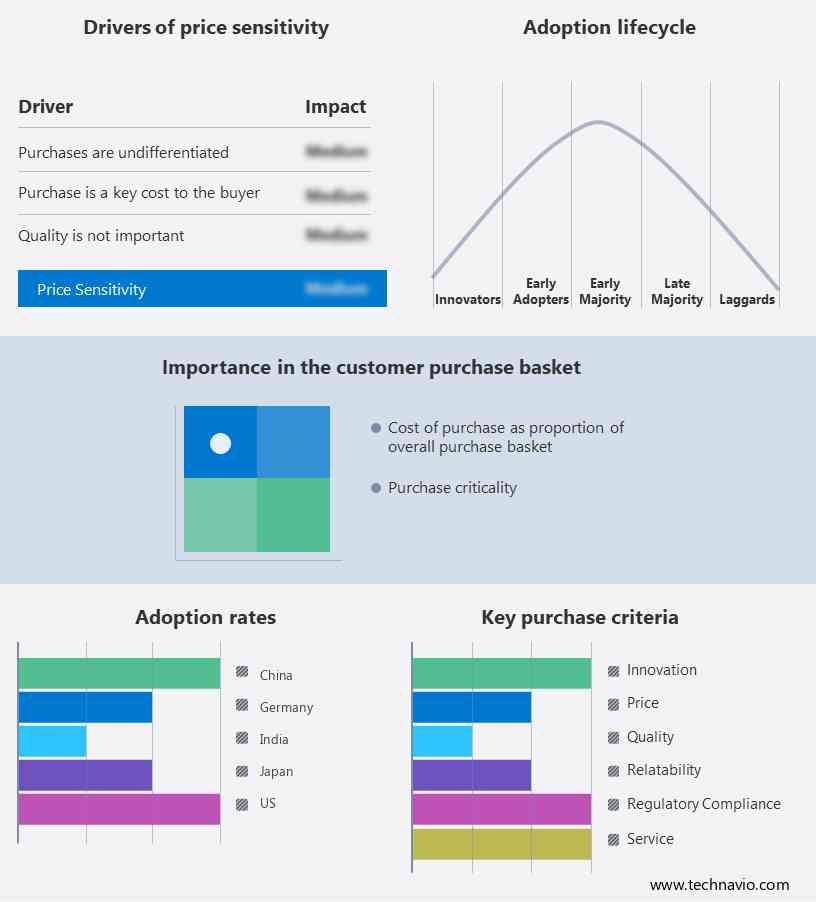
Automotive Camless Engine Market Share by Geography

Global Market Customer Landscape

Who are the Major Market Companies?

Companies are implementing various strategies, such as strategic alliances, partnerships, mergers and acquisitions, geographical expansion, and product/service launches, to enhance their presence in the market.

BorgWarner Inc: The company offers automotive camless engine products such as Cam Torque Actuated Phasers, Intelligent Cam Torque Actuation, and Torsional Assist Phasers.

The research report also includes detailed analyses of the competitive landscape of the market and information about 10 market companies, including:

  • Camcon Auto Ltd.
  • ElringKlinger AG
  • Freevalve AB
  • Linamar Corp.
  • Musashi Seimitsu Industry Co. Ltd.
  • NEMAK SAB de CV
  • Parker Hannifin Corp.
  • Textron Inc.
  • thyssenkrupp AG

Qualitative and quantitative analysis of companies has been conducted to help clients understand the wider business environment as well as the strengths and weaknesses of key market players. Data is qualitatively analyzed to categorize companies as pure play, category-focused, industry-focused, and diversified; it is quantitatively analyzed to categorize companies as dominant, leading, strong, tentative, and weak.

Segment Overview

The market research report provides comprehensive data (region-wise segment analysis), with forecasts and estimates in "USD Billion" for the period 2024 to 2028, as well as historical data from 2018 to 2023 for the following segments 

  • Application Outlook
    • Passenger cars
    • Commercial vehicles
  • Type Outlook 
    • Gasoline engine
    • Diesel engine
  • Geography Outlook 
    • North America
      • The U.S.
      • Canada
    • Europe
      • U.K.
      • Germany
      • France
      • Rest of Europe
    • APAC
      • China
      • India
    • South America
      • Chile
      • Argentina
      • Brazil
    • Middle East & Africa
      • Saudi Arabia
      • South Africa
      • Rest of the Middle East & Africa

You may also interested in the below market reports

  • Automotive Engine MarketAutomotive Engine Market Analysis APAC, North America, Europe, South America, Middle East and Africa - US, China, Japan, India, Germany - Size and Forecast 

  • Automotive Balance Shaft MarketAutomotive Balance Shaft Market Analysis APAC, Europe, North America, South America, Middle East and Africa - China, US, Japan, India, Germany - Size and Forecast 

  • Timing Gear MarketTiming Gear Market Analysis North America, Europe, APAC, South America, Middle East and Africa - US, Canada, China, UK, Germany - Size and Forecast

Market Analyst Overview

The market is experiencing a paradigm shift with the adoption of innovative technologies like hydraulic actuator systems and the revolutionary free valve engine concept. By eliminating the traditional valve train and integrating advanced computer systems, the market aims to address issues such as mechanical failure and reduce carbon emissions. Original Equipment Manufacturers (OEMs) are investing in pneumatic and electromagnetic actuators to enhance the efficiency of exhaust valves and intake valves. The transition to a camless arrangement heralds a new era in engine development, optimizing engine configuration for optimum performance while complying with stringent CO2 emission reduction targets set by global governments and emission regulations to combat air pollution and greenhouse gas emissions from internal combustion engines. This shift towards camless engine technology enables precise control over engine load, speed, and operating circumstances, effectively mitigating the release of hazardous exhaust gases through sophisticated synchronization and control strategies that facilitate real-time changes in engine operation.

Market Scope

Report Coverage

Details

Page number

155

Base year

2023

Historic period

2018 - 2022

Forecast period

2024-2028

Growth momentum & CAGR

Accelerate at a CAGR of 70.09%

Market Growth 2024-2028

USD 40.88 bllion

Market structure

Concentrated

YoY growth 2023-2024(%)

80.0

Regional analysis

APAC, Europe, North America, Middle East and Africa, and South America

Performing market contribution

APAC at 52%

Key countries

US, China, Japan, India, and Germany

Competitive landscape

Leading Companies, Market Positioning of Companies, Competitive Strategies, and Industry Risks

Key companies profiled

BorgWarner Inc., Camcon Auto Ltd., ElringKlinger AG, Freevalve AB, Linamar Corp., Musashi Seimitsu Industry Co. Ltd., NEMAK SAB de CV, Parker Hannifin Corp., Textron Inc., and thyssenkrupp AG

Market dynamics

Parent market analysis, Market Forecasting, Market growth inducers and obstacles, Fast-growing and slow-growing segment analysis, COVID-19 impact and recovery analysis and future consumer dynamics, and Market condition analysis for the market forecast period.

Customization purview

If our report has not included the data that you are looking for, you can reach out to our analysts and get segments customized.

Download PDF Sample

What are the Key Data Covered in this Market Report?

  • CAGR of the market during the forecast period
  • Detailed information on factors that will drive the market growth and forecasting of the market between 2024 and 2028
  • Precise estimation of the size of the market size and its contribution to the parent market
  • Accurate predictions about upcoming market trends and analysis and changes in consumer behavior
  • Growth of the market industry across Europe, North America, APAC, South America, and Middle East and Africa
  • Thorough market growth analysis of the market’s competitive landscape and detailed information about companies
  • Comprehensive market analysis and report on the factors that will challenge the market research and growth of market companies

We can help! Our analysts can customize this market research report to meet your requirements. 

Get in touch

1 Executive Summary

  • 1.1 Market overview
    • Exhibit 01: Executive Summary – Chart on Market Overview
    • Exhibit 02: Executive Summary – Data Table on Market Overview
    • Exhibit 03: Executive Summary – Chart on Global Market Characteristics
    • Exhibit 04: Executive Summary – Chart on Market by Geography
    • Exhibit 05: Executive Summary – Chart on Market Segmentation by Application
    • Exhibit 06: Executive Summary – Chart on Market Segmentation by Type
    • Exhibit 07: Executive Summary – Chart on Incremental Growth
    • Exhibit 08: Executive Summary – Data Table on Incremental Growth
    • Exhibit 09: Executive Summary – Chart on Vendor Market Positioning

2 Market Landscape

  • 2.1 Market ecosystem
    • Exhibit 10: Parent market
    • Exhibit 11: Market Characteristics

3 Market Sizing

  • 3.1 Market definition
    • Exhibit 12: Offerings of vendors included in the market definition
  • 3.2 Market segment analysis
    • Exhibit 13: Market segments
  • 3.3 Market size 2023
    • 3.4 Market outlook: Forecast for 2023-2028
      • Exhibit 14: Chart on Global - Market size and forecast 2023-2028 ($ million)
      • Exhibit 15: Data Table on Global - Market size and forecast 2023-2028 ($ million)
      • Exhibit 16: Chart on Global Market: Year-over-year growth 2023-2028 (%)
      • Exhibit 17: Data Table on Global Market: Year-over-year growth 2023-2028 (%)

    4 Historic Market Size

    • 4.1 Global juice concentrate market 2017 - 2021
      • Exhibit 18: Historic Market Size – Data Table on global juice concentrate market 2017 - 2021 ($ million)
    • 4.2 Product Type Segment Analysis 2017 - 2021
      • Exhibit 19: Historic Market Size – Product Type Segment 2017 - 2021 ($ million)
    • 4.3 Application Segment Analysis 2017 - 2021
      • Exhibit 20: Historic Market Size – Application Segment 2017 - 2021 ($ million)
    • 4.4 Geography Segment Analysis 2017 - 2021
      • Exhibit 21: Historic Market Size – Geography Segment 2017 - 2021 ($ million)
    • 4.5 Country Segment Analysis 2017 - 2021
      • Exhibit 22: Historic Market Size – Country Segment 2017 - 2021 ($ million)

    5 Five Forces Analysis

    • 5.1 Five forces summary
      • Exhibit 23: Five forces analysis - Comparison between 2023 and 2028
    • 5.2 Bargaining power of buyers
      • Exhibit 24: Chart on Bargaining power of buyers – Impact of key factors 2023 and 2028
    • 5.3 Bargaining power of suppliers
      • Exhibit 25: Bargaining power of suppliers – Impact of key factors in 2023 and 2028
    • 5.4 Threat of new entrants
      • Exhibit 26: Threat of new entrants – Impact of key factors in 2023 and 2028
    • 5.5 Threat of substitutes
      • Exhibit 27: Threat of substitutes – Impact of key factors in 2023 and 2028
    • 5.6 Threat of rivalry
      • Exhibit 28: Threat of rivalry – Impact of key factors in 2023 and 2028
    • 5.7 Market condition
      • Exhibit 29: Chart on Market condition - Five forces 2023 and 2028

    6 Market Segmentation by Application

    • 6.1 Market segments
      • Exhibit 30: Chart on Application - Market share 2023-2028 (%)
      • Exhibit 31: Data Table on Application - Market share 2023-2028 (%)
    • 6.2 Comparison by Application
      • Exhibit 32: Chart on Comparison by Application
      • Exhibit 33: Data Table on Comparison by Application
    • 6.3 Passenger cars - Market size and forecast 2023-2028
      • Exhibit 34: Chart on Passenger cars - Market size and forecast 2023-2028 ($ million)
      • Exhibit 35: Data Table on Passenger cars - Market size and forecast 2023-2028 ($ million)
      • Exhibit 36: Chart on Passenger cars - Year-over-year growth 2023-2028 (%)
      • Exhibit 37: Data Table on Passenger cars - Year-over-year growth 2023-2028 (%)
    • 6.4 Commercial vehicles - Market size and forecast 2023-2028
      • Exhibit 38: Chart on Commercial vehicles - Market size and forecast 2023-2028 ($ million)
      • Exhibit 39: Data Table on Commercial vehicles - Market size and forecast 2023-2028 ($ million)
      • Exhibit 40: Chart on Commercial vehicles - Year-over-year growth 2023-2028 (%)
      • Exhibit 41: Data Table on Commercial vehicles - Year-over-year growth 2023-2028 (%)
    • 6.5 Market opportunity by Application
      • Exhibit 42: Market opportunity by Application ($ million)
      • Exhibit 43: Data Table on Market opportunity by Application ($ million)

    7 Market Segmentation by Type

    • 7.1 Market segments
      • Exhibit 44: Chart on Type - Market share 2023-2028 (%)
      • Exhibit 45: Data Table on Type - Market share 2023-2028 (%)
    • 7.2 Comparison by Type
      • Exhibit 46: Chart on Comparison by Type
      • Exhibit 47: Data Table on Comparison by Type
    • 7.3 Gasoline engine - Market size and forecast 2023-2028
      • Exhibit 48: Chart on Gasoline engine - Market size and forecast 2023-2028 ($ million)
      • Exhibit 49: Data Table on Gasoline engine - Market size and forecast 2023-2028 ($ million)
      • Exhibit 50: Chart on Gasoline engine - Year-over-year growth 2023-2028 (%)
      • Exhibit 51: Data Table on Gasoline engine - Year-over-year growth 2023-2028 (%)
    • 7.4 Diesel engine - Market size and forecast 2023-2028
      • Exhibit 52: Chart on Diesel engine - Market size and forecast 2023-2028 ($ million)
      • Exhibit 53: Data Table on Diesel engine - Market size and forecast 2023-2028 ($ million)
      • Exhibit 54: Chart on Diesel engine - Year-over-year growth 2023-2028 (%)
      • Exhibit 55: Data Table on Diesel engine - Year-over-year growth 2023-2028 (%)
    • 7.5 Market opportunity by Type
      • Exhibit 56: Market opportunity by Type ($ million)
      • Exhibit 57: Data Table on Market opportunity by Type ($ million)

    8 Customer Landscape

    • 8.1 Customer landscape overview
      • Exhibit 58: Analysis of price sensitivity, lifecycle, customer purchase basket, adoption rates, and purchase criteria

    9 Geographic Landscape

    • 9.1 Geographic segmentation
      • Exhibit 59: Chart on Market share by geography 2023-2028 (%)
      • Exhibit 60: Data Table on Market share by geography 2023-2028 (%)
    • 9.2 Geographic comparison
      • Exhibit 61: Chart on Geographic comparison
      • Exhibit 62: Data Table on Geographic comparison
    • 9.3 APAC - Market size and forecast 2023-2028
      • Exhibit 63: Chart on APAC - Market size and forecast 2023-2028 ($ million)
      • Exhibit 64: Data Table on APAC - Market size and forecast 2023-2028 ($ million)
      • Exhibit 65: Chart on APAC - Year-over-year growth 2023-2028 (%)
      • Exhibit 66: Data Table on APAC - Year-over-year growth 2023-2028 (%)
    • 9.4 Europe - Market size and forecast 2023-2028
      • Exhibit 67: Chart on Europe - Market size and forecast 2023-2028 ($ million)
      • Exhibit 68: Data Table on Europe - Market size and forecast 2023-2028 ($ million)
      • Exhibit 69: Chart on Europe - Year-over-year growth 2023-2028 (%)
      • Exhibit 70: Data Table on Europe - Year-over-year growth 2023-2028 (%)
    • 9.5 North America - Market size and forecast 2023-2028
      • Exhibit 71: Chart on North America - Market size and forecast 2023-2028 ($ million)
      • Exhibit 72: Data Table on North America - Market size and forecast 2023-2028 ($ million)
      • Exhibit 73: Chart on North America - Year-over-year growth 2023-2028 (%)
      • Exhibit 74: Data Table on North America - Year-over-year growth 2023-2028 (%)
    • 9.6 Middle East and Africa - Market size and forecast 2023-2028
      • Exhibit 75: Chart on Middle East and Africa - Market size and forecast 2023-2028 ($ million)
      • Exhibit 76: Data Table on Middle East and Africa - Market size and forecast 2023-2028 ($ million)
      • Exhibit 77: Chart on Middle East and Africa - Year-over-year growth 2023-2028 (%)
      • Exhibit 78: Data Table on Middle East and Africa - Year-over-year growth 2023-2028 (%)
    • 9.7 South America - Market size and forecast 2023-2028
      • Exhibit 79: Chart on South America - Market size and forecast 2023-2028 ($ million)
      • Exhibit 80: Data Table on South America - Market size and forecast 2023-2028 ($ million)
      • Exhibit 81: Chart on South America - Year-over-year growth 2023-2028 (%)
      • Exhibit 82: Data Table on South America - Year-over-year growth 2023-2028 (%)
    • 9.8 China - Market size and forecast 2023-2028
      • Exhibit 83: Chart on China - Market size and forecast 2023-2028 ($ million)
      • Exhibit 84: Data Table on China - Market size and forecast 2023-2028 ($ million)
      • Exhibit 85: Chart on China - Year-over-year growth 2023-2028 (%)
      • Exhibit 86: Data Table on China - Year-over-year growth 2023-2028 (%)
    • 9.9 US - Market size and forecast 2023-2028
      • Exhibit 87: Chart on US - Market size and forecast 2023-2028 ($ million)
      • Exhibit 88: Data Table on US - Market size and forecast 2023-2028 ($ million)
      • Exhibit 89: Chart on US - Year-over-year growth 2023-2028 (%)
      • Exhibit 90: Data Table on US - Year-over-year growth 2023-2028 (%)
    • 9.10 Japan - Market size and forecast 2023-2028
      • Exhibit 91: Chart on Japan - Market size and forecast 2023-2028 ($ million)
      • Exhibit 92: Data Table on Japan - Market size and forecast 2023-2028 ($ million)
      • Exhibit 93: Chart on Japan - Year-over-year growth 2023-2028 (%)
      • Exhibit 94: Data Table on Japan - Year-over-year growth 2023-2028 (%)
    • 9.11 Germany - Market size and forecast 2023-2028
      • Exhibit 95: Chart on Germany - Market size and forecast 2023-2028 ($ million)
      • Exhibit 96: Data Table on Germany - Market size and forecast 2023-2028 ($ million)
      • Exhibit 97: Chart on Germany - Year-over-year growth 2023-2028 (%)
      • Exhibit 98: Data Table on Germany - Year-over-year growth 2023-2028 (%)
    • 9.12 India - Market size and forecast 2023-2028
      • Exhibit 99: Chart on India - Market size and forecast 2023-2028 ($ million)
      • Exhibit 100: Data Table on India - Market size and forecast 2023-2028 ($ million)
      • Exhibit 101: Chart on India - Year-over-year growth 2023-2028 (%)
      • Exhibit 102: Data Table on India - Year-over-year growth 2023-2028 (%)
    • 9.13 Market opportunity by geography
      • Exhibit 103: Market opportunity by geography ($ million)
      • Exhibit 104: Data Tables on Market opportunity by geography ($ million)

    10 Drivers, Challenges, and Trends

    • 10.1 Market drivers
      • 10.2 Market challenges
        • 10.3 Impact of drivers and challenges
          • Exhibit 105: Impact of drivers and challenges in 2023 and 2028
        • 10.4 Market trends

          11 Vendor Landscape

          • 11.1 Overview
            • 11.2 Vendor landscape
              • Exhibit 106: Overview on Criticality of inputs and Factors of differentiation
            • 11.3 Landscape disruption
              • Exhibit 107: Overview on factors of disruption
            • 11.4 Industry risks
              • Exhibit 108: Impact of key risks on business

            12 Vendor Analysis

            • 12.1 Vendors covered
              • Exhibit 109: Vendors covered
            • 12.2 Market positioning of vendors
              • Exhibit 110: Matrix on vendor position and classification
            • 12.3 BorgWarner Inc.
              • Exhibit 111: BorgWarner Inc. - Overview
              • Exhibit 112: BorgWarner Inc. - Business segments
              • Exhibit 113: BorgWarner Inc. - Key news
              • Exhibit 114: BorgWarner Inc. - Key offerings
              • Exhibit 115: BorgWarner Inc. - Segment focus
            • 12.4 Camcon Auto Ltd.
              • Exhibit 116: Camcon Auto Ltd. - Overview
              • Exhibit 117: Camcon Auto Ltd. - Product / Service
              • Exhibit 118: Camcon Auto Ltd. - Key offerings
            • 12.5 ElringKlinger AG
              • Exhibit 119: ElringKlinger AG - Overview
              • Exhibit 120: ElringKlinger AG - Business segments
              • Exhibit 121: ElringKlinger AG - Key offerings
              • Exhibit 122: ElringKlinger AG - Segment focus
            • 12.6 Freevalve AB
              • Exhibit 123: Freevalve AB - Overview
              • Exhibit 124: Freevalve AB - Product / Service
              • Exhibit 125: Freevalve AB - Key offerings
            • 12.7 Linamar Corp.
              • Exhibit 126: Linamar Corp. - Overview
              • Exhibit 127: Linamar Corp. - Business segments
              • Exhibit 128: Linamar Corp. - Key offerings
              • Exhibit 129: Linamar Corp. - Segment focus
            • 12.8 Musashi Seimitsu Industry Co. Ltd.
              • Exhibit 130: Musashi Seimitsu Industry Co. Ltd. - Overview
              • Exhibit 131: Musashi Seimitsu Industry Co. Ltd. - Product / Service
              • Exhibit 132: Musashi Seimitsu Industry Co. Ltd. - Key offerings
            • 12.9 NEMAK SAB de CV
              • Exhibit 133: NEMAK SAB de CV - Overview
              • Exhibit 134: NEMAK SAB de CV - Product / Service
              • Exhibit 135: NEMAK SAB de CV - Key offerings
            • 12.10 Parker Hannifin Corp.
              • Exhibit 136: Parker Hannifin Corp. - Overview
              • Exhibit 137: Parker Hannifin Corp. - Business segments
              • Exhibit 138: Parker Hannifin Corp. - Key news
              • Exhibit 139: Parker Hannifin Corp. - Key offerings
              • Exhibit 140: Parker Hannifin Corp. - Segment focus
            • 12.11 Textron Inc.
              • Exhibit 141: Textron Inc. - Overview
              • Exhibit 142: Textron Inc. - Business segments
              • Exhibit 143: Textron Inc. - Key news
              • Exhibit 144: Textron Inc. - Key offerings
              • Exhibit 145: Textron Inc. - Segment focus
            • 12.12 thyssenkrupp AG
              • Exhibit 146: thyssenkrupp AG - Overview
              • Exhibit 147: thyssenkrupp AG - Business segments
              • Exhibit 148: thyssenkrupp AG - Key offerings
              • Exhibit 149: thyssenkrupp AG - Segment focus

            13 Appendix

            • 13.1 Scope of the report
              • 13.2 Inclusions and exclusions checklist
                • Exhibit 150: Inclusions checklist
                • Exhibit 151: Exclusions checklist
              • 13.3 Currency conversion rates for US$
                • Exhibit 152: Currency conversion rates for US$
              • 13.4 Research methodology
                • Exhibit 153: Research methodology
                • Exhibit 154: Validation techniques employed for market sizing
                • Exhibit 155: Information sources
              • 13.5 List of abbreviations
                • Exhibit 156: List of abbreviations

              Research Methodology

              Technavio presents a detailed picture of the market by way of study, synthesis, and summation of data from multiple sources. The analysts have presented the various facets of the market with a particular focus on identifying the key industry influencers. The data thus presented is comprehensive, reliable, and the result of extensive research, both primary and secondary.

              INFORMATION SOURCES

              Primary sources

              • Manufacturers and suppliers
              • Channel partners
              • Industry experts
              • Strategic decision makers

              Secondary sources

              • Industry journals and periodicals
              • Government data
              • Financial reports of key industry players
              • Historical data
              • Press releases

              DATA ANALYSIS

              Data Synthesis

              • Collation of data
              • Estimation of key figures
              • Analysis of derived insights

              Data Validation

              • Triangulation with data models
              • Reference against proprietary databases
              • Corroboration with industry experts

              REPORT WRITING

              Qualitative

              • Market drivers
              • Market challenges
              • Market trends
              • Five forces analysis

              Quantitative

              • Market size and forecast
              • Market segmentation
              • Geographical insights
              • Competitive landscape

              Interested in this report?

              Get your sample now to see our research methodology and insights!

              Download Now

              Frequently Asked Questions

              Automotive Camless Engine market growth will increase by 40885.26 million during 2024-2028 .

              The Automotive Camless Engine market is expected to grow at a CAGR of 70.09% during 2024-2028 .

              Automotive Camless Engine market is segmented by Application( Passenger cars, Commercial vehicles) Type( Gasoline engine, Diesel engine, North America, South America, MEA)

              BorgWarner Inc., Camcon Auto Ltd., ElringKlinger AG, Freevalve AB, Linamar Corp., Musashi Seimitsu Industry Co. Ltd., NEMAK SAB de CV, Parker Hannifin Corp., Textron Inc., thyssenkrupp AG are a few of the key vendors in the Automotive Camless Engine market.

              APAC will register the highest growth rate of 51.65% among the other regions. Therefore, the Automotive Camless Engine market in APAC is expected to garner significant business opportunities for the vendors during the forecast period.

              US, China, Japan, India, Germany

              • Electrification of automotive components for efficient braking and higher fuel efficiencySince the late 21st century is the driving factor this market.
              • automotive innovation is primarily driven by government regulations. As the automotive industry is the major contributor to environmental pollution is the driving factor this market.
              • various governing bodies have directed regulations to decrease vehicle emissions and increase the fuel efficiency of vehicles. To comply with the regulations is the driving factor this market.
              • OEMs and Tier-1 suppliers have been actively investing in technologies to either reduce the weight of the vehicle or introduce electronically controlled vehicle mechanisms to obtain higher accuracy in function is the driving factor this market.
              • leading to higher fuel efficiency and reducing tailpipe emissions. The concept of automotive camless engine design dates back to the invention of automobiles when the idea of variable valve timing came into existence. However is the driving factor this market.
              • more substantial is the driving factor this market.
              • practical is the driving factor this market.
              • and feasible versions only surfaced during the early 2000s when numerous engine designs filed their related patents. Moreover is the driving factor this market.
              • the automotive powertrain is witnessing rapid developments and improvements as the industry is moving toward engine downsizing and lightweight technologies. In addition to the powertrain is the driving factor this market.
              • the focus is increasing toward onboard safety systems is the driving factor this market.
              • which are pushing OEMs to increase the penetration of electronic systems such as anti-lock braking is the driving factor this market.
              • electric parking brake is the driving factor this market.
              • electronic stability control is the driving factor this market.
              • electronic park assist is the driving factor this market.
              • and other driver-assistance systems in their vehicles. For instance is the driving factor this market.
              • Volvo is the driving factor this market.
              • a Swedish carmaker is the driving factor this market.
              • is one of the leaders when it comes to safety systems and related technologies. All the cars sold by Volvo from 2014 onward are equipped with City Safety systems is the driving factor this market.
              • which include an automatic emergency braking system. As government regulations are getting stringent is the driving factor this market.
              • OEMs are exploring alternative propulsion technologies such as flexible fuel is the driving factor this market.
              • natural gas engines is the driving factor this market.
              • hybrid electric is the driving factor this market.
              • and all-electric vehicles. This is leading to the use of electrification of components in vehicles. Hence is the driving factor this market.
              • we expect that with the automotive industry moving toward the electrification of systems is the driving factor this market.
              • the ongoing trend will drive the future of the automotive camless engine design. Therefore is the driving factor this market.
              • owing to all such factors will propel the growth of the global automotive camless engine market during the forecast period. is the driving factor this market.

              The Automotive Camless Engine market vendors should focus on grabbing business opportunities from the Passenger cars segment as it accounted for the largest market share in the base year.
