
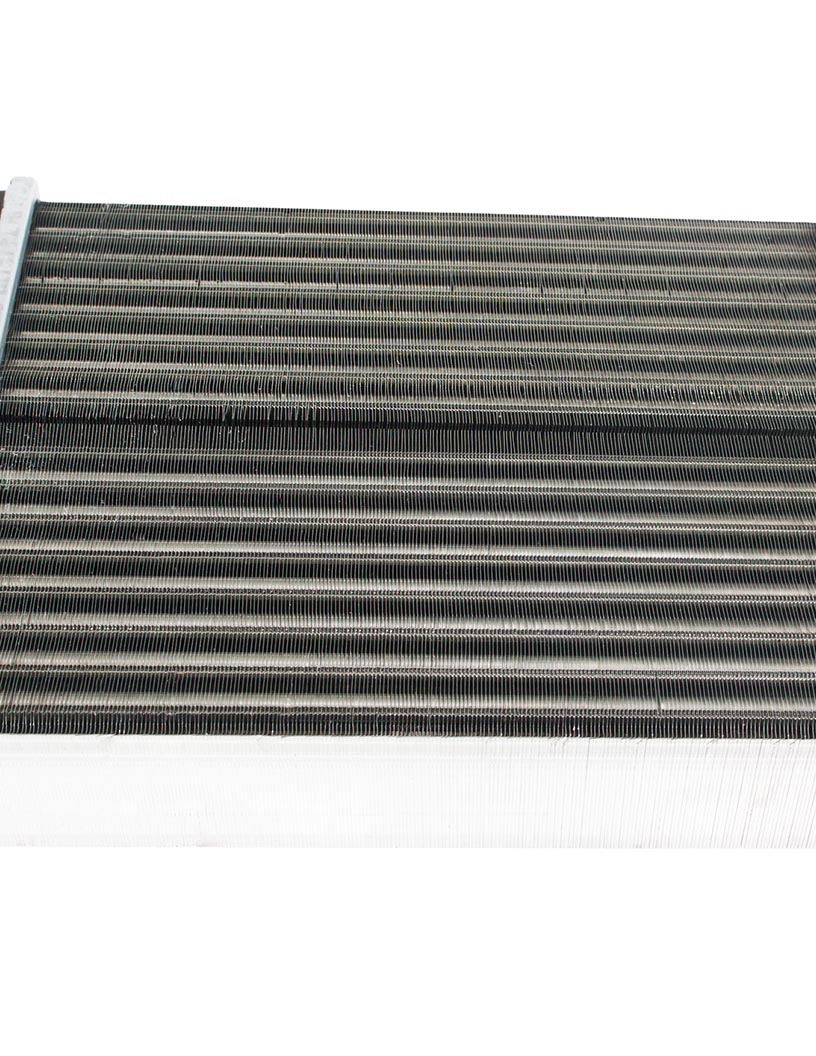


Automotive Engine Oil Cooler Market Size 2022-2026
The automotive engine oil cooler market share is expected to increase by 2481 actual units from 2021 to 2026, and the market’s growth momentum will accelerate at a CAGR of 9.39%.
This market research report provides valuable insights on the post-COVID-19 impact on the market, which will help companies evaluate their business approaches. Furthermore, this report extensively covers market segmentation by application (commercial vehicles and passenger cars) and geography (North America, Europe, APAC, South America, and Middle East and Africa). The market report also offers information on several market vendors, including AKG Verwaltungsgesellschaft mbH, Bell Intercoolers, Cardone Industries Inc., Dana Inc., Derale, Fluidyne Control Systems, HKS Co. Ltd., MAHLE GmbH, Marelli Holdings Co. Ltd., Mishimoto Automotive, Modine Manufacturing Co., Nissens Group, PWR Holdings Ltd., SANHUA Automotive, Setrab AB, Standard Motor Products Inc., Tata Sons Pvt. Ltd., THERMEX LTD., TitanX Holding AB, and Valeo SA among others.
What will the Automotive Engine Oil Cooler Market Size be During the Forecast Period?
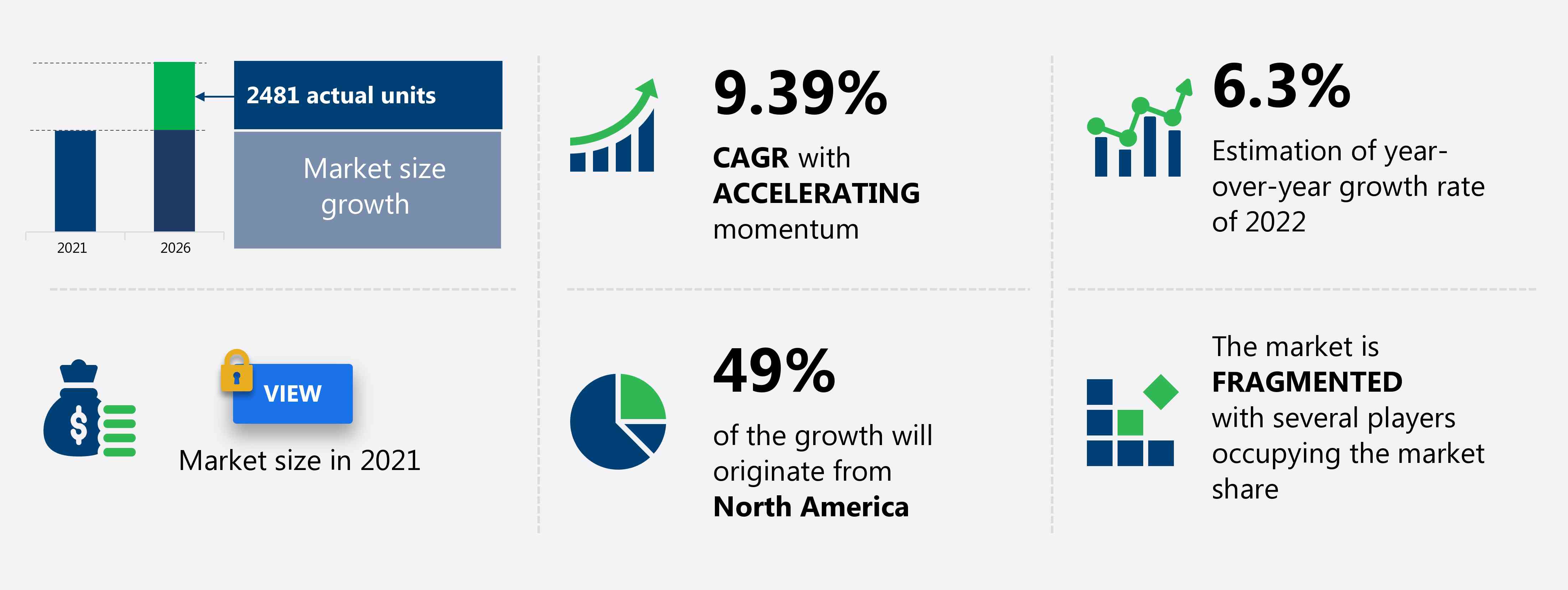
Download Report Sample to Unlock the Market Size for the Forecast Period and Other Important Statistics
Automotive Engine Oil Cooler Market: Key Drivers, Trends, and Challenges
Based on our research output, there has been a negative impact on the market growth during and post-COVID-19 era. The increasing demand for fuel-efficient vehicles is notably driving the market growth, although factors such as the high replacement and repair cost of an engine oil cooler may impede the market growth. Our research analysts have studied the historical data and deduced the key market drivers and the COVID-19 pandemic impact on the automotive engine oil cooler industry. The holistic analysis of the drivers will help in deducing end goals and refining marketing strategies to gain a competitive edge.
Key Market Driver
- The increasing demand for fuel-efficient vehicles is one of the factors driving the market growth.
- An efficient engine oil cooling system optimizes the engine output and ensures better fuel efficiency. Heat exchangers used for cooling oil ensure a balanced thermal cycle for lubricating oils in the engine.
- At high oil temperatures, the engine oil cooler prevents overheating and premature ageing of the engine oil, which improves the efficiency of the engine, and hence the fuel economy of the vehicle is increased.
- Fuel prices have been increasing rapidly in recent years, which has expedited the need for fuel-efficient engine cooling systems. Moreover, one of the most important aspects of an engine oil cooler is that it provides a better thermal balance of engine oil than a radiator system.
- In the initial days, engine power was the only thing that mattered, but with time, consumers have shifted toward a combination of power, performance, reliability, and fuel efficiency.
- Globally, there are no stringent government regulations for mandating fuel economy in vehicles. Hence, engine oil coolers will be beneficial for those customers that are looking for fuel efficiency, particularly in the high-torque pulling and long-distance travel category.
Key Market Trend
- The use of performance engine oil coolers in drag races is one of the key market trends fueling the market growth.
- Racers often overlook the engine oil cooler, which is one of the most important components in a race car. In modern racing cars, an engine oil cooler can manage excessive heat dissipation because of its high performance. Also, it can control the thermal balance of the car, thus improving engine efficiency.
- In the realm of high-performance automotive engineering, turbocharged racing cars generate significant heat within their internal combustion engines during the process of recirculating exhaust air for increased power. This heat necessitates effective dissipation to ensure optimal thermal balance for enhanced performance. An engine oil cooler plays a crucial role in this regard, maintaining an optimal oil temperature for both the turbocharger and the engine. This cooling system prevents oil from overheating, which could lead to engine damage.
- Furthermore, an automotive engine oil level sensor is an essential component in monitoring the oil level within the cooling system. This sensor ensures that the oil level remains adequate for effective cooling, thereby contributing to the overall performance and longevity of the racing vehicle.
- In a racing application, the design of engine oil coolers and fluid profiles can be optimized according to the need of the driver. This, in turn, will drive market growth during the forecast period.
Key Market Challenge
- The high replacement and repair cost of an engine oil cooler is one of the key factors limiting the market growth.
- With innovations in technology, the complexity and cost of manufacturing and designing an engine oil cooler are also increasing. OEMs face difficulties in maintaining their profitability by installing engine oil coolers as a standard fitment in all vehicles as the overall cost of installing this system is high. Hence, mostly engine oil coolers are installed in the aftermarket to enhance the engine capabilities.
- The cost of components used in manufacturing the engine oil cooler system, design, and quality control costs are more, which adds to the overall cost of the vehicle.
- The job of repairing and replacing the engine oil cooler is cheaper if the engine oil cooler is mounted over the engine block because the engine oil cooler can relatively easily be removed for repair and replacement from under the bonnet.
- Generally, an engine oil cooler is not replaced unless it has suffered severe damage or is blocked if the engine oil is not changed at regular intervals. However, the cost of repair may exceed the cost of a replacement in certain cases when there are some major issues that need to be addressed. Under such circumstances, customers prefer to replace the damaged engine oil cooler with a remanufactured one.
This market analysis report also provides detailed information on other upcoming trends and challenges that will have a far-reaching effect on the market growth. The actionable insights on the trends and challenges will help companies evaluate and develop growth strategies for 2022-2026.
Parent Market Analysis
Technavio categorizes the global automotive engine oil cooler market as a part of the global automotive components and accessories market. Our research report has extensively covered external factors influencing the parent market growth potential in the coming years, which will determine the levels of growth of the market during the forecast period.
Who are the Major Automotive Engine Oil Cooler Market Vendors?
The report analyzes the market’s competitive landscape and offers information on several market vendors, including:
- AKG Verwaltungsgesellschaft mbH
- Bell Intercoolers
- Cardone Industries Inc.
- Dana Inc.
- Derale
- Fluidyne Control Systems
- HKS Co. Ltd.
- MAHLE GmbH
- Marelli Holdings Co. Ltd.
- Mishimoto Automotive
- Modine Manufacturing Co.
- Nissens Group
- PWR Holdings Ltd.
- SANHUA Automotive
- Setrab AB
- Standard Motor Products Inc.
- Tata Sons Pvt. Ltd.
- THERMEX LTD.
- TitanX Holding AB
- Valeo SA
This statistical study of the market encompasses successful business strategies deployed by the key vendors. The market is fragmented and the vendors are deploying growth strategies such as mergers, acquisitions, and strategic partnerships to compete in the market.
Product Insights and News
- AKG Verwaltungsgesellschaft mbH - Under the unified segment, the company offers various products including cooling systems, air coolers, radiators, oil coolers, condensers, and other products.
- AKG Verwaltungsgesellschaft mbH - The company offers automotive engine oil cooler that includes Oil Coolers, LightWeight Cooler Oil, Stacked Shell Cooler, Bar Plate Cooler, Compact Cooler, and Modular Cooling System.
To make the most of the opportunities and recover from the post-COVID-19 impact, market vendors should focus more on the growth prospects in the fast-growing segments, while maintaining their positions in the slow-growing segments.
The market forecast report offers in-depth insights into key vendor profiles. The profiles include information on the production, sustainability, and prospects of the leading companies.
Automotive Engine Oil Cooler Market Value Chain Analysis
Our report provides extensive information on the value chain analysis for the market, which vendors can leverage to gain a competitive advantage during the forecast period. The end-to-end understanding of the value chain is essential in profit margin optimization and evaluation of business strategies. The data available in our value chain analysis segment can help vendors drive costs and enhance customer services during the forecast period.
Which are the Key Regions for Automotive Engine Oil Cooler Market?
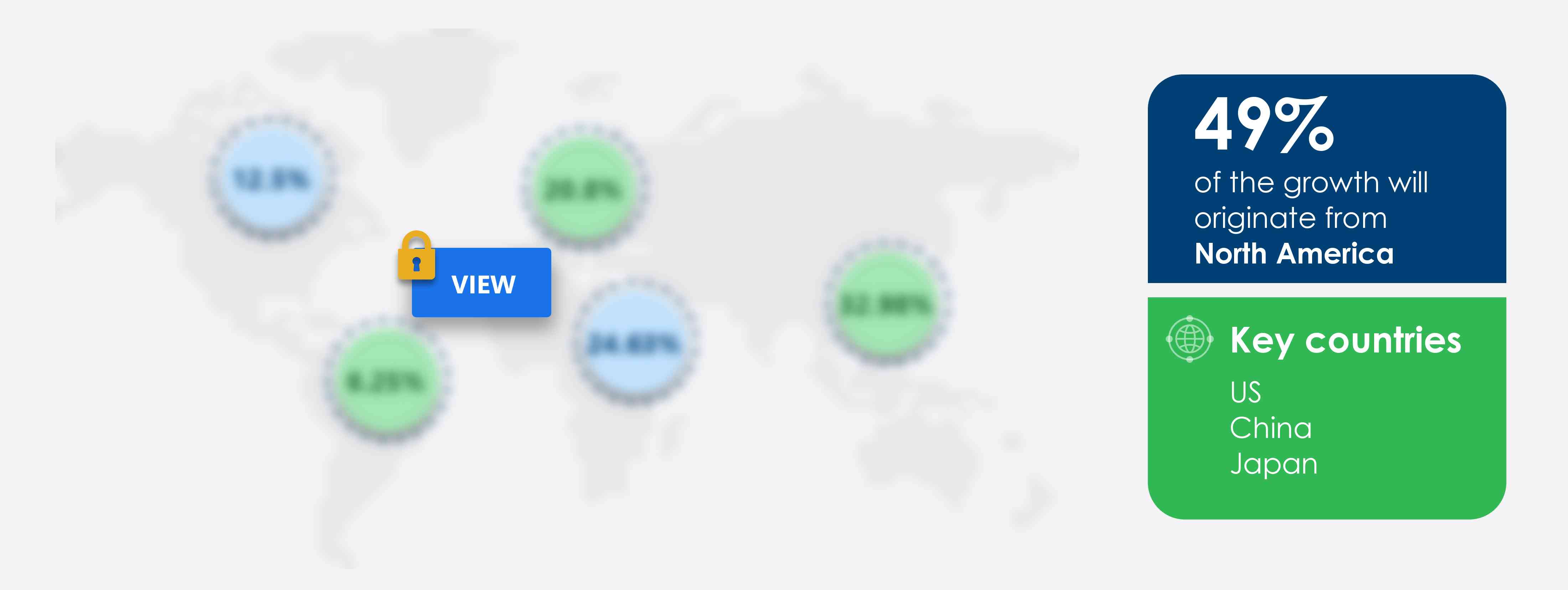
For more insights on the market share of various regions Request PDF Sample now!
49% of the market’s growth will originate from North America during the forecast period. The US is the key market for automotive engine oil coolers in North America. Market growth in this region will be faster than the growth of the market in other regions.
The steady growth of the automobile market will facilitate market growth in North America over the forecast period. This market research report entails detailed information on the competitive intelligence, marketing gaps, and regional opportunities in store for vendors, which will assist in creating efficient business plans.
COVID Impact and Recovery Analysis
The outbreak of COVID-19 adversely impacted the regional market. However, the reopening of global markets will offer a favourable environment for automakers in North America to increase their production, which will add to the regional demand and, in turn, market growth during the forecast period.
What are the Revenue-generating Application Segments in the Automotive Engine Oil Cooler Market?
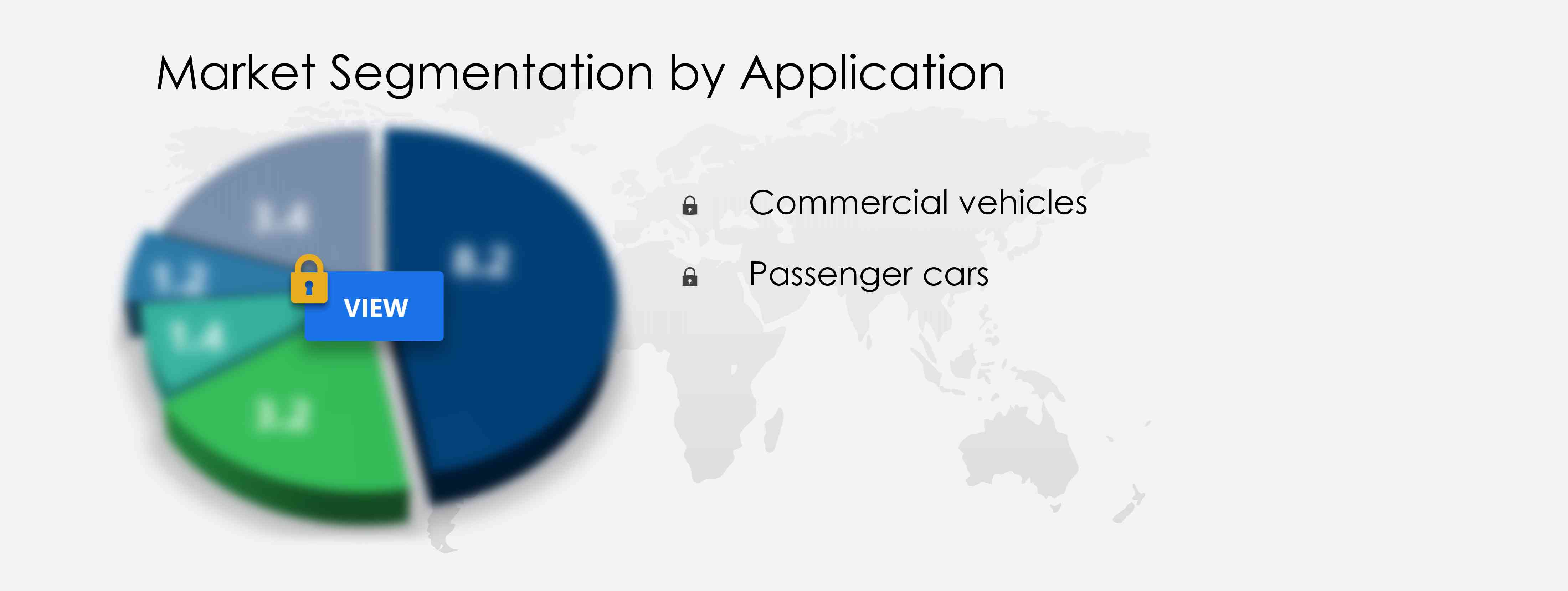
To gain further insights on the market contribution of various segments Request PDF Sample
The market share growth in the commercial vehicles segment will be significant during the forecast period. High-performance commercial vehicles are often equipped with turbochargers for better performance. A turbocharged engine has a relatively small size, produces less noise, and performs better at higher altitudes than a naturally aspirated engine. Turbochargers also help commercial vehicles to produce less emission as it burns less fuel than a naturally aspirated engine. This, in turn, will boost the market growth in the forecasted period. The market is witnessing significant growth due to the increasing demand for vehicles equipped with advanced Automotive Engine Oil Level Sensors, ensuring optimal engine performance and longevity.
This report provides an accurate prediction of the contribution of all the segments to the growth of the market size and actionable market insights on the post-COVID-19 impact on each segment.
|
Automotive Engine Oil Cooler Market Scope |
|
|
Report Coverage |
Details |
|
Page number |
120 |
|
Base year |
2021 |
|
Forecast period |
2022-2026 |
|
Growth momentum & CAGR |
Accelerate at a CAGR of 9.39% |
|
Market growth 2022-2026 |
2481 actual units |
|
Market structure |
Fragmented |
|
YoY growth (%) |
6.3 |
|
Regional analysis |
North America, Europe, APAC, South America, and Middle East and Africa |
|
Performing market contribution |
North America at 49% |
|
Key consumer countries |
US, China, Japan, Germany, and France |
|
Competitive landscape |
Leading companies, Competitive strategies, Consumer engagement scope |
|
Key companies profiled |
AKG Verwaltungsgesellschaft mbH, Bell Intercoolers, Cardone Industries Inc., Dana Inc., Derale, Fluidyne Control Systems, HKS Co. Ltd., MAHLE GmbH, Marelli Holdings Co. Ltd., Mishimoto Automotive, Modine Manufacturing Co., Nissens Group, PWR Holdings Ltd., SANHUA Automotive, Setrab AB, Standard Motor Products Inc., Tata Sons Pvt. Ltd., THERMEX LTD., TitanX Holding AB, and Valeo SA |
|
Market dynamics |
Parent market analysis, Market growth inducers and obstacles, Fast-growing and slow-growing segment analysis, COVID-19 impact and recovery analysis and future consumer dynamics, and Market condition analysis for the forecast period. |
|
Customization purview |
If our report has not included the data that you are looking for, you can reach out to our analysts and get segments customized. |
What are the Key Data Covered in this Automotive Engine Oil Cooler Market Report?
- CAGR of the market during the forecast period 2022-2026
- Detailed information on factors that will drive market growth during the next five years
- Precise estimation of the market size and its contribution to the parent market
- Accurate predictions on upcoming trends and changes in consumer behaviour
- The growth of the automotive engine oil cooler industry across North America, Europe, APAC, South America, and Middle East and Africa
- A thorough analysis of the market’s competitive landscape and detailed information on vendors
- Comprehensive details of factors that will challenge the growth of market vendors
We can help! Our analysts can customize this report to meet your requirements. Get in touch
 RIA -
RIA - 
