



APAC Aviation Market Size 2026-2030
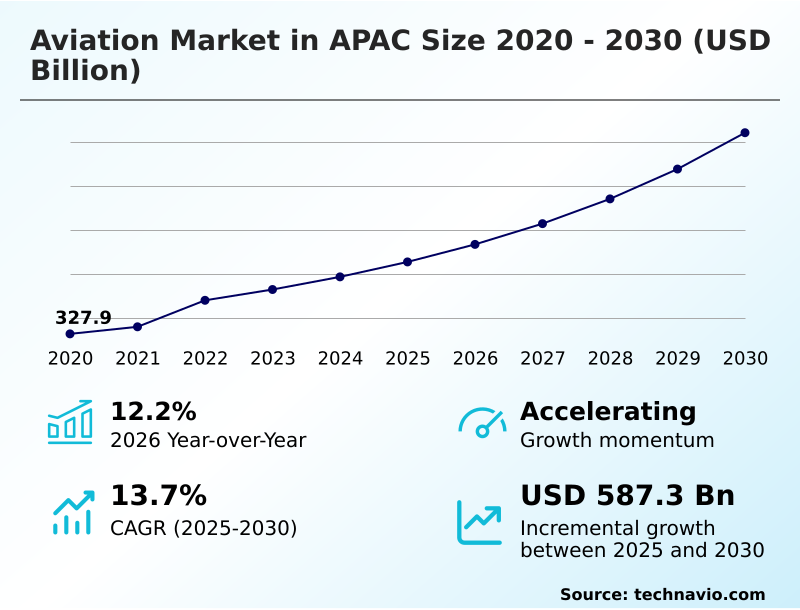
The apac aviation market size is valued to increase by USD 587.3 billion, at a CAGR of 13.7% from 2025 to 2030. Sustained economic expansion and emergence of large middle class will drive the apac aviation market.
Major Market Trends & Insights
- By Type - Commercial aviation segment was valued at USD 341.4 billion in 2024
- By Revenue Stream - Passenger segment accounted for the largest market revenue share in 2024
Market Size & Forecast
- Market Opportunities: USD 914.3 billion
- Market Future Opportunities: USD 587.3 billion
- CAGR from 2025 to 2030 : 13.7%
Market Summary
- The aviation market in APAC is defined by a dynamic interplay of robust expansion and significant operational challenges. Growth is fundamentally propelled by strong economic development and the proliferation of the low-cost carrier (LCC) model, which has democratized air travel for a burgeoning middle class. This demand necessitates extensive aviation infrastructure investment and continuous fleet modernization.
- Concurrently, the industry is undergoing a profound digital transformation in aviation, with a focus on creating an intelligent aviation ecosystem. For instance, airlines are leveraging predictive maintenance analytics, integrating sensor data with AI to forecast component failures, which significantly reduces unscheduled downtime and optimizes maintenance, repair, and overhaul (MRO) schedules.
- However, this progress is tempered by persistent issues like airspace congestion and a critical shortage of skilled aviation professionals. Addressing these challenges through harmonized air traffic management and expanded training programs is crucial for sustaining the region's growth trajectory.
- The push for sustainability, centered on the adoption of sustainable aviation fuel (SAF) and other carbon footprint reduction strategies, adds another layer of complexity and opportunity, influencing both operational practices and investment decisions across the aerospace supply chain.
What will be the Size of the APAC Aviation Market during the forecast period?
Get Key Insights on Market Forecast (PDF) Get Free Sample
How is the APAC Aviation Market Segmented?
The apac aviation industry research report provides comprehensive data (region-wise segment analysis), with forecasts and estimates in "USD billion" for the period 2026-2030, as well as historical data from 2020-2024 for the following segments.
- Type
- Commercial aviation
- Military aviation
- General aviation
- Revenue stream
- Passenger
- Freight
- Service type
- Domestic flights
- International flights
- Geography
- APAC
- China
- India
- Japan
- APAC
By Type Insights
The commercial aviation segment is estimated to witness significant growth during the forecast period.
The commercial aviation segment is driven by aggressive fleet modernization programs focused on enhancing single-aisle aircraft efficiency for high-frequency routes and deploying new wide-body aircraft routes for long-haul expansion.
The low-cost carrier (LCC) model continues to stimulate demand, though it intensifies competition for airport slot allocation and contributes to airspace congestion.
In response, carriers are investing in technologies for predictive maintenance and exploring the integration of sustainable aviation fuel (SAF) to balance growth with environmental commitments. This strategic focus on operational excellence through predictive maintenance analytics aims to improve asset utilization.
The adoption of new-generation aircraft delivers double-digit percentage improvements in fuel efficiency, a critical metric for profitability in this competitive sector, which also positively impacts air cargo capacity utilization.
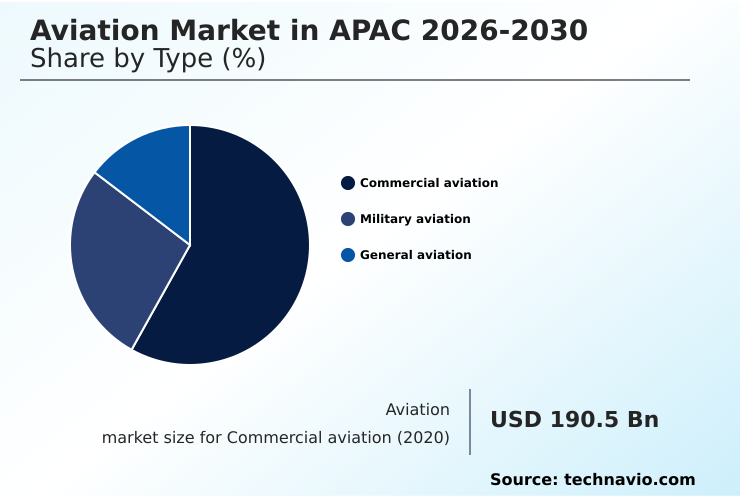
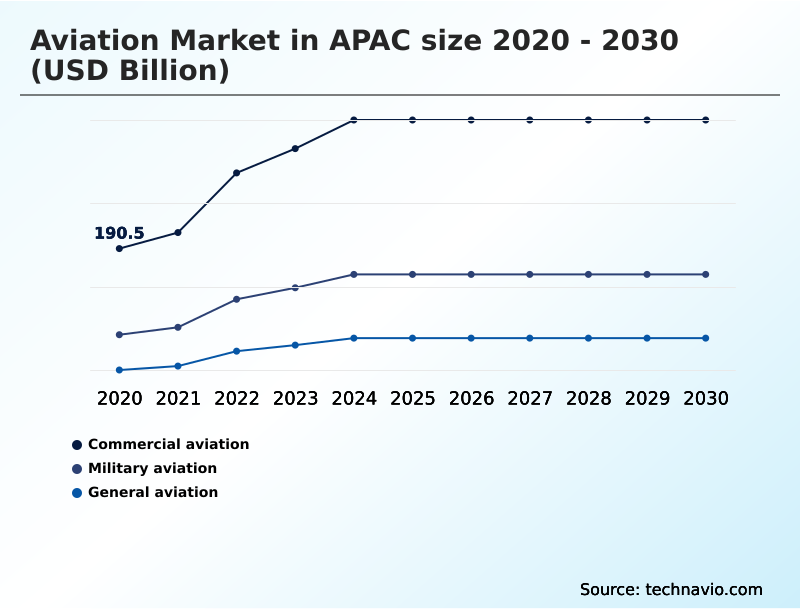
The Commercial aviation segment was valued at USD 341.4 billion in 2024 and showed a gradual increase during the forecast period.
Market Dynamics
Our researchers analyzed the data with 2025 as the base year, along with the key drivers, trends, and challenges. A holistic analysis of drivers will help companies refine their marketing strategies to gain a competitive advantage.
- Strategic decision-making in the aviation market in APAC is increasingly focused on balancing low-cost carrier operational efficiency with long-term sustainability and technological advancement. The volatility of aviation turbine fuel price hedging strategies remains a critical boardroom concern, directly influencing profitability.
- In parallel, predictive maintenance for aircraft engines is becoming standard practice, with operators that fully adopt these digital platforms reporting nearly double the improvement in asset utilization compared to those using legacy systems. The passenger journey is being transformed by technology, with biometric airport processing adoption rates growing steadily to improve flow and reduce aircraft turnaround times.
- This ties into the broader push for hyper-personalization in passenger services, leveraging passenger data to drive in-flight ancillary revenue maximization. On the cargo side, air cargo e-commerce logistics integration is a key focus. Foundational to future growth is the development of a viable sustainable aviation fuel (SAF) supply chain and effective aircraft carbon footprint reduction strategies.
- Furthermore, long-term planning must account for urban air mobility regulatory frameworks, the impact of geopolitics on flight routes, and MRO service agreement negotiations, all while investing in robust training programs for aviation technicians and exploring airport infrastructure public-private partnerships.
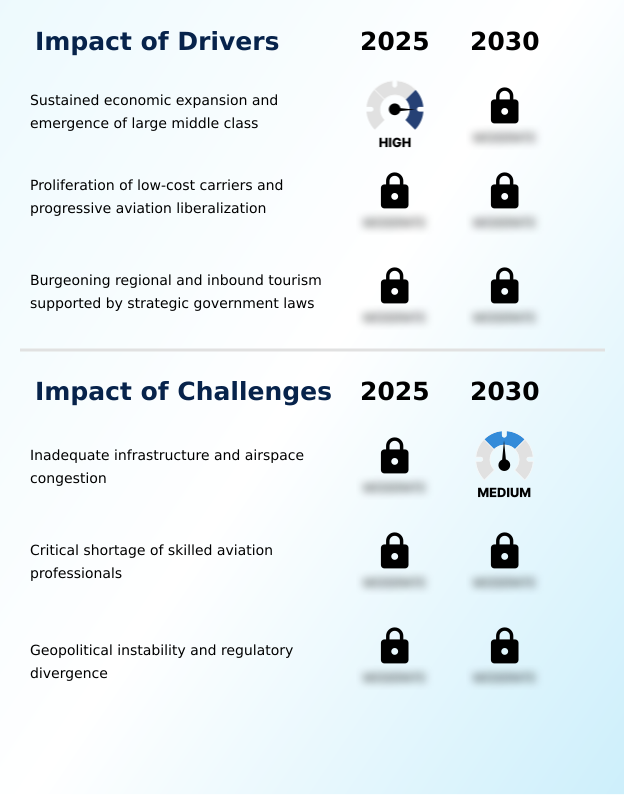
What are the key market drivers leading to the rise in the adoption of APAC Aviation Industry?
- Sustained economic expansion across the region, coupled with the emergence of a large and increasingly affluent middle class, serves as a primary driver for market growth.
- Market growth is propelled by a combination of policy shifts and technological adoption aimed at enhancing efficiency and accessibility.
- The implementation of aviation liberalization policies across the region has increased route competition, leading to an average fare reduction of 25% on newly opened city pairs.
- This has been complemented by a wave of digital transformation in aviation, including the rollout of biometric passenger processing systems that can expedite passenger throughput by over 30%.
- In aircraft manufacturing, the use of advanced aircraft composite materials is becoming standard in new airframe manufacturing, reducing weight and improving fuel economy.
- These advancements, combined with a focus on hyper-personalization in service delivery, are creating a more resilient and passenger-centric industry.
- However, the industry faces challenges from geopolitical risk mitigation and ensuring a steady supply of skilled aviation professionals to meet a complex regulatory compliance framework.
What are the market trends shaping the APAC Aviation Industry?
- Pervasive digital transformation and the shift toward data-driven operations are prominent trends reshaping the market. This evolution involves leveraging advanced analytics to enhance operational efficiency and strategic decision-making.
- Key trends are reshaping the market, centered on digitalization and sustainability. The systematic deployment of advanced air traffic management systems is underway, aiming to enhance airspace capacity, which has been shown to decrease airborne holding times by over 15% in initial deployments.
- Airlines are intensifying their focus on ancillary revenue streams through sophisticated passenger yield management, with dynamic pricing models increasing revenue per passenger by up to 12%. This digital push extends to in-flight connectivity services, now a key competitive differentiator. Moreover, strategic aviation infrastructure investment is crucial, while the exploration of unmanned aerial systems for cargo and surveillance is gaining traction.
- The emphasis on improving the aviation safety rating is paramount, with customer loyalty programs becoming more sophisticated to retain high-value travelers in a market facing growing high-speed rail competition.
What challenges does the APAC Aviation Industry face during its growth?
- Inadequate infrastructure capacity and persistent airspace congestion present key challenges that constrain the industry's growth potential and operational efficiency.
- The market faces significant operational and structural challenges that could temper its growth trajectory. The reliance on volatile aviation turbine fuel markets continues to expose airlines to cost instability, with price swings capable of impacting operating margins by 5-10% quarterly.
- The aerospace supply chain remains vulnerable to disruption, affecting the delivery of next-generation aircraft and crucial components for maintenance, repair, and overhaul (MRO). A critical issue is the development of advanced aircraft engine technology, which requires immense R&D investment. Moreover, the industry is navigating the nascent field of urban air mobility (UAM), which presents complex regulatory hurdles.
- The strategic pivot to network-centric warfare and advanced aerospace defense systems by regional powers adds another layer of complexity. These factors challenge firms to refine optimized flight path algorithms and pursue freight revenue diversification to build resilience.
Exclusive Technavio Analysis on Customer Landscape
The apac aviation market forecasting report includes the adoption lifecycle of the market, covering from the innovator’s stage to the laggard’s stage. It focuses on adoption rates in different regions based on penetration. Furthermore, the apac aviation market report also includes key purchase criteria and drivers of price sensitivity to help companies evaluate and develop their market growth analysis strategies.
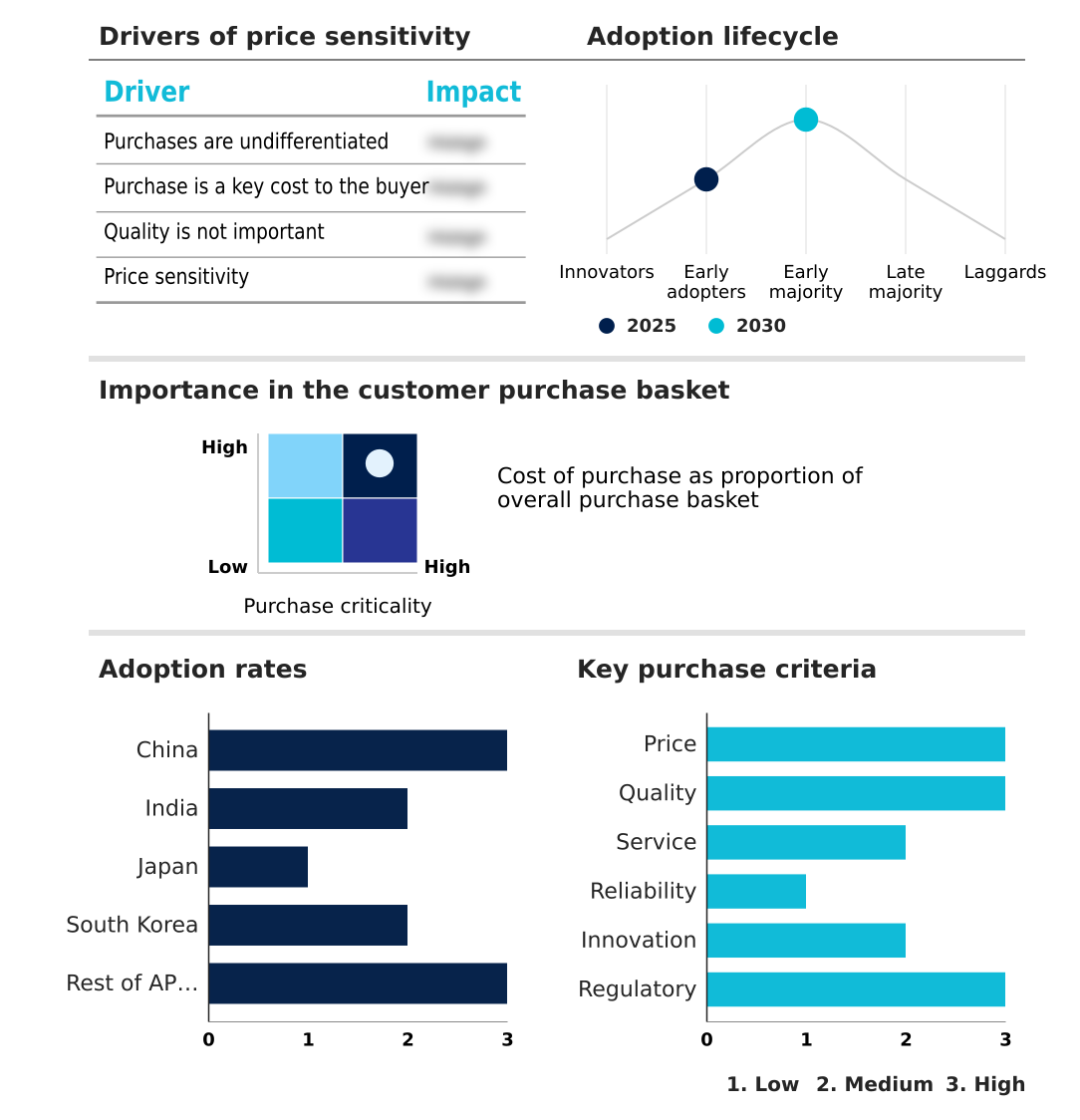
Customer Landscape of APAC Aviation Industry
Competitive Landscape
Companies are implementing various strategies, such as strategic alliances, apac aviation market forecast, partnerships, mergers and acquisitions, geographical expansion, and product/service launches, to enhance their presence in the industry.
Airbus SE - A comprehensive portfolio includes commercial aircraft, defense and space systems, and sustainable aerospace solutions designed for diverse aviation applications.
The industry research and growth report includes detailed analyses of the competitive landscape of the market and information about key companies, including:
- Airbus SE
- Bombardier Inc.
- Dassault Aviation SA
- Embraer SA
- General Electric Co.
- Hindustan Aeronautics Ltd.
- Honeywell International Inc.
- IHI Corp.
- Kawasaki Heavy Industries Ltd.
- Korea Aerospace Industries Ltd.
- Leonardo S.p.A.
- Mitsubishi Heavy Ltd.
- Rolls Royce Holdings Plc
- RTX Corp.
- Safran SA
- ST Engineering Ltd.
- SUBARU Corp.
- Textron Aviation Inc.
- The Boeing Co.
Qualitative and quantitative analysis of companies has been conducted to help clients understand the wider business environment as well as the strengths and weaknesses of key industry players. Data is qualitatively analyzed to categorize companies as pure play, category-focused, industry-focused, and diversified; it is quantitatively analyzed to categorize companies as dominant, leading, strong, tentative, and weak.
Recent Development and News in Apac aviation market
- In August 2024, Airbus SE finalized a significant agreement with VietJetAir for the purchase of 20 A330neo widebody aircraft, bolstering the airline's long-haul capabilities.
- In December 2024, Incheon International Airport Corp completed the fourth phase of its major expansion project, significantly increasing passenger and cargo handling capacity to reinforce its status as a leading global hub.
- In March 2025, Hindustan Aeronautics Ltd. secured a major contract from the Indian Ministry of Defence for the production and supply of 156 Light Combat Helicopters, advancing India's indigenous defense manufacturing capabilities.
- In May 2025, the Hong Kong Business Aviation Centre initiated the offering of Sustainable Aviation Fuel (SAF) to its clients, marking a key milestone for environmental sustainability in the region's general aviation sector.
Dive into Technavio’s robust research methodology, blending expert interviews, extensive data synthesis, and validated models for unparalleled APAC Aviation Market insights. See full methodology.
| Market Scope | |
|---|---|
| Page number | 208 |
| Base year | 2025 |
| Historic period | 2020-2024 |
| Forecast period | 2026-2030 |
| Growth momentum & CAGR | Accelerate at a CAGR of 13.7% |
| Market growth 2026-2030 | USD 587.3 billion |
| Market structure | Fragmented |
| YoY growth 2025-2026(%) | 12.2% |
| Key countries | China, India, Japan, South Korea and Rest of APAC |
| Competitive landscape | Leading Companies, Market Positioning of Companies, Competitive Strategies, and Industry Risks |
Research Analyst Overview
- The aviation market in APAC is navigating a period of strategic transformation where operational imperatives are intrinsically linked to technological and environmental pressures. The industry-wide push for digital transformation in aviation is a core boardroom focus, with substantial aviation infrastructure investment being allocated to create an intelligent aviation ecosystem.
- This influences budgeting for everything from aircraft manufacturing to maintenance, repair, and overhaul (MRO). Key decisions revolve around fleet modernization, driven by the need to integrate next-generation aircraft engine technology for enhanced efficiency and to reduce the overall carbon footprint. The adoption of advanced systems for air traffic management and flight path optimization is critical to alleviating airspace congestion.
- Concurrently, the viability of emerging sectors like urban air mobility (UAM) is being assessed. Investment in new aircraft yields up to a 15% improvement in fuel efficiency, a compelling metric that justifies the high capital outlay.
- This complex environment demands a holistic approach, balancing the adoption of sustainable aviation fuel (SAF) and biometric passenger processing with the management of a resilient aerospace supply chain.
What are the Key Data Covered in this APAC Aviation Market Research and Growth Report?
-
What is the expected growth of the APAC Aviation Market between 2026 and 2030?
-
USD 587.3 billion, at a CAGR of 13.7%
-
-
What segmentation does the market report cover?
-
The report is segmented by Type (Commercial aviation, Military aviation, and General aviation), Revenue Stream (Passenger, and Freight), Service Type (Domestic flights, and International flights) and Geography (APAC)
-
-
Which regions are analyzed in the report?
-
APAC
-
-
What are the key growth drivers and market challenges?
-
Sustained economic expansion and emergence of large middle class, Inadequate infrastructure and airspace congestion
-
-
Who are the major players in the APAC Aviation Market?
-
Airbus SE, Bombardier Inc., Dassault Aviation SA, Embraer SA, General Electric Co., Hindustan Aeronautics Ltd., Honeywell International Inc., IHI Corp., Kawasaki Heavy Industries Ltd., Korea Aerospace Industries Ltd., Leonardo S.p.A., Mitsubishi Heavy Ltd., Rolls Royce Holdings Plc, RTX Corp., Safran SA, ST Engineering Ltd., SUBARU Corp., Textron Aviation Inc. and The Boeing Co.
-
Market Research Insights
- Market dynamics are increasingly shaped by a dual focus on operational efficiency and passenger experience enhancement. The adoption of predictive maintenance analytics has enabled some operators to reduce unscheduled ground time by up to 30%, directly improving asset utilization. Simultaneously, the competitive pressure from high-speed rail competition on domestic routes is compelling airlines to innovate.
- The strategic use of customer loyalty programs is crucial for retention, with member engagement rates influencing over 20% of repeat bookings for leading carriers. This focus on digital airline retailing and service quality is essential for maintaining market share in a landscape where both cost and convenience dictate consumer choice.
We can help! Our analysts can customize this apac aviation market research report to meet your requirements.
 RIA -
RIA - 
