



Bubble Tea Market Size 2026-2030
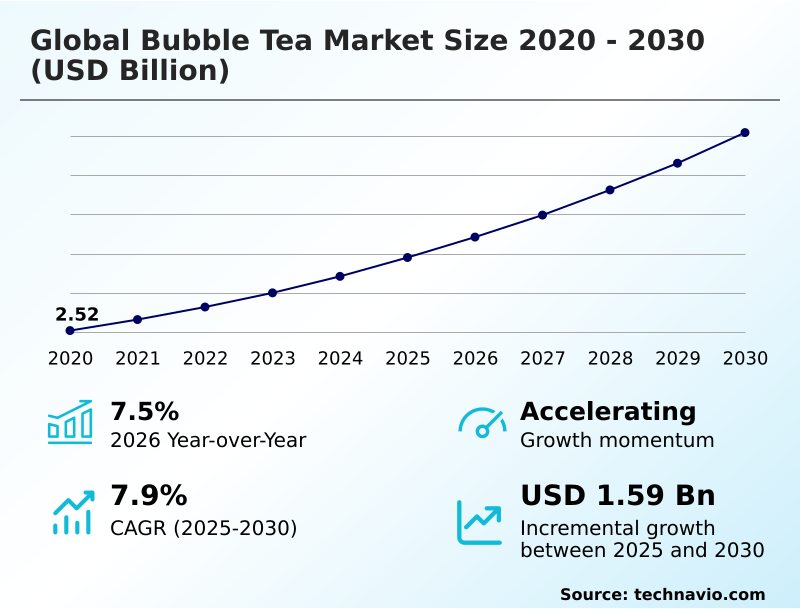
The bubble tea market size is valued to increase by USD 1.59 billion, at a CAGR of 7.9% from 2025 to 2030. Rising accessibility and availability through organized retailing will drive the bubble tea market.
Major Market Trends & Insights
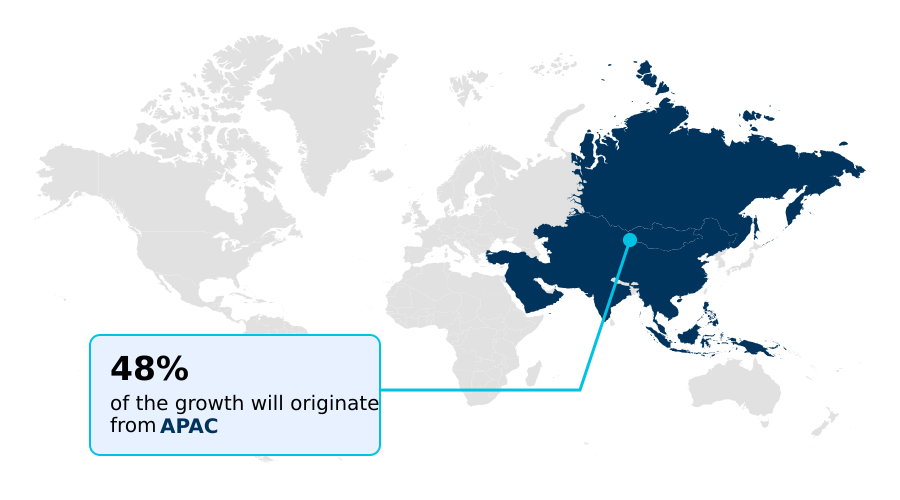
- APAC dominated the market and accounted for a 48% growth during the forecast period.
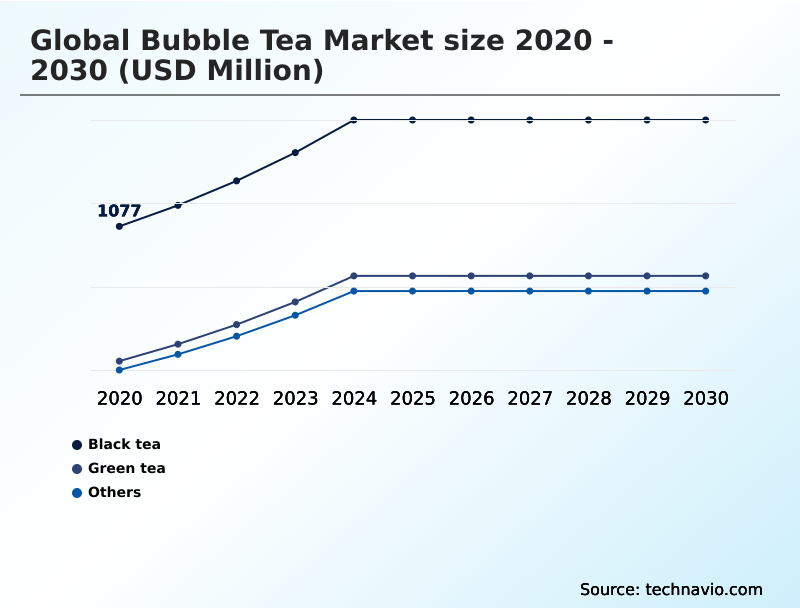
- By Product - Black tea segment was valued at USD 1.35 billion in 2024
- By Flavor - Fruit flavor segment accounted for the largest market revenue share in 2024
Market Size & Forecast
- Market Opportunities: USD 2.52 billion
- Market Future Opportunities: USD 1.59 billion
- CAGR from 2025 to 2030 : 7.9%
Market Summary
- The bubble tea market is characterized by rapid innovation and a strong connection to lifestyle trends, particularly among younger demographics. Key drivers include the expansion of organized retail and a growing cafe culture that positions bubble tea shops as social hubs.
- This cultural integration is supported by a continuous cycle of new flavor introductions, from fruit-infused teas to indulgent dessert-like creations. However, the industry faces operational hurdles, such as the price volatility of core ingredients like tapioca and specialty teas.
- A multi-national boba tea franchise, for instance, must develop a resilient bubble tea supply chain to mitigate the impact of fluctuating tapioca starch sourcing costs on its global operations. This involves diversifying suppliers and leveraging beverage customization software to adjust menu offerings based on ingredient availability, ensuring consistent profitability and customer satisfaction across its network.
- The market's dynamism is further shaped by the threat of alternative beverages and the need to navigate stringent food safety regulations in various international markets, demanding agility and strategic foresight from all participants.
What will be the Size of the Bubble Tea Market during the forecast period?
Get Key Insights on Market Forecast (PDF) Get Free Sample
How is the Bubble Tea Market Segmented?
The bubble tea industry research report provides comprehensive data (region-wise segment analysis), with forecasts and estimates in "USD million" for the period 2026-2030, as well as historical data from 2020-2024 for the following segments.
- Product
- Black tea
- Green tea
- Others
- Flavor
- Fruit flavor
- Chocolate flavor
- Coffee flavor
- Others
- End-user
- Millennials
- Generation Z
- Generation X
- Component
- Liquid
- Topping
- Others
- Geography
- APAC
- China
- Japan
- India
- Europe
- Germany
- UK
- France
- North America
- US
- Canada
- Mexico
- South America
- Brazil
- Argentina
- Middle East and Africa
- Saudi Arabia
- UAE
- South Africa
- Rest of World (ROW)
- APAC
By Product Insights
The black tea segment is estimated to witness significant growth during the forecast period.
The black tea segment is a foundational category, largely due to its robust flavor profile that pairs well with various milk and creamer options.
Its versatility supports extensive customizable beverage options, from traditional brown sugar boba to complex artisanal tea blending.
This segment's dominance is reinforced by its role in classic milk tea formulations, which account for over 60% of menus in established boba tea franchise locations.
Maintaining beverage quality control is paramount, as the distinct malty notes of black tea are a key differentiator.
The consistency of this base ingredient is crucial for large-scale tapioca pearl production and ensuring a reliable in-store customer experience, reflecting key consumer preference data.
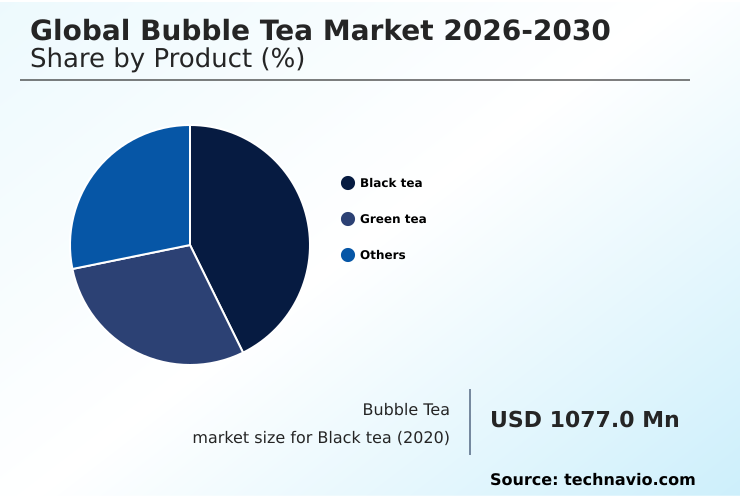
The Black tea segment was valued at USD 1.35 billion in 2024 and showed a gradual increase during the forecast period.
Regional Analysis
APAC is estimated to contribute 48% to the growth of the global market during the forecast period.Technavio’s analysts have elaborately explained the regional trends and drivers that shape the market during the forecast period.
See How Bubble Tea Market Demand is Rising in APAC Get Free Sample
The geographic landscape of the bubble tea market is expanding, with APAC continuing its dominance by contributing over 48% of the incremental growth.
This is fueled by a deep-rooted bubble tea cafe culture and a high concentration of specialty tea shops. North America is experiencing robust expansion, with a growth rate of 8.0%, slightly outpacing Europe's 7.4%.
This growth is driven by a quick-service restaurant model and strong social media marketing.
In these emerging regions, the adoption of online ordering platforms is critical; some chains have seen a 15% increase in order volume through app-based loyalty program integration.
South America and the Middle East and Africa are nascent but high-potential markets, focusing on franchise expansion strategy and adapting flavors to local palates.
Market Dynamics
Our researchers analyzed the data with 2025 as the base year, along with the key drivers, trends, and challenges. A holistic analysis of drivers will help companies refine their marketing strategies to gain a competitive advantage.
- Navigating the bubble tea market requires a multi-faceted strategy that addresses key operational and consumer-facing questions. Understanding the impact of raw material costs on bubble tea pricing is fundamental for any boba tea business.
- A critical aspect is managing the challenges of managing a bubble tea supply chain, where operators who diversified their tapioca starch sourcing experienced only a 5% rise in input costs, compared to a 20% increase for those reliant on single suppliers.
- For those considering how to start a successful bubble tea business, the focus must be on differentiation, which can be achieved by exploring the latest bubble tea flavor trends and innovations. This includes not just the beverage itself but also the rise of bubble tea infused food and dessert trends.
- Effective marketing strategies for a bubble tea shop are crucial, leveraging the role of social media in the bubble tea market to connect with target demographics. The profitability of a bubble tea franchise often hinges on these strategies, along with a deep understanding of bubble tea consumption habits of millennials vs gen z.
- As the market matures, the rise of premium and artisanal bubble tea presents new opportunities, but also necessitates stricter adherence to food safety standards for bubble tea shops. Ultimately, success lies in balancing operational efficiency with a compelling customer experience that solidifies bubble tea as a lifestyle and cultural phenomenon.
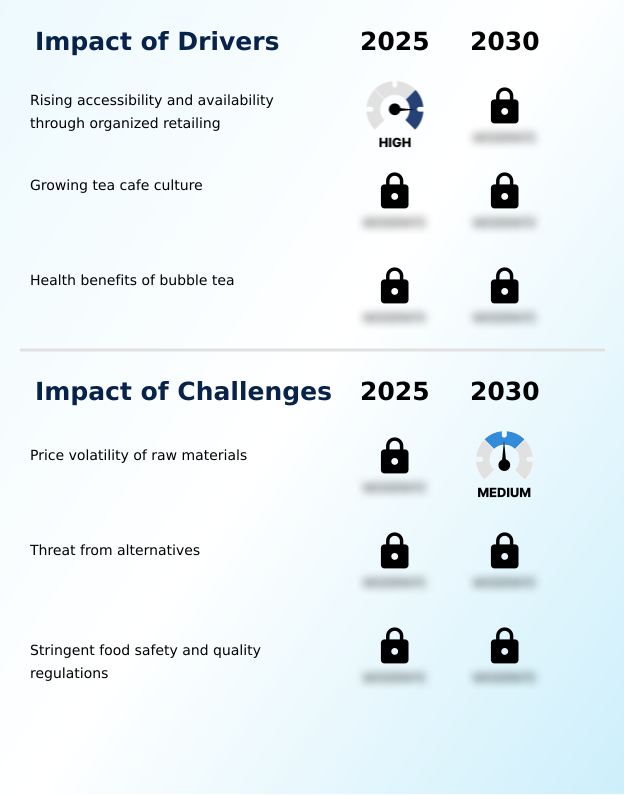
What are the key market drivers leading to the rise in the adoption of Bubble Tea Industry?
- The market's growth is significantly driven by rising accessibility and availability through organized retail channels.
- Market expansion is heavily driven by the growing bubble tea cafe culture and increased accessibility through organized retailing. The proliferation of bubble tea kiosk locations in high-traffic areas has increased brand visibility by up to 50% in new urban markets.
- The health-conscious movement is also a significant factor; the availability of low-sugar bubble tea and fruit-infused tea has broadened appeal, with some chains reporting a 15% sales increase from this segment alone.
- This trend is supported by an emphasis on sustainable sourcing practices.
- The industry's growth is further amplified by gen z beverage choices, which favor novelty and personalization, reinforcing the need for continuous innovation in flavors like cold brew coffee tea and toppings such as cheese foam topping.
What are the market trends shaping the Bubble Tea Industry?
- The constant introduction of novel and diverse flavors is a key trend shaping the bubble tea industry, catering to evolving consumer preferences for variety and customization.
- The bubble tea market is advancing through constant new flavor innovation, where seasonal flavor development and the introduction of tea-based cocktails are becoming standard practice. These strategies are designed to capture emerging beverage trends and cater to a broader demographic. Offering plant-based milk alternatives and other customizable beverage options has become essential.
- For example, brands launching liquor-infused beverages have seen an 18% increase in average spending per customer in evening hours. The development of bubble tea-infused dishes, another key trend, boosts social media engagement by over 30% compared to standard posts.
- This evolution underscores the importance of a strong boba tea menu design and understanding millennial consumer trends to maintain a competitive edge and drive bubble tea market growth.
What challenges does the Bubble Tea Industry face during its growth?
- Price volatility of essential raw materials presents a significant challenge to the industry's growth and profitability.
- Key challenges in the market stem from operational and regulatory pressures. The price volatility of raw materials, such as those for taro milk tea and matcha green tea, can compress margins by up to 10% without effective ingredient cost management. Navigating stringent food safety regulations across different regions requires a significant investment in compliance, often adding 5% to operational costs.
- Furthermore, the threat from alternatives like artisanal coffees and smoothies is intensifying. This competitive landscape analysis shows that the market must constantly innovate beyond traditional milk tea and popping boba to retain consumer interest. Adherence to eco-friendly packaging solutions is also becoming a non-negotiable consumer demand, adding another layer of complexity for operators.
Exclusive Technavio Analysis on Customer Landscape
The bubble tea market forecasting report includes the adoption lifecycle of the market, covering from the innovator’s stage to the laggard’s stage. It focuses on adoption rates in different regions based on penetration. Furthermore, the bubble tea market report also includes key purchase criteria and drivers of price sensitivity to help companies evaluate and develop their market growth analysis strategies.
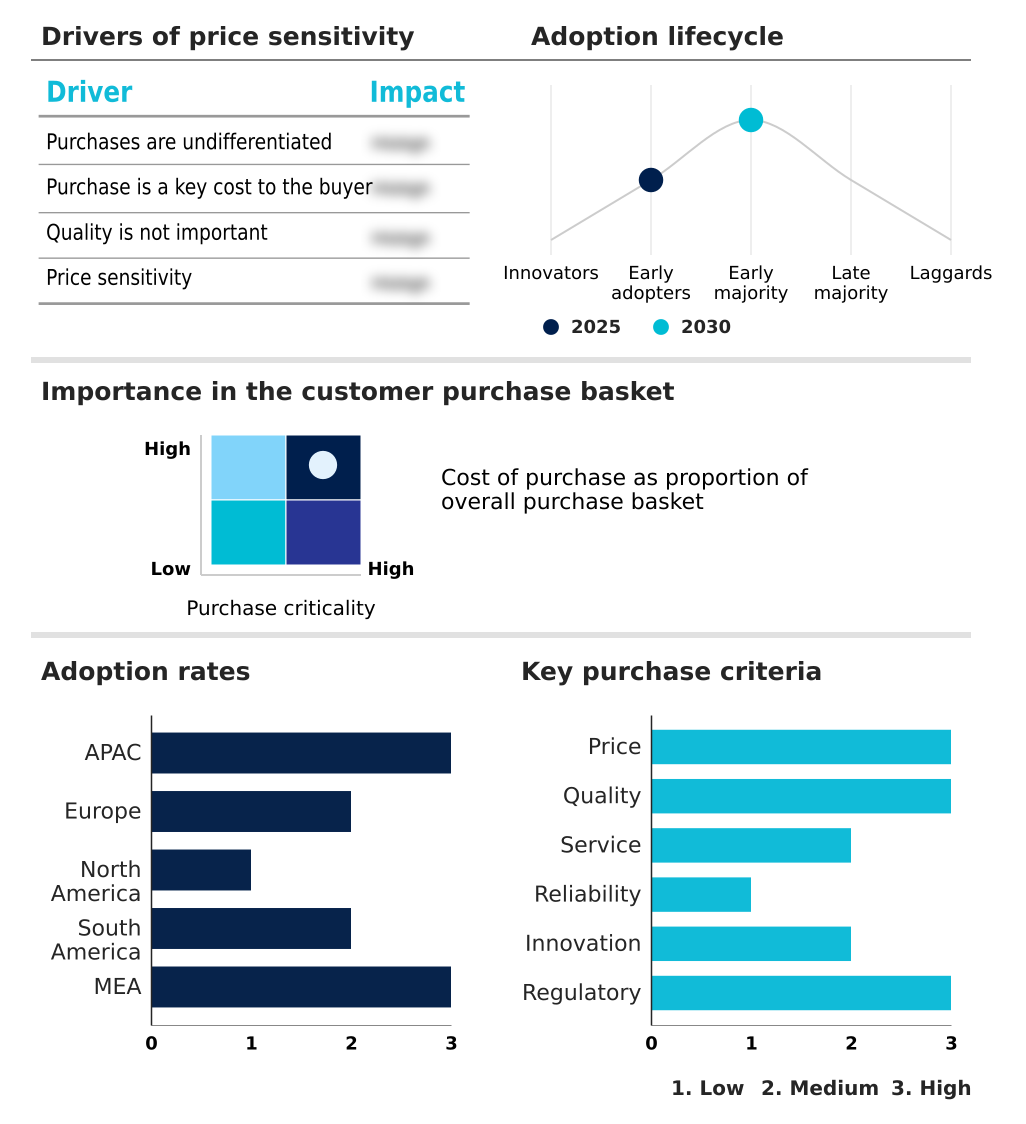
Customer Landscape of Bubble Tea Industry
Competitive Landscape
Companies are implementing various strategies, such as strategic alliances, bubble tea market forecast, partnerships, mergers and acquisitions, geographical expansion, and product/service launches, to enhance their presence in the industry.
Barako - Offers a specialized menu of traditional and fusion boba teas, targeting diverse consumer preferences within the specialty beverage landscape.
The industry research and growth report includes detailed analyses of the competitive landscape of the market and information about key companies, including:
- Barako
- Boba Bar
- bobabhai.com
- Bubble Tea House Co.
- Chai Infusion
- Chatime Global LLC
- Chun Shui Tang
- CoCo Fresh Tea and Juice
- Gong cha
- Got Tea
- KOI The
- Kuai Ke Li Enterprise Co. Ltd.
- Kung Fu Tea
- My Bubble Tea
- Sharetea
- Tea bear
- TEALEAVES
- Ten Ren Tea
- The Tea Planet
- Xing Fu Tang
Qualitative and quantitative analysis of companies has been conducted to help clients understand the wider business environment as well as the strengths and weaknesses of key industry players. Data is qualitatively analyzed to categorize companies as pure play, category-focused, industry-focused, and diversified; it is quantitatively analyzed to categorize companies as dominant, leading, strong, tentative, and weak.
Recent Development and News in Bubble tea market
- In September 2025, a leading bubble tea chain partnered with a major gin producer to launch a limited-edition line of liquor-based bubble tea beverages, tapping into the adult beverage market.
- In August 2025, a prominent Asian dessert cafe chain introduced a boba-infused souffle pancake that went viral, highlighting the trend of integrating bubble tea elements into food.
- In May 2025, major international coffee retailers began an aggressive expansion of fruit-based jelly drinks, directly challenging the market share of bubble tea in urban centers.
- In April 2025, a wellness-focused beverage company debuted a new line of prebiotic-infused pearls aimed at improving gut health, catering to health-conscious consumers.
Dive into Technavio’s robust research methodology, blending expert interviews, extensive data synthesis, and validated models for unparalleled Bubble Tea Market insights. See full methodology.
| Market Scope | |
|---|---|
| Page number | 316 |
| Base year | 2025 |
| Historic period | 2020-2024 |
| Forecast period | 2026-2030 |
| Growth momentum & CAGR | Accelerate at a CAGR of 7.9% |
| Market growth 2026-2030 | USD 1589.9 million |
| Market structure | Fragmented |
| YoY growth 2025-2026(%) | 7.5% |
| Key countries | China, Japan, India, South Korea, Australia, Indonesia, Germany, UK, France, Italy, Spain, The Netherlands, US, Canada, Mexico, Brazil, Argentina, Chile, Saudi Arabia, UAE, South Africa, Israel and Turkey |
| Competitive landscape | Leading Companies, Market Positioning of Companies, Competitive Strategies, and Industry Risks |
Research Analyst Overview
- The bubble tea market exhibits a maturing competitive landscape where operational excellence and brand differentiation are paramount. A core boardroom decision involves balancing investment in scalable assets like automated tea brewing technology against human capital development through extensive franchise training programs.
- While both are critical, data shows that chains implementing advanced brewing systems achieve a 20% improvement in beverage quality control, a crucial factor for customer retention. This technological edge supports the deployment of a quick-service restaurant model and consistent in-store customer experience. Strategic ingredient cost management is essential to counter price volatility in tapioca starch sourcing.
- The market's future hinges on integrating innovations such as tea-based cocktails and efficient point-of-sale systems, all while optimizing the bubble tea supply chain. Success is increasingly defined by a brand's ability to execute a cohesive strategy encompassing everything from store layout optimization to robust social media marketing.
What are the Key Data Covered in this Bubble Tea Market Research and Growth Report?
-
What is the expected growth of the Bubble Tea Market between 2026 and 2030?
-
USD 1.59 billion, at a CAGR of 7.9%
-
-
What segmentation does the market report cover?
-
The report is segmented by Product (Black tea, Green tea, and Others), Flavor (Fruit flavor, Chocolate flavor, Coffee flavor, and Others), End-user (Millennials, Generation Z, and Generation X), Component (Liquid, Topping, and Others) and Geography (APAC, Europe, North America, South America, Middle East and Africa)
-
-
Which regions are analyzed in the report?
-
APAC, Europe, North America, South America and Middle East and Africa
-
-
What are the key growth drivers and market challenges?
-
Rising accessibility and availability through organized retailing, Price volatility of raw materials
-
-
Who are the major players in the Bubble Tea Market?
-
Barako, Boba Bar, bobabhai.com, Bubble Tea House Co., Chai Infusion, Chatime Global LLC, Chun Shui Tang, CoCo Fresh Tea and Juice, Gong cha, Got Tea, KOI The, Kuai Ke Li Enterprise Co. Ltd., Kung Fu Tea, My Bubble Tea, Sharetea, Tea bear, TEALEAVES, Ten Ren Tea, The Tea Planet and Xing Fu Tang
-
Market Research Insights
- The bubble tea market is shaped by dynamic consumer behaviors and rapid innovation. Millennial consumer trends and Gen Z beverage choices heavily influence menu design, prioritizing instagrammable drinks and extensive customization. Brands that effectively use digital marketing campaigns see a 25% higher rate of repeat customers compared to competitors.
- Moreover, the shift toward healthier options is significant; offering low-sugar and non-dairy creamers has expanded the customer base by over 15% in urban markets. The underlying beverage industry technology, from mobile ordering to inventory management, is crucial. Firms that optimize cold chain logistics have reported a 10% reduction in ingredient waste, directly improving profit margins.
- These factors highlight a competitive landscape where understanding consumer insights and leveraging technology are key to growth.
We can help! Our analysts can customize this bubble tea market research report to meet your requirements.
 RIA -
RIA - 
