



Australia Cafe Market Size 2026-2030
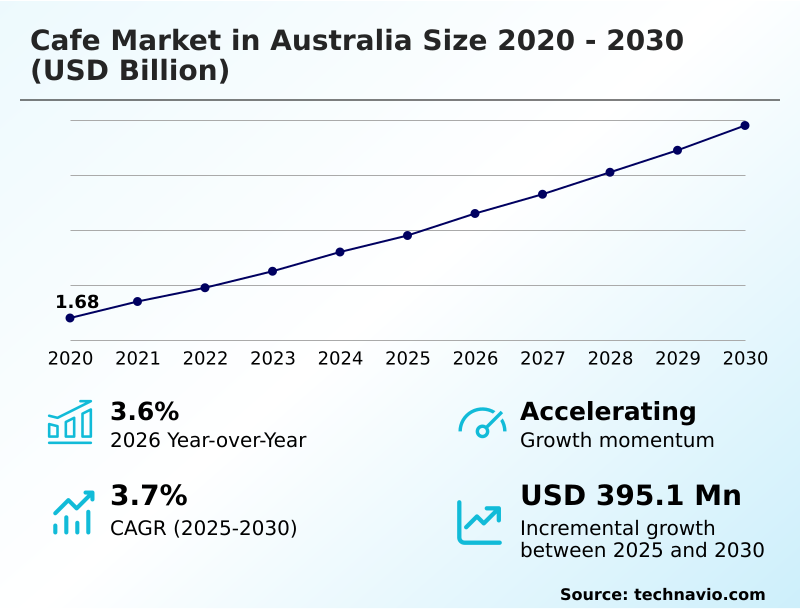
The australia cafe market size is valued to increase by USD 395.1 million, at a CAGR of 3.7% from 2025 to 2030. Increasing number of cafes is expediting market growth will drive the australia cafe market.
Major Market Trends & Insights
- By Product - Beverages segment was valued at USD 1.22 billion in 2024
- By Service - Dine-in segment accounted for the largest market revenue share in 2024
Market Size & Forecast
- Market Opportunities: USD 695.3 million
- Market Future Opportunities: USD 395.1 million
- CAGR from 2025 to 2030 : 3.7%
Market Summary
- The cafe market in Australia is characterized by its competitive and culturally ingrained nature, deeply rooted in a strong coffee tradition. Market dynamics are shaped by the proliferation of both independent operators and established chains, all vying for consumer loyalty.
- A key driver is the consumer shift toward experiential spending, where cafes serve as social hubs and remote workspaces, fueling demand for unique ambiances and high-quality service. Trends such as the adoption of restaurant technology solutions and a focus on health and wellness menus are compelling operators to innovate continuously.
- For instance, a cafe might leverage its point-of-sale systems to analyze purchasing patterns, enabling precise menu engineering to promote high-margin items and optimize its supply chain management. This data-driven approach helps mitigate challenges like intense competition and rising operational costs.
- The market's resilience is tied to its ability to adapt to evolving consumer preferences, from specialty coffee sourcing to the integration of sustainable cafe practices, ensuring its continued relevance in the national hospitality landscape. The emphasis on customer experience in cafes remains a primary differentiator for success.
What will be the Size of the Australia Cafe Market during the forecast period?
Get Key Insights on Market Forecast (PDF) Get Free Sample
How is the Australia Cafe Market Segmented?
The australia cafe industry research report provides comprehensive data (region-wise segment analysis), with forecasts and estimates in "USD million" for the period 2026-2030, as well as historical data from 2020-2024 for the following segments.
- Product
- Beverages
- Food
- Service
- Dine-in
- Takeaway
- Type
- Independent cafes
- Specialty coffee shops
- Convenience cafes
- Coffeehouse chains
- Geography
- APAC
- Australia
- APAC
By Product Insights
The beverages segment is estimated to witness significant growth during the forecast period.
The cafe market in Australia is segmented by product, service, and type. The product segment, comprising beverages and food, is central to market dynamics. The beverages sub-segment, driven by a strong coffee culture, represents the largest share.
Key factors include the third-wave coffee movement, which elevates demand for specialty coffee sourcing and advanced espresso extraction techniques. Innovations in cold brew coffee systems and the mainstream adoption of plant-based milk alternatives are reshaping menus.
The food sub-segment is increasingly influenced by health and wellness menus and demand for artisan bakery production. Service segmentation includes dine-in and takeaway, with digital ordering platforms accelerating growth in the latter.
Hospitality management software is critical for optimizing both service models, improving customer experience in cafes, and enabling effective beverage cost control, with efficient systems reducing order errors by over 15%.
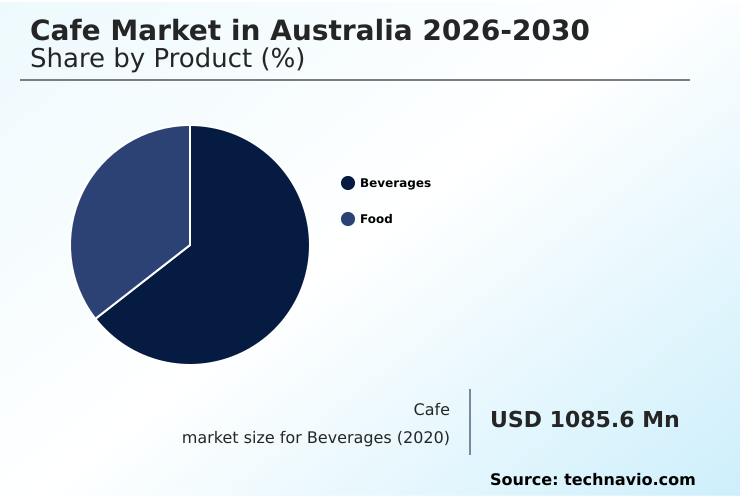
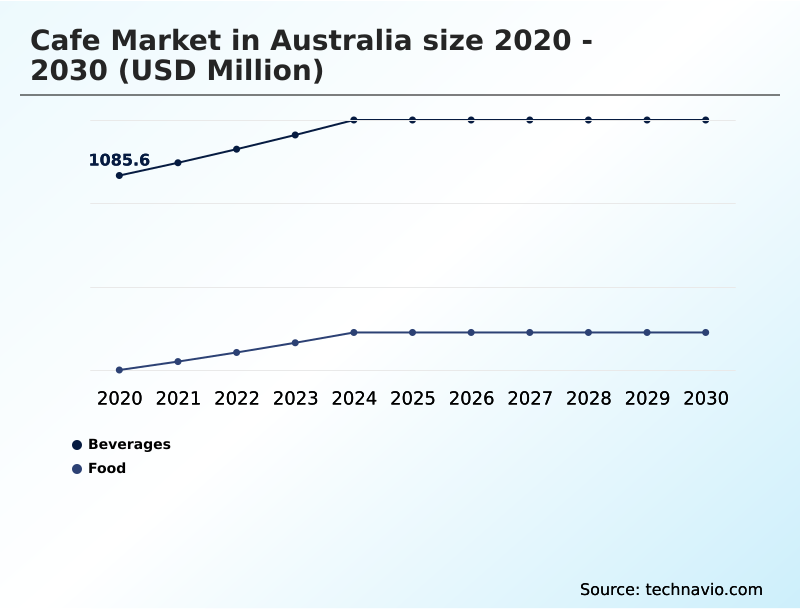
The Beverages segment was valued at USD 1.22 billion in 2024 and showed a gradual increase during the forecast period.
Market Dynamics
Our researchers analyzed the data with 2025 as the base year, along with the key drivers, trends, and challenges. A holistic analysis of drivers will help companies refine their marketing strategies to gain a competitive advantage.
- For operators in the cafe market in Australia, navigating the competitive landscape requires a multi-faceted strategy focused on financial health, operational efficiency, and customer loyalty. Understanding how to improve cafe profit margins is fundamental, beginning with mastering the impact of coffee prices on cafes and implementing rigorous cost controls.
- The selection of the best POS systems for small cafes is no longer just a transactional decision; it's a strategic tool for gathering data to inform business intelligence. These systems are crucial for developing effective customer retention strategies for coffee shops, which can significantly outperform acquisition in terms of ROI.
- Simultaneously, evolving consumer values are pushing trends in sustainable cafe operations to the forefront, including the ethical benefits of direct trade coffee beans and initiatives aimed at reducing food waste in a cafe. Cafes that effectively manage their supply chain to minimize waste often report spoilage rates less than half of those using manual tracking.
- The integration of technology extends to service models, with many exploring integrating delivery services with cafes to capture a wider audience. Menu innovation, such as offering creative gluten-free menu ideas for cafes, caters to growing health-conscious demographics.
- Finally, for new entrants, a well-researched strategy for marketing a new independent coffee shop is essential to cut through the noise and build a loyal customer base from day one.
What are the key market drivers leading to the rise in the adoption of Australia Cafe Industry?
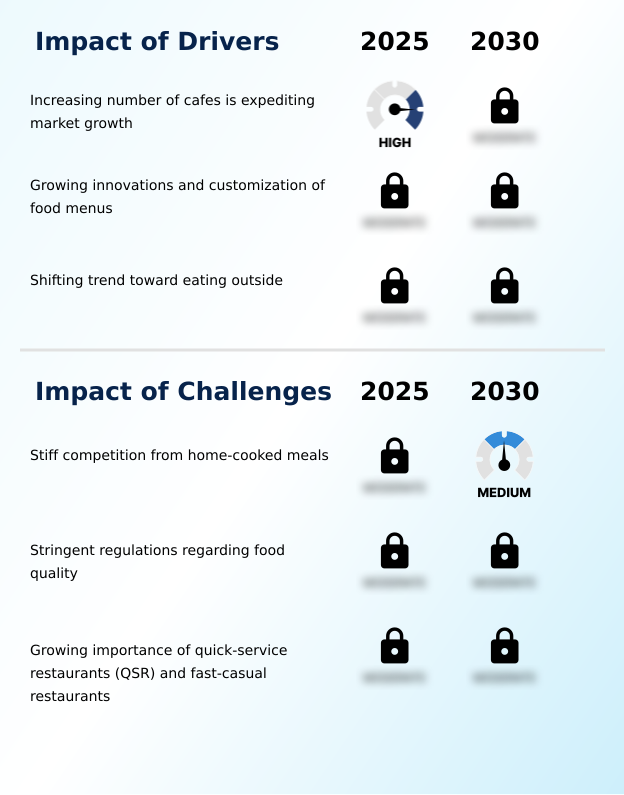
- The increasing number of cafes is a key driver expediting market growth.
- Growth in the cafe market in Australia is propelled by the expanding experience economy and a strong coffee culture.
- The increasing number of urban consumers views cafes as 'third places' for work and socialisation, driving demand for innovative in-store ambiance design.
- A well-executed customer loyalty program is a powerful driver, capable of boosting repeat customer visits by up to 30%.
- Operators are also leveraging social media marketing for cafes, which has been shown to increase foot traffic by 15-20% for newly launched promotions. This digital engagement is crucial for brand building.
- Additionally, the constant need for differentiation fuels innovation in menu engineering, encouraging the use of high-quality ingredients and specialty coffee sourcing to attract and retain a discerning clientele in a competitive environment.
What are the market trends shaping the Australia Cafe Industry?
- A prominent market trend is the rising consumer demand for gluten-free food options. This shift reflects a broader movement toward health-conscious dining and lifestyle-based dietary choices.
- Key trends shaping the cafe market in Australia revolve around technology adoption and evolving consumer preferences. The implementation of digital menu boards and contactless payment systems is becoming standard, with the latter capable of increasing transaction throughput by up to 15% during peak hours.
- There is a significant movement towards health-conscious consumption, driving demand for gluten-free food preparation and specialty tea market offerings. Cafes that successfully integrate plant-based milk alternatives into their menu often see a 10% higher average spend from younger demographics. Furthermore, sustainable cafe practices are gaining traction as consumers become more ethically-minded.
- The focus on the in-store ambiance design and overall customer experience in cafes remains a critical differentiator in a crowded marketplace, pushing operators to invest in unique and inviting spaces.
What challenges does the Australia Cafe Industry face during its growth?
- Stiff competition from home-cooked meals presents a key challenge to the industry's growth.
- The primary challenges in the cafe market in Australia stem from intense competition and rising operational costs. The pressure from quick service restaurant competition and home-cooked meals forces cafes to justify their price points through superior quality and experience.
- Managing finances is a significant hurdle, as rising ingredient and labor costs can compress profit margins by 3-5% if not countered with disciplined food cost management and prime cost calculation. Furthermore, high employee turnover, often exceeding 30% annually, presents a persistent challenge, increasing recruitment and training expenses.
- This makes cafe staff retention strategies and effective employee training modules critical for maintaining service consistency and controlling labor-related costs, which are vital for long-term viability.
Exclusive Technavio Analysis on Customer Landscape
The australia cafe market forecasting report includes the adoption lifecycle of the market, covering from the innovator’s stage to the laggard’s stage. It focuses on adoption rates in different regions based on penetration. Furthermore, the australia cafe market report also includes key purchase criteria and drivers of price sensitivity to help companies evaluate and develop their market growth analysis strategies.
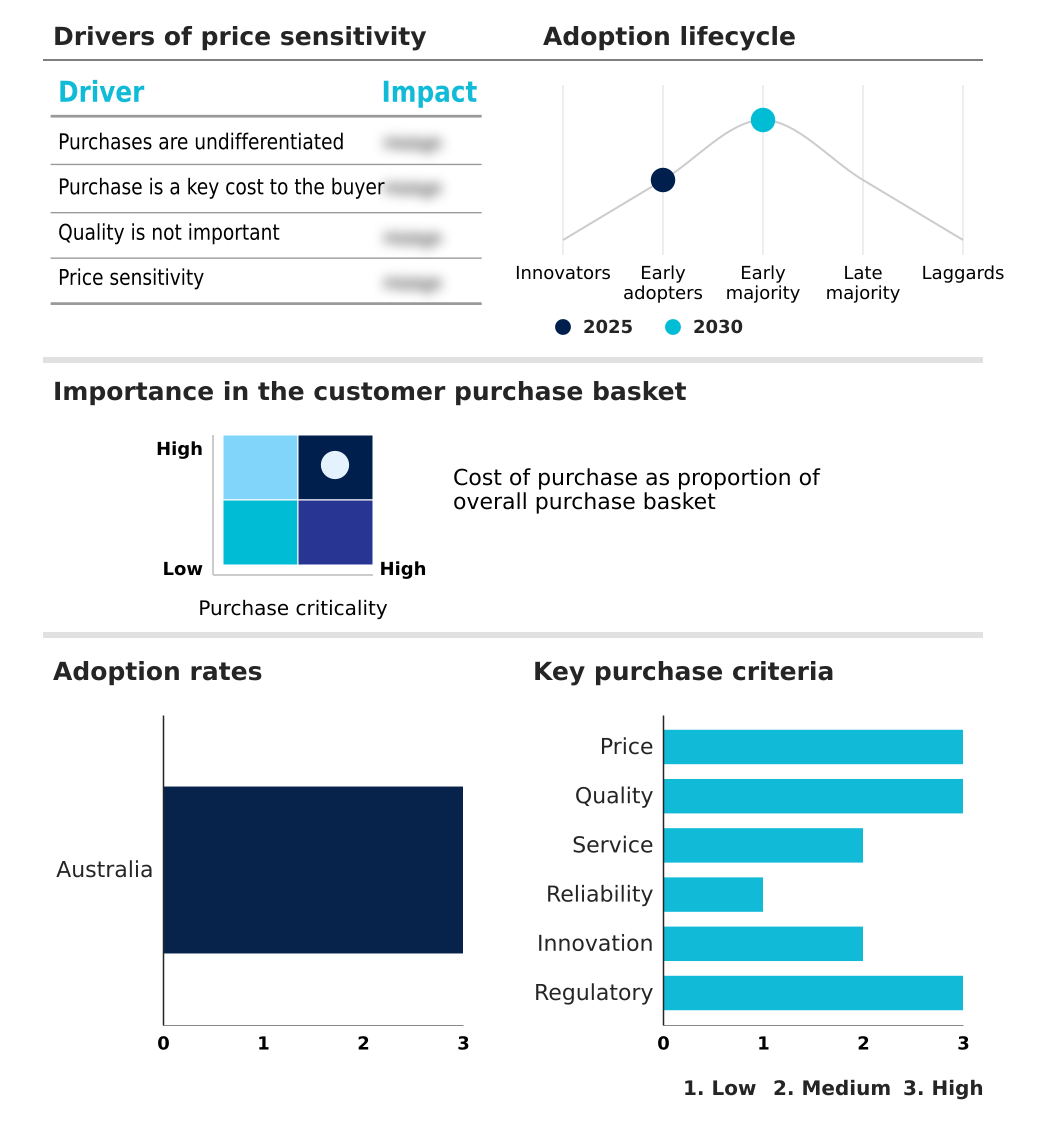
Customer Landscape of Australia Cafe Industry
Competitive Landscape
Companies are implementing various strategies, such as strategic alliances, australia cafe market forecast, partnerships, mergers and acquisitions, geographical expansion, and product/service launches, to enhance their presence in the industry.
Brunetti Oro Pty Ltd - Key offerings focus on differentiated cafe experiences, spanning specialty coffee, artisanal foods, and integrated dining services tailored to enhance brand identity and customer engagement.
The industry research and growth report includes detailed analyses of the competitive landscape of the market and information about key companies, including:
- Brunetti Oro Pty Ltd
- Dome Coffees Australia
- Gloria Jeans Coffees
- Illy Australia
- INDUSTRY BEANS Wholesale Pty Ltd.
- Jamaica Blue Pty Ltd
- JDE Peets NV
- Krispy Kreme Australia Pty Ltd
- Lavazza Australia Pty Ltd
- Max Brenner
- McDonald Corp.
- Muffin Break Pty Ltd
- Nestle Nespresso SA
- San Churro Pty Ltd
- Segafredo Zanetti Australia
- Shingle Inn Pty Ltd
- Starbucks Corp.
- The Coffee Emporium Pty Ltd
- Vittoria Food and Beverage
- Zarraffas Coffee
Qualitative and quantitative analysis of companies has been conducted to help clients understand the wider business environment as well as the strengths and weaknesses of key industry players. Data is qualitatively analyzed to categorize companies as pure play, category-focused, industry-focused, and diversified; it is quantitatively analyzed to categorize companies as dominant, leading, strong, tentative, and weak.
Recent Development and News in Australia cafe market
- In April 2025, McDonalds Corp. announced an expansion of its McCafe format across select Australian locations, a move designed to strengthen its presence in the evolving cafe ecosystem and capture growing consumer demand for convenient, quality coffee.
- In February 2025, Starbucks Corp. initiated an expansion of its premium menu offerings and in-store experience initiatives across several international markets, including Australia, to counter competition from home-based consumption trends by enhancing its value proposition.
- In December 2024, Square Inc. launched an enhanced suite of its point-of-sale and digital payment solutions tailored for small food service businesses in Australia, supporting independent cafe operators in streamlining operations and improving customer service.
- In October 2024, Grain Corp Ltd. announced a new program to support the supply of alternative grain-based ingredients to food service operators, responding to the rising demand for gluten-free products within the Australian cafe market.
Dive into Technavio’s robust research methodology, blending expert interviews, extensive data synthesis, and validated models for unparalleled Australia Cafe Market insights. See full methodology.
| Market Scope | |
|---|---|
| Page number | 176 |
| Base year | 2025 |
| Historic period | 2020-2024 |
| Forecast period | 2026-2030 |
| Growth momentum & CAGR | Accelerate at a CAGR of 3.7% |
| Market growth 2026-2030 | USD 395.1 million |
| Market structure | Fragmented |
| YoY growth 2025-2026(%) | 3.6% |
| Key countries | Australia |
| Competitive landscape | Leading Companies, Market Positioning of Companies, Competitive Strategies, and Industry Risks |
Research Analyst Overview
- The cafe market in Australia is defined by a sophisticated interplay of cultural norms and operational pressures. Its evolution is steered by the third-wave coffee movement, which prioritizes specialty coffee sourcing and advanced espresso extraction techniques. Boardroom decisions are increasingly centered on product strategy, particularly the development of health and wellness menus to capture new consumer segments.
- Success hinges on rigorous operational execution, including precise prime cost calculation and effective inventory turnover ratio management through modern point-of-sale systems. Furthermore, strategic supply chain management is essential for mitigating cost volatility. Effective barista workflow optimization has been shown to decrease average customer wait times by over 20% during peak periods, directly impacting customer satisfaction and throughput.
- As the market matures, differentiation is achieved not only through product quality, such as offering single-origin coffee beans, but also through superior customer relationship management and the adoption of efficient employee training modules. The focus remains on balancing artisanal quality with scalable business practices.
What are the Key Data Covered in this Australia Cafe Market Research and Growth Report?
-
What is the expected growth of the Australia Cafe Market between 2026 and 2030?
-
USD 395.1 million, at a CAGR of 3.7%
-
-
What segmentation does the market report cover?
-
The report is segmented by Product (Beverages, and Food), Service (Dine-in, and Takeaway), Type (Independent cafes, Specialty coffee shops, Convenience cafes, and Coffeehouse chains) and Geography (APAC)
-
-
Which regions are analyzed in the report?
-
APAC
-
-
What are the key growth drivers and market challenges?
-
Increasing number of cafes is expediting market growth, Stiff competition from home-cooked meals
-
-
Who are the major players in the Australia Cafe Market?
-
Brunetti Oro Pty Ltd, Dome Coffees Australia, Gloria Jeans Coffees, Illy Australia, INDUSTRY BEANS Wholesale Pty Ltd., Jamaica Blue Pty Ltd, JDE Peets NV, Krispy Kreme Australia Pty Ltd, Lavazza Australia Pty Ltd, Max Brenner, McDonald Corp., Muffin Break Pty Ltd, Nestle Nespresso SA, San Churro Pty Ltd, Segafredo Zanetti Australia, Shingle Inn Pty Ltd, Starbucks Corp., The Coffee Emporium Pty Ltd, Vittoria Food and Beverage and Zarraffas Coffee
-
Market Research Insights
- The cafe market in Australia exhibits dynamic shifts driven by intense competition and evolving consumer expectations. Operators are increasingly adopting restaurant technology solutions to enhance efficiency; for example, implementing advanced hospitality management software can reduce administrative overhead by up to 20%.
- The fast-casual dining evolution is pressuring cafes to refine their customer experience, with a focus on quick service without sacrificing quality. Furthermore, the integration of contactless payment systems has proven to accelerate transaction speeds by over 15% compared to conventional methods.
- As the line blurs between traditional cafes and quick service restaurant competition, differentiation through unique offerings and superior service becomes paramount. This environment necessitates a strategic approach to technology adoption and operational excellence to maintain profitability.
We can help! Our analysts can customize this australia cafe market research report to meet your requirements.
 RIA -
RIA - 
