


Canada Pallet Market Size 2026-2030
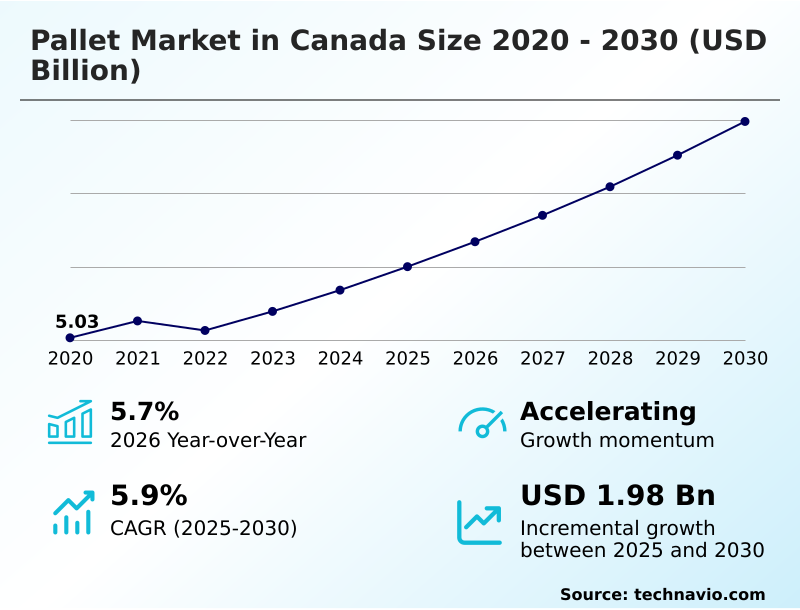
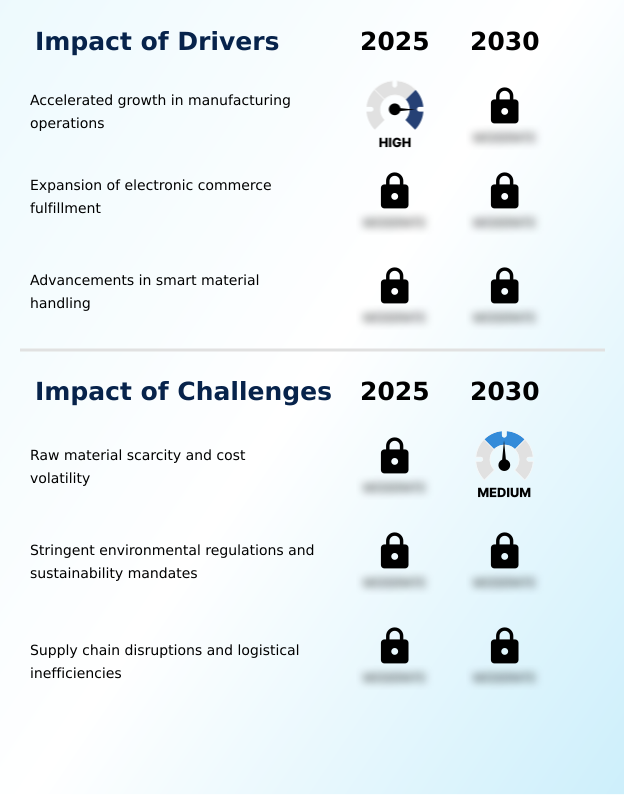
The canada pallet market size is valued to increase by USD 1.98 billion, at a CAGR of 5.9% from 2025 to 2030. Accelerated growth in manufacturing operations will drive the canada pallet market.
Major Market Trends & Insights
- By Product - Wood segment was valued at USD 5.14 billion in 2024
- By End-user - Food and beverages segment accounted for the largest market revenue share in 2024
Market Size & Forecast
- Market Opportunities: USD 2.95 billion
- Market Future Opportunities: USD 1.98 billion
- CAGR from 2025 to 2030 : 5.9%
Market Summary
- The Pallet operates as the foundational backbone for regional supply chains, supporting vast commercial transit networks through standardized load carriers. As multi-channel commerce expands, distribution centers increasingly rely on automated guided vehicles to maneuver inventory rapidly. A major driver propelling demand is the accelerated growth in manufacturing operations, which necessitates robust platforms to transport raw materials safely.
- For instance, warehouse operators transitioning to automated storage and retrieval systems require dimensionally stable units to prevent automated sorting mechanisms from jamming. Facilities utilizing precise injection molding plastic platforms have observed machinery downtime reduced by 18% compared to varied timber units.
- However, the sector faces a substantial challenge in raw material scarcity and cost volatility, as fluctuations in global lumber and petrochemical prices severely pressure operational budgets. To mitigate these constraints, enterprises are actively transitioning toward closed-loop pooling models and reverse logistics infrastructure, maximizing asset lifespans while aligning with strict extended producer responsibility and carbon footprint reduction targets.
What will be the Size of the Canada Pallet Market during the forecast period?
Get Key Insights on Market Forecast (PDF) Get Free Sample
How is the Canada Pallet Market Segmented?
The canada pallet industry research report provides comprehensive data (region-wise segment analysis), with forecasts and estimates in "USD million" for the period 2026-2030, as well as historical data from 2020-2024 for the following segments.
- Product
- Wood
- Plastic
- Corrugated paper
- Metal
- End-user
- Food and beverages
- Chemicals and pharmaceuticals
- Retail
- Transportation and warehousing
- Others
- Capacity
- Medium load
- Low load
- High load
- Geography
- North America
- Canada
- North America
By Product Insights
The wood segment is estimated to witness significant growth during the forecast period.
The wood segment remains the foundational substrate for retail and heavy manufacturing within the Pallet, driven by its exceptional load-bearing capacity and cost efficiency.
Strict adherence to ispm-15 certification dictates that solid timber moving across international borders undergo verified heat-treated lumber processing to meet complex phytosanitary standards and eliminate invasive pests.
As third-party logistics providers expand, standardizing traditional stringer designs alongside advanced wood composites ensures seamless integration with automated handling infrastructure.
Adopting these optimized industrial packaging solutions enables consumer brands to deploy retail-ready display units directly to store floors, enhancing operational flow.
Transitioning to standardized, repairable wooden platforms has improved asset recovery rates by 22%, driving critical carbon footprint reduction while mitigating raw material scarcity constraints across supply networks.
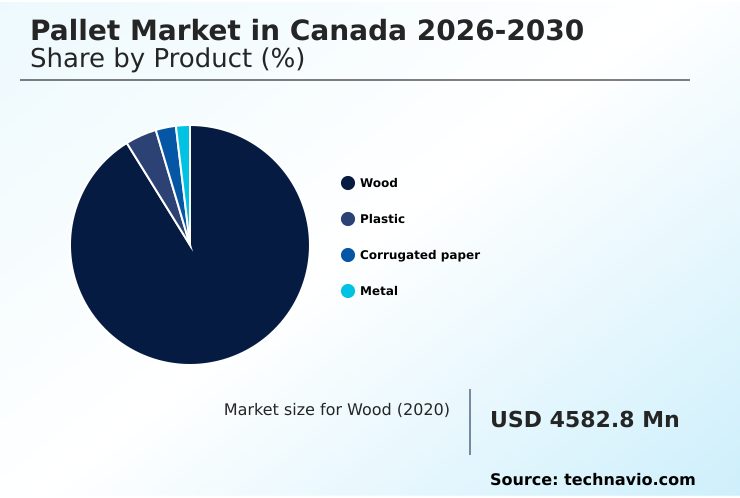
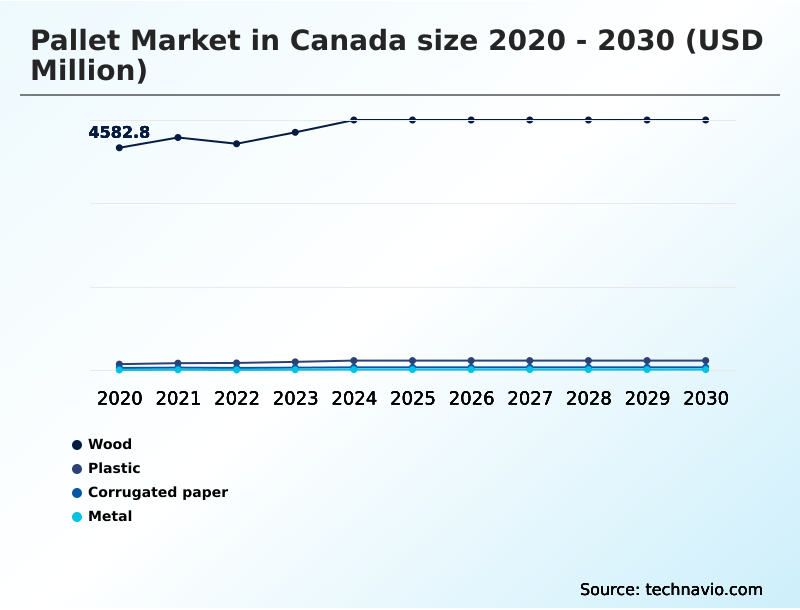
The Wood segment was valued at USD 5.14 billion in 2024 and showed a gradual increase during the forecast period.
Market Dynamics
Our researchers analyzed the data with 2025 as the base year, along with the key drivers, trends, and challenges. A holistic analysis of drivers will help companies refine their marketing strategies to gain a competitive advantage.
- As commercial logistics networks mature, the strategic deployment of specialized load carriers becomes increasingly vital for maintaining operational efficiency across the Pallet. Retailers and fast-moving consumer goods distributors are aggressively expanding their reliance on high-density automated storage systems, which require absolute dimensional uniformity to prevent mechanical disruptions.
- To sustain these precise operational environments, organizations are transitioning away from single-use timber toward robust closed-loop reusable packaging networks. This shift allows enterprise users to significantly reduce long-term capital expenditures while meeting stringent sustainability mandates.
- Furthermore, the rising volume of international trade demands strict adherence to phytosanitary regulations, making ispm-15 compliant export shipments a non-negotiable operational standard for cross-border freight movement. Consequently, manufacturers are heavily procuring heat-treated wooden block pallets that ensure seamless customs processing without risking biological contamination.
- In parallel, the pharmaceutical and cold-chain sectors are revolutionizing inventory management by integrating rfid enabled smart pallet tracking. This technological overlay provides real-time visibility into transit conditions, ensuring that temperature-sensitive payloads remain uncompromised. Comparatively, facilities leveraging sensor-equipped transport assets experience a roughly 35% improvement in immediate asset recovery compared to those relying on passive tracking methods.
- This verifiable improvement in asset retention directly lowers procurement costs and bolsters supply chain reliability, proving that advanced material handling strategies are indispensable for modern commercial success.
What are the key market drivers leading to the rise in the adoption of Canada Pallet Industry?
- The accelerated growth and continuous expansion of industrial manufacturing operations serve as the primary catalyst propelling market demand.
- The unprecedented expansion of omni-channel distribution and multi-channel commerce networks acts as a primary catalyst accelerating demand within the Pallet.
- As consumer expectations for rapid delivery intensify, third-party logistics providers require highly durable platforms capable of superior structural load-handling to withstand extreme dynamic operational stresses.
- Upgrading to premium resilient assets has lowered transit damage rates by 21% and improved trailer space utilization by 14%. Additionally, the expansion of biopharmaceutical production demanding sterile cleanroom applications heavily drives the procurement of specialized sanitary carriers.
- Furthermore, the strict enforcement of extended producer responsibility mandates compels manufacturers to adopt circular material sourcing. By utilizing closed-loop pooling, distribution networks ensure uninterrupted product flow while significantly reducing the financial burden of continuous raw lumber or virgin polymer procurement.
What are the market trends shaping the Canada Pallet Industry?
- The integration of smart tracking platforms and internet of things sensors represents a transformative trend in the industry. This technological advancement enables real-time inventory management and enhances overall supply chain visibility.
- The transition toward digital transparency and the integration of smart tracking platforms are fundamentally redefining material movement within the Pallet. High-velocity distribution centers are aggressively deploying automated guided vehicles and robotic palletizers, which require the exact dimensional consistency provided by precision injection molding processes.
- Upgrading to this advanced material handling equipment has accelerated warehouse sorting, resulting in shipment processing speeds improving by 34%. Simultaneously, the food and pharmaceutical sectors are adopting internet of things sensors to monitor ambient conditions during cold-chain distribution continuously.
- Facilities integrating these active monitoring units report that inventory management errors and transit spoilage are reduced by 27% compared to passive tracking methods. This technological evolution ensures that enterprise supply chains maintain real-time visibility while supporting complex, high-density fulfillment environments flawlessly.
What challenges does the Canada Pallet Industry face during its growth?
- Severe raw material scarcity and the resulting cost volatility present significant structural challenges that constrain overall industry expansion.
- Severe raw material scarcity and the escalating costs of producing premium recycled plastic resin units pose formidable structural challenges within the Pallet. Establishing the extensive reverse logistics infrastructure required to retrieve empty platforms introduces massive capital constraints and elevates dead freight tare weight across vast domestic geographies.
- Operators struggling with imbalanced fleet repositioning experience asset retrieval delays extending by up to 26%, which artificially shrinks active inventory pools. While transitioning to lightweight corrugated paperboard platforms aids compliance with strict zero-waste mandates, it cannot support heavy-duty hygienic food transport. Implementing advanced automated sorting mechanisms and predictive maintenance via radio-frequency identification requires heavy upfront investment.
- Consequently, operational overhead remains 19% higher for facilities integrating specialized isothermal pallet covers and sensor networks compared to those utilizing legacy unmonitored tracking systems.
Exclusive Technavio Analysis on Customer Landscape
The canada pallet market forecasting report includes the adoption lifecycle of the market, covering from the innovator’s stage to the laggard’s stage. It focuses on adoption rates in different regions based on penetration. Furthermore, the canada pallet market report also includes key purchase criteria and drivers of price sensitivity to help companies evaluate and develop their market growth analysis strategies.
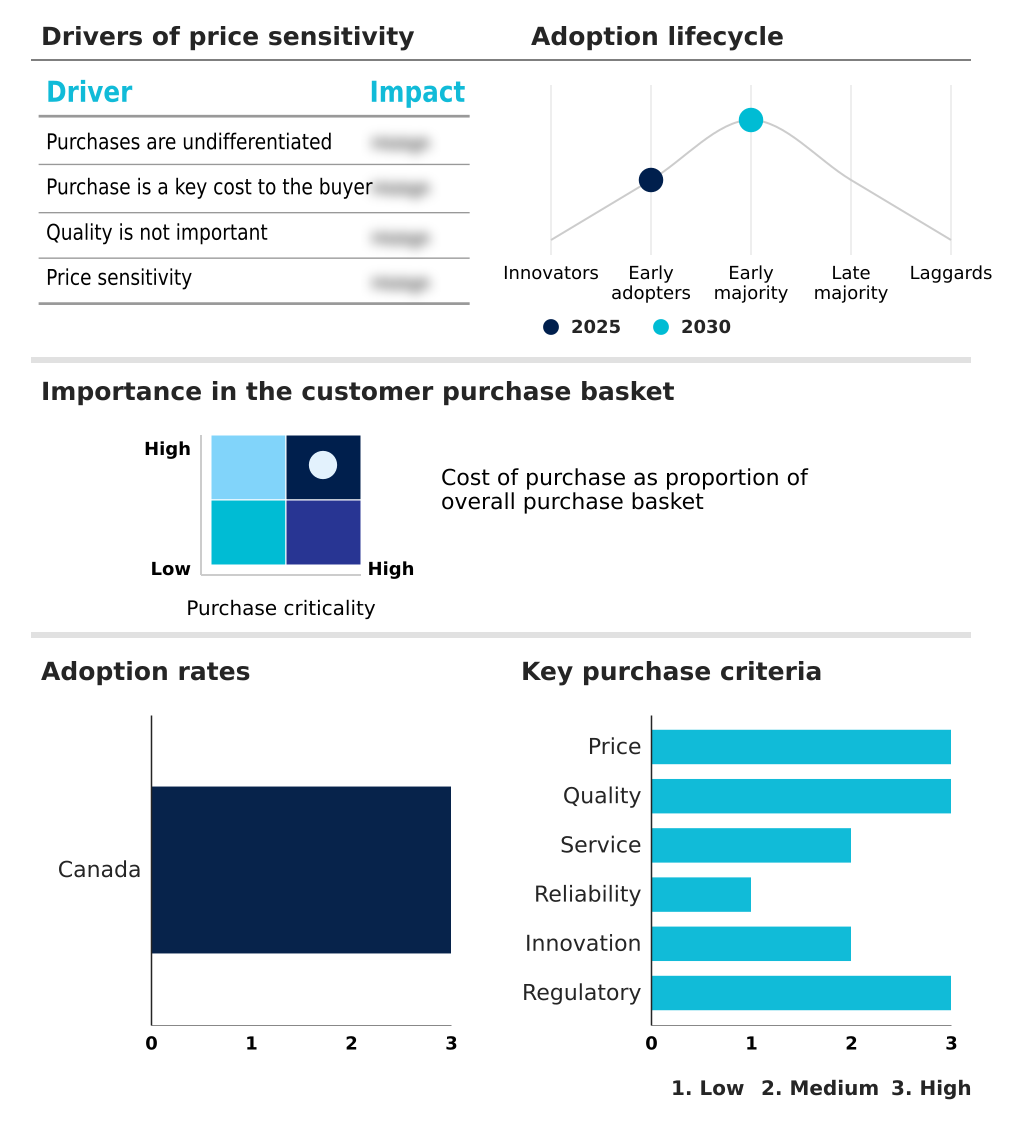
Customer Landscape of Canada Pallet Industry
Competitive Landscape
Companies are implementing various strategies, such as strategic alliances, canada pallet market forecast, partnerships, mergers and acquisitions, geographical expansion, and product/service launches, to enhance their presence in the industry.
A Eco Friendly Pallet - The provider delivers sustainable material handling solutions, focusing on heat-treated, recycled, and custom-built wooden platforms designed to optimize freight transport and secure industrial supply chains efficiently.
The industry research and growth report includes detailed analyses of the competitive landscape of the market and information about key companies, including:
- A Eco Friendly Pallet
- Advanced Pallet and Crate
- Barco Materials Handling
- Brambles Ltd.
- Canada Pallet Source
- Challenger Pallet and Supply
- City Pallets Inc.
- Cratex Industries Ltd.
- Dominion Pallet and Crate Ltd.
- Hupaco Wood Products Ltd.
- L.C.N. Inc.
- Niagara Pallet
- Pacific Pallet Ltd.
- Pallet Management Group Inc.
- PECO Pallet
- Pencon Specialties
- S and B PALLETS LTD.
- The Pallet Depot
- UFP Industries Inc.
- Windsor Pallet Ltd.
Qualitative and quantitative analysis of companies has been conducted to help clients understand the wider business environment as well as the strengths and weaknesses of key industry players. Data is qualitatively analyzed to categorize companies as pure play, category-focused, industry-focused, and diversified; it is quantitatively analyzed to categorize companies as dominant, leading, strong, tentative, and weak.
Recent Development and News in Canada pallet market
- In the Metal, Glass and Plastic Containers industry, the widespread integration of automated sorting mechanisms for high-volume beverage packaging necessitates precise dimensional consistency, directly impacting Pallet demand by requiring engineered plastic load carriers that prevent machinery jamming.
- Stringent extended producer responsibility regulations governing industrial packaging solutions mandate higher post-consumer recycled content, which accelerates the transition toward circular material sourcing and increases the utilization of durable multi-trip plastic platforms within the Pallet sector.
- The expansion of biopharmaceutical production facilities requiring rigorous cleanroom applications and zero-waste mandates has catalyzed the adoption of hygienic food transport equivalents, driving Pallet manufacturers to supply non-porous, easily sanitizable transport assets.
- Advancements in intermodal logistics networks for heavy bulk materials demand superior structural load-handling capabilities, pulling Pallet production toward heavy-duty composite platforms and structural steel frames that reduce freight tare weight while maintaining structural integrity.
Dive into Technavio’s robust research methodology, blending expert interviews, extensive data synthesis, and validated models for unparalleled Canada Pallet Market insights. See full methodology.
| Market Scope | |
|---|---|
| Page number | 196 |
| Base year | 2025 |
| Historic period | 2020-2024 |
| Forecast period | 2026-2030 |
| Growth momentum & CAGR | Accelerate at a CAGR of 5.9% |
| Market growth 2026-2030 | USD 1980.2 million |
| Market structure | Fragmented |
| YoY growth 2025-2026(%) | 5.7% |
| Key countries | Canada |
| Competitive landscape | Leading Companies, Market Positioning of Companies, Competitive Strategies, and Industry Risks |
Research Analyst Overview
- The continuous evolution of the Pallet is fundamentally reshaping commercial material handling and distribution logistics. Driven by the critical need for supply chain resilience, enterprise operators are rapidly integrating internet of things sensors and radio-frequency identification to transform passive wooden platforms into active data nodes.
- This strategic digital integration allows logistics managers to monitor cold-chain distribution environments in real time, preventing high-value cargo spoilage. Concurrently, strict environmental regulations are accelerating the adoption of circular material sourcing and reverse logistics infrastructure. By replacing single-use assets with injection molding recycled plastic resin units, companies have achieved a 30% reduction in long-term platform replacement costs.
- The deployment of heavy-duty composite platforms and isothermal pallet covers ensures that highly sensitive pharmaceutical goods maintain absolute thermal stability during transit. As organizations optimize their operational budgets and align with zero-waste mandates, the strategic transition toward managed closed-loop pooling frameworks provides a verifiable competitive advantage, deeply influencing boardroom decisions regarding sustainable packaging compliance and long-term asset procurement.
What are the Key Data Covered in this Canada Pallet Market Research and Growth Report?
-
What is the expected growth of the Canada Pallet Market between 2026 and 2030?
-
USD 1.98 billion, at a CAGR of 5.9%
-
-
What segmentation does the market report cover?
-
The report is segmented by Product (Wood, Plastic, Corrugated paper, and Metal), End-user (Food and beverages, Chemicals and pharmaceuticals, Retail, Transportation and warehousing, and Others), Capacity (Medium load, Low load, and High load) and Geography (North America)
-
-
Which regions are analyzed in the report?
-
North America
-
-
What are the key growth drivers and market challenges?
-
Accelerated growth in manufacturing operations , Raw material scarcity and cost volatility
-
-
Who are the major players in the Canada Pallet Market?
-
A Eco Friendly Pallet, Advanced Pallet and Crate, Barco Materials Handling, Brambles Ltd., Canada Pallet Source, Challenger Pallet and Supply, City Pallets Inc., Cratex Industries Ltd., Dominion Pallet and Crate Ltd., Hupaco Wood Products Ltd., L.C.N. Inc., Niagara Pallet, Pacific Pallet Ltd., Pallet Management Group Inc., PECO Pallet, Pencon Specialties, S and B PALLETS LTD., The Pallet Depot, UFP Industries Inc. and Windsor Pallet Ltd.
-
Market Research Insights
- The Pallet is rapidly evolving to meet the complex demands of modern supply chain resilience and omni-channel distribution. By integrating radio-frequency identification and internet of things sensors, logistics providers have enhanced fleet repositioning, achieving a 24% reduction in lost transit assets.
- Furthermore, the adoption of advanced material handling equipment within third-party logistics operations has streamlined cross-docking procedures, elevating load processing efficiency by 31% over legacy manual handling. This integration of smart tracking platforms and predictive maintenance protocols actively lowers operational overhead, ensuring high-volume retail and industrial networks maintain continuous, uninterrupted material flow.
We can help! Our analysts can customize this canada pallet market research report to meet your requirements.
 RIA -