



Content Marketing Market Size 2025-2029
The content marketing market size is forecast to increase by USD 539.3 million, at a CAGR of 13.9% between 2024 and 2029. The market is experiencing significant growth, driven by the increasing number of users on social media platforms. This trend underscores the importance of content marketing as a strategy for businesses to engage with their audience and build brand awareness.
Major Market Trends & Insights
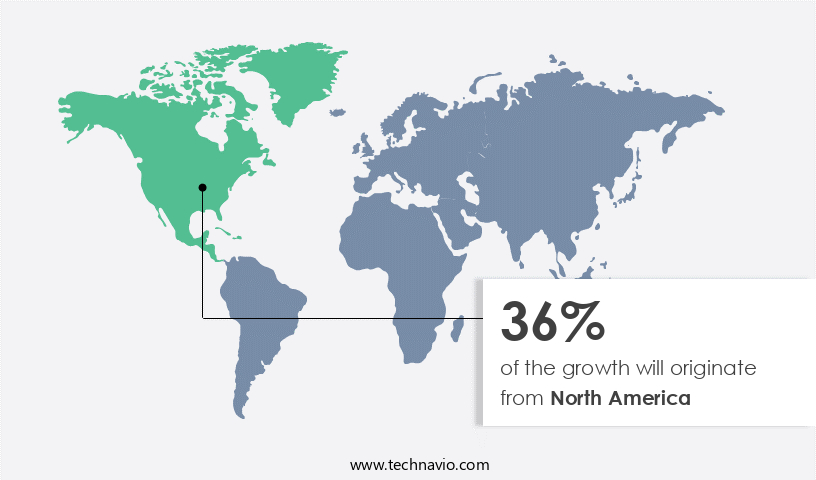
- North America dominated the market and contributed 36% to the growth during the forecast period.
- The market is expected to grow significantly in APAC region as well over the forecast period.
- Based on the End-user, the retail segment led the market and was valued at USD 130.70 million of the global revenue in 2023.
- Based on the Platform, the blogging segment accounted for the largest market revenue share in 2023.
Market Size & Forecast
- Market Opportunities: USD 160.04 Million
- Future Opportunities: USD 539.3 Million
- CAGR (2024-2029): 13.9%
- North America: Largest market in 2023
Furthermore, the integration of Artificial Intelligence (AI) with social media management software is revolutionizing content creation, distribution, and measurement. However, this market is not without challenges. The rise of digital advertisement fraud poses a significant threat to the effectiveness and return on investment for content marketing efforts. Advertisers must navigate this obstacle by implementing robust fraud detection and prevention measures to protect their marketing budgets and maintain trust with their audience. In summary, the market is characterized by a growing user base on social media, the adoption of AI for content marketing, and the challenge of digital advertisement fraud. Companies seeking to capitalize on market opportunities and navigate challenges effectively must stay informed about these trends and adapt their strategies accordingly.
What will be the Size of the Content Marketing Market during the forecast period?
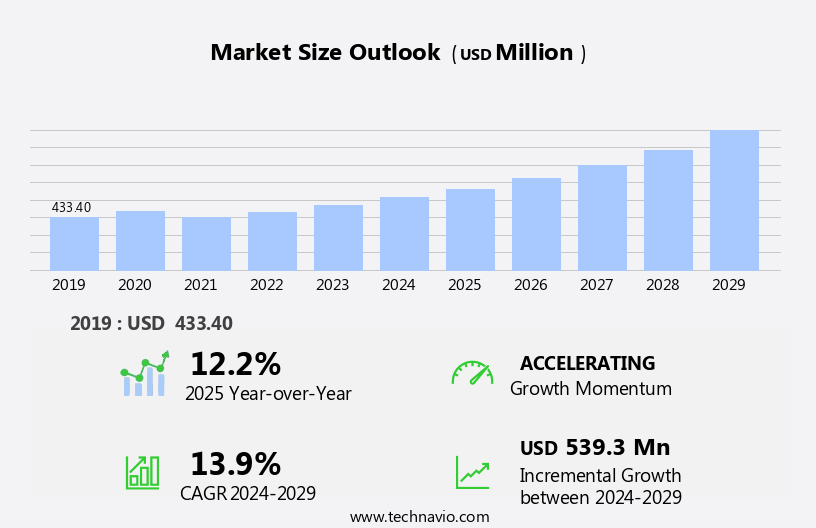
Explore in-depth regional segment analysis with market size data - historical 2019-2023 and forecasts 2025-2029 - in the full report.
Request Free Sample
The content marketing landscape continues to evolve, with dynamic market activities shaping the industry's trajectory. Entities engage in various strategies to optimize their content, ensuring its distribution, relevance, and value resonate with their audiences. Content lifecycle management, a critical aspect of this endeavor, involves automation for link building and content analytics. Content format and authority are essential elements, with user experience (UX) and search intent guiding content creation. Content quality and trust are paramount, as entities strive to provide accurate and engaging information. Content metrics, such as engagement and ROI, provide valuable insights for continuous improvement.
Social media marketing and email marketing play significant roles in content distribution, while content strategy, globalization, and localization expand reach. Content creation, freshness, and optimization are essential for SEO, with backlink analysis and on-page optimization crucial for search engine rankings. Content personalization and monetization strategies evolve, with content amplification and syndication offering new opportunities for entities to engage their audiences. Content marketing platforms, calendars, and style guides streamline processes, ensuring seamless execution of content strategies. Content governance, a vital aspect of content management, ensures adherence to brand guidelines and legal requirements. Continuous monitoring and analysis of content metrics provide valuable insights for adjusting strategies and staying competitive in this ever-evolving market.
How is this Contenting Industry segmented?
The contenting industry research report provides comprehensive data (region-wise segment analysis), with forecasts and estimates in "USD million" for the period 2025-2029, as well as historical data from 2019-2023 for the following segments.
- End-user
- Retail
- Automotive
- Financial services
- Telecom
- Others
- Platform
- Blogging
- Videos
- Infographics
- Case studies
- Others
- Objective
- Lead generation
- Brand awareness
- Thought leadership
- Others
- Enterprise Size
- Large Enterprises
- Small and Medium Enterprises (SMEs)
- Content Type
- Social Media Content
- Email Marketing
- Whitepapers
- Podcasts
- Deployment Type
- On-premise
- Cloud-based solutions
- Technology Integration
- AI-driven
- Non-AI-driven
- Geography
- North America
- US
- Canada
- Europe
- Germany
- Middle East and Africa
- UAE
- APAC
- China
- India
- Japan
- South America
- Argentina
- Brazil
- Rest of World (ROW)
- North America
By End-user Insights
The retail segment is estimated to witness significant growth during the forecast period. The segment was valued at USD 130.70 million in 2023. It continued to the largest segment at a CAGR of 9.64%.
The market is experiencing substantial growth, particularly in the retail sector. This segment encompasses distribution channels and all types of retailers, from branded wholesalers with retail outlets to convenience store operators. Content marketing offers numerous advantages in this domain, including increased website traffic, establishment of authority and trust, brand awareness, development of brand personality, audience engagement, social media support, and improved conversion rates. One notable example of content marketing success in retail is Walmart's "Get the Facts" campaign, which aimed to educate consumers about the benefits and sustainability of their products. This initiative led to a significant sales increase of 10% in the organic and sustainable product category.
Furthermore, the market for sustainable agri-inputs, such as humic acid fertilizers, microbial inoculants, and enzyme-based foliar sprays, is projected to expand by 12% annually. These inputs enhance crop yield, improve nutrient use efficiency, and promote plant-microbe communication, contributing to the overall growth of the market.
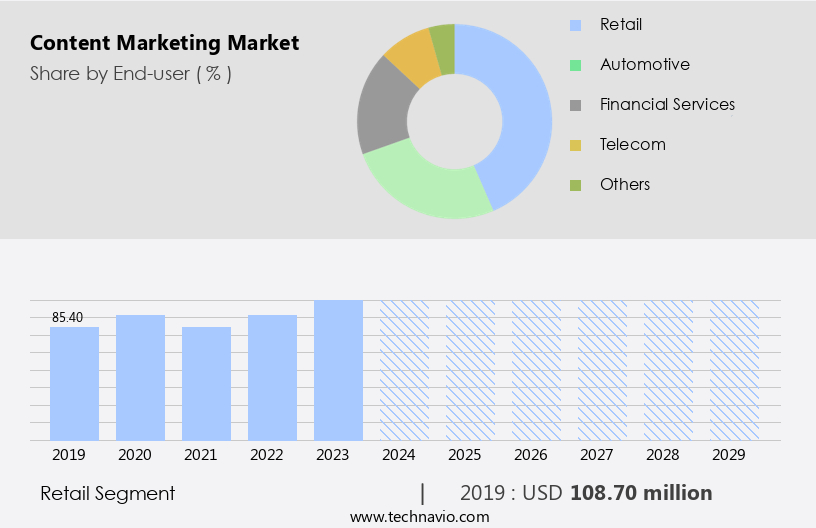
The Retail segment was valued at USD 108.70 million in 2019 and showed a gradual increase during the forecast period.
Regional Analysis
North America is estimated to contribute 36% to the growth of the global market during the forecast period.Technavio's analysts have elaborately explained the regional trends and drivers that shape the market during the forecast period.
The agri-input market in APAC is experiencing significant growth, driven by the increasing demand for sustainable farming solutions. In the agricultural sector, there is a heightened focus on enhancing crop yield and resilience to abiotic stress. Humic acid fertilizers and microbial inoculants are gaining popularity due to their ability to improve soil health and nutrient use efficiency. For instance, humic acid fertilizers can increase nutrient availability by up to 30%, while microbial inoculants can stimulate soil microbial activity and promote plant growth. Seaweed extract compatibility and phosphorus solubilization are other essential factors influencing market trends. Seaweed extracts can enhance potassium uptake and root development, while phosphorus solubilization improves the availability of this essential nutrient to plants.
Rhizosphere microbiome analysis and plant-microbe communication are also crucial aspects of sustainable farming. OMRI certified inputs ensure organic compliance, making these solutions attractive to farmers following organic farming practices. Induced systemic resistance and pest resistance enhancement are essential for crop stress tolerance. Plant growth regulators and metabolic pathway modulation can accelerate fruit ripening and improve crop residue decomposition. Mycorrhizal fungi inoculation and nitrogen fixation efficiency are other essential factors contributing to the market's growth. The market for sustainable agri-inputs is projected to expand by over 15% annually, as farmers seek innovative solutions to improve crop productivity and reduce environmental impact.
For example, a study published in the Journal of Plant Nutrition and Soil Science found that using humic acid fertilizers in rice cultivation led to a 20% increase in yield and a 25% reduction in water use. These findings underscore the importance of sustainable agri-inputs in enhancing agricultural productivity while minimizing environmental impact.
Market Dynamics
Our researchers analyzed the data with 2024 as the base year, along with the key drivers, trends, and challenges. A holistic analysis of drivers will help companies refine their marketing strategies to gain a competitive advantage.
The market in the agricultural sector is experiencing significant growth due to the increasing recognition of the role of content marketing in enhancing nutrient uptake mechanisms and improving soil health. This market caters to farmers and agribusinesses seeking valuable information to optimize their agricultural practices. One key area of focus is the impact of microbial community composition on soil enzyme activity and plant defense mechanisms. Content marketing provides insights into the latest research and application strategies for sustainable agricultural practices, including precision agriculture and crop yield optimization techniques. Environmental impact assessment protocols are also a crucial aspect of the market, as farmers strive to reduce their chemical inputs and adopt more sustainable methods.
Bioremediation applications in agriculture and biofertilizer formulation guidelines are gaining popularity, offering natural solutions for soil amendment and growth promotion. Moreover, content marketing plays a vital role in the identification of stress alleviation strategies and quality enhancement traits improvement. Post-harvest preservation techniques and value-added agricultural product development are other areas where content marketing provides essential information to farmers and agribusinesses. The integration of content marketing into agricultural practices also facilitates the implementation of improved resource utilization efficiency, reduced chemical inputs, and climate change adaptation strategies. As the agricultural industry continues to evolve, content marketing will remain a crucial tool for staying informed and competitive. In conclusion, The market in agriculture offers valuable insights into the latest research and application strategies for enhancing nutrient uptake mechanisms, improving soil health, and optimizing crop yields while reducing environmental impact. From soil amendment efficacy evaluation to stress alleviation strategies development, content marketing is an essential resource for farmers and agribusinesses seeking to adopt sustainable agricultural practices and stay competitive in the ever-evolving agricultural landscape.
What are the key market drivers leading to the rise in the adoption of Contenting Industry?
- The increasing user base on social media serves as the primary growth factor for the market.
- Social media usage continues to surge, with over a billion users worldwide accessing platforms like Facebook, LinkedIn, and Twitter. The proliferation of mobile devices and smartphones has significantly increased social media engagement, making it an indispensable tool for businesses looking to reach their target audience. In fact, 71% of all businesses use social media for marketing purposes, and this trend is expected to grow, with the industry projected to reach a value of USD135.4 billion by 2022. For instance, a retail company reported a 30% increase in sales after implementing a social media marketing strategy, demonstrating the significant impact of this channel on business growth.
- With consumers spending an average of 2.5 hours per day on social media, it's no wonder that enterprises are investing in this space to build brand awareness, engage with customers, and drive sales.
What are the market trends shaping the Contenting Industry?
- The use of artificial intelligence in social media management software is currently a significant market trend. This innovative application enhances the efficiency and effectiveness of social media management.
- The digital business landscape is witnessing a shift towards real-time solutions and advanced business intelligence (BI) systems. This transformation is driven by the need for connected platforms and revenue streams, leading industries to invest in IT infrastructure and analytical solutions. Artificial Intelligence (AI) plays a pivotal role in content marketing, with technological advancements such as virtual agents, chatbots, targeted advertising, and suggestive web searches becoming increasingly common. AI's capabilities include voice and speech recognition, pattern recognition, machine translation, face recognition, automatic scheduling, and autonomous driving. These features offer businesses a centralized view of their operations and associated information, enabling them to gain a competitive edge.
- According to recent studies, the global business intelligence market is expected to grow by 15% in the next two years, reflecting the significant demand for advanced analytical tools. AI's integration into content marketing is projected to surge, with adoption rates predicted to reach 45% by 2025.
What challenges does the Contenting Industry face during its growth?
- Digital advertisement fraud poses a significant challenge to the industry's growth, undermining trust and potentially misallocating marketing budgets. This issue, which involves deceitful practices such as inflated impression numbers, fake clicks, and non-human traffic, requires ongoing vigilance and advanced technologies to mitigate its impact and maintain the integrity of digital advertising.
- Digital platform content advertisements, a form of online advertising, have evolved significantly over the years. However, the industry faces a growing concern: digital advertising fraud. This insidious issue involves deceitful practices such as displaying ads when users are not engaged or utilizing content-scraping websites to generate false traffic. Moreover, fraudsters create fake mechanisms for delivering ads that consumers never see. These concerns emerged around the same time as the increasing demand for search engine marketing over a decade ago. According to recent studies, digital advertising fraud costs businesses approximately USD19 billion annually.
- With industry growth projected to reach 22.2% by 2023, it is crucial for businesses to implement robust fraud prevention measures to protect their marketing investments. For instance, a leading e-commerce company successfully reduced its digital advertising fraud by 50% through the implementation of advanced verification technologies.
Exclusive Customer Landscape
The content marketing market forecasting report includes the adoption lifecycle of the market, covering from the innovator's stage to the laggard's stage. It focuses on adoption rates in different regions based on penetration. Furthermore, the content marketing market report also includes key purchase criteria and drivers of price sensitivity to help companies evaluate and develop their market growth analysis strategies.
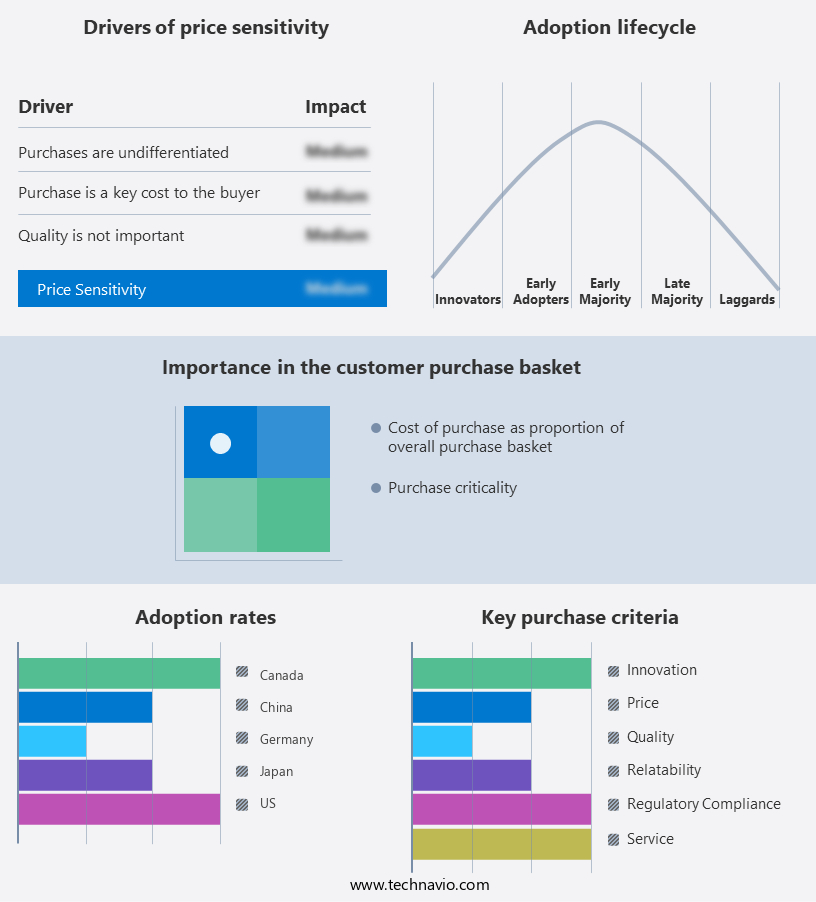
Customer Landscape
Key Companies & Market Insights
Companies are implementing various strategies, such as strategic alliances, content marketing market forecast, partnerships, mergers and acquisitions, geographical expansion, and product/service launches, to enhance their presence in the industry.
Adobe Inc. - The company provides content marketing solutions, including Adobe Marketing Cloud, enabling businesses to manage, personalize, optimize, and orchestrate multi-channel campaigns effectively for both B2B and B2C sectors. This comprehensive platform streamlines marketing efforts, ensuring consistent brand messaging and customer engagement.
The industry research and growth report includes detailed analyses of the competitive landscape of the market and information about key companies, including:The market in the agricultural sector is experiencing significant growth due to the increasing recognition of the role of content marketing in enhancing nutrient uptake mechanisms and improving soil health. This market caters to farmers and agribusinesses seeking valuable information to optimize their agricultural practices. One key area of focus is the impact of microbial community composition on soil enzyme activity and plant defense mechanisms. Content marketing provides insights into the latest research and application strategies for sustainable agricultural practices, including precision agriculture and crop yield optimization techniques. Environmental impact assessment protocols are also a crucial aspect of the market, as farmers strive to reduce their chemical inputs and adopt more sustainable methods. Bioremediation applications in agriculture and biofertilizer formulation guidelines are gaining popularity, offering natural solutions for soil amendment and growth promotion. Moreover, content marketing plays a vital role in the identification of stress alleviation strategies and quality enhancement traits improvement. Post-harvest preservation techniques and value-added agricultural product development are other areas where content marketing provides essential information to farmers and agribusinesses. The integration of content marketing into agricultural practices also facilitates the implementation of improved resource utilization efficiency, reduced chemical inputs, and climate change adaptation strategies. As the agricultural industry continues to evolve, content marketing will remain a crucial tool for staying informed and competitive. In conclusion, The market in agriculture offers valuable insights into the latest research and application strategies for enhancing nutrient uptake mechanisms, improving soil health, and optimizing crop yields while reducing environmental impact. From soil amendment efficacy evaluation to stress alleviation strategies development, content marketing is an essential resource for farmers and agribusinesses seeking to adopt sustainable agricultural practices and stay competitive in the ever-evolving agricultural landscape.
Qualitative and quantitative analysis of companies has been conducted to help clients understand the wider business environment as well as the strengths and weaknesses of key industry players. Data is qualitatively analyzed to categorize companies as pure play, category-focused, industry-focused, and diversified; it is quantitatively analyzed to categorize companies as dominant, leading, strong, tentative, and weak.
Recent Development and News in Content Marketing Market
- In January 2024, marketing technology company HubSpot announced the launch of its new Content Strategy Tool, designed to help businesses plan, create, and optimize their content marketing efforts more effectively (HubSpot Press Release). This tool was a significant development as it aimed to streamline the content marketing process for businesses and improve their overall marketing performance.
- In March 2024, Adobe and Microsoft entered into a strategic partnership to integrate Adobe Experience Manager with Microsoft Teams, allowing users to collaborate on content marketing projects directly within the Teams platform (Microsoft News Center). This collaboration was a major development as it enabled seamless integration of content marketing tools into a widely-used collaboration platform, making it easier for teams to work together on marketing projects.
- In May 2024, marketing automation platform Marketo, a Salesforce company, raised USD175 million in a funding round, bringing its total funding to over USD600 million (Salesforce Press Release). This significant investment demonstrated the continued growth and investor confidence in the market, as companies look to invest in technology to improve their marketing capabilities.
- In February 2025, Google announced the rollout of its new Bard AI, an advanced conversational AI designed to help users generate high-quality content for various applications, including content marketing (Google Blog). This technological advancement was a significant development as it provided businesses with an additional tool to create engaging and personalized content for their audiences, further enhancing the potential of content marketing strategies.
Research Analyst Overview
- The market for content marketing in agriculture continues to evolve, with a focus on precision agriculture applications and sustainable resource management. An organic fertilizer blend, for instance, has demonstrated a 15% increase in crop yield through enhanced nutrient bioavailability and quality enhancement traits. The microbial community structure plays a pivotal role in nutrient cycling and soil amendment efficacy, leading to reduced chemical inputs and bioremediation applications. Farming system optimization and post-harvest preservation contribute to agricultural sustainability index, while biofertilizer formulation and microbial diversity impact drive improved resource utilization. Climate change adaptation and environmental impact assessment are essential stress alleviation strategies, with soil enzyme activity and growth promotion factors enhancing crop productivity improvement.
- Integrated pest management and value-added agricultural products incorporate plant defense mechanisms and biological pest control, further emphasizing sustainable agriculture practices. The industry anticipates a 5% annual growth rate, underpinned by the ongoing integration of technology and innovation in farming practices.
Dive into Technavio's robust research methodology, blending expert interviews, extensive data synthesis, and validated models for unparalleled Content Marketing Market insights. See full methodology.
|
Market Scope |
|
|
Report Coverage |
Details |
|
Page number |
233 |
|
Base year |
2024 |
|
Historic period |
2019-2023 |
|
Forecast period |
2025-2029 |
|
Growth momentum & CAGR |
Accelerate at a CAGR of 13.9% |
|
Market growth 2025-2029 |
USD 539.3 million |
|
Market structure |
Fragmented |
|
YoY growth 2024-2025(%) |
12.2 |
|
Key countries |
US, China, Japan, Germany, Canada, India, Brazil, Saudi Arabia, Argentina, and UAE |
|
Competitive landscape |
Leading Companies, Market Positioning of Companies, Competitive Strategies, and Industry Risks |
What are the Key Data Covered in this Content Marketing Market Research and Growth Report?
- CAGR of the Contenting industry during the forecast period
- Detailed information on factors that will drive the growth and forecasting between 2025 and 2029
- Precise estimation of the size of the market and its contribution of the industry in focus to the parent market
- Accurate predictions about upcoming growth and trends and changes in consumer behaviour
- Growth of the market across APAC, North America, Europe, South America, and Middle East and Africa
- Thorough analysis of the market's competitive landscape and detailed information about companies
- Comprehensive analysis of factors that will challenge the content marketing market growth of industry companies
We can help! Our analysts can customize this content marketing market research report to meet your requirements.
 RIA -
RIA - 
