


Fast Food Market Size 2026-2030
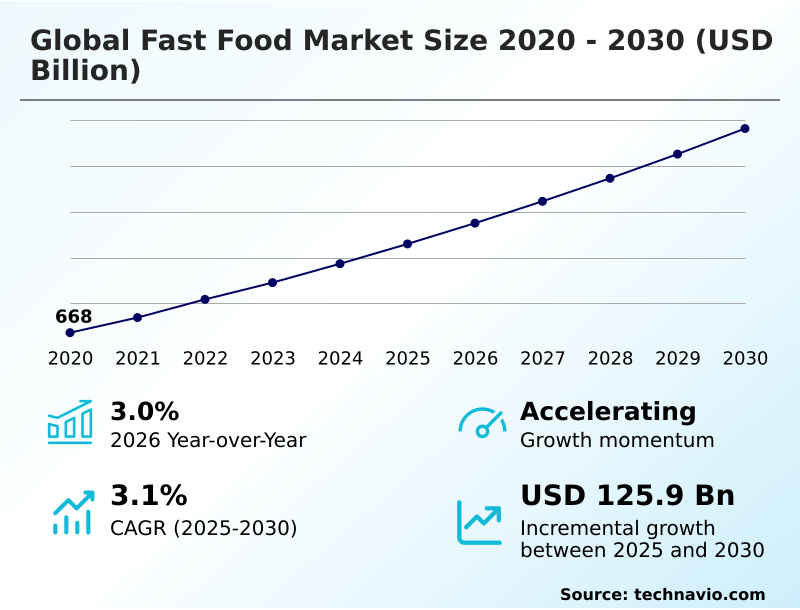
The fast food market size is valued to increase by USD 125.9 billion, at a CAGR of 3.1% from 2025 to 2030. Acceleration of digital transformation and AI integration will drive the fast food market.
Major Market Trends & Insights
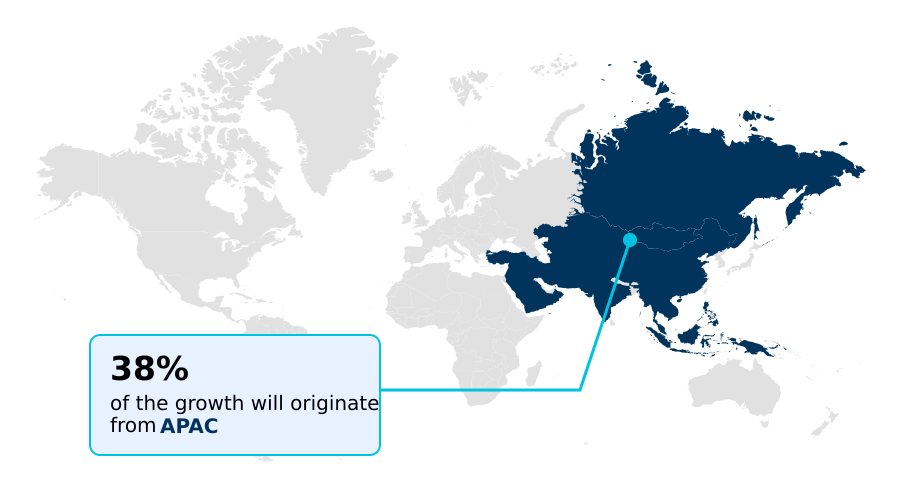
- APAC dominated the market and accounted for a 38.2% growth during the forecast period.
- By Product - Non-vegetarian fast food segment was valued at USD 468.3 billion in 2024
- By Service Type - Eat-in segment accounted for the largest market revenue share in 2024
Market Size & Forecast
- Market Opportunities: USD 222.7 billion
- Market Future Opportunities: USD 125.9 billion
- CAGR from 2025 to 2030 : 3.1%
Market Summary
- The fast food market is undergoing a significant transformation, driven by technological adoption and evolving consumer preferences. Key industry players are moving beyond simple mobile applications to integrate deep learning algorithms and predictive order analytics for real-time optimization of kitchen workflows and customer engagement.
- This focus on food-tech integration is a response to the need for higher throughput during peak hours while minimizing manual errors. A central theme is the expansion of plant-based menu innovation, shifting vegetarian options from niche offerings to permanent menu fixtures to cater to health-conscious diners.
- Simultaneously, an aggressive push into high-growth territories, supported by localized menu strategies, allows brands to capitalize on rising disposable incomes in emerging economies. For instance, a chain entering a new region might leverage local supply chains for 40% of its ingredients to ensure authentic flavors and community support.
- These strategic pillars—digitalization, menu diversification, and geographic expansion—are reshaping the competitive landscape, compelling operators to balance global brand identity with local relevance to sustain growth.
What will be the Size of the Fast Food Market during the forecast period?
Get Key Insights on Market Forecast (PDF) Get Free Sample
How is the Fast Food Market Segmented?
The fast food industry research report provides comprehensive data (region-wise segment analysis), with forecasts and estimates in "USD billion" for the period 2026-2030, as well as historical data from 2020-2024 for the following segments.
- Product
- Non-vegetarian fast food
- Vegetarian fast food
- Service type
- Eat-in
- Take away
- Home delivery
- Others
- Type
- Burgers and sandwiches
- Pizza and pasta
- Asian and Latin American food
- Chicken and seafood meals
- Others
- Geography
- North America
- US
- Canada
- Mexico
- APAC
- China
- India
- Japan
- Europe
- Germany
- UK
- France
- South America
- Brazil
- Argentina
- Middle East and Africa
- Saudi Arabia
- UAE
- South Africa
- Rest of World (ROW)
- North America
By Product Insights
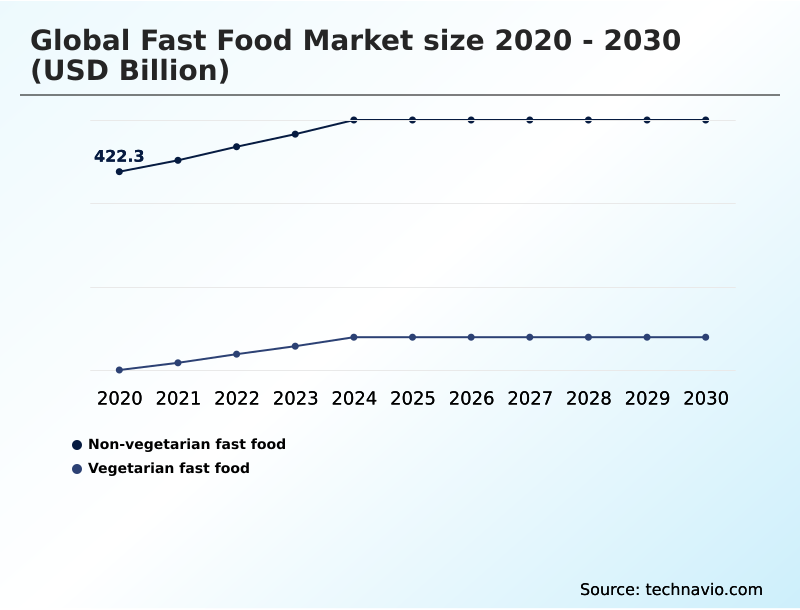
The non-vegetarian fast food segment is estimated to witness significant growth during the forecast period.
The non-vegetarian fast food market segment remains the cornerstone of the industry, driven by protein platform innovation and the premiumization of core offerings. Major operators are leveraging a franchise ownership model and sustainable sourcing practices to enhance brand loyalty.
This category is characterized by the strategic use of limited-time offerings to create consumer urgency and drive high-volume sales. To differentiate, companies are refining recipes to improve taste and texture, with some achieving a 15% improvement in consumer flavor ratings.
The focus on menu engineering and optimization and smart restaurant design is critical for maintaining market leadership, alongside a robust strategy for new restaurant concept development.
Food service automation trends, coupled with predictive maintenance for kitchen equipment, ensure operational continuity and consistent quality in this highly competitive space.
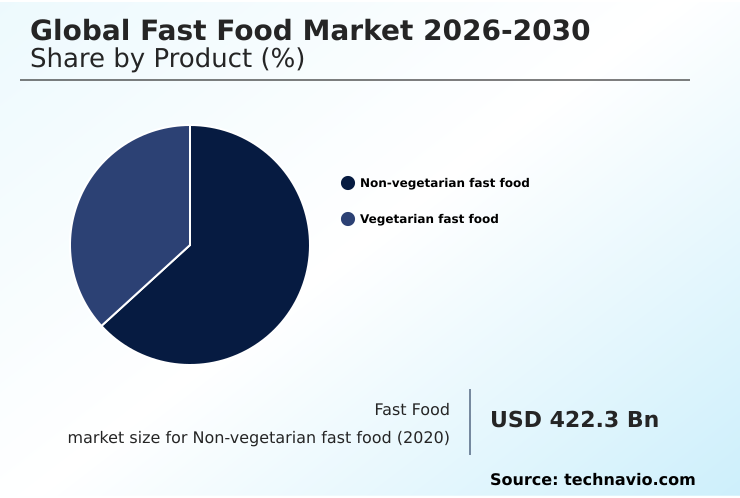
The Non-vegetarian fast food segment was valued at USD 468.3 billion in 2024 and showed a gradual increase during the forecast period.
Regional Analysis
APAC is estimated to contribute 38.2% to the growth of the global market during the forecast period.Technavio’s analysts have elaborately explained the regional trends and drivers that shape the market during the forecast period.
See How Fast Food Market Demand is Rising in APAC Get Free Sample
The fast food market's geographic landscape is defined by aggressive expansion in APAC, which is the fastest-growing region globally.
Rapid urbanization and a rising middle class are fueling demand, with some operators planning to open nearly 1,000 new stores in China in a single year.
This growth is supported by a tech-savvy demographic that embraces digital loyalty programs and mobile order and pay systems. Localization is critical, with successful brands adapting menus to include regional flavors.
The implementation of a smart queue system and workforce retention strategies is essential for managing high volumes. In this context, restaurant real estate management and franchise performance management become crucial for scaling operations.
The region’s advanced adoption of digital platforms has accelerated growth, allowing brands to penetrate new areas without requiring a traditional storefront, showcasing the power of a well-executed digital-first strategy.
Market Dynamics
Our researchers analyzed the data with 2025 as the base year, along with the key drivers, trends, and challenges. A holistic analysis of drivers will help companies refine their marketing strategies to gain a competitive advantage.
- The global fast food market is navigating a complex transformation where strategic decisions around technology and operations are paramount. The impact of AI on fast food operational efficiency is a central theme, as companies seek to automate processes and reduce costs. The benefits of automated kitchen systems in QSR are becoming clear, directly addressing labor shortages and improving consistency.
- This connects to broader strategies for drive-thru service speed improvement, where every second saved enhances customer satisfaction. The role of deep learning in customer personalization allows brands to move beyond generic offers to create highly targeted campaigns. Simultaneously, operators are weighing the ROI of asset-light vs. traditional franchise models to optimize financial structures.
- The future of contactless assembly in food preparation promises a more hygienic and efficient kitchen environment. Success also hinges on adapting menus for localized consumer tastes while modernizing restaurant portfolios for digital sales. The ability to balance value menus with rising ingredient costs is a constant challenge, forcing innovation in supply chain management.
- For instance, firms that use predictive analytics for inventory management report up to 20% less food waste compared to those using manual methods. Ultimately, creating experiential dining in a fast-food setting while addressing these operational realities will define market leaders.
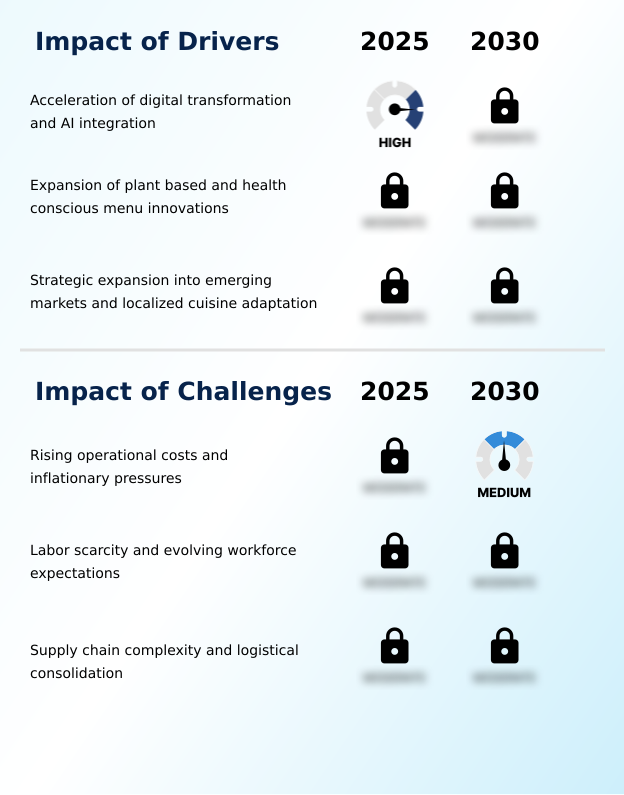
What are the key market drivers leading to the rise in the adoption of Fast Food Industry?
- The acceleration of digital transformation and the integration of artificial intelligence are key drivers enhancing operational speed and customer engagement in the market.
- A primary driver is the rapid adoption of sophisticated technology, including voice-based artificial intelligence and customer engagement platforms, to streamline operations. This digital transformation in QSR is critical for enhancing restaurant operational efficiency and managing supply chain consolidation.
- By leveraging deep learning algorithms, companies can offer personalized value platforms that have resulted in a 15% year-over-year growth in digital sales for some operators.
- Menu innovation, particularly plant-based menu innovation, is another significant driver, catering to health-conscious consumers and expanding the customer base.
- The strategic implementation of QSR inventory control systems and energy-efficient kitchen equipment further supports profitability by minimizing waste and reducing overhead, ensuring brands remain competitive and relevant in a fast-evolving market.
What are the market trends shaping the Fast Food Industry?
- A key market trend is the integration of automated kitchen robotics and contactless assembly systems to address labor shortages and enhance food quality consistency.
- Key market trends revolve around the deployment of specialized modular robotic units and automated food preparation to address labor shortages and enhance consistency. The integration of kitchen automation robotics, including contactless payment solutions, is reshaping the operational landscape, enabling some concepts to prepare meals in under 30 seconds.
- This focus on quick service restaurant technology is creating a seamless link between digital ordering and food production. This trend is further supported by the rise of staff training and development platforms to manage these new systems.
- The trend toward experiential dining concepts and restaurant data analytics is also significant, with companies redesigning interiors to foster community while leveraging data to improve service. For example, renovated locations often see double-digit sales uplifts by balancing high-tech convenience with a welcoming atmosphere, proving that a strong physical presence remains vital.
What challenges does the Fast Food Industry face during its growth?
- Rising operational costs and persistent inflationary pressures on raw ingredients and utilities present a key challenge to profitability and market growth.
- The market faces significant challenges from rising operational costs and inflationary pressures, which have kept restaurant-level margins flat for many operators despite revenue growth. This financial volatility is compounded by intense supply chain risk management pressures and the complexity of global logistics.
- Attracting and retaining a skilled workforce is another structural challenge, forcing companies to implement better workforce retention strategies and explore automated customer service for restaurants. High turnover rates and competition for labor from other sectors are driving investment in automated inventory management and food-tech integration.
- Furthermore, the push for sustainable restaurant operations adds another layer of complexity, requiring investments in eco-friendly practices that must be balanced against immediate profitability concerns in a price-sensitive market. These headwinds require a dual focus on cost control and strategic technology deployment.
Exclusive Technavio Analysis on Customer Landscape
The fast food market forecasting report includes the adoption lifecycle of the market, covering from the innovator’s stage to the laggard’s stage. It focuses on adoption rates in different regions based on penetration. Furthermore, the fast food market report also includes key purchase criteria and drivers of price sensitivity to help companies evaluate and develop their market growth analysis strategies.
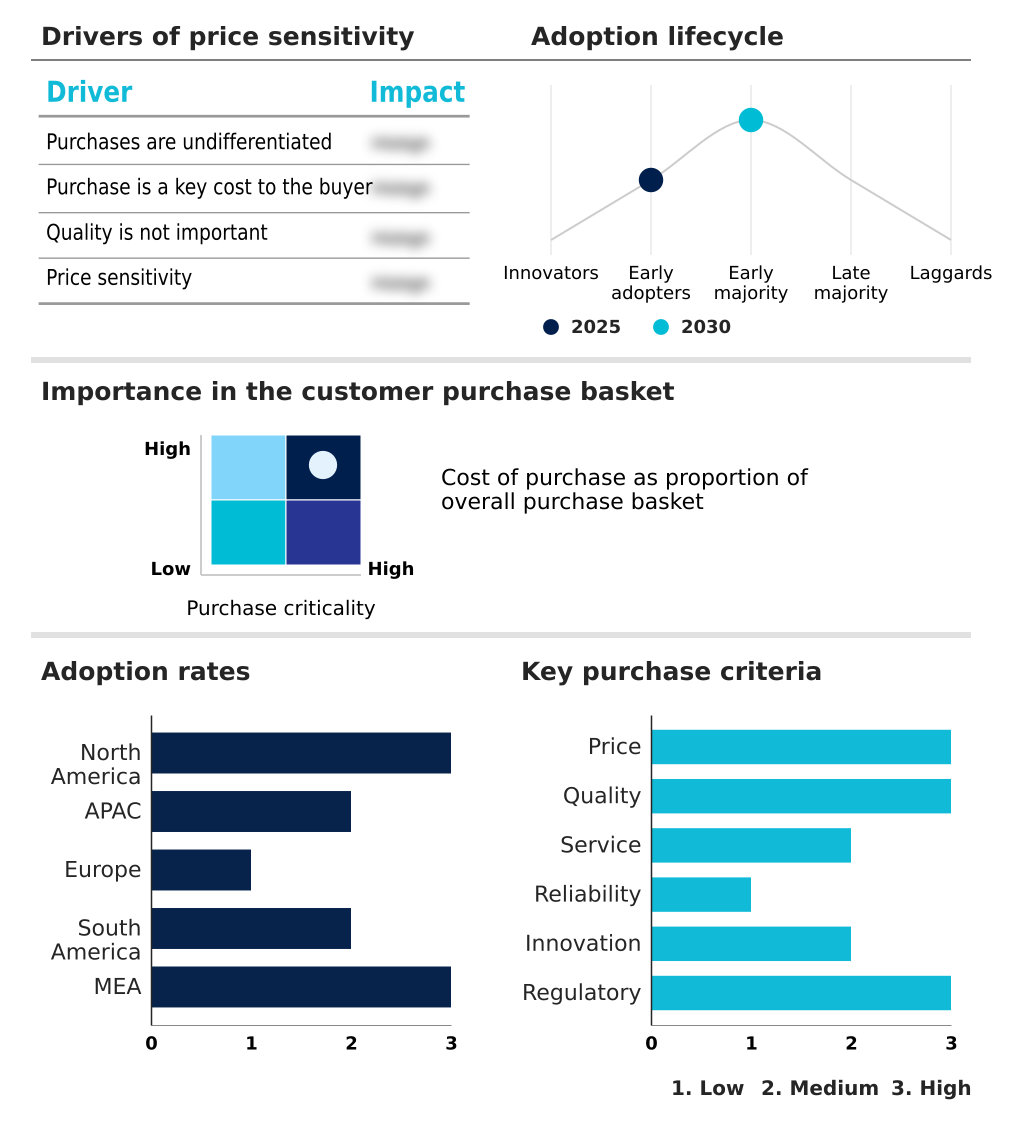
Customer Landscape of Fast Food Industry
Competitive Landscape
Companies are implementing various strategies, such as strategic alliances, fast food market forecast, partnerships, mergers and acquisitions, geographical expansion, and product/service launches, to enhance their presence in the industry.
American Dairy Queen Corp. - Core offerings include a range of ready-to-eat products delivered through a global network of quick-service restaurants, focusing on operational speed and convenience.
The industry research and growth report includes detailed analyses of the competitive landscape of the market and information about key companies, including:
- American Dairy Queen Corp.
- Chipotle Mexican Grill Inc.
- Corporativo Bimbo SA de CV
- Dominos Pizza Inc.
- Doughnut Time Ltd.
- Focus Brands LLC
- Glory Hole Doughnuts
- Inspire Brands Inc.
- JAB Holding Co.
- Jack in the Box Inc.
- Jimmy Johns Franchisor SPV LLC
- McDonald Corp.
- Papa Johns International Inc.
- Penn Station Inc.
- Pita Pit Ltd.
- Restaurant Brands Inc.
- Starbucks Corp.
- The Subway Group
- The Wendys Co.
- YUM Brands Inc.
Qualitative and quantitative analysis of companies has been conducted to help clients understand the wider business environment as well as the strengths and weaknesses of key industry players. Data is qualitatively analyzed to categorize companies as pure play, category-focused, industry-focused, and diversified; it is quantitatively analyzed to categorize companies as dominant, leading, strong, tentative, and weak.
Recent Development and News in Fast food market
- In February 2025, Burger King reported that more than 51% of its United States system had reached a modern image following the completion of 370 remodels in a single year as part of its 'Reclaim the Flame' program.
- In April 2025, Chipotle Mexican Grill signed a major development agreement with Alsea to open its first restaurants in Mexico, marking a significant milestone in its international expansion strategy.
- In September 2025, Starbucks Corporation announced that its coffeehouse uplift renovation program had reached a milestone of nearly 70 completed projects, with plans to renovate over 1,000 locations by the end of 2026.
- In December 2025, Chick-fil-A announced a strategic shift to transition its licensed stores in high-traffic venues, such as universities and hospitals, to full franchise ownership to improve brand consistency and employee management.
Dive into Technavio’s robust research methodology, blending expert interviews, extensive data synthesis, and validated models for unparalleled Fast Food Market insights. See full methodology.
| Market Scope | |
|---|---|
| Page number | 301 |
| Base year | 2025 |
| Historic period | 2020-2024 |
| Forecast period | 2026-2030 |
| Growth momentum & CAGR | Accelerate at a CAGR of 3.1% |
| Market growth 2026-2030 | USD 125.9 billion |
| Market structure | Fragmented |
| YoY growth 2025-2026(%) | 3.0% |
| Key countries | US, Canada, Mexico, China, India, Japan, South Korea, Australia, Indonesia, Germany, UK, France, Italy, Spain, The Netherlands, Brazil, Argentina, Chile, Saudi Arabia, UAE, South Africa, Israel and Turkey |
| Competitive landscape | Leading Companies, Market Positioning of Companies, Competitive Strategies, and Industry Risks |
Research Analyst Overview
- The fast food market's evolution is centered on the integration of advanced technology to enhance both operational efficiency and customer engagement. The deployment of a sophisticated AI platform is becoming standard for data-driven personalization, enabling hyper-personalized marketing campaigns that resonate with consumers.
- In parallel, the adoption of kitchen robotics and contactless assembly systems is addressing labor challenges and improving service speed, with some modernized locations achieving a 51% update rate across their system. Key technologies such as automated voice ordering, self-service kiosks, and kitchen display systems are creating a digital-first layout.
- This is complemented by a smart queue system that optimizes order flow. Behind the scenes, operators are implementing automated scheduling tools and mobile micro-learning to support smaller, more efficient teams. Boardroom decisions are increasingly focused on the franchise ownership model, favoring an asset-light business model and aggressive asset refranchising.
- This strategy, combined with restaurant portfolio modernization and drive-thru efficiency initiatives, is crucial for maintaining a competitive edge in a market driven by digital transformation and convenience.
What are the Key Data Covered in this Fast Food Market Research and Growth Report?
-
What is the expected growth of the Fast Food Market between 2026 and 2030?
-
USD 125.9 billion, at a CAGR of 3.1%
-
-
What segmentation does the market report cover?
-
The report is segmented by Product (Non-vegetarian fast food, and Vegetarian fast food), Service Type (Eat-in, Take away, Home delivery, and Others), Type (Burgers and sandwiches, Pizza and pasta, Asian and Latin American food, Chicken and seafood meals, and Others) and Geography (North America, APAC, Europe, South America, Middle East and Africa)
-
-
Which regions are analyzed in the report?
-
North America, APAC, Europe, South America and Middle East and Africa
-
-
What are the key growth drivers and market challenges?
-
Acceleration of digital transformation and AI integration, Rising operational costs and inflationary pressures
-
-
Who are the major players in the Fast Food Market?
-
American Dairy Queen Corp., Chipotle Mexican Grill Inc., Corporativo Bimbo SA de CV, Dominos Pizza Inc., Doughnut Time Ltd., Focus Brands LLC, Glory Hole Doughnuts, Inspire Brands Inc., JAB Holding Co., Jack in the Box Inc., Jimmy Johns Franchisor SPV LLC, McDonald Corp., Papa Johns International Inc., Penn Station Inc., Pita Pit Ltd., Restaurant Brands Inc., Starbucks Corp., The Subway Group, The Wendys Co. and YUM Brands Inc.
-
Market Research Insights
- Market dynamics are increasingly shaped by asset-light business models and a strategic focus on restaurant portfolio modernization. This involves acquiring, renovating, and refranchising properties to ensure brand consistency and reduce operational risk, leading to significant mid-teens sales uplifts at renovated locations.
- The adoption of AI in the food service industry is pivotal, with some operators seeing a 15% year-over-year increase in digital sales by leveraging data for customer experience personalization. Key restaurant franchising strategies now include advanced food delivery optimization software and contactless service models to meet modern consumer demands.
- Furthermore, food safety and compliance tech is being integrated to navigate complex regulatory environments. The emphasis on sustainable restaurant operations and waste reduction in food service reflects a long-term commitment to evolving consumer values and operational efficiency. These interconnected shifts define the industry's current trajectory, prioritizing agility and technological integration.
We can help! Our analysts can customize this fast food market research report to meet your requirements.
 RIA -
RIA - 
