



Glass Tableware Market Size 2025-2029
The glass tableware market size is forecast to increase by USD 2.24 billion at a CAGR of 3.4% between 2024 and 2029.
- The market is experiencing significant growth, driven by advancements in glass production techniques that enable the creation of intricately designed and durable pieces. These innovations have expanded the market's offerings, catering to various consumer preferences and increasing demand. Additionally, the rising popularity of themed and seasonal tableware has fueled growth, as consumers seek unique and personalized table settings for special occasions and everyday use. However, the market faces challenges, including the increasing availability of counterfeit glassware products. These imitations not only threaten the reputation of authentic brands but also undermine consumer trust, necessitating stringent measures to ensure product authenticity and quality.
- Companies in the market must stay abreast of these trends and challenges to capitalize on opportunities and maintain a competitive edge. By focusing on innovation, brand protection, and consumer education, market participants can effectively navigate the evolving landscape and meet the demands of discerning consumers.
What will be the Size of the Glass Tableware Market during the forecast period?

- The market continues to evolve, shaped by dynamic market trends and innovative applications across various sectors. Glass sets, with their timeless elegance, remain a staple in home decor and hospitality industries. Glass durability, a critical factor, is enhanced through advanced glass technology and innovative finishes. Glass innovation is unfolding in various forms, from glass painting and blown glass to etching and engraving. Glass finishes add a touch of sophistication, with options ranging from classic clear glass to lead crystal and vibrant colors.
- Glassware collections, including serving bowls and wine glasses, cater to diverse consumer preferences, reflecting the continuous unfolding of market activities. The glass industry's ongoing commitment to sustainability is evident in the growing popularity of recycled glass and the optimization of the glass supply chain. Glass thickness, clarity, and weight further add to the market's complexity, offering opportunities for differentiation and growth.
How is this Glass Tableware Industry segmented?
The glass tableware industry research report provides comprehensive data (region-wise segment analysis), with forecasts and estimates in "USD million" for the period 2025-2029, as well as historical data from 2019-2023 for the following segments.
- Product
- Beverageware
- Dinnerware
- Others
- Distribution Channel
- Offline
- Online
- Application
- Household
- Commercial
- Geography
- North America
- US
- Canada
- Europe
- UK
- APAC
- China
- India
- Rest of World (ROW)
- North America
By Product Insights
The beverageware segment is estimated to witness significant growth during the forecast period.
The market encompasses a diverse range of products, including glass decorating, wine glasses, glass technology, glass design, glass recycling, and various glassware sets. This market is driven by several factors, such as the increasing popularity of glassware in home decor and the rise in demand for eco-friendly tableware options. Glassware collections, available in various patterns and finishes, cater to different consumer preferences. Advancements in glass technology have led to the production of innovative glassware, including blown glass, glass etching, and glass engraving. Glassware sets, which include serving bowls and drinking glasses, offer durability and elegance. Wine glasses, in particular, have gained significant attention due to their impact on the taste and presentation of wine.
The glass industry's focus on sustainability is evident in the growing trend of glass recycling. Recycled glass is used to produce new glassware, reducing the need for raw materials and minimizing waste. Lead crystal glassware, with its unique clarity and weight, remains a popular choice for special occasions. Glass design continues to evolve, with an emphasis on creating harmonious and immersive pieces. Glass thickness and clarity are crucial factors in ensuring the durability and functionality of glassware. The glass supply chain ensures a steady flow of raw materials and finished products to meet the growing demand for glass tableware.
In summary, the market is characterized by its diverse offerings, technological advancements, and focus on sustainability. The benefits of glassware, such as its recyclability, longer lifespan, and eco-friendliness, make it an attractive alternative to plastic tableware. The market's continued growth is driven by the increasing popularity of glassware in home decor and the rising demand for sustainable tableware options.
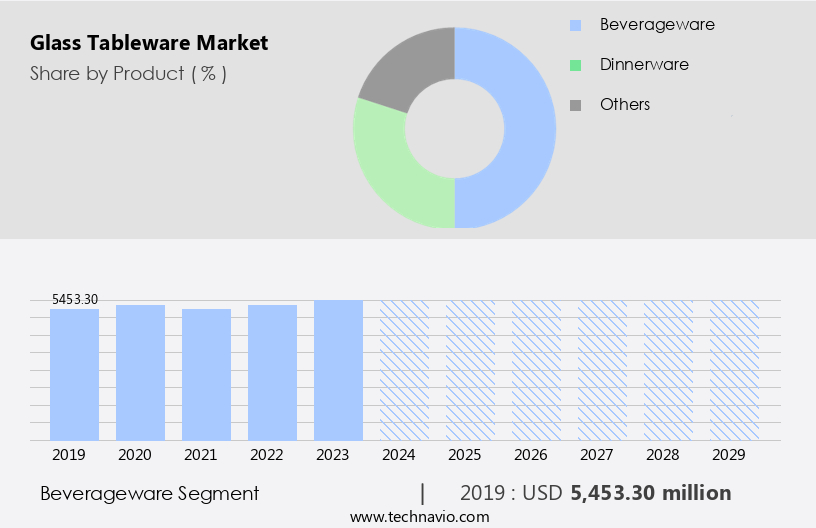
The Beverageware segment was valued at USD 5.45 billion in 2019 and showed a gradual increase during the forecast period.
Regional Analysis
APAC is estimated to contribute 56% to the growth of the global market during the forecast period.Technavio's analysts have elaborately explained the regional trends and drivers that shape the market during the forecast period.

The market in the APAC region is experiencing significant growth due to rising disposable income levels and urbanization. With more people moving to urban areas and adopting modern lifestyles, there is a growing preference for stylish and functional glass tableware for daily use and special occasions. This trend is particularly prominent in countries like India and Australia, where economic growth has led to increased purchasing power. Glass decorating, a key aspect of glass tableware production, continues to evolve with innovative designs and finishes. Glass technology, such as blown glass and etching, adds to the appeal of these products.
Glass recycling is also a significant trend in the industry, with many companies focusing on sustainability and eco-friendly practices. Glassware sets, including wine glasses and serving bowls, are popular choices for consumers. Glass durability and clarity are essential factors in the market, with consumers seeking high-quality products. Glass innovation is a key driver, with new technologies and designs constantly emerging. Glass finishes, such as lead crystal and various colors, add to the aesthetic appeal of these products. The glass supply chain is becoming more streamlined, ensuring a steady flow of raw materials and finished products.Overall, the market in the APAC region is dynamic and evolving, driven by changing consumer preferences and technological advancements.
Market Dynamics
Our researchers analyzed the data with 2024 as the base year, along with the key drivers, trends, and challenges. A holistic analysis of drivers will help companies refine their marketing strategies to gain a competitive advantage.
The Global Glass Tableware Market grows with beverageware for hotels and dinnerware for restaurants. Glass tableware trends 2025 highlight sustainable glassware production and premium glass tableware. Glassware for bars and flatware for hospitality fuel demand, per glass tableware market forecast. Cadmium-free glassware leverages glassware for luxury dining, while glassware for home use ensures accessibility. Glassware for event catering and commercial-grade glassware enhance versatility. Glassware for environmental compliance, advanced glassware designs, and glassware supply chain drive efficiency. Glassware for global markets, glassware for upscale venues, glassware for regulatory standards, glassware for aesthetic appeal, and glassware for B2B sectors propel growth through 2029.
What are the key market drivers leading to the rise in the adoption of Glass Tableware Industry?
- Advancements in glass production techniques serve as the primary catalyst for market growth in this industry. Glass tableware continues to be a popular choice for home decor due to its elegance and durability. Manufacturers employ advanced production techniques to create high-quality glass sets, ensuring consistency in thickness, clarity, and strength. These innovations enable the production of intricately designed drinking glasses that cater to evolving consumer preferences. Moreover, improvements in automation, robotics, and process optimization have streamlined glass production, leading to increased efficiency, productivity, and shorter lead times.
- The use of recycled glass and lead crystal adds to the appeal of glass tableware, offering sustainability and luxury, respectively. Overall, these advancements have made glass tableware a desirable and practical addition to modern home decor.
What are the market trends shaping the Glass Tableware Industry?
- The increasing preference for themed and seasonal tableware represents a significant market trend. This trend signifies a growing demand for tableware that aligns with specific holidays, seasons, or themes, reflecting a shift towards more personalized and expressive dining experiences.
- The market has witnessed a growing trend towards themed and seasonal glass tableware. This trend caters to consumers' increasing desire for unique and memorable dining experiences. Themed tableware aligns with various celebrations and seasons, adding a creative and festive touch to gatherings. Glass decorating, utilizing advanced glass technology and innovative glass designs, plays a significant role in enhancing the appeal of themed tableware. Consumers appreciate the opportunity to express their personal style and preferences through these items. For instance, during Halloween, glass tableware adorned with spooky or pumpkin-inspired patterns creates a festive and entertaining atmosphere.
- The glass industry continues to innovate, offering an immersive and harmonious dining experience through themed and seasonal glass tableware. Additionally, the emphasis on glass recycling and sustainability in the industry ensures that these trends align with consumers' values.
What challenges does the Glass Tableware Industry face during its growth?
- The proliferation of counterfeit glassware products poses a significant challenge to the industry's growth, as the increasing availability of these imitations undermines the legitimacy and value of authentic products.
- The market faces a significant challenge from counterfeit products, which are becoming increasingly prevalent due to weak supply chain security and insufficient legislation. These imitations do not offer the same level of durability and innovation as authentic glassware sets. The use of counterfeit glassware sets can lead to safety concerns and subpar performance, damaging consumer trust and impeding market expansion. Intellectual property rights can be exploited through counterfeiting, negatively impacting market participants.
- The prevalence of poor-quality counterfeit glassware collections, including serving bowls and glass painting, can create an unfair competitive environment for leading companies. It is crucial for market players to prioritize measures to safeguard their products against counterfeiting and maintain the integrity of their brands.
Exclusive Customer Landscape
The glass tableware market forecasting report includes the adoption lifecycle of the market, covering from the innovator's stage to the laggard's stage. It focuses on adoption rates in different regions based on penetration. Furthermore, the glass tableware market report also includes key purchase criteria and drivers of price sensitivity to help companies evaluate and develop their market growth analysis strategies.
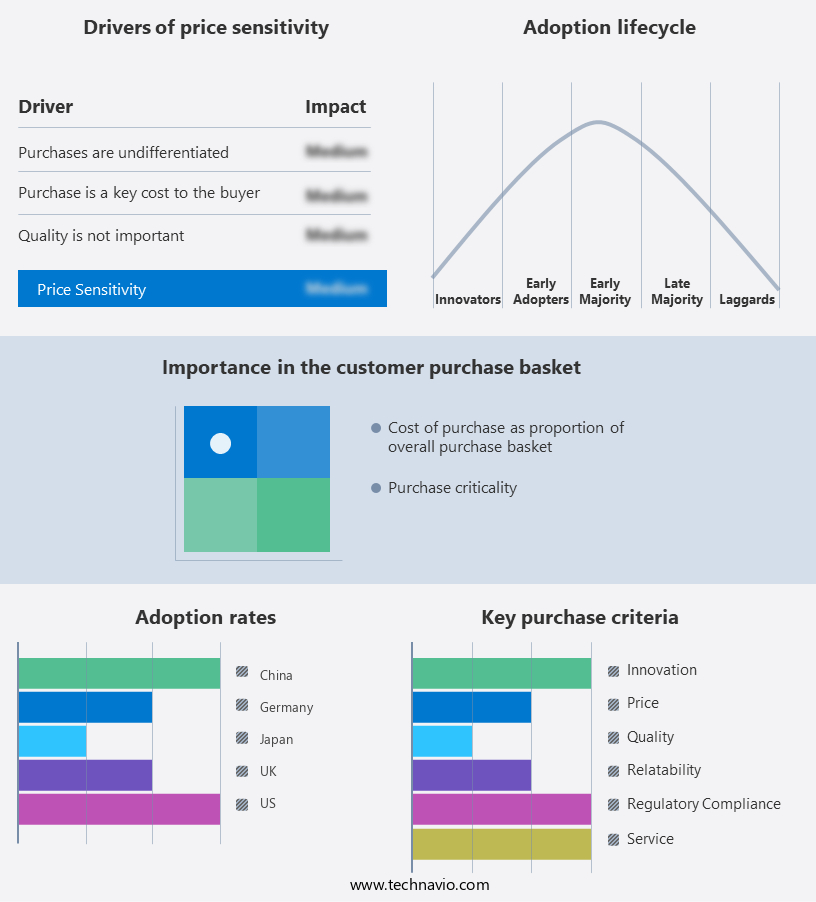
Customer Landscape
Key Companies & Market Insights
Companies are implementing various strategies, such as strategic alliances, glass tableware market forecast, partnerships, mergers and acquisitions, geographical expansion, and product/service launches, to enhance their presence in the industry.
The industry research and growth report includes detailed analyses of the competitive landscape of the market and information about key companies, including:
- Libbey Inc.
- Arc International
- Corelle Brands
- Pasabahce
- Bormioli Rocco
- Duralex International
- Luminarc
- Anchor Hocking
- Schott Zwiesel
- Riedel
- Zwiesel Kristallglas AG
- Spiegelau
- Ocean Glass
- Lenox Corporation
- Villeroy & Boch
- Royal Doulton
- Wedgwood
- Noritake Co., Limited
- Oneida Group
- Cristal d'Arques Paris
Qualitative and quantitative analysis of companies has been conducted to help clients understand the wider business environment as well as the strengths and weaknesses of key industry players. Data is qualitatively analyzed to categorize companies as pure play, category-focused, industry-focused, and diversified; it is quantitatively analyzed to categorize companies as dominant, leading, strong, tentative, and weak.
Recent Development and News in Glass Tableware Market
- In February 2024, Schott AG, a leading glass tableware manufacturer, introduced its new "Elegance" line of borosilicate glass tableware, which is lighter and more resistant to thermal shock than traditional glassware (Schott AG Press Release, 2024). This innovation addresses the growing demand for durable and modern tableware solutions.
- In July 2025, Luminarc, a French glass tableware company, partnered with Amazon to sell its products directly on the e-commerce giant's platform, expanding its reach to a broader customer base (Amazon Business Wire, 2025). This strategic collaboration marks a significant shift in the industry, as more consumers turn to online shopping for convenience.
- In September 2024, Fostex Glass Industries, a leading Indian glass tableware manufacturer, announced a USD10 million investment in its manufacturing facility to increase production capacity by 50% (Fostex Glass Industries Press Release, 2024). This expansion aims to cater to the rising demand for affordable glass tableware in emerging markets.
- In March 2025, the European Union implemented new regulations on lead crystal glass tableware, restricting the use of lead oxide in production (European Commission, 2025). This policy change reflects growing concerns over health and environmental risks associated with lead crystal glassware, potentially driving demand for alternative materials.
Research Analyst Overview
The market encompasses various aspects, including heat resistance, cleaning, storage, and microwave safety. Innovation in materials, such as borosilicate glass, enhances heat resistance and durability. Glassware care is essential, with consumers prioritizing easy-to-clean and dishwasher-safe options. Retailers employ marketing strategies that emphasize glassware's customer experience, safety, and design trends. Sustainability is a growing concern, leading to eco-friendly packaging and manufacturing processes. Glassware's online presence and social media engagement are vital for reaching customers. Segmentation based on target audience, pricing, and warranty drives competition among manufacturers.
Customer reviews and brand loyalty influence purchasing habits. Impact resistance and maintenance are crucial factors in ensuring glassware safety and longevity. Advertising and distribution channels are essential for reaching a broader audience. Glassware's market dynamics reflect consumers' evolving preferences and industry trends.
Dive into Technavio's robust research methodology, blending expert interviews, extensive data synthesis, and validated models for unparalleled Glass Tableware Market insights. See full methodology.
|
Market Scope |
|
|
Report Coverage |
Details |
|
Page number |
197 |
|
Base year |
2024 |
|
Historic period |
2019-2023 |
|
Forecast period |
2025-2029 |
|
Growth momentum & CAGR |
Accelerate at a CAGR of 3.4% |
|
Market growth 2025-2029 |
USD 2236.5 million |
|
Market structure |
Fragmented |
|
YoY growth 2024-2025(%) |
3.2 |
|
Key countries |
China, US, Canada, India, and UK |
|
Competitive landscape |
Leading Companies, Market Positioning of Companies, Competitive Strategies, and Industry Risks |
What are the Key Data Covered in this Glass Tableware Market Research and Growth Report?
- CAGR of the Glass Tableware industry during the forecast period
- Detailed information on factors that will drive the growth and forecasting between 2025 and 2029
- Precise estimation of the size of the market and its contribution of the industry in focus to the parent market
- Accurate predictions about upcoming growth and trends and changes in consumer behaviour
- Growth of the market across APAC, Europe, North America, Middle East and Africa, and South America
- Thorough analysis of the market's competitive landscape and detailed information about companies
- Comprehensive analysis of factors that will challenge the glass tableware market growth of industry companies
We can help! Our analysts can customize this glass tableware market research report to meet your requirements.
 RIA -
RIA - 
