


US Hair Care Market Size 2026-2030
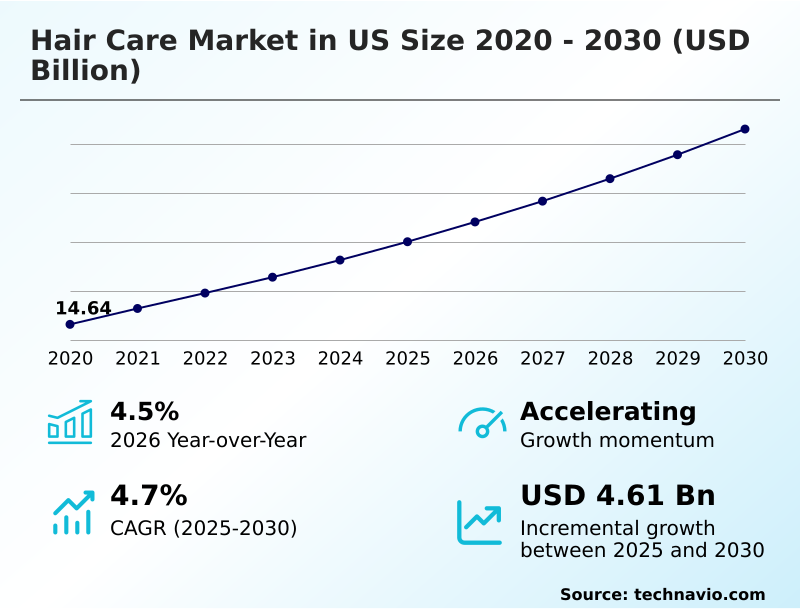
The us hair care market size is valued to increase by USD 4.61 billion, at a CAGR of 4.7% from 2025 to 2030. Professional efficacy and home treatments will drive the us hair care market.
Major Market Trends & Insights
- By Distribution Channel - Offline segment was valued at USD 13.82 billion in 2024
- By Price Range - Mass segment accounted for the largest market revenue share in 2024
Market Size & Forecast
- Market Opportunities: USD 7.99 billion
- Market Future Opportunities: USD 4.61 billion
- CAGR from 2025 to 2030 : 4.7%
Market Summary
- The hair care market in US is undergoing a significant transformation, driven by consumer demand for both high-performance results and ethical transparency. Innovations in sulfate-free surfactants and molecular bond repair technology have enabled the development of products that deliver hair elasticity improvement previously achievable only in salons.
- This shift toward at-home professional treatments is supported by advanced formulations, including peptide technology and liposomal delivery systems that ensure targeted efficacy. The clean beauty hair care movement continues to gain momentum, pushing brands toward non-comedogenic formulations, plant-based hair dyes, and silicone-free conditioners.
- As part of a business scenario, a manufacturer might leverage green chemistry surfactants and microencapsulation technology to create a premium, eco-conscious product line. This involves navigating supply chain complexities for botanical oil extracts while ensuring sustainable packaging in hair care, such as solid shampoo bars or biodegradable plastic packaging, to meet consumer values without compromising performance.
- This holistic approach, addressing everything from scalp microbiome health to uv protective hair sprays, defines the competitive landscape.
What will be the Size of the US Hair Care Market during the forecast period?
Get Key Insights on Market Forecast (PDF) Get Free Sample
How is the US Hair Care Market Segmented?
The us hair care industry research report provides comprehensive data (region-wise segment analysis), with forecasts and estimates in "USD million" for the period 2026-2030, as well as historical data from 2020-2024 for the following segments.
- Distribution channel
- Offline
- Online
- Price range
- Mass
- Premium
- Product
- Hair color
- Shampoo
- Conditioner
- Others
- Geography
- North America
- US
- North America
By Distribution Channel Insights
The offline segment is estimated to witness significant growth during the forecast period.
The offline segment is evolving beyond traditional retail, integrating digital touchpoints to enhance the physical shopping experience. While consumers conduct extensive online hair product research and follow social commerce beauty trends, the in-store environment remains crucial for tactile product engagement.
Retailers are responding to the demand for health-conscious hair products and the ingredient transparency movement by offering curated sections with at-home professional treatments. Innovations like micellar clarifying shampoos and products using chelation technology are now more accessible.
Formulations with botanical oil extracts and fruit enzyme exfoliants are prominently displayed, moving beyond the reach of hair care subscription models.
In-store diagnostic tools have improved product recommendation accuracy by over 25%, bridging the gap with augmented reality hair color tools found online and reinforcing the value of physical consultation.
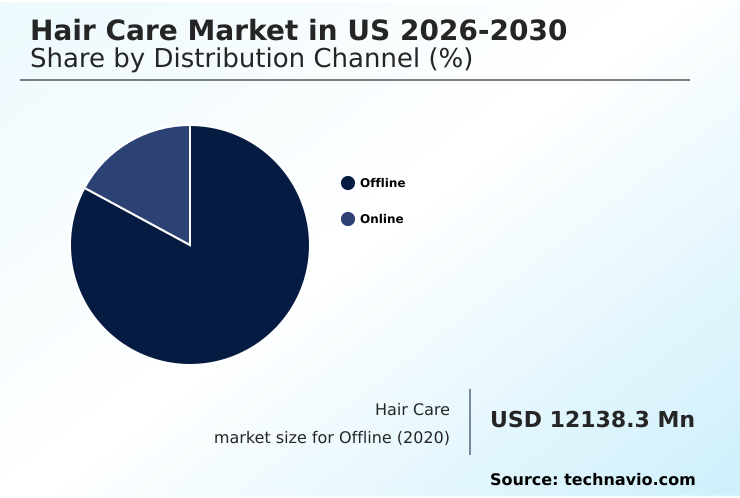
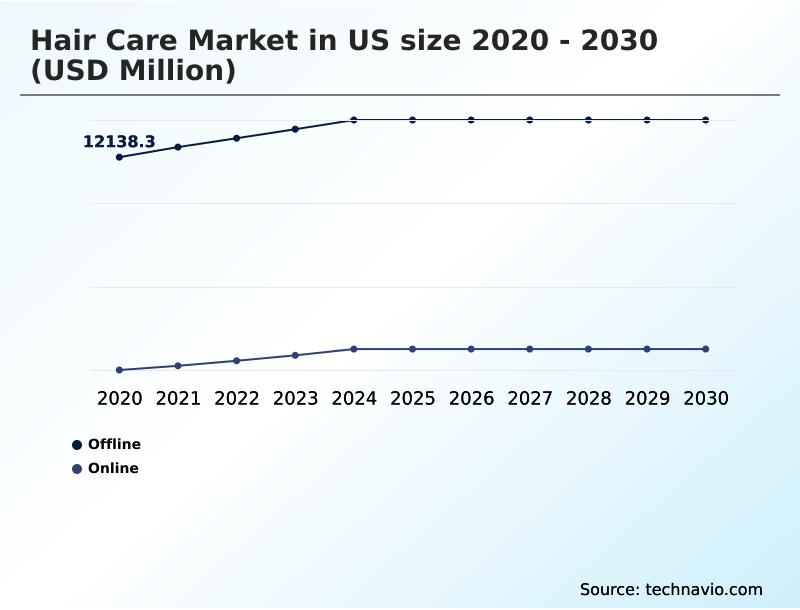
The Offline segment was valued at USD 13.82 billion in 2024 and showed a gradual increase during the forecast period.
Market Dynamics
Our researchers analyzed the data with 2025 as the base year, along with the key drivers, trends, and challenges. A holistic analysis of drivers will help companies refine their marketing strategies to gain a competitive advantage.
- The contemporary hair care landscape requires businesses to address increasingly specific consumer concerns, moving beyond broad product categories. The influence of social media on hair care purchasing decisions has amplified the focus on niche topics, such as the effectiveness and sustainability of waterless shampoo bars and the benefits of a scalp skinification routine for hair growth.
- Consumers now actively compare molecular bond repair versus traditional deep conditioners, seeking scientific validation for product claims. This heightened awareness underscores the importance of ingredient transparency for beauty consumers. Operationally, companies face significant hurdles, including the impact of raw material inflation on hair care pricing and the need to navigate complex environmental packaging regulations for cosmetic products.
- For instance, strategies for managing supply chain volatility in cosmetics have become critical, as sourcing for the consumer demand for clean beauty and non-toxic formulations can increase costs by over 20% compared to conventional ingredients. The digital realm presents its own issues, demanding strategies for how to combat counterfeit hair products on online marketplaces to protect brand equity.
- Furthermore, the growth of personalized hair care subscription services and the role of augmented reality in online hair color sales are redefining go-to-market strategies, pushing innovation in multi-functional hair care product development.
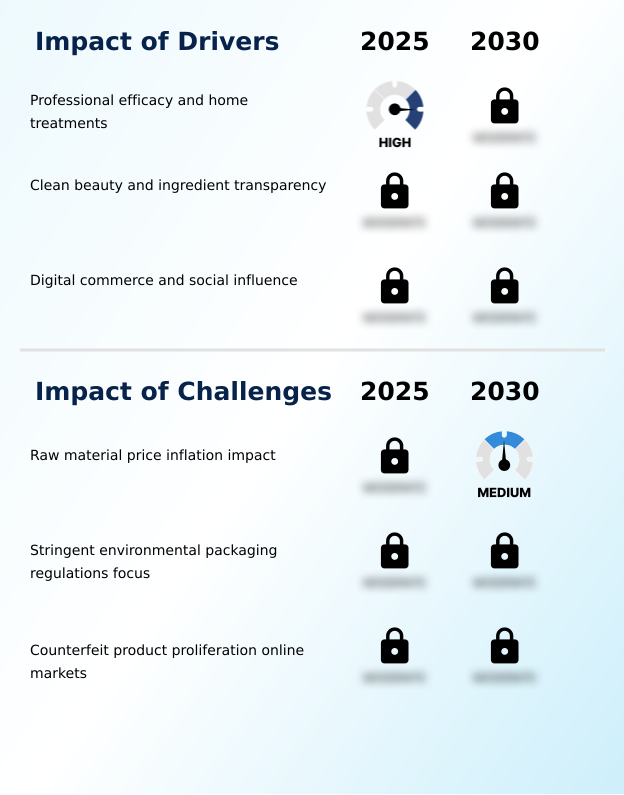
What are the key market drivers leading to the rise in the adoption of US Hair Care Industry?
- Increasing consumer demand for professional-grade efficacy in at-home hair treatments serves as a key driver for market expansion.
- Market growth is fueled by innovations that bring professional results into the home. Molecular bond repair technology has become a cornerstone, with formulations now standard in deep conditioning masks and daily-use products, improving hair resilience by up to 60%.
- The focus on scalp microbiome health is driving the adoption of gentle yet effective sulfate-free surfactants and non-comedogenic formulations. Biotechnology in hair care has enabled advanced liposomal delivery systems for targeted nutrient application.
- This is complemented by the convenience of at-home toning treatments and tools like ionic hair dryers.
- The sustainability push has popularized solid shampoo bars and customizable solid hair care options, reducing water consumption in manufacturing by 25% for some lines, while plant-based hair dyes cater to health-conscious consumers.
What are the market trends shaping the US Hair Care Industry?
- The 'skinification' of hair care is a significant market trend. It emphasizes sophisticated scalp health routines that mirror the complexity and ingredient focus of facial skincare.
- Key market trends are driven by a convergence of efficacy and specialization. The demand for dermatologist-developed haircare is rising, with consumers seeking targeted hair growth solutions and effective anti-frizz serum formulas. The use of natural hair oils and vegan hair products is now mainstream, while semi-permanent hair colorants allow for frequent style changes.
- However, this innovation is paralleled by risks from third-party e-commerce channels, where anti-counterfeit product measures are crucial. Brand protection agencies report a 30% increase in fraudulent listings. Concurrently, raw material price inflation and stringent environmental packaging regulations challenge brands, influencing the viability of private label bond strengthening options and overall product accessibility.
What challenges does the US Hair Care Industry face during its growth?
- The impact of raw material price inflation presents a significant challenge to the hair care market's growth and profitability.
- Navigating market challenges requires a focus on innovation and supply chain resilience. The proliferation of counterfeit professional color lines from direct-to-consumer hair brands leads to issues of intellectual property theft, forcing companies to invest in authentication methods like peptide technology.
- The industry is also adapting to strict regulations requiring higher percentages of post-consumer recycled content, driving a shift towards biodegradable plastic packaging and systems promoting refillable shampoo bottles. Formulations are evolving, with silicone-free conditioners and anti-dandruff agents using microencapsulation technology to improve efficacy. However, sourcing these advanced materials is complex.
- Achieving targets for hair elasticity improvement with new keratin smoothing treatments while managing costs demonstrates the industry's delicate balance, as some brands see a 15% rise in compliance-related expenditures.
Exclusive Technavio Analysis on Customer Landscape
The us hair care market forecasting report includes the adoption lifecycle of the market, covering from the innovator’s stage to the laggard’s stage. It focuses on adoption rates in different regions based on penetration. Furthermore, the us hair care market report also includes key purchase criteria and drivers of price sensitivity to help companies evaluate and develop their market growth analysis strategies.
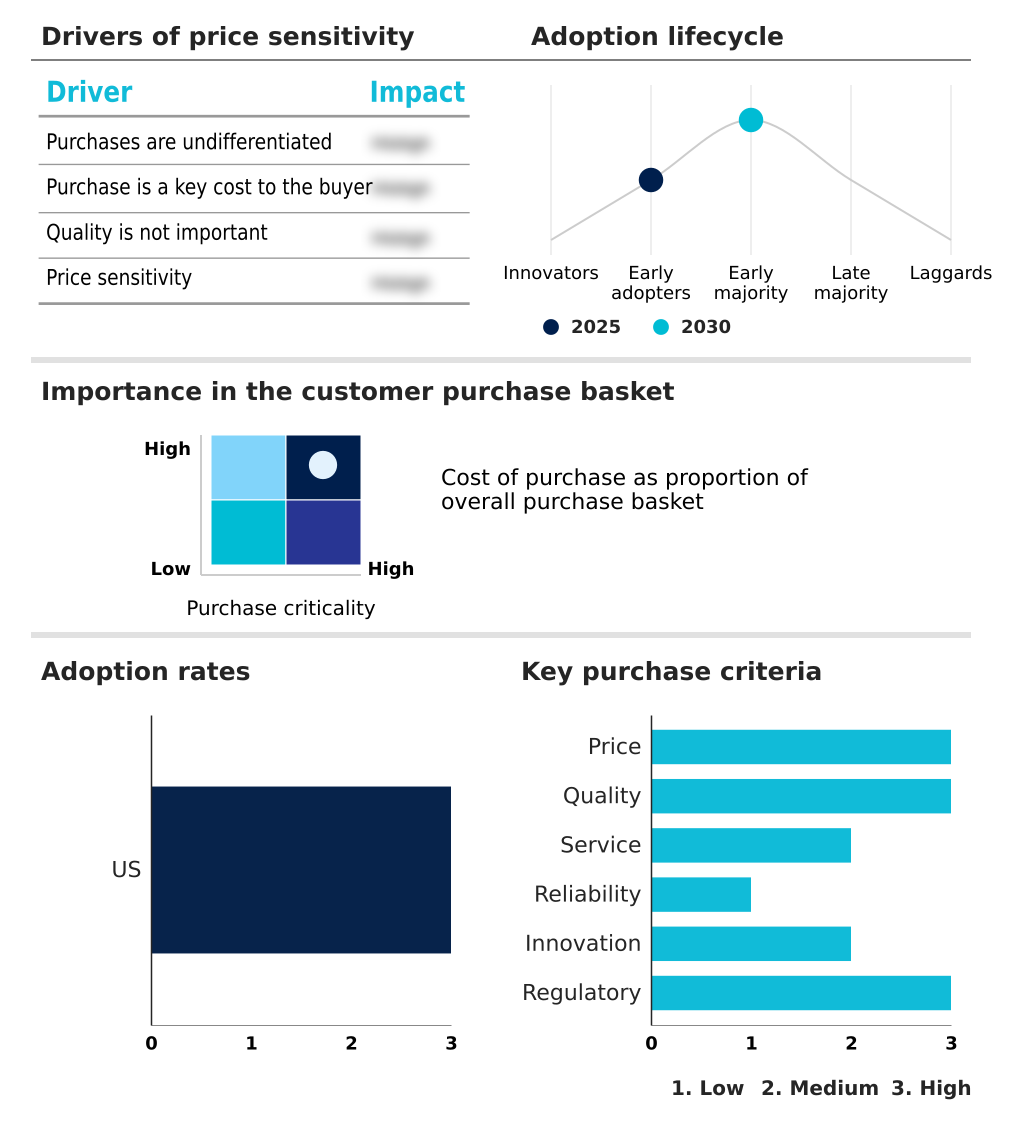
Customer Landscape of US Hair Care Industry
Competitive Landscape
Companies are implementing various strategies, such as strategic alliances, us hair care market forecast, partnerships, mergers and acquisitions, geographical expansion, and product/service launches, to enhance their presence in the industry.
Amway Corp. - A portfolio including shampoos and conditioners addresses diverse consumer needs for hair maintenance and health, reflecting a focus on foundational care.
The industry research and growth report includes detailed analyses of the competitive landscape of the market and information about key companies, including:
- Amway Corp.
- Ceremonia Inc.
- Combe Inc.
- Grove Collaborative Inc.
- Henkel AG and Co. KGaA
- John Paul Mitchell Systems
- Johnson and Johnson Services
- Kao Corp.
- Knowlton Development Corp.
- Loreal SA
- Max Private Label
- Procter and Gamble Co.
- RainShadow Labs
- Revlon Inc.
- Scotch Porter
- SEEN Haircare
- Shiseido Co. Ltd.
- The Estee Lauder Co. Inc.
- Tropical Products Inc.
- Unilever PLC
Qualitative and quantitative analysis of companies has been conducted to help clients understand the wider business environment as well as the strengths and weaknesses of key industry players. Data is qualitatively analyzed to categorize companies as pure play, category-focused, industry-focused, and diversified; it is quantitatively analyzed to categorize companies as dominant, leading, strong, tentative, and weak.
Recent Development and News in Us hair care market
- In August, 2024, Bumble and bumble introduced a new heat protective styling cream that also provides uv filters to prevent color fading and damage from sun exposure.
- In September, 2024, John Paul Mitchell Systems adjusted its supply chain strategy to mitigate the impact of rising costs for plastic resins and cardboard packaging, which have been volatile due to global trade tensions.
- In October, 2024, Amway Corp. launched a comprehensive audit of its global packaging waste to align with new federal guidelines aimed at reducing plastic pollution in the United States.
- In November, 2024, Revlon Inc. intensified its partnership with digital brand protection agencies to identify and remove hundreds of fraudulent listings that were mimicking its professional color lines.
Dive into Technavio’s robust research methodology, blending expert interviews, extensive data synthesis, and validated models for unparalleled US Hair Care Market insights. See full methodology.
| Market Scope | |
|---|---|
| Page number | 183 |
| Base year | 2025 |
| Historic period | 2020-2024 |
| Forecast period | 2026-2030 |
| Growth momentum & CAGR | Accelerate at a CAGR of 4.7% |
| Market growth 2026-2030 | USD 4607.2 million |
| Market structure | Fragmented |
| YoY growth 2025-2026(%) | 4.5% |
| Key countries | US |
| Competitive landscape | Leading Companies, Market Positioning of Companies, Competitive Strategies, and Industry Risks |
Research Analyst Overview
- The hair care market in US is characterized by a strategic pivot toward science-backed, specialized solutions. Boardroom-level decisions are increasingly focused on R&D for proprietary technologies like molecular bond repair technology and peptide technology, which are critical for differentiation.
- The integration of dermatologist-developed haircare principles, especially concerning scalp microbiome health, has led to a surge in products with non-comedogenic formulations and gentle sulfate-free surfactants. Firms investing in biotechnology in hair care, including liposomal delivery systems and microencapsulation technology, are achieving superior product performance, with some reporting a 40% improvement in hair elasticity improvement in clinical trials.
- This scientific push extends to clean beauty hair care, with plant-based hair dyes and silicone-free conditioners becoming industry standards. The market now demands a full-spectrum approach, from daily shampoo for sensitive scalp to advanced keratin smoothing treatments and preventative uv protective hair sprays, compelling companies to balance innovation with sustainable sourcing of natural hair oils and botanical oil extracts.
What are the Key Data Covered in this US Hair Care Market Research and Growth Report?
-
What is the expected growth of the US Hair Care Market between 2026 and 2030?
-
USD 4.61 billion, at a CAGR of 4.7%
-
-
What segmentation does the market report cover?
-
The report is segmented by Distribution Channel (Offline, and Online), Price Range (Mass, and Premium), Product (Hair color, Shampoo, Conditioner, and Others) and Geography (North America)
-
-
Which regions are analyzed in the report?
-
North America
-
-
What are the key growth drivers and market challenges?
-
Professional efficacy and home treatments, Raw material price inflation impact
-
-
Who are the major players in the US Hair Care Market?
-
Amway Corp., Ceremonia Inc., Combe Inc., Grove Collaborative Inc., Henkel AG and Co. KGaA, John Paul Mitchell Systems, Johnson and Johnson Services, Kao Corp., Knowlton Development Corp., Loreal SA, Max Private Label, Procter and Gamble Co., RainShadow Labs, Revlon Inc., Scotch Porter, SEEN Haircare, Shiseido Co. Ltd., The Estee Lauder Co. Inc., Tropical Products Inc. and Unilever PLC
-
Market Research Insights
- The market is defined by a dynamic interplay between technological advancement and consumer-led ethics. The ingredient transparency movement has become a primary purchasing driver, with products featuring plant-derived ingredients showing a 15% higher customer loyalty rate.
- Consumers are performing extensive online hair product research before buying, and brands leveraging augmented reality hair color tools have seen a 30% reduction in product returns. The convenience of hair care subscription models and the influence of social commerce beauty trends are reshaping distribution.
- While demand for salon-quality home results grows, raw material price inflation and environmental packaging regulations present significant operational hurdles. This environment creates opportunities for agile direct-to-consumer hair brands that can quickly adapt to trends like scalp care as skincare and multi-step hair routines.
We can help! Our analysts can customize this us hair care market research report to meet your requirements.
 RIA -
RIA - 
