



Hormone Replacement Therapy Market Size 2024-2028
The hormone replacement therapy market size is forecast to increase by USD 8.44 billion at a CAGR of 6.67% between 2023 and 2028.
- The hormone replacement therapy (HRT) market is experiencing significant growth due to the development of innovative treatments and expanding applications. Testosterone replacement therapy (TRT), a popular form of HRT, is gaining popularity among men for managing symptoms of andropause. However, concerns regarding the side effects of HRT, such as increased risk of certain cancers and cardiovascular diseases, are limiting market growth. In the US, the adoption of digital health solutions is driving the HRT market, enabling remote monitoring and teleconsultation services for patients. As the population ages and the prevalence of hormonal imbalances increases, the demand for effective and safe HRT solutions is expected to continue.
- The market trends and analysis report provides a comprehensive overview of these growth factors and challenges, offering valuable insights for stakeholders In the HRT industry.
What will be the Size of the Hormone Replacement Therapy Market During the Forecast Period?
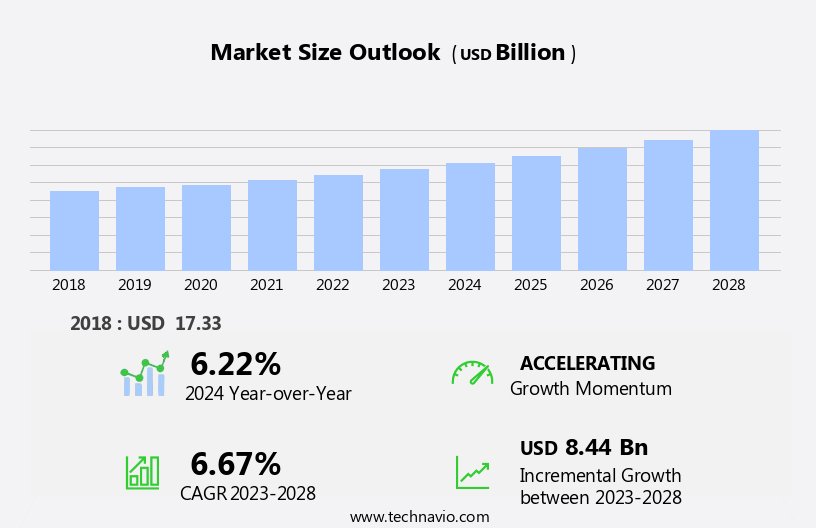
- The hormone replacement therapy (HRT) market encompasses various forms of treatment for hormone deficiencies, including estrogen therapy for women with menopause-related illnesses and testosterone replacement therapy for men with hypogonadism. Thyroid disorders, such as hypothyroidism and hyperthyroidism, also drive demand for thyroid replacement therapy. HRT is administered through multiple routes, including oral, parenteral, and transdermal. Mortality rate reductions associated with HRT have fueled its popularity, particularly for women dealing with menopause symptoms like hot flashes and osteoporosis risks. Novel therapies, like growth hormone replacement therapy for growth hormone disorders and parathyroid hormone replacement for hypoparathyroidism, are emerging trends In the market.
- General practitioners play a crucial role in diagnosing and prescribing HRT, making them key stakeholders. HRT is used to manage various hormone deficiencies, including menopause, male hypogonadism, and growth hormone deficiencies, among others. Medical records indicate that HRT usage is on the rise, reflecting the growing awareness and acceptance of these therapies.
How is this Hormone Replacement Therapy Industry segmented and which is the largest segment?
The hormone replacement therapy industry research report provides comprehensive data (region-wise segment analysis), with forecasts and estimates in "USD billion" for the period 2024-2028, as well as historical data from 2018-2022 for the following segments.
- Distribution Channel
- Hospital pharmacies
- Retail pharmacies
- Online pharmacies
- Type
- Estrogen and progesterone replacement therapy
- Thyroid hormone replacement therapy
- HGH replacement therapy
- Others
- Geography
- North America
- US
- Europe
- Germany
- UK
- Asia
- China
- Japan
- Rest of World (ROW)
- North America
By Distribution Channel Insights
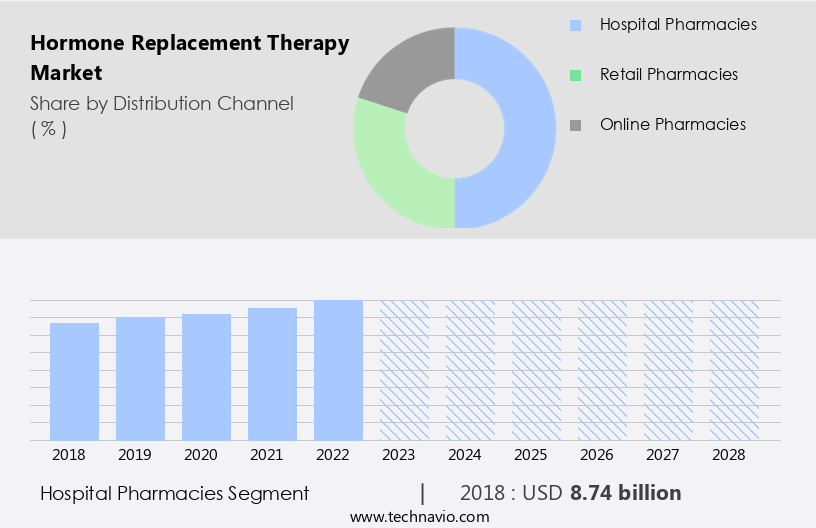
The hospital pharmacies segment is estimated to witness significant growth during the forecast period. Hormone replacement therapy (HRT) is a medical intervention used to alleviate symptoms of hormonal deficiency in women during menopause and in various other disease conditions. HRT includes estrogen therapy for women and testosterone replacement therapy for men. Thyroid disorders, such as hypothyroidism and hyperthyroidism, may also necessitate thyroid replacement therapy, parathyroid hormone replacement, or growth hormone replacement therapy. HRT is available in various formats, including oral, parenteral, and transdermal, depending on the disease type and patient preference. HRT is associated with risks, including fluid retention, peripheral edema, carpal tunnel syndrome, glucose intolerance, and potential side effects like blood clots, bloating, and swelling.
Menopause-related illnesses, such as osteoporosis and menopause symptoms, are common indications for HRT. HRT may also be used for male hypogonadism and growth hormone deficiencies, such as in children and adolescents. Hospitals pharmacies play a crucial role In the provision of HRT, with their specialized staff and close collaboration with healthcare providers ensuring effective communication and coordination. Compounding capabilities in hospital pharmacies enable the creation of personalized formulations for patients with unique requirements. Keywords: Hormone replacement therapy, hospital pharmacies, estrogen therapy, testosterone replacement therapy, thyroid disorders, menopause, menopause symptoms, osteoporosis risks, growth hormone deficiency, hypogonadism, hypothyroidism, parathyroid hormone replacement, thyroid replacement therapy, route of administration, low risks, fluid retention, peripheral edema, carpal tunnel syndrome, glucose intolerance, potential side effects, blood clots, bloating, swelling, benign prostatic hyperplasia, obstructive sleep apnea, prostate cancer, cardiovascular risks, growth hormone abnormalities, children and adolescents.
Get a glance at the market report of various segments Request Free Sample
The Hospital pharmacies segment was valued at USD 8.74 billion in 2018 and showed a gradual increase during the forecast period.
Regional Analysis
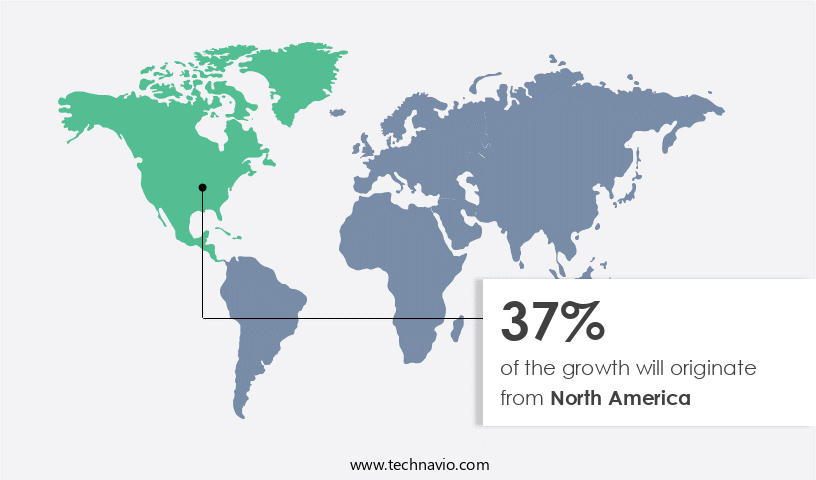
North America is estimated to contribute 37% to the growth of the global market during the forecast period. Technavio's analysts have elaborately explained the regional trends and drivers that shape the market during the forecast period.
For more insights on the market size of various regions, Request Free Sample
The North American the market is projected to expand due to the increasing aging population, particularly In the US and Canada. By 2040, there will be over 80 million Americans aged 65 and above, a significant increase from previous decades. This demographic shift results in a higher demand for hormone replacement therapies, as older adults are more likely to experience hormonal imbalances. Hormone deficiencies, such as those related to menopause, thyroid disease, growth hormone disorders, and hypogonadism, can lead to various health issues. Hormone replacement therapies, including estrogen therapy, testosterone replacement therapy, hGH replacement therapy, thyroid replacement therapy, and parathyroid hormone replacement, can help alleviate symptoms and associated risks, such as osteoporosis, menopause-related illnesses, and mortality.
However, these therapies may carry potential side effects, including fluid retention, peripheral edema, carpal tunnel syndrome, glucose intolerance, and cardiovascular risks. Novel therapies and medication formats, such as oral, parenteral, transdermal, and combination treatment products, are being developed to address these concerns while minimizing risks. Key disease types, including male hypogonadism, hypothyroidism, growth hormone deficiency, and hypoparathyroidism, are targeted markets for hormone replacement therapy growth. Despite these benefits, safety concerns, such as blood clots, bloating, swelling, benign prostatic hyperplasia, obstructive sleep apnea, prostate cancer, and growth hormone abnormalities, necessitate ongoing research and development efforts.
Market Dynamics
Our researchers analyzed the data with 2023 as the base year, along with the key drivers, trends, and challenges. A holistic analysis of drivers will help companies refine their marketing strategies to gain a competitive advantage.
What are the key market drivers leading to the rise In the adoption of Hormone Replacement Therapy Industry?
- Development of innovative hormone replacement therapy products is the key driver of the market.Hormone replacement therapy (HRT) is a medical intervention used to alleviate symptoms of hormone deficiency in women and men. Thyroid disease, including hypothyroidism and hyperthyroidism, and growth hormone disorders, such as growth hormone deficiency and hypoparathyroidism, are common indications for HRT. Hormone deficiency can lead to various health issues, including menopause-related illnesses like osteoporosis risks and menopause symptoms. Transdermal patches offer a convenient and controlled release of hormones through the skin, avoiding first-pass metabolism In the liver. Bioidentical hormones, structurally identical to the hormones produced by the human body, are gaining popularity due to their potential for personalized treatment.
Selective Estrogen Receptor Modulators (SERMs), like Raloxifene, offer a more targeted approach, potentially reducing side effects associated with traditional hormone replacement therapies. Estrogen therapy, including oral, parenteral, and transdermal forms, is commonly used for women with menopause symptoms and thyroid disorders. Testosterone replacement therapy is used for male hypogonadism. Thyroid replacement therapy and parathyroid hormone replacement are essential for managing thyroid and parathyroid disorders. Growth hormone replacement therapy, including hGH, is used for growth hormone deficiencies in children and adults. HRT has potential side effects, such as fluid retention, peripheral edema, carpal tunnel syndrome, glucose intolerance, and cardiovascular risks.
The choice of medication format and route of administration can influence side effects and risks. Despite these concerns, HRT remains an essential treatment for various hormone deficiencies. Novel therapies, such as combination treatment products, continue to emerge, offering potential benefits for patients. It is essential for general practitioners to consider individual patient needs and risks when prescribing HRT.
What are the market trends shaping the Hormone Replacement Therapy market?
- Expanding applications of hormone replacement therapy is the upcoming market trend.Hormone replacement therapy (HRT) is a medical intervention used to alleviate symptoms of hormonal deficiencies in both men and women. In men, HRT is primarily employed as Testosterone Replacement Therapy (TRT) to manage symptoms of andropause, including fatigue, mood changes, and decreased libido. For women, HRT is often prescribed during menopause to mitigate genitourinary symptoms such as atrophy and pain during intercourse. Additionally, HRT has been linked to a protective effect against cognitive decline and Alzheimer's disease in postmenopausal women. Hormone deficiencies can stem from various conditions, including thyroid disease, growth hormone disorders, and parathyroid hormone replacement needs. HRT is available in various formats, including oral, parenteral, and transdermal, catering to individual preferences and disease types.
However, potential side effects, such as fluid retention, peripheral edema, carpal tunnel syndrome, glucose intolerance, and cardiovascular risks, should be considered. Novel therapies, such as hGH replacement therapy, are being explored to address growth hormone deficiencies. HRT may also be used to treat male hypogonadism and female hypothyroidism, hypoparathyroidism, and menopause-related illnesses, including osteoporosis risks and menopause symptoms. HRT medication formats include injections, tablets, transdermal estrogen patches, and vaginal estrogen pills. Safety concerns and potential side effects, such as blood clots, bloating, swelling, benign prostatic hyperplasia, obstructive sleep apnea, prostate cancer, and growth hormone abnormalities, should be carefully weighed against the benefits.
What challenges does the Hormone Replacement Therapy Industry face during its growth?
- Concerns associated with side effects of hormone replacement therapy is a key challenge affecting the industry growth.Hormone replacement therapy (HRT), which includes estrogen therapy for women with menopause-related illnesses and thyroid replacement therapy, growth hormone disorders, and testosterone replacement therapy for male hypogonadism, carries potential risks. For instance, estrogen-progestogen combination therapy has been linked to an increased breast cancer risk, as reported in studies like the Women's Health Initiative (WHI). HRT may also pose cardiovascular risks, such as an elevated risk of stroke, blood clots, and heart attacks, depending on the formulation, dosage, and duration of use. Estrogen-alone therapy in women with an intact uterus increases the risk of endometrial cancer. Hormone deficiency conditions like hypothyroidism, growth hormone deficiency, and hypoparathyroidism require various forms of hormone replacement therapy, including oral, parenteral, and transdermal, to manage symptoms and prevent complications such as osteoporosis risks, menopause symptoms, and thyroid disorders.
Novel therapies like hGH replacement therapy and parathyroid hormone replacement are also available. However, safety concerns exist for some formulations, such as gel-based estrogen and testosterone, which may cause potential side effects like fluid retention, peripheral edema, carpal tunnel syndrome, glucose intolerance, and PE (polyethylene) and polymer-related issues. Growth hormone shortages may impact the availability of growth hormone replacement therapy. It is essential for general practitioners to consider individual patient needs, disease type, and potential risks when prescribing hormone replacement therapy.
Exclusive Customer Landscape
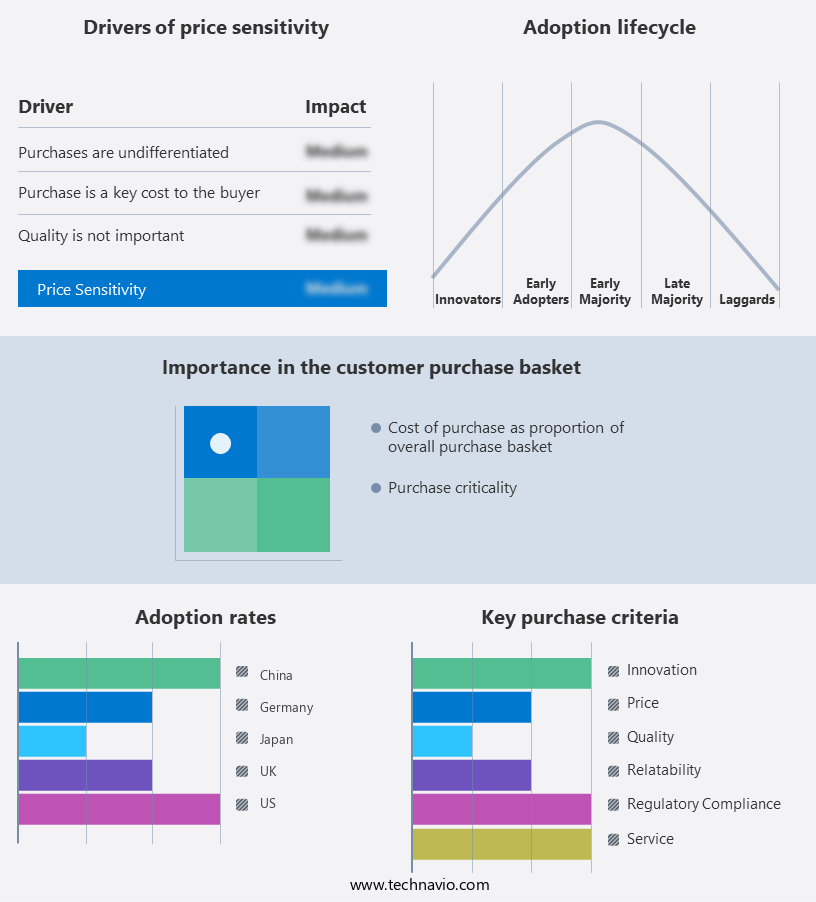
The hormone replacement therapy market forecasting report includes the adoption lifecycle of the market, covering from the innovator's stage to the laggard's stage. It focuses on adoption rates in different regions based on penetration. Furthermore, the hormone replacement therapy market report also includes key purchase criteria and drivers of price sensitivity to help companies evaluate and develop their market growth analysis strategies.
Customer Landscape
Key Companies & Market Insights
Companies are implementing various strategies, such as strategic alliances, hormone replacement therapy market forecast, partnerships, mergers and acquisitions, geographical expansion, and product/service launches, to enhance their presence In the industry.
Abbott Laboratories - Hormone Replacement Therapy (HRT) involves administering exogenous forms of oestrogen and progestogen to women experiencing menopause, as their bodies naturally decrease production of these hormones. HRT aims to alleviate symptoms associated with menopause, including hot flashes, night sweats, and vaginal dryness. The therapy can be delivered through various means, including oral medication, transdermal patches, and gels. It's essential to note that individual responses to HRT may vary, and potential risks and benefits should be carefully weighed against personal health considerations. The company specializes in providing comprehensive HRT solutions, ensuring a tailored approach to meet each patient's unique needs.
The industry research and growth report includes detailed analyses of the competitive landscape of the market and information about key companies, including:
- Abbott Laboratories
- AbbVie Inc.
- Amgen Inc.
- Bayer AG
- Besins Healthcare Monaco
- Eli Lilly and Co.
- Endo International Plc
- F. Hoffmann La Roche Ltd.
- Hisamitsu Pharmaceutical Co. Inc.
- Lupin Ltd.
- Merck KGaA
- Mithra Pharmaceuticals SA
- Novartis AG
- Novo Nordisk AS
- Pfizer Inc.
- Teva Pharmaceutical Industries Ltd.
- Viatris Inc.
Qualitative and quantitative analysis of companies has been conducted to help clients understand the wider business environment as well as the strengths and weaknesses of key industry players. Data is qualitatively analyzed to categorize companies as pure play, category-focused, industry-focused, and diversified; it is quantitatively analyzed to categorize companies as dominant, leading, strong, tentative, and weak.
Research Analyst Overview
Hormone replacement therapy (HRT) is a medical intervention used to alleviate symptoms of hormone deficiency in individuals. Hormone deficiency can result from various conditions, including thyroid disease, growth hormone disorders, and hypoparathyroidism, among others. HRT is commonly used to manage menopause-related illnesses, such as osteoporosis risks and menopause symptoms, in women. However, it is also used in men, particularly those with hypogonadism, to address testosterone deficiency. The global market for HRT is driven by the increasing prevalence of hormone deficiency conditions and the growing awareness of the benefits of HRT in managing related symptoms. Thyroid disease, for instance, affects millions worldwide, leading to an increased demand for thyroid replacement therapy.
Similarly, the rising incidence of growth hormone deficiency, particularly in children and adolescents, is fueling the growth of the HRT market. Despite the benefits, HRT is not without risks. For instance, long-term use of estrogen therapy, a common form of HRT, has been linked to an increased risk of mortality. However, recent studies suggest that the risks may be lower with novel therapies and alternative routes of administration, such as transdermal and oral. The market for HRT is diverse, with various medication formats available. These include oral, parenteral, and transdermal formulations. Injections, tablets, transdermal estrogen patches, and vaginal estrogen pills are some of the common medication formats.
The choice of medication format depends on various factors, including disease type, patient preference, and safety concerns. Growth hormone deficiency, for instance, may require HGH replacement therapy. This therapy can be administered through injections or gel-based formulations. Similarly, testosterone replacement therapy for men may involve injections, tablets, or transdermal gels. Thyroid replacement therapy, on the other hand, may involve oral or transdermal administration of thyroid hormones. Despite the benefits of HRT, there are safety concerns associated with its use. Potential side effects include fluid retention, peripheral edema, carpal tunnel syndrome, glucose intolerance, and blood clots. These risks vary depending on the medication format, disease type, and individual patient factors.
In recent years, there have been reports of growth hormone shortages, leading to concerns about access to HRT for those who need it. However, efforts are being made to address these shortages, and alternative therapies and routes of administration are being explored to improve patient outcomes and reduce the risks associated with HRT. In conclusion, the HRT market is driven by the increasing prevalence of hormone deficiency conditions and the growing awareness of the benefits of HRT in managing related symptoms. The market is diverse, with various medication formats available, each with its unique benefits and risks. Despite the challenges, the future of HRT looks promising, with ongoing research and development efforts aimed at improving patient outcomes and reducing the risks associated with its use.
|
Market Scope |
|
|
Report Coverage |
Details |
|
Page number |
161 |
|
Base year |
2023 |
|
Historic period |
2018-2022 |
|
Forecast period |
2024-2028 |
|
Growth momentum & CAGR |
Accelerate at a CAGR of 6.67% |
|
Market growth 2024-2028 |
USD 8.44 billion |
|
Market structure |
Fragmented |
|
YoY growth 2023-2024(%) |
6.22 |
|
Key countries |
US, Germany, UK, China, and Japan |
|
Competitive landscape |
Leading Companies, Market Positioning of Companies, Competitive Strategies, and Industry Risks |
What are the Key Data Covered in this Hormone Replacement Therapy Market Research and Growth Report?
- CAGR of the Hormone Replacement Therapy industry during the forecast period
- Detailed information on factors that will drive the growth and forecasting between 2024 and 2028
- Precise estimation of the size of the market and its contribution of the industry in focus to the parent market
- Accurate predictions about upcoming growth and trends and changes in consumer behaviour
- Growth of the market across North America, Europe, Asia, and Rest of World (ROW)
- Thorough analysis of the market's competitive landscape and detailed information about companies
- Comprehensive analysis of factors that will challenge the hormone replacement therapy market growth of industry companies
We can help! Our analysts can customize this hormone replacement therapy market research report to meet your requirements.
 RIA -
RIA - 
