



Indonesia Hospitality Market Size 2024-2028
The Indonesia hospitality market size is forecast to increase by USD 7.78 billion, at a CAGR of 6.2% between 2023 and 2028.
- The market is experiencing significant shifts, driven by the increasing preference for local and authentic experiences. This trend is fueled by the growing number of domestic and international tourists seeking unique and culturally immersive stays. Additionally, the rise of the digital age has given way to increased internet access and the influence of online testimonials, which play a crucial role in shaping travelers' decisions. Technology is transforming the hospitality sector, with data analytics, virtual concierge services, mobile applications, and the Internet of Things (IoT) becoming essential components. However, the market faces challenges in implementing tourism policies effectively. The complex regulatory environment and varying implementation standards across regions pose obstacles for hospitality businesses aiming to expand and maintain compliance.
- To capitalize on the market's opportunities and navigate these challenges, companies must focus on delivering authentic, locally-inspired experiences while navigating the intricacies of the regulatory landscape. By staying agile and responsive to evolving consumer preferences and policy requirements, businesses can differentiate themselves and thrive in Indonesia's dynamic hospitality market.
What will be the size of the Indonesia Hospitality Market during the forecast period?
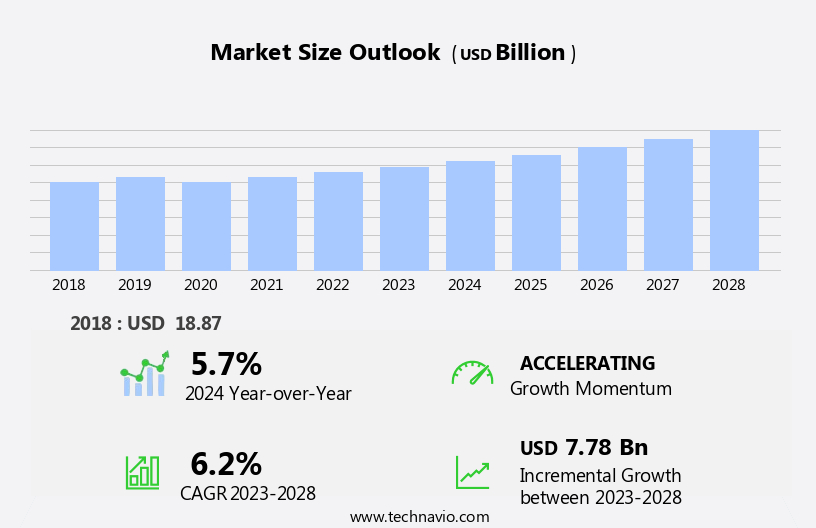
Explore in-depth regional segment analysis with market size data - historical 2018-2022 and forecasts 2024-2028 - in the full report.
Request Free Sample
- The Indonesian hospitality market is characterized by a focus on community engagement and sustainable tourism, with pricing strategies tailored to cater to diverse customer segments. Brand perception and service quality are key differentiators, as hotels prioritize cultural tourism experiences and risk management to ensure guest safety and security. Tourism development and emergency procedures are crucial elements of operational efficiency, with local economic impact and destination marketing driving revenue optimization. Talent acquisition and employee engagement are essential for delivering exceptional guest service, while hospitality design and accessibility standards enhance the overall guest experience.
- Data analytics and guest feedback inform revenue optimization strategies, with safety and security measures integrated into hotel operations. Distribution channels and hospitality software enable efficient management of customer insights, ensuring operational excellence in the competitive Indonesian hospitality industry.
How is this market segmented?
The market research report provides comprehensive data (region-wise segment analysis), with forecasts and estimates in "USD billion" for the period 2024-2028, as well as historical data from 2018-2022 for the following segments.
- Type
- Domestic
- International
- Service
- Food service
- Accommodation
- Geography
- APAC
- Indonesia
- APAC
By Type Insights
The domestic segment is estimated to witness significant growth during the forecast period.
The domestic the market is thriving, with locals driving the majority of tourism within the country. This segment's dominance is attributed to the ease of navigating the country's policies, rules, language, and culture. However, the focus on international tourism is expanding, allowing developing countries to earn foreign exchange. Fitness centers and swimming pools are popular hotel amenities, enhancing guest experience. Channel management systems facilitate seamless reservations and revenue optimization. Sustainability initiatives, such as waste management practices and carbon footprint reduction, are gaining importance. Online reputation management is crucial for maintaining a positive image. Hotels invest in marketing strategies, including content marketing and digital campaigns, to attract guests.
Training programs ensure high-quality customer relationship management. Hospitality technology integration, including mobile apps, online booking engines, and revenue management systems, streamlines operations. Event planning services cater to various needs, from corporate events to weddings. Bar and banquet management systems optimize service delivery. Spa services offer relaxation and rejuvenation. Green building standards ensure eco-friendly structures. Cloud-based solutions enable efficient property management. Accessibility features cater to diverse guest needs. Cultural experiences and tourist attractions add value. Guest wi-fi solutions keep guests connected. Loyalty programs retain repeat business. Sustainability certifications demonstrate commitment to the environment. Hotel branding and social media marketing boost visibility.
Leisure travelers seek unique experiences, while business travelers require efficient services. Restaurant management systems cater to diverse dietary requirements. Transportation services ensure seamless travel. Guest satisfaction surveys provide valuable feedback. Search engine optimization and catering services enhance online presence and guest experience. Digital signage solutions offer dynamic communication. Guest relationship management fosters loyalty. Revenue management systems optimize pricing strategies. In conclusion, the Indonesian hospitality market is dynamic, driven by domestic tourism and a focus on international growth. Amenities, technology, sustainability, and guest experience are key priorities.
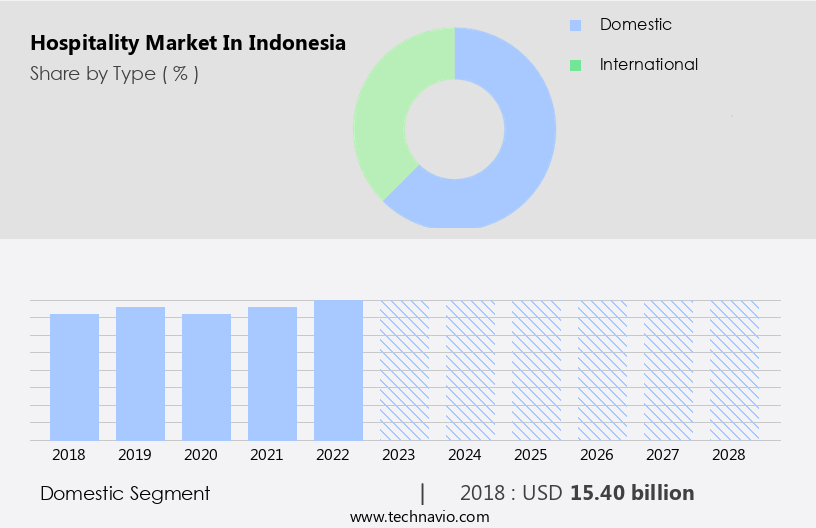
The Domestic segment was valued at USD 15.40 billion in 2018 and showed a gradual increase during the forecast period.
Market Dynamics
Our researchers analyzed the data with 2023 as the base year, along with the key drivers, trends, and challenges. A holistic analysis of drivers will help companies refine their marketing strategies to gain a competitive advantage.
What are the Indonesia Hospitality Market drivers leading to the rise in adoption of the Industry?
- The increasing demand for local, authentic experiences is the primary market trend, shaping consumer preferences.
- The market is experiencing significant growth due to the increasing preference for authentic local experiences among tourists. This trend is driving demand for catering services that cater to unique cultural experiences, digital signage solutions for effective guest communication, and loyalty programs to retain customers. Sustainability certifications are also becoming essential for hotels, as tourists become more conscious of their environmental impact. Hotel management systems, guest relationship management, and hotel branding are key areas of focus for hospitality businesses to enhance operational efficiency and provide personalized services.
- Restaurant management systems are also crucial for managing inventory, menu engineering, and online ordering systems. Social media marketing is an effective tool for reaching potential customers and promoting unique offerings. The market is expected to continue growing as tourists seek immersive and harmonious travel experiences that prioritize local communities and cultures.
What are the Indonesia Hospitality Market trends shaping the Industry?
- The growing prevalence of enhanced Internet access and the increasing importance of online testimonials represent significant market trends. These developments reflect the evolving digital landscape and the increasing reliance on technology for consumer research and engagement.
- The hospitality industry in Indonesia is experiencing significant growth, driven by advancements in technology and increasing demand for superior guest experiences. Fitness centers and swimming pools have become essential amenities, with many hotels investing in these facilities to cater to health-conscious travelers. Channel management systems enable hotels to optimize their online presence and pricing across various booking platforms. Sustainability initiatives are a priority for many hotels, with waste management practices and eco-friendly operations becoming increasingly important. Online reputation management is crucial for maintaining a positive image, with guest experience management being a key focus. Hotel marketing strategies incorporate social media and search engine optimization to attract and engage potential guests.
- Bar and banquet management systems streamline operations and enhance the guest experience, while spa services offer relaxation and rejuvenation. Technological innovations, such as mobile check-in and contactless payment, provide added convenience. Overall, the Indonesian hospitality market is dynamic and competitive, with a strong focus on enhancing the guest experience through technology and sustainability initiatives.
How does Indonesia Hospitality Market face challenges face during its growth?
- The growth of the tourism industry is hindered by the complexities involved in executing tourism policies effectively.
- The Indonesian hospitality market presents opportunities for US businesses, particularly in the areas of hotel training programs and customer relationship management. However, the sector faces challenges, such as the lack of a well-trained workforce and marketing issues. To address these challenges, hotels can invest in advanced property management systems and mobile hospitality apps for efficient operations and enhanced guest experiences. Additionally, catering to dietary requirements and offering accessibility features are essential for attracting business travelers. Hotel security systems and online booking engines are also crucial for ensuring guest safety and convenience. Furthermore, hotels can differentiate themselves by offering conference facilities, cultural experiences, and hotel energy management solutions.
- Effective review management is also vital for maintaining a positive online reputation. In conclusion, the Indonesian hospitality market offers potential for US businesses, particularly in areas such as training, technology, and guest services. However, it is essential to navigate the challenges of workforce development and marketing effectively.
Exclusive Indonesia Hospitality Market Customer Landscape
The market forecasting report includes the adoption lifecycle of the market, covering from the innovator's stage to the laggard's stage. It focuses on adoption rates in different regions based on penetration. Furthermore, the report also includes key purchase criteria and drivers of price sensitivity to help companies evaluate and develop their market growth analysis strategies.
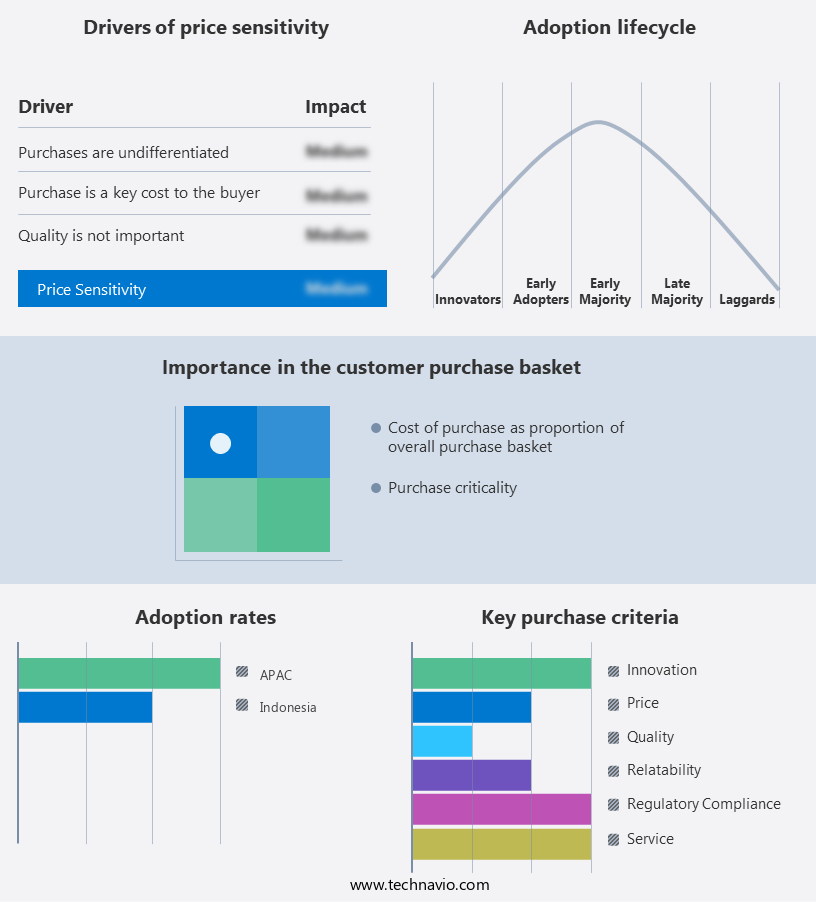
Customer Landscape
Key Companies & Market Insights
Companies are implementing various strategies, such as strategic alliances, market forecast partnerships, mergers and acquisitions, geographical expansion, and product/service launches, to enhance their presence in the market.
The market research and growth report includes detailed analyses of the competitive landscape of the market and information about key companies, including:
- Archipelago International
- Altai Travel
- Kota Satu Properti Tbk
- Manta Dive Gili Air
- MG Group
- Nice Tour Bali
- OSO GROUP
- Panorama Group
- PT Garuda Indonesia Persero Tbk
- PT Kakaban Tour and Travel Services
- PT PEGADAIAN
- PT Pertamina Patra Niaga
- PT Singarajaputra Tbk
- PT. Golden Rama Express
- SAHID HOTELS and RESORTS
- The Seven Holiday
- Xotels Ltd.
Qualitative and quantitative analysis of companies has been conducted to help clients understand the wider business environment as well as the strengths and weaknesses of key market players. Data is qualitatively analyzed to categorize companies as pure play, category-focused, industry-focused, and diversified; it is quantitatively analyzed to categorize companies as dominant, leading, strong, tentative, and weak.
Recent Development and News in Hospitality Market In Indonesia
- In February 2023, Marriott International announced the opening of its first W Hotels property in Jakarta, marking the brand's entry into the Indonesian market (Marriott International, 2023). This expansion underscores Marriott's commitment to capitalizing on Indonesia's burgeoning tourism sector and growing economy.
- In March 2024, Indonesian ride-hailing giant GoTo Group formed a strategic partnership with Accor, the world's largest hotel operator, to develop and manage co-branded hotels under the GrabHotels brand (GoTo Group, 2024). This collaboration aims to leverage GoTo's extensive ride-hailing network and Accor's hospitality expertise to offer integrated travel solutions for customers.
- In May 2024, Indonesian hotel chain, PT Puri Hotels Tbk, completed a successful IPO, raising approximately IDR 2.3 trillion (USUSD 155 million) to fund its expansion plans (PT Puri Hotels Tbk, 2024). The offering was oversubscribed, indicating strong investor demand for Indonesian hospitality stocks.
- In November 2024, the Indonesian government launched a new tourism campaign, "10 New Bali," focusing on developing 10 new tourist destinations outside Bali to reduce overtourism and promote sustainable growth (Indonesian Ministry of Tourism and Creative Economy, 2024). This initiative is expected to create new opportunities for hoteliers and investors in these emerging tourist hotspots.
Research Analyst Overview
The market continues to evolve, with various sectors adapting to changing market dynamics. Fitness centers and swimming pools are increasingly becoming essential amenities for hotels, catering to the growing demand for wellness tourism. Channel management systems enable hotels to optimize distribution across multiple platforms, ensuring maximum occupancy. Waste management practices are evolving, with a focus on sustainability initiatives such as recycling and composting. Online reputation management is crucial for hotels, as guest reviews significantly impact booking decisions. Hotel amenities, from guest experience management to event planning services, are continually being enhanced to meet evolving guest expectations. Bar and banquet management systems streamline operations, while spa services offer relaxation and rejuvenation.
Hotel marketing strategies are becoming more sophisticated, with a focus on digital marketing campaigns, content marketing, and social media marketing. Hotel training programs and customer relationship management are essential for delivering exceptional guest experiences. Hotel security systems, property management systems, and revenue management systems are critical components of modern hotel operations. Dietary requirements are being catered to, with a growing focus on business travelers and review management. Mobile hospitality apps, online booking engines, and guest wi-fi solutions are becoming standard offerings. Hotel energy management, conference facilities, accessibility features, and cultural experiences are all areas of ongoing investment. Carbon footprint reduction is a priority, with a focus on green building standards and cloud-based hospitality solutions.
Hospitality technology integration, kitchen management systems, reservation systems, transportation services, guest satisfaction surveys, and search engine optimization are all integral parts of the evolving hospitality landscape. Loyalty programs, sustainability certifications, guest room amenities, and hospitality staff development are essential components of a successful hotel business. Hotel management systems, branding, and social media marketing are crucial for staying competitive in the dynamic and ever-changing hospitality market.
Dive into Technavio's robust research methodology, blending expert interviews, extensive data synthesis, and validated models for unparalleled Hospitality Market in Indonesia insights. See full methodology.
|
Market Scope |
|
|
Report Coverage |
Details |
|
Page number |
127 |
|
Base year |
2023 |
|
Historic period |
2018-2022 |
|
Forecast period |
2024-2028 |
|
Growth momentum & CAGR |
Accelerate at a CAGR of 6.2% |
|
Market growth 2024-2028 |
USD 7.78 billion |
|
Market structure |
Fragmented |
|
YoY growth 2023-2024(%) |
5.7 |
|
Competitive landscape |
Leading Companies, Market Positioning of Companies, Competitive Strategies, and Industry Risks |
What are the Key Data Covered in this Market Research Report?
- CAGR of the market during the forecast period
- Detailed information on factors that will drive the market growth and forecasting between 2024 and 2028
- Precise estimation of the size of the market and its contribution of the market in focus to the parent market
- Accurate predictions about upcoming market growth and trends and changes in consumer behaviour
- Growth of the market across Indonesia
- Thorough analysis of the market's competitive landscape and detailed information about companies
- Comprehensive analysis of factors that will challenge the growth of market companies
We can help! Our analysts can customize this market research report to meet your requirements Get in touch
 RIA -
RIA - 
