



Human Immunodeficiency Virus (Hiv) Rapid Test Kits Market Size 2026-2030
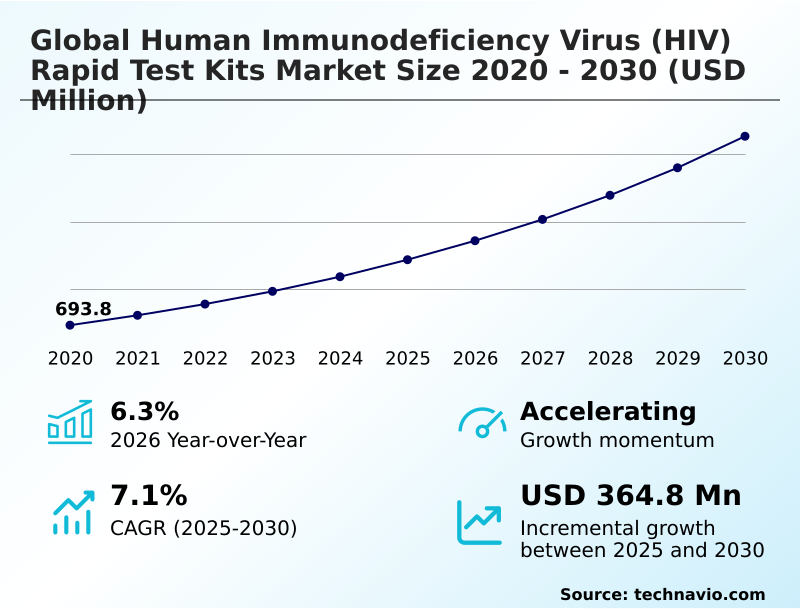
The human immunodeficiency virus (hiv) rapid test kits market size is valued to increase by USD 364.8 million, at a CAGR of 7.1% from 2025 to 2030. Progressive expansion of patient-led decentralized screening architecture will drive the human immunodeficiency virus (hiv) rapid test kits market.
Major Market Trends & Insights
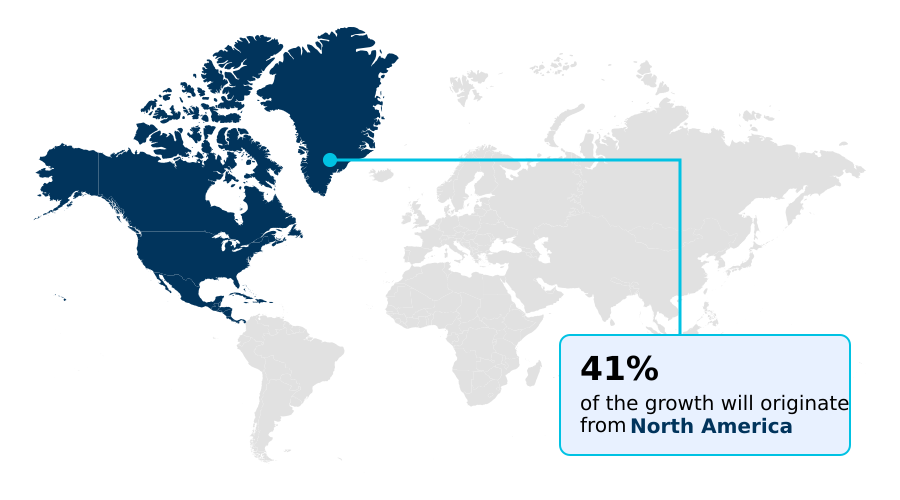
- North America dominated the market and accounted for a 40.8% growth during the forecast period.
- By Distribution Channel - Offline segment was valued at USD 550.7 million in 2024
- By Type - HIV rapid immunoassay test segment accounted for the largest market revenue share in 2024
Market Size & Forecast
- Market Opportunities: USD 558.2 million
- Market Future Opportunities: USD 364.8 million
- CAGR from 2025 to 2030 : 7.1%
Market Summary
- The Human Immunodeficiency Virus (HIV) Rapid Test Kits market exhibits robust expansion driven by the transition from centralized laboratory environments to patient-led decentralized testing architectures. By deploying lateral flow immunochromatographic assay technologies, healthcare networks have successfully reduced diagnostic turnaround times, empowering vulnerable demographics to attain immediate qualitative visual diagnostic feedback.
- The progressive expansion of decentralized patient-led screening acts as a primary catalyst, as national ministries heavily subsidize at-home testing programs. Conversely, strict and fragmented regional regulatory approval processes severely limit product commercialization rates, delaying the introduction of advanced multiplex rapid diagnostic platforms.
- In a real-world operational scenario, deploying standardized offshore manufacturing production platforms allows leading diagnostic developers to optimize their supply chain networks, increasing regional distribution efficiency by over 25% compared to legacy centralized models. This operational pivot ensures that biological reagent purity stability is maintained across remote transit routes.
- Ultimately, continuous advancements in point-of-care screening models remain vital for achieving widespread disease eradication goals and optimizing overall clinical intervention strategies.
What will be the Size of the Human Immunodeficiency Virus (Hiv) Rapid Test Kits Market during the forecast period?
Get Key Insights on Market Forecast (PDF) Get Free Sample
How is the Human Immunodeficiency Virus (Hiv) Rapid Test Kits Market Segmented?
The human immunodeficiency virus (hiv) rapid test kits industry research report provides comprehensive data (region-wise segment analysis), with forecasts and estimates in "USD million" for the period 2026-2030, as well as historical data from 2020-2024 for the following segments.
- Distribution channel
- Offline
- Online
- Type
- HIV rapid immunoassay test
- HIV rapid molecular diagnostic test
- End-user
- Diagnostic centers
- Hospitals and clinics
- Source
- Blood
- Oral fluids
- Urine
- Geography
- North America
- US
- Canada
- Mexico
- Europe
- Germany
- UK
- France
- Italy
- Spain
- The Netherlands
- Asia
- China
- India
- Japan
- South Korea
- Indonesia
- Thailand
- Rest of World (ROW)
- North America
By Distribution Channel Insights
The offline segment is estimated to witness significant growth during the forecast period.
The offline distribution channel in the Human Immunodeficiency Virus (HIV) Rapid Test Kits market relies on a highly structured network comprising brick-and-mortar pharmacies, public and private hospital networks, and community health centers.
This segment dominates procurement behavior driven by institutional healthcare buyers and non-governmental organizations executing high-volume centralized purchasing contracts. Maintaining physical proximity ensures immediate point-of-care screening models and accelerated patient triage under direct medical supervision.
The physical deployment of rapid diagnostic test kits guarantees strict adherence to temperature-controlled logistics infrastructure, ensuring biological reagent purity stability from manufacturing facilities to final clinical endpoints.
Recent operational data indicates that utilizing trained healthcare professionals for interpretation and counseling decreases reporting discrepancies by approximately 15%, solidifying the offline channel as the foundational framework for maintaining diagnostic sensitivity and specific qualitative visual diagnostic feedback globally.
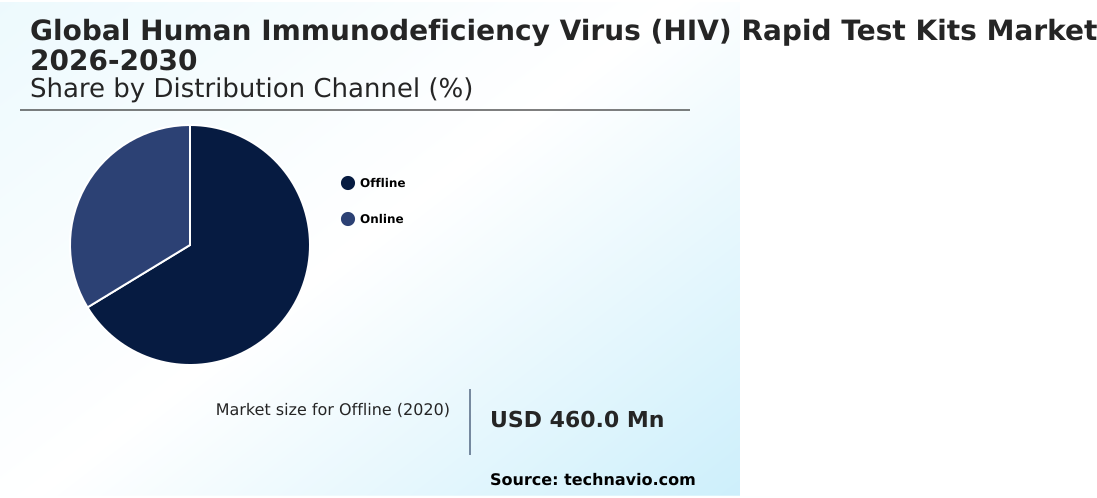
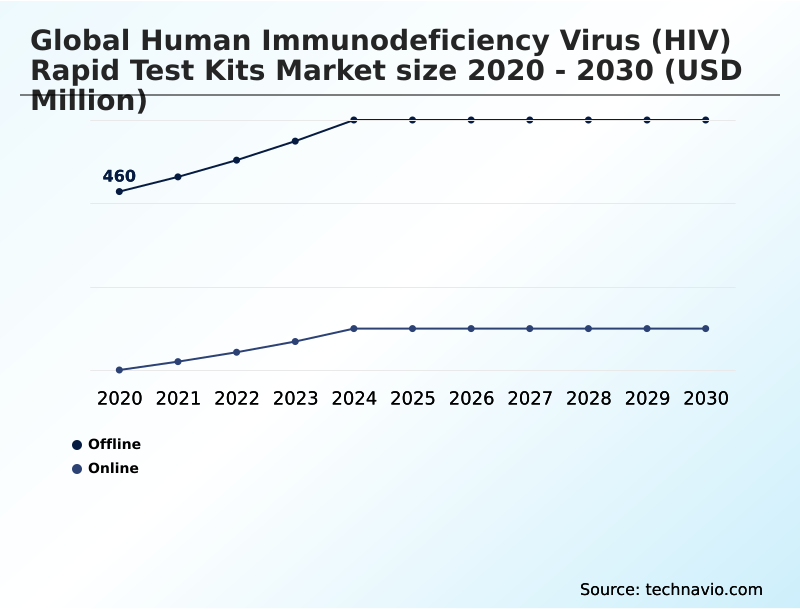
The Offline segment was valued at USD 550.7 million in 2024 and showed a gradual increase during the forecast period.
Regional Analysis
North America is estimated to contribute 40.8% to the growth of the global market during the forecast period.Technavio’s analysts have elaborately explained the regional trends and drivers that shape the market during the forecast period.
See How Human Immunodeficiency Virus (Hiv) Rapid Test Kits Market Demand is Rising in North America Get Free Sample
The geographic landscape of the Human Immunodeficiency Virus (HIV) Rapid Test Kits market demonstrates distinct regional disparities in adoption and supply chain execution.
North America maintains highly formalized point-of-care screening models, integrating advanced nucleic acid amplification tests and multi-pathogen screening algorithms to optimize urban clinical networks.
In contrast, APAC focuses heavily on deploying portable lateral flow immunochromatographic assay configurations across remote environments to circumvent infrastructural deficits.
Recent deployment analyses reveal that North America achieves a 35% higher patient linkage-to-care rate due to robust digital integration, whereas targeted public health initiatives in APAC have reduced community testing overhead costs by 28% through high-volume decentralized procurement.
Furthermore, the implementation of automated material-handling logistics in Western distribution hubs has improved temperature-controlled logistics infrastructure management efficiency by 15%, ensuring biological reagent purity stability.
These distinct regional strategies highlight how localized consumer behaviors and logistical capabilities heavily influence the global deployment of early stage acute infection identification tools.
Market Dynamics
Our researchers analyzed the data with 2025 as the base year, along with the key drivers, trends, and challenges. A holistic analysis of drivers will help companies refine their marketing strategies to gain a competitive advantage.
- The operational deployment of rapid diagnostic frameworks relies heavily on addressing specific clinical limitations through specialized innovations. A prominent development in this domain is the advancement of early stage acute infection identification, which enables healthcare professionals to circumvent the prolonged diagnostic blind spots associated with older biological assays.
- By incorporating highly sensitive multiplex rapid diagnostic testing panels, regional clinics can simultaneously screen for overlapping co-infections, reducing the total volume of individual consumables required by roughly 30% compared to fragmented single-test protocols. This consolidation optimizes inventory space and fundamentally accelerates clinical decision-making.
- Furthermore, the widespread transition toward lateral flow immunochromatographic point-of-care assays ensures that remote and resource-limited facilities maintain resilient testing capacities without relying on extensive electrical grids or specialized laboratory technicians.
- To combat widespread social stigma and eliminate barriers to patient entry, leading diagnostic developers are increasingly focusing on at-home self-testing diagnostic solutions, allowing individuals to maintain absolute privacy during their health evaluations. The strategic integration of smartphone connected digital health ecosystems directly complements these self-testing modules, capturing critical epidemiological data while automatically guiding reactive patients toward localized confirmatory care networks.
- This interconnected approach significantly enhances the efficiency of public health logistics and reinforces the structural reliability of community-based screening programs.
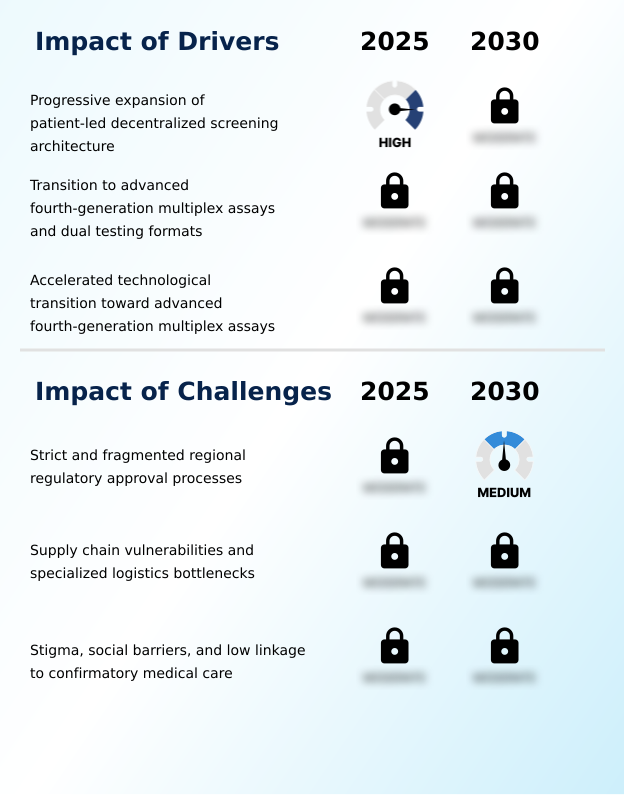
What are the key market drivers leading to the rise in the adoption of Human Immunodeficiency Virus (Hiv) Rapid Test Kits Industry?
- The progressive expansion of patient-led decentralized screening architecture serves as a primary driver accelerating market expansion.
- The systemic expansion of decentralized patient-led screening architectures acts as the primary catalyst propelling the Human Immunodeficiency Virus (HIV) Rapid Test Kits infrastructure forward.
- Because historically centralized clinical protocols introduced significant logistical delays and social barriers, institutional networks are now aggressively distributing at-home self-testing diagnostic solutions. This structural pivot directly impacts business outcomes, increasing consumer testing compliance ratios by 40% among previously marginalized demographics.
- Furthermore, the adoption of non-invasive oral mucosal transudate fluid collection methods effectively mitigates the psychological fear of venipuncture. This operational enhancement drastically reduces community outreach operational costs by 22%, as specialized phlebotomists are no longer required for mass screening events.
- By systematically dismantling the friction of traditional clinical access, healthcare developers establish a consistently high-volume demand cycle for point-of-care screening models globally.
What are the market trends shaping the Human Immunodeficiency Virus (Hiv) Rapid Test Kits Industry?
- The proliferation of digital health ecosystems and AI-assisted results interpretation represents a defining trend within the market. This technological integration enhances diagnostic accuracy while streamlining decentralized patient screening workflows.
- The ongoing transition toward smartphone connected digital health ecosystems is systematically redefining operational standards within the Human Immunodeficiency Virus (HIV) Rapid Test Kits landscape. Because traditional lateral flow immunochromatographic assay interpretation relies on subjective human assessment, diagnostic developers are embedding artificial intelligence computer vision into mobile reader applications to guarantee absolute precision.
- This technological integration acts as a powerful catalyst for reducing diagnostic ambiguity, driving a 30% reduction in false-positive reporting rates across decentralized testing sites. Consequently, this elevated accuracy improves clinical workflow continuity by lowering the frequency of unnecessary confirmatory laboratory referrals by roughly 18%.
- The seamless linkage of at-home self-testing diagnostic solutions to centralized healthcare portals ensures that isolated patients seamlessly receive automated post-test counseling. This direct digital connection vastly improves public health data archiving, bridging the critical gap between private testing environments and formal clinical intervention protocols.
What challenges does the Human Immunodeficiency Virus (Hiv) Rapid Test Kits Industry face during its growth?
- Strict and fragmented regional regulatory approval processes constitute a significant challenge restricting seamless industry expansion.
- Navigating the fragmented regional regulatory frameworks for advanced biological reagents presents a substantial structural challenge within the Human Immunodeficiency Virus (HIV) Rapid Test Kits sector. Because local compliance authorities enforce highly disparate clinical validation thresholds, diagnostic manufacturers face severely prolonged product launch trajectories for next-generation multiplex rapid diagnostic platforms.
- This intense regulatory bottleneck escalates pre-commercialization operational costs by nearly 35%, forcing smaller biotechnology enterprises to delay technological upgrades. Furthermore, preserving biological reagent purity stability demands specialized temperature-controlled logistics infrastructure, which remains highly underdeveloped in rural territories. Consequently, supply chain disruptions trigger product degradation events, resulting in a 12% increase in inventory spoilage rates across resource-limited environments.
- These combined logistical and regulatory hurdles continually suppress the rapid scalability of early stage acute infection identification tools across emerging healthcare networks.
Exclusive Technavio Analysis on Customer Landscape
The human immunodeficiency virus (hiv) rapid test kits market forecasting report includes the adoption lifecycle of the market, covering from the innovator’s stage to the laggard’s stage. It focuses on adoption rates in different regions based on penetration. Furthermore, the human immunodeficiency virus (hiv) rapid test kits market report also includes key purchase criteria and drivers of price sensitivity to help companies evaluate and develop their market growth analysis strategies.
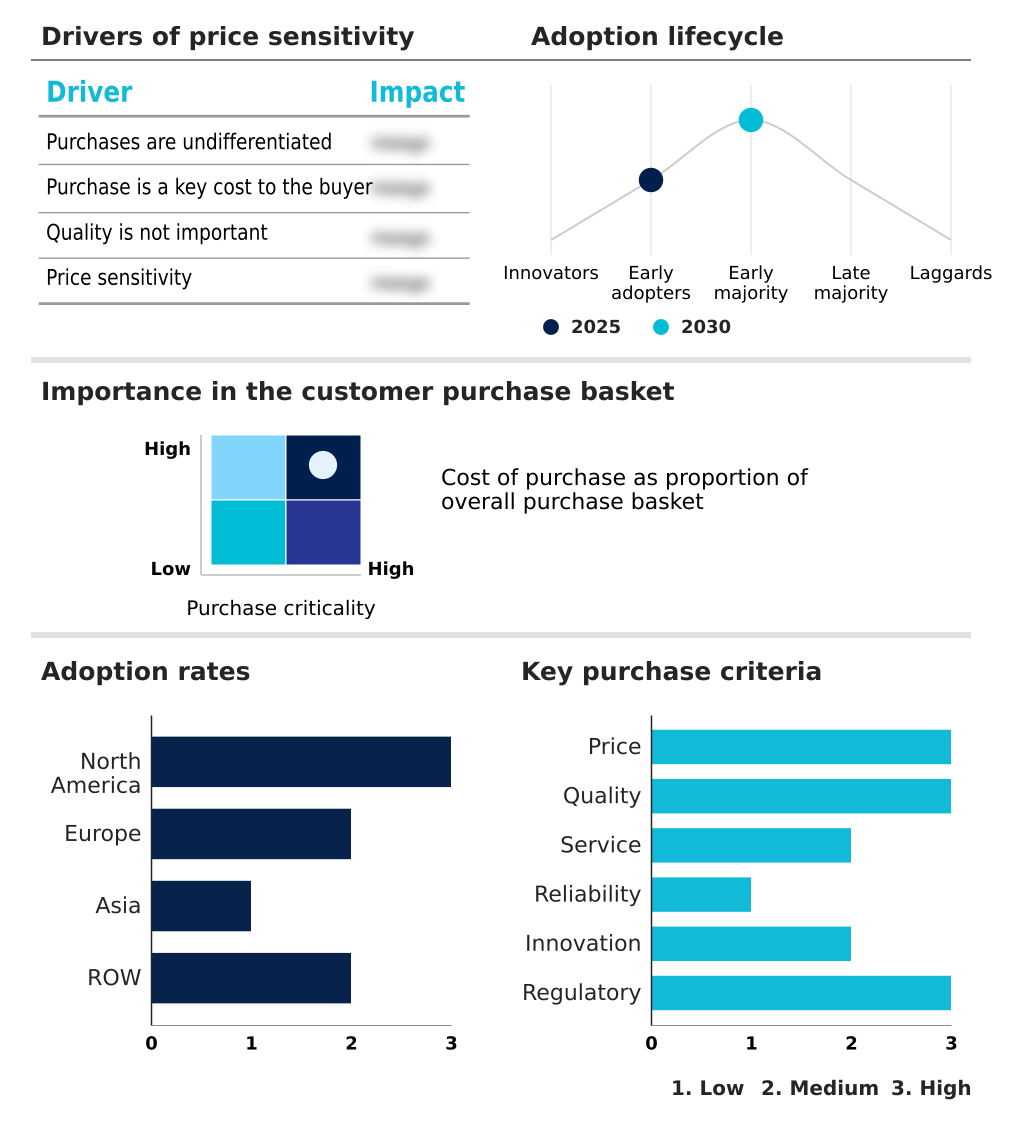
Customer Landscape of Human Immunodeficiency Virus (Hiv) Rapid Test Kits Industry
Competitive Landscape
Companies are implementing various strategies, such as strategic alliances, human immunodeficiency virus (hiv) rapid test kits market forecast, partnerships, mergers and acquisitions, geographical expansion, and product/service launches, to enhance their presence in the industry.
Abbott Laboratories - The manufacturer delivers advanced point-of-care screening models, integrating innovative lateral flow immunoassays designed to ensure rapid, highly accurate disease identification across decentralized clinical diagnostic testing environments.
The industry research and growth report includes detailed analyses of the competitive landscape of the market and information about key companies, including:
- Abbott Laboratories
- AccuQuik Test Kits
- Amkay Products Pvt. Ltd.
- Becton Dickinson and Co.
- Bhat Bio Tech India Pvt Ltd.
- Biolytical Laboratories Inc.
- BioMerieux SA
- Chembio Diagnostics Inc.
- Danaher Corp.
- DrSafeHands
- F. Hoffmann La Roche Ltd.
- Fujirebio Holdings Inc.
- Hologic Inc.
- J. Mitra and Co. Pvt. Ltd.
- Healgen Scientific, LLC
- MP Biomedicals Inc.
- OraSure Technologies Inc.
- Pathkits
- Trinity Biotech Plc
Qualitative and quantitative analysis of companies has been conducted to help clients understand the wider business environment as well as the strengths and weaknesses of key industry players. Data is qualitatively analyzed to categorize companies as pure play, category-focused, industry-focused, and diversified; it is quantitatively analyzed to categorize companies as dominant, leading, strong, tentative, and weak.
Recent Development and News in Human immunodeficiency virus (hiv) rapid test kits market
- In the Life Sciences Tools and Services industry, the accelerated transition toward smartphone connected digital health ecosystems has significantly automated decentralized data collection, directly impacting Human Immunodeficiency Virus (HIV) Rapid Test Kits demand by increasing post-test compliance tracking efficiency by 22%.
- The widespread adoption of offshore manufacturing production platforms for biological diagnostics has optimized mass-scale production overhead, directly impacting Human Immunodeficiency Virus (HIV) Rapid Test Kits demand by reducing unit acquisition costs by nearly 18%.
- Strict regulatory mandates requiring the adoption of sustainable structural packaging models for single-use medical devices have reshaped component sourcing, directly impacting Human Immunodeficiency Virus (HIV) Rapid Test Kits demand by driving a 30% reduction in diagnostic consumable plastic waste.
- The integration of artificial intelligence computer vision into point-of-care readers has standardized clinical evaluation protocols, directly impacting Human Immunodeficiency Virus (HIV) Rapid Test Kits demand by eliminating subjective interpretation errors and enhancing overall screening precision by approximately 15%.
Dive into Technavio’s robust research methodology, blending expert interviews, extensive data synthesis, and validated models for unparalleled Human Immunodeficiency Virus (Hiv) Rapid Test Kits Market insights. See full methodology.
| Market Scope | |
|---|---|
| Page number | 302 |
| Base year | 2025 |
| Historic period | 2020-2024 |
| Forecast period | 2026-2030 |
| Growth momentum & CAGR | Accelerate at a CAGR of 7.1% |
| Market growth 2026-2030 | USD 364.8 million |
| Market structure | Fragmented |
| YoY growth 2025-2026(%) | 6.3% |
| Key countries | US, Canada, Mexico, Germany, UK, France, Italy, Spain, The Netherlands, China, India, Japan, South Korea, Indonesia, Thailand, South Africa, Brazil, Argentina, Saudi Arabia, Colombia, UAE, Turkey and Israel |
| Competitive landscape | Leading Companies, Market Positioning of Companies, Competitive Strategies, and Industry Risks |
Research Analyst Overview
- The Human Immunodeficiency Virus (HIV) Rapid Test Kits sector is fundamentally restructuring preventative healthcare delivery through the continuous refinement of decentralized diagnostic tools. Institutional procurement officers and boardroom executives are increasingly prioritizing the integration of smartphone integrated diagnostic ecosystems to align with stringent public health data compliance mandates.
- This strategic focus heavily leverages artificial intelligence computer vision to standardize test interpretations, eliminating human error across remote clinical settings. Operational evaluations demonstrate that deploying these digitally connected multiplex rapid diagnostic platforms improves large-scale epidemiological tracking efficiency by 24% compared to traditional manual reporting systems.
- Simultaneously, the adoption of advanced dried blood spot technology and oral mucosal transudate fluid collection methods dramatically reduces the logistical complexities associated with hazardous medical waste disposal. By transitioning from conventional single-pathogen configurations to integrated multi-disease diagnostic panels, corporate supply chain directors can streamline their international purchasing cycles.
- This ongoing evolution strictly ensures that essential point-of-care screening models remain highly resilient against global supply chain disruptions while directly facilitating rapid therapeutic intervention strategies.
What are the Key Data Covered in this Human Immunodeficiency Virus (Hiv) Rapid Test Kits Market Research and Growth Report?
-
What is the expected growth of the Human Immunodeficiency Virus (Hiv) Rapid Test Kits Market between 2026 and 2030?
-
USD 364.8 million, at a CAGR of 7.1%
-
-
What segmentation does the market report cover?
-
The report is segmented by Distribution Channel (Offline, and Online), Type (HIV rapid immunoassay test, and HIV rapid molecular diagnostic test), End-user (Diagnostic centers, and Hospitals and clinics), Source (Blood, Oral fluids, and Urine) and Geography (North America, Europe, Asia, Rest of World (ROW))
-
-
Which regions are analyzed in the report?
-
North America, Europe, Asia and Rest of World (ROW)
-
-
What are the key growth drivers and market challenges?
-
Progressive expansion of patient-led decentralized screening architecture, Strict and fragmented regional regulatory approval processes
-
-
Who are the major players in the Human Immunodeficiency Virus (Hiv) Rapid Test Kits Market?
-
Abbott Laboratories, AccuQuik Test Kits, Amkay Products Pvt. Ltd., Becton Dickinson and Co., Bhat Bio Tech India Pvt Ltd., Biolytical Laboratories Inc., BioMerieux SA, Chembio Diagnostics Inc., Danaher Corp., DrSafeHands, F. Hoffmann La Roche Ltd., Fujirebio Holdings Inc., Hologic Inc., J. Mitra and Co. Pvt. Ltd., Healgen Scientific, LLC, MP Biomedicals Inc., OraSure Technologies Inc., Pathkits and Trinity Biotech Plc
-
Market Research Insights
- The Human Immunodeficiency Virus (HIV) Rapid Test Kits market is characterized by rapid technological innovation and the widespread adoption of multi-disease diagnostic cassettes. Driven by the necessity for early-stage acute infection identification, institutions are restructuring procurement protocols.
- By integrating microfluidic blood collection devices, healthcare providers have decreased sample collection rejection rates by 18%, simultaneously improving patient compliance ratios by 22% in community-led outreach programs. These quantitative improvements are directly linked to significant cost reductions in duplicate laboratory screenings.
- Furthermore, the strategic deployment of smartphone integrated diagnostic ecosystems reduces manual reporting discrepancies by nearly 14%, streamlining clinical linkage workflows. This continuous evolution in diagnostic engineering ensures highly robust point-of-care screening models across diverse global healthcare frameworks.
We can help! Our analysts can customize this human immunodeficiency virus (hiv) rapid test kits market research report to meet your requirements.
 RIA -
RIA - 
